• Skip to primary navigation
  • Skip to main content
TAD Graphics logo

t ad studio | tad graphics

A vibrant, multi-disciplinary advertising, communications, creative and digital agency

  • About us
  • What we do
    • Creative and graphic design
    • Copywriting
    • Marketing and advertising
    • Promotional photography
    • Web design and digital media
  • Portfolio
  • Blog
  • Contact us
  • Shop prints

sakura

Adventures in Japan – chasing cherry blossom – Part 2: Kyoto

8 March 2017 by tadgraphics

The Imperial Palace in Kyoto is definitely a great place to check out cherry blossoms

Having spent some time in Osaka and Nara, I hopped onto the Kintetsu Rail and travelled a short distance inland to the city of Kyoto. I was excited to reach Kyoto, a city steeped in history, and home to many fascinating and photogenic attractions scattered around the metropolitan area. Kyoto is also renowned for being one of the best places in the country to see Japanese cherry blossom.

Previously the nation’s capital for around a thousand years, until Tokyo took over the honour in 1869, Kyoto has played an extremely important role in the development of Japan. As a result of its prominent position, some of Japan’s finest palaces, temples and other monuments were built in Kyoto. Collectively they have been made into a UNESCO listed World Heritage Site, and their importance was recognised by the US government. So much so, they avoided bombing the city during World War II.
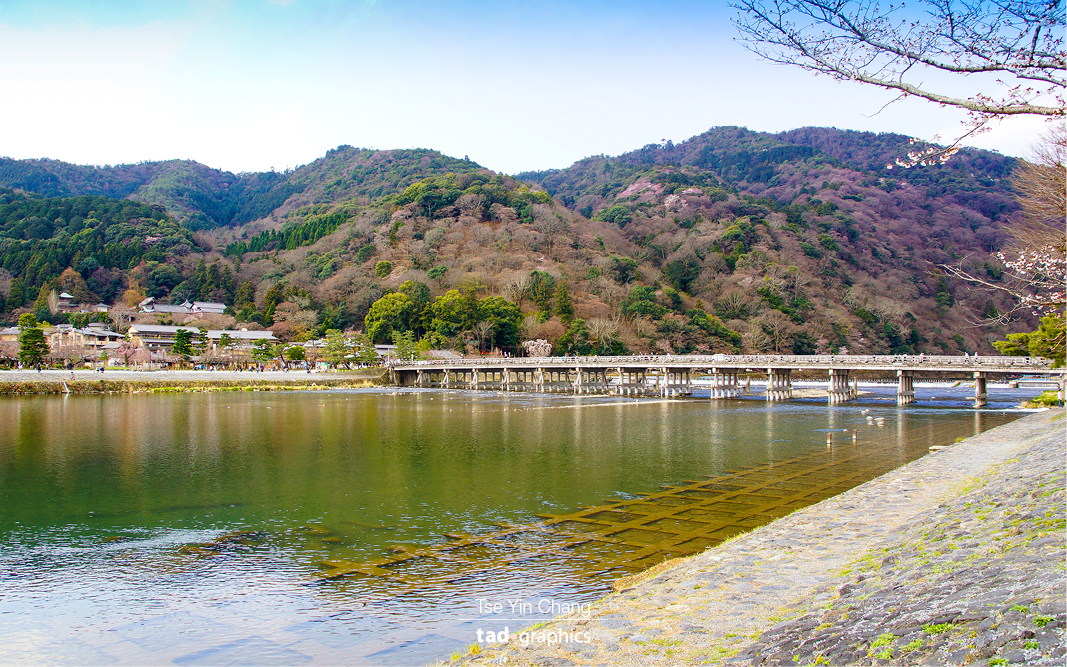
Picturesque Arashiyama, the Togetsu-kyo Bridge has been a landmark for over four hundred years
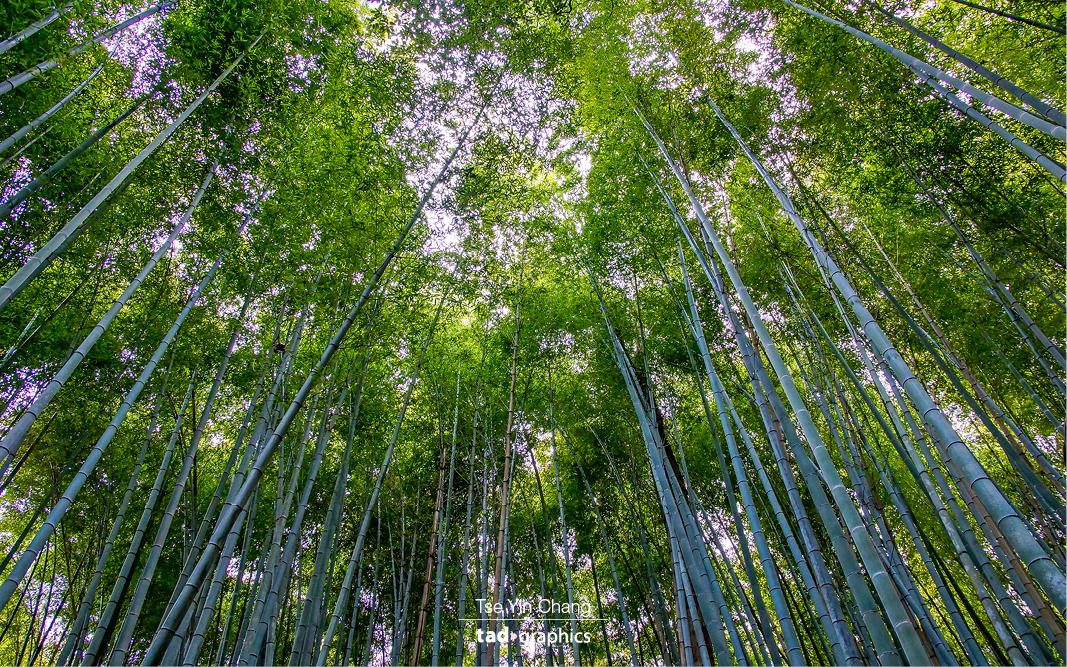
Looking up... giant bamboo plants stretching high up into the sky in Arashiyama Bamboo Grove
Looking up… giant bamboo plants stretching high up into the sky in Arashiyama Bamboo Grove

After settling into my accommodation, and with four days ahead of me to explore, I set out to see what the city had to offer. My first stop was Arashiyama, a picturesque area on the western edge of the city. This is where the mountains meet the city, creating a beautiful natural landscape. The area is also home to bamboo groves, which was the main focus for my visit. After entering the grove along a footpath, you suddenly find yourself dwarfed by thousands of giant bamboo plants, stretching high up into the sky. There are so many, that once inside the bamboo grove you see nothing else. With their thin, smooth trunks, the experience is very different to that of any normal forest I’ve ever encountered. It’s best to visit Arashiyama bamboo forest early in the morning, when it’s less populated with tourists and at its most peaceful.
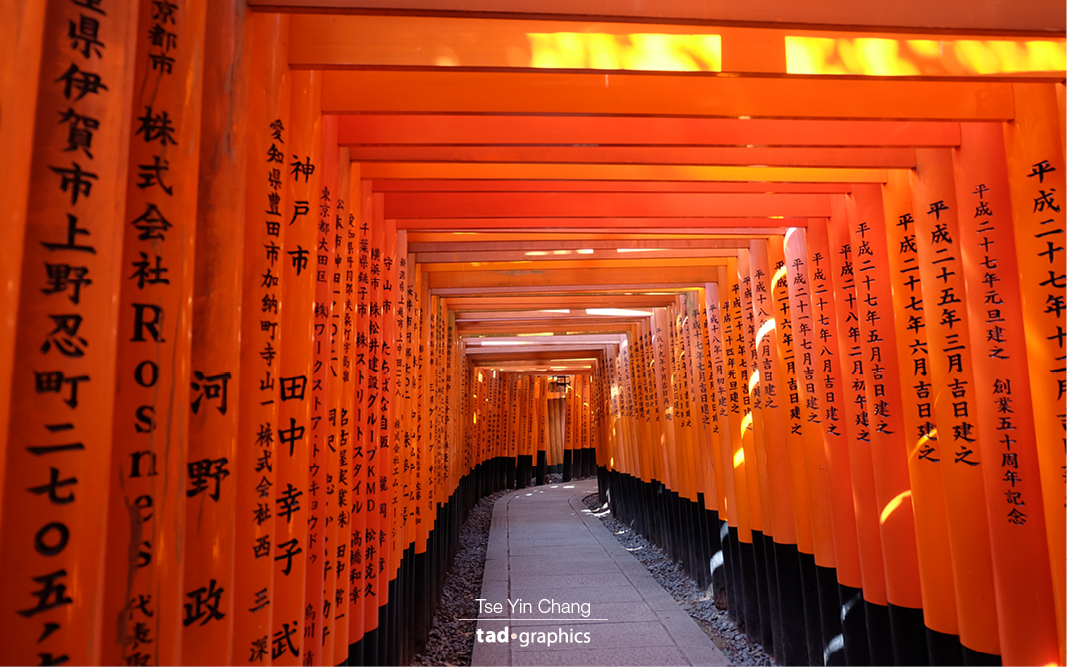
Striking Torii paths in the famous Fushimi Inari-taisha Shrine

Next on my list of places to visit was Fushimi Inari-taisha – an extremely beautiful shrine dedicated to the god Inari. Inari is a Shinto god, and unlike Buddhism, Japan’s other major religion which was imported, Shinto is an indigenous belief system. The religion is only practised in Japan, and this particular shrine is one of the oldest in existence. There are a number of buildings within the temple complex, but in my opinion, the Torii paths are perhaps the most striking of all the structures. A common feature of Shinto shrines, gate like structures at their entrance mark the transition from the profane world to the sacred one. However, because there are so many at Fushimi, they are arranged in a row to form a sort of tunnel. It’s quite an impressive sight to behold.
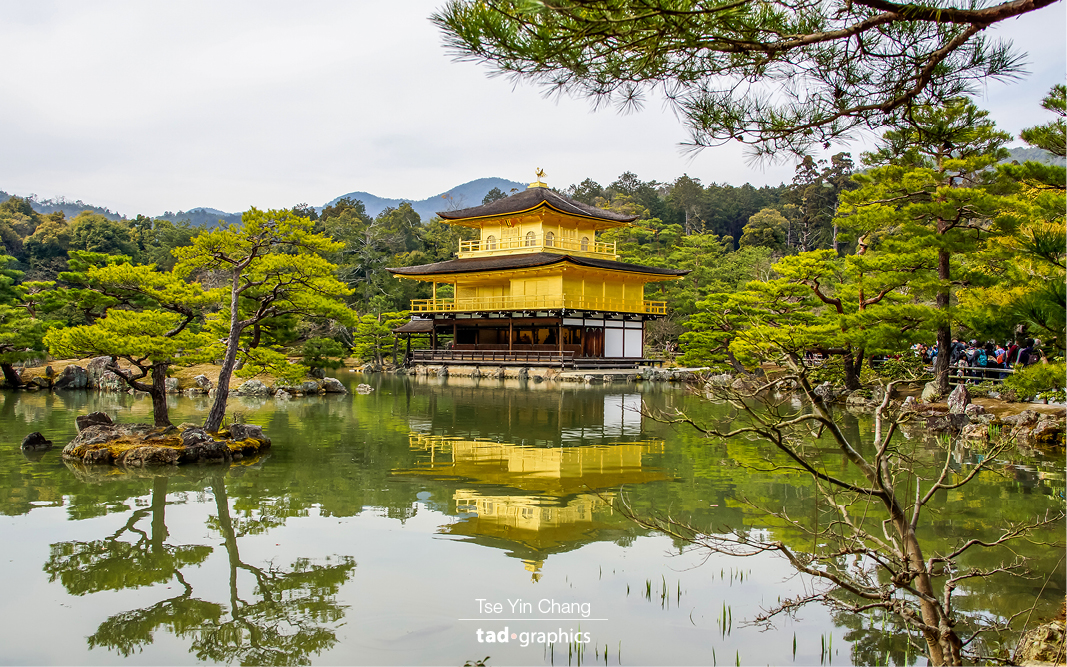
The three story Golden Pavilion or ‘Kinkaku-ji’ building sits in the middle of a landscaped garden and overlooks a large pond

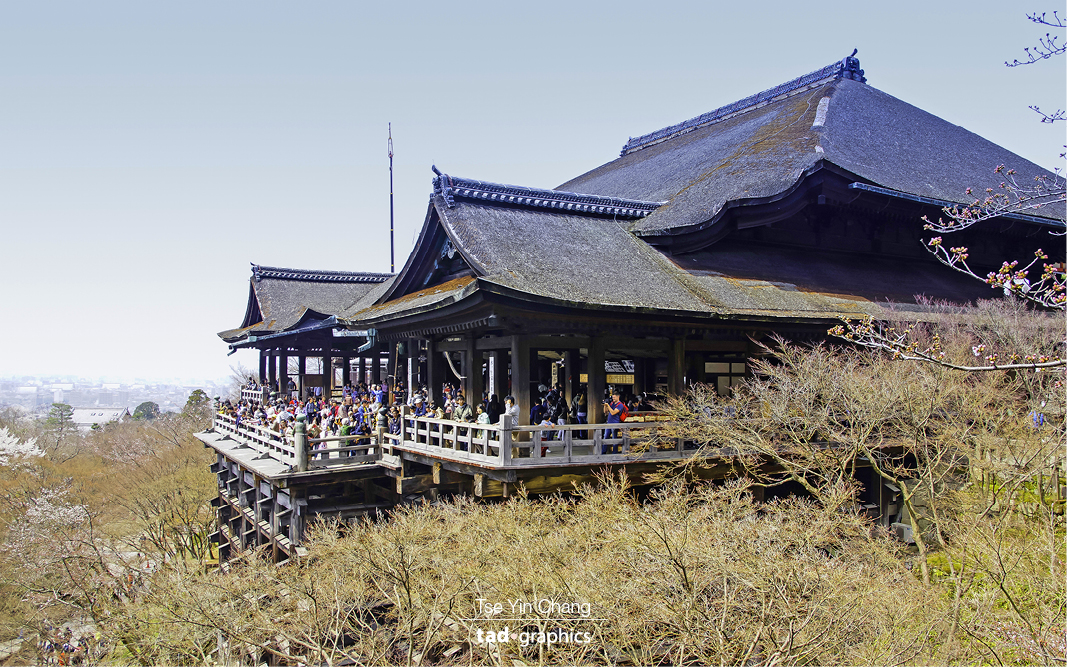
After visiting a Shinto temple, I naturally wanted to experience a Buddhist temple too. And that meant visiting one of the country’s most famous – the Golden Pavilion or ‘Kinkaku-ji’. This three story building sits in the middle of a landscaped garden and overlooks a large pond. What’s most impressive however, is that much of its exterior is covered in gold leaf. I spent some time wandering around the picturesque grounds, taking photos of the sunlight reflecting off the temple walls, before moving on to another temple, Kiyomizu-dera. This UNESCO listed World Heritage Site, which was built in 778 AD, is located halfway up Mt. Otowa, one of the peaks in Kyoto’s Higashiyama mountain range. Kiyomizu-dera is nestled above a waterfall, and the locals believe the water has the power to grant wishes to anyone who drinks it. The main building – which is made of wood and constructed without using a single nail – overlooks the city and is surrounded by beautiful cherry blossom trees.
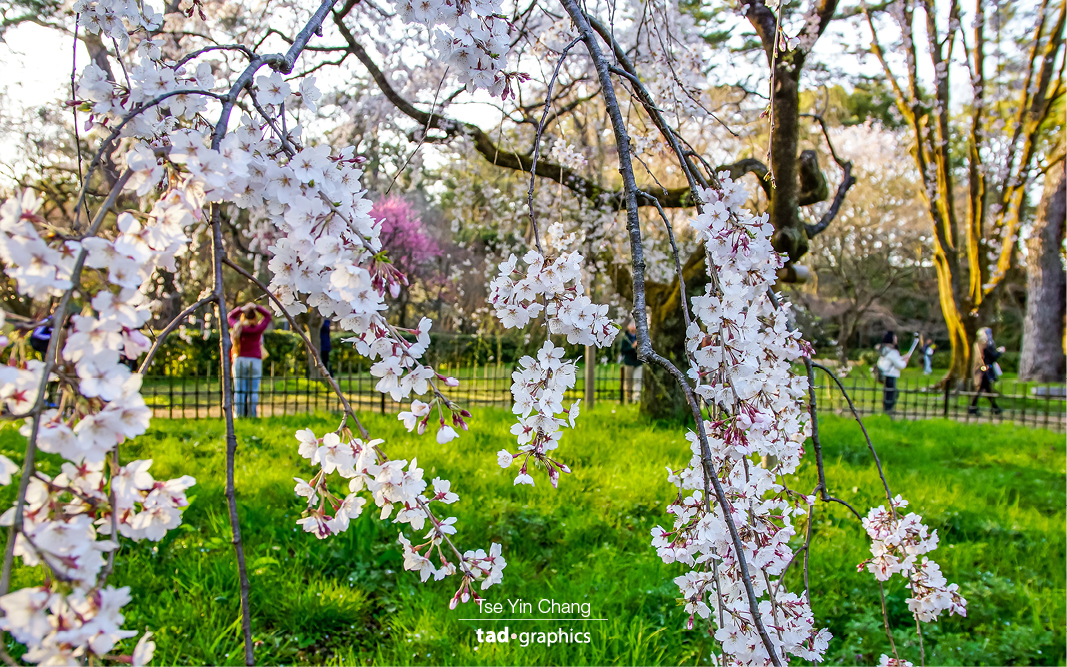
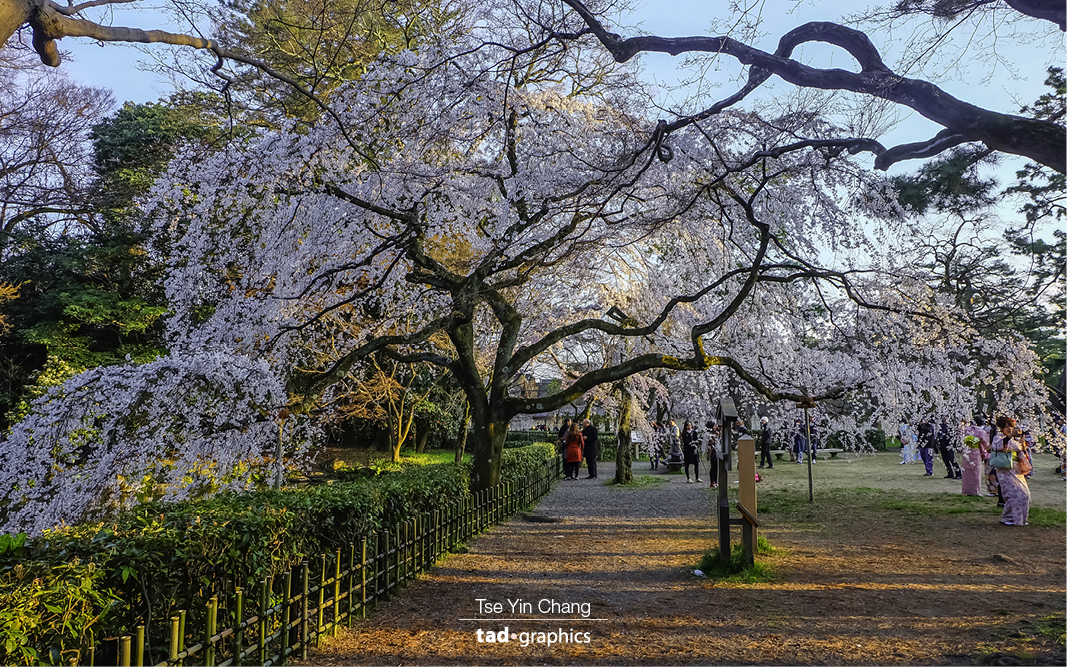
Dazzling pink weeping cherry trees in the Kyoto Imperial Palace

In Kyoto, you have the opportunity to experience many incredible buildings, and it certainly gave me a feel for the region’s rich culture. But my next destination is arguably the most impressive. The Imperial Palace was home to the Japanese emperors for centuries and it is as grand as you would expect an emperor’s residence to be. The monarch no longer lives there, and the complex has burnt down several times over the years. So what you see – although still a couple of hundred years old – is a relatively recent and largely ceremonial construction. But this doesn’t make it any less nice to look at however, and I spent a good few hours exploring. Afterwards, I took a walk through the palace gardens, an experience made even more delightful thanks to the abundance of pink cherry trees in full bloom.
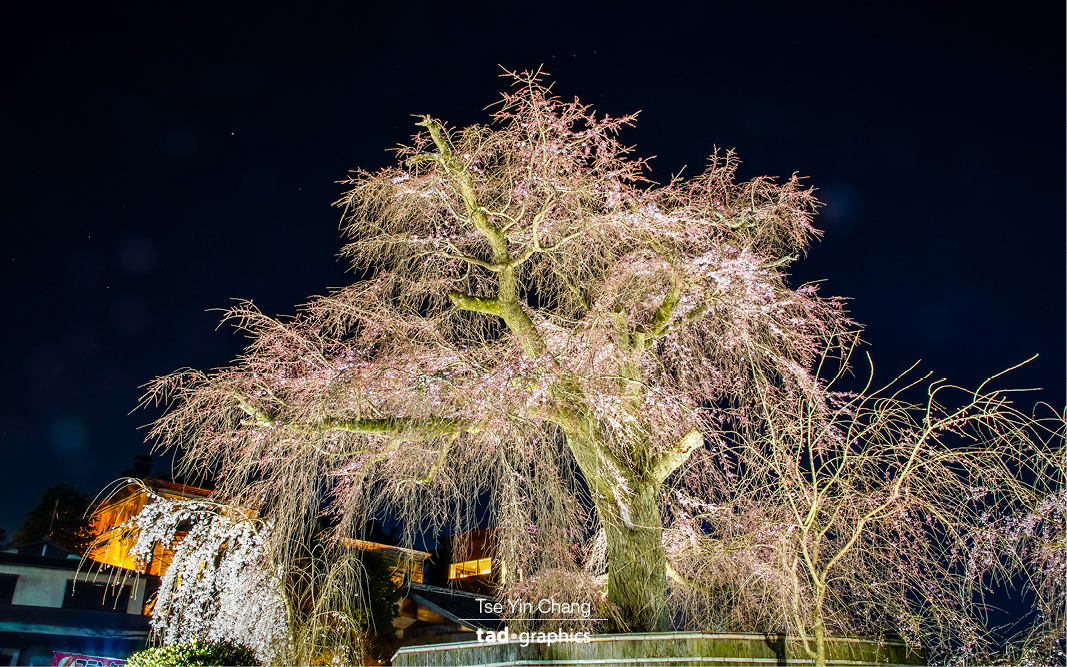
Maruyama-koen Park is cherry blossom central, the most popular spot in Kyoto for cherry blossom viewing

All good things must come to an end, and my last day in Kyoto was spent in the Gion district. This neighbourhood is one of the oldest in Kyoto and walking its medieval streets makes you feel like you have stepped back in time. I wandered through the streets until I came to Yasaka, where I stopped to admire the ornate temple buildings and learn a bit more about the Shinto faith. I then continued on to Maruyama Park, which is located directly behind the shrine and, as I soon discovered, surrounded by a sea of pink, ground zero for cherry blossoms. Satisfied that I had spent my four days in Kyoto well, it was time to move on. My next stop was Tokyo, and that meant traveling on the Nozomi bullet train. Capable of reaching speeds up to 300 km/h, an opportunity to ride one of the fastest trains in the world was not to be missed.

Prints from my Japan photo collection are available in a variety of different sizes and framing options. Please get in touch to find out more.
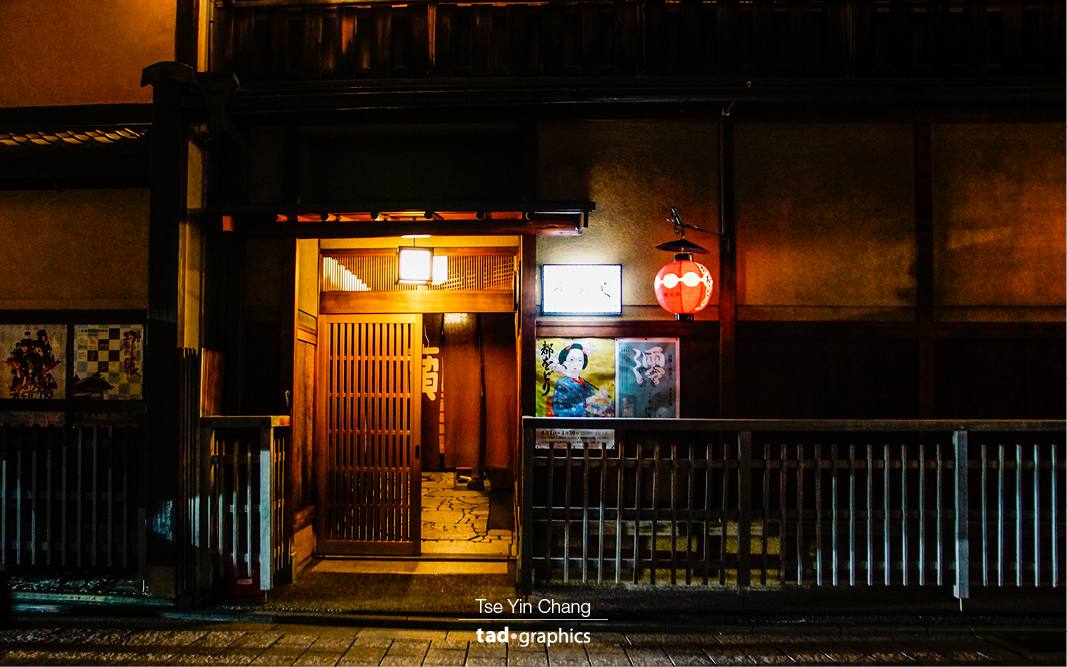
Outside a geisha house, Gion is the only geisha district left in Japan
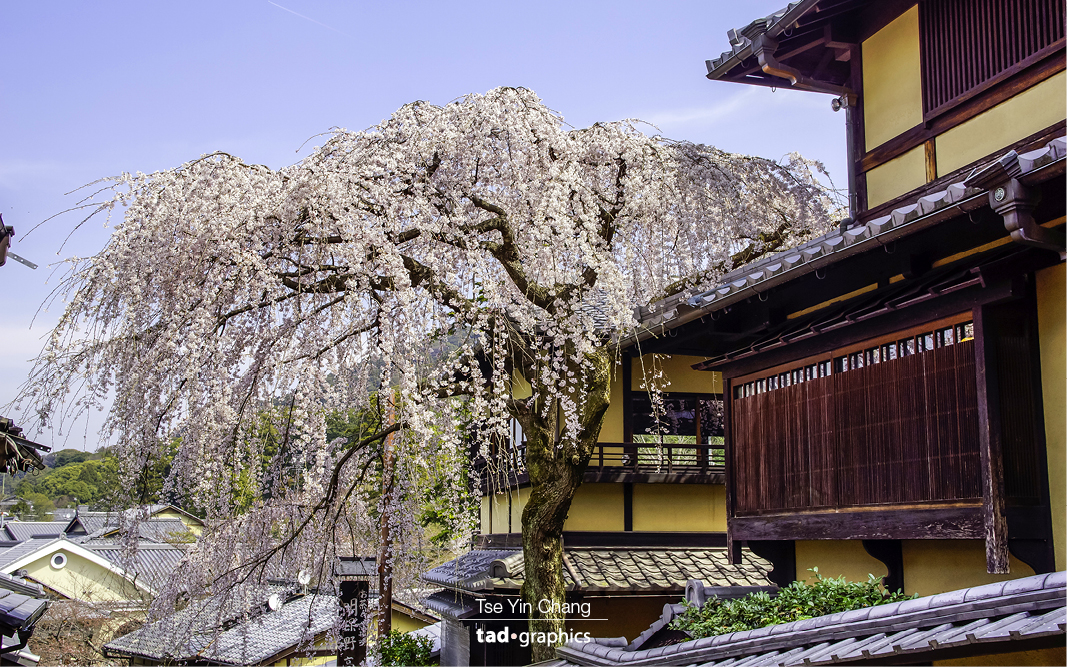
Cherry blossoms are everywhere in Kyoto, this was taken along the foot path leading to Kiyomizu-dera
The impressive Kiyomizu-dera is made of wood and constructed without using a single nail
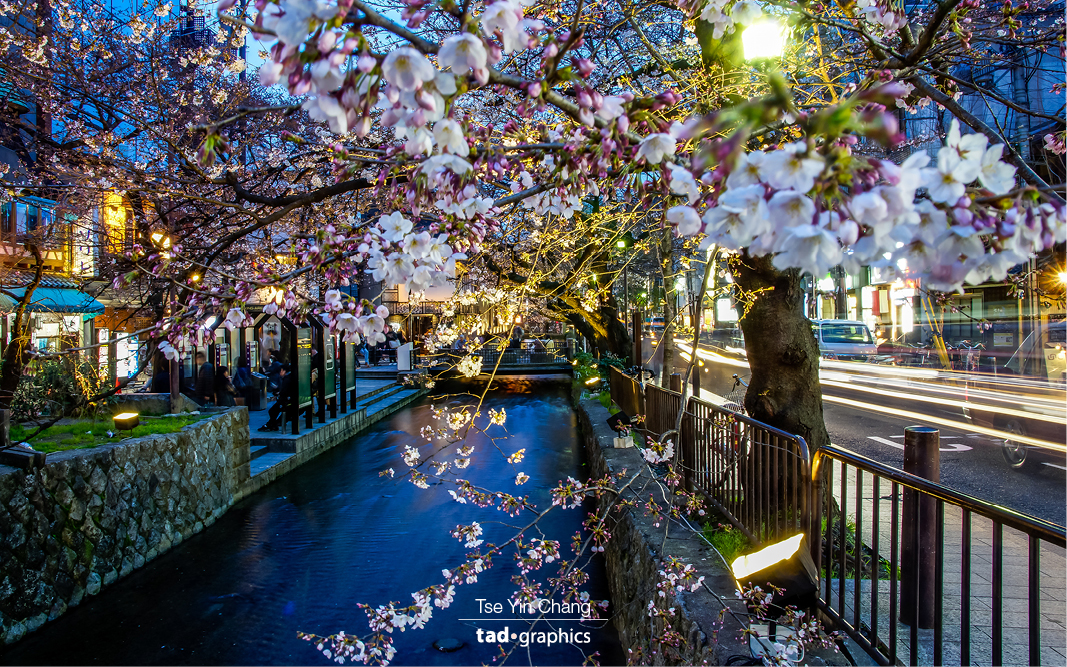
You can also find pink blossoms in downtown Kyoto
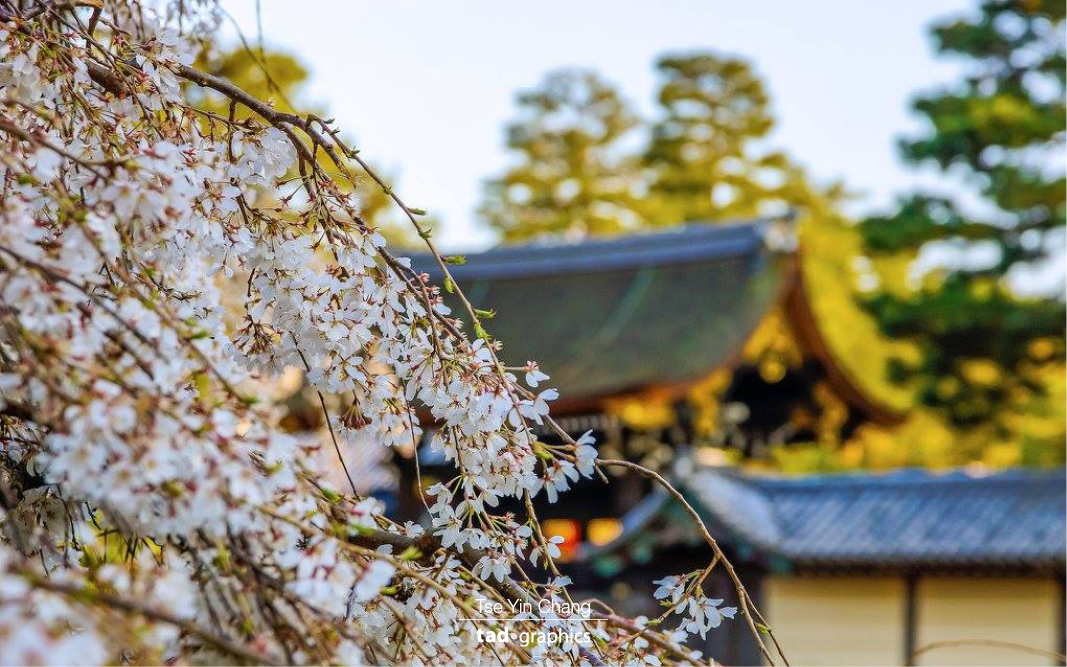
Cherry trees are everywhere in the Kyoto Imperial Palace Park, but the highlights are the shidare-zakura (weeping cherry trees)

Filed Under: Blog, Photography, Portfolio, Travel Tagged With: cherry blossom, gion, hanami, japan, kyoto, sakura, spring

Adventures in Japan – chasing cherry blossom – Part 1: Osaka and Nara

1 March 2017 by tadgraphics

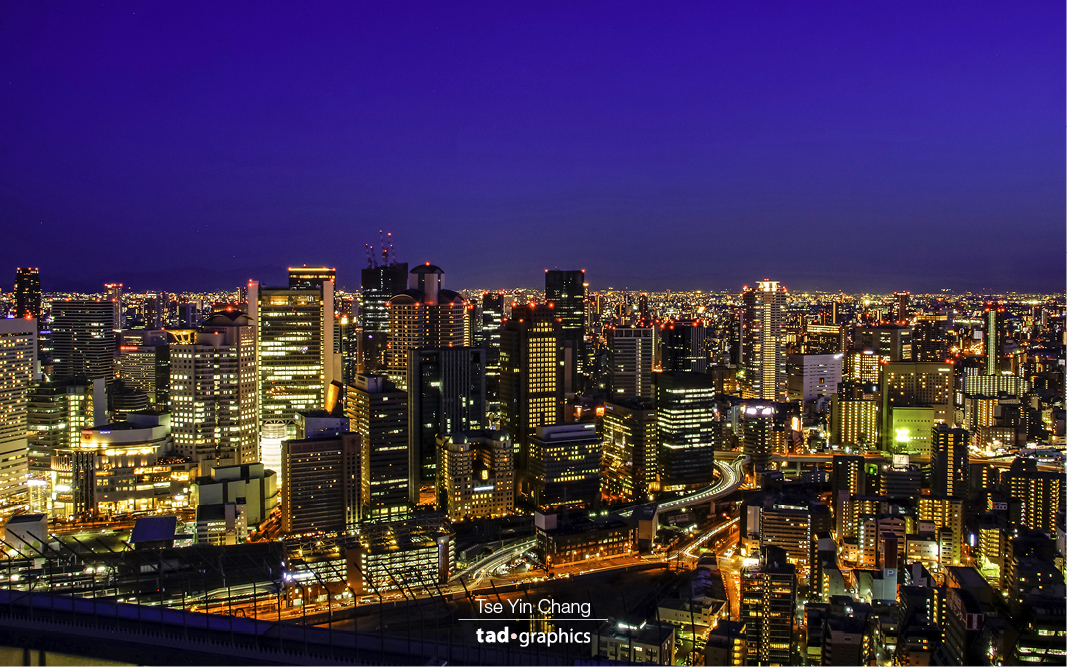
Osaka City at night taken from Umeda Sky Building

For as long as I can remember, I have always wanted to visit Japan during cherry blossom season. Every year, from February to early May, parts of the country explode with pink as the native cherry trees start to blossom. My imagination captured by the evocative fairy tale images of this natural event, I finally got the chance to visit Japan last year, when I organised a trip during Easter, to see the cherry trees in full bloom.

I flew into Osaka, Japan’s second largest city and home to over 19 million people. This would be my base for the next few days, while I explored the city and some of the many sights surrounding it.

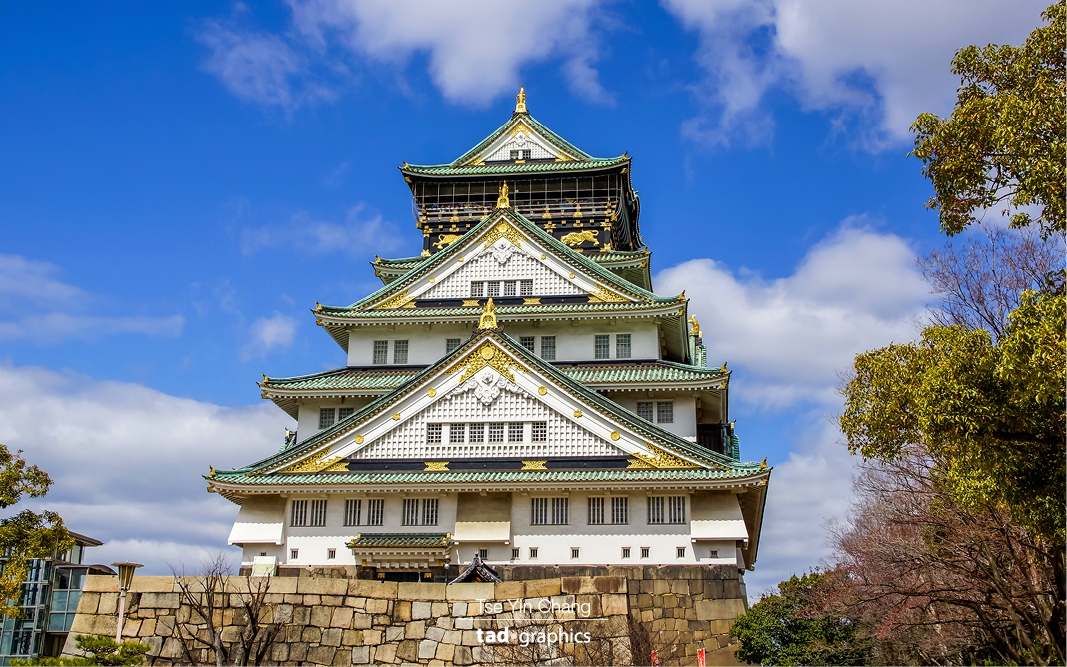
Osaka is also home to one of Japan’s most famous landmarks and popular tourist attractions, Osaka Castle

Osaka is a city with its own character, and over the years has been transformed into an economic powerhouse with a proud tradition of trading. Positioned relatively close to mainland Asia, the city became a gateway for goods flowing to and from Japan, and thanks to the wealth generated by their mercantilism, the city’s inhabitants quickly developed a taste for the finer things in life.

I spent much of my time wandering around the city and soaking up the atmosphere of Osaka. With its bustling streets, there is always something to catch your eye, from the futuristic glass skyscrapers and the colourful signs hanging off the buildings, to the little temples which form little oasis’ of peace amongst the city’s hive of activity.

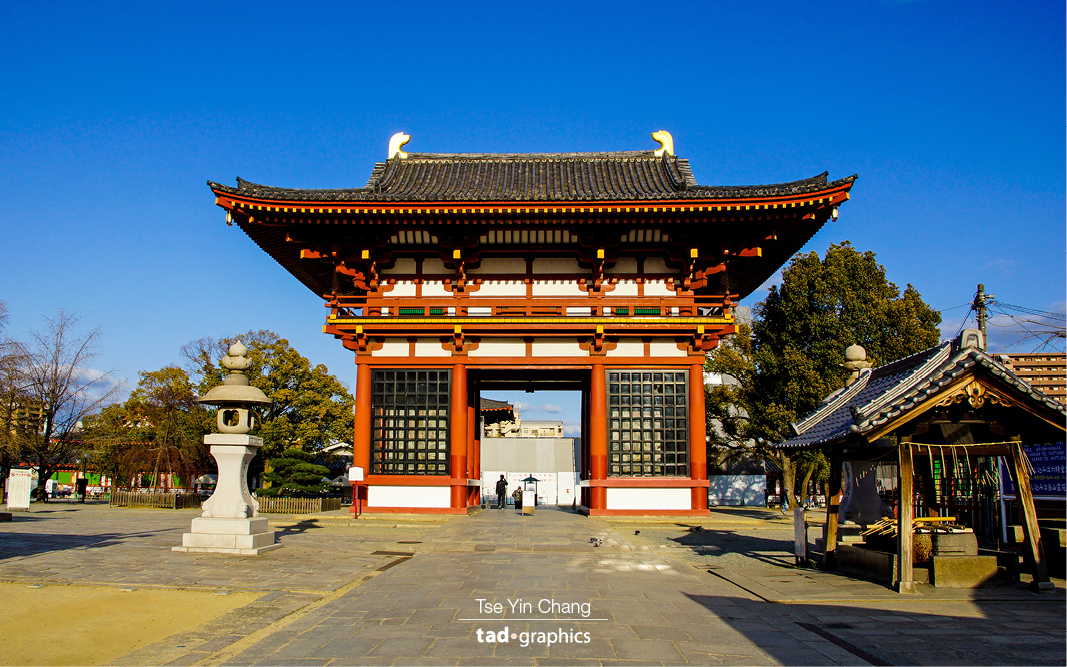
Shitennō-ji is the first Buddhist and oldest officially administered temple in Japan

Water plays a big part in the structure of Osaka, with several rivers flowing through it. The Yodo River is an especially nice place to walk along, and it was along the river bank that I caught my first glimpse of the pink cherry blossoms hanging over the footpaths. The area around Osaka Bay is also a nice place to explore, and one of the city’s major attractions. While plenty of reminders of the area’s history as an industrial port remain, these now sit alongside modern glass buildings, museums, and even a giant Ferris Wheel.

Osaka is also home to one of Japan’s most famous landmarks and popular tourist attractions, Osaka Castle. It’s a very special piece of Japanese history, and therefore a must-visit, in my opinion. The views from the top of the castle are spectacular. But be warned, getting to the top involves climbing a lot of steps.

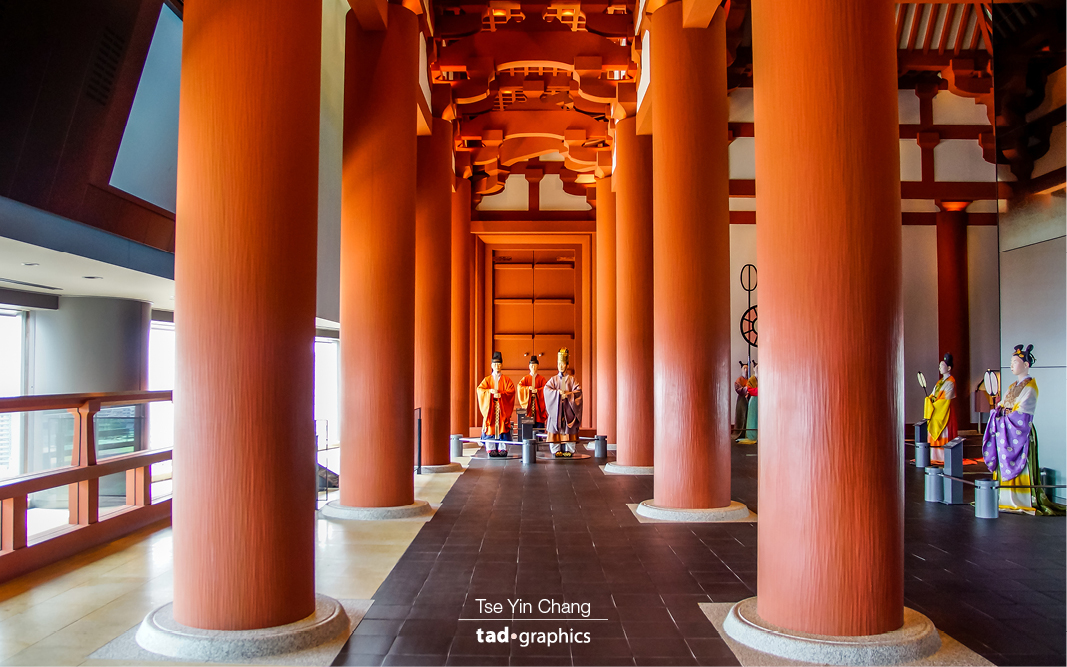
Osaka Museum of History is a contemporary museum with exhibits detailing Osaka history from ancient times to the present day

Japan is a densely populated country, with a large number of people inhabiting a relatively small island. This area of the country is particularly packed, and many large cities can be found within an hour of each other. This, along with Japan’s advanced transport system means it is very easy to travel between cities, especially if you want to take day trips to places of interest. I decided to take a day trip and visit the historically important city of Nara.

I highly recommend a visit to Nara if you want to enjoy Japan’s famous cherry trees in full blossom. Within the city limits is Nara Park, which is one of the oldest parks in Japan, situated at the bottom of a picturesque mountain. Nara Park is also home to around 1,200 wild sika deer. It took me around forty minutes to reach Nara Park, and immediately I was blown away by its beauty. From a photography perspective, it is extremely photogenic – the lovely natural landscape being a perfect background to the temple complexes, and together they made an extremely Japanese scene. Of course the cherry blossom was everywhere, and I will never forget the sight of all the trees covered in light pink foliage.

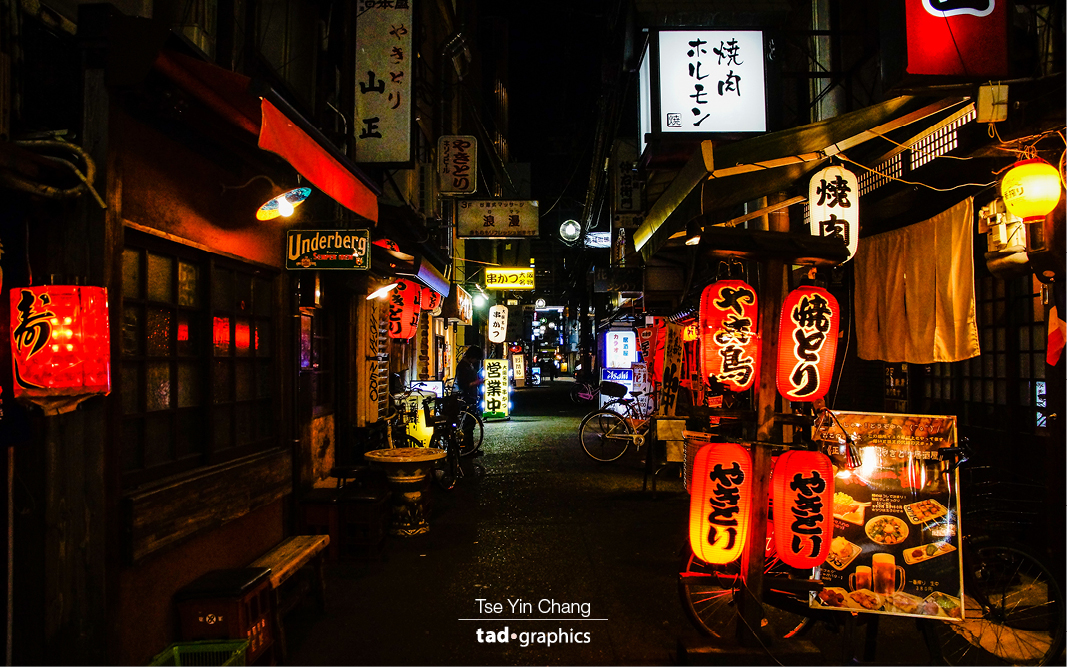
Shinsaibashi-suji and Dotonbori is packed with restaurants and food stands, boasting Osaka’s lively and delicious food culture, bars, cafes and souvenir shops

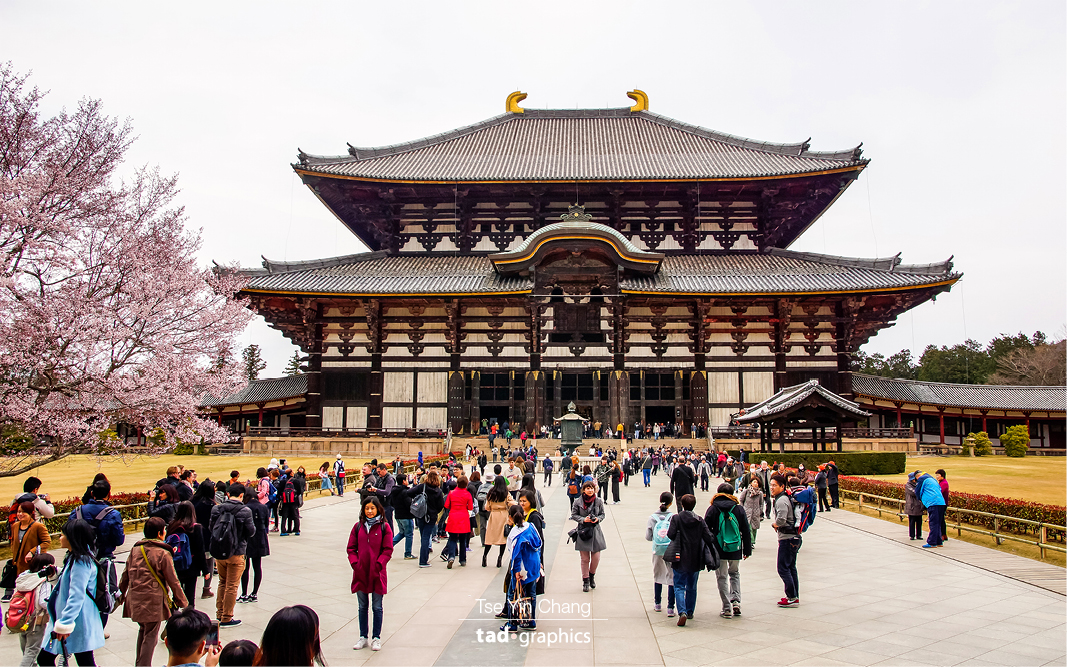
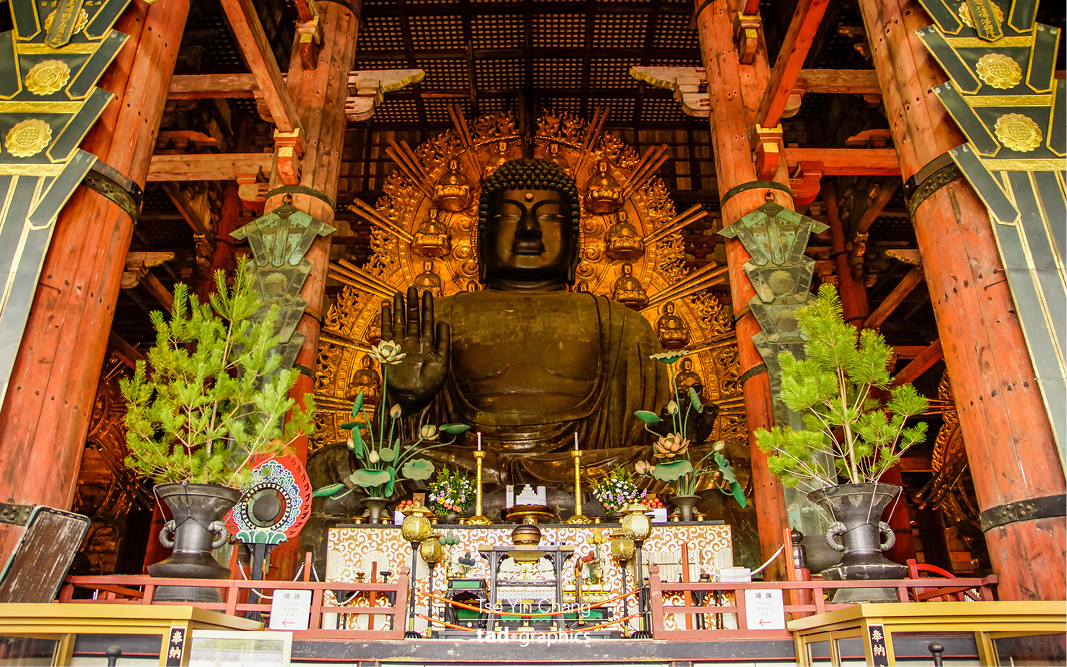
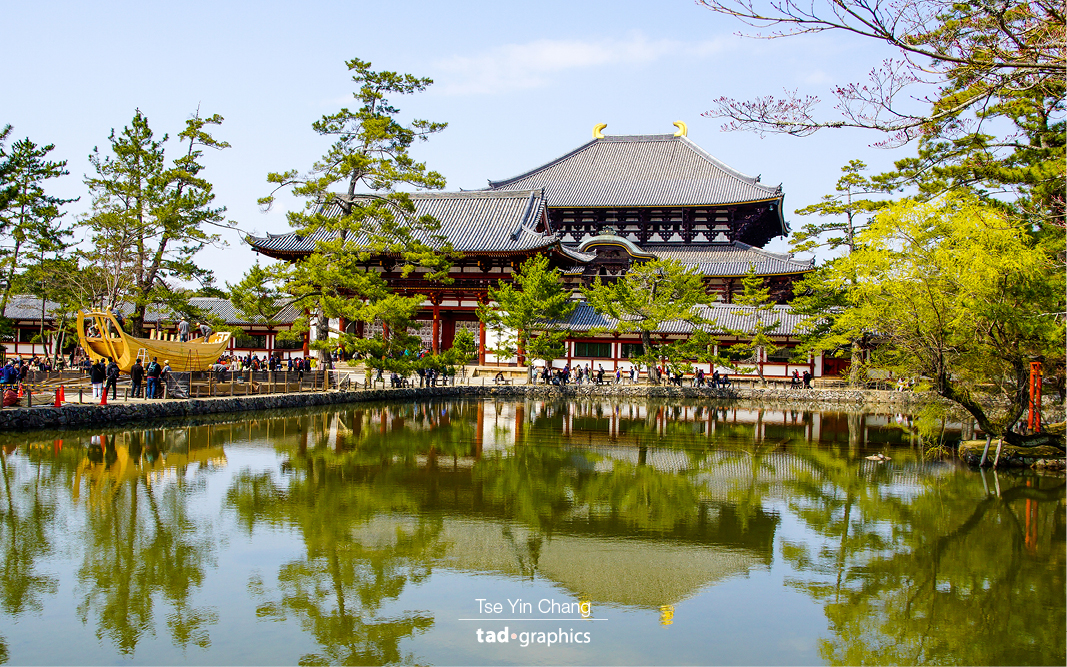
You can’t visit Nara without exploring Todai-ji Temple. Practically every Japanese municipality has at least one temple, and Todai-Ji should definitely be high up on your must-see list. This incredibly beautiful ancient temple is a UNESCO listed World Heritage Site. In fact, photographs rarely do it justice. It’s huge, and home to the largest bronze Buddha statue in the world.

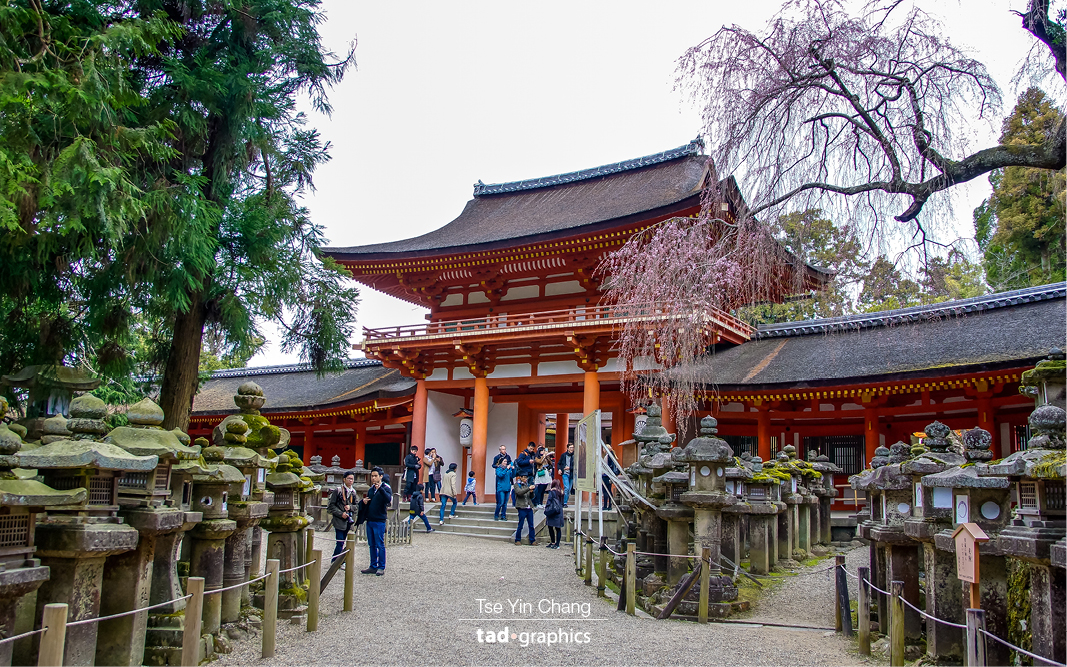
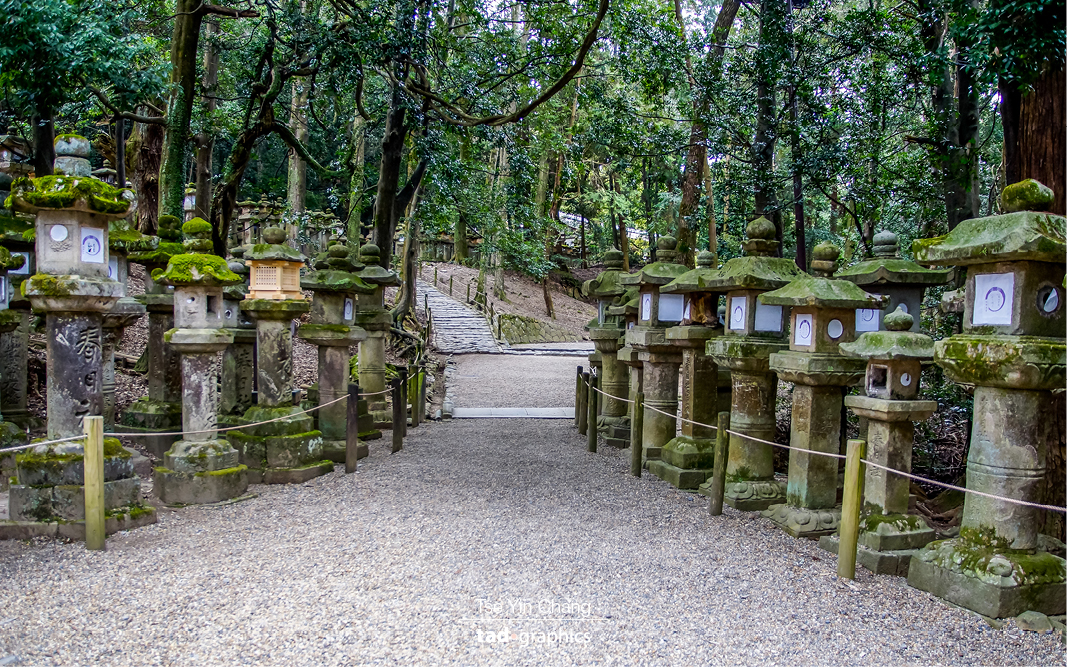
In Nara, I also had time to visit Kasuga-taisha, the city’s most celebrated shrine, which dates back to 768 AD. It’s probably most famous for the beautiful stone lanterns that line the entrance to the shrine.

This incredibly beautiful Todai-ji ancient temple is a UNESCO listed World Heritage Site and also home to the largest bronze Buddha statue in the world

After an enjoyable day exploring Nara, we continued our journey to Kyoto, which is renowned for being one of the best places in the country for cherry blossom sightings. In Kyoto, we also had the opportunity to enjoy more of what Japan had to offer.

Japan remains one of my favourite countries in the world to visit. I adore its unique culture and mix of high-tech modernity with ancient traditions. From the flashing lights and tall buildings of the capital, to the centuries old temples – where ceremonies dated back even further are still performed – Japan is a country of contrasts.

The world's largest bronze statue of Buddha Vairocana, known in Japanese as Daibutsu
The world’s largest bronze statue of Buddha Vairocana, known in Japanese as Daibutsu

Its culture has also developed independently, thanks to their island geography and inward looking nature. To this day, the Japanese have stubbornly refused to be swayed by the outside world, making the country deeply fascinating and quite unlike anywhere else in the world.

Prints from my Japan photo collection are available in a variety of different sizes and framing options. Please get in touch to find out more.
Kasuga-taisha, Nara city’s most celebrated shrine, which dates back to 768 AD. It's probably most famous for the beautiful stone lanterns that line the entrance to the shrine
Kasuga-taisha, Nara city’s most celebrated shrine, which dates back to 768 AD. It’s probably most famous for the beautiful stone lanterns that line the entrance to the shrine
Todai-ji temple, Nara
Stone lanterns in Kasuga-taisha, Nara
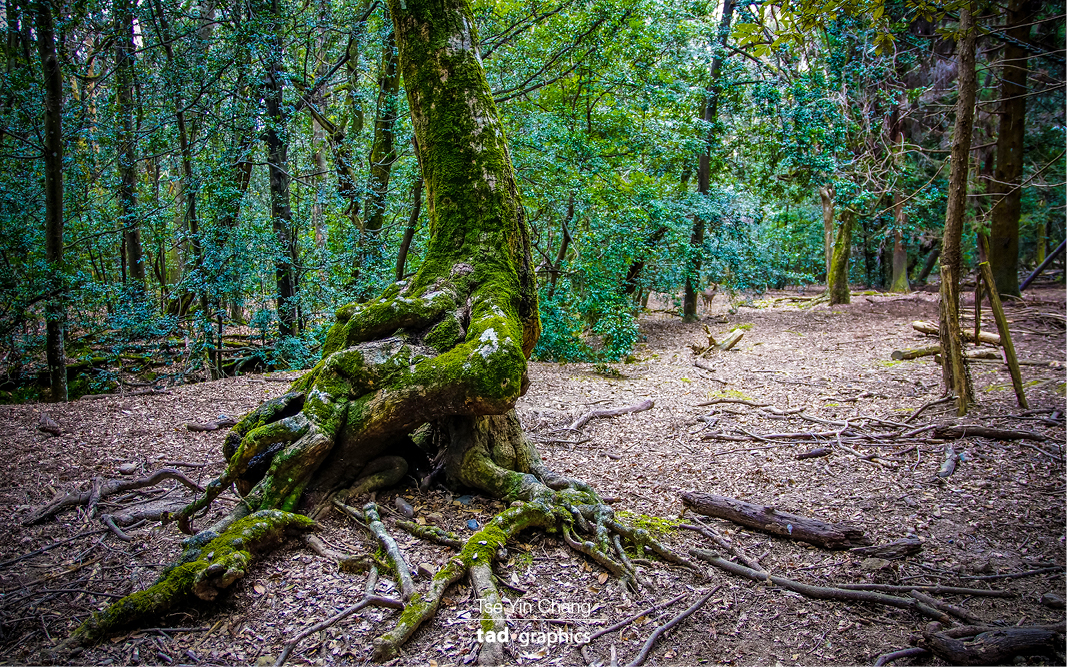
Ancient trees in Kasuga-taisha, Nara
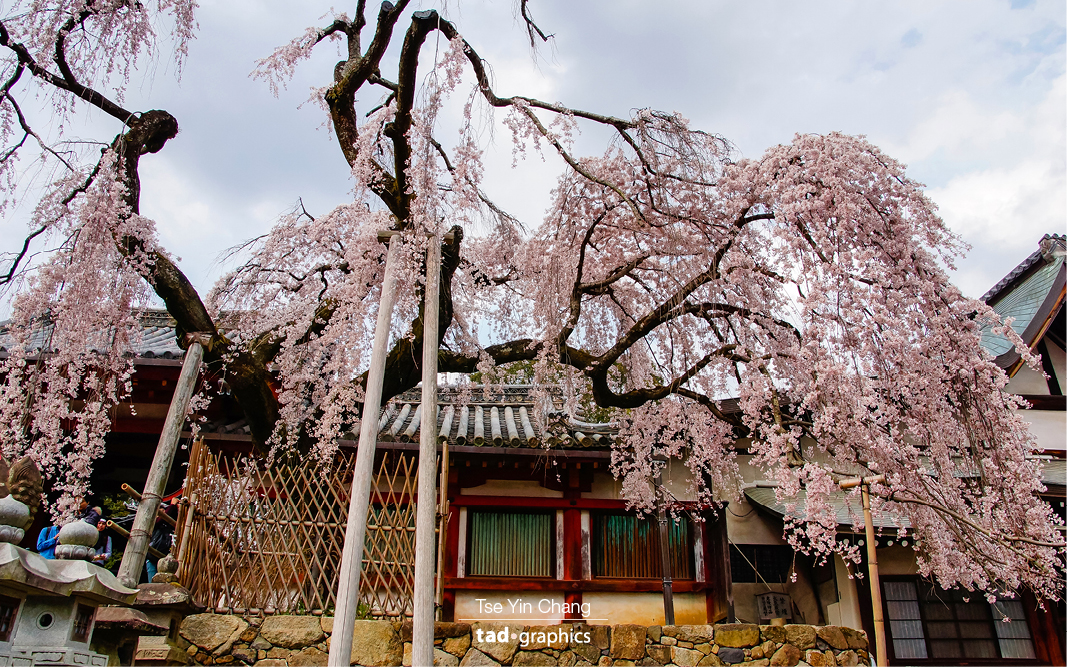
Himuro Shrine in Nara is known for its weeping pink cherry blossom trees that fill the grounds with pink petals in early April
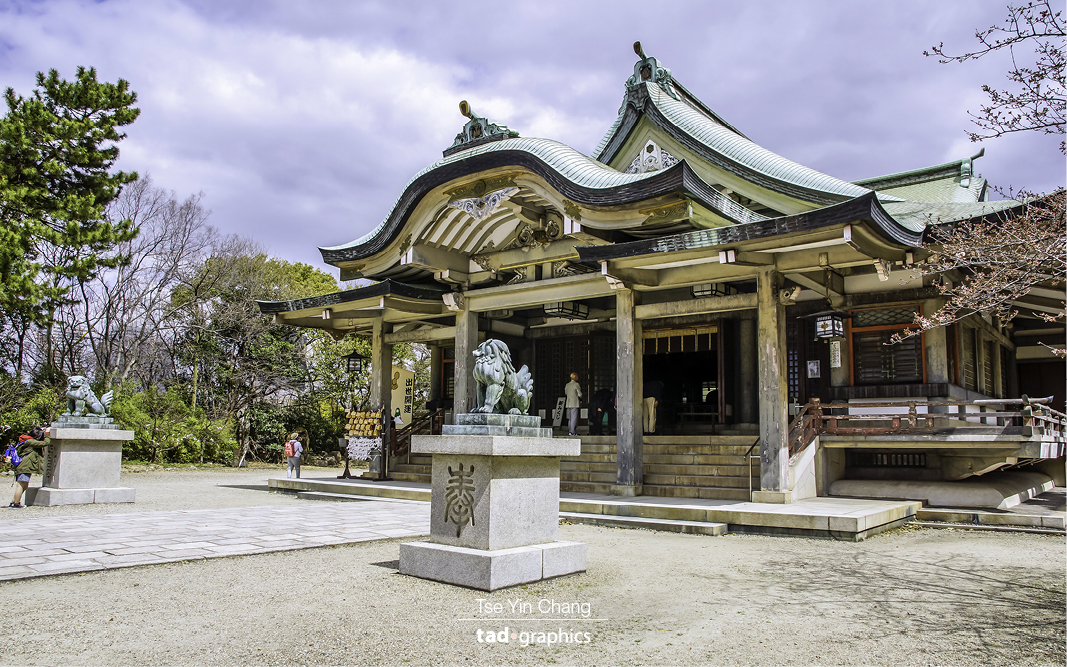
A shrine located within the Osaka Castle complex

Filed Under: Blog, Photography, Portfolio, Travel Tagged With: cherry blossom, japan, nara, osaka, sakura, spring

© Copyright 2005-26. All rights reserved. t ad studio | tad graphics. Web and graphic design Perth. Admin