• Skip to primary navigation
  • Skip to main content
TAD Graphics logo

t ad studio | tad graphics

A vibrant, multi-disciplinary advertising, communications, creative and digital agency

  • About us
  • What we do
    • Creative and graphic design
    • Copywriting
    • Marketing and advertising
    • Promotional photography
    • Web design and digital media
  • Portfolio
  • Blog
  • Contact us
  • Shop prints

spring

Machu Picchu – a 15th century Inca citadel

4 January 2020 by tadgraphics

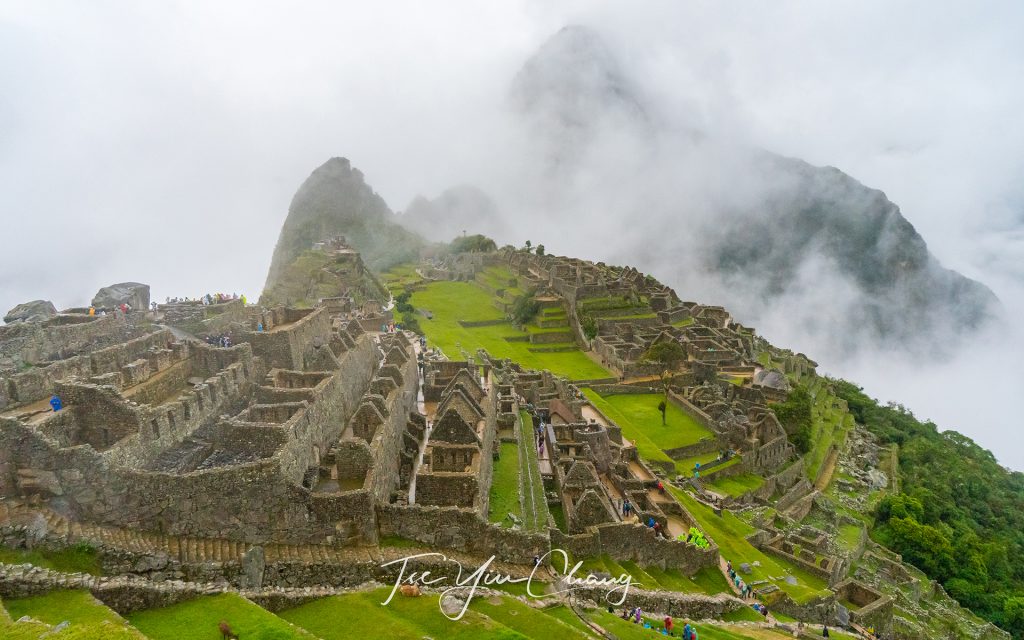
The famous shot of Machu Picchu, view of the main square from the city gate. Huayna Picchu is hidden behind the cloud
The iconic shot of Machu Picchu, view of the main square from the city gate. Huayna Picchu is hidden behind the cloud

Pretty much everyone who visits Peru goes to Machu Picchu at some point. For many people it is the main reason for visiting the country. It is without doubt one of the most recognisable places in the world, and one of the most photographed. It is considered to be one of the new Seven Wonders of the World, as it is one of the most significant pieces of human patrimony.
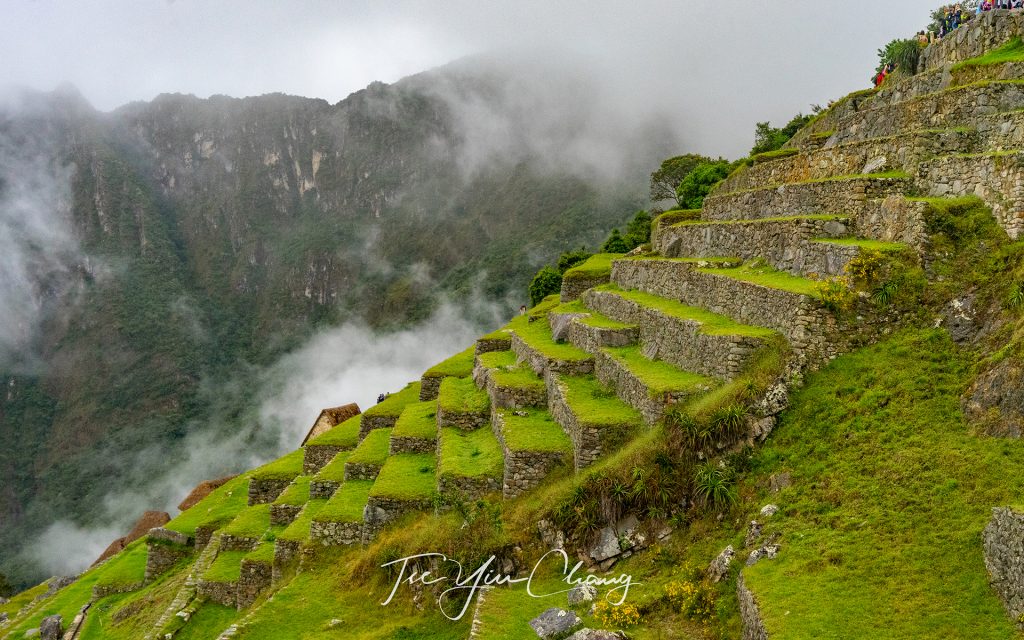
Agricultural terraces, you can more clearly how the terraces were built, amazingly, the Inca managed to carve out their stepped terrace farms even on these near vertical slopes

We too were making our way there, but we had taken the scenic route. We crossed the Altiplano by train and visited several other Inca sites; stopped at Cusco, Ollantaytambo and Pisac among others, and each had been breath-taking and deserving of some of Machu Picchu’s fame. Like everyone else however, we were looking forward to seeing the big one. There is a reason everybody wants to go to Machu Picchu.
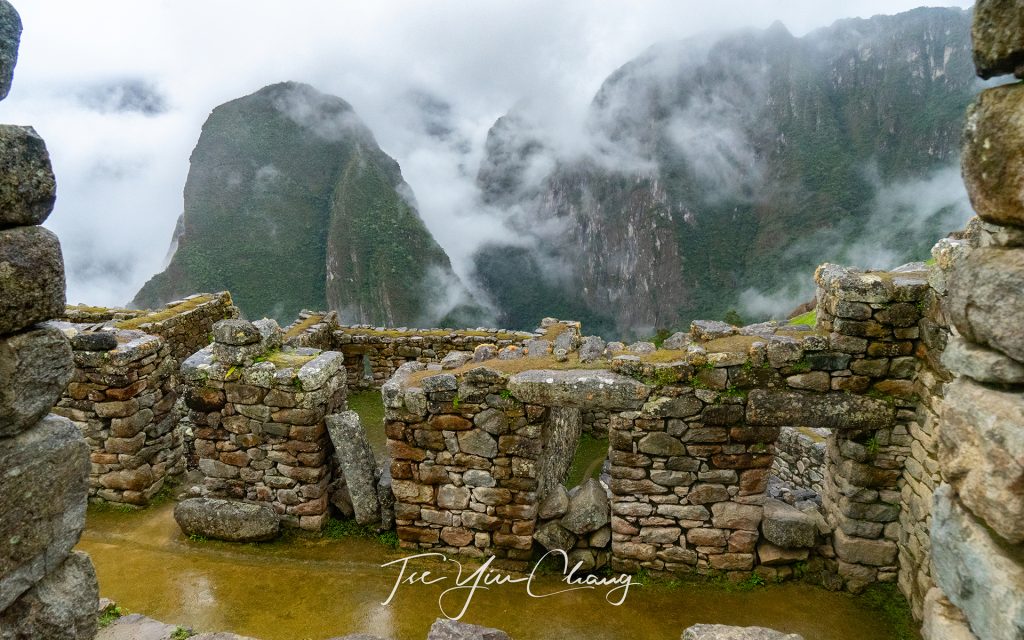
Entrance to the main square

The nearest settlement is Aguas Calientes, and this is where we stayed overnight. After breakfast, we walked over to the tourist information centre where we met with our guide and caught the bus. Guides are mandatory when visiting Machu Picchu, a requirement set by the government. As well as providing visitors with some context, they also help ensure that the huge numbers of tourists are managed (thus protecting the site), and also provides employment for Peruvians. We had got a sense of how huge those numbers were while in Aguas Calientes, but it was rammed home as we waited for the bus. The queue was very, very long.
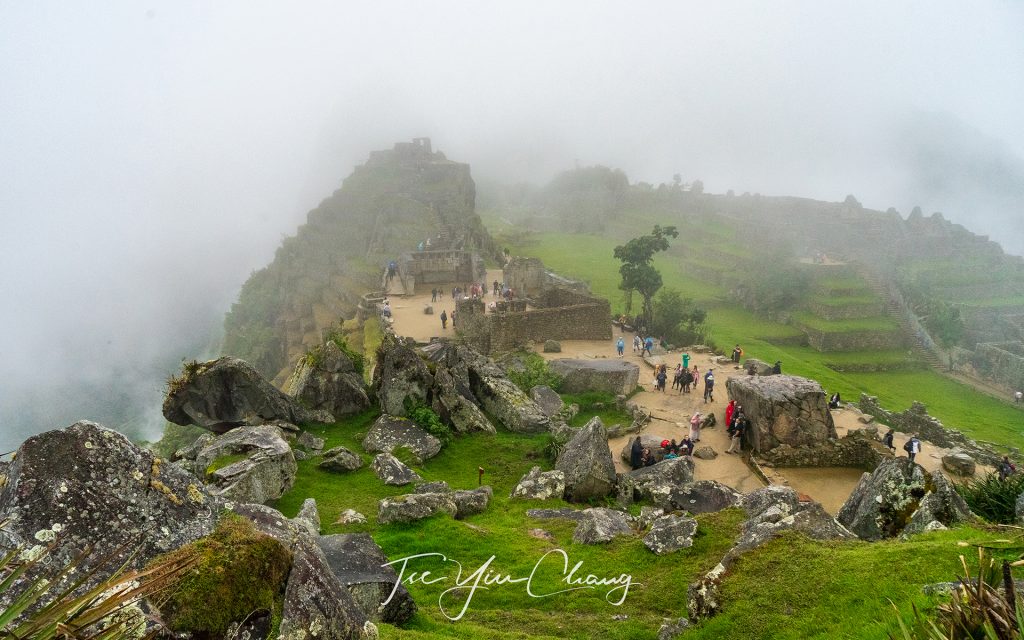
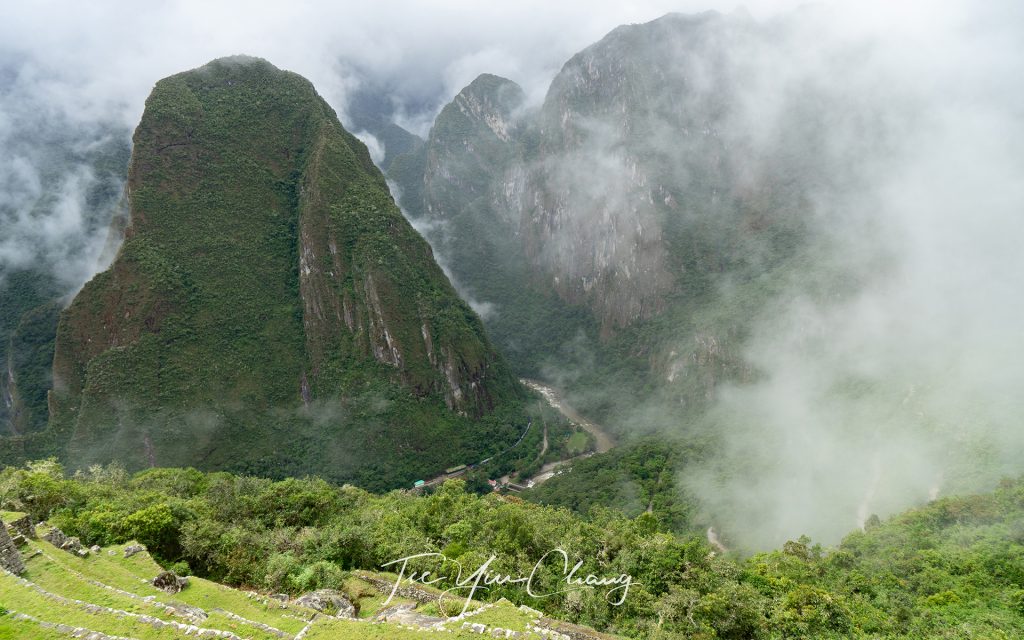
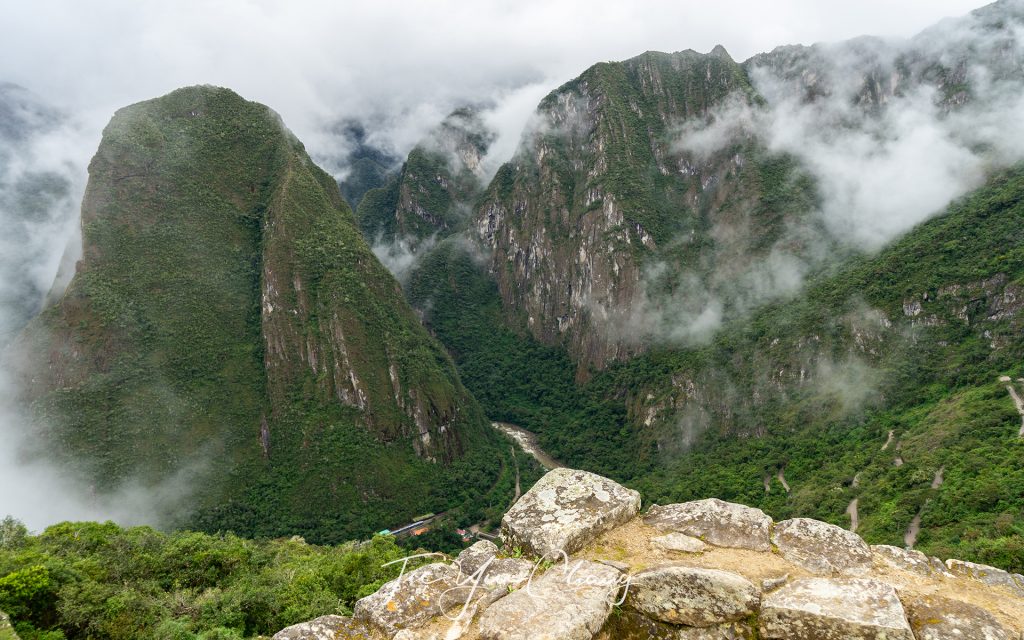
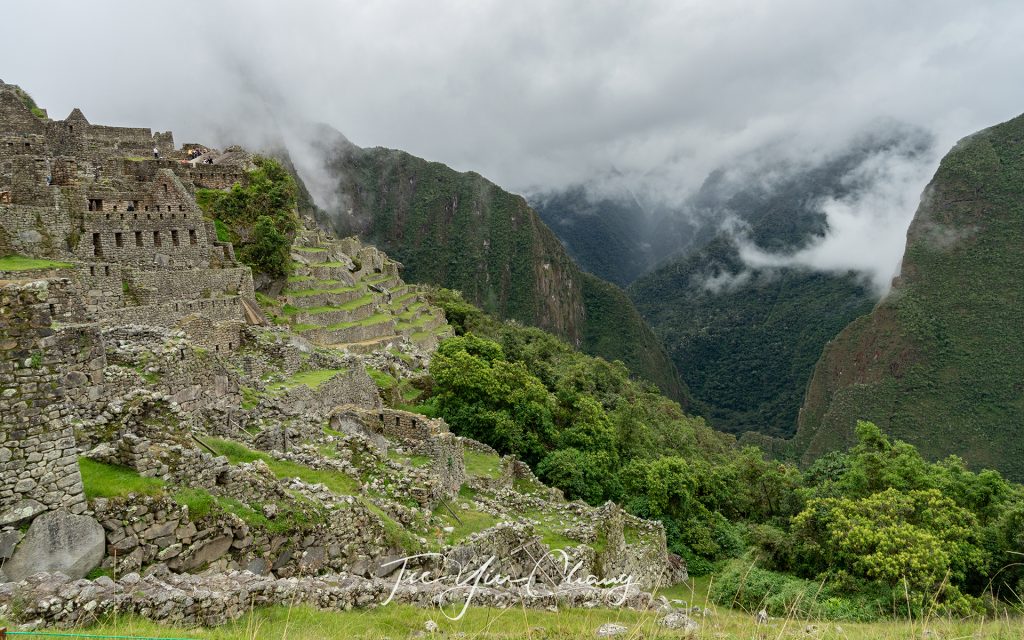
On a clear day you can see a beautiful view of the valley below, this is an abandoned quarry

Machu Picchu is the historic site which gets by far the most attention in Peru. However, for the Inca who built it, this was far from their most important settlement. In fact, it was a relative backwater. The remote location, on the top of a mountain hidden up an inaccessible valley, is what makes it so spectacular, but it also made it a poor place to build a thriving city. Instead (clearly being a man who appreciated natural beauty), the Inca Emperor Pachacuti decided to build a personal estate to give himself a place to retreat from the pressures of ruling. At its height, Machu Picchu had a population of around 750 people, but this probably would have increased when Pachacuti visited.
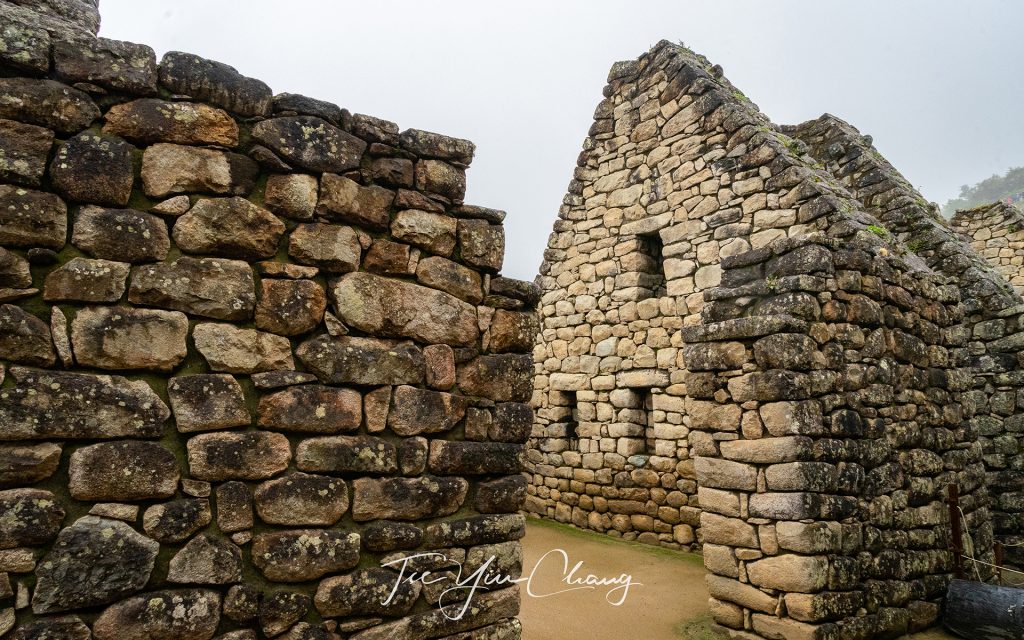
The Palace of the Princess or Ñusta Palace

The weather on the morning we visited was overcast, thus making it the perfect temperature to go climbing up and down steep hills. As we climbed up to the site however, the clouds started moving in and when we reached the top, the rain started. As we wandered around the views were obscured by mist and being a photographer, I knew I was being denied some great shots. Despite this, we weren’t too disappointed because as the mist swirled around the jagged ruined walls, it added to the ethereal atmosphere of the place.
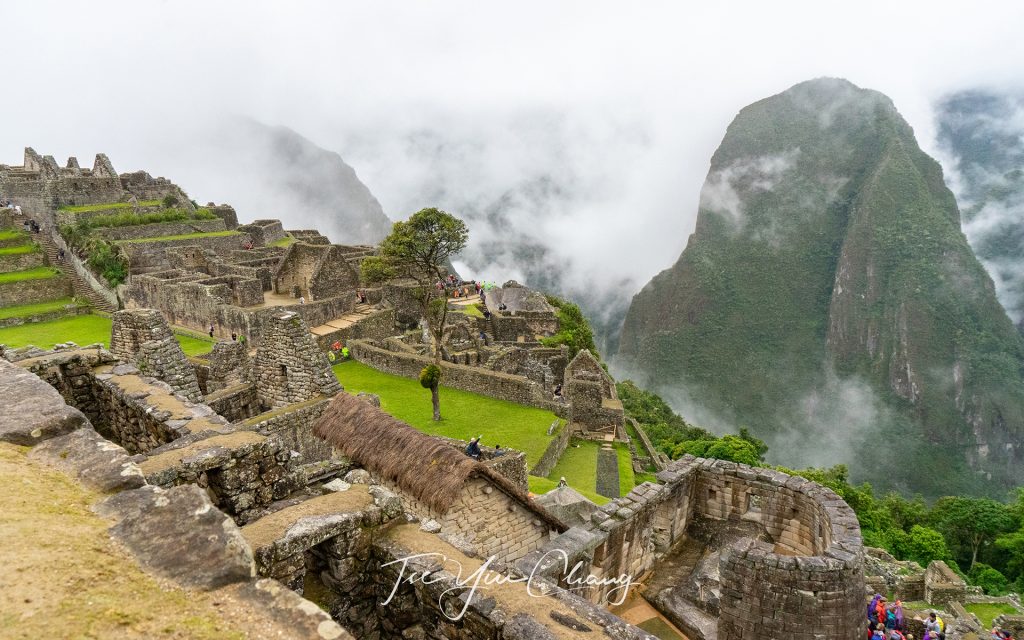
The semi-circular structure is the Temple of the Sun
The semi-circular structure is the Temple of the Sun, Royal Residence behind the thatched roof. You can see the eastern urban sector in the background

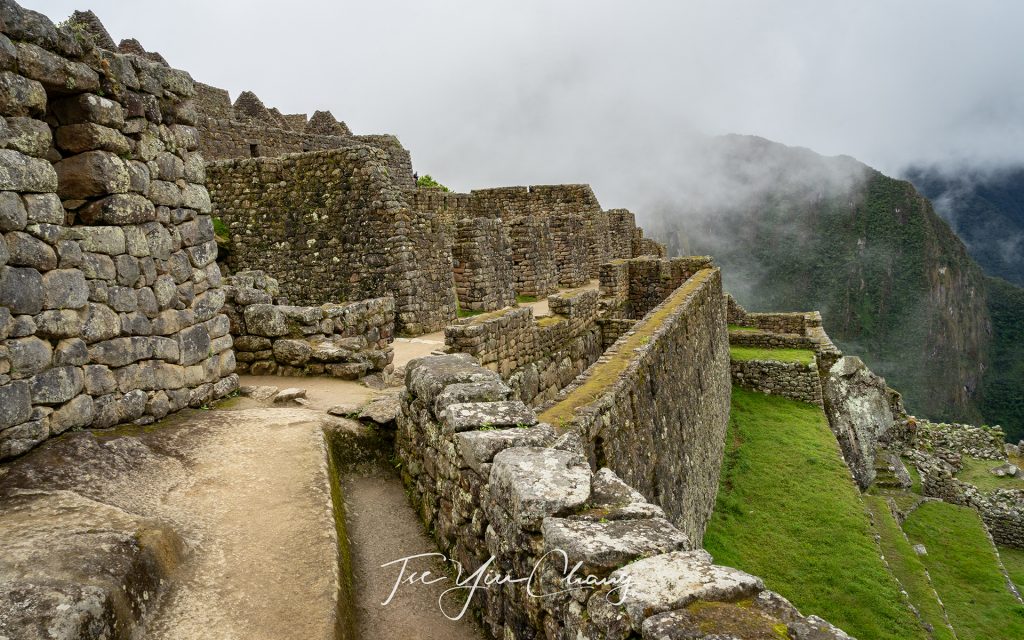
Our guide led us along the increasingly muddy paths which loop around the ruins. She showed us the settlement’s main square, the circular tower (most likely used as an observatory), and the sacred solar clock. We were shown the palace where the emperor would have stayed, the temple of the three windows and then the cemeteries. The upper part of the city is home to the palace and the sacred temples. Just below are the houses that the bulk of the population would have lived in as well as the grain warehouses. Amazingly, the Inca managed to carve out their stepped terrace farms even on these near vertical slopes. As you look down at the valley below, you can still see the stone embankments they built to give themselves scraps of flat land to grow crops on.
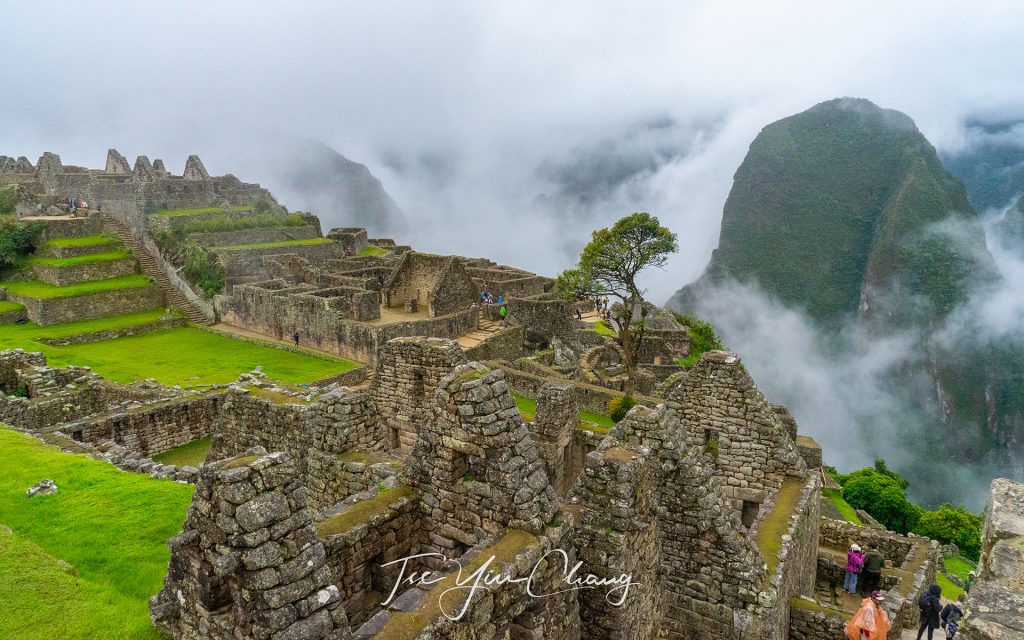
Houses of factories
Houses of factories

Despite the weather and the crowd, the majesty of Machu Picchu is undeniable, and it was clear  that its UNESCO world heritage site status is more than justified. It is a magical, mysterious place that feels like something from a fantasy story. The American explorer,  Hiram Bingham, must have found it even more so when he rediscovered it in 1911. He had the place all to himself (with the exception of his indigenous guide, of course). In fact he would have been one of just a handful of visitors since the site was abandoned by the Inca during the Spanish conquest hundreds of years before.
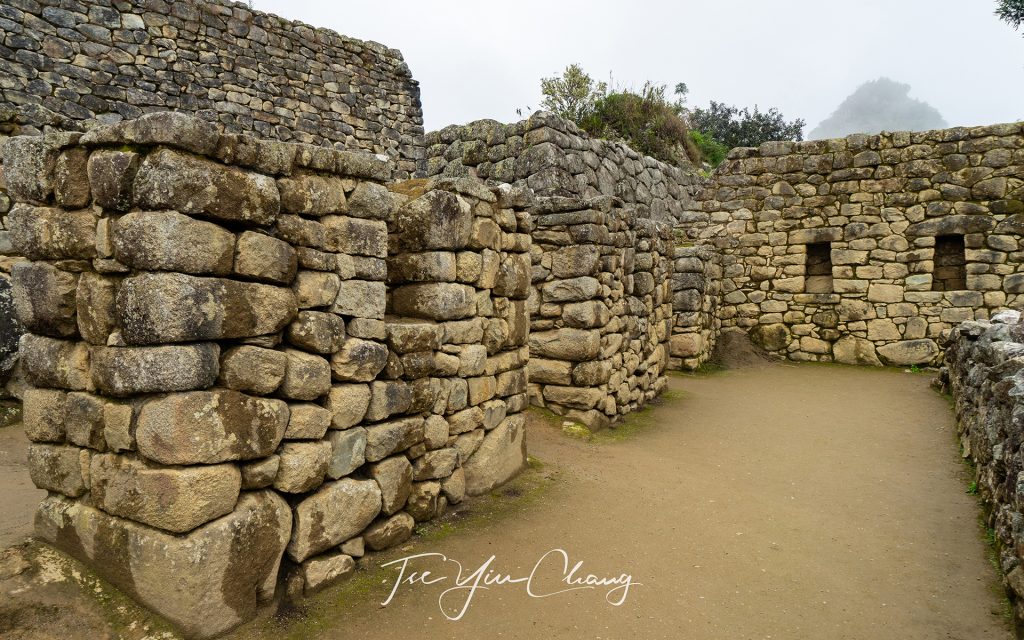
Bingham was a real life Indiana Jones, whose adventures are as fantastical as Machu Picchu itself. Coming from a family of missionaries in Hawaii, he set of for Chile in 1908 for a conference and instead of returning home, decided to wander through the jungles of Peru looking for lost Inca cities. Machu Picchu was not the first that he discovered, he was also the first to document the existence of Vilcabamba, also known as the Lost City of Inca. It was the city where the last Inca emperors hid and mounted a guerrilla campaign against the Spanish. He had heard rumours of another forgotten city, high up in the mountains, and eventually persuaded a villager named Melchor Arteaga from the valley below to take him there. Although others probably visited Machu Picchu before him, he was the first to document it and bring it to the world’s attention.
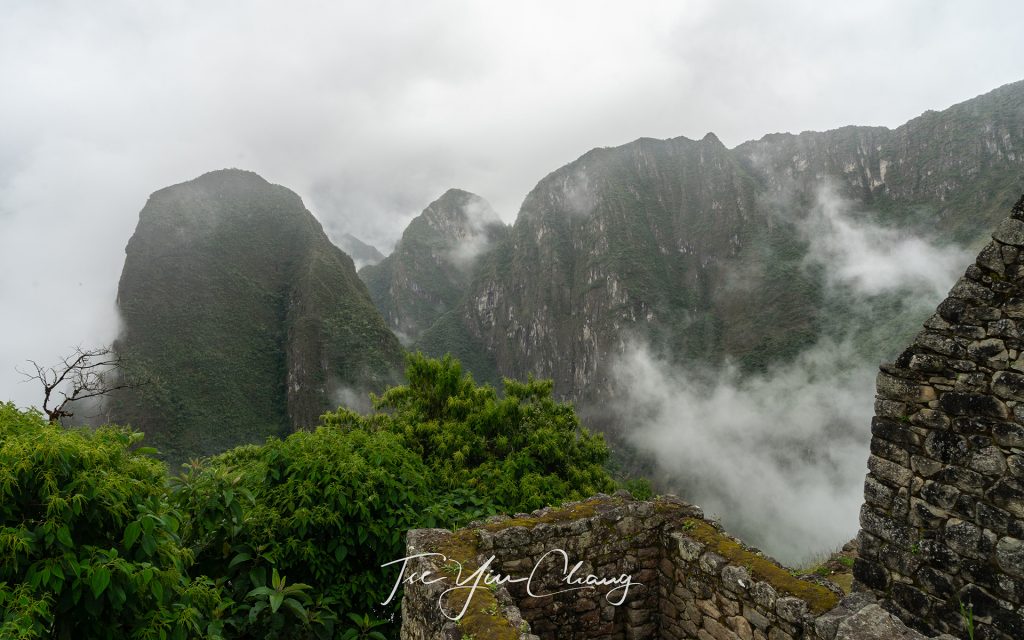
Mysterious yet beautiful view looking down to the valley

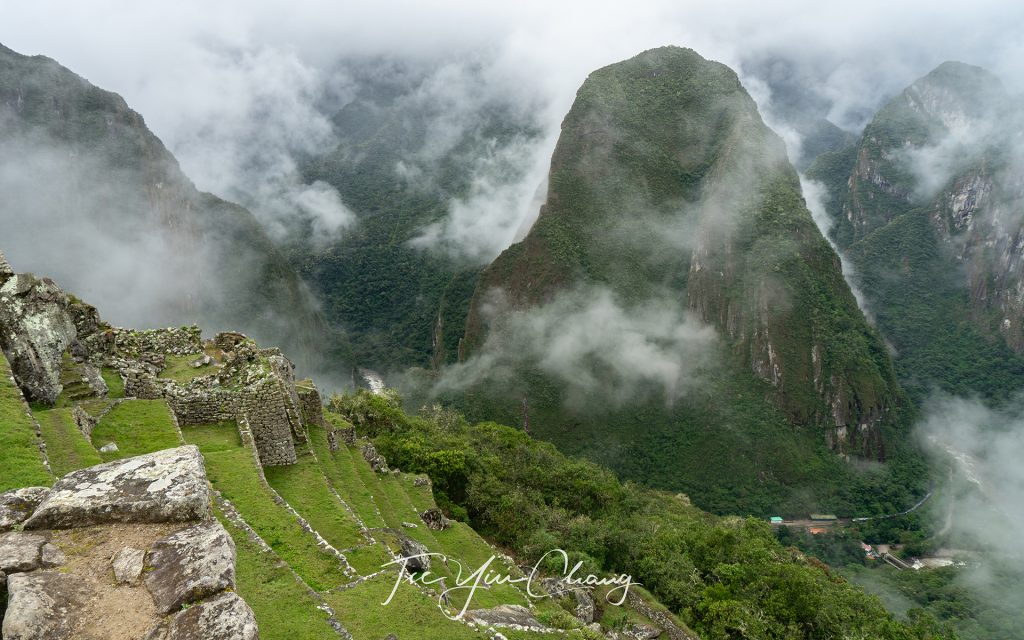
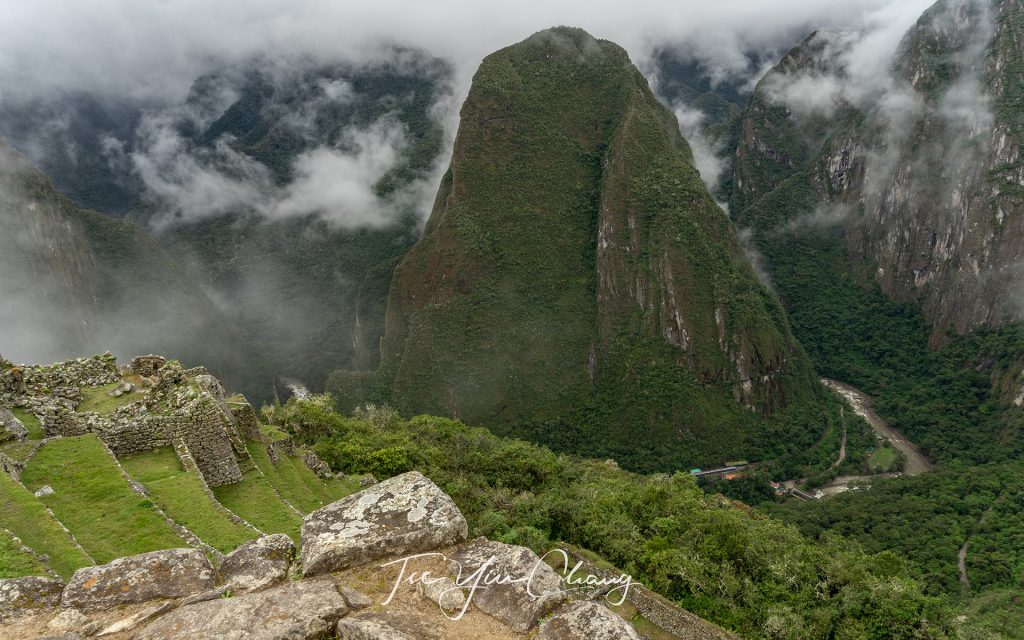
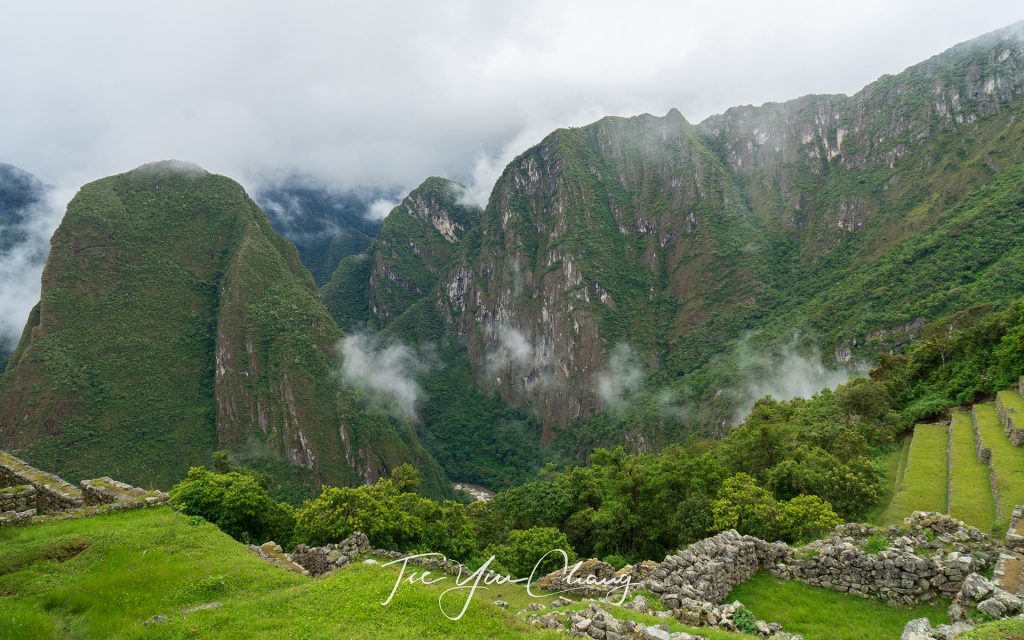
Hiram Bingham took a photo of the site from a viewpoint looking down over it. This is the same famous shot which hundreds of people now take every day. It shows the ruins, the sheer cliff faces on either side, and the equally sheer peak towering behind. This is Huayna Picchu, and if you really want the full experience, it can be climbed as well. To do so, however, you need to book well in advance – its narrow paths only allow a certain number of people at a time, and so access is controlled by the Peruvian Government. If you want to climb it, you have to book at least three months ahead.
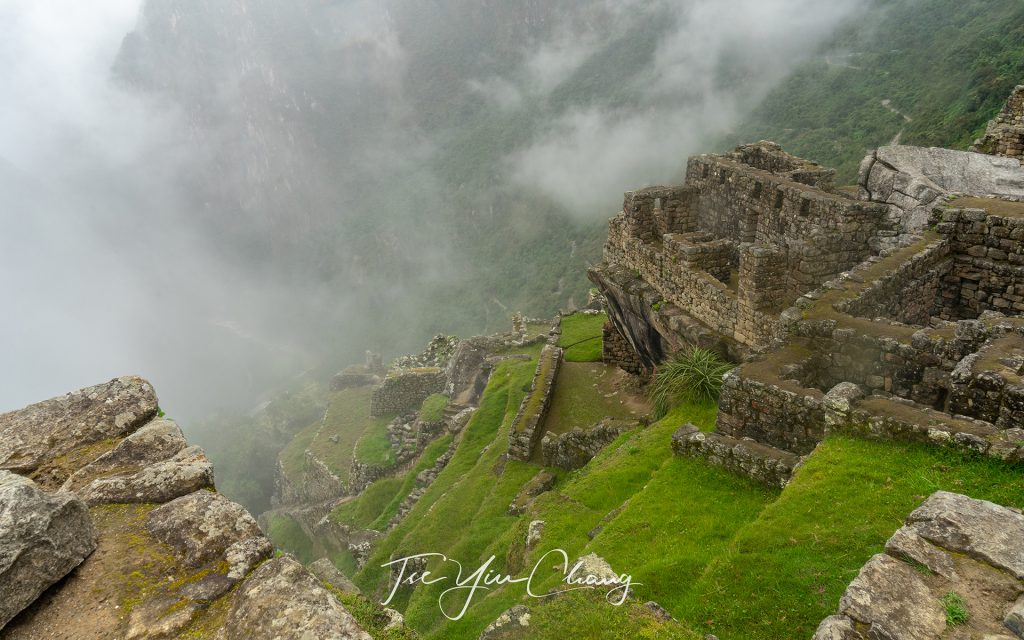
Steep terraces, looking down from Intihuatana

Another measure imposed to limit the impact of the huge number of visitors Machu Picchu generates, is to limit the time you can spend there to a maximum of four hours. If you really wanted to, you could spend a whole day up there taking it all in, but four hours is long enough to see everything, so we didn’t feel deprived. At around midday we headed back down to Aguas Calientes and enjoyed some lunch. Then we wandered around the souvenir markets while we waited for the late afternoon train back to Ollantaytambo. There, we met our driver and headed back to Cusco. While the weather had been against us, that couldn’t take away our delight at having visited such an awe inspiring place.
See also:

  • A journey through the picturesque Andes by rail
  • Exploring the capital of the Inca Empire – Cusco
  • Sacred Valley – the gateway to Machu Picchu
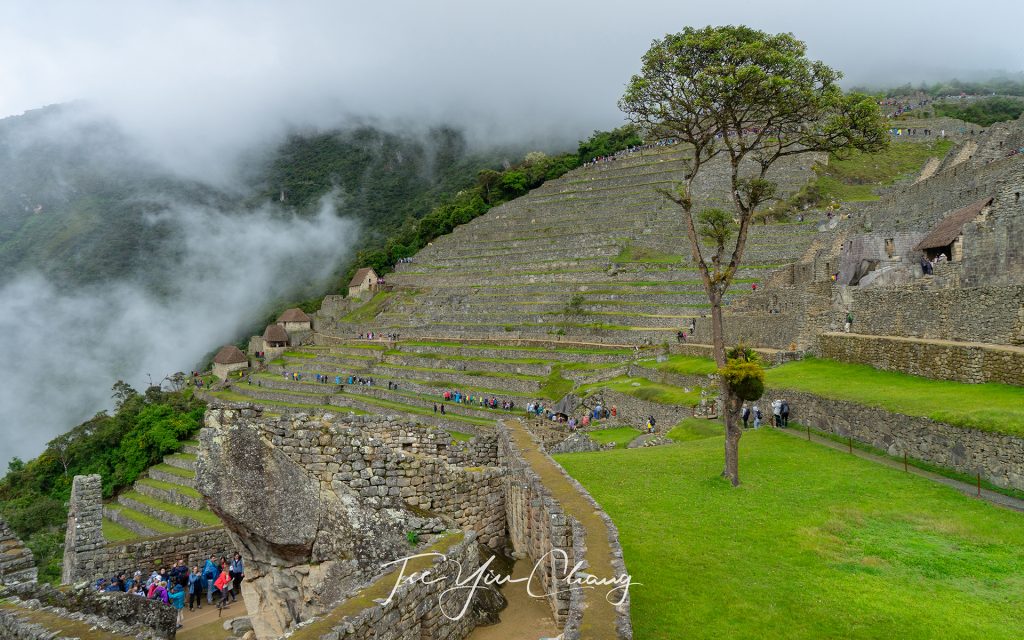
Agricultural terraces
Looking up to the Temple of Three Windows
Picturesque Huayna Picchu and the Urubamba Valley and river
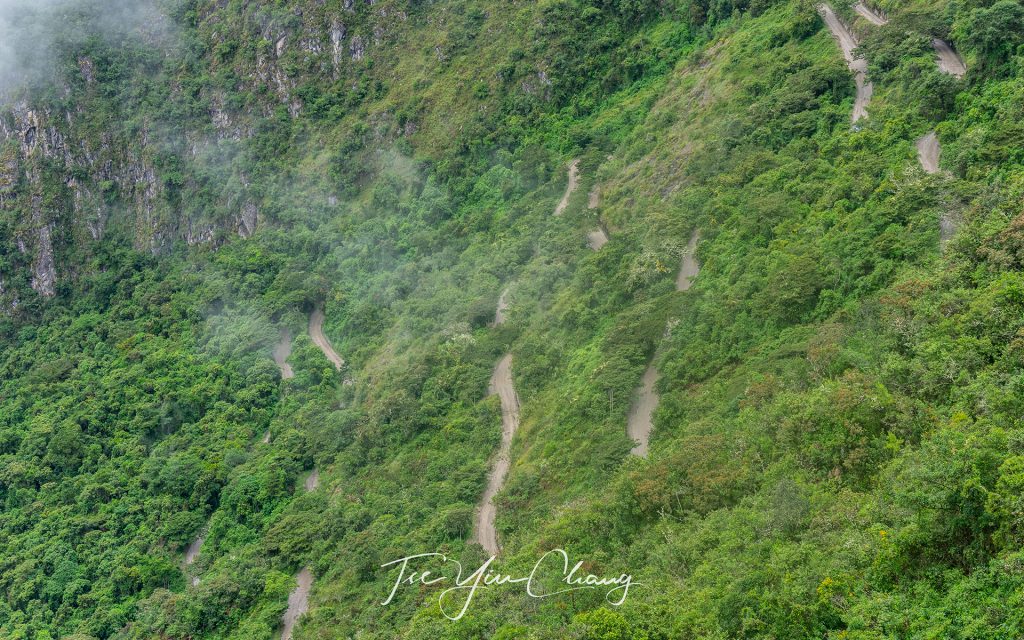
This is the winding road we took from Auas Calientes going up to Machu Picchu
The main urban area consists of houses and factories
Huayna Picchu
Huayna Picchu
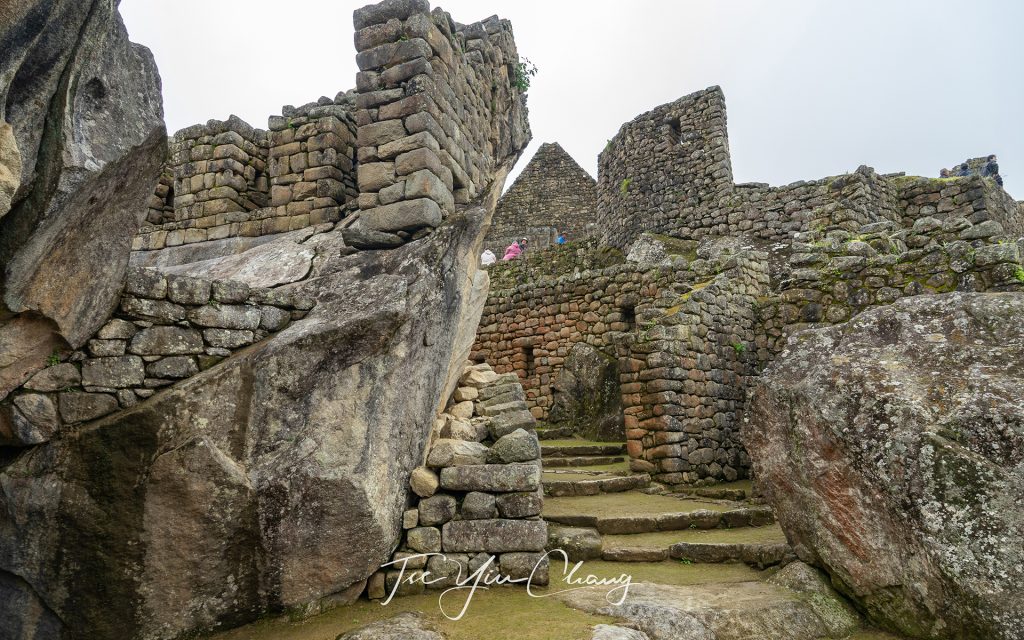
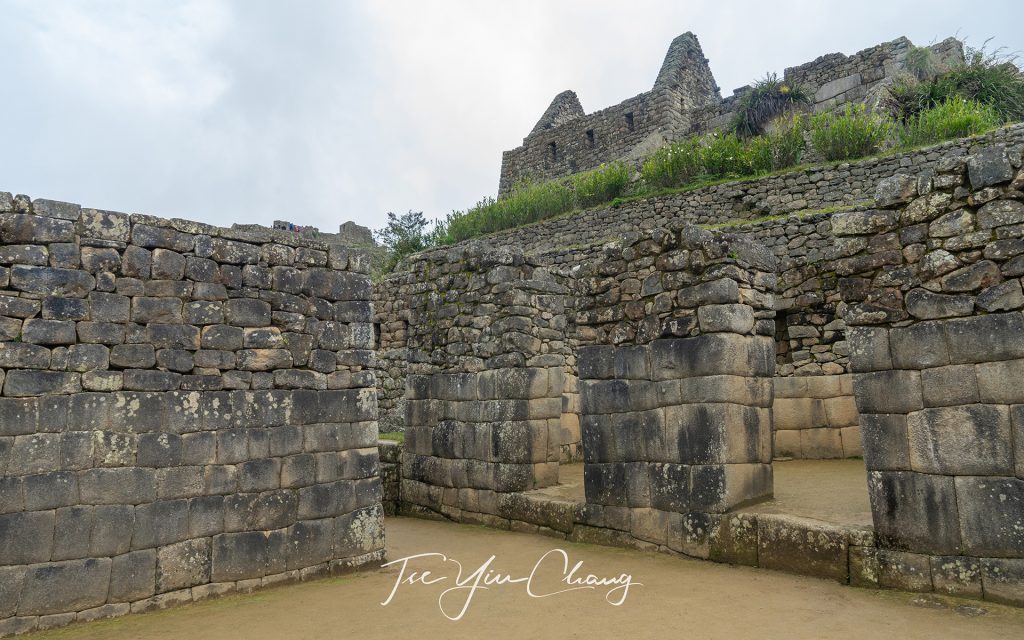
The Temple of Condor is a fine example of Inca stonemasonry, where they skillfully shaped it into the outspread wings of a condor in flight
The prisoners area
The prisoners area
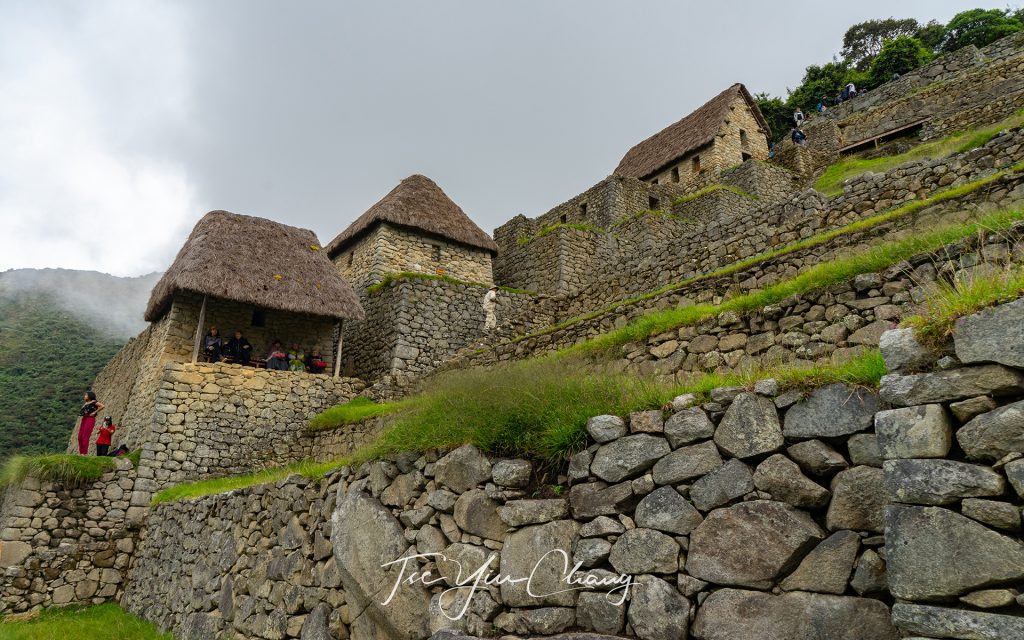
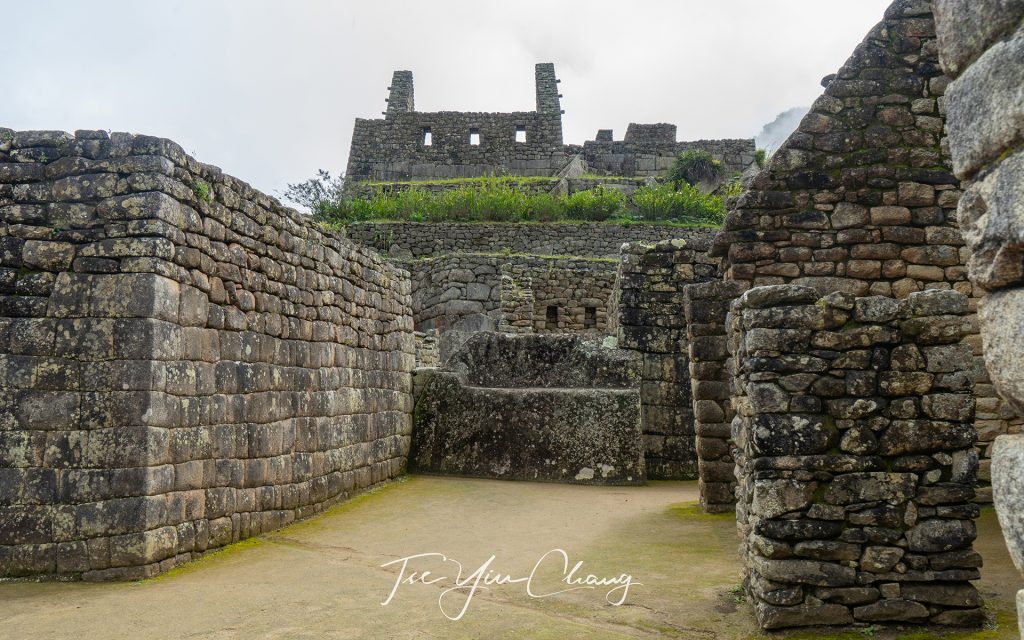
House of the Guardians
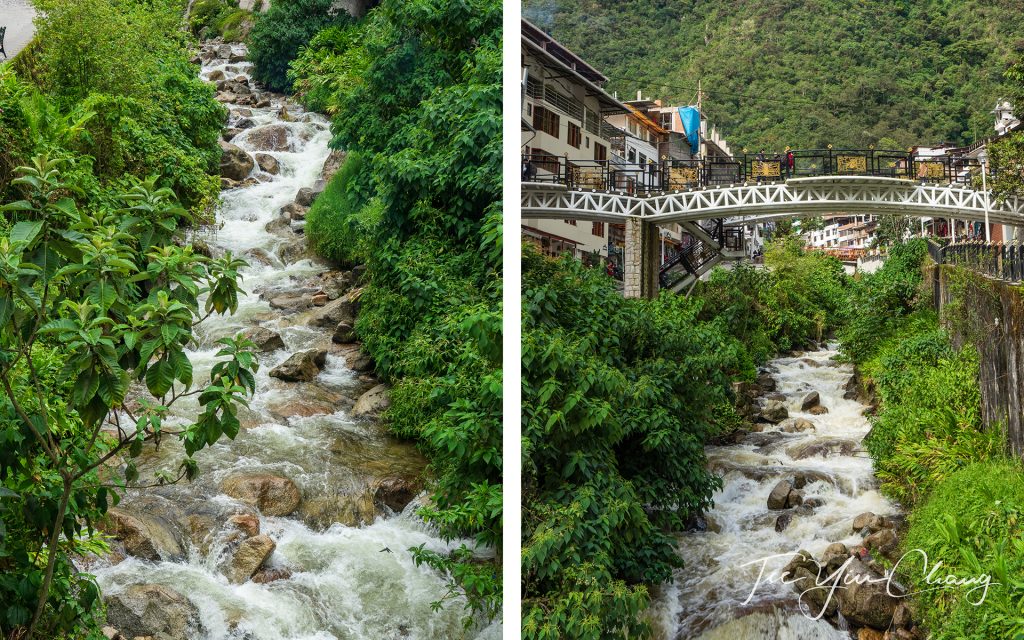
Aguas Calientes, which means hot waters in Spanish, is often referred to as Machu Picchu Town
Aguas Calientes is a town in the Urubamba River Valley

Filed Under: Blog, Photography, Portfolio, Travel Tagged With: altitude, inca, machu picchu, peru, sacred valley, south america, spring, UNESCO

Sacred Valley – the gateway to Machu Picchu
13 December 2019 by tadgraphics

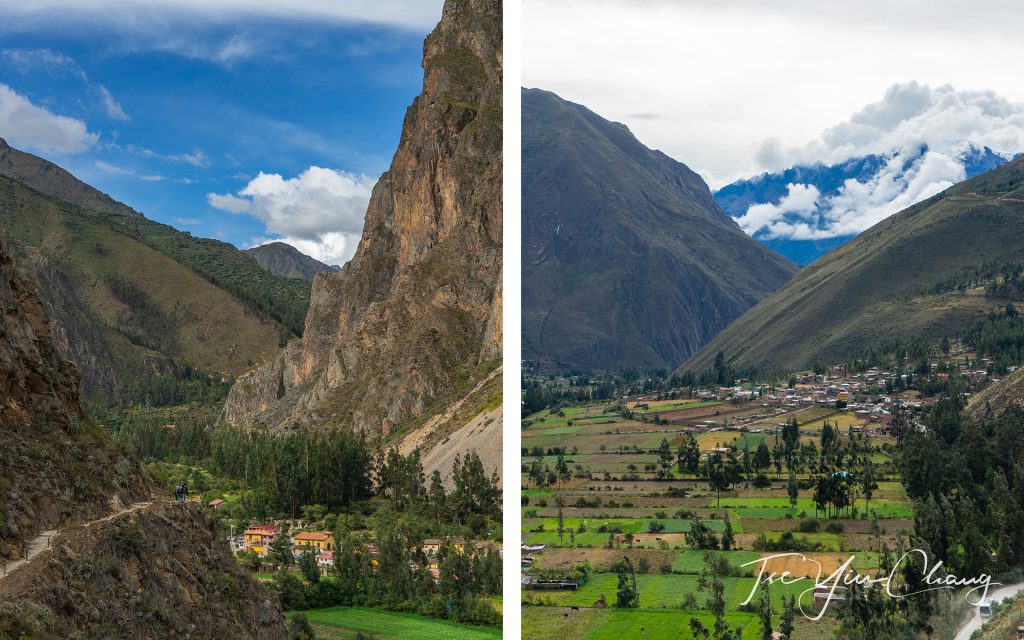
The Sacred Valley was one of Inca's most important places
The Sacred Valley was one of Inca’s most important places

Peru’s southern highland provinces are so packed with the ruins of Inca civilisation that sometimes it feels you can’t go anywhere without stumbling across one. It is only by visiting them and seeing for yourself the sheer number of constructions and the skill that their builders possessed, that you can appreciate the advancement of the Inca civilisation. At its height, it covered as many territories as the Roman Empire, and despite their eventual defeat to the Spanish, you can’t help but feel that in terms of power and sophistication, they were close rivals to the Europeans of the time.

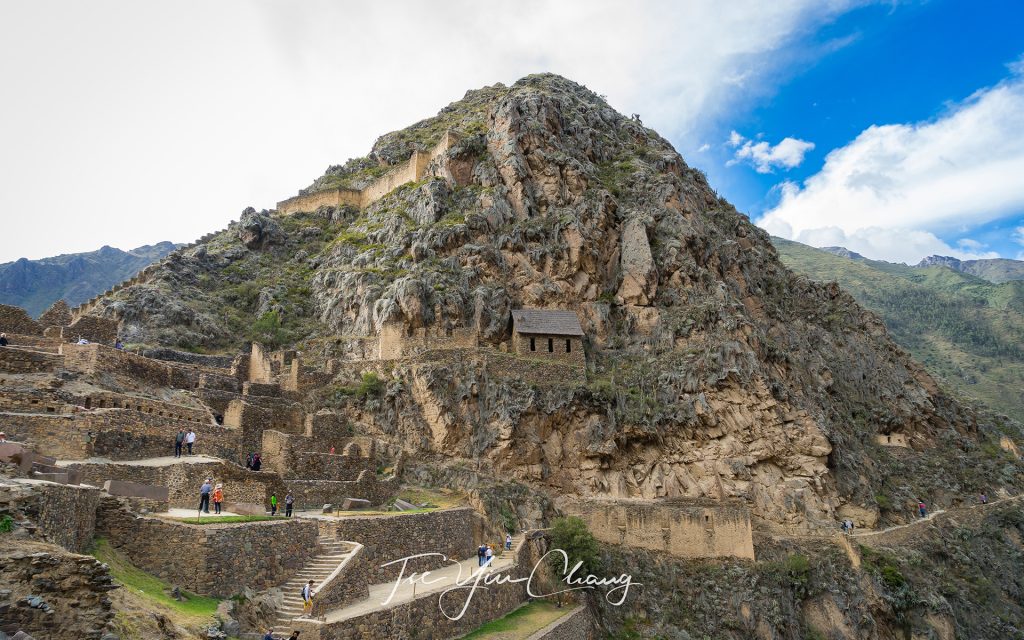
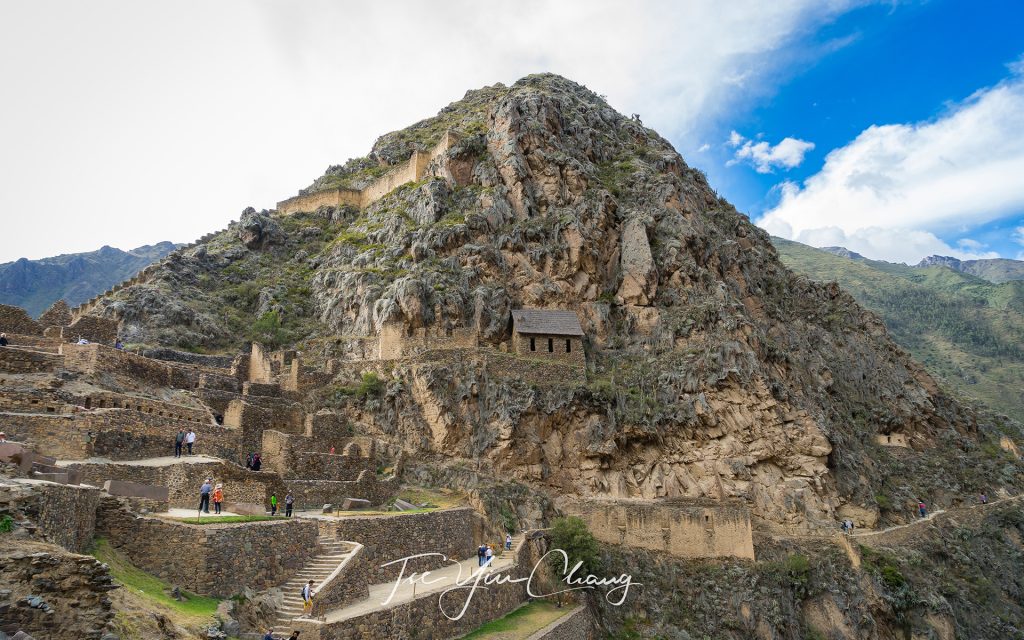
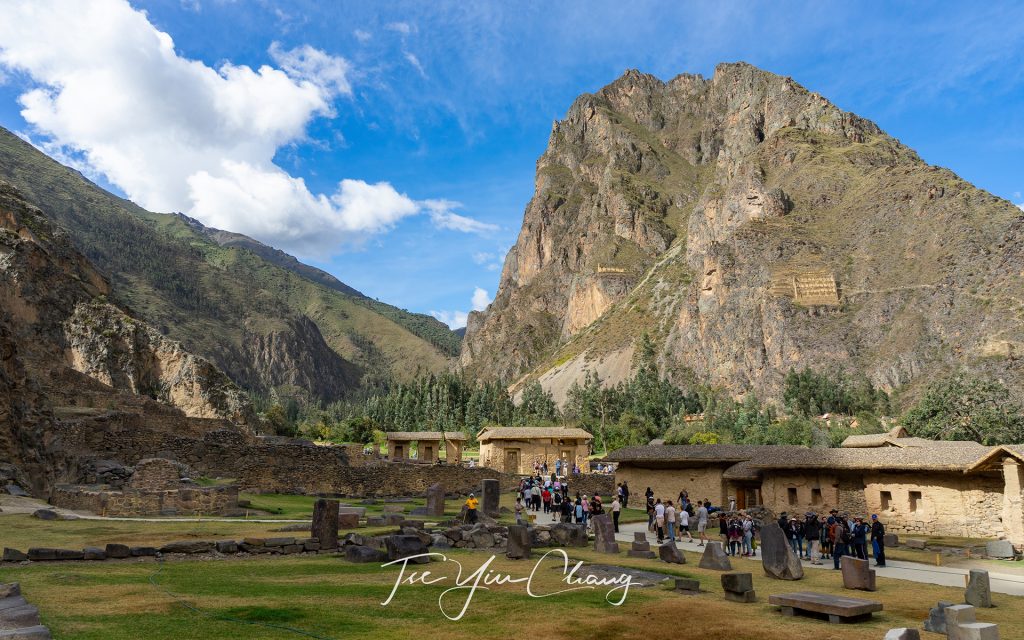
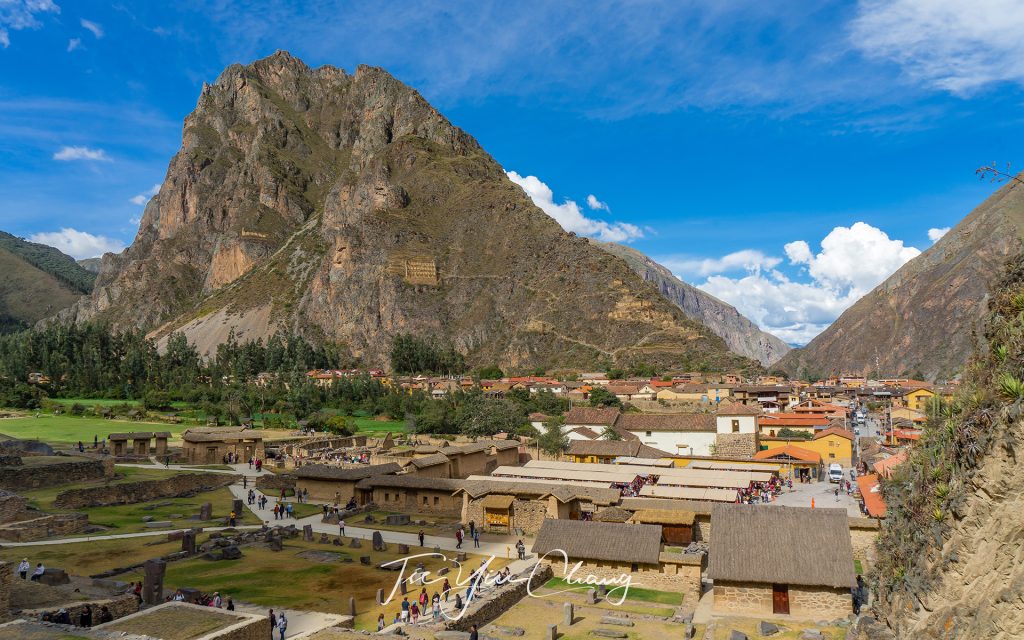
It is only by visiting and seeing for yourself the sheer number of constructions and the skill that their builders possessed, that you can appreciate the advancement of the Inca civilisation. This is Ollantaytambo Ruins

We had just taken in Cusco, their empire’s capital, and were planning to make our way to Machu Picchu. It was tempting to head straight there, but between these two sites is a place nobody should miss. The Sacred Valley of Urubamba was one of the Inca’s most important places and, as such, it has a particularly high number of impressive ruins. We decided to take a day taking in the sites of the valley.

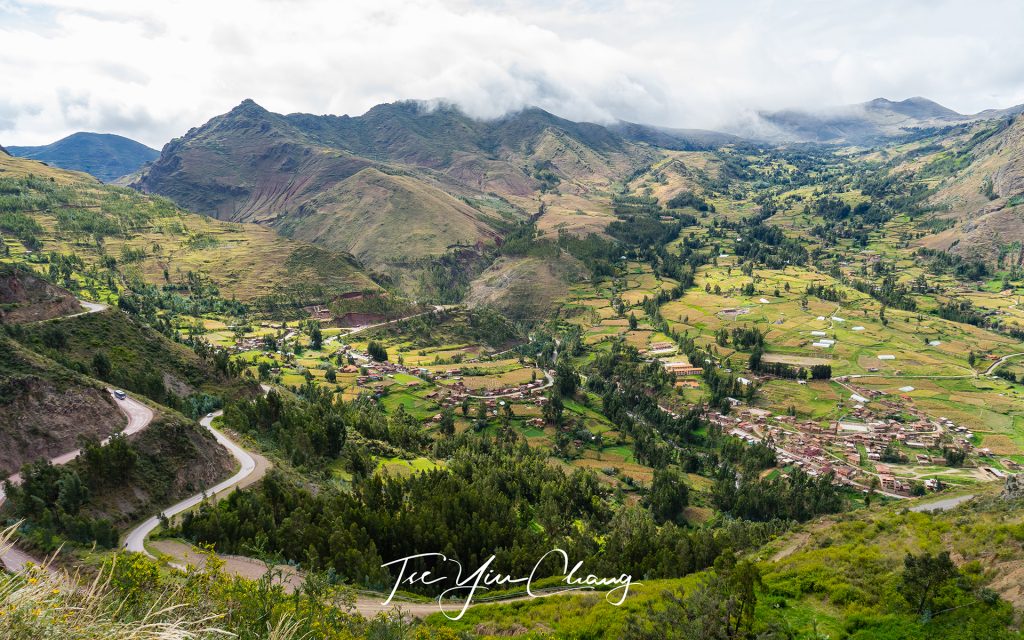
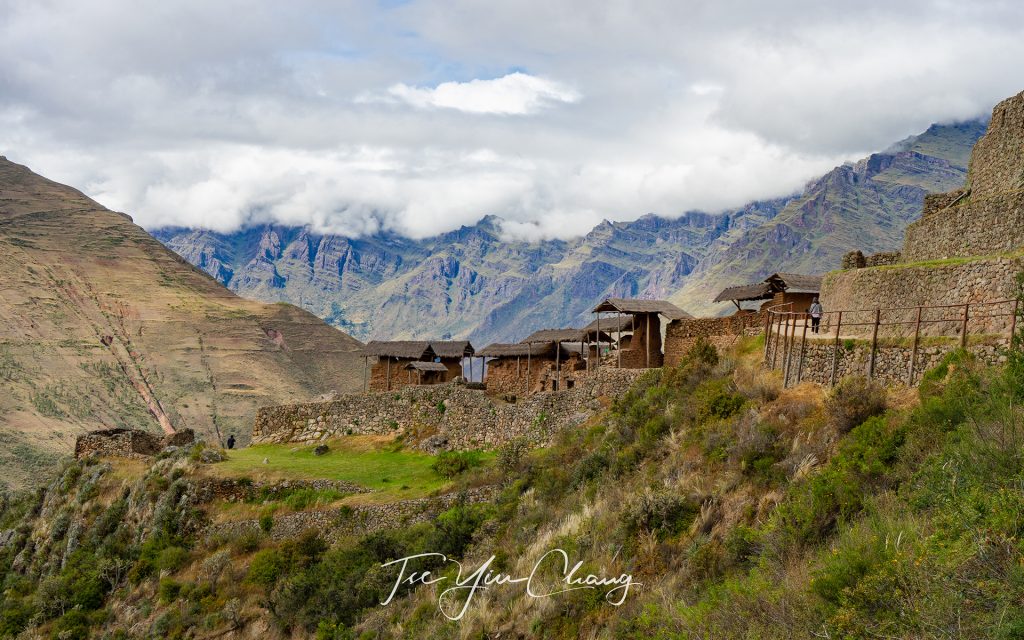
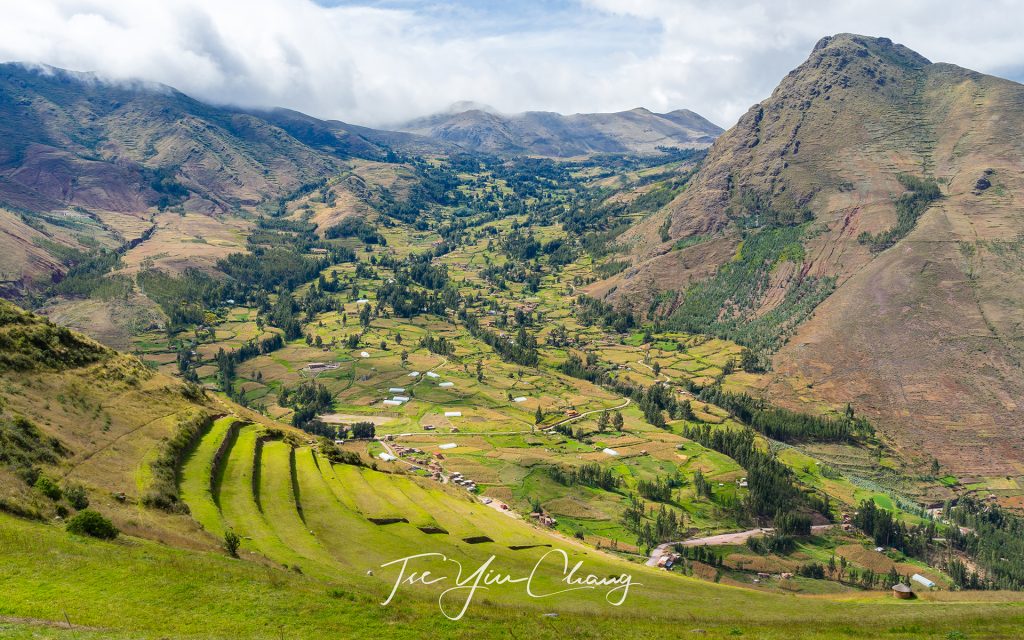
Pisac is located at a strategic position at the head of the Sacred Valley

This valley was important to the Incas, not just because of its proximity to their capital, but also due to the relatively lower altitude. In a place as high up as this part of Peru, this is a rarity. Because of this, the valley could be farmed more intensively than elsewhere, and corn, an uncommon and important status food for the Inca elites, could thrive. Its fertility was aided by the Urubamba River which flows along the valley floor. As the valley grew in importance, several towns sprung up and the valley became one of the favoured retreats for the elites and the emperor himself. The rich and powerful started to build large estates for themselves, so that they could escape from the city to relax from time-to-time.

View of Pisac town from the archaeological park

Our first stop was Pisac, located at a strategic position at the head of the Sacred Valley. The small town of Pisac is still inhabited by the Quechua speaking descendants of the Inca. During the height of their ancestor’s empire however, it was a thriving town, so large that its remains are spread out across four separate complexes.

Kinchuraqay, perched precariously on the side of the hill, were grain stores where precious corn was kept

Pisac’s main purpose was to guard the southern end of the valley, protecting both its precious agricultural land, and the heartland around Cusco from invaders. It is theorised that the main threat were the Asháninka people who lived down in the jungle on the eastern foothills of the Andes. These people resisted Inca conquest fiercely and may have launched raids up into the mountains.

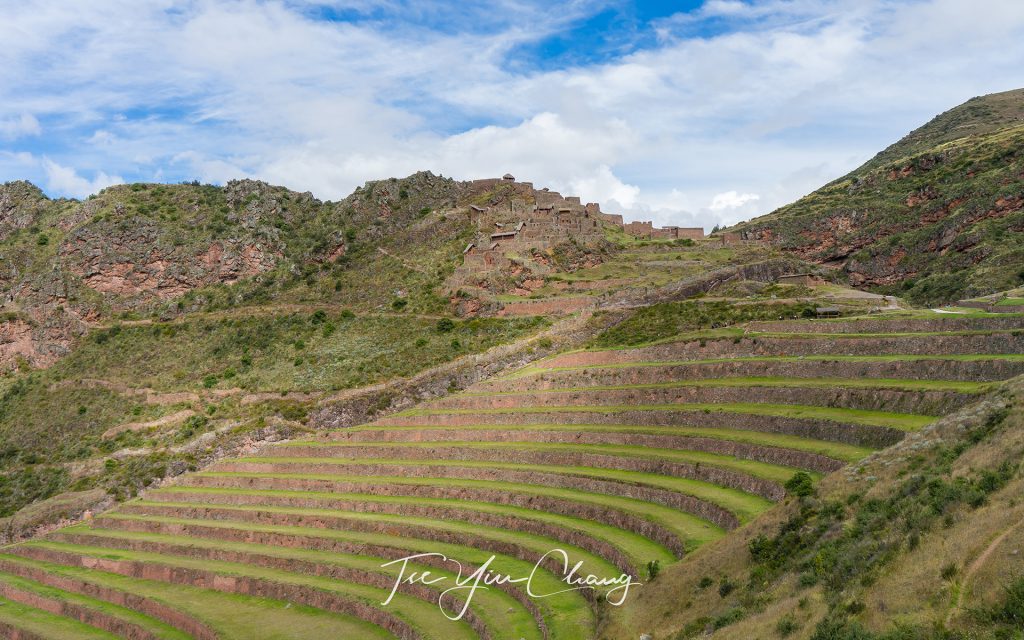
The Inca carved out dramatic terraces from the hillside to be used for agriculture, you can see Intihuatana sun temple at a distance

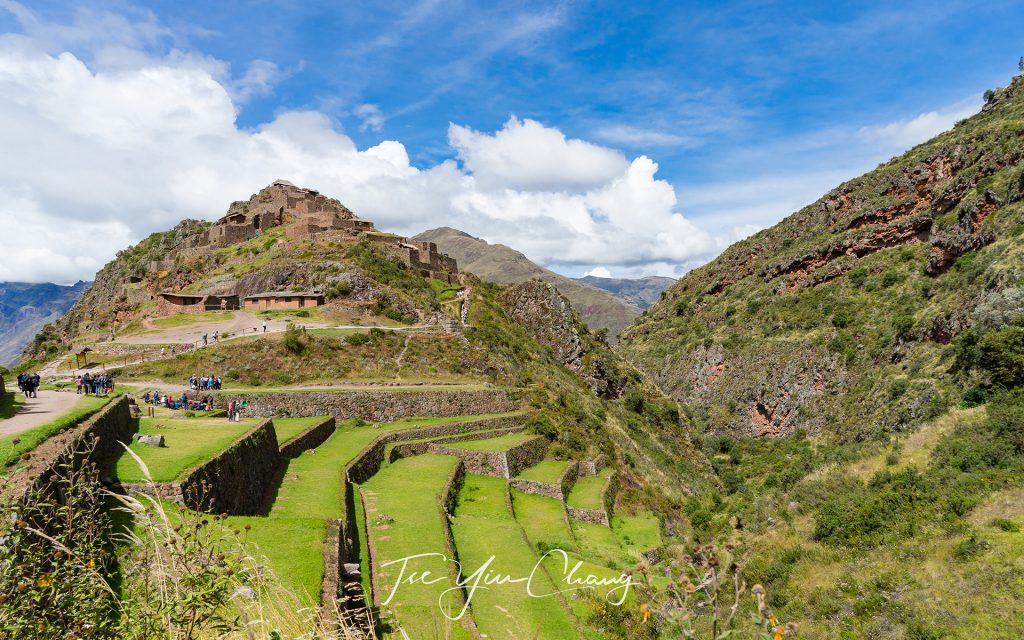
Pisac’s main attractions can be found up in the hills overlooking the village from the north. The first site we visited was Intihuatana – the sun temple. Inti was the favourite god of the Inca and he was associated with the sun. Here the name refers to the temple as a whole, but there are many Intihuatanas in Peru, and usually they take the form of a sacred stone which, when combined with the light of the sun, functioned as a type of clock or calendar. This one aligns with the sun during the June solstice, and within the temple there, is also an altar and a sacred spring. The temple is another fine example of the famous Inca stonework on display. Its location high up on the ridge gives it commanding views of the valley below.

Agriculture terraces and Intihuatana - the sun temple. Pisac is one of Peru's biggest archeological site
Agriculture terraces and Intihuatana – the sun temple. Pisac is one of Peru’s biggest archeological site

A little further down the slope is Q’allaquasa. This was the main Inca settlement where the majority of the ruins are of the houses which were occupied by the settlement’s ordinary inhabitants. Despite not being grand constructions, they are still impressive thanks to their position on the crown of a hill. To maximise the land available for agriculture, the Inca carved out dramatic terraces from the hillside, reminiscent of those in Eastern Asia. These still exist today, and some of the most impressive surrounding Q’allaquasa.

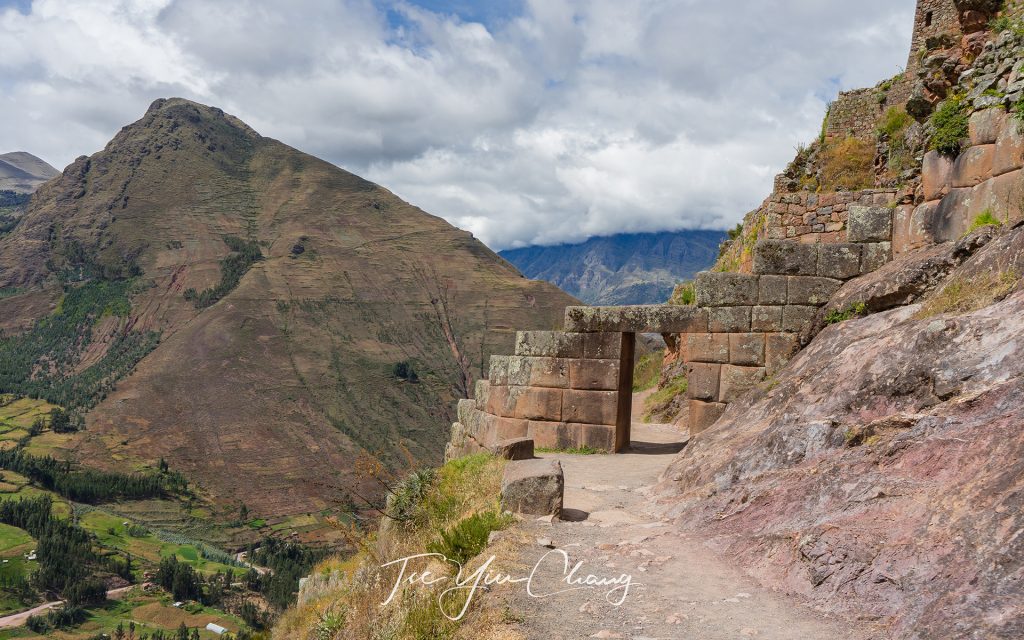
Inca doorway, marking the entrance to the sun temple

The final site we saw at Pisac was Kinchiraqay. Perched precariously on the side of the hill, these red stone buildings were the grain stores where precious corn was kept. Stacked one on top of the other, their charm is completed by the sloping thatched roofs, and as with almost every site in the Sacred Valley, the sweeping views their position gives.

Pisac is an important argricultural hub due to its climate and fertile soil

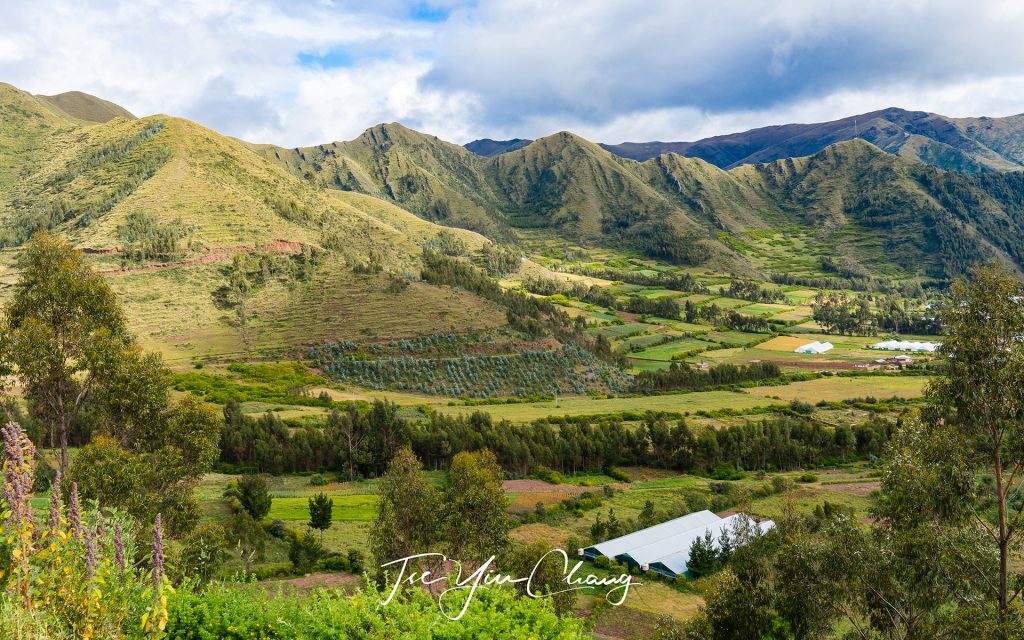
We moved on towards the town of Urubamba for lunch. Urubamba is one of the larger towns in the valley with a population of less than 3,000. It is situated at a spot where the valley opens up and provides enough space for a town, as well as for agriculture. On our way there we were treated to more of the valley’s striking scenery. Following the river along the valley floor, we were treated to an endless procession of pastoral fields bounded by towering peaks.

View of Ollantaytamboo old town from the ruins

After lunch we continued up the valley until we reached the region’s other major set of ruins. Just as Pisac guards the southern entrance to the valley, Ollantaytambo, also known as Ollanta by the locals, was designed to stop potential attacks from the north. The site was occupied long before the Inca arrived, however it was Pachacuti, considered as the most successful Inca emperor, who really transformed it into a significant place. He decided to set it aside as his personal estate after he had brought it into the empire.

The well-preserved Ollantaytamboo was once a stronghold of Inca resistance to Spanish colonisation

Here he constructed temples, defences and agricultural terraces, prompting the development of a town to house the workers of his estate. That town was largely demolished by the Spanish, but the rest of Pachacuti’s work has been preserved, albeit in ruined form. It is not hard to picture how grand this place must have been, despite its abandoned state.

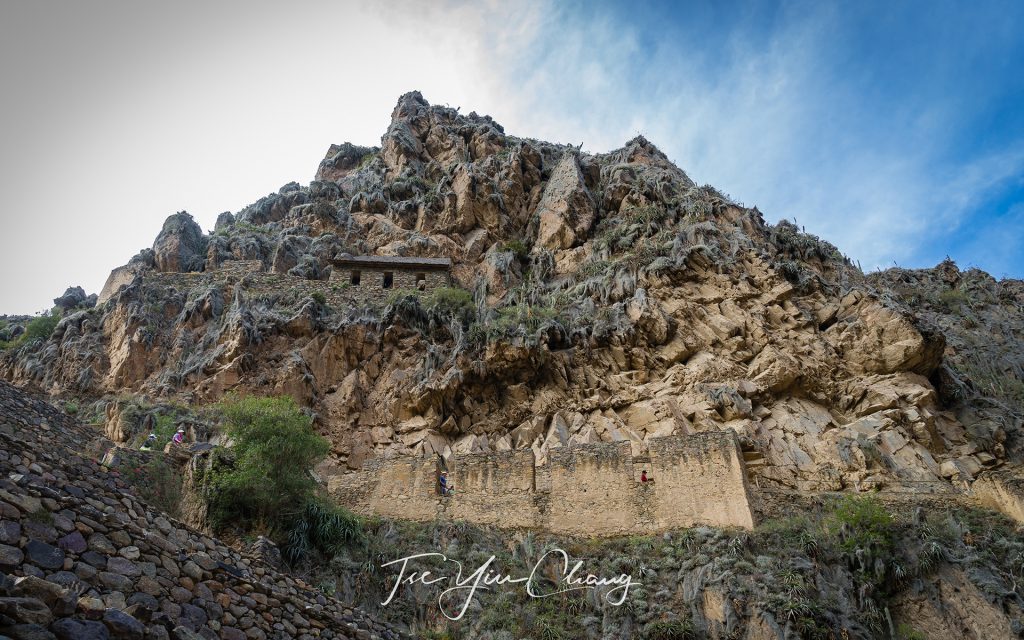
Ollantaytamboo looking across to Pinkuylluna mountain (right). If you look closer you will see the face of Wiracocha carved into the rocks. The Incas believed he was the creator of all. Next to it you can see the Pinkuylluna Incan storehouses, used to store agricultural crops to feed the town

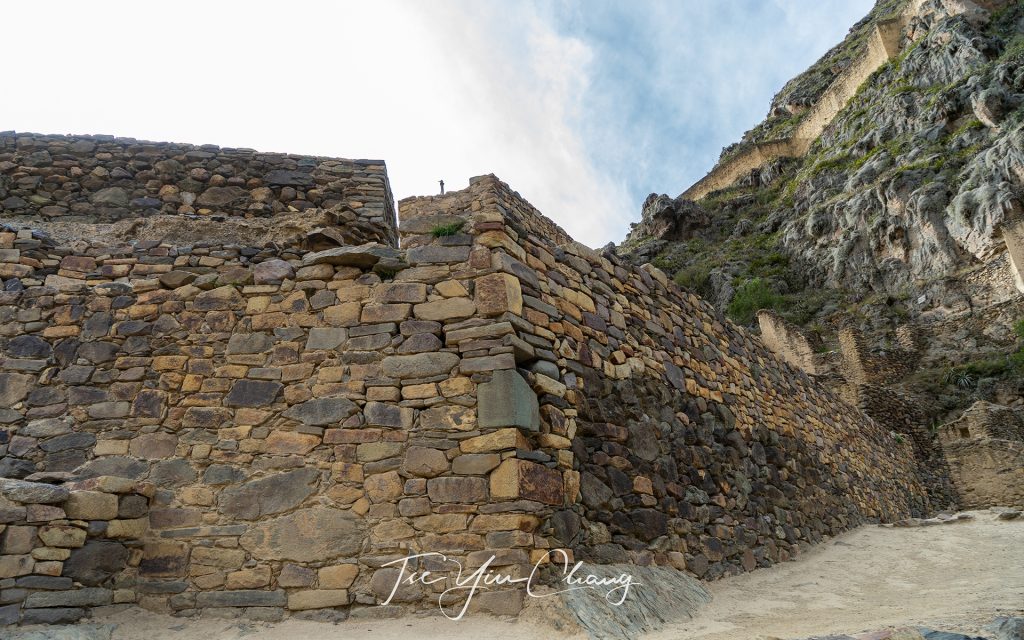
The famous and impressive Inca stonework is on display everywhere, and some buildings are almost complete, apart from a lack of roofs. Structures like the wall of the six monoliths, which forms part of the temple complex, demonstrate the highly developed engineering skills that the Inca possessed. Built from stones weighing more than fifty tonnes each, it’s a mystery how they managed to drag them up to this inaccessible spot. Archaeologists believe that the temple was never actually finished, and it is thought that Ollantaytambo was in the midst of a renovation when the Spanish turned up and terminated the construction.

Another example of the famous and impressive Inca stonework on display at Ollantaytamboo

Clearly its defences turned out to be of no use against the Europeans, but that doesn’t mean that they were not formidable. Smaller fortifications dot the hills around the main site (as do grain storehouses and quarries from which the building stone was obtained), and the Inca even diverted a stretch of the river so that it ran across the valley floor rather than along it. This gave invaders another obstacle to navigate. Like at Pisac, the hills leading up to the ruins have been extensively modified to create stepped terraces, and while those at Pisac are bigger, these are unquestionably neater.

The Incas possessed highly developed engineering skills

We were dropped at the Ollantaytambo Station in the afternoon and boarded the train to Aguas Calientes. If it wasn’t for the fact that this is the closest settlement to Machu Picchu, this town would be of little importance, hidden away between the towering mountains. Much of the town has been given over to the tourism industry, and its streets are packed with visitors.

Ollantaytamboo is the beginning of the Inca Trail to Machu Picchu

While the landscapes of the Sacred Valley are spectacular, Aguas Calientes is further up into the Andes, and, its setting is even more dramatic. The slopes are like walls, and the flat space beside the river where buildings can be constructed is limited. The result is a small, but bustling town, wedged improbably into every available bit of space. It was a pleasant enough place to spend the night, but like everyone else there we were more excited about what tomorrow had in store for us – the ruins of Machu Picchu.

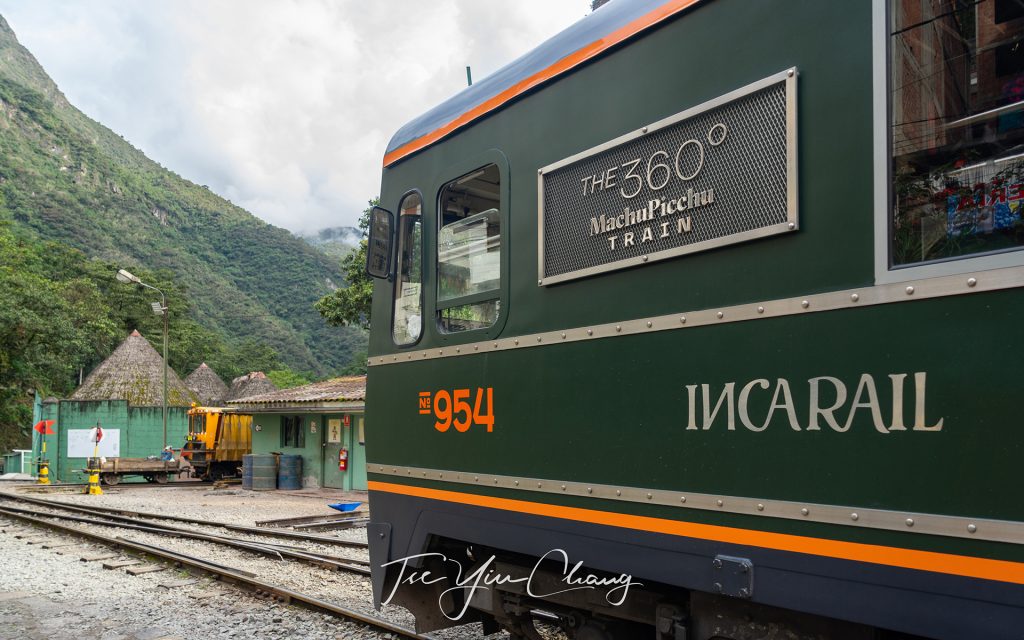
The scenic IncaRail 360o Machu Picchu Train has an observation outdoor carriage for travellers to admire the Andean landscape

See also:

  • A journey through the picturesque Andes by rail
  • Exploring the capital of the Inca Empire – Cusco
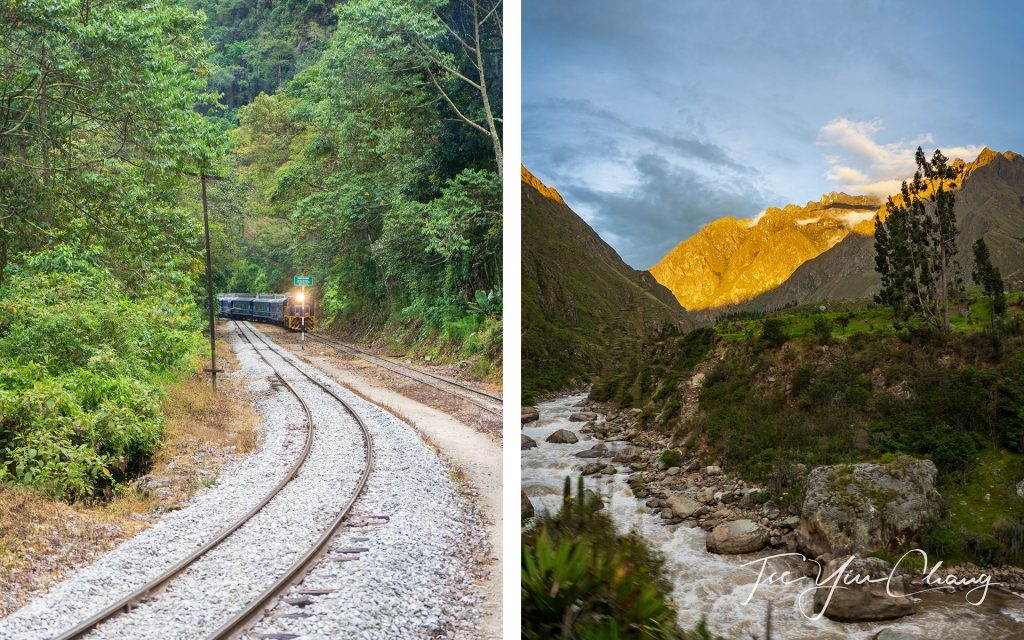
The IncaRail 360o Machu Picchu Train is one of the most panoramic journey in Latin America
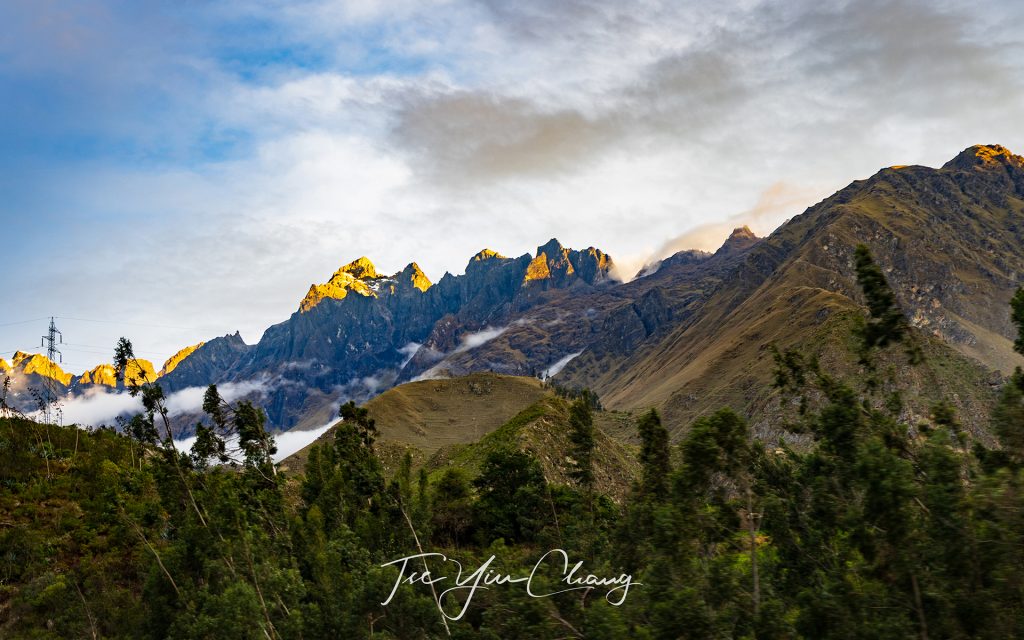
There were still snow on top of the mountains
Dramatic and spectacular Andean landscape along the train journey to Machu Picchu
Filed Under: Blog, Photography, Portfolio, Travel Tagged With: adventure, altitude, inca, machu picchu, ollantaytambo, peru, pisac, rail, sacred valley, south america, spring, UNESCO, urubamba
Adventures in Japan – chasing cherry blossom – Part 4: the bright lights of Tokyo

2 November 2017 by tadgraphics

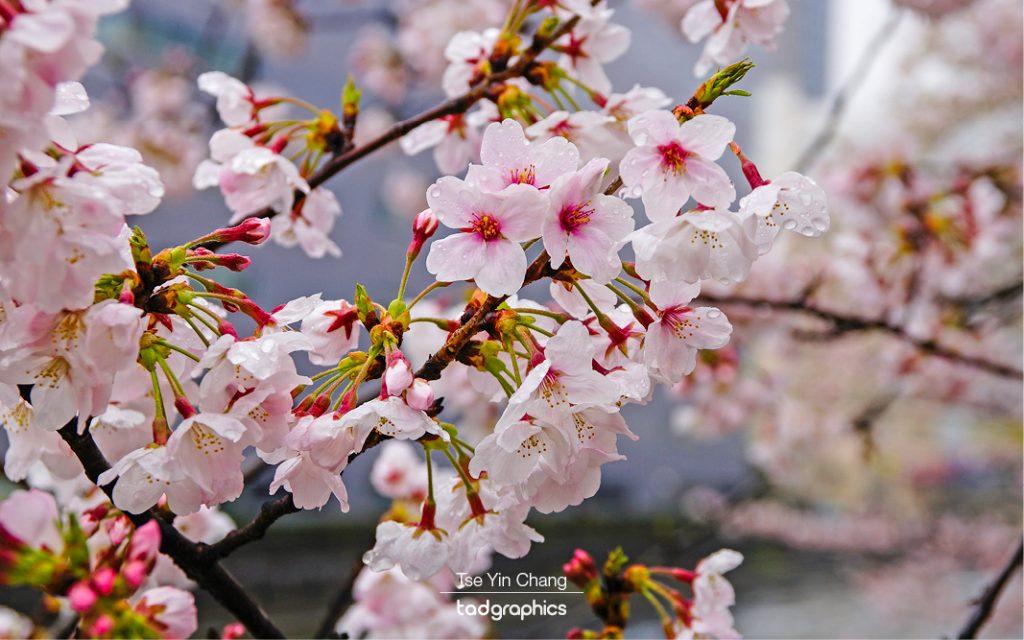
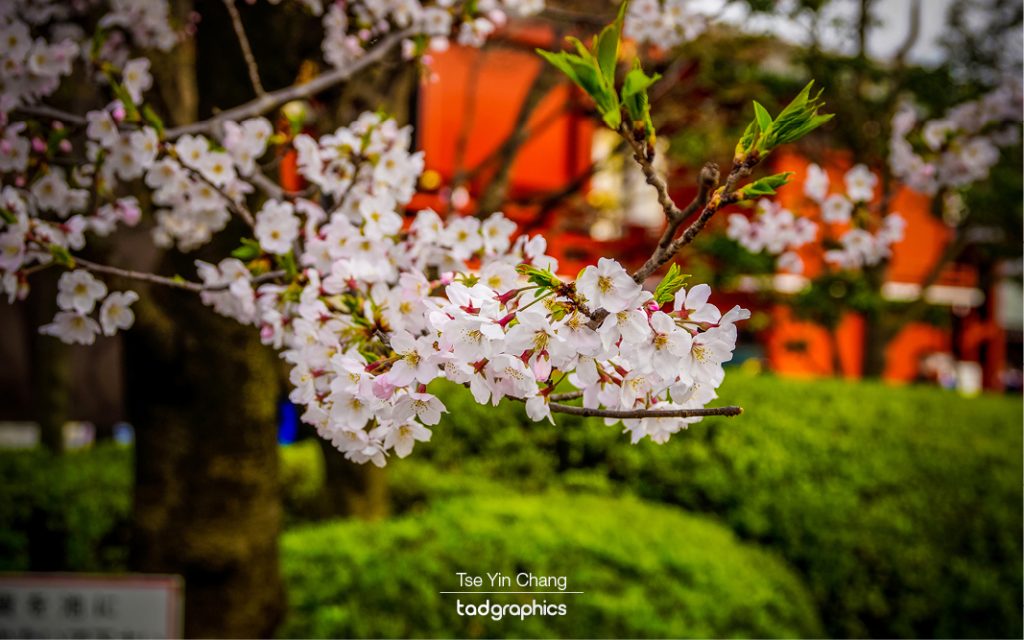
The cherry blossom (sakura) is the national flower of Japan. It is probably the most beloved flower among the Japanese.

I had been in Japan for a while now, and had enjoyed visiting Kamakura, Kyoto, Nara, Osaka and Yokohama. My final stop however, was one which everyone has heard of – and one which I was excited to visit again. Japan’s capital, Tokyo, known across the world as a sprawling, futuristic hive of activity and one of the biggest cities in the world.

Japan’s high-tech and efficient nature is personified in the Shinkansen – or bullet train as it is often referred to in English. These connect much of the country and can reach speeds of up to 320 km/h. They are rarely late, and are one of the most used rail networks in the world. This all makes them more than just a way to get from A to B, and they are themselves in fact something worth experiencing if you are ever in Japan. Although mine was a short two hours and twenty minutes from Kyoto, I enjoyed watching the countryside roll past outside the window. As I was spending the majority of my trip in various cities, it was nice to get a glimpse of Mount Fuji and the country’s rural side.
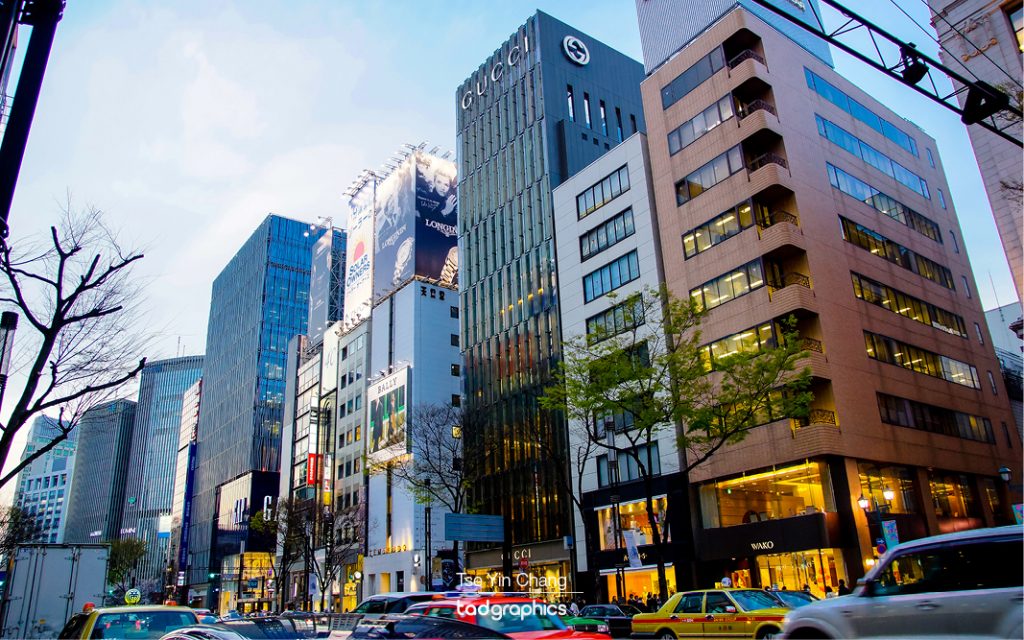
Ginza is Tokyo's most famous upmarket shopping, dining and entertainment district. It is also one of the most expensive real estate in Japan.
Ginza is Tokyo’s most famous upmarket shopping, dining and entertainment district. It is also one of the most expensive real estate in Japan.

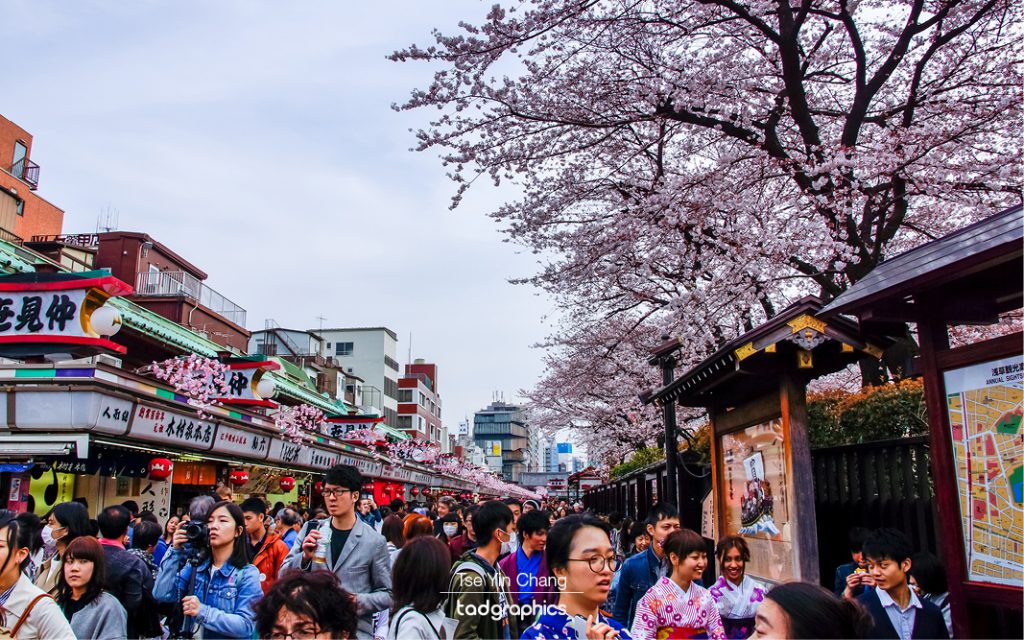
Tokyo is vast, and its centre is large enough to encompass several different districts. There is quite a bit of variation between these, with each offering a distinct character. After arriving into the city around lunch time, I decided to start with Asakusa – one of the oldest parts of Tokyo. Here, the bright flashing lights and hyper-modern atmosphere that dominates much of the city are less prevalent, and some of the most impressive historic buildings can be found in the area. The skyscrapers that occupy much of the city centre give way to more reasonable sized buildings in Asakusa. It has long been a gritty, lower income neighbourhood, and it was traditionally where many Japanese migrants ended up when they first moved out of the country. As such, it has always been known for its vibrant (if slightly seedy) atmosphere, and as a place where a good time can be had. In recent years it has cashed in on the rise of tourism, and it is a popular destination for visitors. There are markets where tourists buy cheap souvenirs alongside locals doing their food shop, and there are numerous festivals which I hear are well worth attending if you are lucky enough to be there at the right time of year.

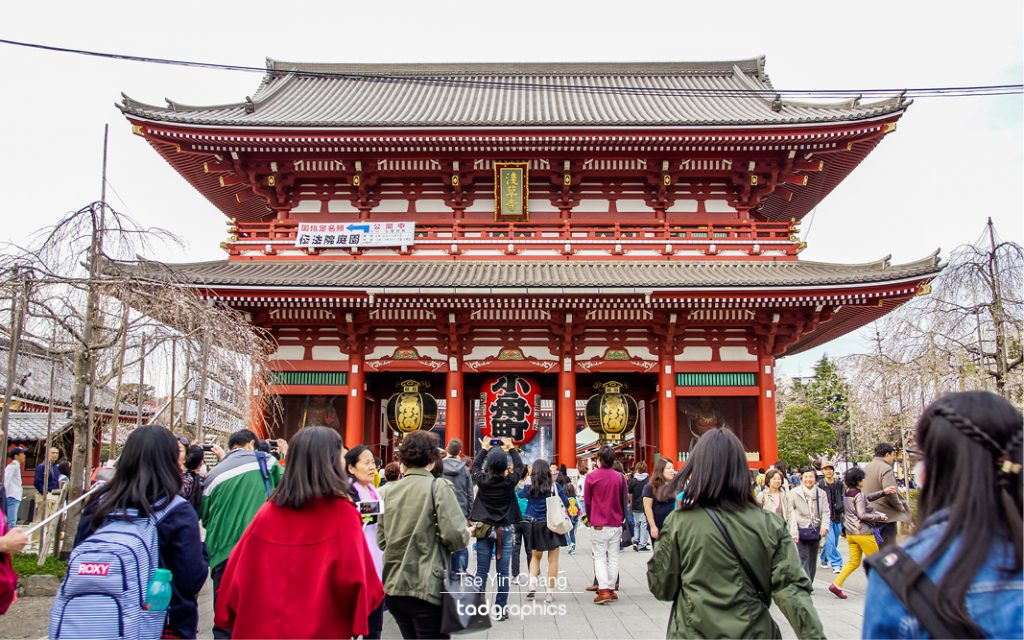
The Sensoji temple is the largest Buddhist place of worship in Tokyo

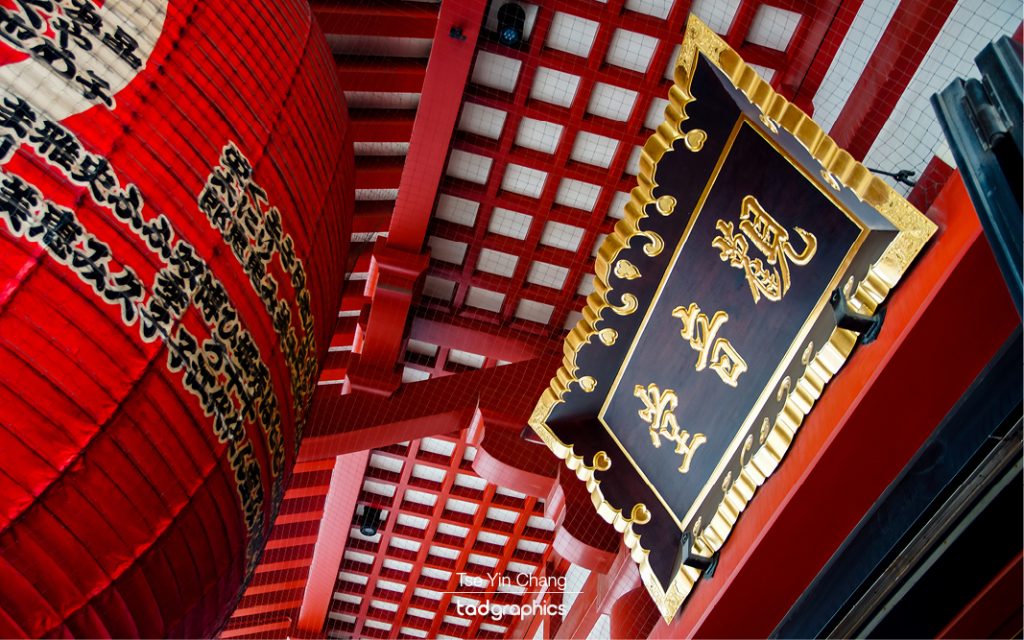
Asides from this, many tourists come to see the temples. Despite its numerous worldly attractions, it has always also been home to more spiritual pursuits and there are many places of worship nearby. The Sensoji temple is the largest Buddhist place of worship in the city and was one of the nicest I had seen on my trip. The Asakusa Shrine is the most prominent Shinto temple and dates back to 1649. It is without question a blessing that both of these survived the air raids of the Second World War which destroyed a large number of the city’s historic buildings.

I only had three days in Tokyo, so I spent the rest of my time trying to see as much as possible. Although this was my second time visiting the city, I chose to spend my time exploring places I hadn’t already visited. One of these was Shibuya, a trendy part of town which is known for its youth culture. This place is what you imagine when you think of Tokyo, and the streets are packed full of people scurrying around in the shadow of tall glass buildings. At night the whole area lights up in various neon shades and huge screens display advertising everywhere you look. All the big international brands have shops here, and it is a hotspot for nightlife.

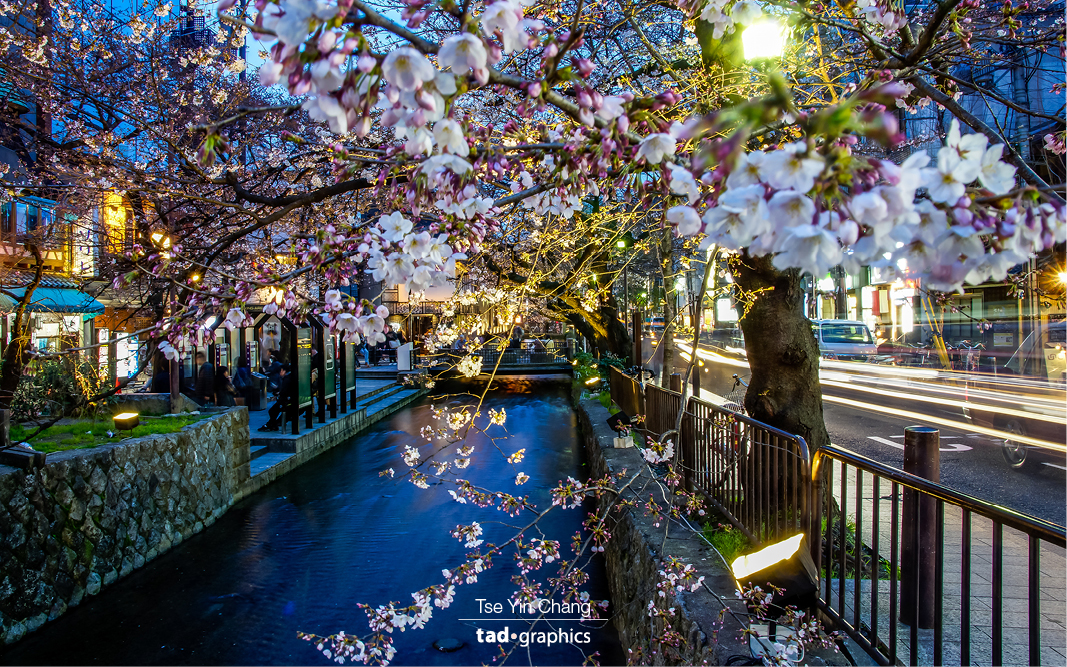
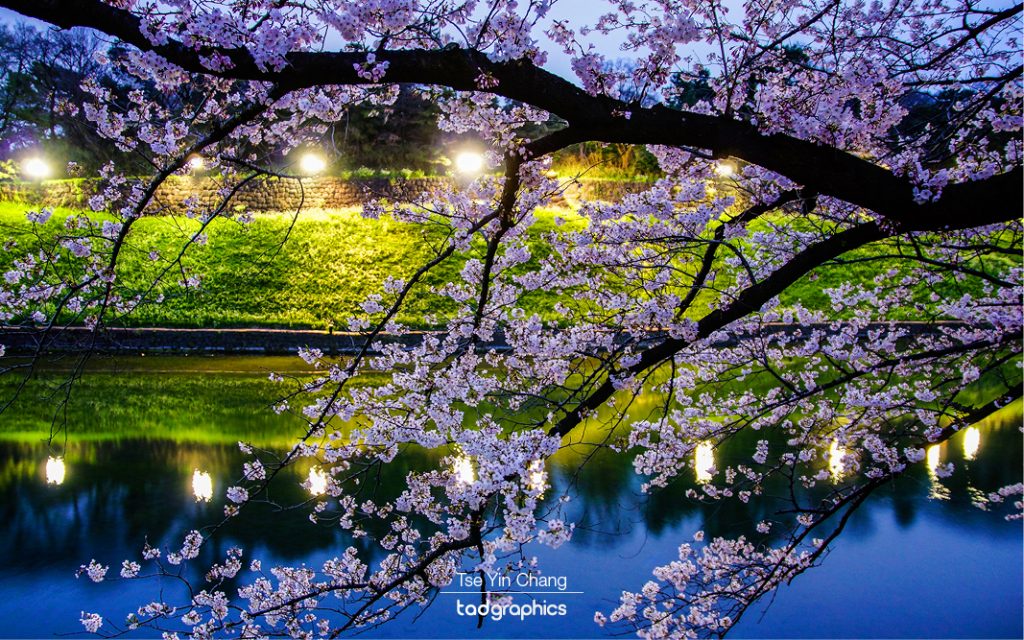
Cherry blossom trees light up at night, Chidorigafuchi and Kitanomaru Park

In the heart of the neighbourhood is the famous Shibuya Crossing. This is possibly the busiest intersection in the world, and aside from the traffic which comes from five directions, the number of pedestrians who pass through has to be seen to be believed. When the lights turn red (and they all turn red at once so that no cars pass from any direction), the mass of people surges forward from all sides and somehow manage to pass each other in an orderly fashion. Accordingly during peak hours, over 1000 people cross the intersection at the same time. After spending some time wandering around Shibuya, I watched the crossing for a while before moving on.

I spent the rest of my time wandering the city streets and soaking up the atmosphere. Although both are comparable in terms of prosperity and level of development, Tokyo feels completely different to Perth or to any other Australian city for that matter. I enjoyed absorbing the strange sights and sounds as well as trying the excellent food. Even though I had already witnessed the cherry blossoms which I had wanted to see elsewhere, I was still pleased to catch a few more glimpses of them along various streets and in some of the city’s parks, two of them being Chidorigafuchi and Kitanomaru Park.

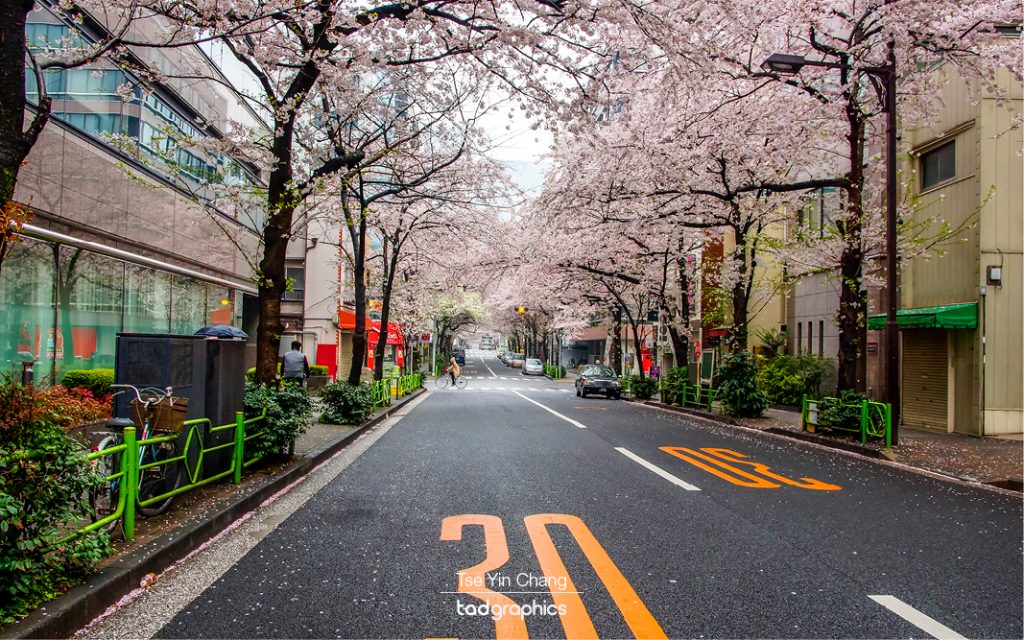
In the right place at the right time of the year. Tunnel of full bloomed cherry blossoms in one of the streets in Tokyo.

Having thoroughly enjoyed my time in Japan savouring authentic Japanese street foods, shopping and exploring the various cities, I headed to the airport and back home.

Prints from my Japan photo collection are available in a variety of different sizes and framing options. Please get in touch to find out more.

See also:

  • Adventures in Japan – chasing cherry blossom – Part 1: Osaka and Nara
  • Adventures in Japan – chasing cherry blossom – Part 2: Kyoto
  • Adventures in Japan – chasing cherry blossom – Part 3: Kamakura and Yokohama
Sensoji Temple (also known as Asakusa Kannon Temple)
Cherry blossoms can be seen everywhere in Tokyo in April
Shopping strip in Asakusa
Shopping in Asakusa

Filed Under: Blog, Photography, Portfolio, Travel Tagged With: cherry blossom, japan, modern, photography, spring, tokyo, travel

Adventures in Japan – chasing cherry blossom – Part 3: Kamakura and Yokohama

10 May 2017 by tadgraphics

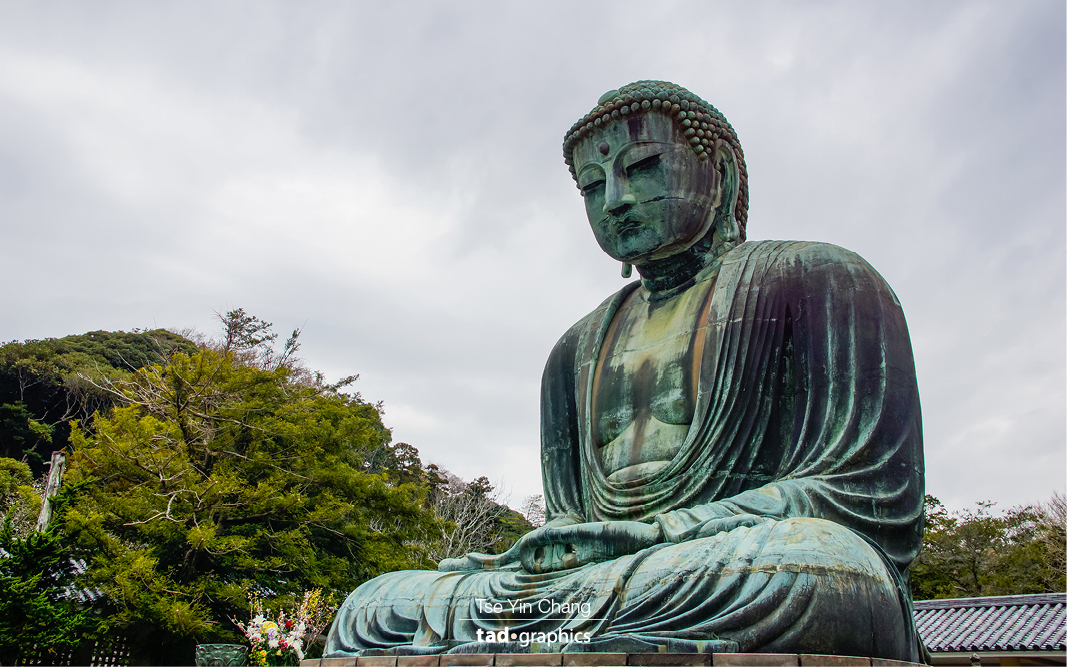
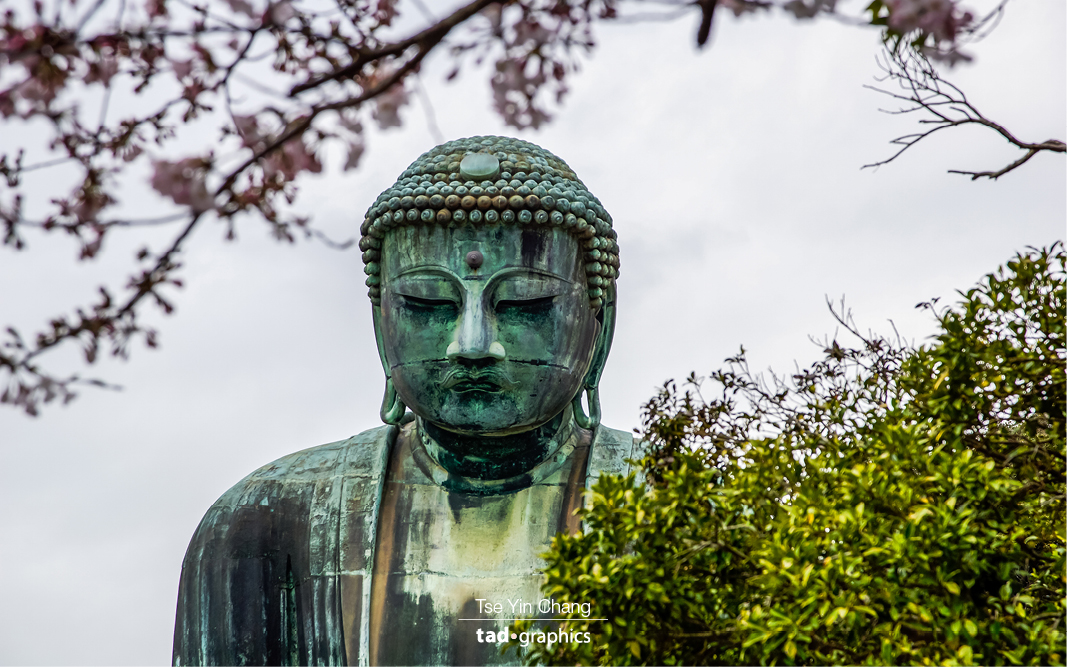
Kotoku-in temple is home to the giant bronze Buddha

Kamakura is one of Japan’s most popular tourist destinations thanks to its long history and coastal location. There is an abundance of things to see in and around the city, and it has a reputation for having a relaxed atmosphere. Its proximity to other major cities such as Tokyo and Kyoto make it a great day trip, and its many temples, shrines, and statues can be counted among the best in the country.

Since almost the time when Japan was first settled, Kamakura has been an important place. The earliest evidence of human habitation dates from around 10,000 years ago and some of its oldest temples were built at least 1400 years ago. It was during the first few centuries of the last millennium however that the city really started to come into its own. Between 1192 and 1333 it was home to Japan’s first shogun and therefore was the de facto capital of the country. This period is in fact known as the Kamakura period by historians due to the city’s importance at the time.

During the Kamakura period, many beautiful temples and shrines – both Buddhist and Shinto – were built and some of them can still be visited today. These are dotted around the city so if you want to see a few of them, make sure you plan your time or spend at least a couple of days there.

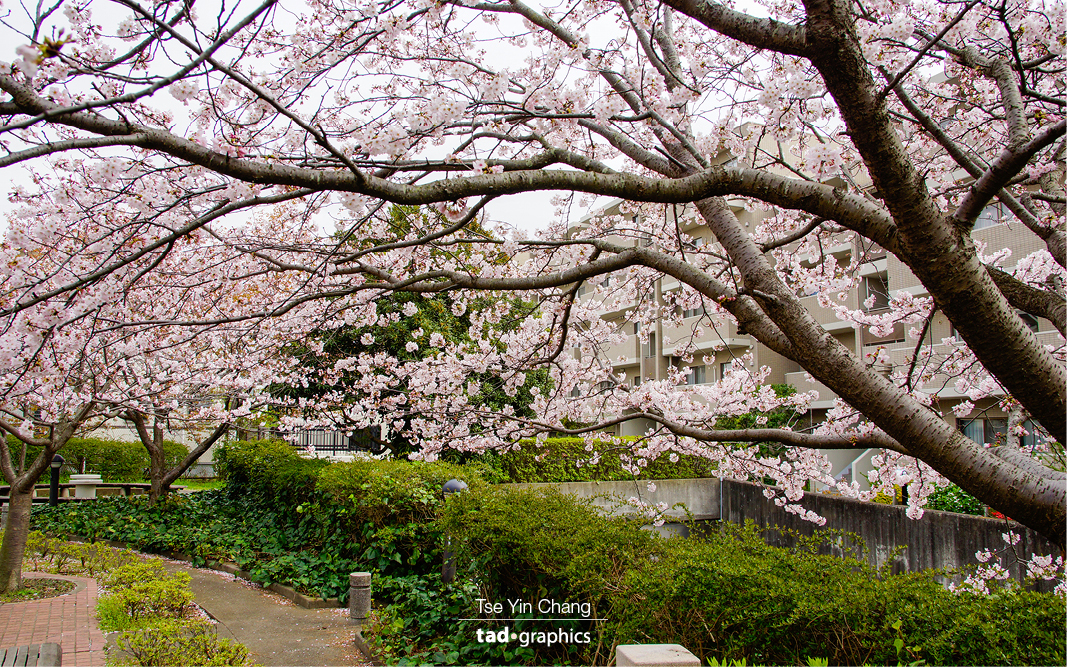
Cherry blossom are everywhere in spring
Cherry blossom can be seen everywhere in spring

Probably the most popular tourist attraction however, is the giant Buddha which takes pride of place in the grounds of Kotoku-in temple. Built in 1252, it is made from bronze and at over thirteen meters tall, is the third largest statue in Japan. Today it sits in the open air, but originally it was housed inside a temple which was destroyed in 1498 by a tsunami. The elements have bleached the metal a light shade of green but in the past it was gilded with gold leaf. This doesn’t make it any less beautiful however, and it is an impressive piece of craftsmanship. The lifelike way in which the folds of the Buddha’s clothes have been sculpted is a testament to the finese of medieval Japanese artwork.

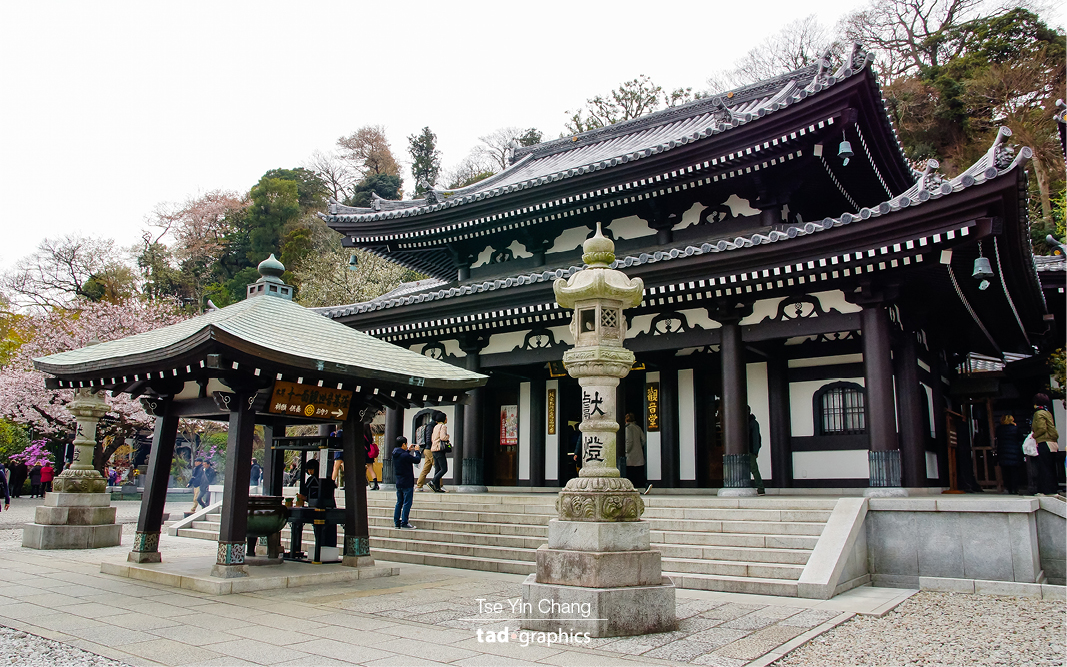
Five minutes walk from the Buddha is Hase Kannon, another of the city’s biggest tourist attractions. This is where the biggest wooden statue in Japan can be found (depicting Kannon – a Buddhist deity), as well as a museum, temple, and gardens. The museum is home to various Buddhist artefacts including a centuries old temple bell and a large collection of sculptures. The garden is an extremely peaceful place is if you visit at the right time of year, you can either see the pink cherry blossom or the fiery oranges and yellows of the autumn leaves.

Hase Kannon where the biggest wooden statue in Japan can be found is also one of the city’s biggest tourist attractions

Another reason for visiting Kamakura is decidedly less spiritual. Its beaches are some of the best in Japan and make great spots for relaxing, sunbathing, and swimming. Many people come here to surf, and the waves are great for beginners looking to ease themselves into the sport. Shichirigihama is one of the most popular stretches of sand, and one clear days it has dramatic views of Mount Fuji. Inamuragasaki is another well-loved beach, known for its sunsets, and it was the setting for the Japanese film Inamura Jane.

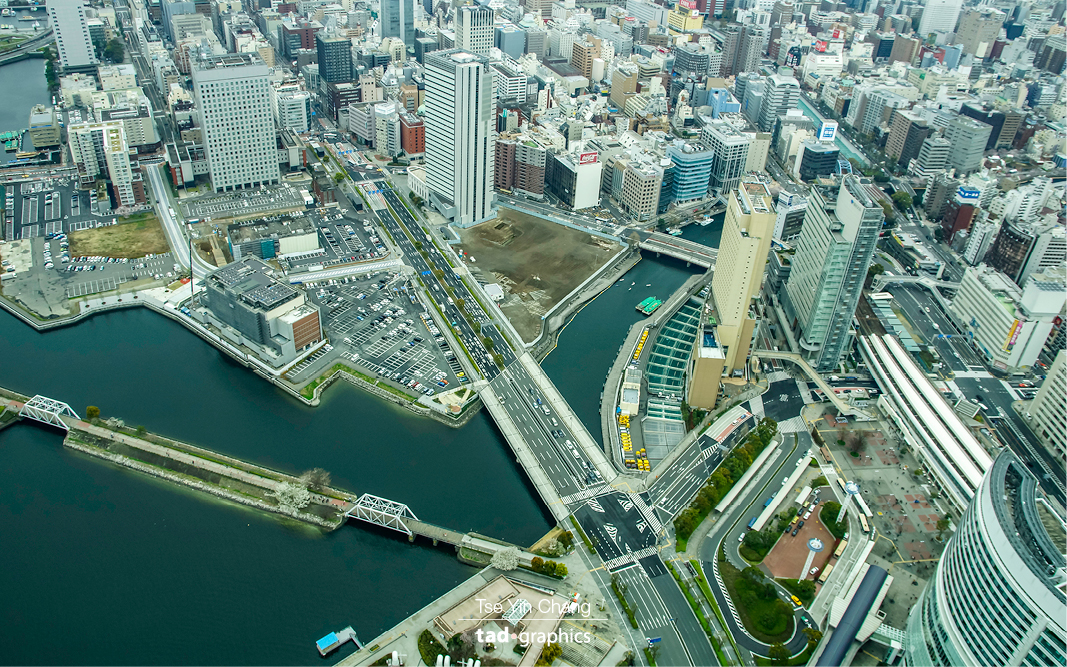
Yokohama taken from Yokohama Landmark Tower is the second largest city on the country

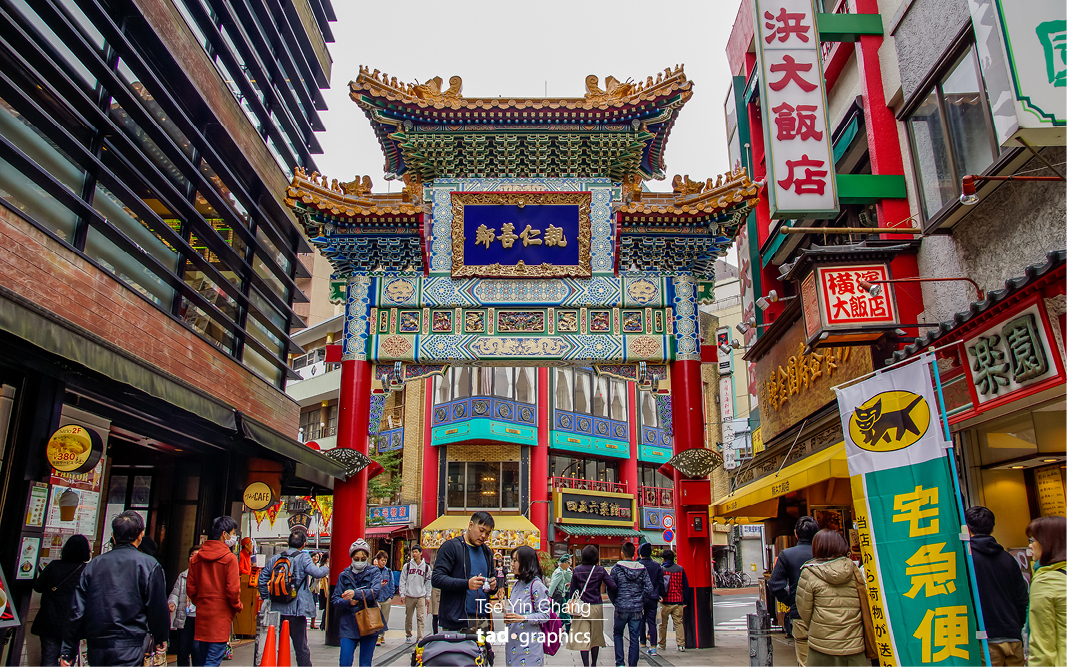
If you plan on going further afield, there are a few places worth visiting which are within an easy distance of Kamakura. The city of Yokohama is very close, and being the second largest city on the country, there is plenty to see there. Whether you want visit Chinatown, see the largest inland lighthouse in the world, or go shopping, you can do it there. Just outside the city is the Taya cavern – a vast network of man-made caves dug by Buddhist monks to create a quiet place to train new initiates into their ranks. Tokyo is not far away, and there are also lots of opportunities to go hiking, climbing, or kayaking in the nearby mountains.

See also:

  • Adventures in Japan – chasing cherry blossom – Part 1: Osaka and Nara
  • Adventures in Japan – chasing cherry blossom – Part 2: Kyoto

Prints from my Japan photo collection are available in a variety of different sizes and framing options. Please get in touch to find out more.

The giant bronze Buddha in Kotoku-in temple was built in the year 1252.
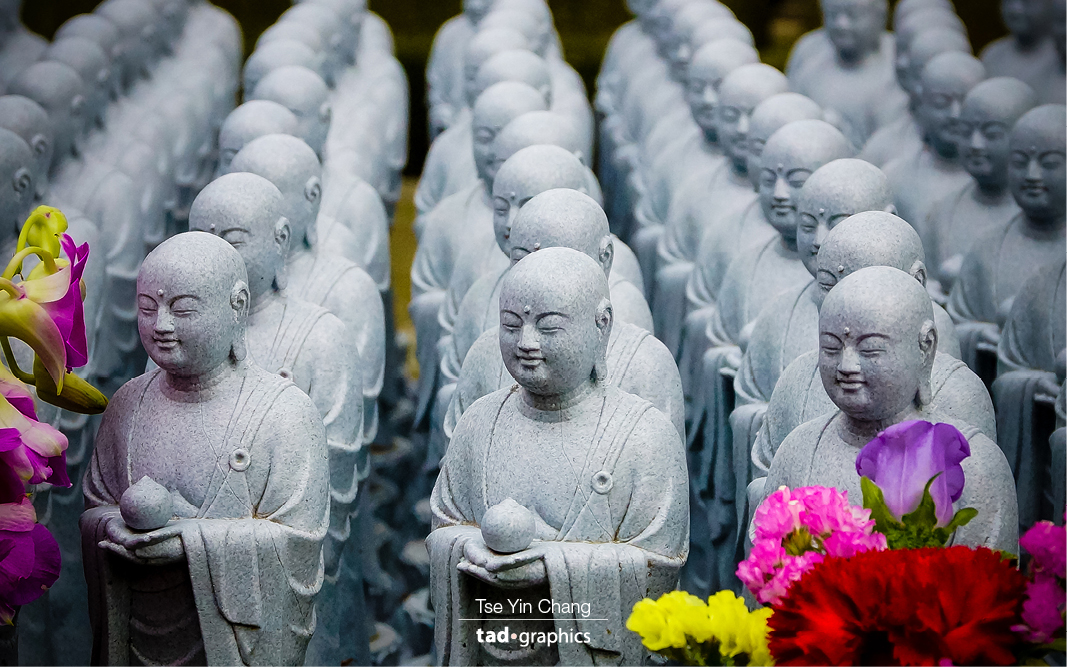
Mini Buddha statues in Hase Kannon
Yokohama Chinatown is Japan's largest Chinatown
Yokohama Chinatown is Japan’s largest Chinatown

Filed Under: Blog, Photography, Portfolio, Travel Tagged With: buddha, cherry blossom, japan, kamakura, spring, travel

Adventures in Japan – chasing cherry blossom – Part 2: Kyoto

8 March 2017 by tadgraphics

The Imperial Palace in Kyoto is definitely a great place to check out cherry blossoms

Having spent some time in Osaka and Nara, I hopped onto the Kintetsu Rail and travelled a short distance inland to the city of Kyoto. I was excited to reach Kyoto, a city steeped in history, and home to many fascinating and photogenic attractions scattered around the metropolitan area. Kyoto is also renowned for being one of the best places in the country to see Japanese cherry blossom.

Previously the nation’s capital for around a thousand years, until Tokyo took over the honour in 1869, Kyoto has played an extremely important role in the development of Japan. As a result of its prominent position, some of Japan’s finest palaces, temples and other monuments were built in Kyoto. Collectively they have been made into a UNESCO listed World Heritage Site, and their importance was recognised by the US government. So much so, they avoided bombing the city during World War II.

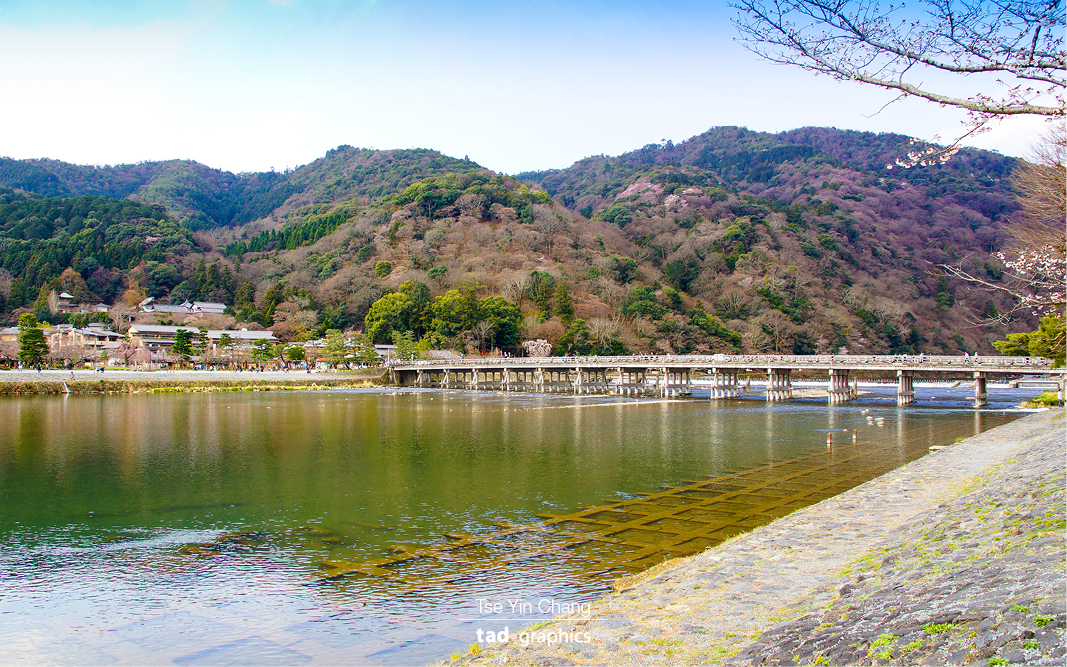
Picturesque Arashiyama, the Togetsu-kyo Bridge has been a landmark for over four hundred years
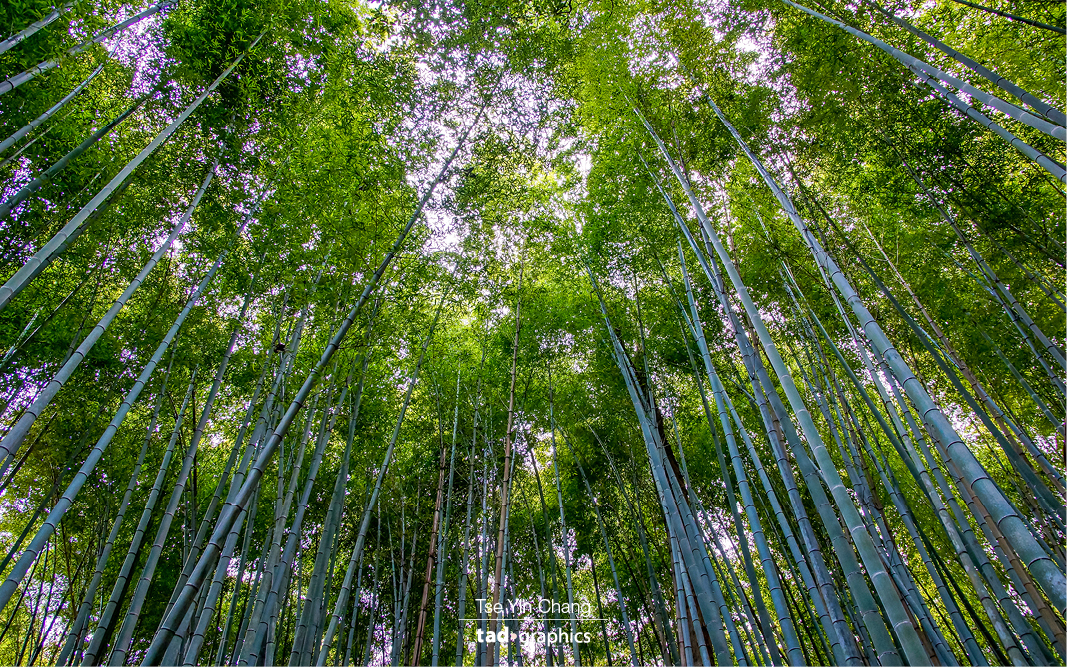
Looking up... giant bamboo plants stretching high up into the sky in Arashiyama Bamboo Grove
Looking up… giant bamboo plants stretching high up into the sky in Arashiyama Bamboo Grove

After settling into my accommodation, and with four days ahead of me to explore, I set out to see what the city had to offer. My first stop was Arashiyama, a picturesque area on the western edge of the city. This is where the mountains meet the city, creating a beautiful natural landscape. The area is also home to bamboo groves, which was the main focus for my visit. After entering the grove along a footpath, you suddenly find yourself dwarfed by thousands of giant bamboo plants, stretching high up into the sky. There are so many, that once inside the bamboo grove you see nothing else. With their thin, smooth trunks, the experience is very different to that of any normal forest I’ve ever encountered. It’s best to visit Arashiyama bamboo forest early in the morning, when it’s less populated with tourists and at its most peaceful.

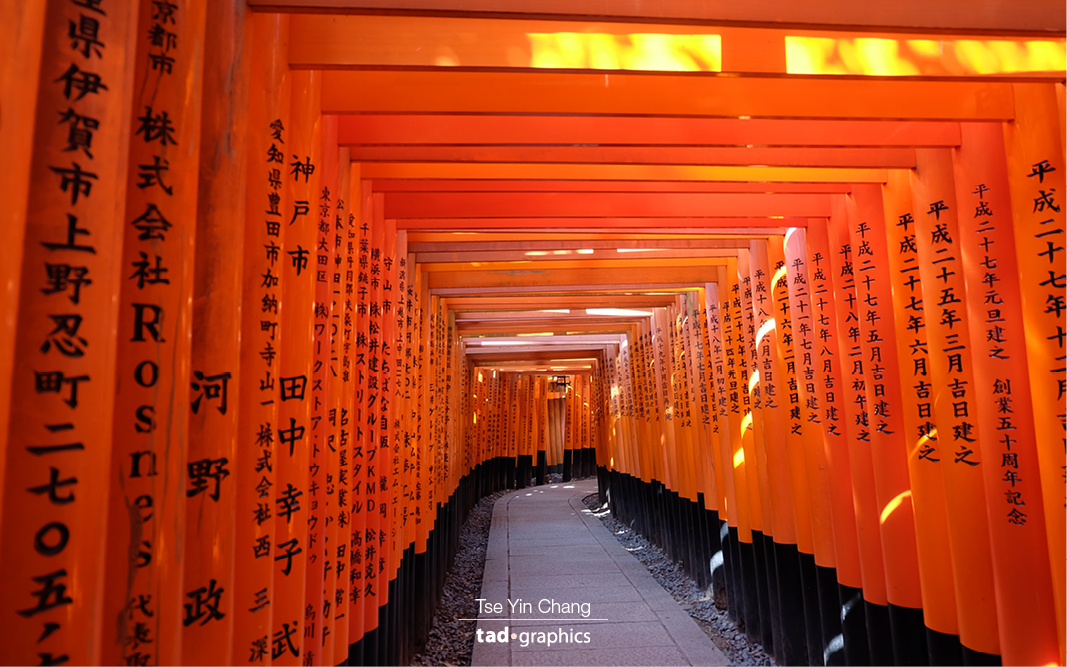
Striking Torii paths in the famous Fushimi Inari-taisha Shrine

Next on my list of places to visit was Fushimi Inari-taisha – an extremely beautiful shrine dedicated to the god Inari. Inari is a Shinto god, and unlike Buddhism, Japan’s other major religion which was imported, Shinto is an indigenous belief system. The religion is only practised in Japan, and this particular shrine is one of the oldest in existence. There are a number of buildings within the temple complex, but in my opinion, the Torii paths are perhaps the most striking of all the structures. A common feature of Shinto shrines, gate like structures at their entrance mark the transition from the profane world to the sacred one. However, because there are so many at Fushimi, they are arranged in a row to form a sort of tunnel. It’s quite an impressive sight to behold.

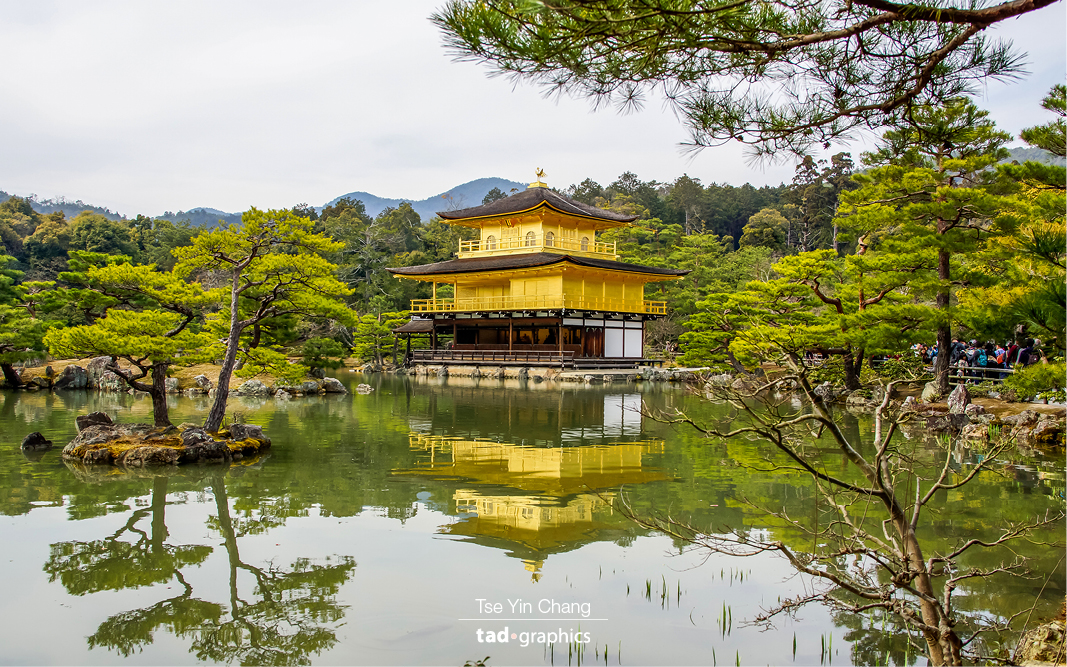
The three story Golden Pavilion or ‘Kinkaku-ji’ building sits in the middle of a landscaped garden and overlooks a large pond

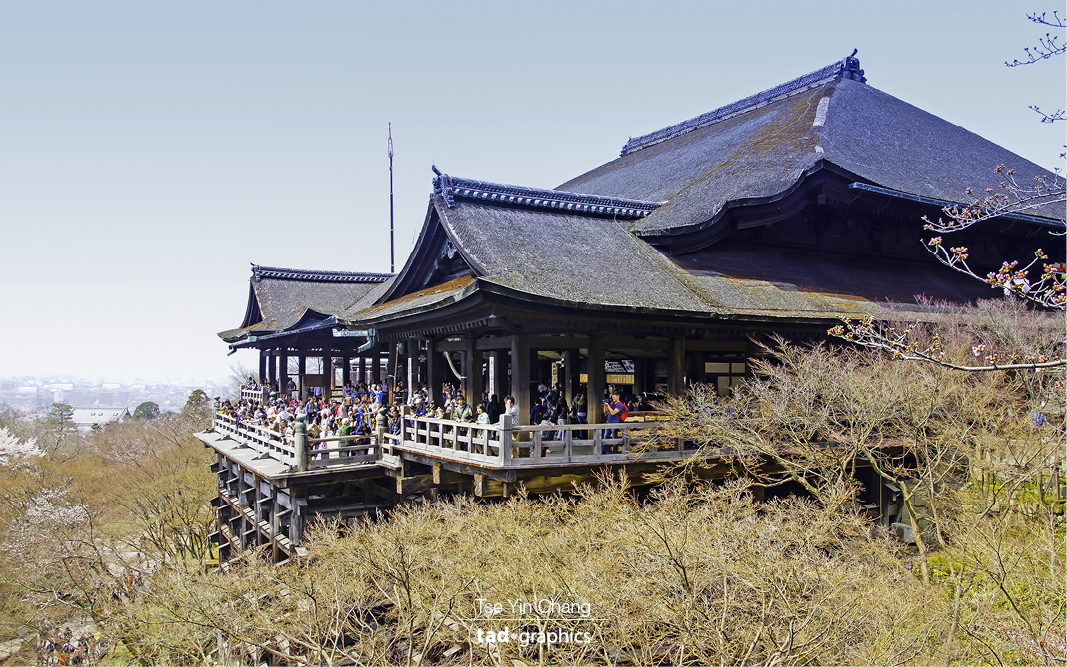
After visiting a Shinto temple, I naturally wanted to experience a Buddhist temple too. And that meant visiting one of the country’s most famous – the Golden Pavilion or ‘Kinkaku-ji’. This three story building sits in the middle of a landscaped garden and overlooks a large pond. What’s most impressive however, is that much of its exterior is covered in gold leaf. I spent some time wandering around the picturesque grounds, taking photos of the sunlight reflecting off the temple walls, before moving on to another temple, Kiyomizu-dera. This UNESCO listed World Heritage Site, which was built in 778 AD, is located halfway up Mt. Otowa, one of the peaks in Kyoto’s Higashiyama mountain range. Kiyomizu-dera is nestled above a waterfall, and the locals believe the water has the power to grant wishes to anyone who drinks it. The main building – which is made of wood and constructed without using a single nail – overlooks the city and is surrounded by beautiful cherry blossom trees.

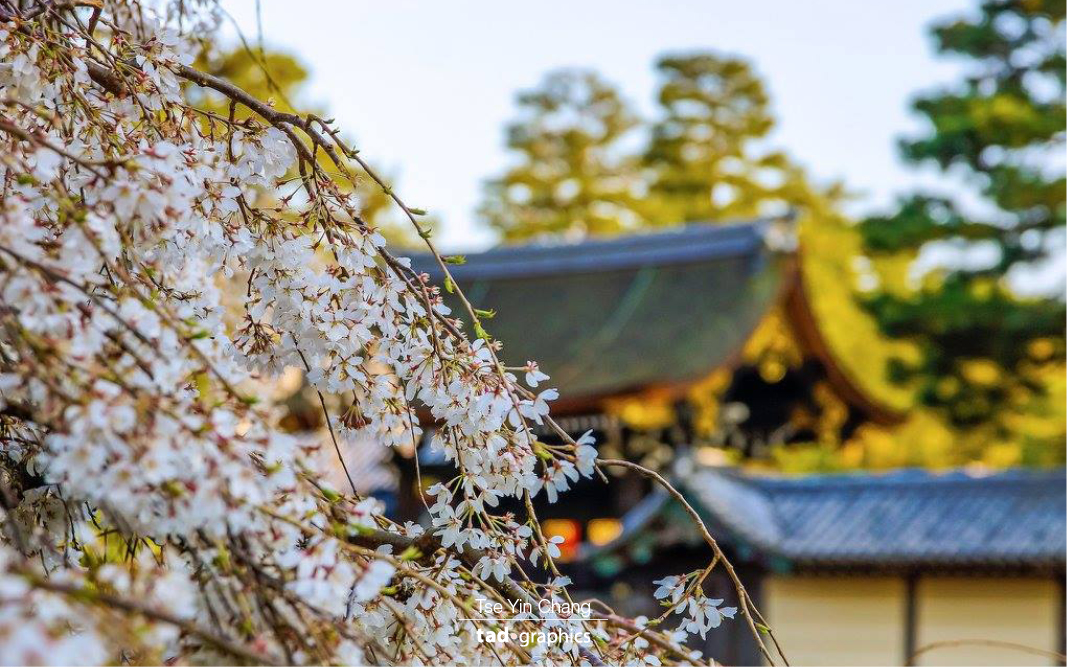
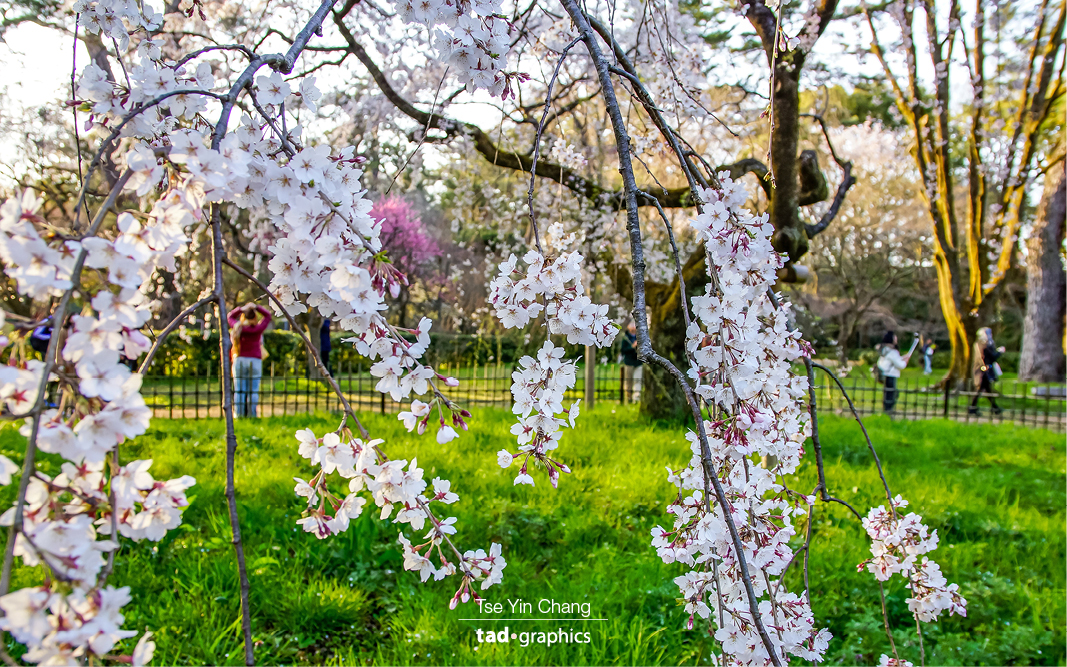
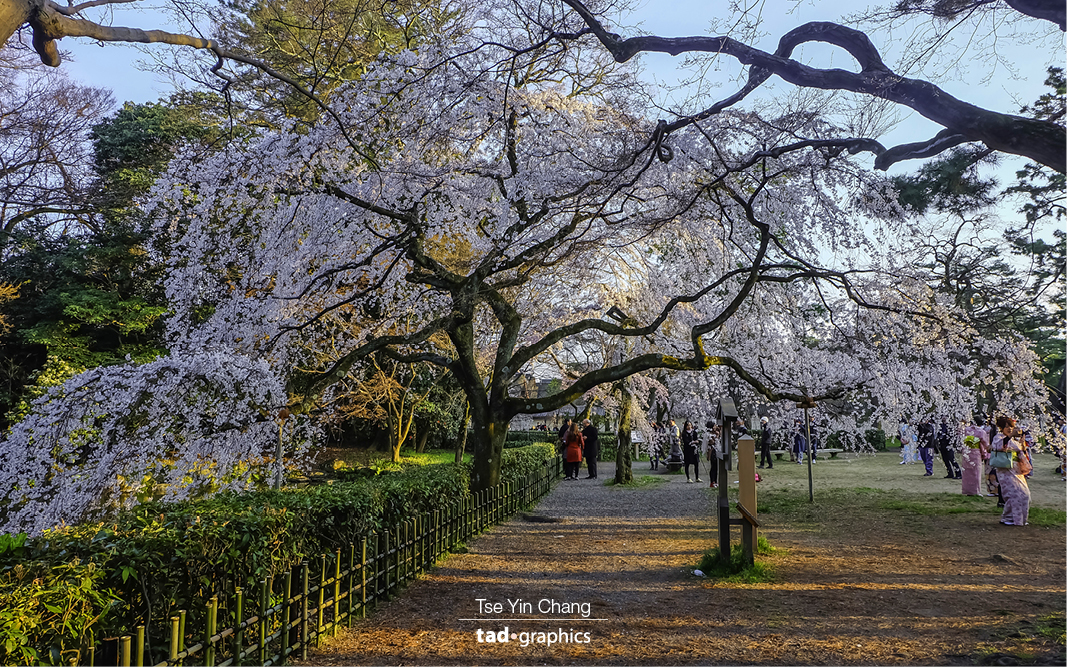
Dazzling pink weeping cherry trees in the Kyoto Imperial Palace

In Kyoto, you have the opportunity to experience many incredible buildings, and it certainly gave me a feel for the region’s rich culture. But my next destination is arguably the most impressive. The Imperial Palace was home to the Japanese emperors for centuries and it is as grand as you would expect an emperor’s residence to be. The monarch no longer lives there, and the complex has burnt down several times over the years. So what you see – although still a couple of hundred years old – is a relatively recent and largely ceremonial construction. But this doesn’t make it any less nice to look at however, and I spent a good few hours exploring. Afterwards, I took a walk through the palace gardens, an experience made even more delightful thanks to the abundance of pink cherry trees in full bloom.

Maruyama-koen Park is cherry blossom central, the most popular spot in Kyoto for cherry blossom viewing

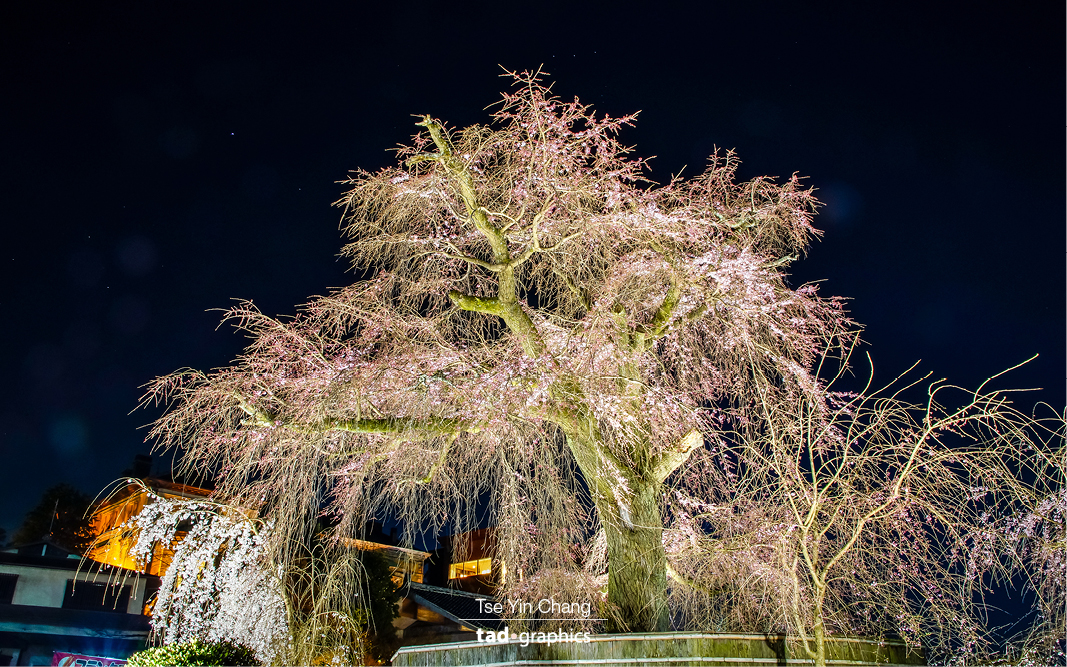
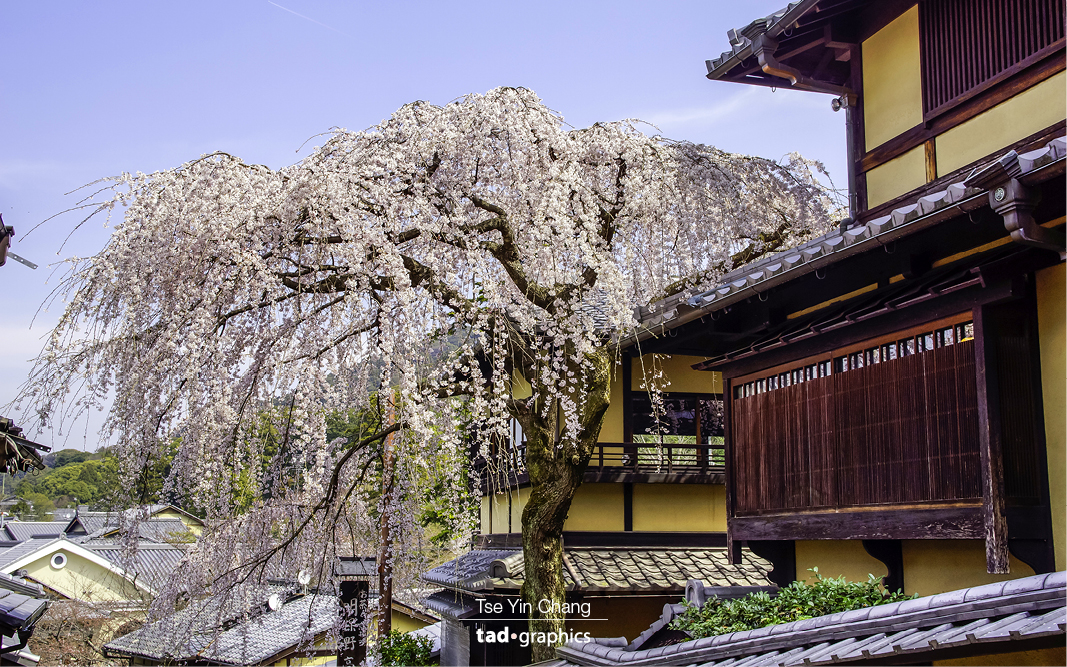
All good things must come to an end, and my last day in Kyoto was spent in the Gion district. This neighbourhood is one of the oldest in Kyoto and walking its medieval streets makes you feel like you have stepped back in time. I wandered through the streets until I came to Yasaka, where I stopped to admire the ornate temple buildings and learn a bit more about the Shinto faith. I then continued on to Maruyama Park, which is located directly behind the shrine and, as I soon discovered, surrounded by a sea of pink, ground zero for cherry blossoms. Satisfied that I had spent my four days in Kyoto well, it was time to move on. My next stop was Tokyo, and that meant traveling on the Nozomi bullet train. Capable of reaching speeds up to 300 km/h, an opportunity to ride one of the fastest trains in the world was not to be missed.

Prints from my Japan photo collection are available in a variety of different sizes and framing options. Please get in touch to find out more.

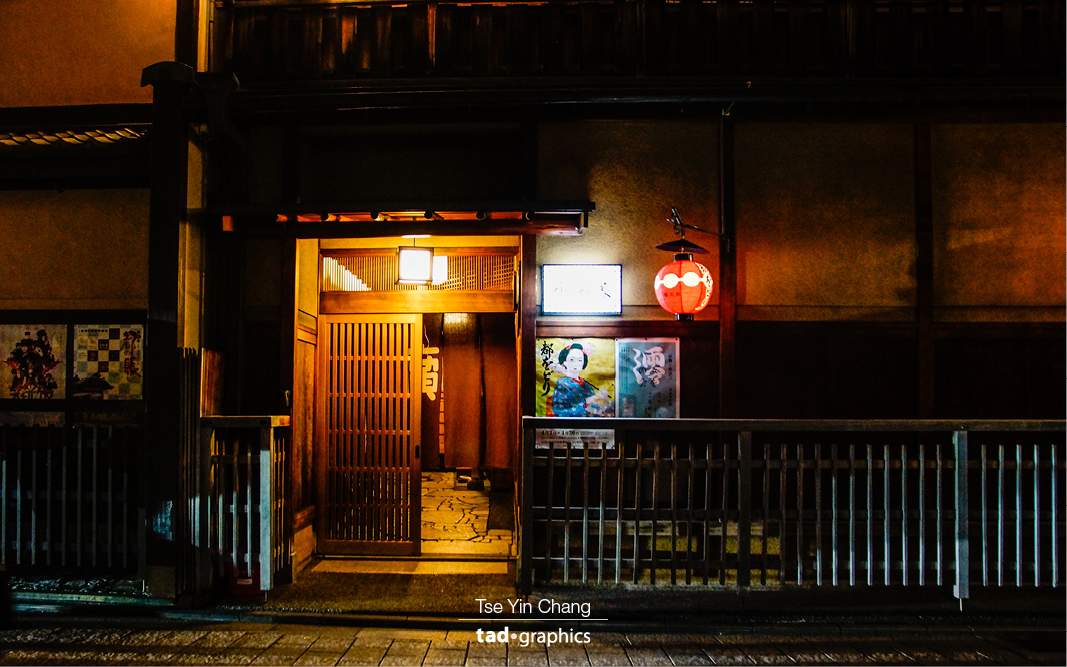
Outside a geisha house, Gion is the only geisha district left in Japan
Cherry blossoms are everywhere in Kyoto, this was taken along the foot path leading to Kiyomizu-dera
The impressive Kiyomizu-dera is made of wood and constructed without using a single nail
You can also find pink blossoms in downtown Kyoto
Cherry trees are everywhere in the Kyoto Imperial Palace Park, but the highlights are the shidare-zakura (weeping cherry trees)

Filed Under: Blog, Photography, Portfolio, Travel Tagged With: cherry blossom, gion, hanami, japan, kyoto, sakura, spring

Adventures in Japan – chasing cherry blossom – Part 1: Osaka and Nara

1 March 2017 by tadgraphics

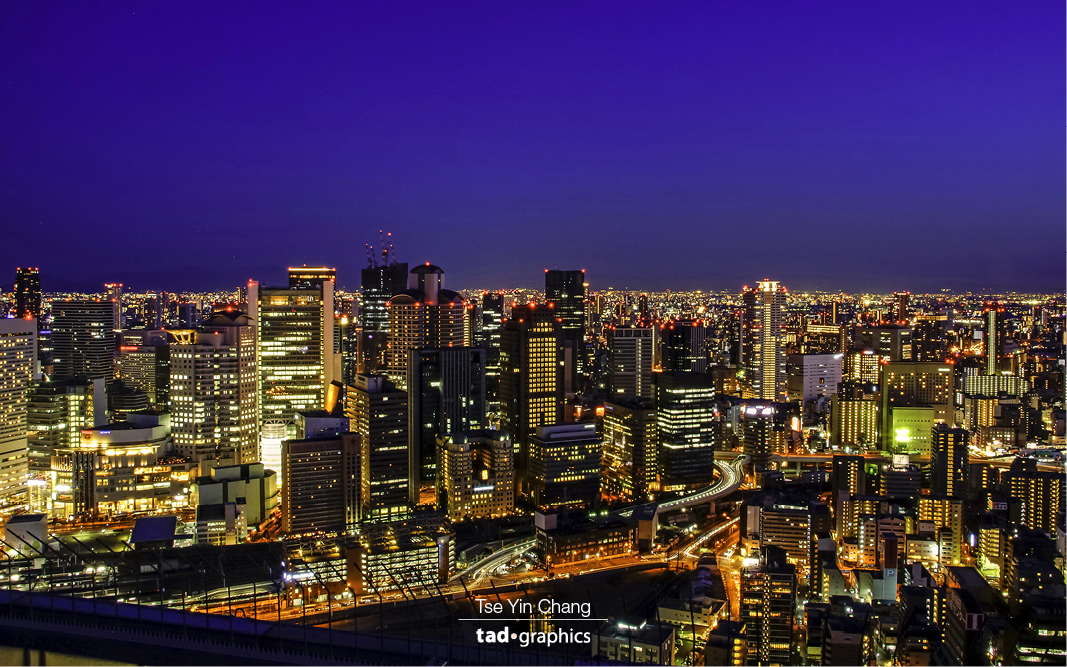
Osaka City at night taken from Umeda Sky Building

For as long as I can remember, I have always wanted to visit Japan during cherry blossom season. Every year, from February to early May, parts of the country explode with pink as the native cherry trees start to blossom. My imagination captured by the evocative fairy tale images of this natural event, I finally got the chance to visit Japan last year, when I organised a trip during Easter, to see the cherry trees in full bloom.

I flew into Osaka, Japan’s second largest city and home to over 19 million people. This would be my base for the next few days, while I explored the city and some of the many sights surrounding it.

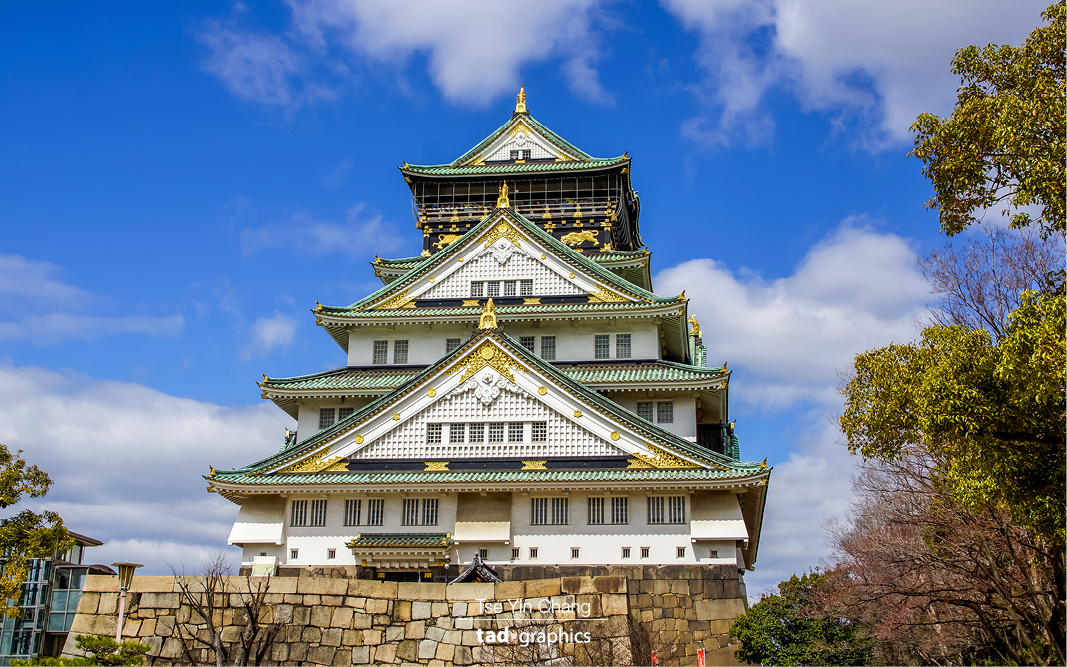
Osaka is also home to one of Japan’s most famous landmarks and popular tourist attractions, Osaka Castle

Osaka is a city with its own character, and over the years has been transformed into an economic powerhouse with a proud tradition of trading. Positioned relatively close to mainland Asia, the city became a gateway for goods flowing to and from Japan, and thanks to the wealth generated by their mercantilism, the city’s inhabitants quickly developed a taste for the finer things in life.

I spent much of my time wandering around the city and soaking up the atmosphere of Osaka. With its bustling streets, there is always something to catch your eye, from the futuristic glass skyscrapers and the colourful signs hanging off the buildings, to the little temples which form little oasis’ of peace amongst the city’s hive of activity.

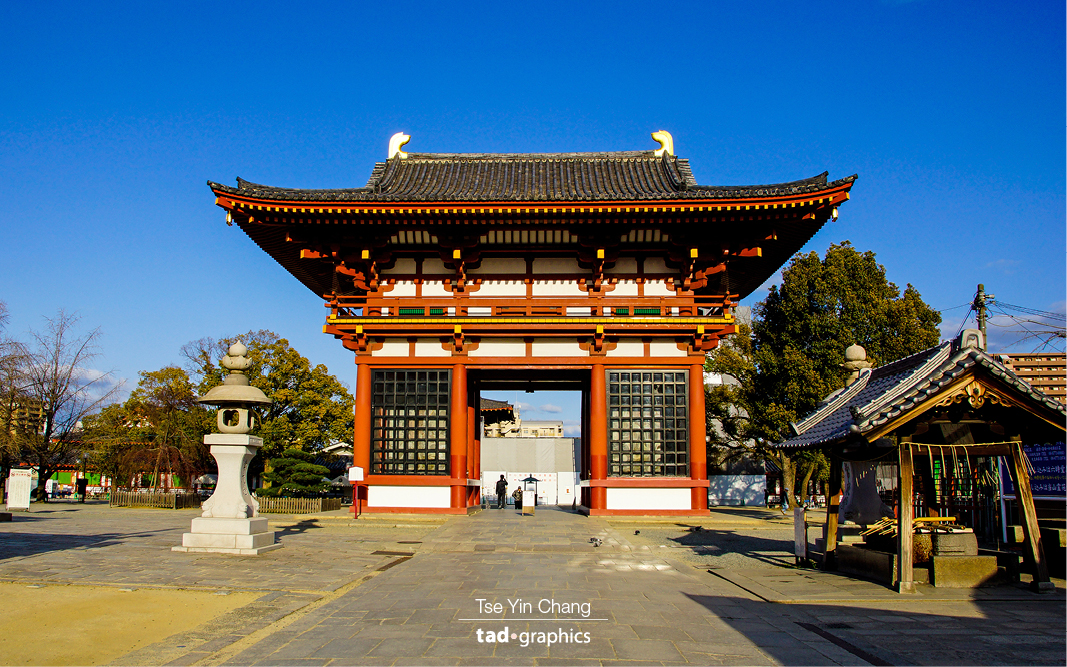
Shitennō-ji is the first Buddhist and oldest officially administered temple in Japan

Water plays a big part in the structure of Osaka, with several rivers flowing through it. The Yodo River is an especially nice place to walk along, and it was along the river bank that I caught my first glimpse of the pink cherry blossoms hanging over the footpaths. The area around Osaka Bay is also a nice place to explore, and one of the city’s major attractions. While plenty of reminders of the area’s history as an industrial port remain, these now sit alongside modern glass buildings, museums, and even a giant Ferris Wheel.

Osaka is also home to one of Japan’s most famous landmarks and popular tourist attractions, Osaka Castle. It’s a very special piece of Japanese history, and therefore a must-visit, in my opinion. The views from the top of the castle are spectacular. But be warned, getting to the top involves climbing a lot of steps.

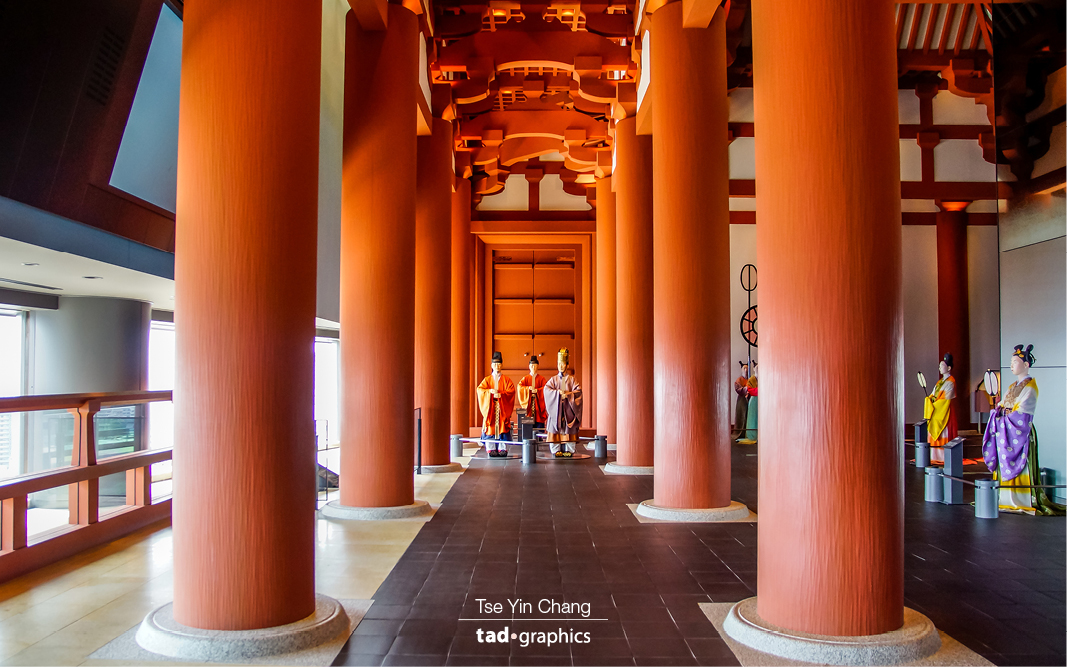
Osaka Museum of History is a contemporary museum with exhibits detailing Osaka history from ancient times to the present day

Japan is a densely populated country, with a large number of people inhabiting a relatively small island. This area of the country is particularly packed, and many large cities can be found within an hour of each other. This, along with Japan’s advanced transport system means it is very easy to travel between cities, especially if you want to take day trips to places of interest. I decided to take a day trip and visit the historically important city of Nara.

I highly recommend a visit to Nara if you want to enjoy Japan’s famous cherry trees in full blossom. Within the city limits is Nara Park, which is one of the oldest parks in Japan, situated at the bottom of a picturesque mountain. Nara Park is also home to around 1,200 wild sika deer. It took me around forty minutes to reach Nara Park, and immediately I was blown away by its beauty. From a photography perspective, it is extremely photogenic – the lovely natural landscape being a perfect background to the temple complexes, and together they made an extremely Japanese scene. Of course the cherry blossom was everywhere, and I will never forget the sight of all the trees covered in light pink foliage.

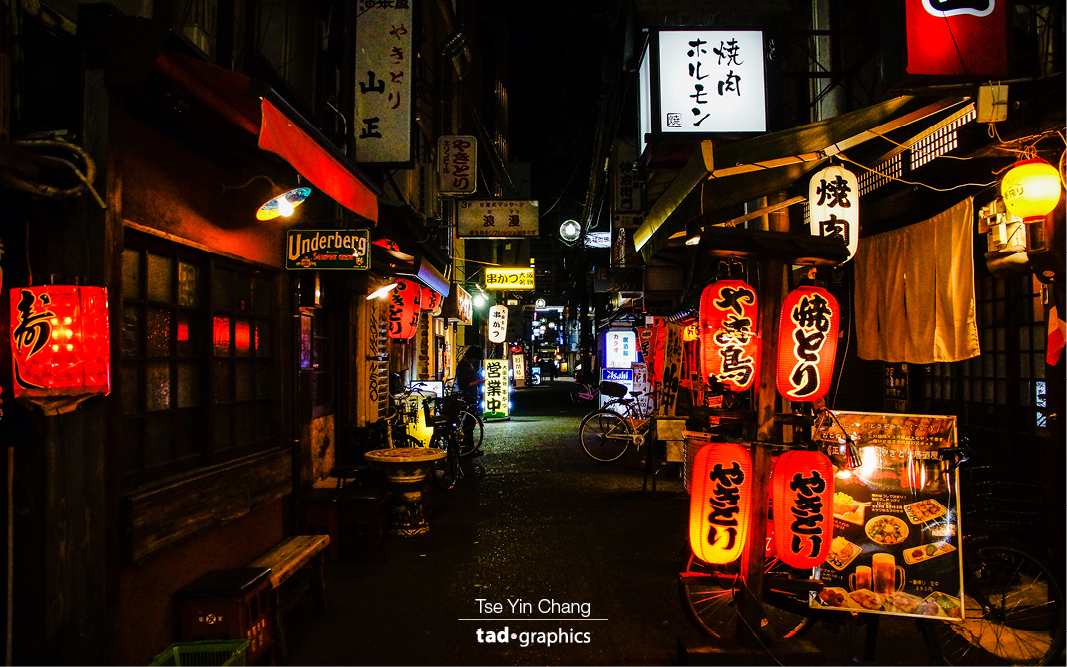
Shinsaibashi-suji and Dotonbori is packed with restaurants and food stands, boasting Osaka’s lively and delicious food culture, bars, cafes and souvenir shops

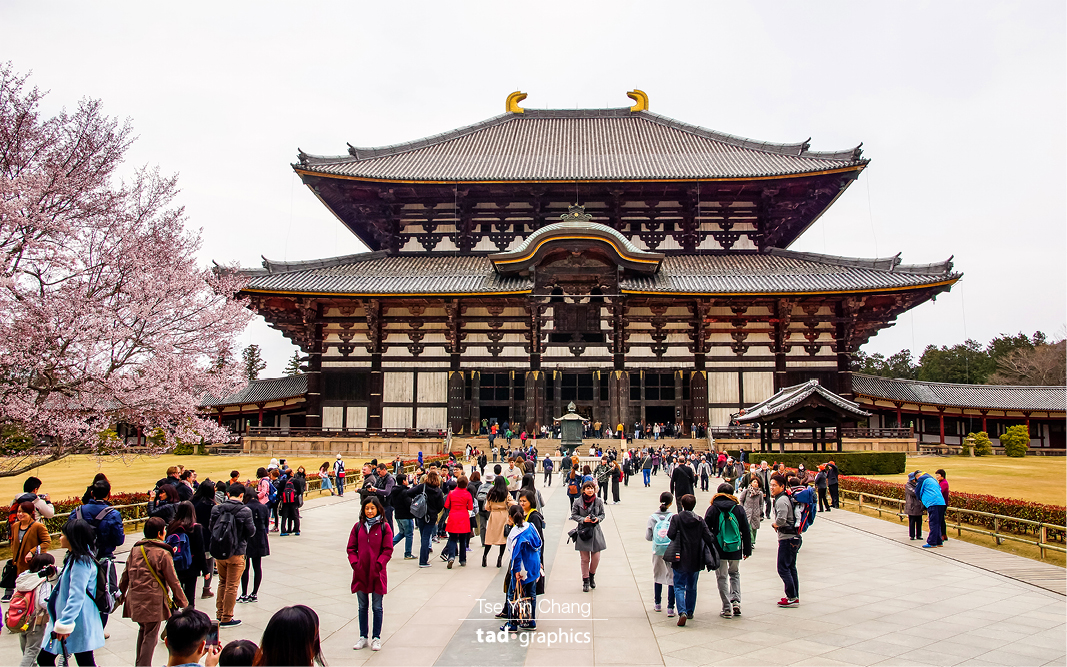
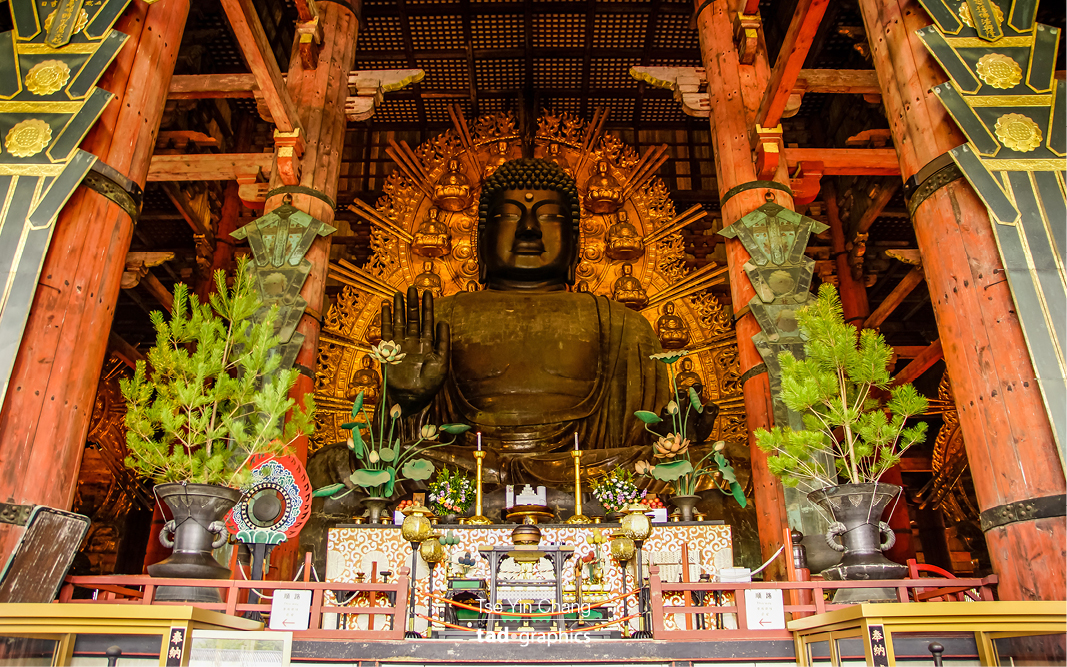
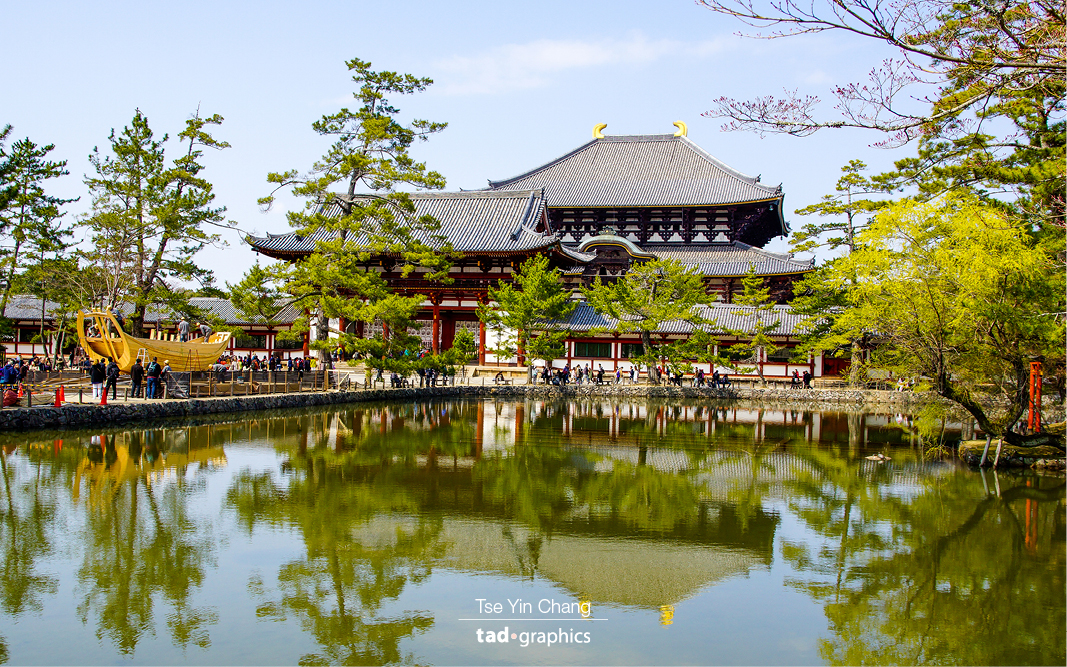
You can’t visit Nara without exploring Todai-ji Temple. Practically every Japanese municipality has at least one temple, and Todai-Ji should definitely be high up on your must-see list. This incredibly beautiful ancient temple is a UNESCO listed World Heritage Site. In fact, photographs rarely do it justice. It’s huge, and home to the largest bronze Buddha statue in the world.

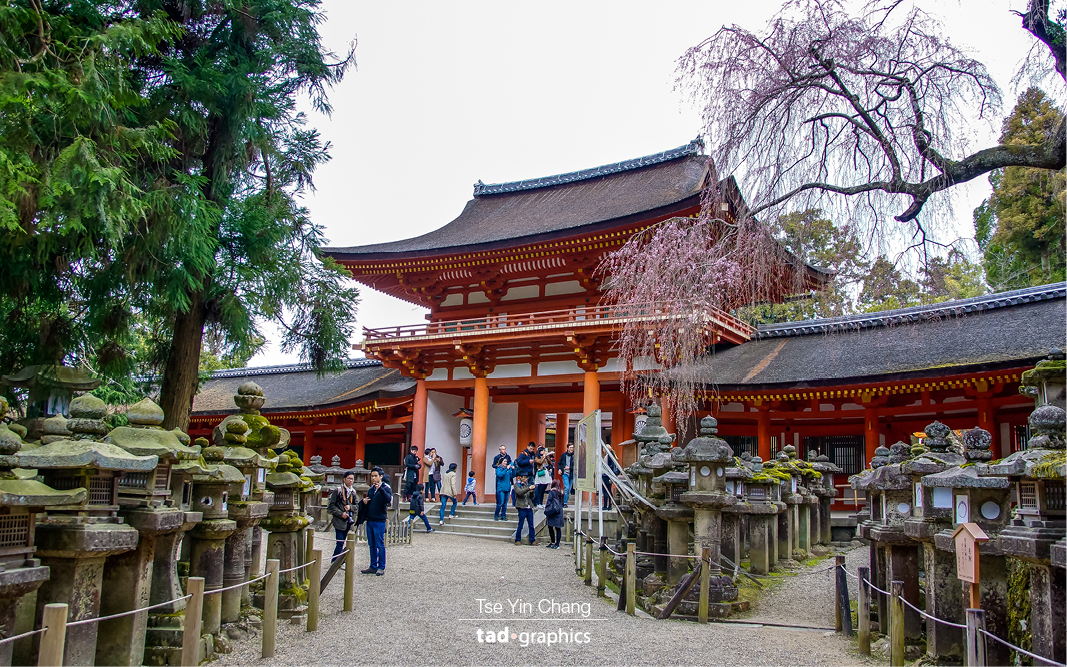
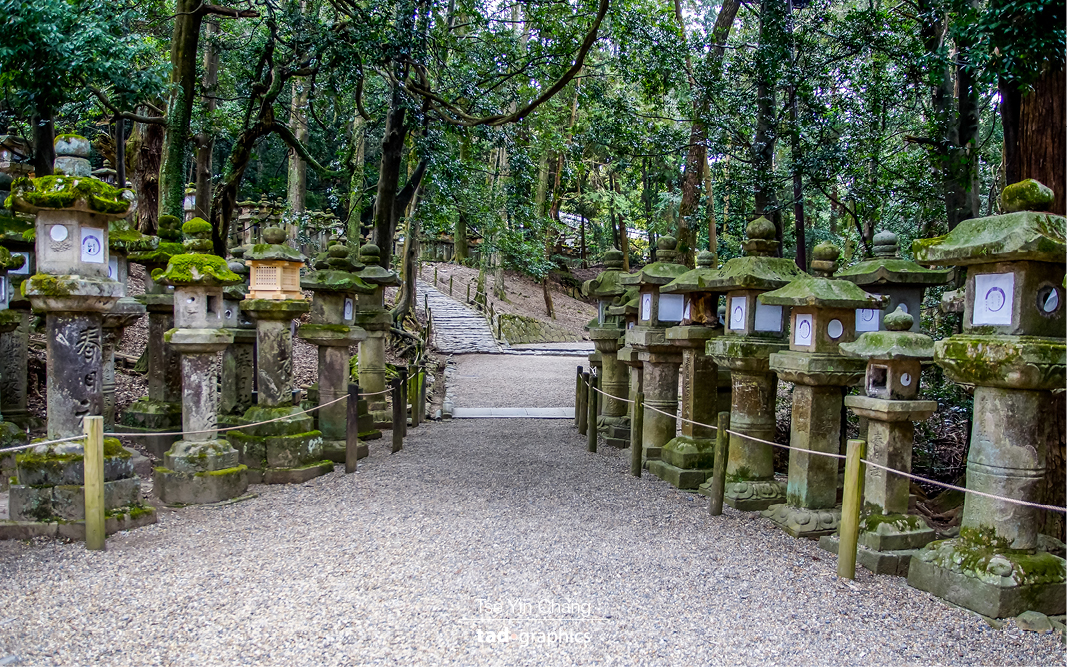
In Nara, I also had time to visit Kasuga-taisha, the city’s most celebrated shrine, which dates back to 768 AD. It’s probably most famous for the beautiful stone lanterns that line the entrance to the shrine.

This incredibly beautiful Todai-ji ancient temple is a UNESCO listed World Heritage Site and also home to the largest bronze Buddha statue in the world

After an enjoyable day exploring Nara, we continued our journey to Kyoto, which is renowned for being one of the best places in the country for cherry blossom sightings. In Kyoto, we also had the opportunity to enjoy more of what Japan had to offer.

Japan remains one of my favourite countries in the world to visit. I adore its unique culture and mix of high-tech modernity with ancient traditions. From the flashing lights and tall buildings of the capital, to the centuries old temples – where ceremonies dated back even further are still performed – Japan is a country of contrasts.

The world's largest bronze statue of Buddha Vairocana, known in Japanese as Daibutsu
The world’s largest bronze statue of Buddha Vairocana, known in Japanese as Daibutsu

Its culture has also developed independently, thanks to their island geography and inward looking nature. To this day, the Japanese have stubbornly refused to be swayed by the outside world, making the country deeply fascinating and quite unlike anywhere else in the world.

Prints from my Japan photo collection are available in a variety of different sizes and framing options. Please get in touch to find out more.

Kasuga-taisha, Nara city’s most celebrated shrine, which dates back to 768 AD. It's probably most famous for the beautiful stone lanterns that line the entrance to the shrine
Kasuga-taisha, Nara city’s most celebrated shrine, which dates back to 768 AD. It’s probably most famous for the beautiful stone lanterns that line the entrance to the shrine
Todai-ji temple, Nara
Stone lanterns in Kasuga-taisha, Nara
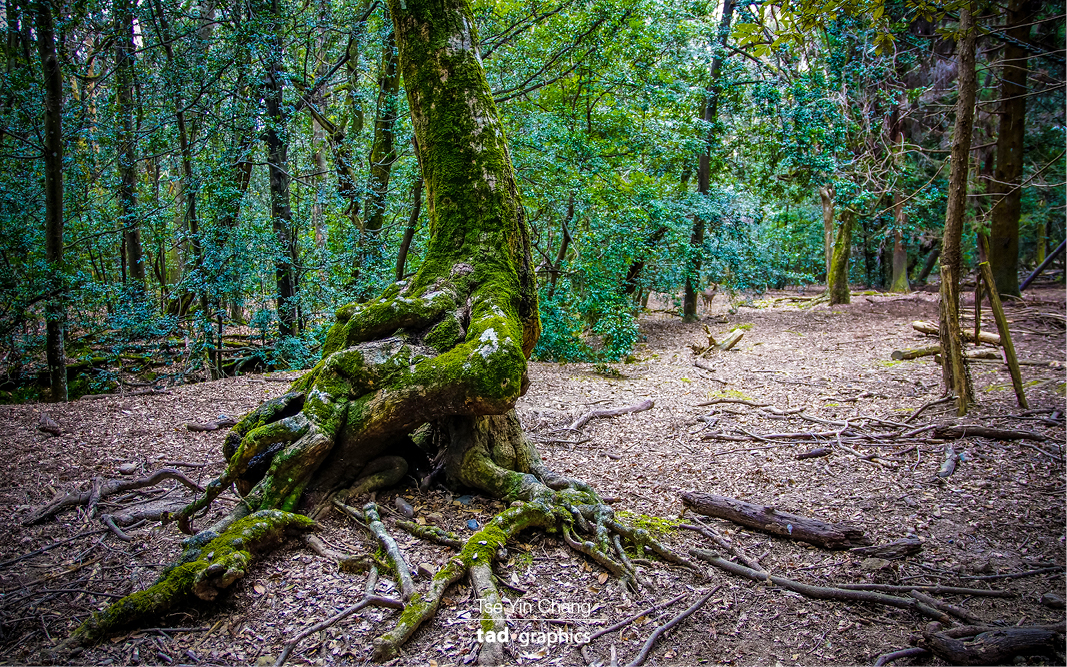
Ancient trees in Kasuga-taisha, Nara
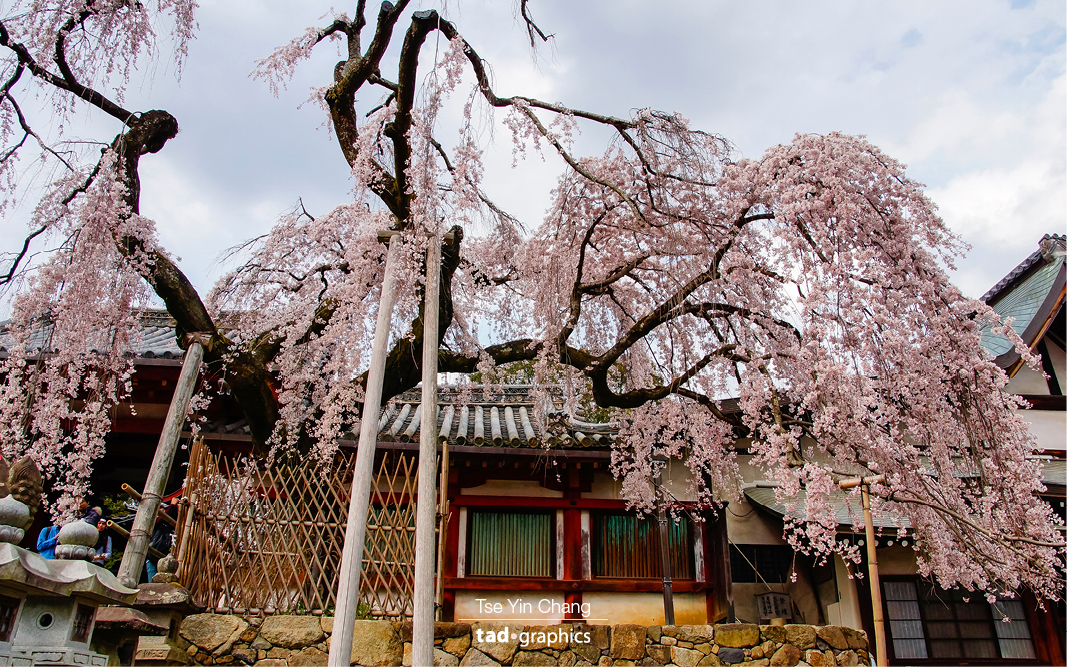
Himuro Shrine in Nara is known for its weeping pink cherry blossom trees that fill the grounds with pink petals in early April
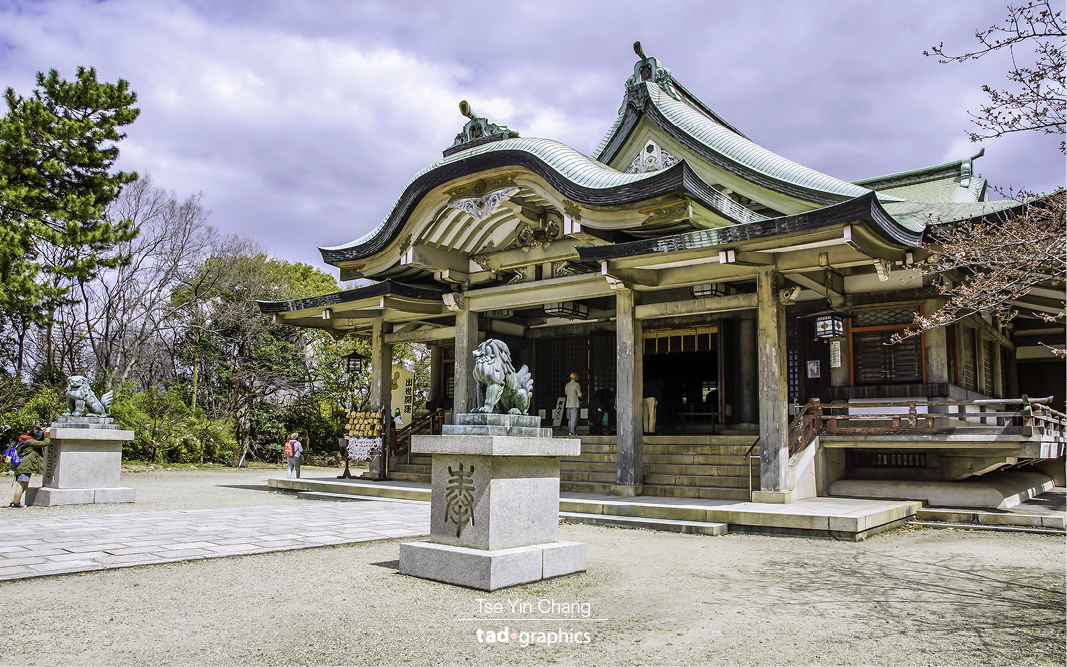
A shrine located within the Osaka Castle complex

Filed Under: Blog, Photography, Portfolio, Travel Tagged With: cherry blossom, japan, nara, osaka, sakura, spring

© Copyright 2005-26. All rights reserved. t ad studio | tad graphics. Web and graphic design Perth. Admin