• Skip to primary navigation
  • Skip to main content
TAD Graphics logo

t ad studio | tad graphics

A vibrant, multi-disciplinary advertising, communications, creative and digital agency

  • About us
  • What we do
    • Creative and graphic design
    • Copywriting
    • Marketing and advertising
    • Promotional photography
    • Web design and digital media
  • Portfolio
  • Blog
  • Contact us
  • Shop prints

travel

Wander out yonder: Exploring ancient Karijini National Park

22 November 2020 by tadgraphics

Karijini National Park is Western Australia's second largest national park, crisscrossed by a network of river systems, many of which carved out spectacular gorges through the ochre rock over two billion years ago
Karijini National Park is Western Australia’s second largest national park, crisscrossed by a network of river systems, many of which carved out spectacular gorges through the ochre rock over two billion years ago

It would be an enormous understatement to say that the coronavirus pandemic has disrupted the global travel industry. All over the world people have been prevented from travelling, and those that do attempt to take a holiday abroad risk cancellations, expensive flights and quarantines on their return. Over here in Western Australia we have successfully managed to keep the state free of COVID-19. But in order to do so, we have had to cut ourselves off – not just from the world, but from the rest of the country too.
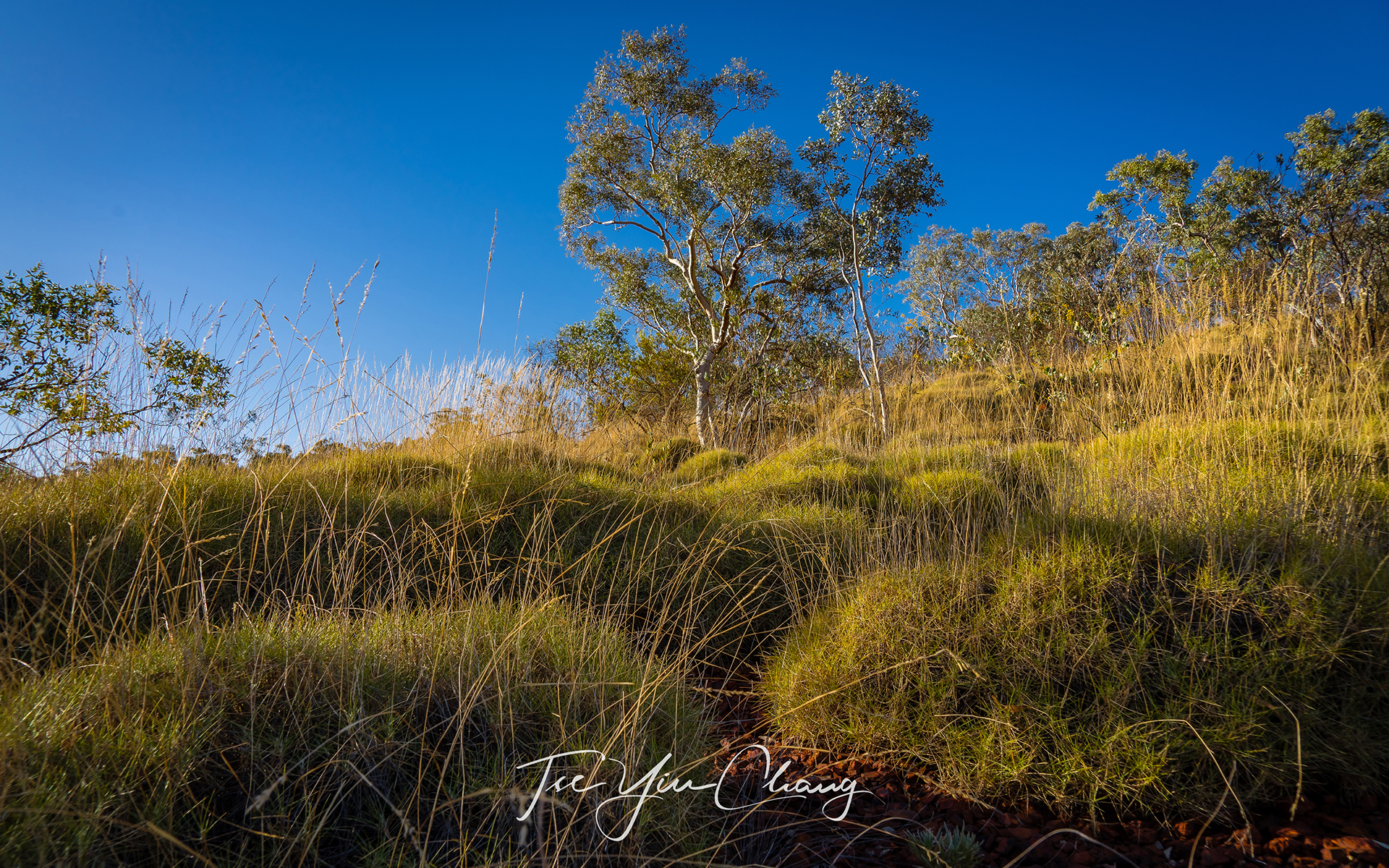
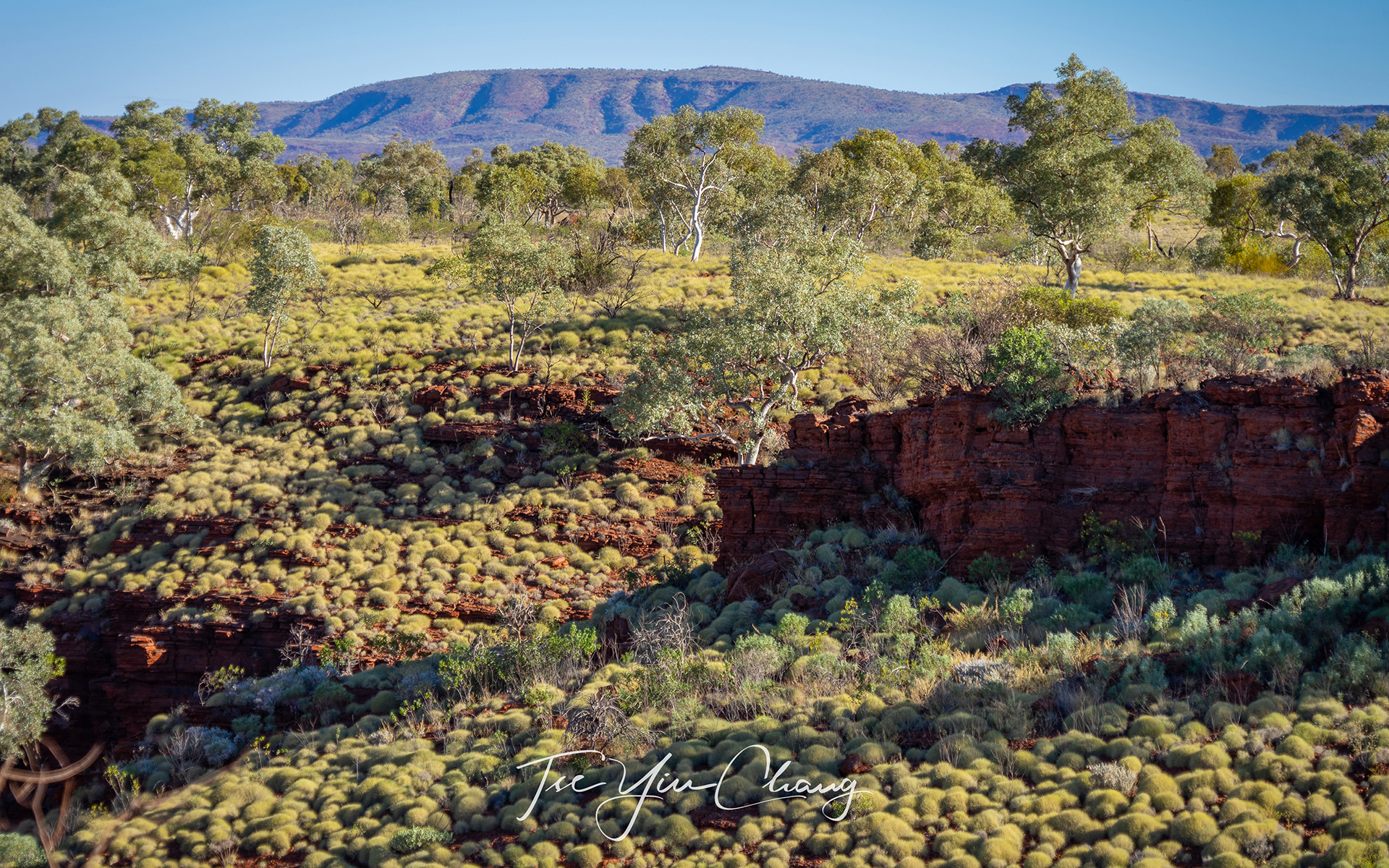
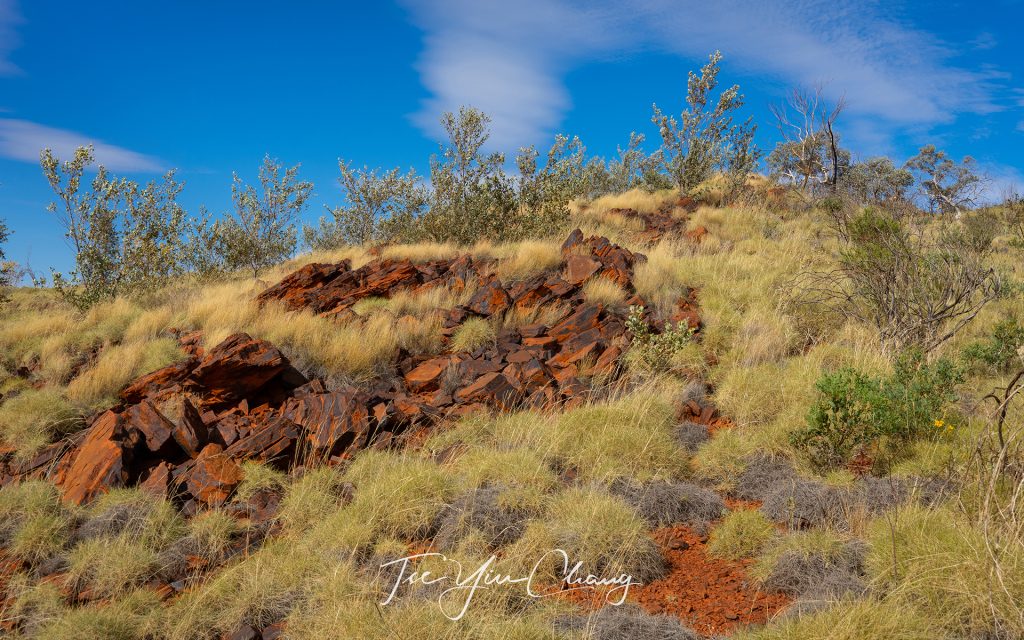
Spinifex plants are common in the Pilbara. They grow in large clumps with many needle-like leaves giving the plant a hemispherical appearance
Spinifex plants are common in the Pilbara, they grow in large clumps with many needle-like leaves giving the plant a hemispherical appearance

Luckily for Western Australians, this beautiful State we call home is full of amazing things to see and do. With overseas and interstate options (at the time of writing) off the table, I, like many others, decided to take a look at travel opportunities closer to home and explore some of the natural wonders the west has to offer. We’re really spoilt for choice here in the vast region of Western Australia, but on this occasion I decided to venture to the far north, to the ancient Pilbara region.
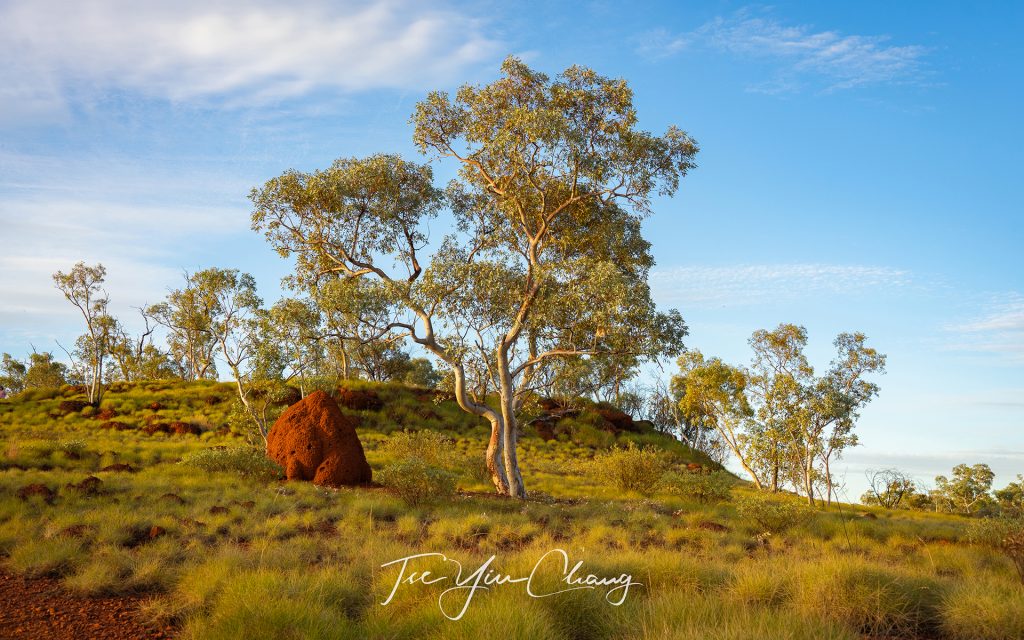
Huge termite mounds and spinifex country are features of the Pilbara landscape

Due to the distance (almost 1,300 km from Perth) and relative cost compared to many neighbouring countries, it usually takes a determined traveller to make a trip that far north. For those that do make the effort though, there is one standout destination to reward their dedication, and that’s Karijini National Park. The park is home to 6,000 kilometres of bushland (making it the second largest national park in Western Australia), which is crisscrossed by a network of river systems, many of which carved out spectacular gorges through the ochre rock over two billion years ago. At the bottom of these gorges, the crystal-clear water has created a number of pools and waterfalls which, sheltered from the ferocious sun, make for an oasis of tranquillity.
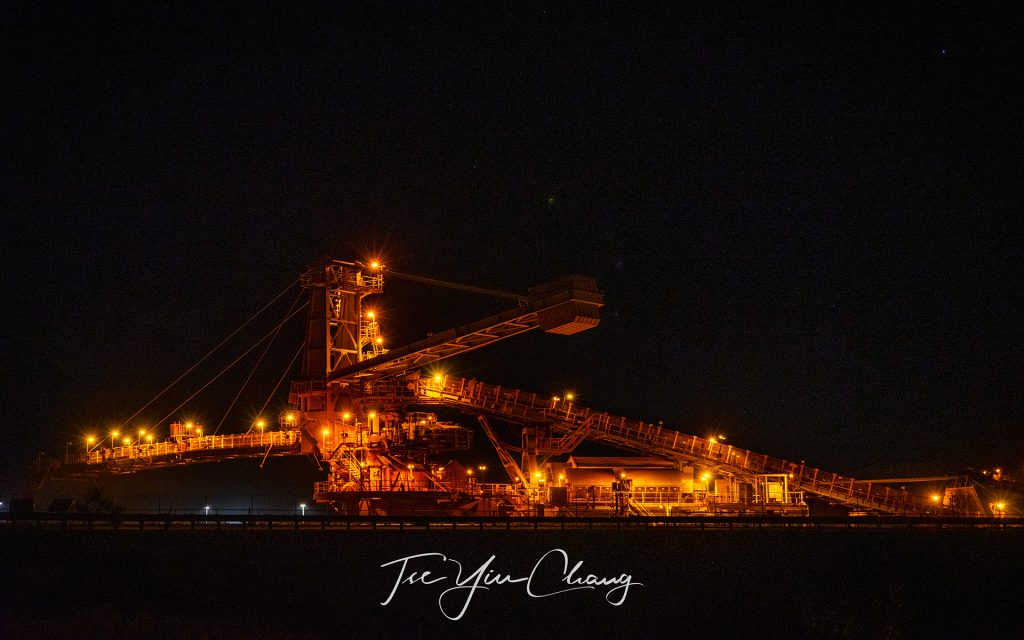
The Pilbara region is best known for its mine sites

For many Western Australians the Pilbara region is best known as a place of work. At twice the size of the United Kingdom, it is where many of the mines which power Australia’s economy can be found. Despite having visited the Pilbara several times over the last few years, it has only ever been for work. So I never had any time to explore what the region had to offer, which was always disappointing.
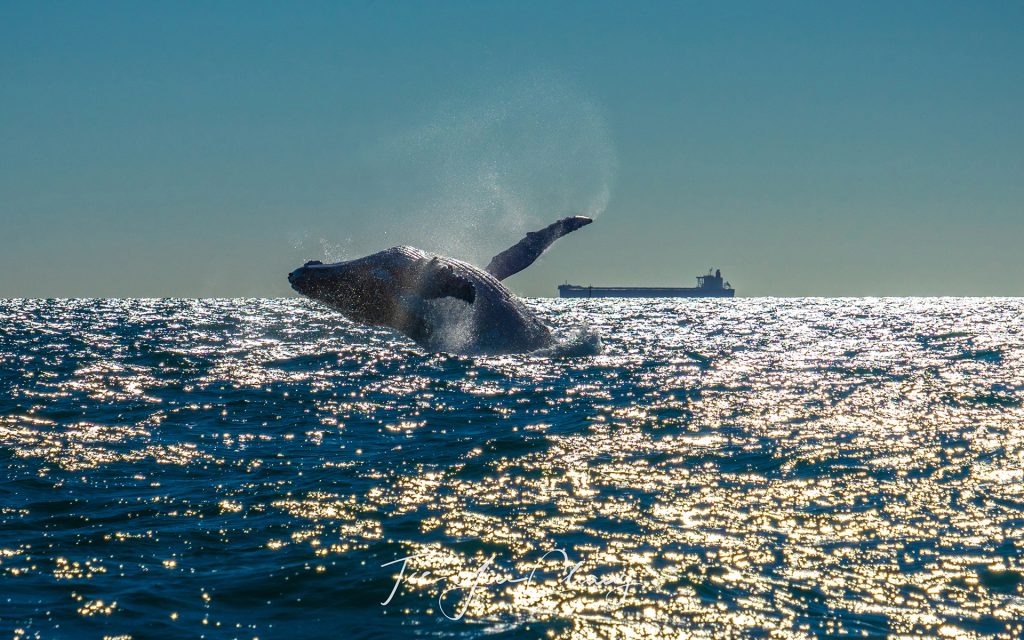
I was lucky to witness the annual northern humpback whale migration that took place between May and September during my stay in Karratha

After taking a flight from Perth to Karratha, I spent a few days in the Pilbara’s largest town visiting my sister, before leaving early one morning for what I anticipated to be an exciting adventure. After an early start, we reached the Auski Tourist Village in Karijini by midday. Surrounded by spectacular landscape, the village is a gateway to some of Western Australia’s most magnificent natural wonders.
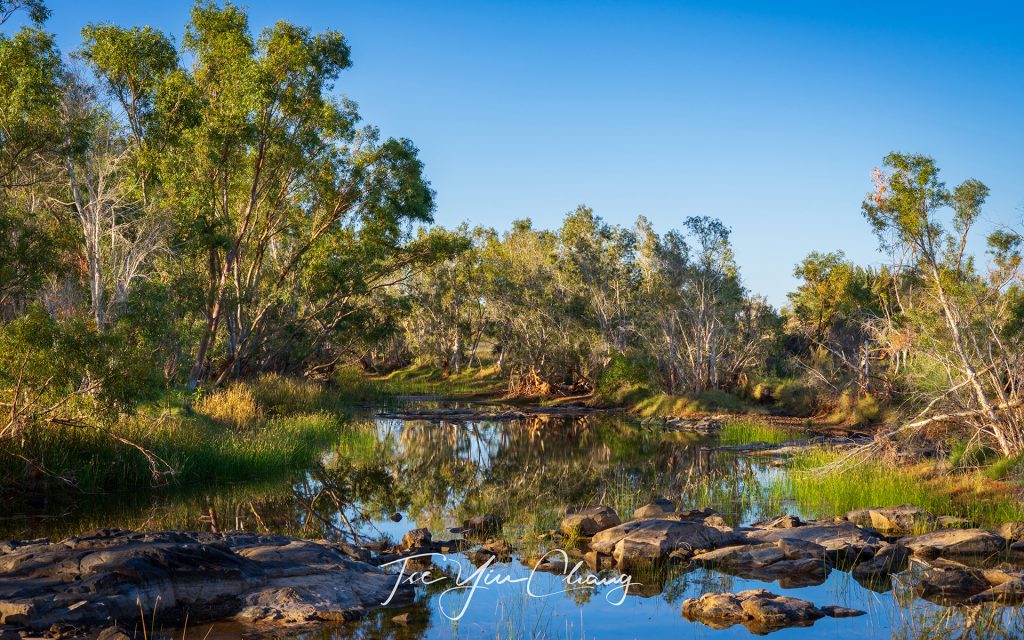
The Ngurin (Harding River) and the surrounding vegetation in Roehourne hold great significance to the Ngarluma people, the traditional owners of this land

After a short stop off for lunch, we continued on to the mining town of Tom Price and checked into our accommodation at the Tourist Park. We still had a few hours of daylight left, so we decided to have a look at nearby Mount Nameless. Getting there took us past Kings Lake, a beautiful parkland in a natural bush setting just outside of town. There is a walking trail which takes you up to the mountain, but unfortunately we didn’t have the time to climb all the way up and back in the light that remained. We were also conscious that it was snake season, and with Western Australia being home to a number of the world’s most dangerous serpents, it seemed like a good idea not to push ourselves to complete the three-hour plus hiking trail. 
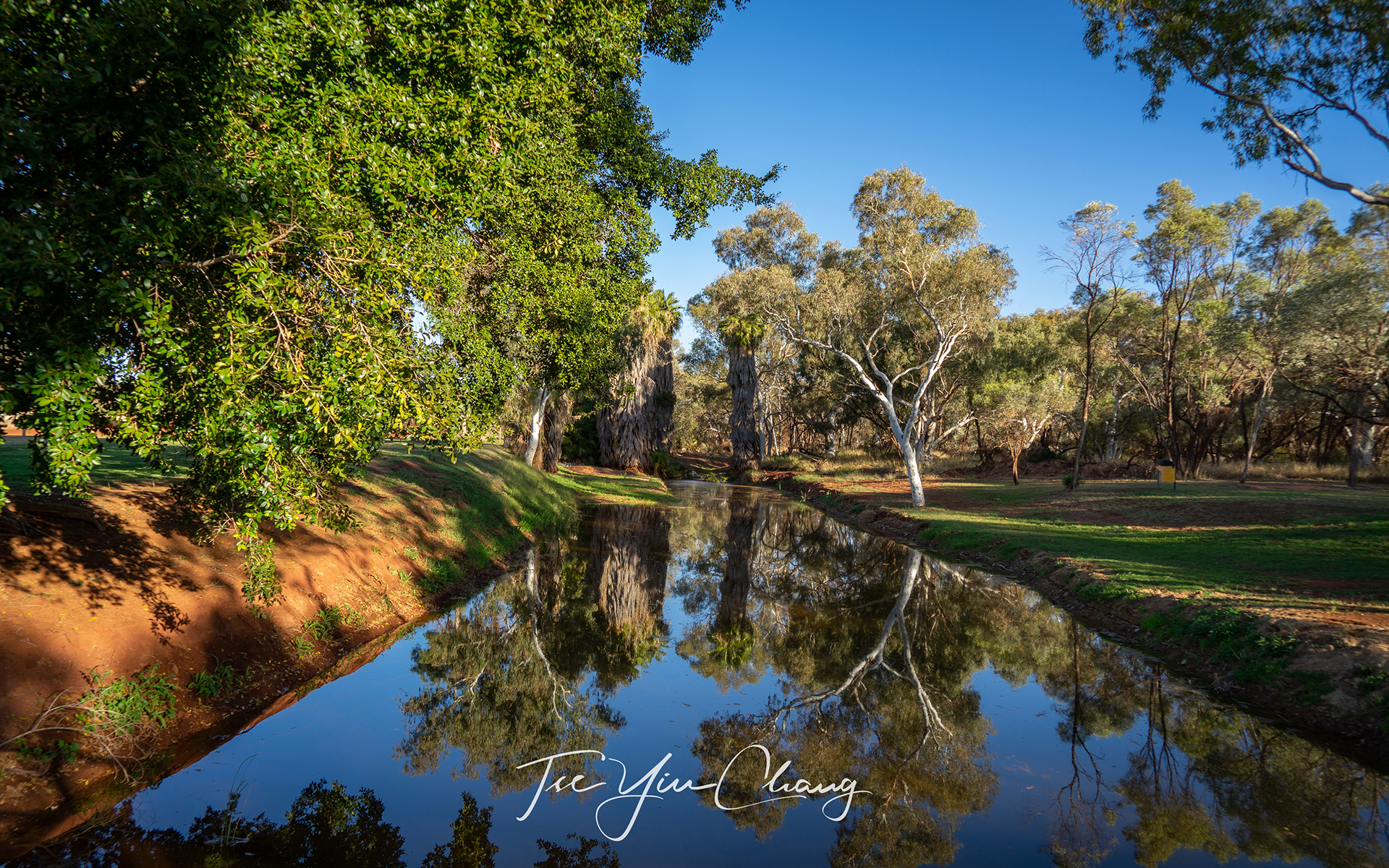
Kings Lake is a beautiful parkland in a natural bush setting located just outside of Tom Price

You’ll find a range of accommodation options in and around Karijini National Park. We opted to stay inside the park itself, at the Karijini Eco Retreat, mainly because the distances between the gorges are fairly large. So for us it was a better option to stay in the heart of the national park. Alternatively, the other option is to stay in nearby Tom Price, and make day trips to the park.
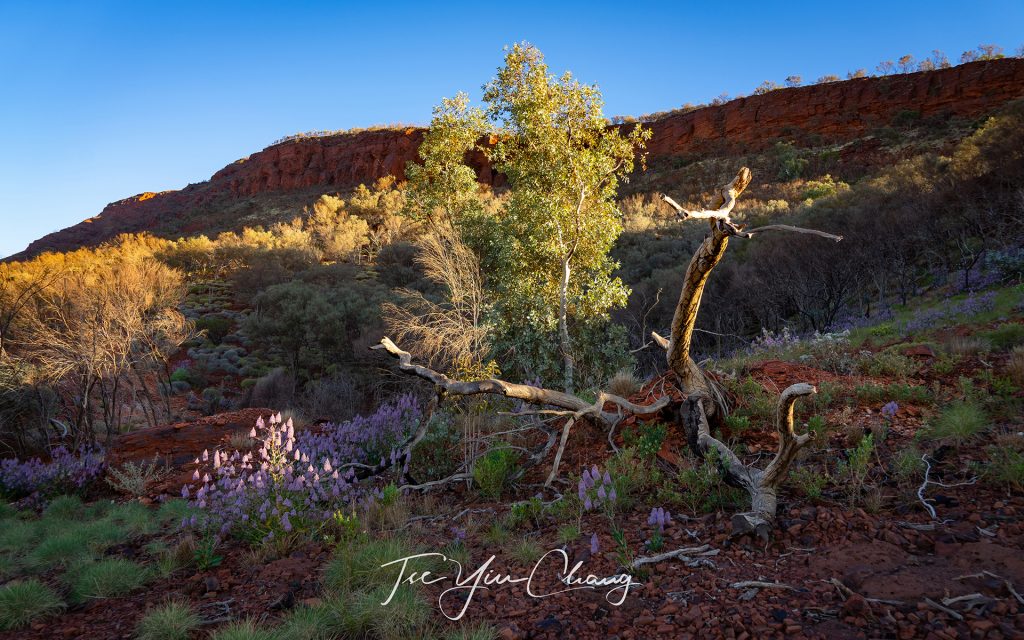
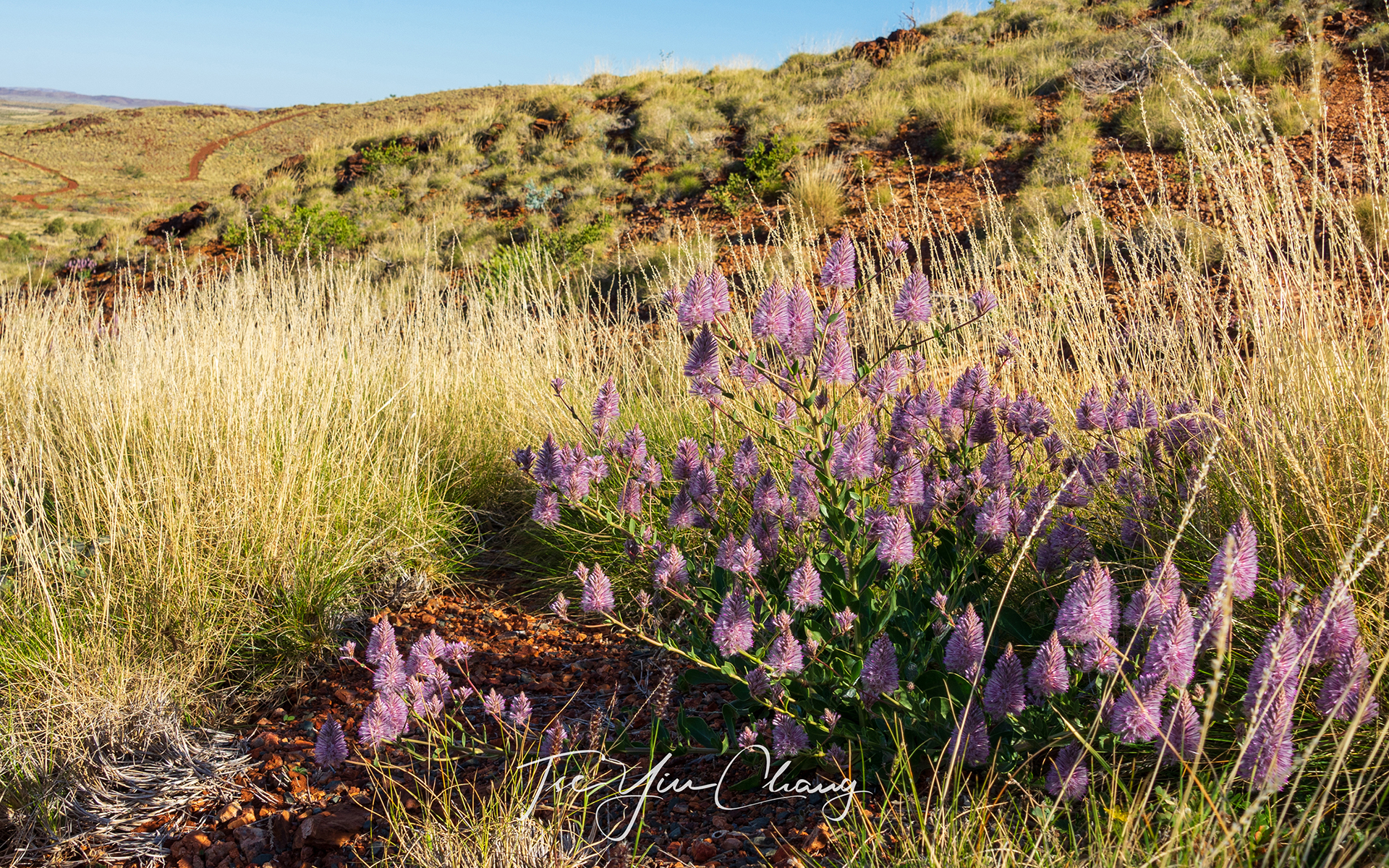
Mulla mulla wildflowers are in full bloom during spring, Mount Nameless, Tom Price

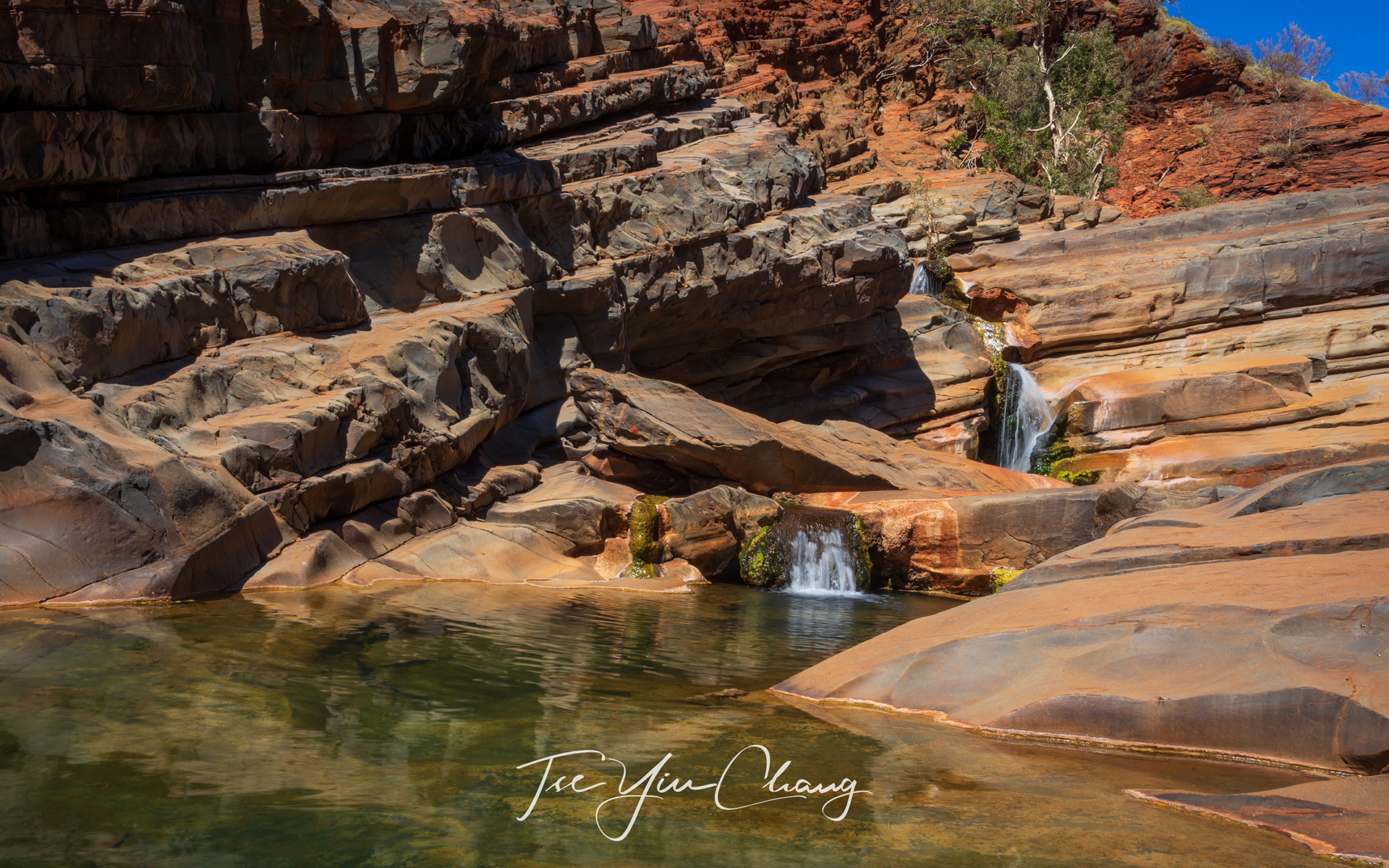
On the way to the Eco Retreat we took a detour so that we could visit Hamersley Gorge. It’s an idyllic swimming hole, and one of the most remote of all the gorges. Here, you can descend into the canyon and clamber along the rocks past a succession of pools. Before long, you reach Spa Pool. Although a little tricky to get to, it’s a truly gorgeous spot, fed by a small waterfall. The rock around the pool is smooth and curving, and it closes in to form a bowl. Instagram is plastered with shots of people swimming in the pool, but as we didn’t have our bathers with us, we satisfied ourselves with admiring it from afar.
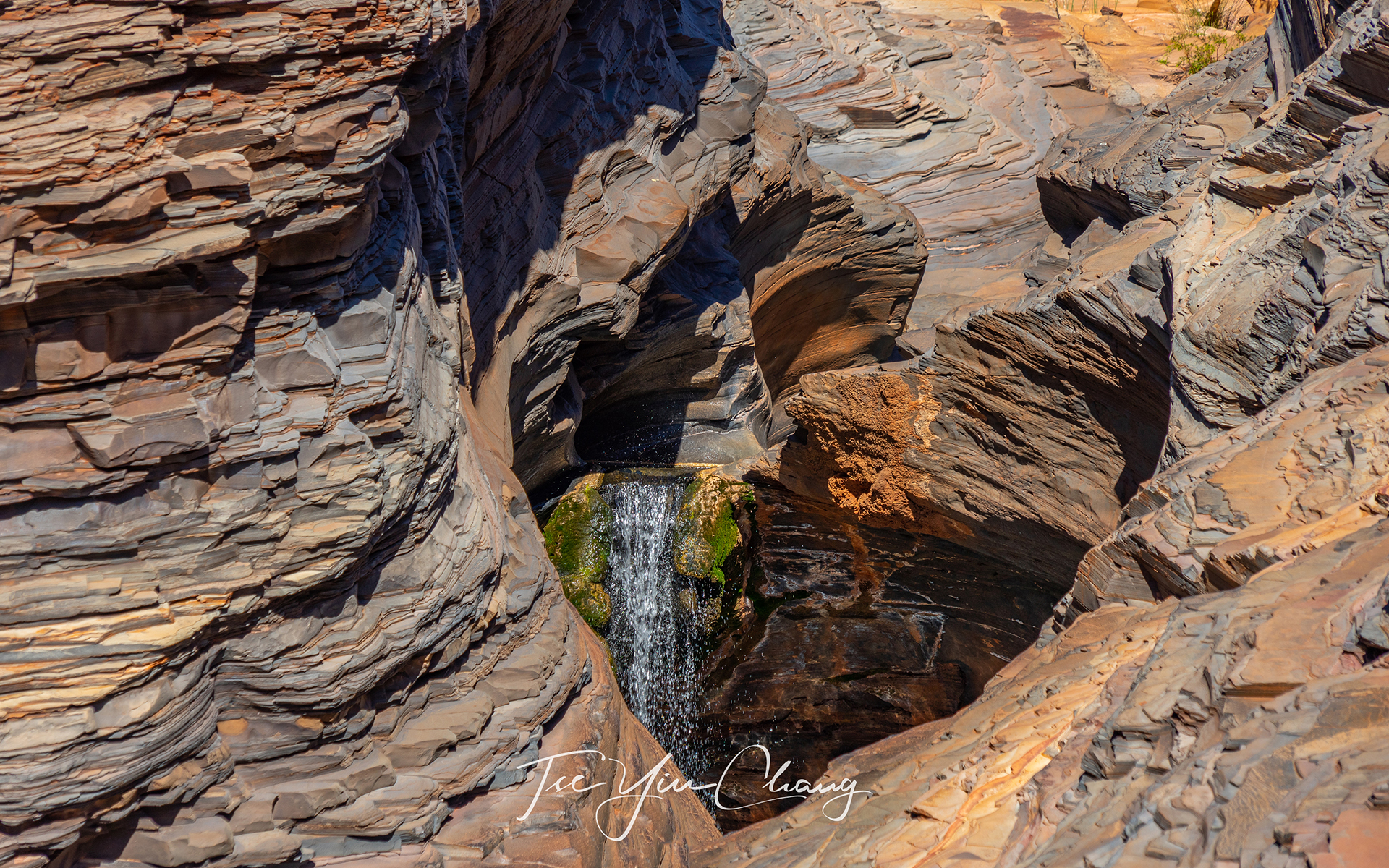
The rock around the Spa Pool at Hamersley Gorge is smooth and curving, and it closes in to form a bowl

As we entered the main part of the park, it became apparent just how big an area it covered, and just how much there is to see. We were heading for a section called the Weano Recreation Area, where several of the best gorges are located. We realised that if we were going to hike down into the gorges, time constraints would mean that we would have to focus on just one. We decided that it would be better to take them all on from their lookouts.
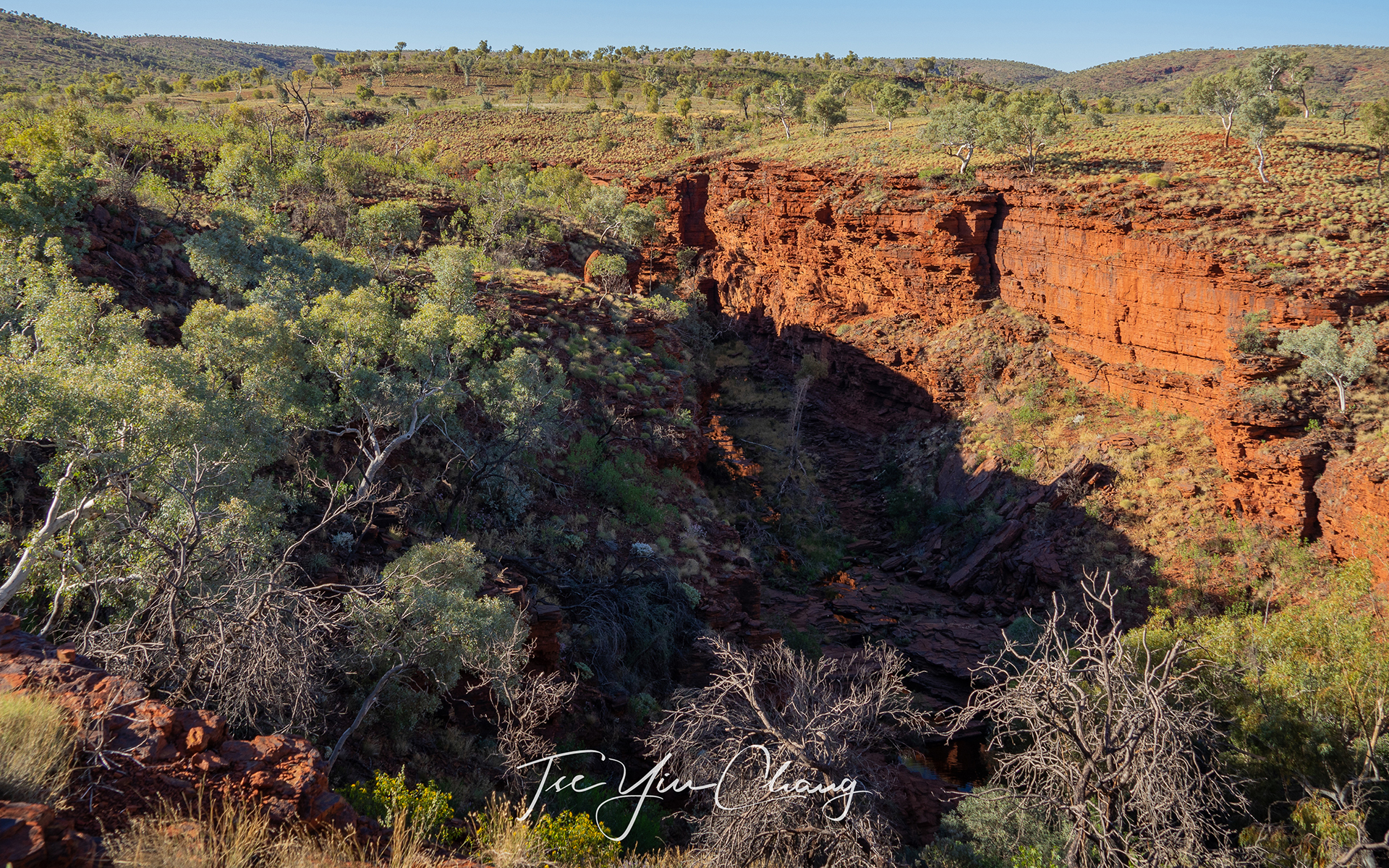
You need to be physically fit to hike down to the base of Weano Gorge

We spent the whole afternoon in Weano taking in the Knox and Joffre gorges, both of which were spectacular. It was early evening and the sun was enveloping the landscape in a warm amber light. Photographers refer to this part of the day as the golden hour, and besides helping to create beautiful pictures, the light at this time made the ochre rocks even more pronounced. Perhaps though, the highlight of the day was Oxer Lookout which we stopped at first. Here four of the gorges converge, and if seeing them individually is an experience, four at once is breathtaking.
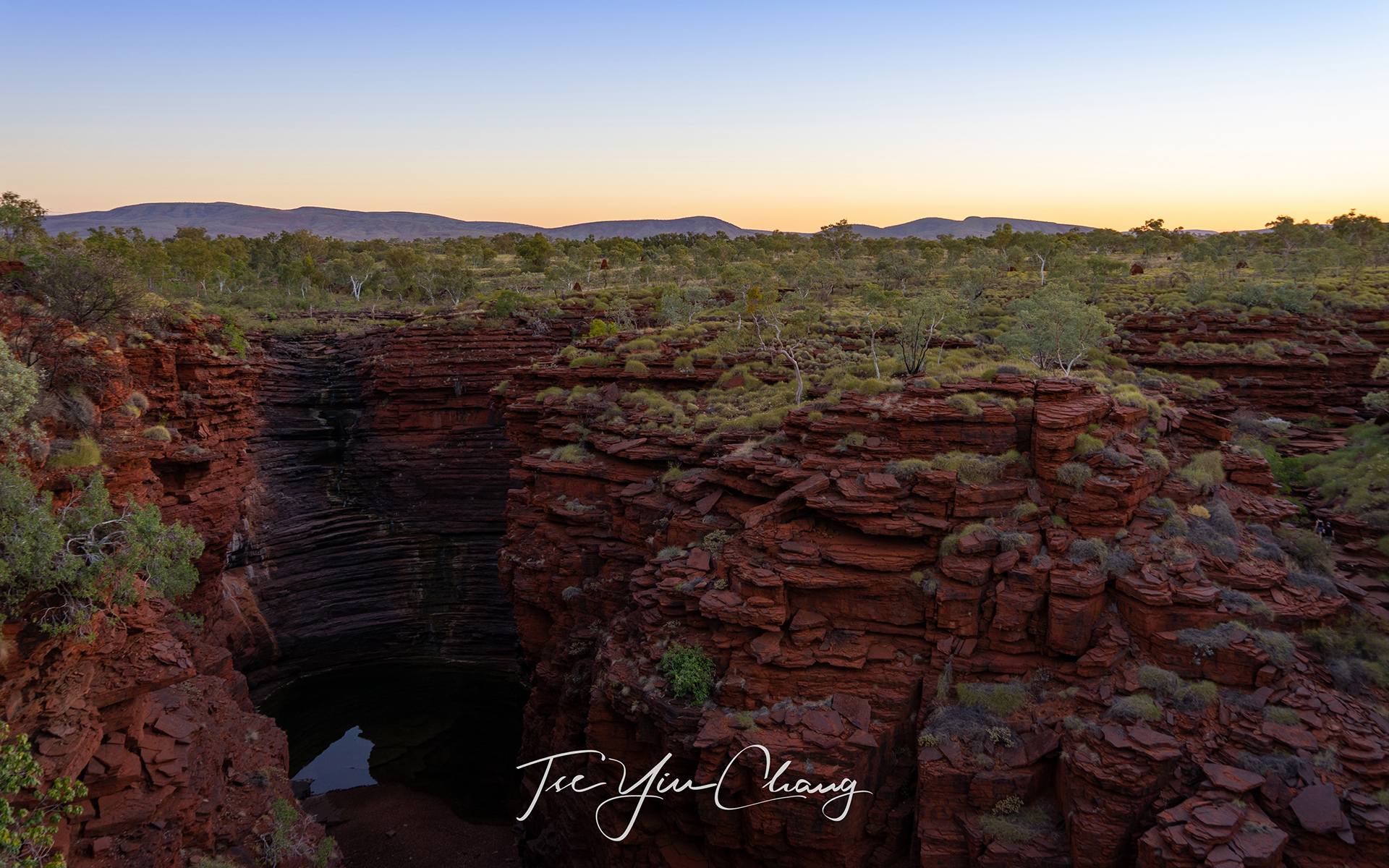
Joffre Gorge is a spectacular curved waterfall forming a natural amphitheatre

The Eco Retreat is close to Weano, so we were able to enjoy the golden hour without having to worry about driving back in the dark. Rather than simply monopolising its position as the only accommodation within the park, the resort goes out of its way to provide a memorable stay. Most of the rooms are actually tents – albeit very luxurious ones – giving you the feeling of being immersed in the remote bush landscape. The emptiness of that landscape is humbling, and being so remote at night it is the perfect place for stargazing. After an enjoyable dinner, we took the opportunity to try our hand at astrophotography. You don’t get the chance to photograph this many stars in Perth, so it was an opportunity we didn’t want to miss.
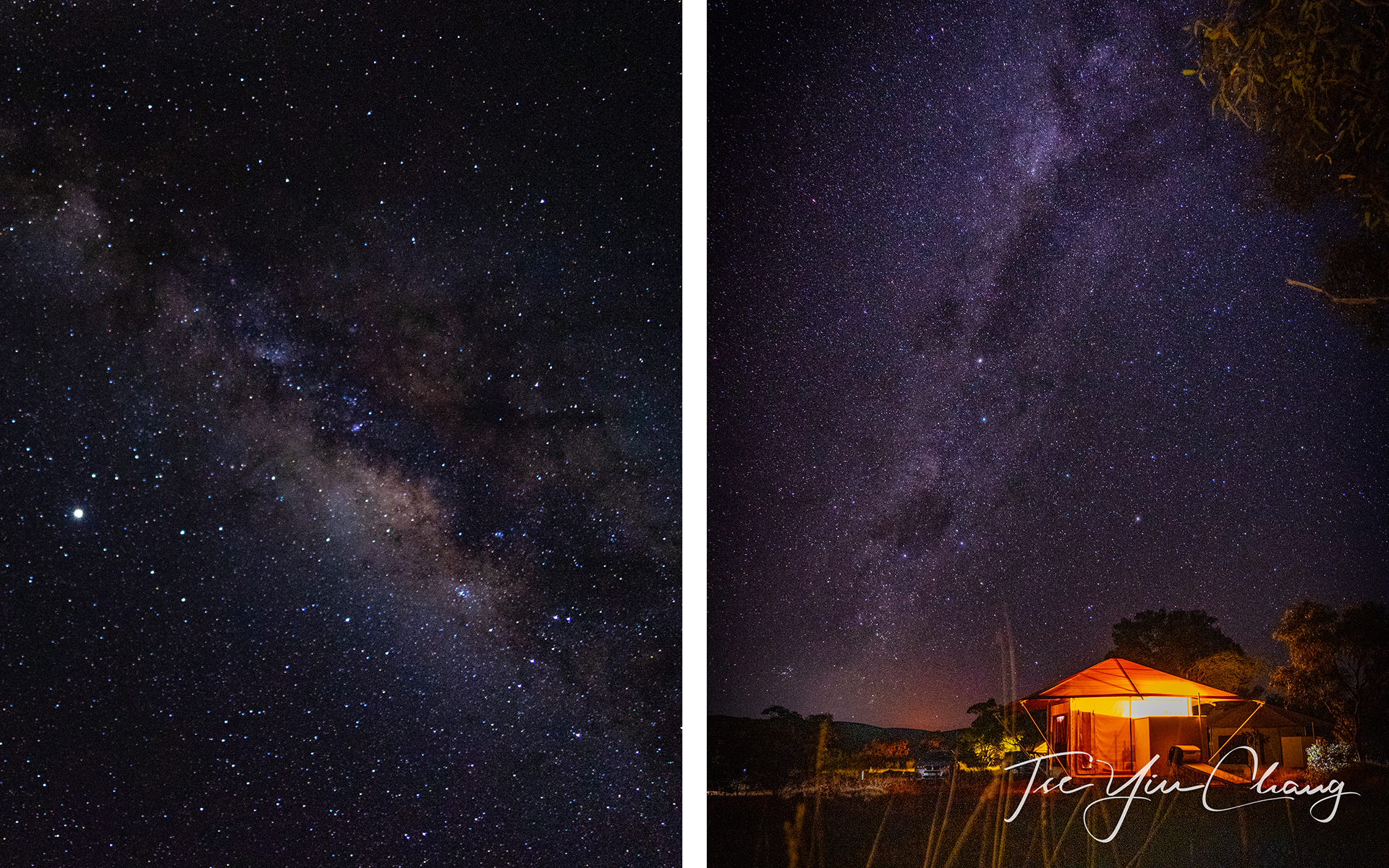
The Karijini Eco Retreat is a perfect place to try my hand at astrophotography as I don't get the change to photograph this many stars in Perth
The Karijini Eco Retreat is a perfect place to try my hand at astrophotography as I don’t get the change to photograph this many stars in Perth

Many of the rest of Karijini’s spectacular sights are to be found in and around Dales Recreational Park. There is a direct road there from the resort, but not wanting to take any risk (it was badly corrugated), we decided to take the main road instead. We stopped at the visitor centre first to get some advice on what to prioritise, before continuing to our next destination.
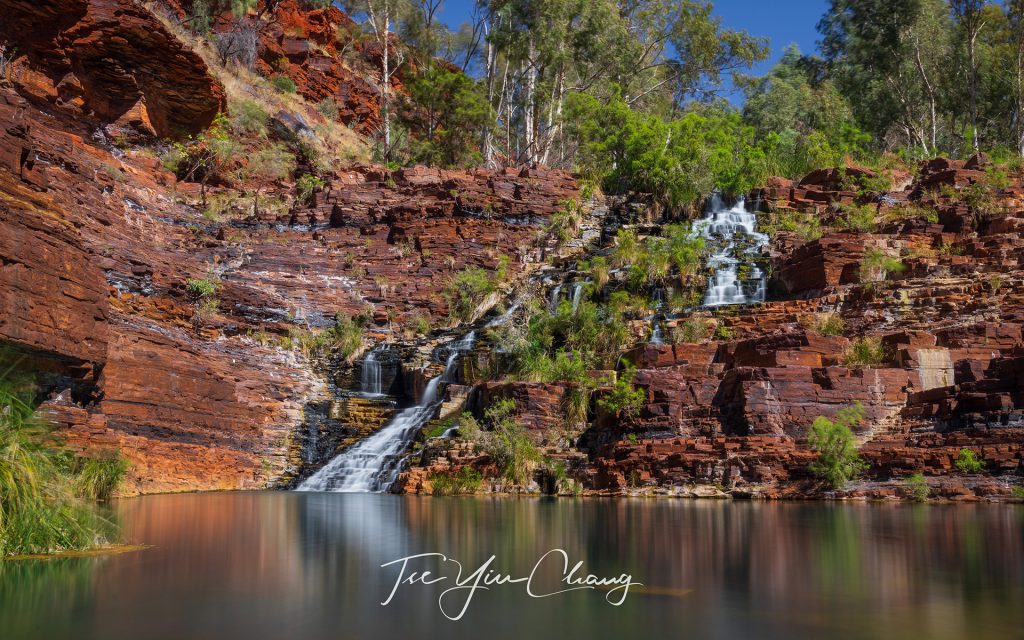
Fortescue Falls is the park's only permanent waterfall located within the iron-rick Dales Gorge Fortescue Falls. The waterfall tumble 20 metres in cumulative height over a series of red stepped cascade adding a touch of drama
Fortescue Falls is the park’s only permanent waterfall located within the iron-rick Dales Gorge Fortescue Falls. The waterfall tumble 20 metres in cumulative height over a series of red stepped cascade adding a touch of drama

At the bottom of Dales Gorge are two of Karijini’s most popular attractions, Fortescue Falls and Fern Pool. Sheltered from the worst of the sun and irrigated by the emerald river water, Fern Pool is a refuge of life which contrasts with the arid country at the top of the cliffs. Here there are trees and grasses, and the dominant colour is green – a rare and welcoming sight when all around is red, orange and yellow. The Fortescue Falls flow into a similarly inviting pool, with the stepped cascade of the falls themselves adding a touch of drama.
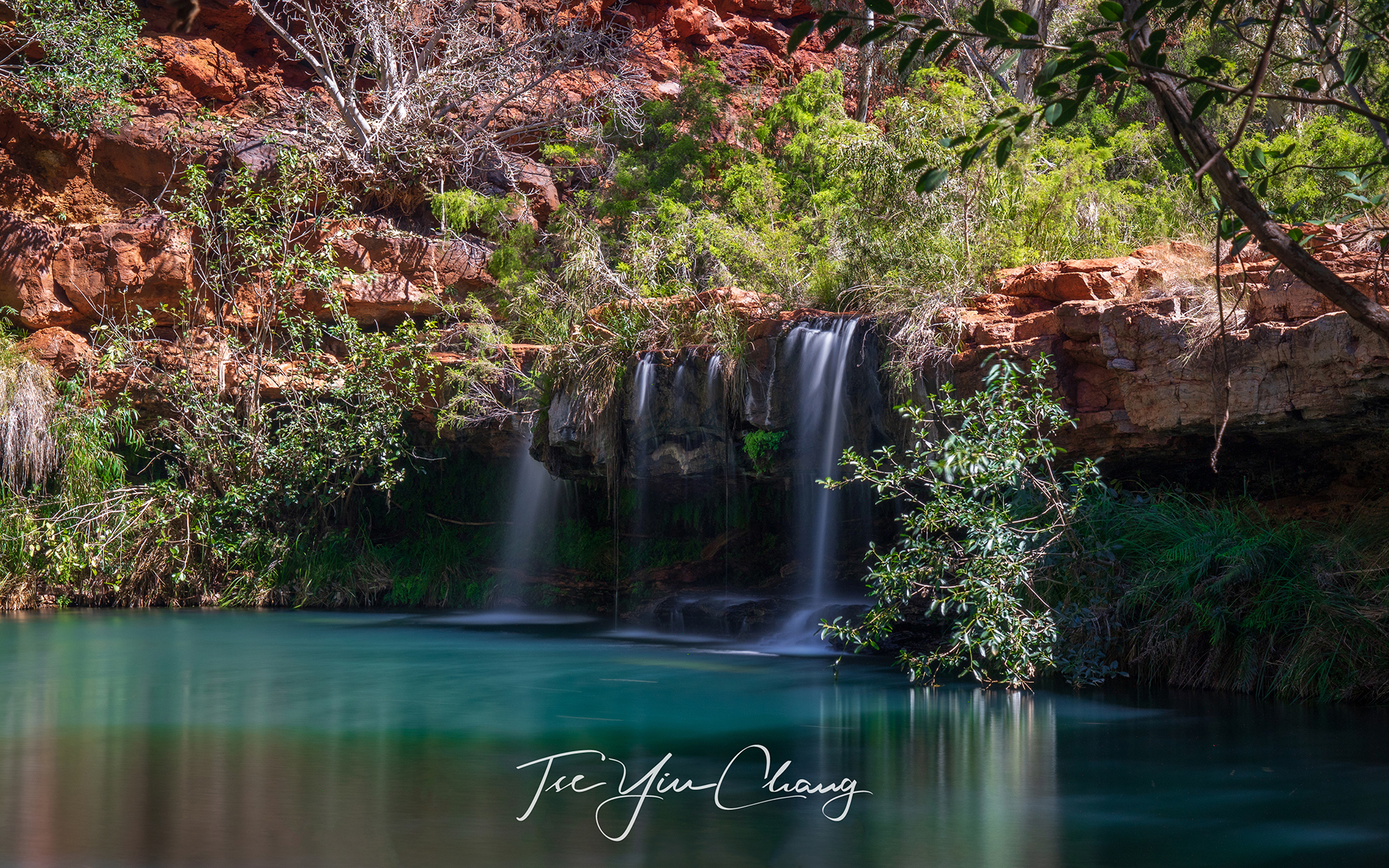
Sheltered from the worst of the sun and irrigated by the emerald river water, Fern Pool is a refuge of life which contrasts with the arid country at the top of the cliffs

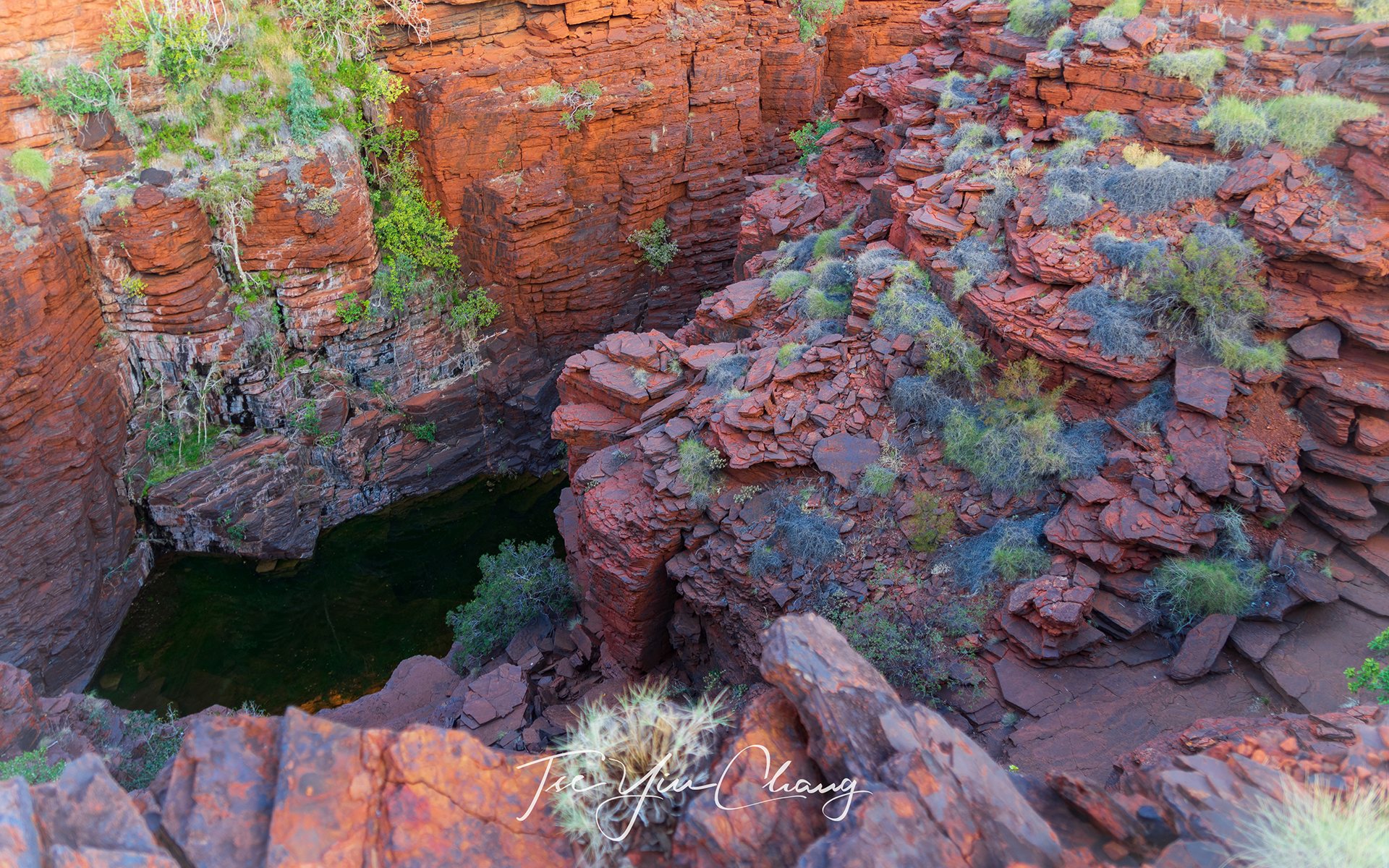
Circular Pool is the other big attraction in this part of the park, however at the tourist centre they had advised us that you can no longer walk down to the pool itself. This is because one of the many minerals which occur naturally in the rocks there is blue asbestos. Veins of the fibres can be seen in the walls of the cliffs, and it can be inhaled when blown into the air by the wind. We didn’t mind viewing it from the lookout however, as from the top it is quite a sight. The pool is an almost perfect circle, and the cliffs enclosing it are as steep as walls. As there is nowhere else to buy food, the resort provides pack lunches, and we enjoyed ours at the picnic area above the pool while contemplating the wonders that nature can create.
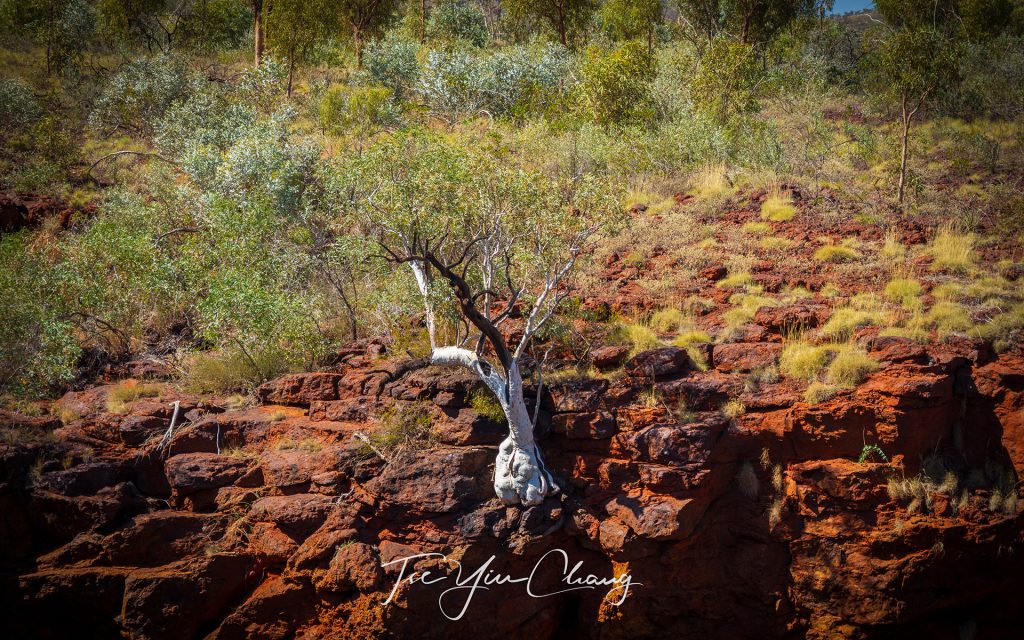
Karijini National Park is home to 6,000 kilometres of bushland, many of which carved out spectacular gorges through the ochre rock over two billion years ago

We spent most of the afternoon relaxing at the Eco Retreat after a quick stop en route at Western Australia’s second highest mountain, Mount Bruce. We also returned to Joffre Gorge for sunset to admire the waterfall there as we watched the light fade. The next morning it was time to leave, so we made our way back to Karratha for our flight back to Perth.
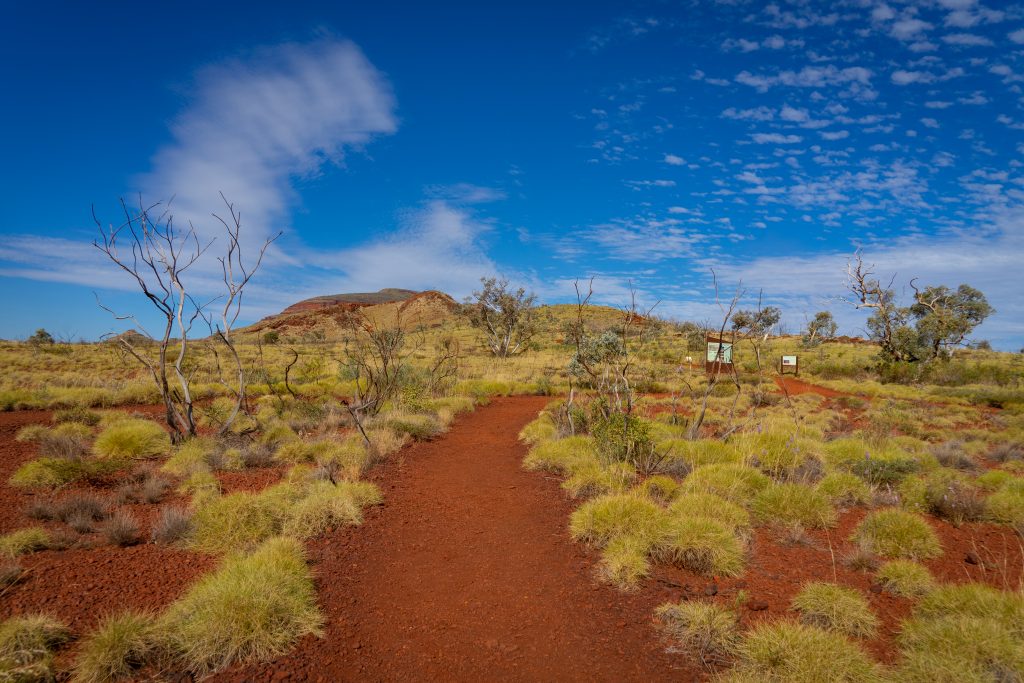
Walking trail to Mount Bruce lookout

I have seen many memorable places in different parts of the world, but I was glad that I had finally taken the time to see some of the incredible nature wonders of my home state. A trip to the remote and ancient Karijini National Park has been on my travel bucket list for a long time. There are few places outside of Australia that compare. Little did I know that it would take a worldwide pandemic to inspire me to finally tick this world class attraction off my ever growing list of must-see places.

Getting to Karijini National Park

It takes approximately seventeen hours to drive the 1,300 kilometres from Perth. If you enjoy epic road trips, take the Great Northern Highway out of the city and keep going until you get there. You won’t find much in the way of towns on the way, however you will get to experience the vastness of Australia first hand.
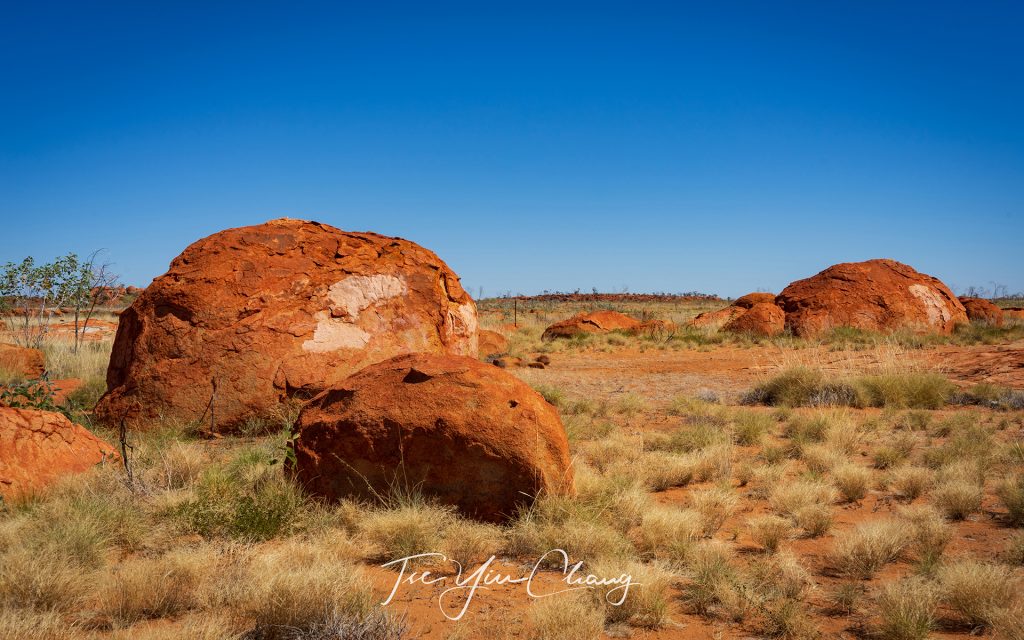
Although you won’t find much in the way of towns on the way, you get to experience the vastness of Australia first hand

Alternatively, you can either fly to one of two nearby mining towns, Paraburdoo and Newman, or, as I did, to Karratha. Following my route will mean a longer drive, but you could squeeze in a trip to the UNESCO World Heritage nominated Burrup Peninsula too, while you are there. If you choose to fly you will need to hire a car, and preferably a 4WD. When hiring a car, make sure that the conditions of hire allow you to drive off-road, as many of them do not allow off-road driving.
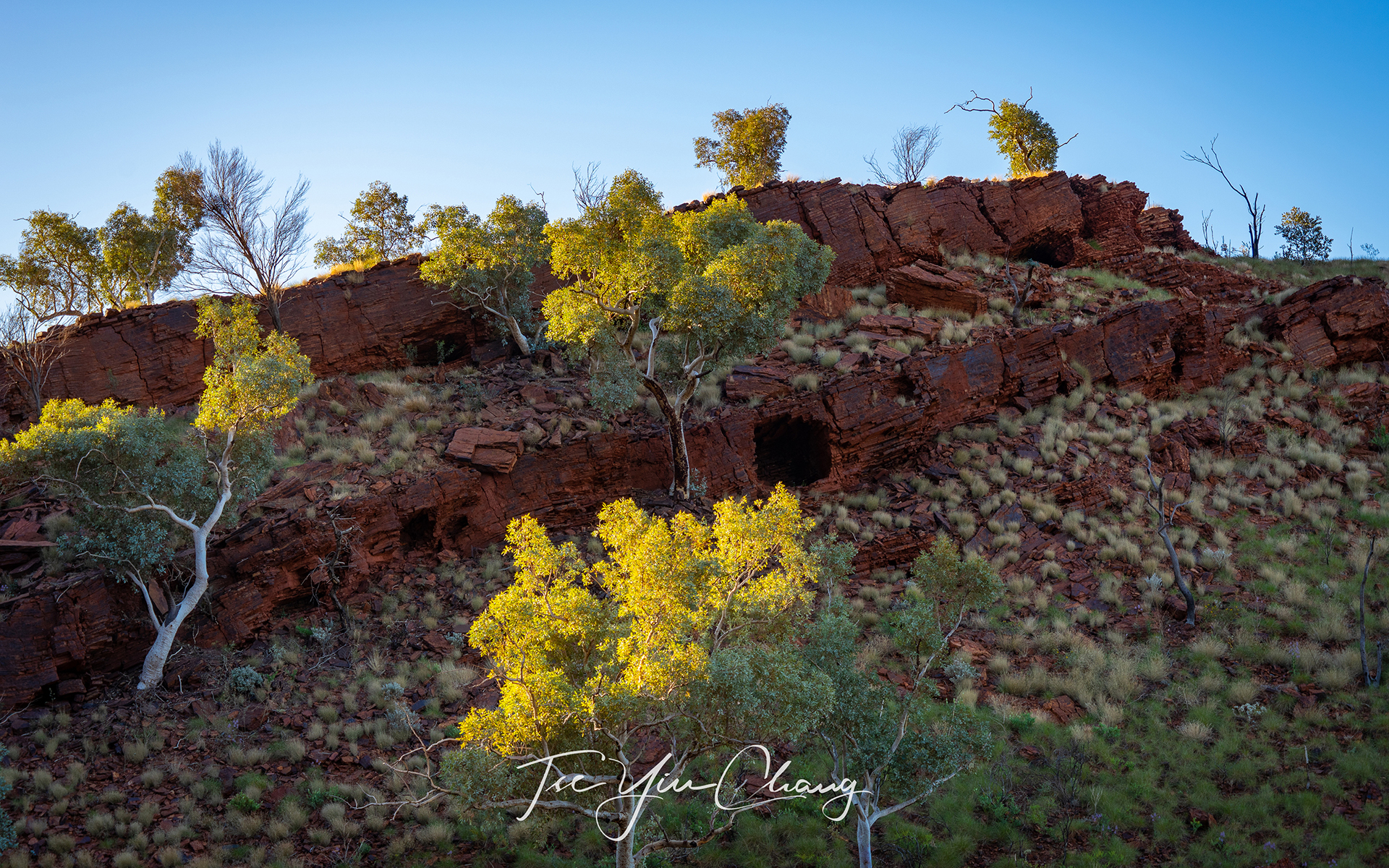
Mount Nameless at Tom Price during golden hour

Survival tips

The Australian outback is famous worldwide for being the sort of place you don’t want to get lost in. While it is completely safe to travel to Karijini, you do have to take some precautions. It gets extremely hot in Australia’s North West, so make sure you have plenty of water with you. This is especially important if you plan to spend any time hiking around the gorges. The only place you can purchase food within the park is the Eco Retreat, so ensure that you are well stocked with snacks and/or meals as well before you enter. You will also need to fill up with petrol before you set off, and you should carry some spare as well. The nearest petrol stations can be found at Tom Price and the Auski Tourist Village.
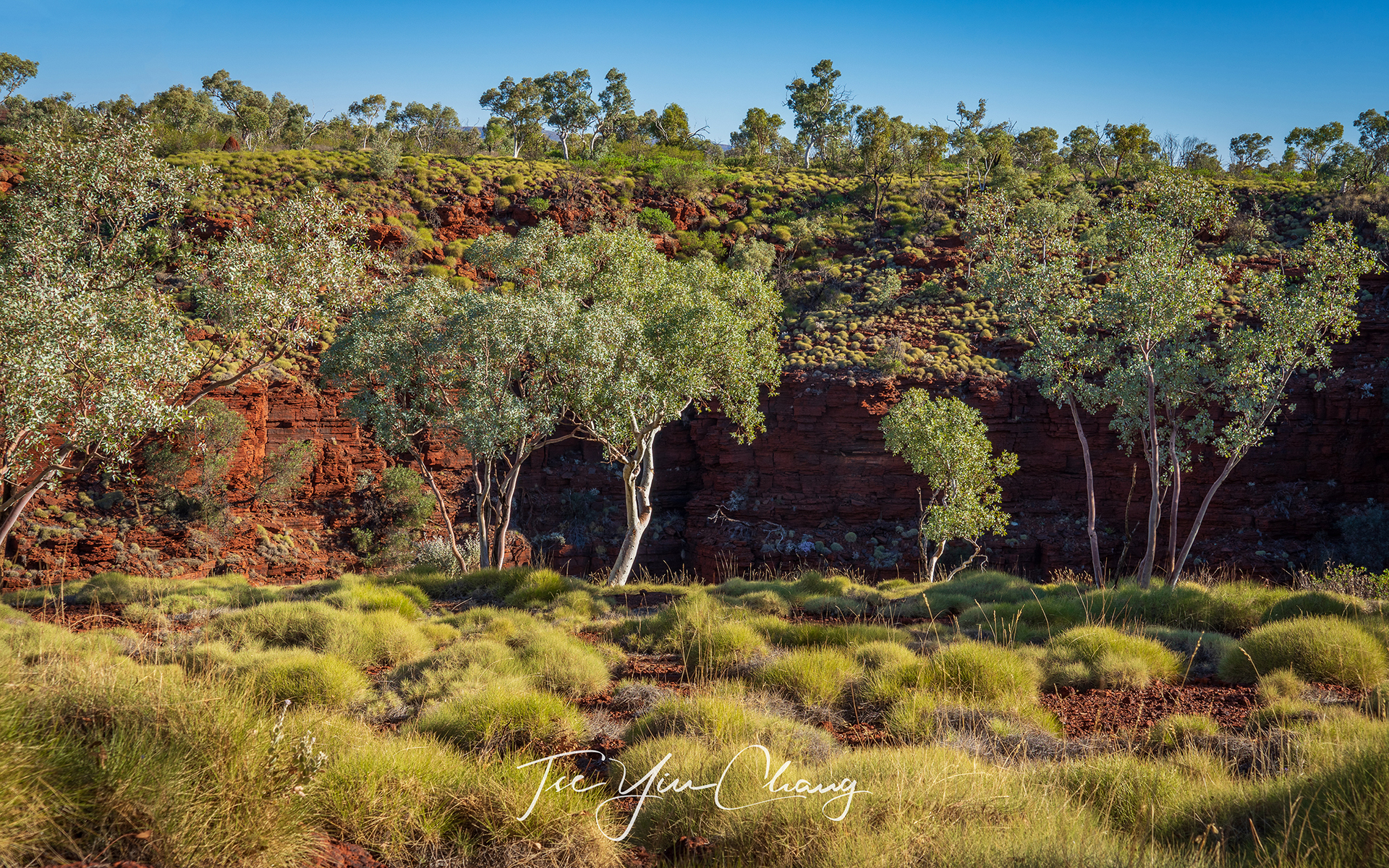
The Oxer Lookout at Weano Recreation Area offers breathtaking panoramic views of four amazing gorges, namely Weano, Red, Hancock and Joffre Gorges

Being a popular attraction (and surrounded by important mining centres), the roads taking you to the national park have been sealed. But once you access the park you’ll realise the importance of having a car that’s capable of handling corrugated dirt roads. Although you won’t need four-wheel driving training to get around, you should slow down when necessary and take extra care when driving inside the park. This is especially true if you don’t have much experience driving off the bitumen.
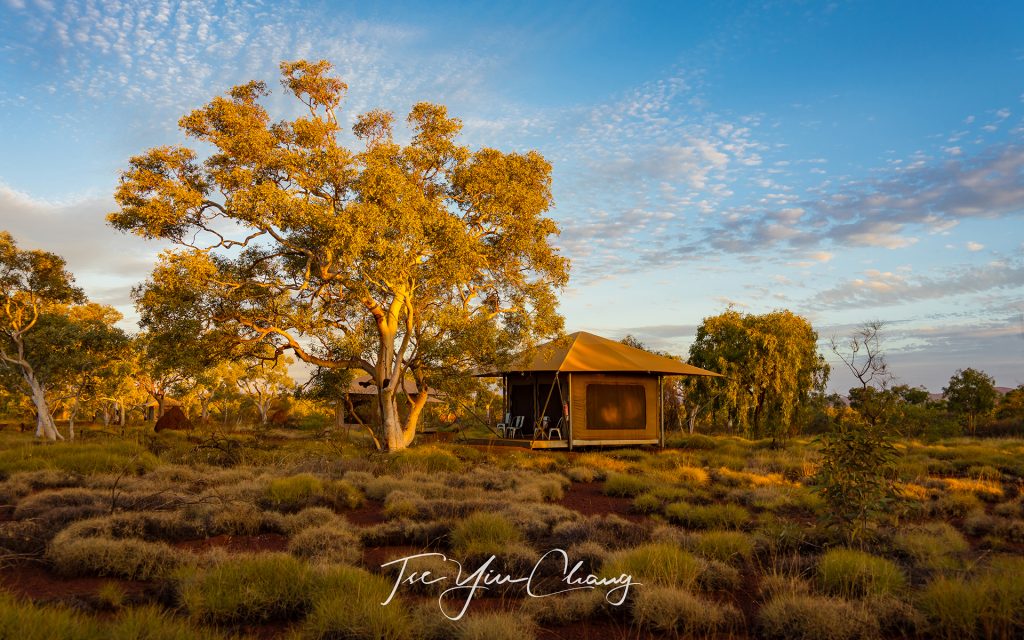
The sun was enveloping the landscape in a warm amber light, helping to create beautiful pictures
The warm amber light during golden hour helps to create beautiful pictures

Prints from my Karijini National Park photo collection are available to purchase in various sizes and framing options. Feel free to get in touch to find out more. And don’t forget to follow my travel adventures on Instagram.
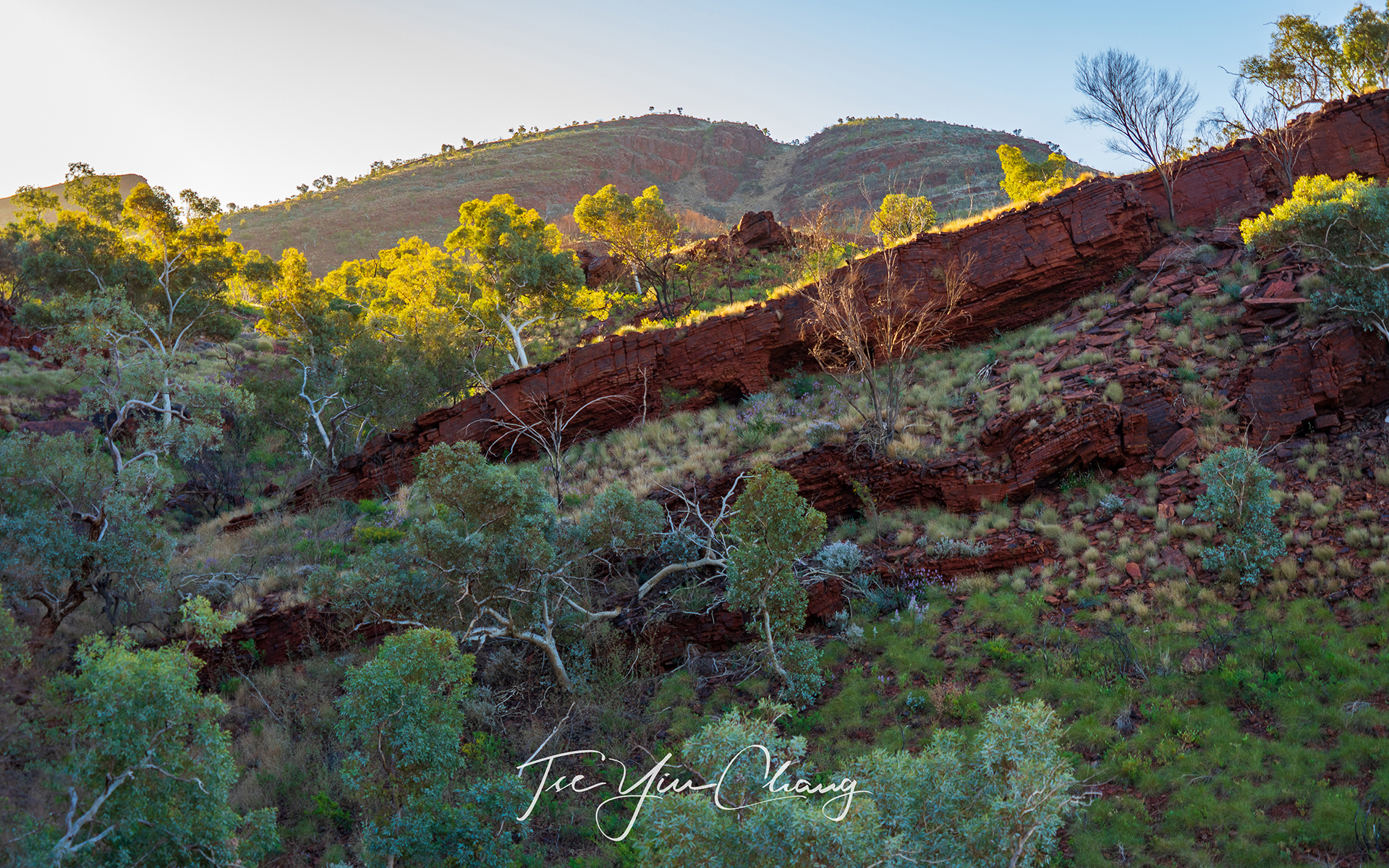
Mount Nameless, also known as Jarndunmunha, is the second highest accessible mountain by four wheel drive in Western Australia

More wander out yonder travel inspiration

  • Through the lens: exploring the Margaret River region
  • Chasing waterfalls in Tasmania
  • New Zealand’s Glacier Country
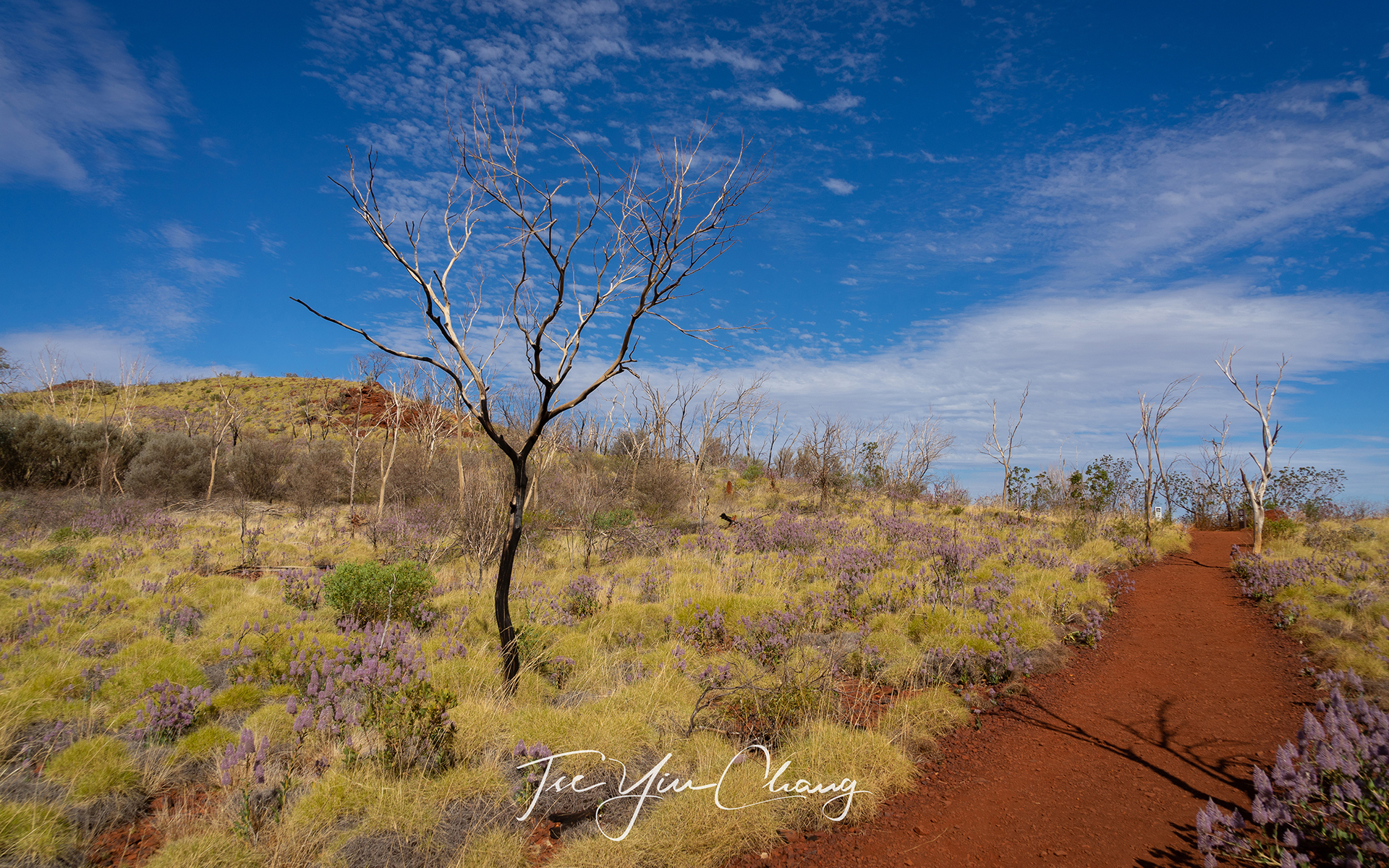
Mulla mulla in Tank Hill, Wickham. These lovely purple wildflowers are abundant in the Pilbara during spring
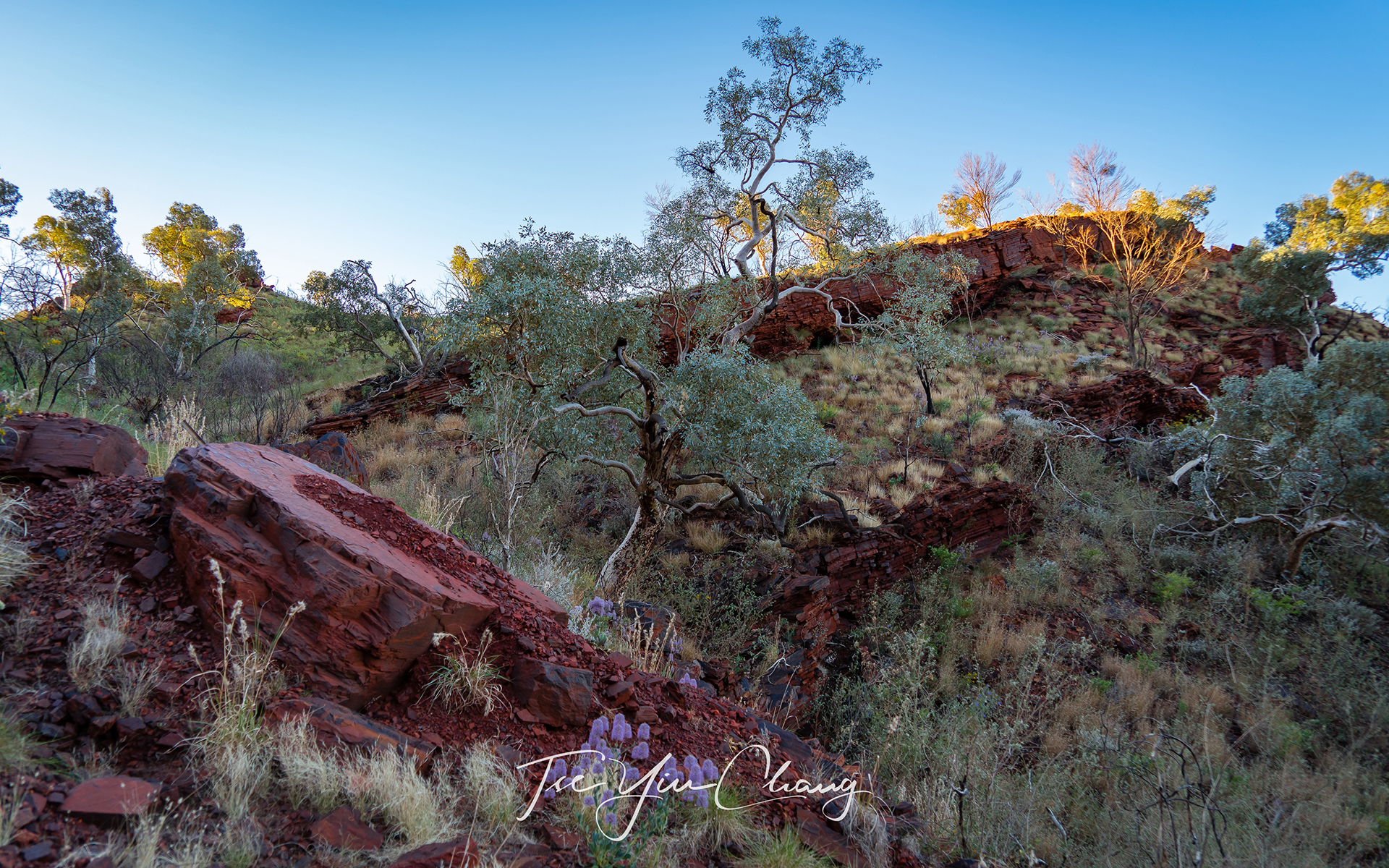
Mount Nameless, Tom Price
Hamersley Gorge is an idyllic swimming hole. You can descend into the canyon and clamber along the rocks past a succession of pools
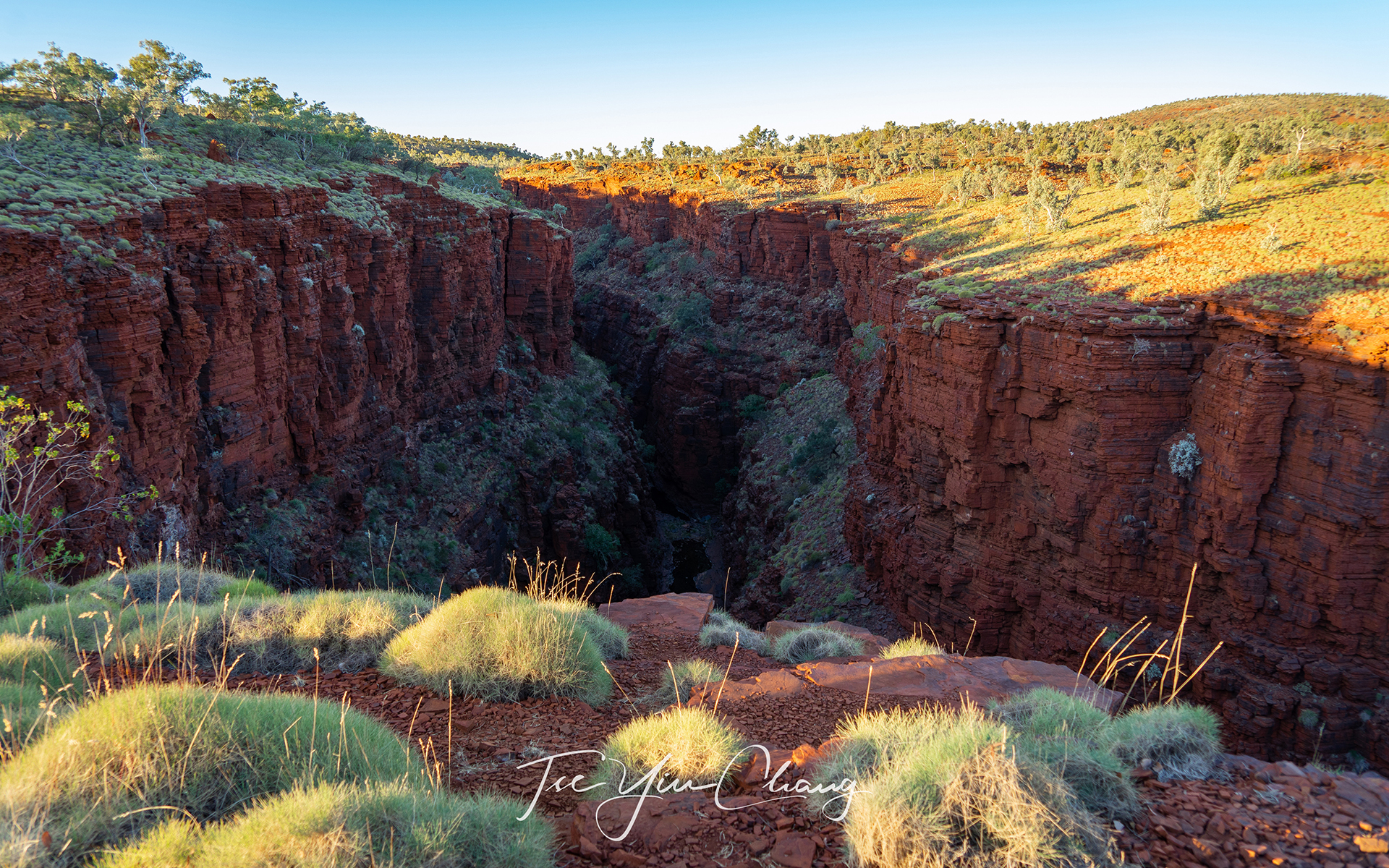
The hemispherical appearance of Spinifex covering the hills gave the Pilbara landscape the iconic hummocky look, Weano Gorge
Several of the best gorges are located in the Weano Recreation Area
Early evening at Knox Gorge and the sun was enveloping the landscape in a warm amber light
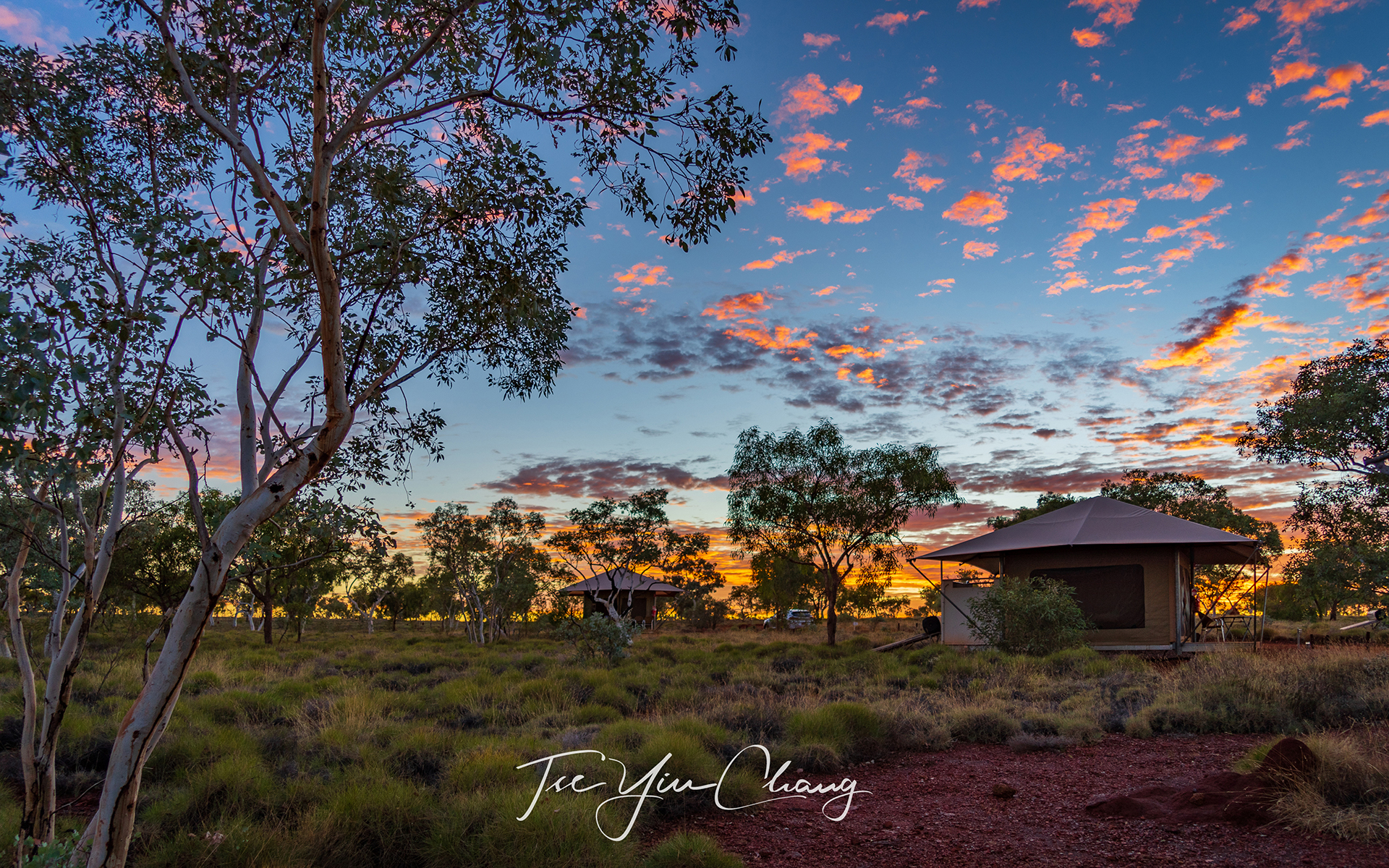
Most of the rooms in Karijini Eco Retreat are actually tents – albeit very luxurious ones – giving you the feeling of being immersed in the remote bush landscape, taken during sunrise
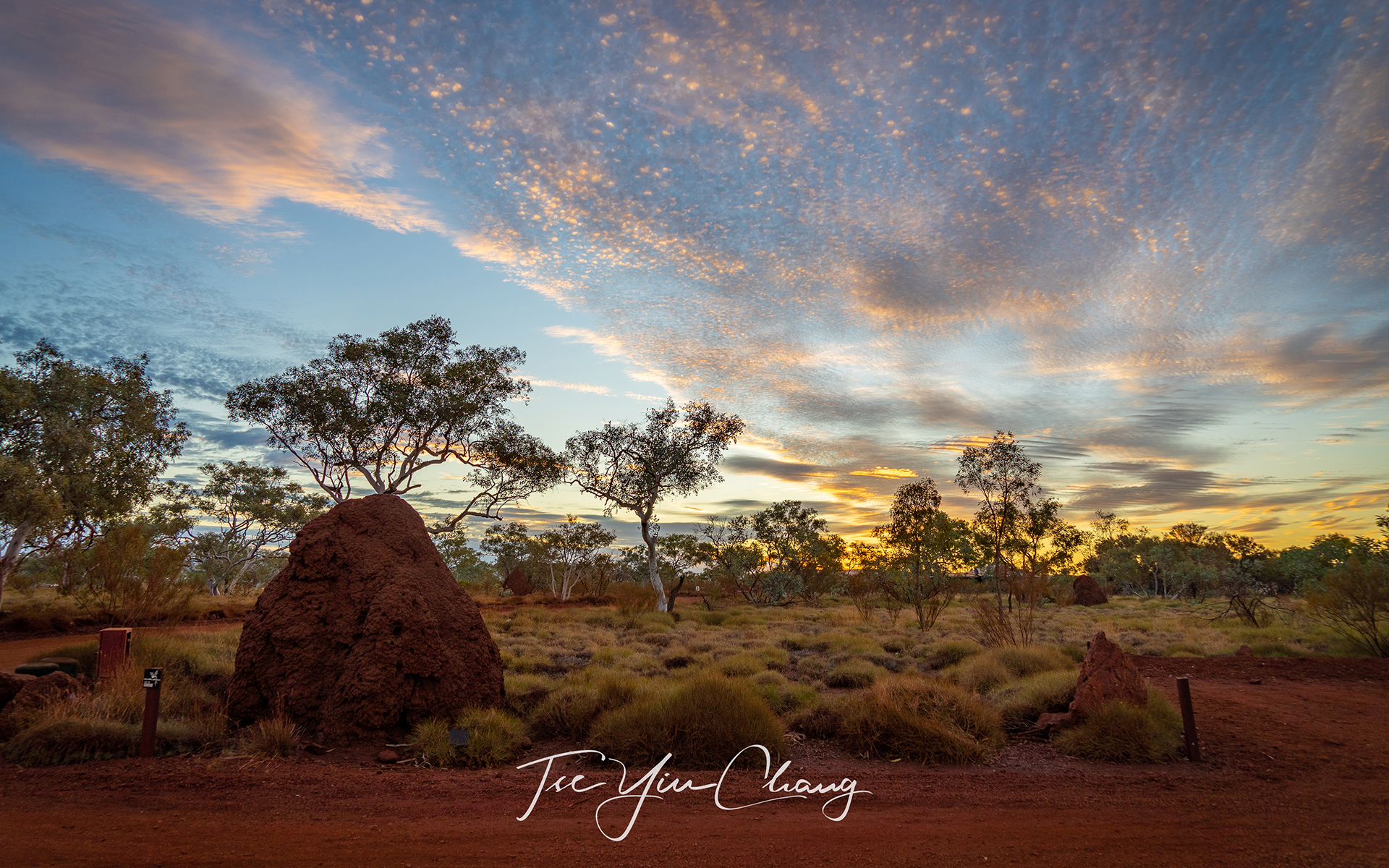
Termite mounds is a unique feature of the Pilbara, taken during sunset at Karijini Eco Retreat
Many minerals which occur naturally in the rocks there is blue asbestos
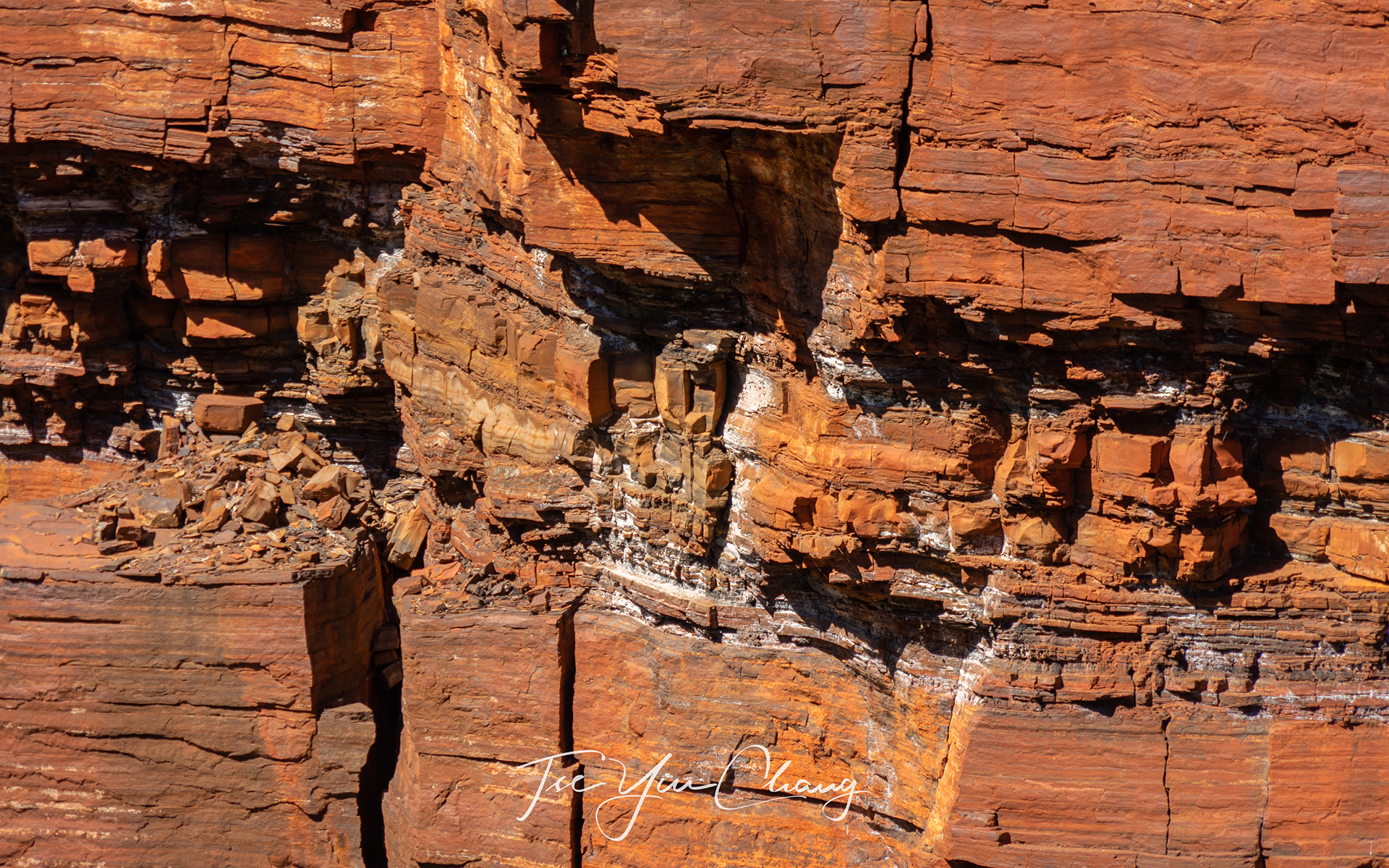
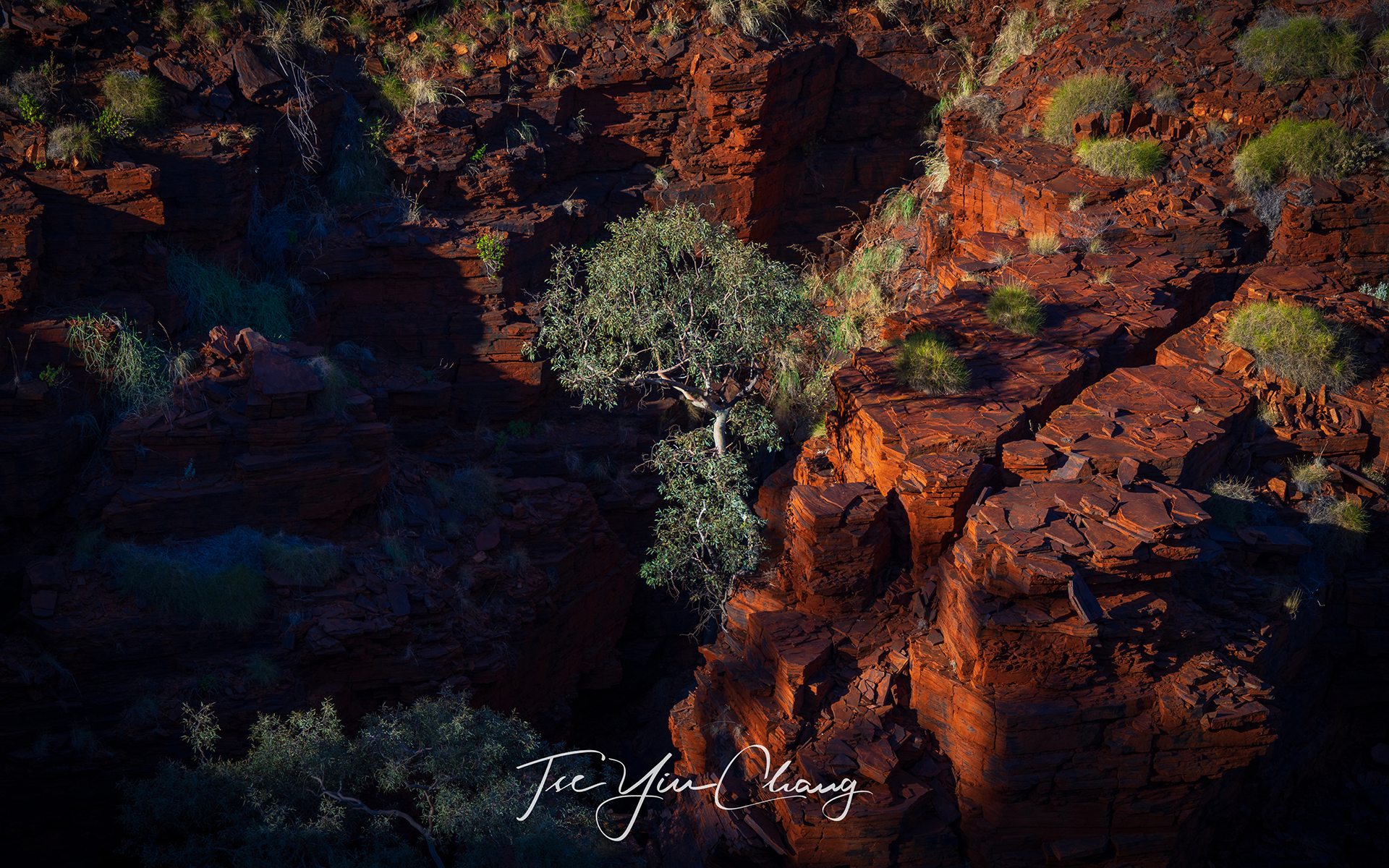
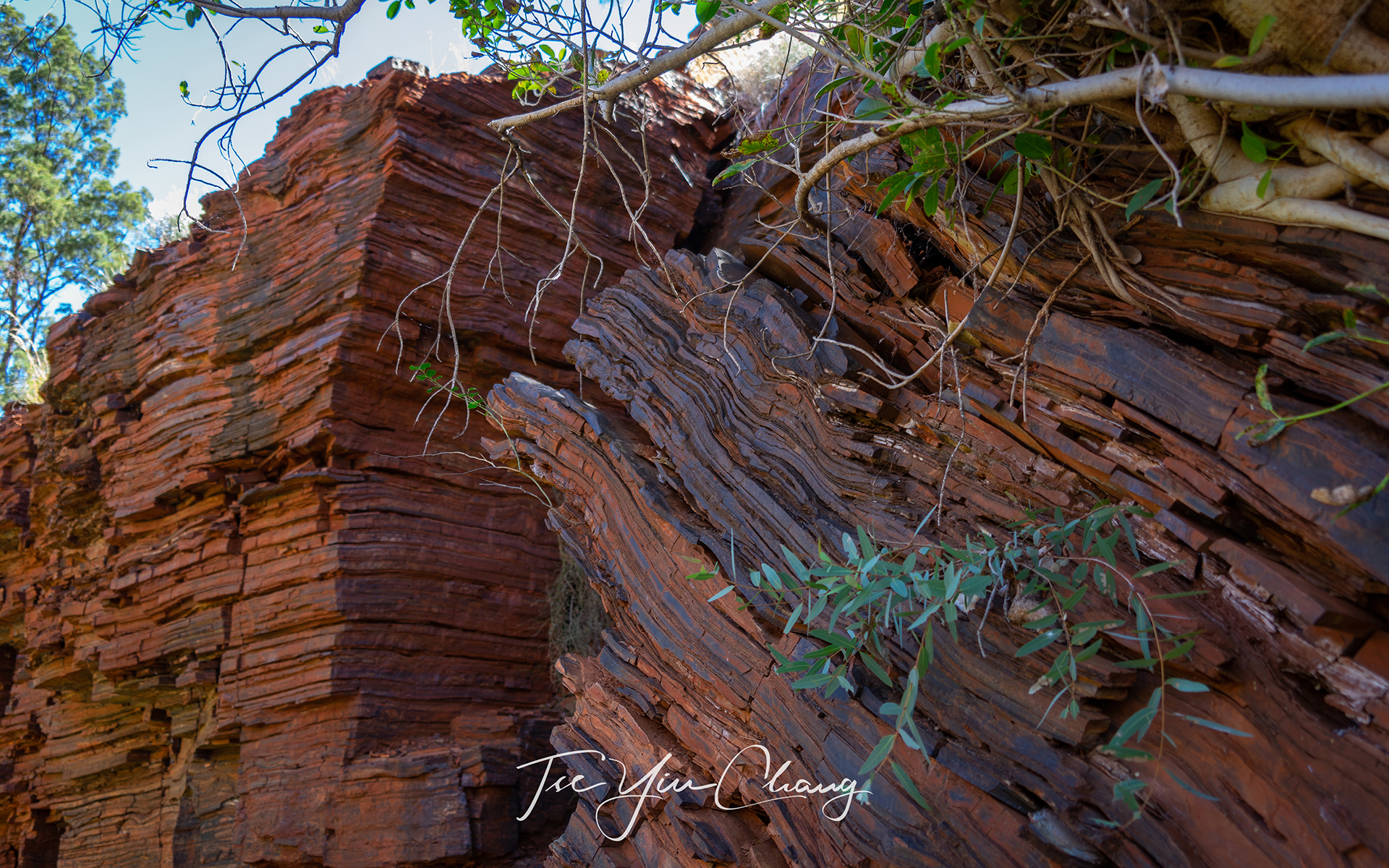
Unique iron-rich rock formation at Fortescue Falls
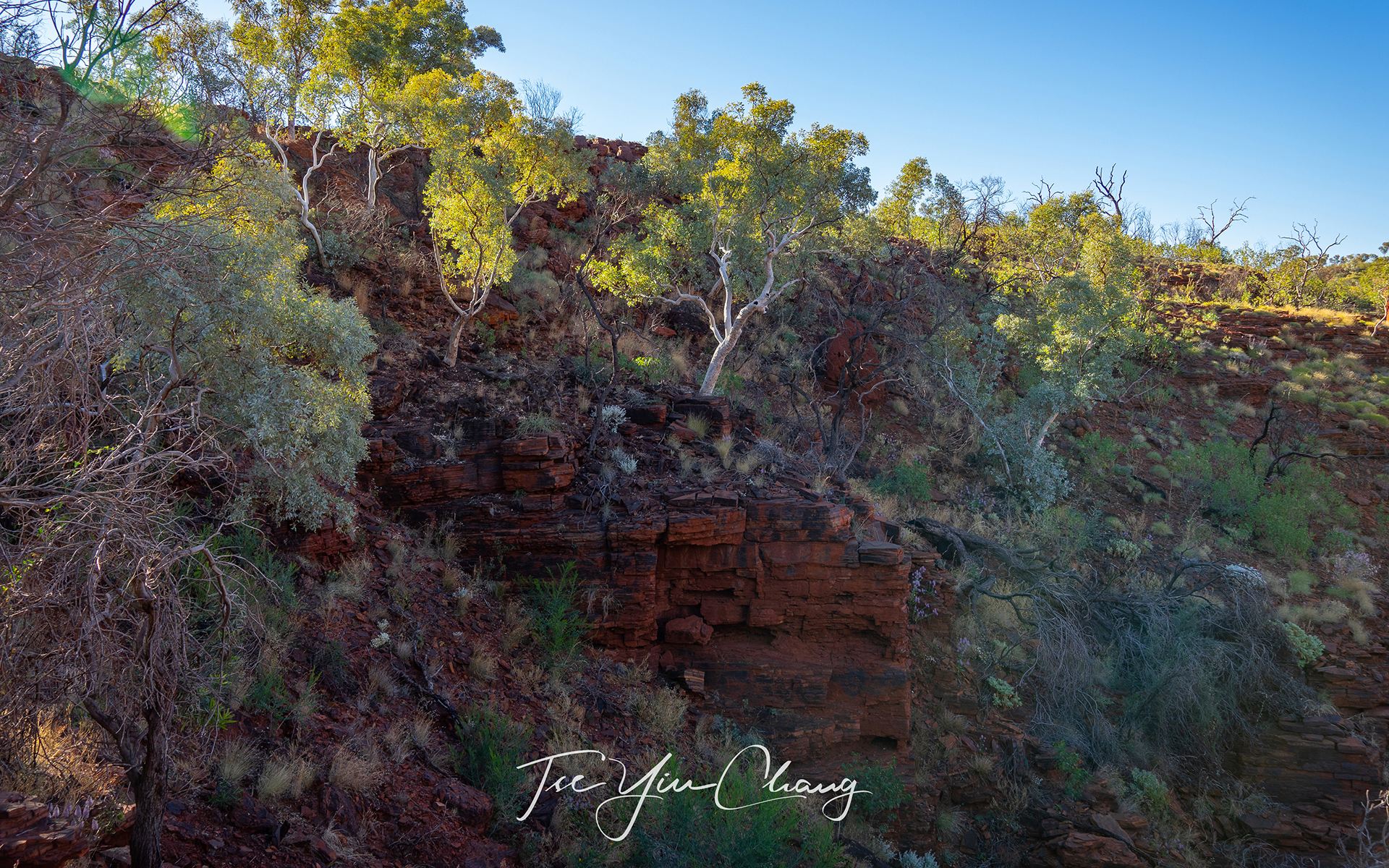
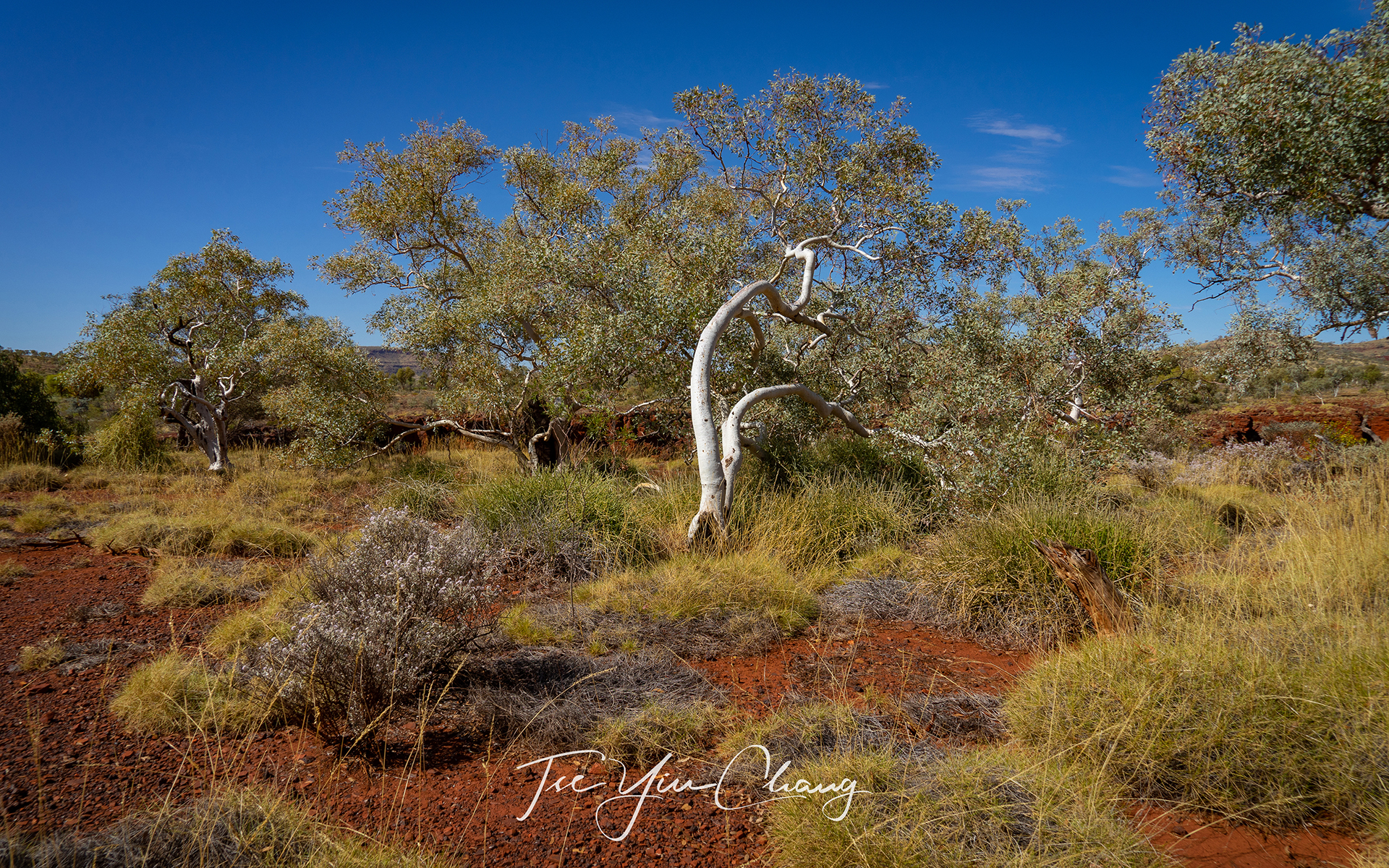
I am fascinated by the tree formations in Karijini
We said hi to a local resident at Circular Pool
Mulla mulla wildflowers are everywhere during spring
The Pilbara is known for its Aboriginal peoples, ancient landscapes, red earth and iron ore
Joffre Gorge is especially impressive after rain as water cascades down the step-like cliff face to a dark pool. Unfortunately when we visited during spring there wasn't any rain
Joffre Gorge is especially impressive after rain as water cascades down the step-like cliff face to a dark pool. Unfortunately when we visited during spring there wasn’t any rain
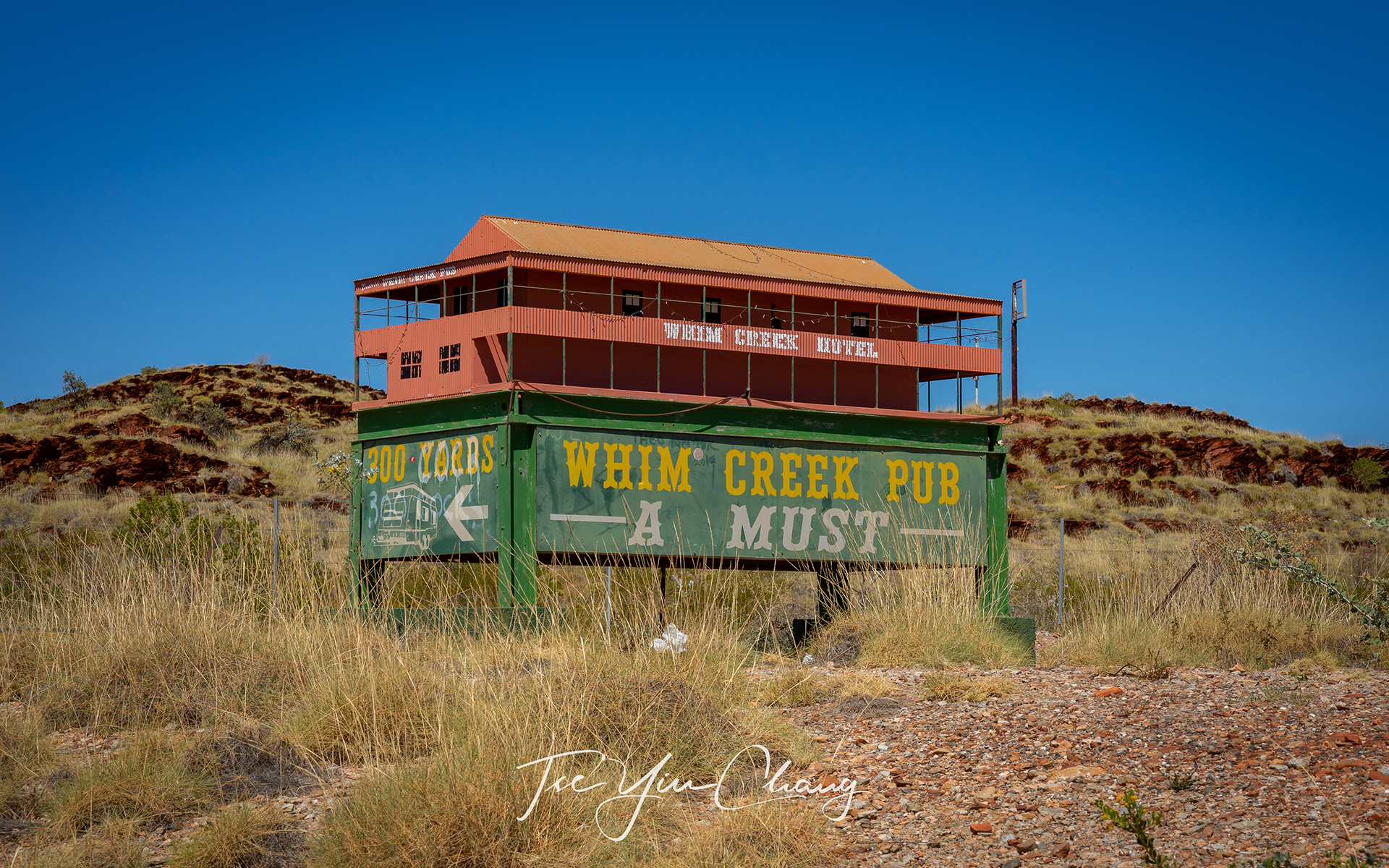
Whim Creek was once a thriving town established to service copper and gold mines in the region located on the North West Coastal Highway midway between Karratha and Port Hedland

Filed Under: Blog, Photography, Portfolio, Travel Tagged With: australia, blog, karijini, landscape, national park, photography, pilbara, travel, wander out yonder, waterfalls, western australia

Valparaiso: a UNESCO listed city by the sea

11 October 2020 by tadgraphics

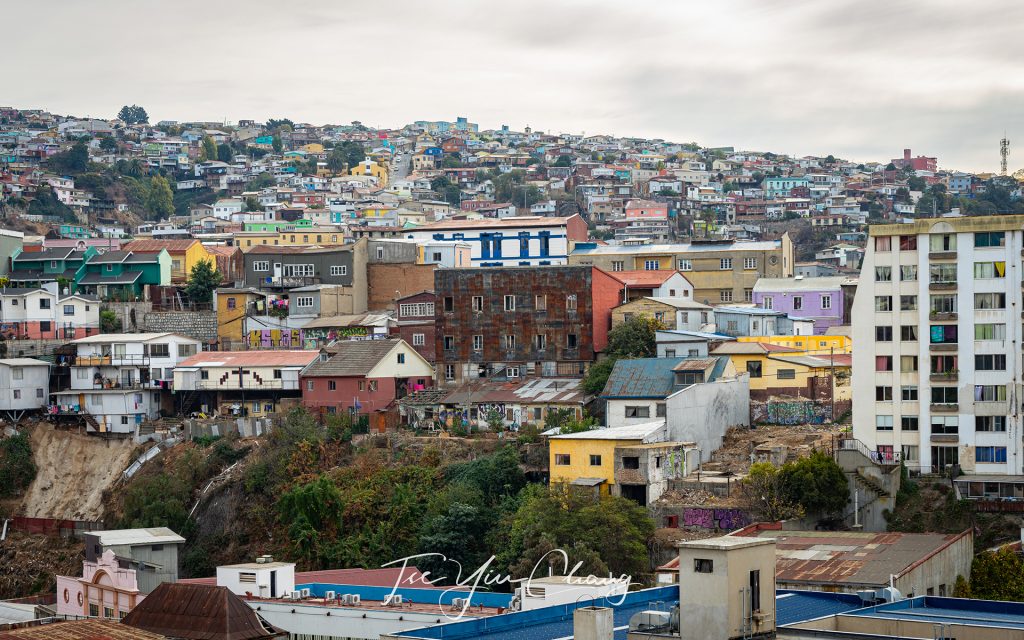
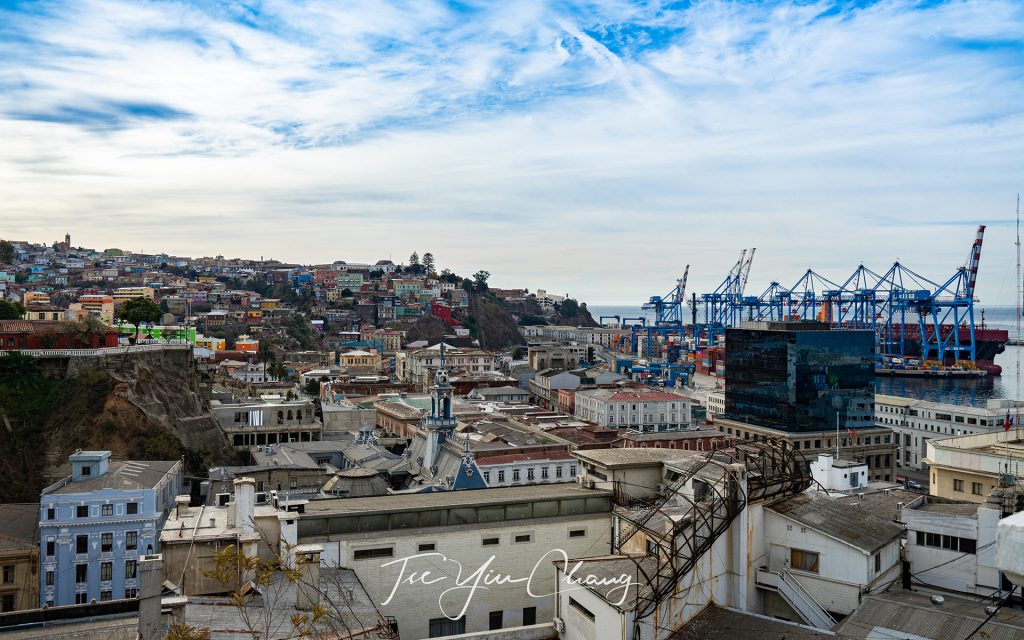
Described by Lonely Planet as “a wonderful mess”, Valparaiso is certainly one of Chile’s most unusual cities.
Described by Lonely Planet as “a wonderful mess”, Valparaiso is certainly one of Chile’s most unusual cities

Chile’s capital Santiago is home to a wealth of attractions. But besides its own charms, another of its advantages is that there is an abundance of things to see nearby too. Perhaps most well known among these is Valparaiso – the quirky World Heritage port city famous for its colourful houses, artistic atmosphere and edgy ‘anything goes’ vibe.

The Euporean heritage in Valparaiso is obvious

Described by Lonely Planet as “a wonderful mess”, Valparaiso is certainly one of Chile’s most unusual cities. But that’s a big part of its charm. Just a 90-minute drive from Santiago, it’s an ideal destination for a day trip. And so, with our time in South America coming to an end, we took the opportunity to visit Valparaiso and see if we would also fall for its unexpected charms.

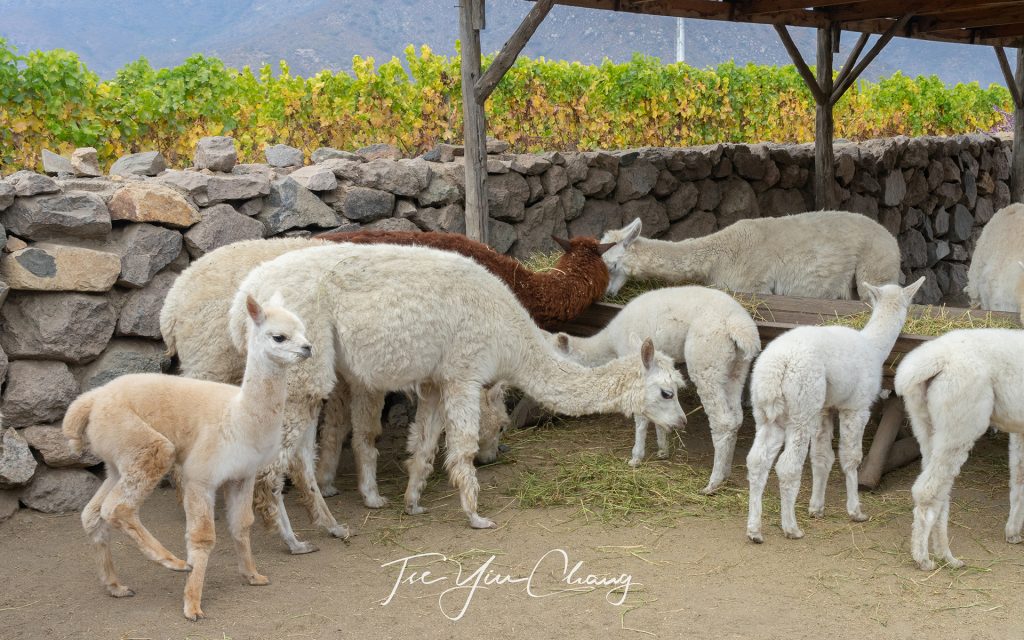
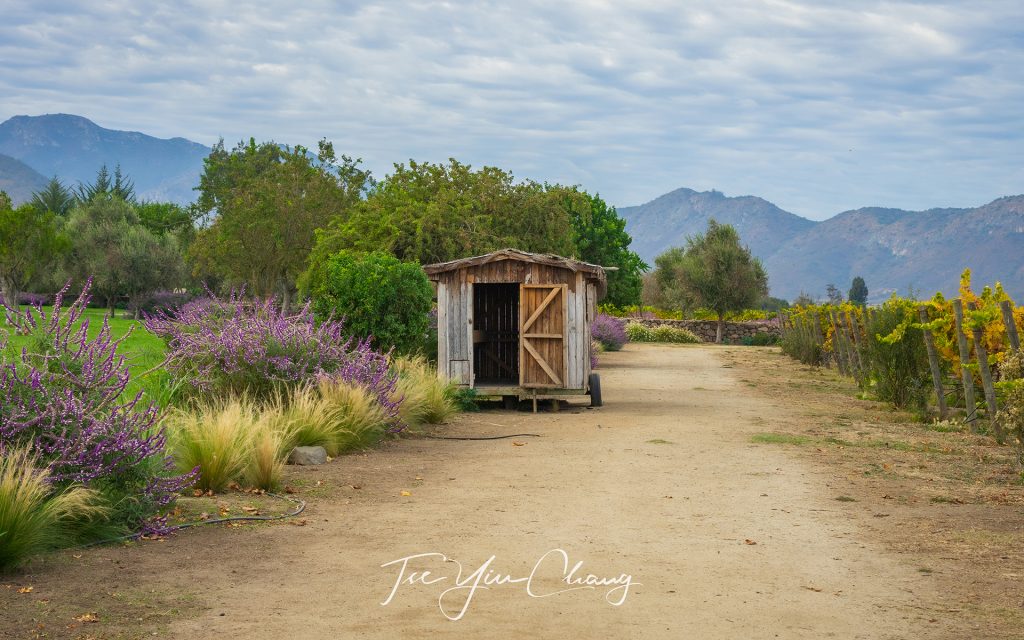
We were greeted by friendly locals at Emiliana Winery

We set off for a full day’s adventure with our knowledgeable and friendly local guide, Hugo. Who incidentally had also been our guide when we visited Santiago. So we already knew that we were in good hands to see the best that Valparaiso had to offer.

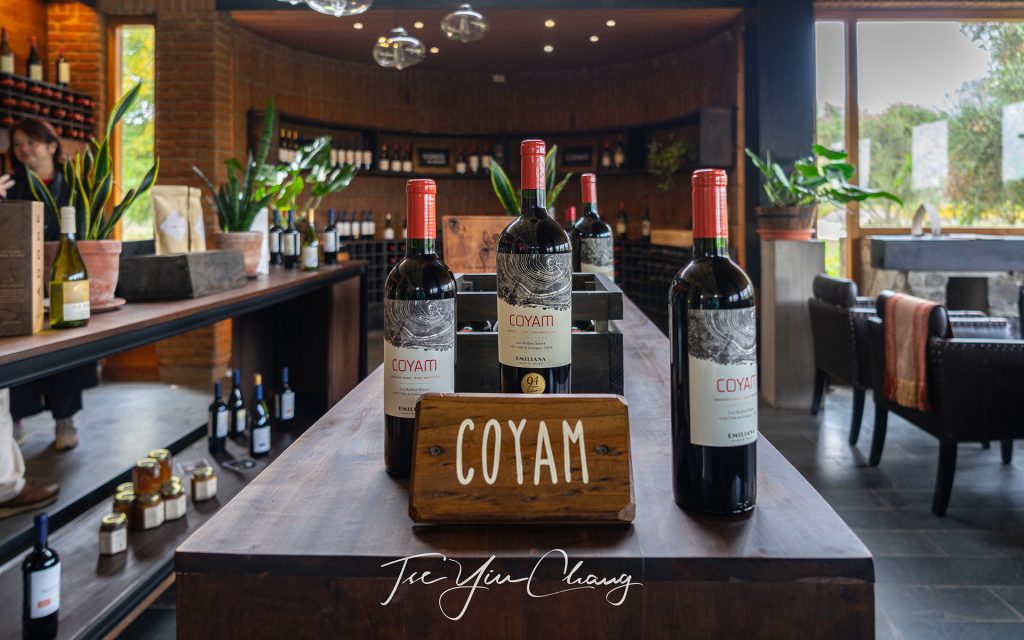
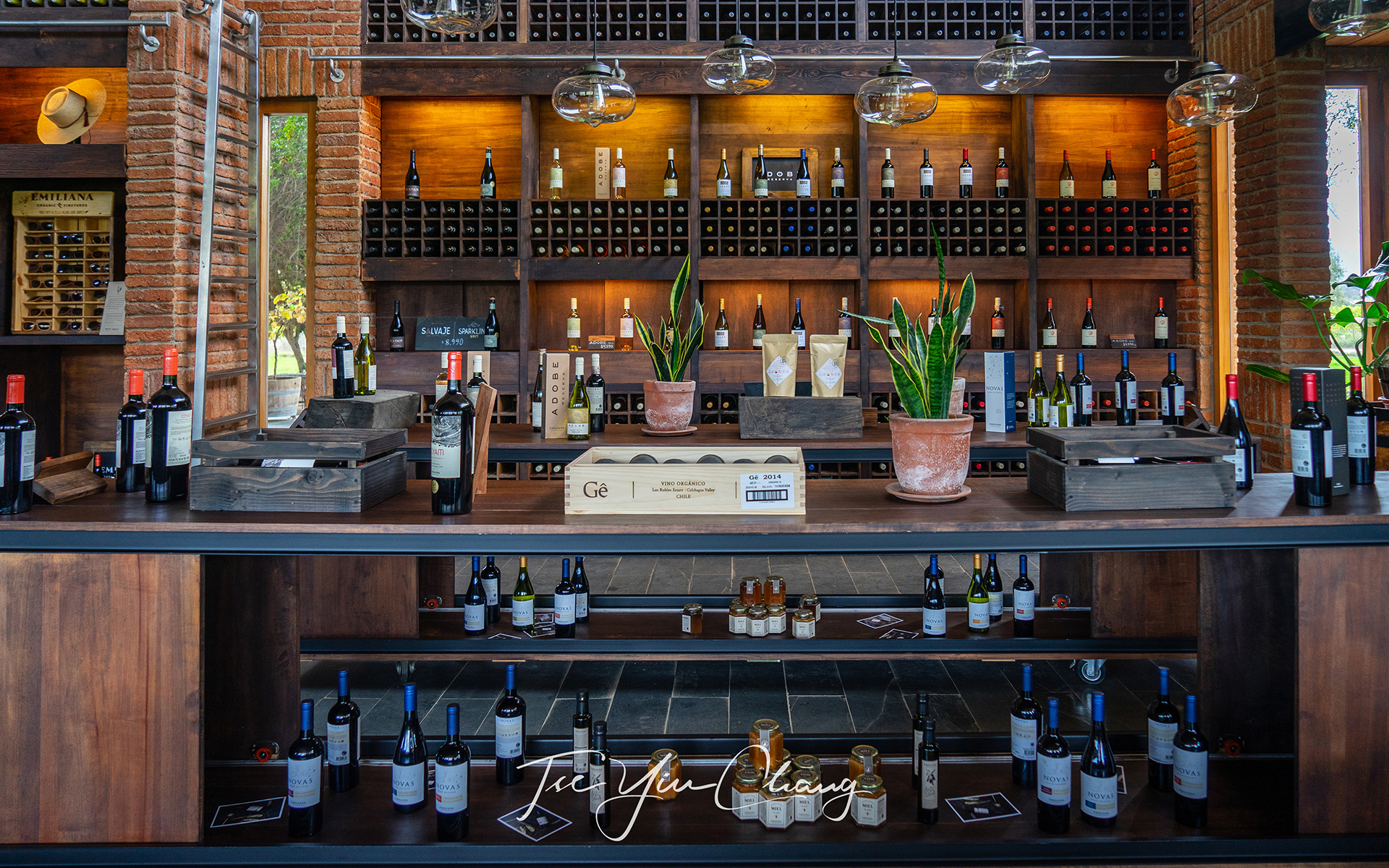
The selection of wines available from Emiliana Winery

While the snow-capped peaks of the Andes are inland of Santiago, there are mountains and hills extending all the way to the coast. The road to Valparaiso took us first through a tunnel underneath the mountains, and then threaded its way along the strips of flat land between the slopes. About two thirds of the way along we reached our first stop – the Casablanca Valley.

Emiliana Winery where we sampled some Chilean wines

Wine lovers might recognise the name, because the region is well known for producing excellent grapes. There are plenty of vineyards to choose from, but one of the most renowned – and the one which Hugo took us to – is the Emiliana Winery. The winery was a tranquil and picturesque place to spend the morning, thanks in part to the neat green rows of vines that contrasted strikingly with the muted colours of the hills rising up behind them.

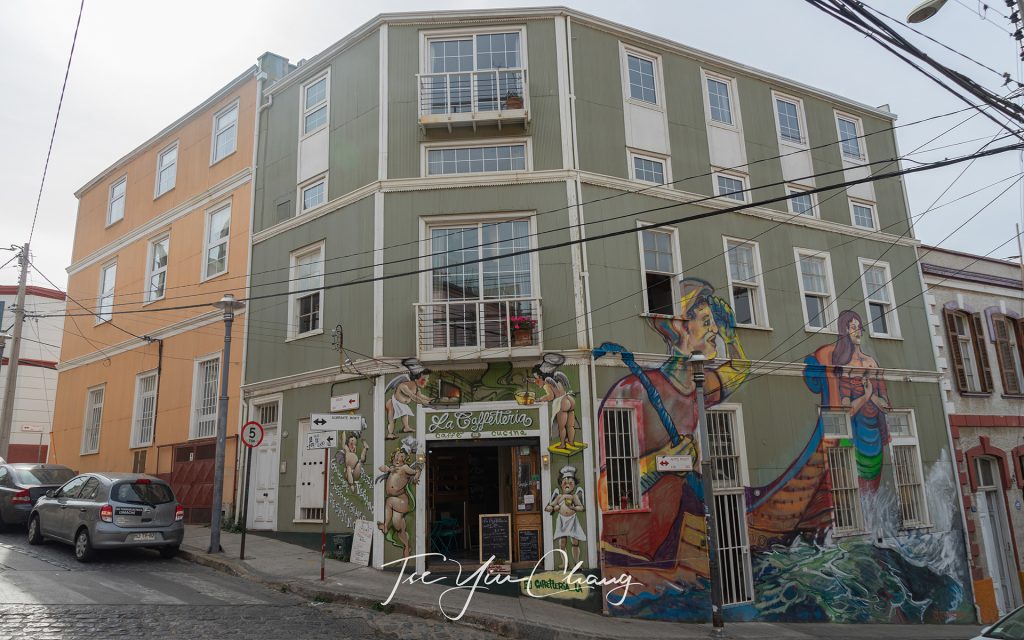
The cafe we stopped for lunch

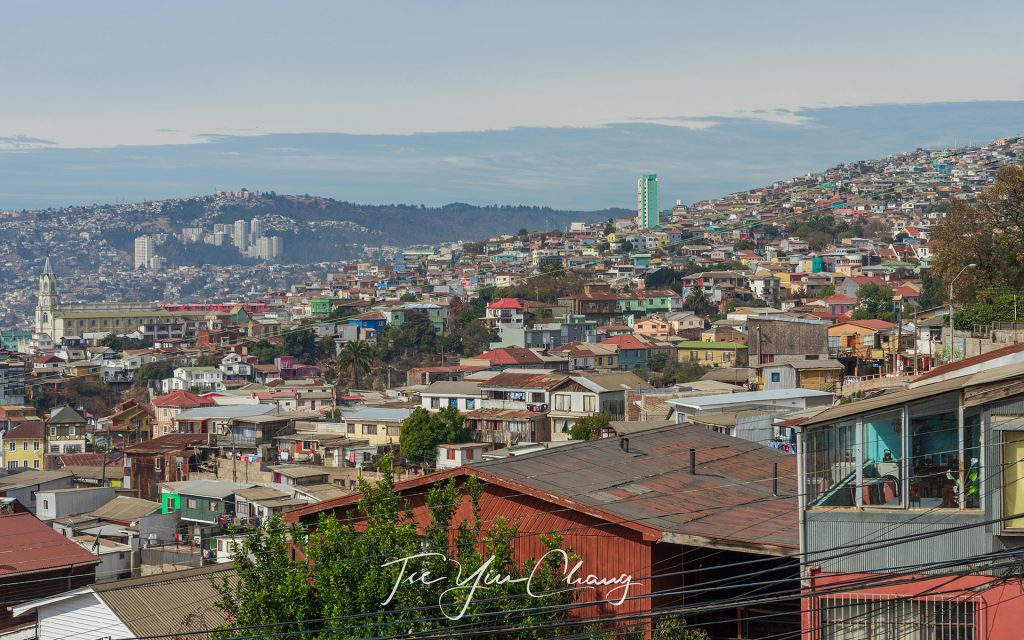
After sampling the wine (it was superb, by the way), we continued on to our main destination just in time for lunch. Valparaiso was a bit different to the cities we had experienced so far on our trip. In fact, it has a very different feel to much of the rest of the continent. Its European heritage is clear, but you won’t find the whitewashed Spanish villas with terracotta tiles arranged in a grid, like in most historic Latin American towns. Some of the buildings look Alpine or Germanic in design, and the way the city is strewn over the hills and draped down into the sea is reminiscent of Lisbon or even Istanbul.

Bohemian and colorful, Valparaiso’s maze of hills has long inspired poets and writers

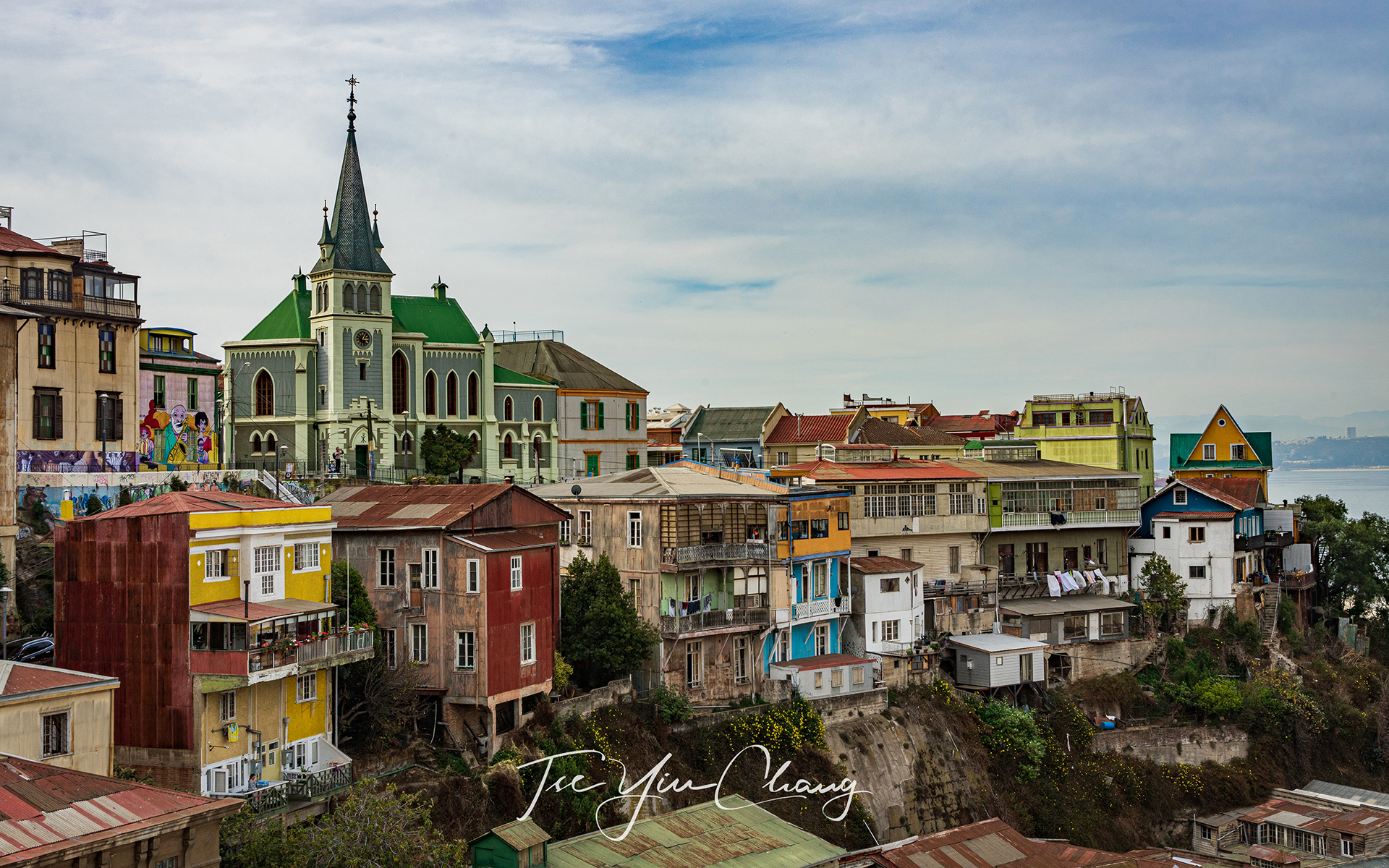
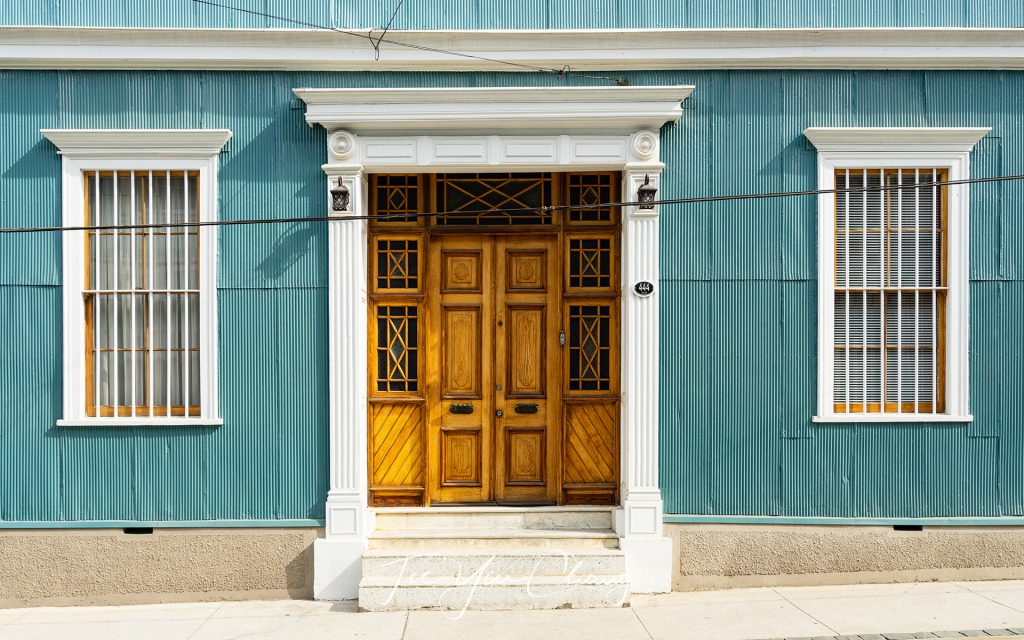
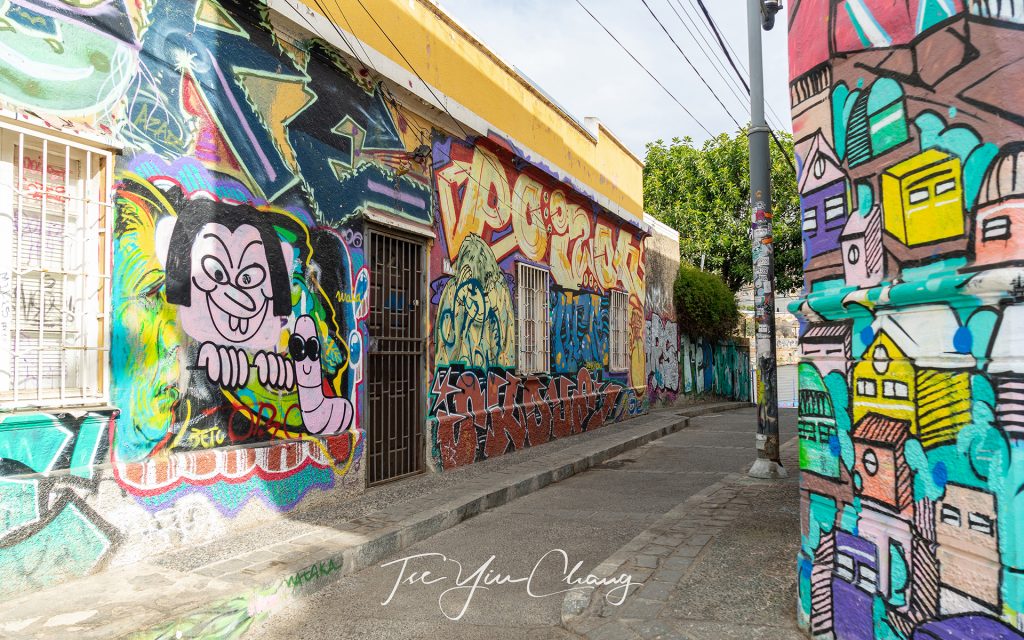
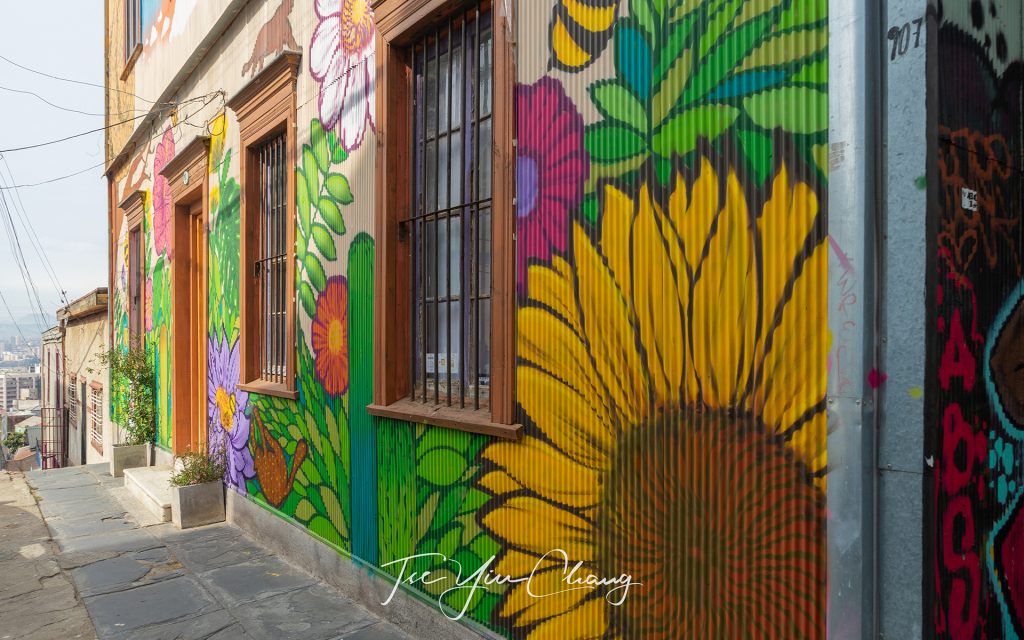
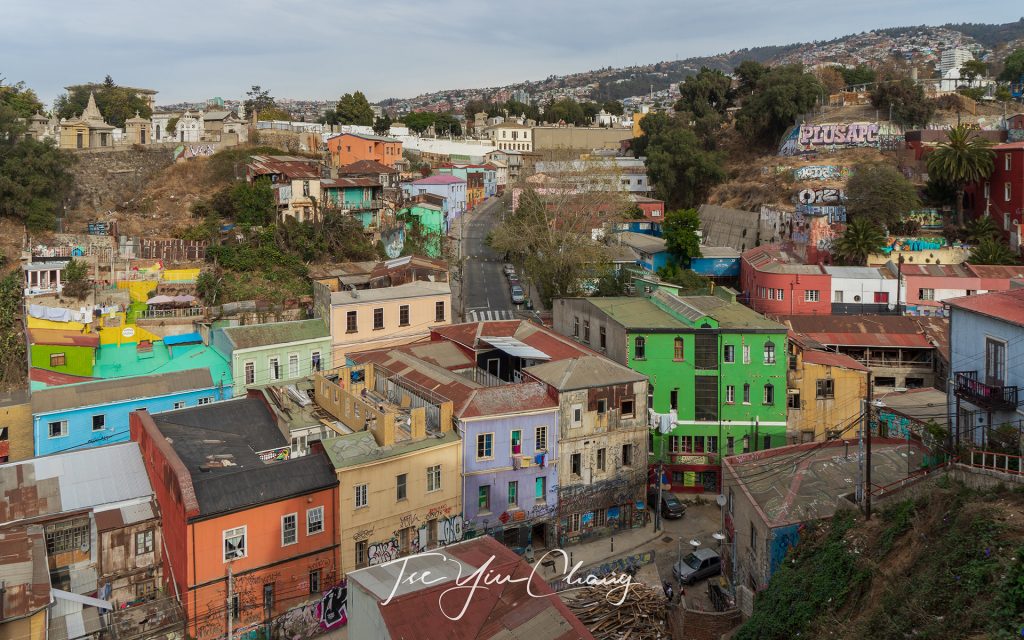
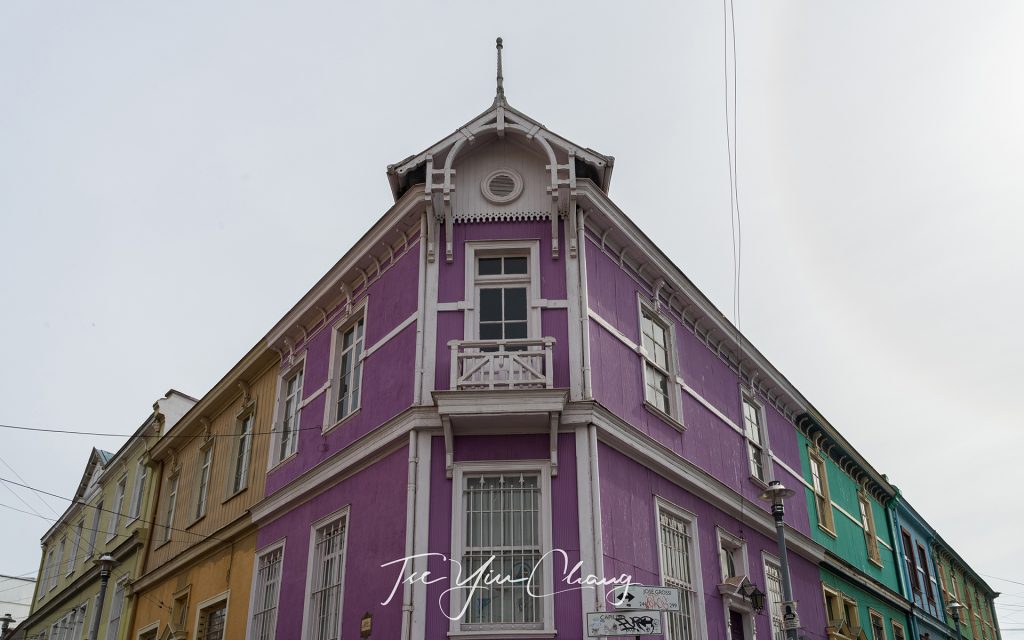
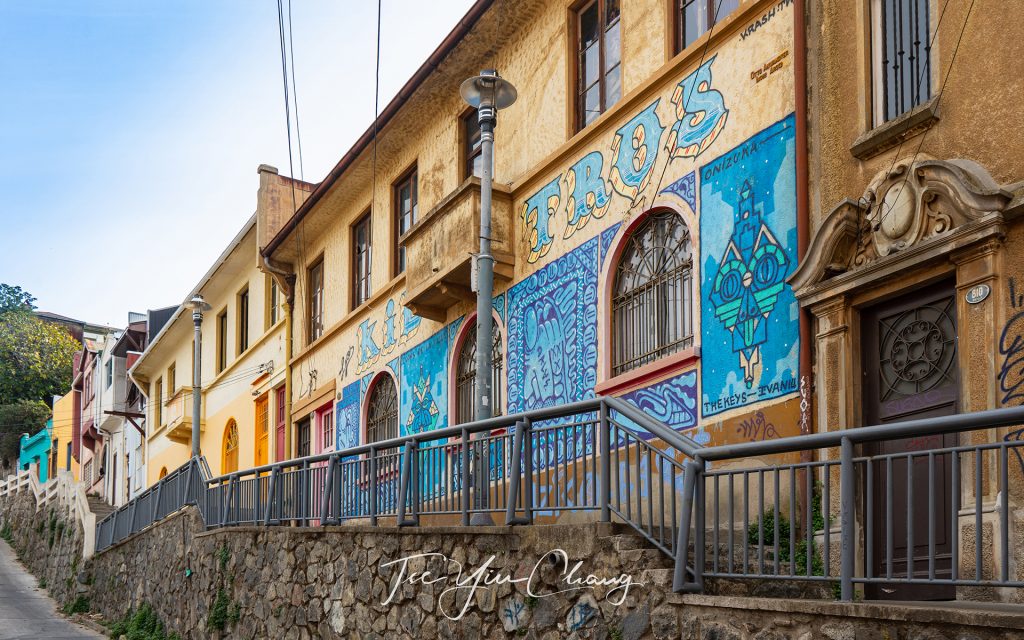
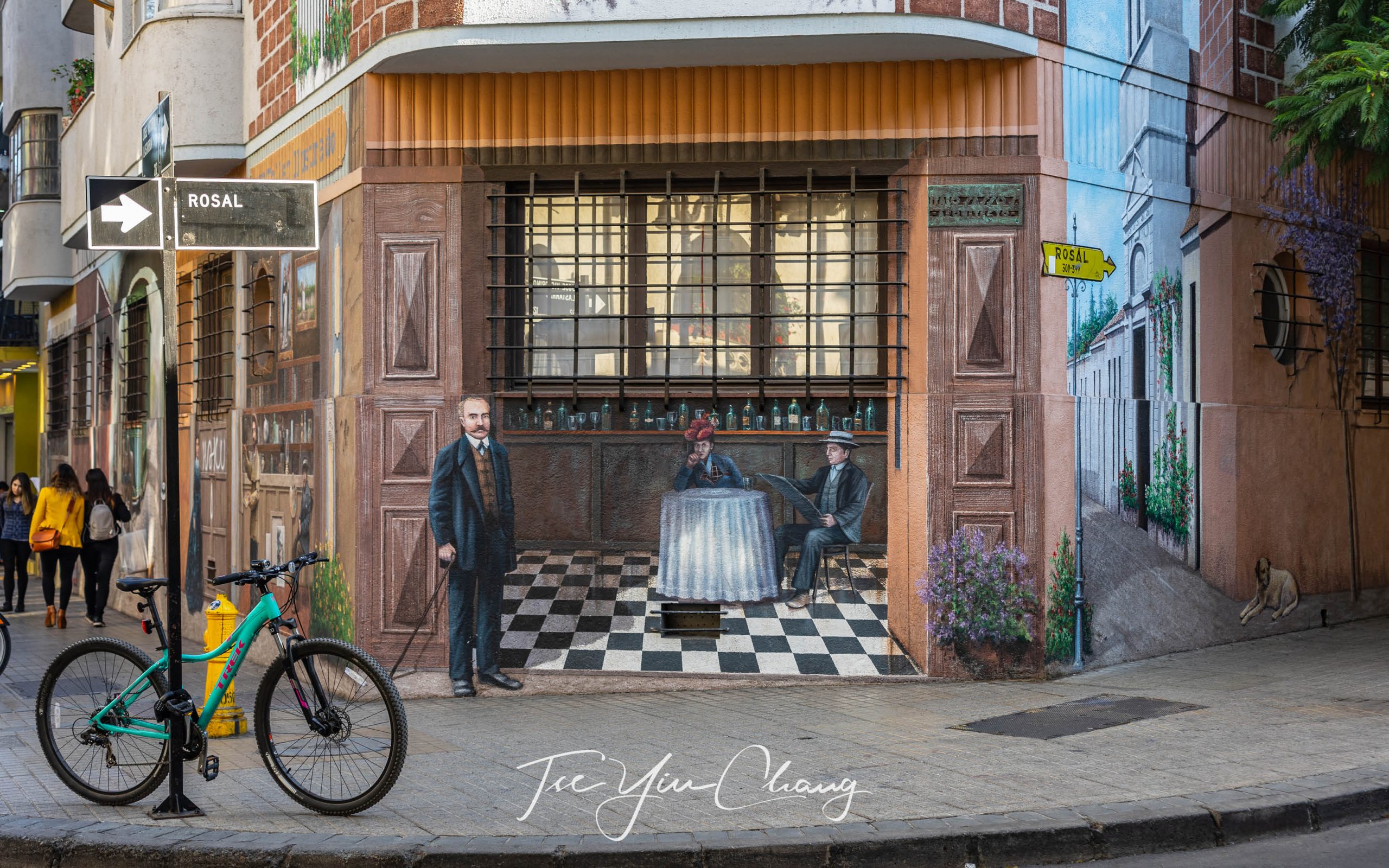
Valparaiso was and still is Santiago’s port. Much of the goods that have entered and exited Chile since its settlement have come through the port city, and so you might expect the city to have a gritty, functional feel to it. However, the truth could not be more different. Valparaiso is one of South America’s artistic capitals, and colour is everywhere. From the elaborate street art which adorns many of its walls, to the simple fact that a large proportion of its buildings are painted bright green, blue and red, a similar Bohemian character to that found in Lastarria back in Santiago permeates the city. Its crazy colourful architecture is quite a sight to behold.

Elaborate street art adorns many of its walls

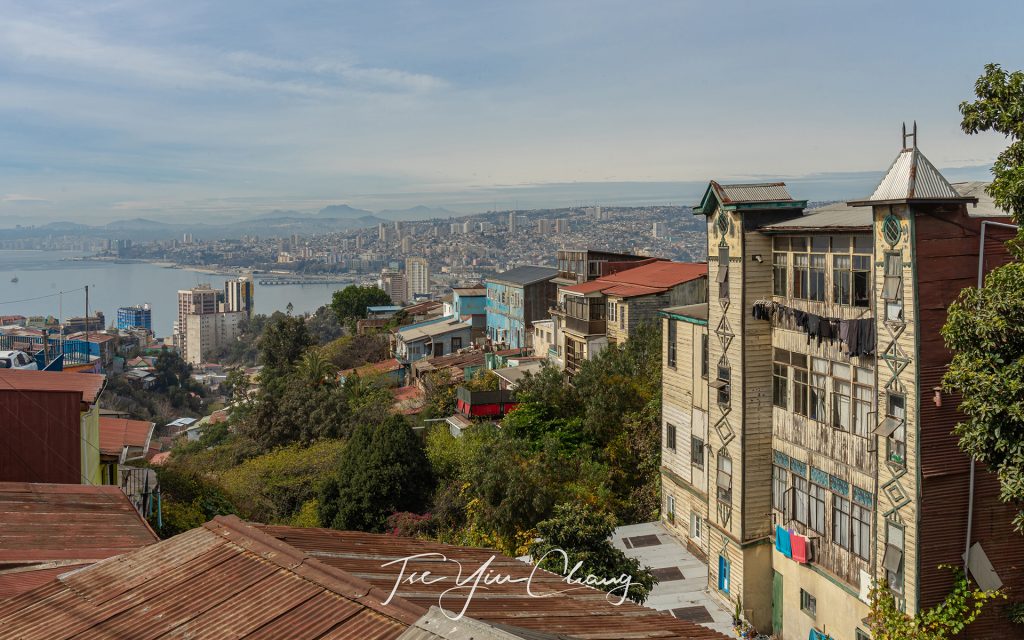
The city’s geography means that many of these colourful houses are perched on steep hillsides, making them extra visible and hard to miss. Its streets meander and wind up and around the slopes wherever the incline permits, adding to Valparaiso’s character. Many of these are impassable to public transport, so an inventive solution had to be found. Dating back to the 1880s, funiculars (a type of cable car) are used to ferry people up and down the hills, and today they are one of the city’s main attractions. There are sixteen in total, but not all are currently in use. Most of the funiculars (locals call them ascensors) were completed before the 1920s, but the last one opened in 1983. Despite advances in technology this antiquated form of transport is still one of the most useful in a place like this.

Valparaiso is one of South America's artistic capitals
Valparaiso is one of South America’s artistic capitals

We concluded our Valparaiso tour with a trip to the port. In a city with little flat building space, things have to be put wherever there is space. Given the importance the docks have had in the city’s history it is fitting that the port is still right in the heart of things. People driving into the city to shop or to take their children to school share Valparaiso’s main thoroughfares with trucks carrying wine, fish and metals to be shipped across the world.

Its streets meander and wind up and around the slopes wherever the incline permits

It’s down in the docks where Valparaiso starts to make sense. Many of the world’s port cities are functional places, and when you think of dockworkers you probably don’t imagine a group of people with an appreciation for art and avant-garde culture. Valparaiso’s culture however, as creative as it is, is a working class one. It is authentic, energetic and not at all pretentious. Which is probably why the city is so likeable.

Valparaiso was and still is Santiago's port
Valparaiso was and still is Santiago’s port

While the port is still busy, it lost some of its importance after the opening of the Panama Canal in 1914. Before this ships had been forced to make their way round the bottom of South America and would stop here en route. The resulting downturn in fortunes caused some decline. But when the artists moved in to revitalise the city they didn’t replace the culture, they enhanced it.

Large proportions of its buildings are painted in bright colours, a similar Bohemian character to that found in Lastarria in Santiago

Time always flies when you are having fun, and even though we made the most of our short day trip, more time in Valparaiso would not have been wasted. There is enough to see to keep you occupied for several days. So for anyone travelling for an extended time, it would be a good place to stop for a while to explore more thoroughly.

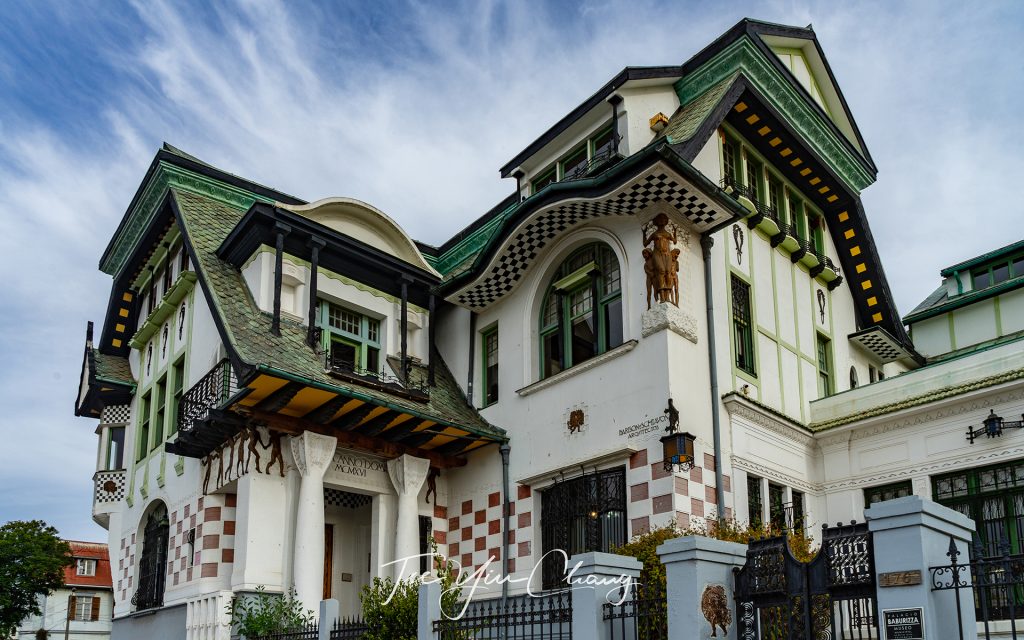
Palacio Baburizza museum's art gallery has a large collection of European and Chilean works - dated between 1800 and 1990
Palacio Baburizza museum’s art gallery has a large collection of European and Chilean works – dated between 1800 and 1990

As the evening approached we left Valparaiso and made our way back through the valleys to Santiago. We were slightly disappointed that we didn’t have enough time to explore its upmarket sister city Viña del Mar, just fifteen minutes up the coast. None the less we left with wonderful memories of this unique and colourful World Heritage city.

Valparaiso is built on steep hillsides

See also:

  • Santiago: a cosmopolitan city surrounded by the snow-capped Andes
  • A journey through the picturesque Andes by rail
  • Exploring the capital of the Inca Empire – Cusco
  • Machu Picchu – a 15th century Inca citadel
  • Sacred Valley – the gateway to Machu Picchu
The winery was a transquil and picturesque place to spend the morning
Valparaiso at a glance
The city's crazy colourful architecture is quite a sight to behold
The city’s crazy colourful architecture is quite a sight to behold
Valpariaso is a very colourful city
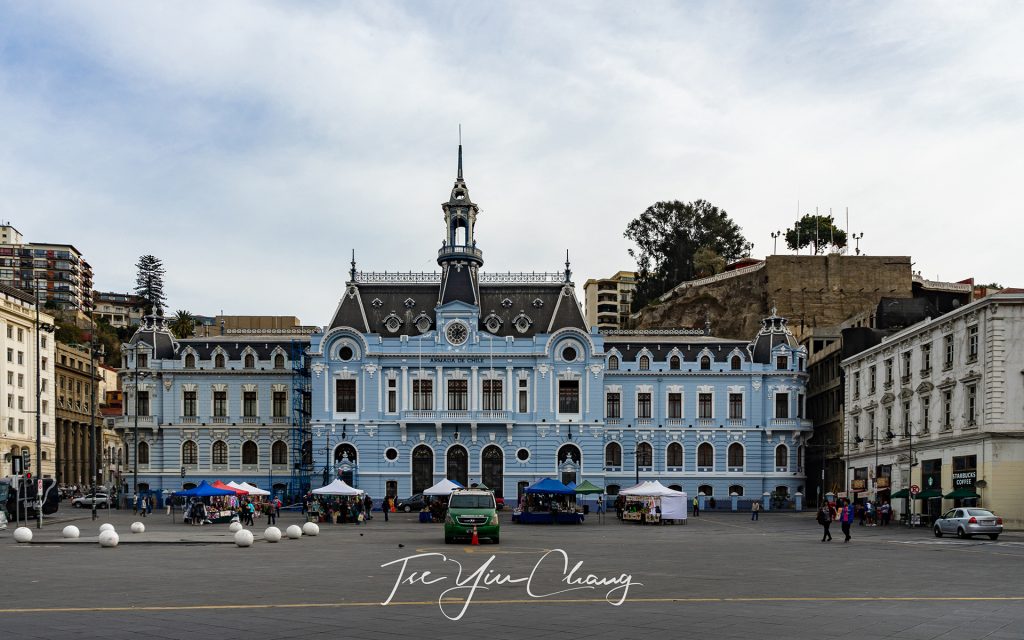
The Chilean Navy headquarter

Filed Under: Blog, Photography, Portfolio, Travel Tagged With: andes, chile, landscape, latin america, photography, south america, travel, valparaiso

Santiago: a cosmopolitan city surrounded by the snow-capped Andes

26 May 2020 by tadgraphics

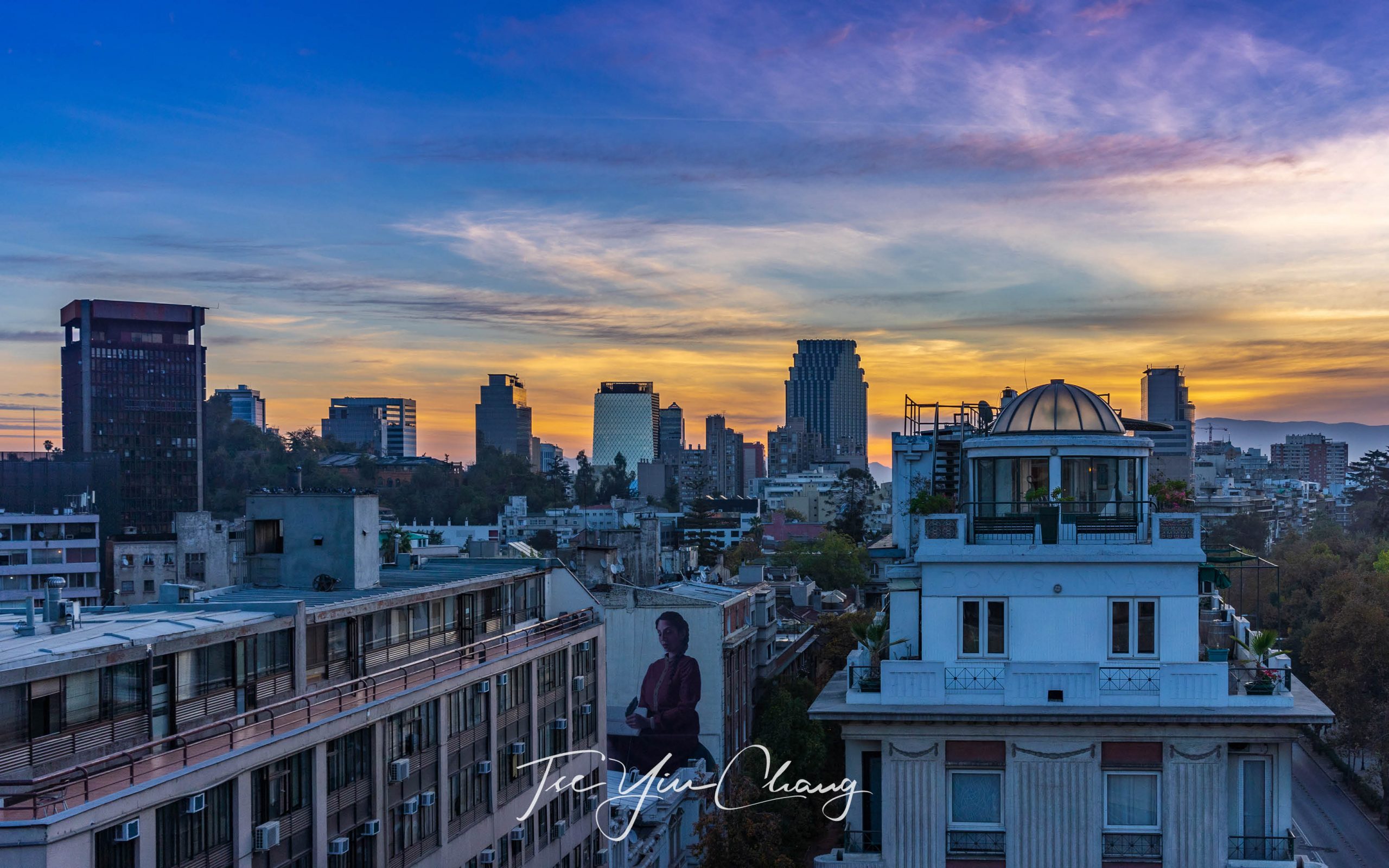
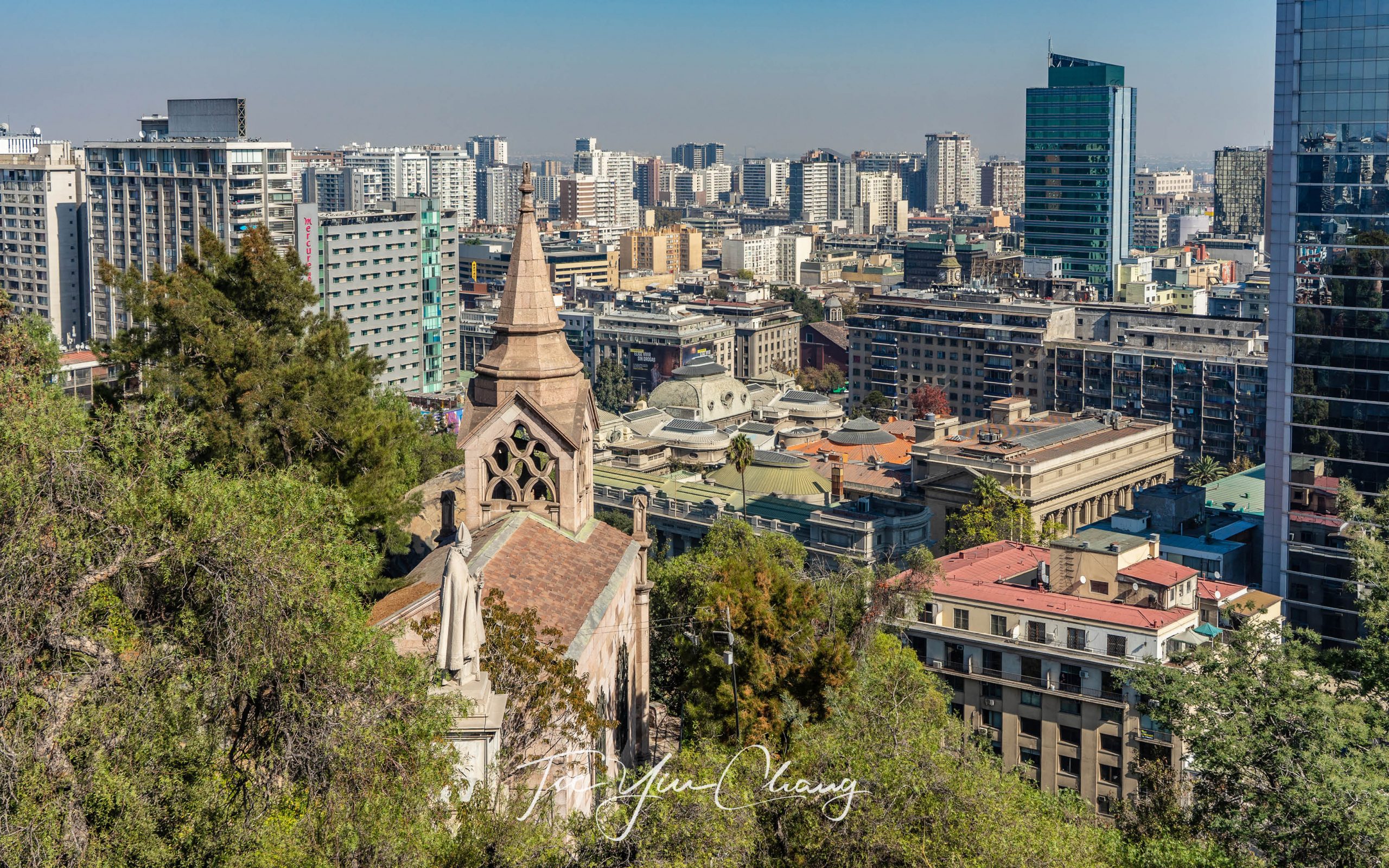
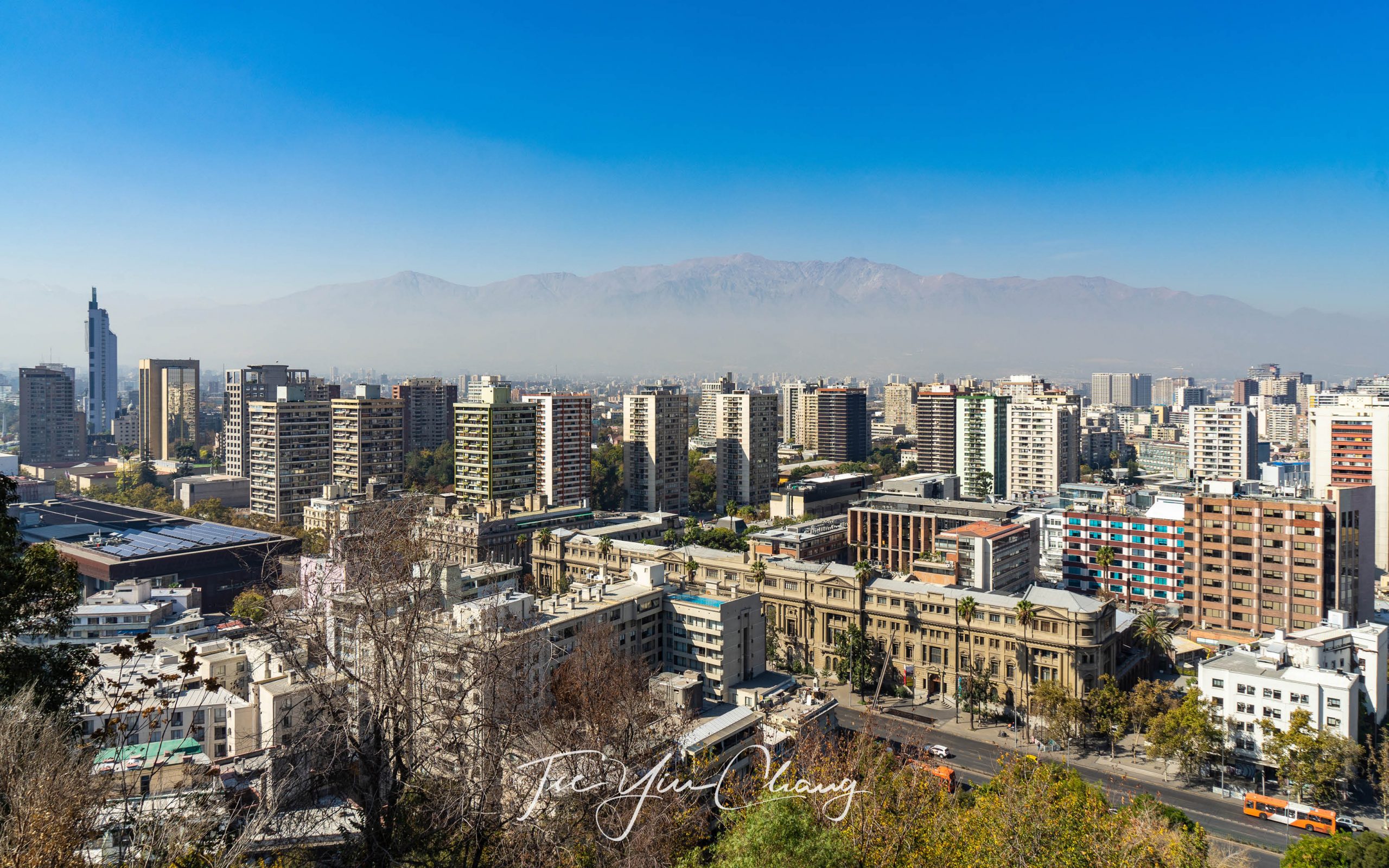
View of the vibrant, busy and modern Santiago from Cerro Santa Lucia

For travellers looking for an exciting South American adventure, Chile’s capital city has become a very popular destination in recent years. While Santiago has long since served as the gateway to the country for most visitors, its appealing cosmopolitan culture does a wonderful job of enticing tourists to stick around to see what this incredible city has to offer.
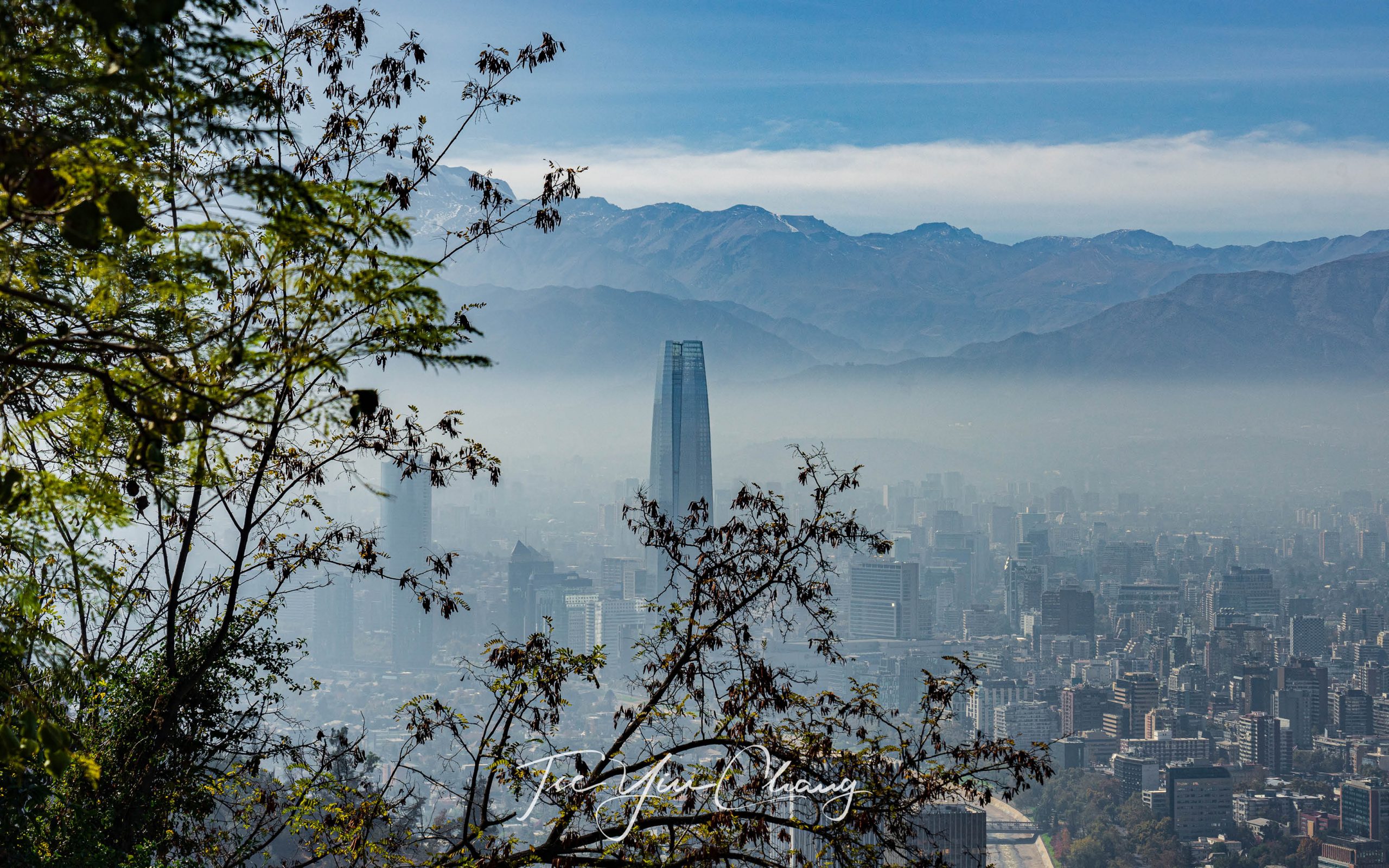
Santiago's newest attraction, the Gran Torre, a 62-story tall skyscrapper is Latin America's tallest building
Santiago’s newest attraction, the Gran Torre, a 62-story tall skyscrapper is Latin America’s tallest building

As one of South America’s top tourist spots, Santiago is well deserving of its time under the spotlight. After all, what South America has to offer goes way beyond the hype of iconic cities like Argentina’s Buenos Aires or Brazil’s Rio de Janeiro. If you’re visiting South America for the very first time, Chile is the perfect stop off if you’re looking for an introduction to the culture and chaos the country is beloved for.
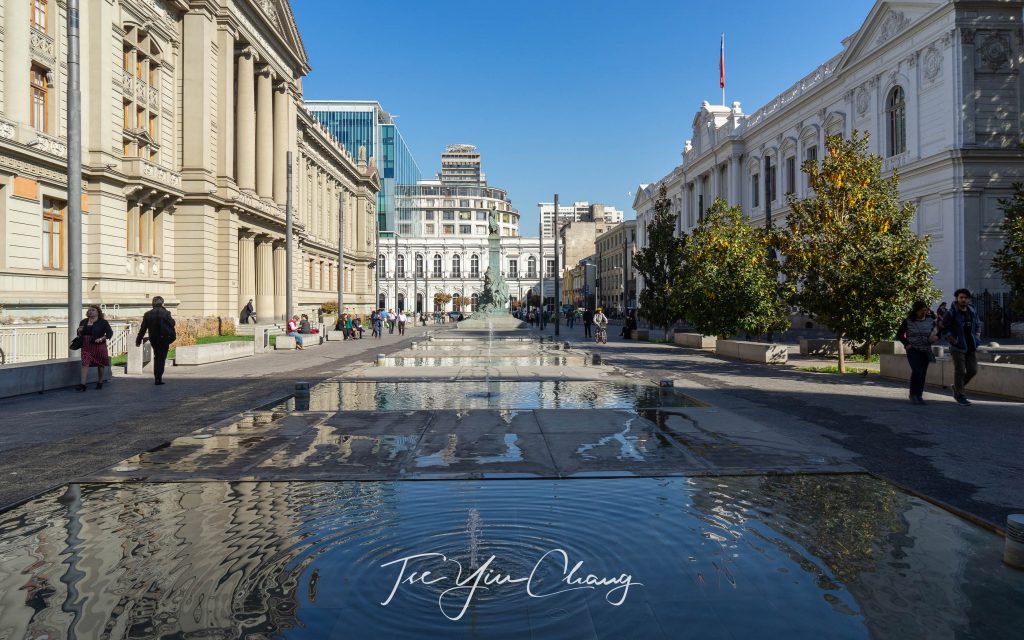
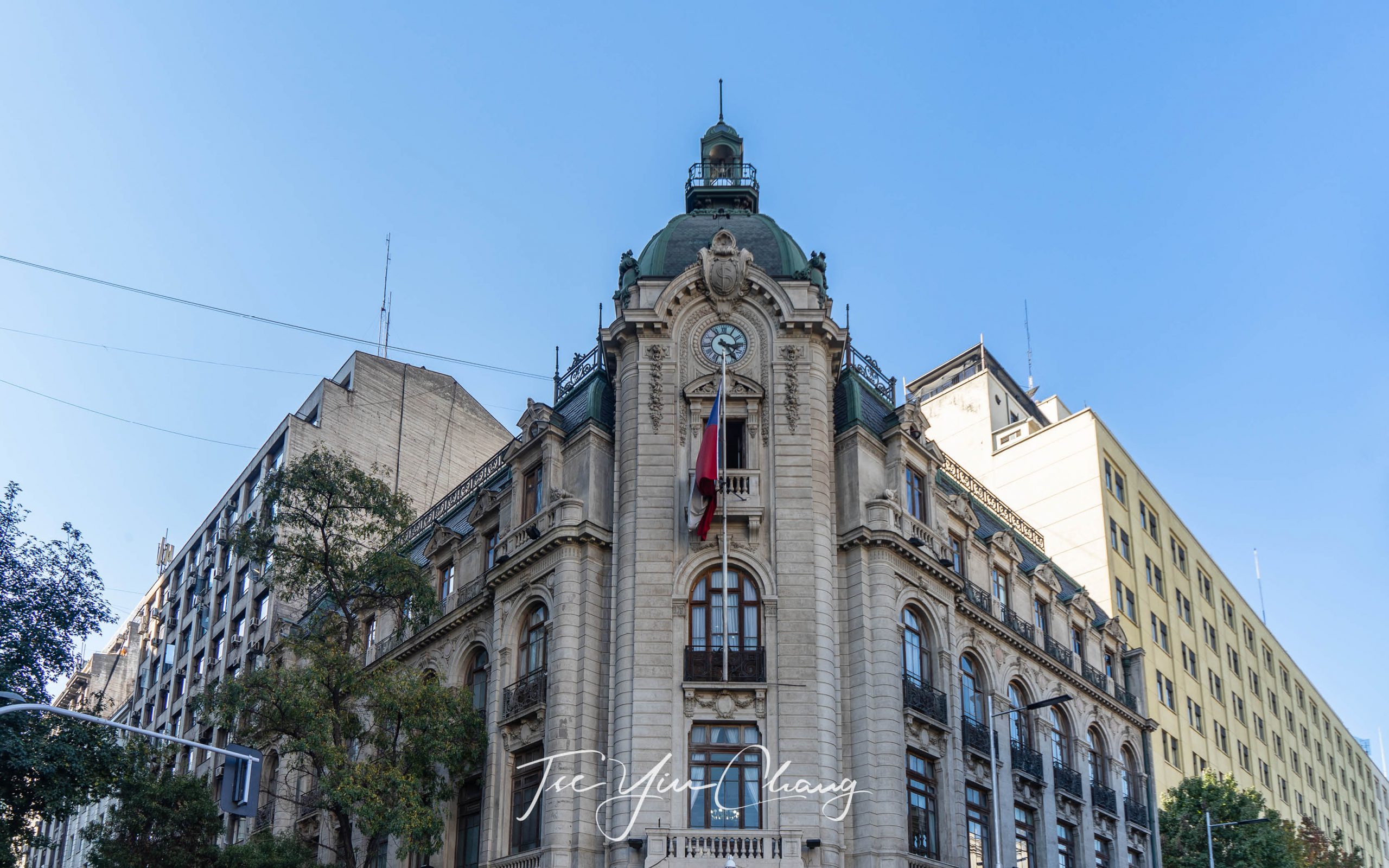
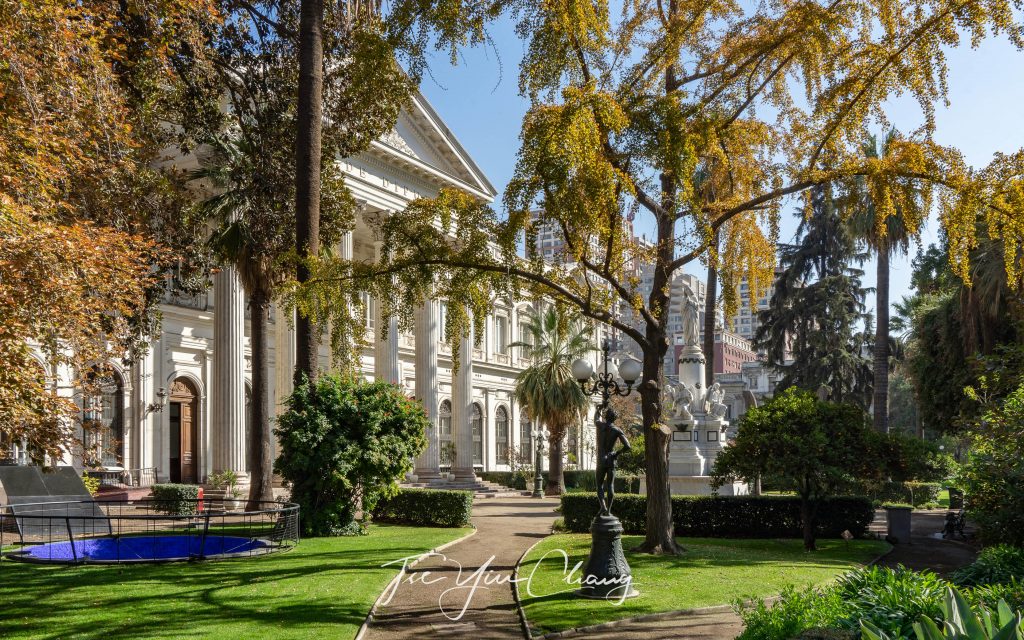
The Former National Congress Building are fine examples of the neo-classical architecture

When researching things to see and do in Chile prior to our trip, we were immediately struck by the natural geography of the country. As the fourth largest continent, South America is one of the world’s most unique shaped countries. The bottom half of South America is shaped like a cone, with the mighty Andes mountain range running down one side of the continent. Cut off from the rest of the continent by these mountains and the deserts to the north, is Chile. Over four thousand kilometres long but less than two hundred across at its widest point, the country makes the most of the limited area between the Andean slopes and the Pacific Ocean.
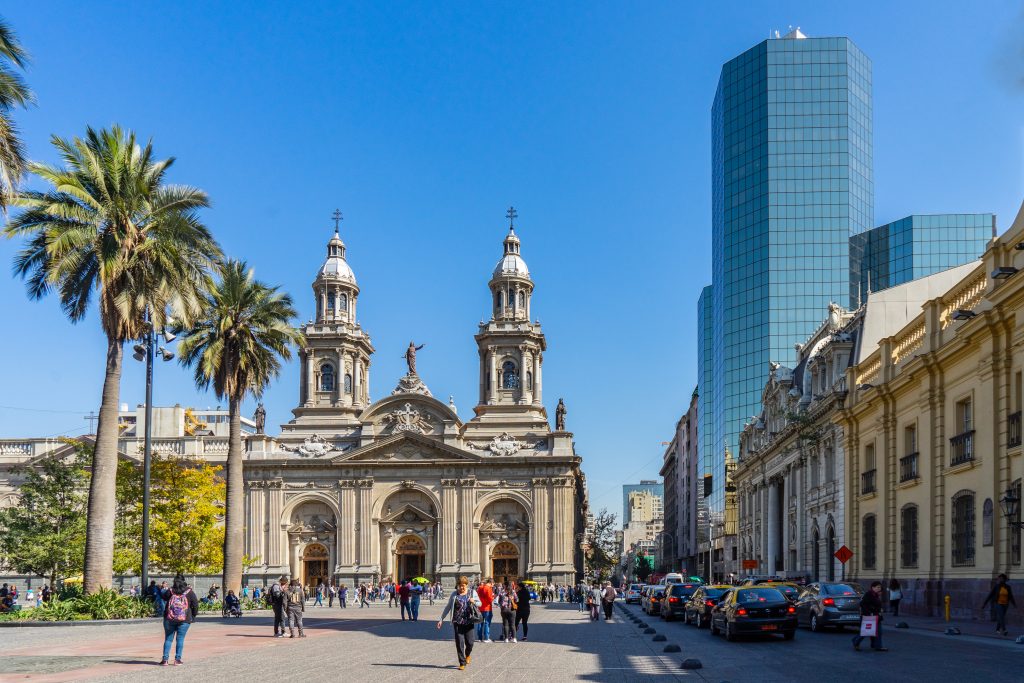
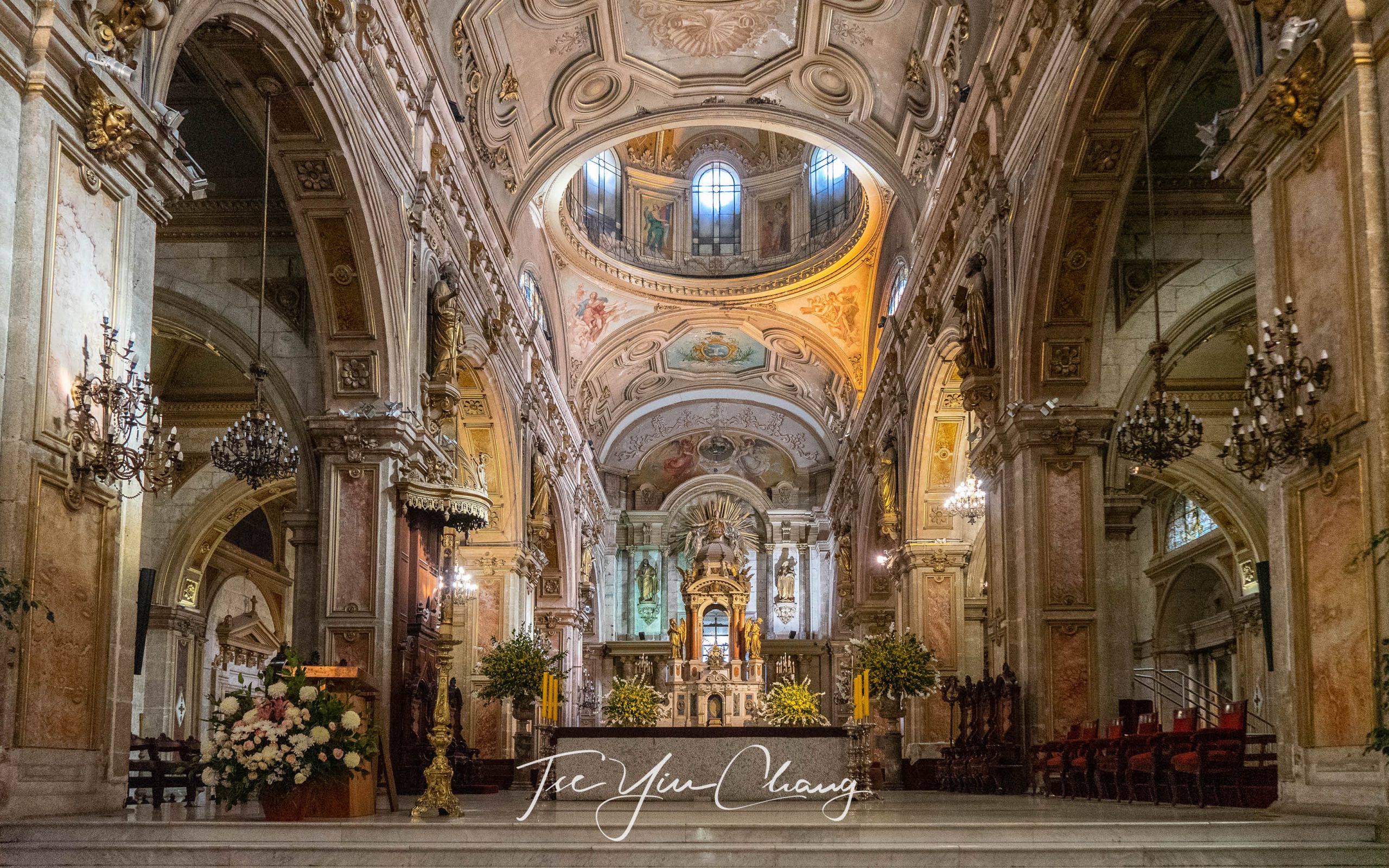
The neo-classical Santiago Metropolitan Cathedral was built in the 1700s

You might expect this hidden corner of an already remote continent to be a forgotten and parochial place. Yet this far-away land is home to a surprisingly cosmopolitan city. A vibrant, busy and modern metropolis, Santiago has established itself as somewhere worth going out of your way to see. From spectacular scenery and colonial old town charm, to world class restaurants and bohemian nightlife, Santiago has something for everyone.

Santiago Metropolitan Cathedral, Plaza de Armas

Santiago was just one stop on our South American tour. But it was one of the highlights of the entire trip. We had been in Cusco absorbing Peru’s Inca legacy, before we flew in to the city after making our way from Lima. With an all too short stop off in Santiago, we had a lot to fit in. Often the best way to experience what a city has to offer is by hiring a local tour guide. Our guide, Hugo, picked us up from the airport and took us straight to the hotel which was to be our Santiago base. We met Hugo the next morning, excited and eager to explore the city and get a taste of some of Santiago’s highlights.

Neo-classical architecture was popular in Chile in the 1800s

Things to see and do in Santiago

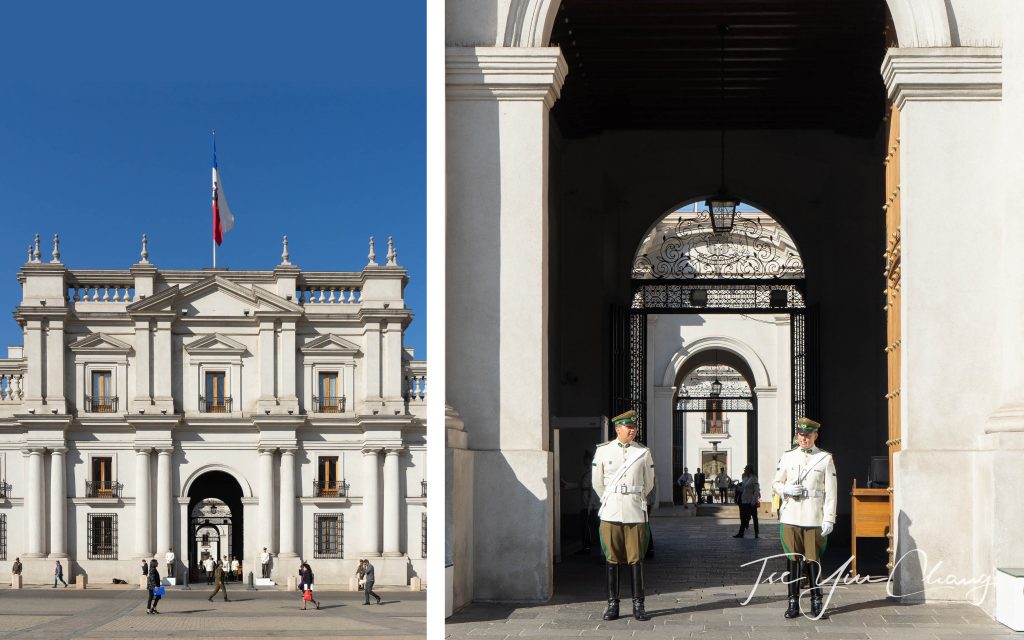
The first stop of our tour was the Plaza de Armas. All of Latin America’s colonial cities were built around a grand central square and Santiago is no different. It has the stately colonial buildings, the statues and fountains, but the trees that dominate the square give it a more tranquil feel than many other South American cities. A few blocks away is the La Moneda Presidential Palace and getting there involved walking through the old streets of the city centre, past the former national congress building. Both the congress and the palace are fine examples of the neo-classical architecture that was popular in Chile in the 1800s, and Hugo regaled us with their history as we walked.

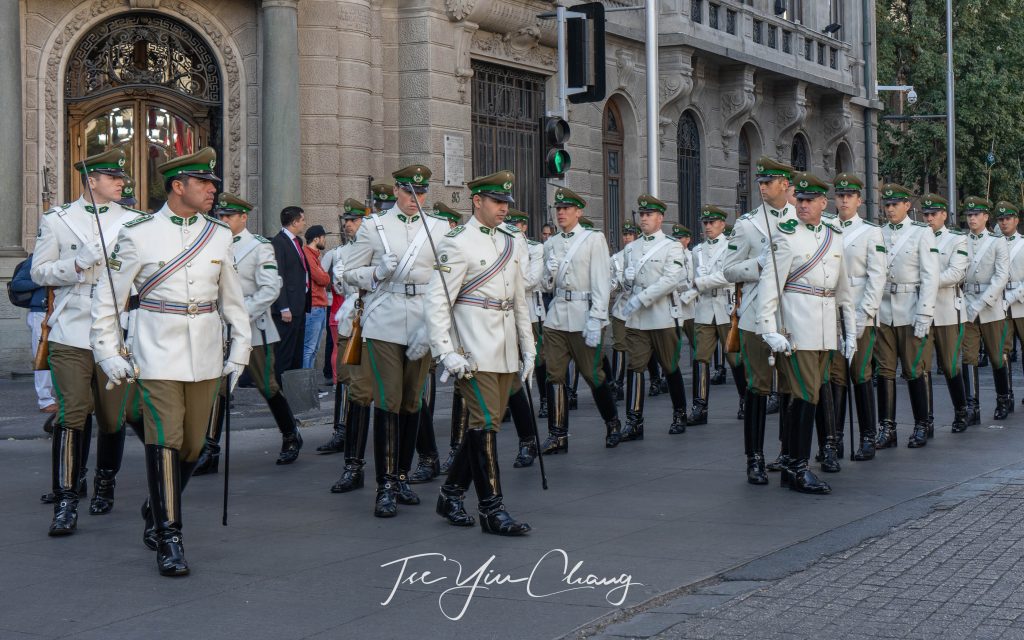
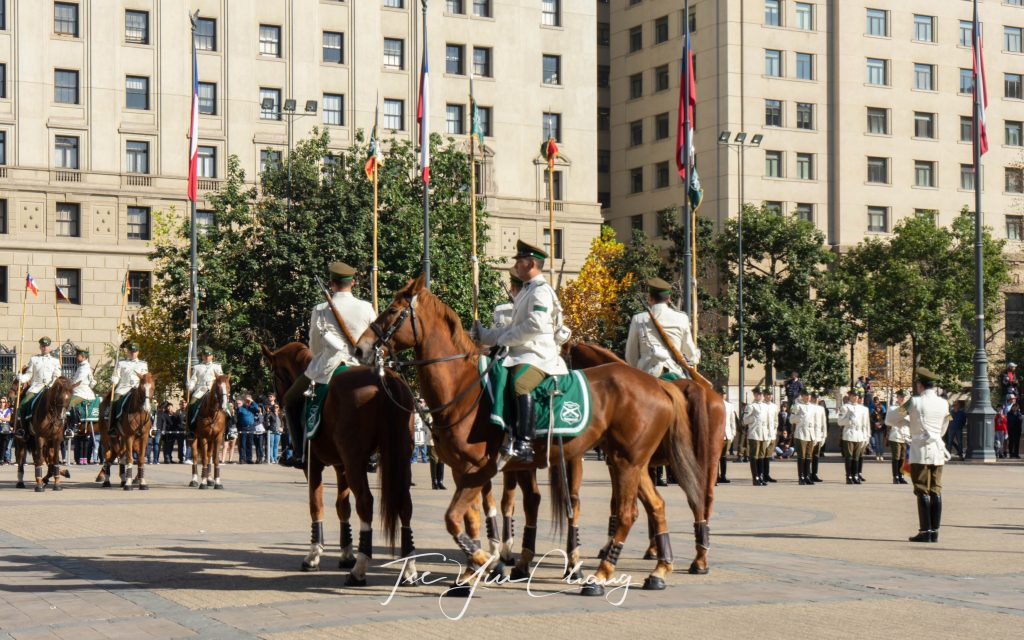
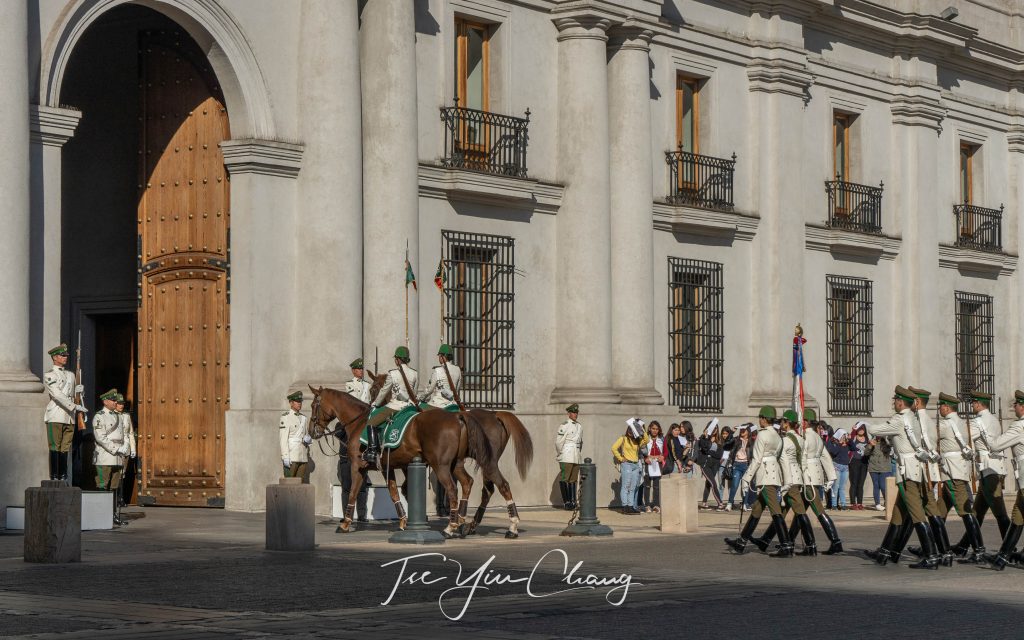
La Moneda Changing of the Guard Ceremony
La Moneda Changing of the Guard Ceremony occurs every 48 hours

In front of the La Moneda Palace is another beautiful plaza, complete with fountains and fourteen large Chilean flags. It was busy when we arrived as the changing of the guard ceremony was about to take place. We watched as the new guards came in to replace the old, marvelling as they marched in unison. Similar events take place outside most palaces in Europe, and have become must see tourist attractions for visitors lucky enough to witness such a spectacle. But this one was livelier than most thanks to the brass band which provided an energetic soundtrack to the fascinating ritual.

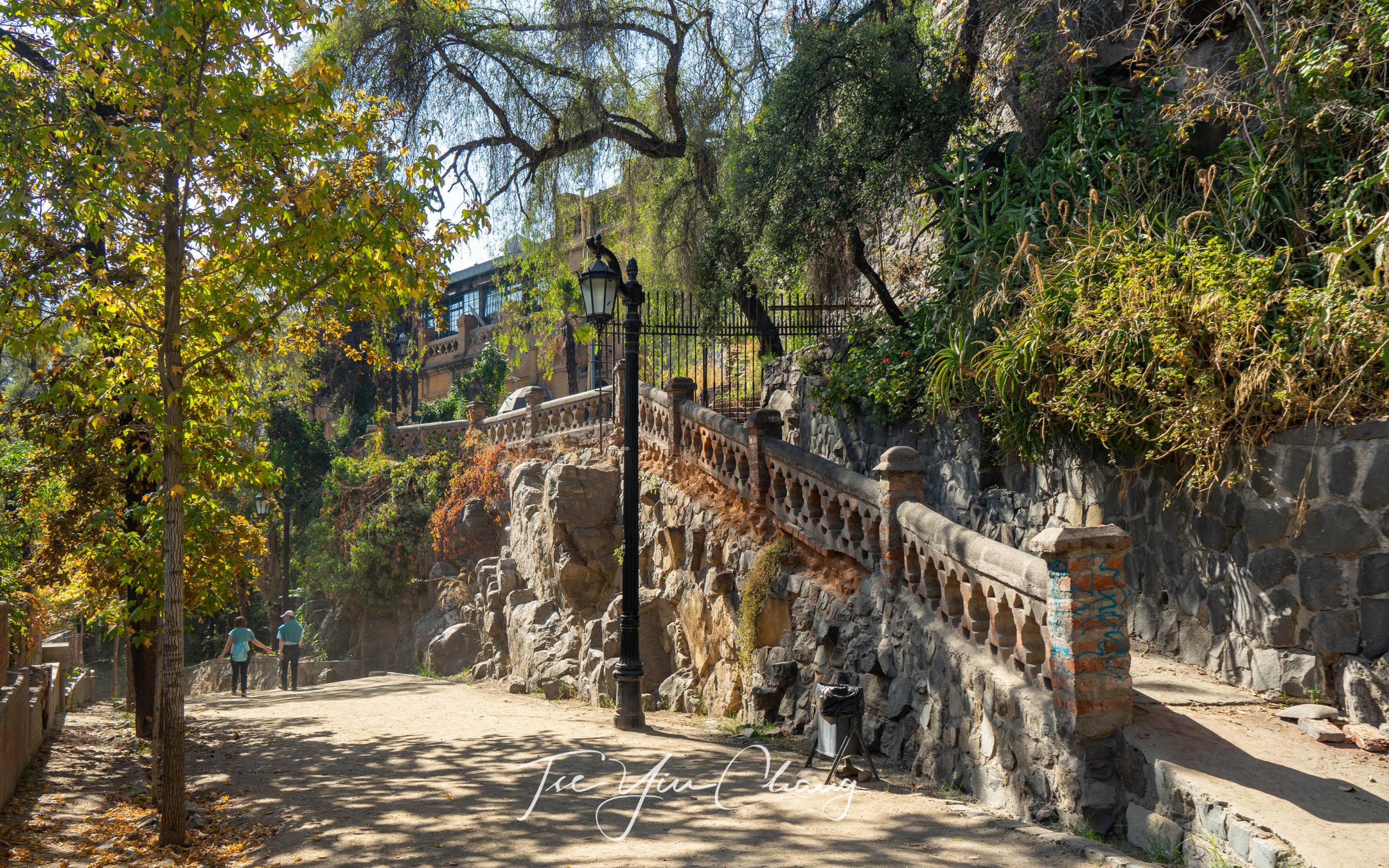
Cerro Santa Lucia is converted to a park and home to several ornate monuments

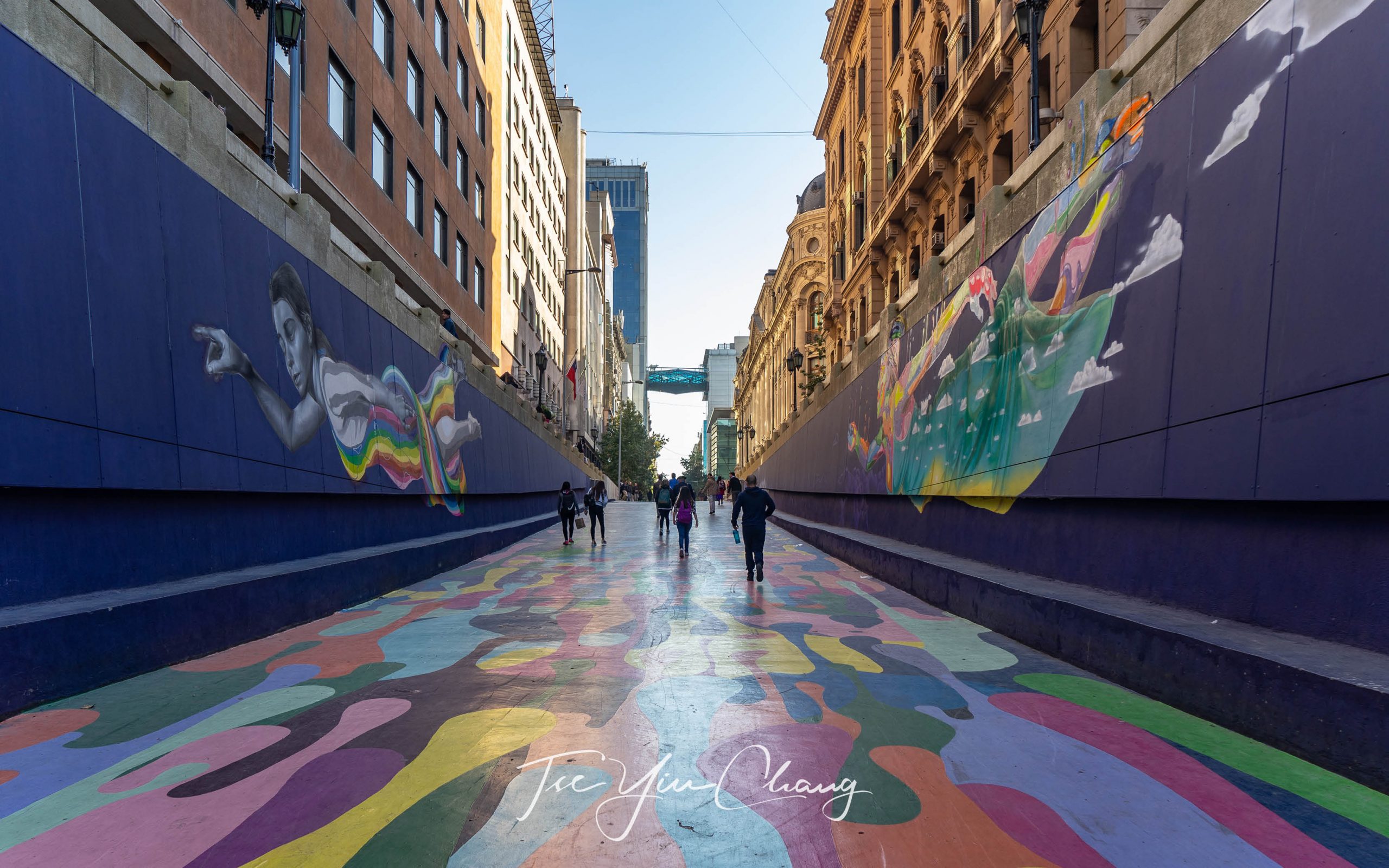
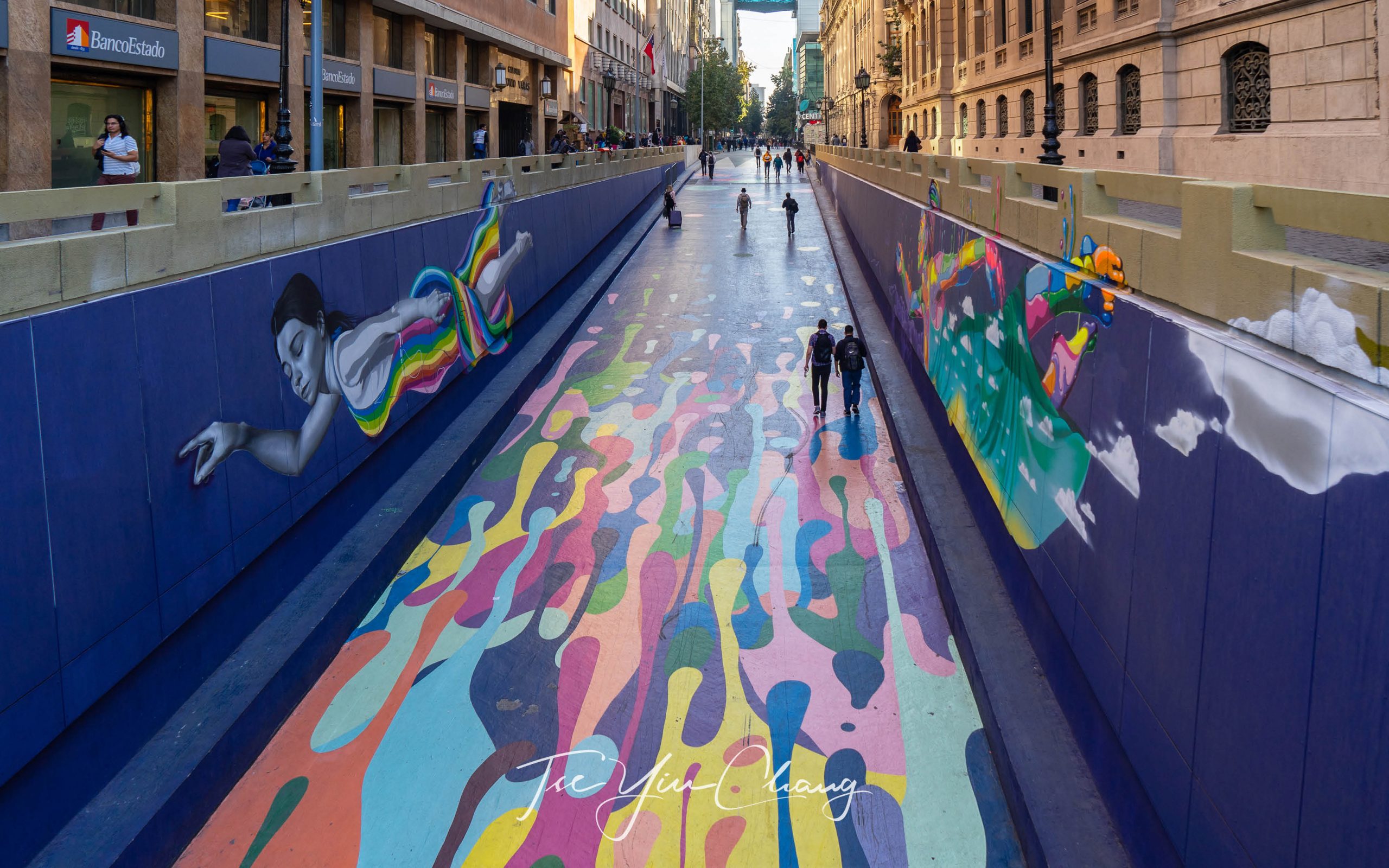
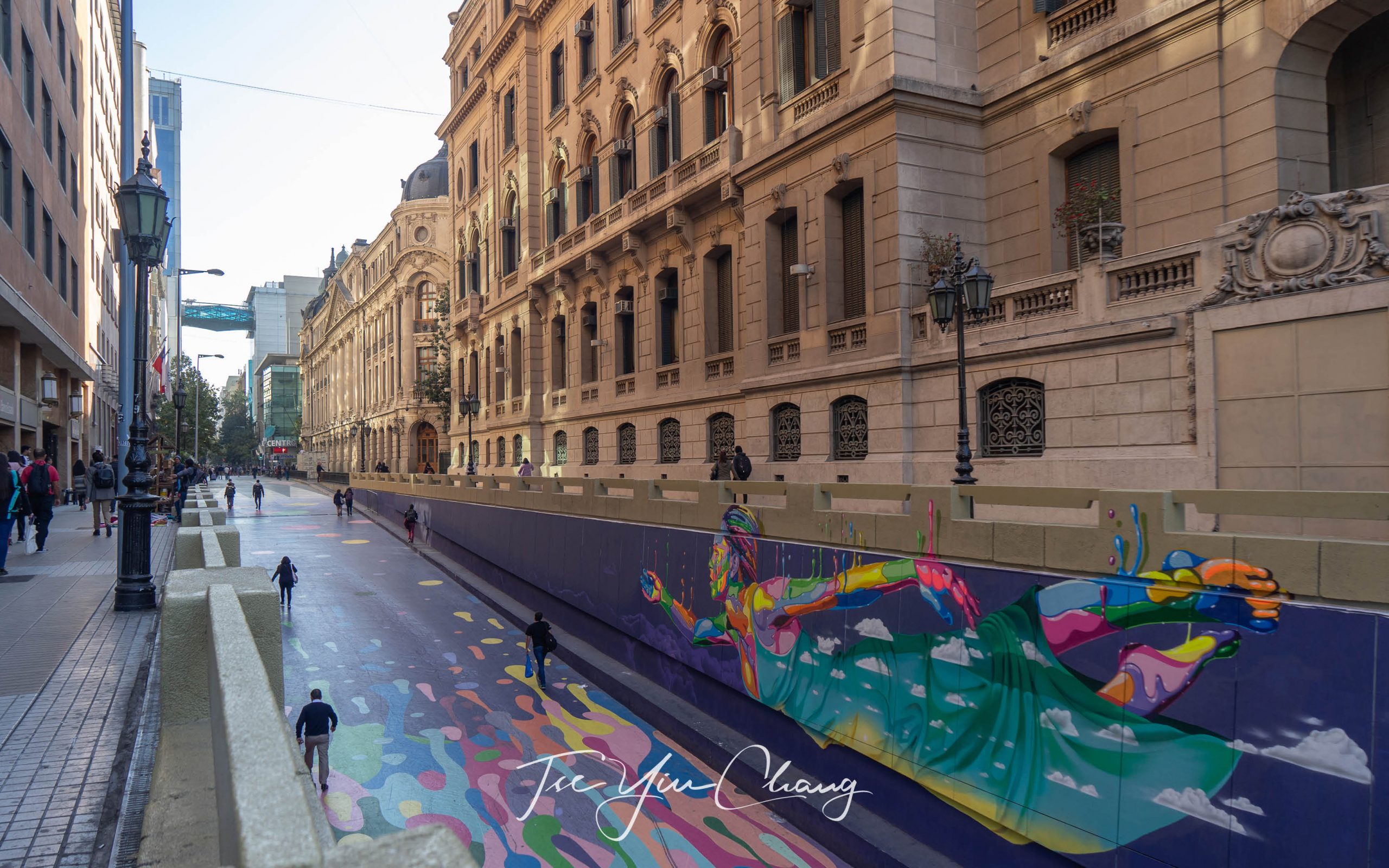
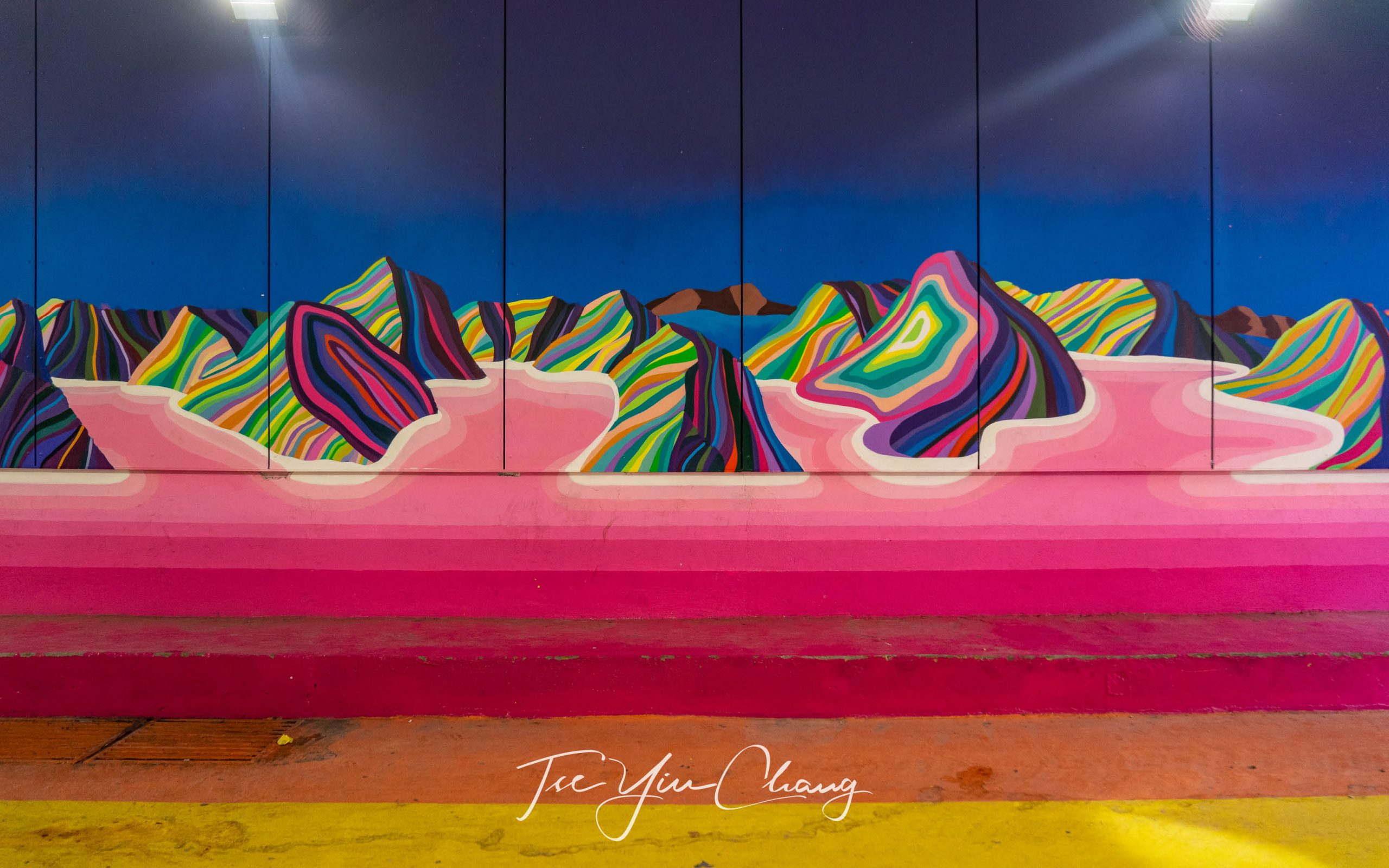
Next it was on to Cerro Santa Lucia, a small hill which interrupts the glass towers and historic buildings of the city centre. Converted into a park, it is home to several ornate monuments including a castle, the dramatic fountain of Neptune, and various statues commemorating aspects of Chile’s past. From here we moved on to Bandera Street to see one of Santiago’s most colourful attractions. What had previously been a busy thoroughfare has been pedestrianised, and a 10,000-square meter piece of artwork had been installed along the ground. Bright colourful patterns swirl beneath your feet as you walk, making this a perfect example of the city’s quirky character.

Bandera Street is one of Santiago’s most colourful attractions

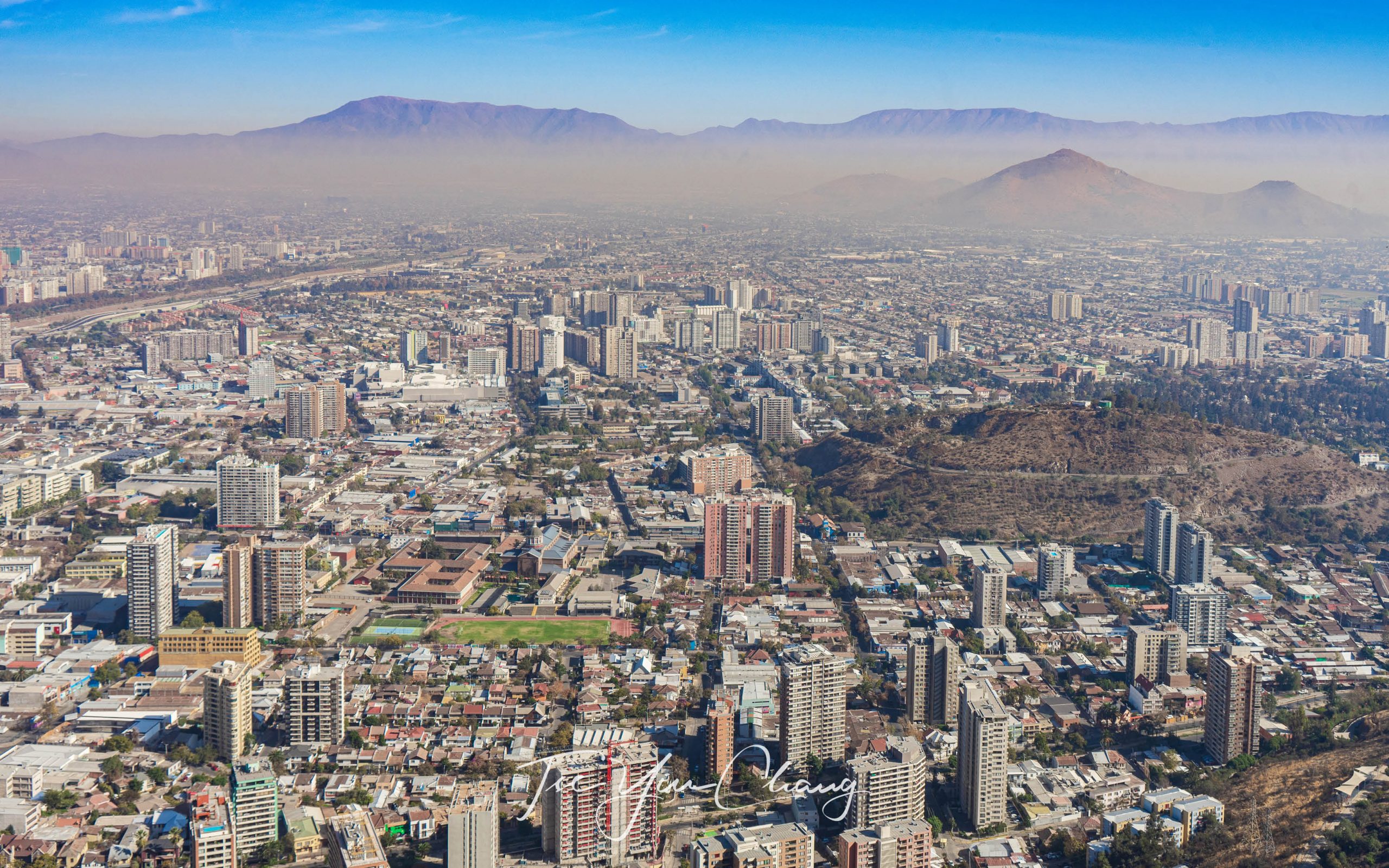
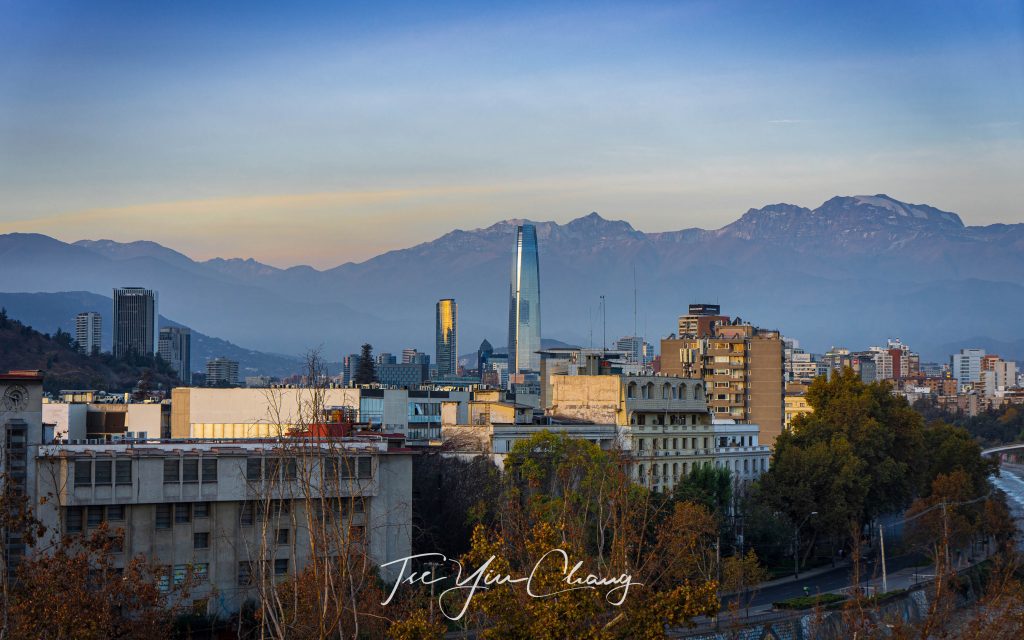
Finally, Hugo took us to see one of Santiago’s newest attractions, the Gran Torre, a 62-story tall skyscraper. At 300 meters, it is currently Latin America’s tallest building. Completed in 2012 it is part of a huge development which includes offices and a shopping centre. Gran Torre demonstrates the city’s impressive modern ambitions. The top two floors of the tower are open to the public, and they provide the best vista in the city for tourists looking for an impressive 360° view. Perhaps the most impressive thing about the view is the mountains which rise above even the tower and enclose Santiago on three sides.

The Bohemian neighbourhood, Barrio Lastarria, is a center for cultural activity

We still had half the day left, so after we said our goodbyes to Hugo, we took a walk around Barrio Lastarria. Our tour had provided us with an opportunity to experience the highlights of the city centre, but each of inner Santiago’s neighbourhoods has an interesting character of its own. Lastarria was originally an area where the city’s richer inhabitants made their homes. Among those residents were artists and musicians, who quickly filled its streets with art and culture. And they continue to do so today. A stroll through its streets will take you past countless galleries, markets and street performers.

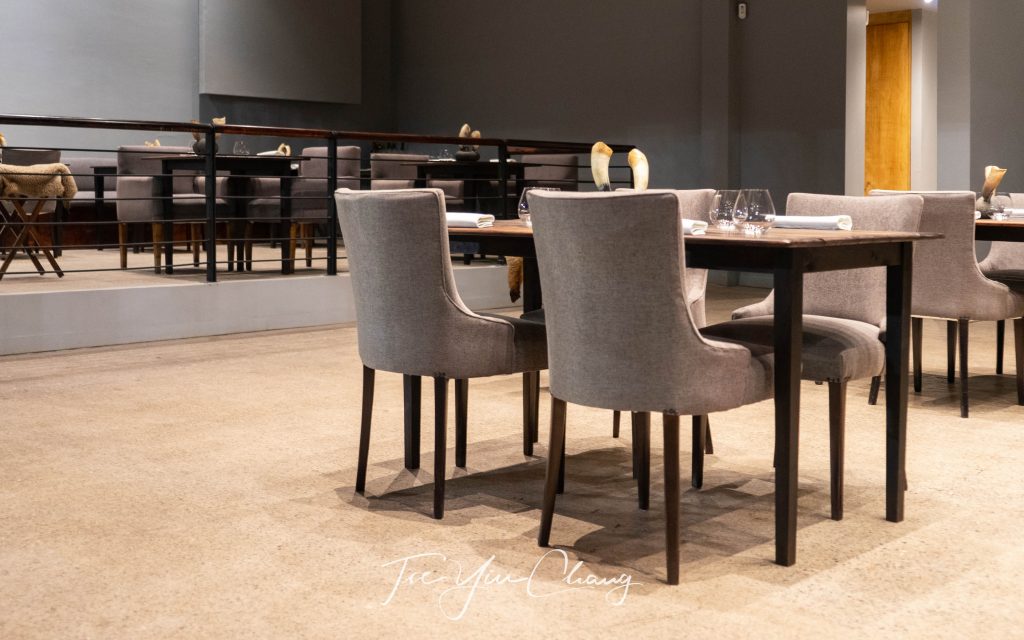
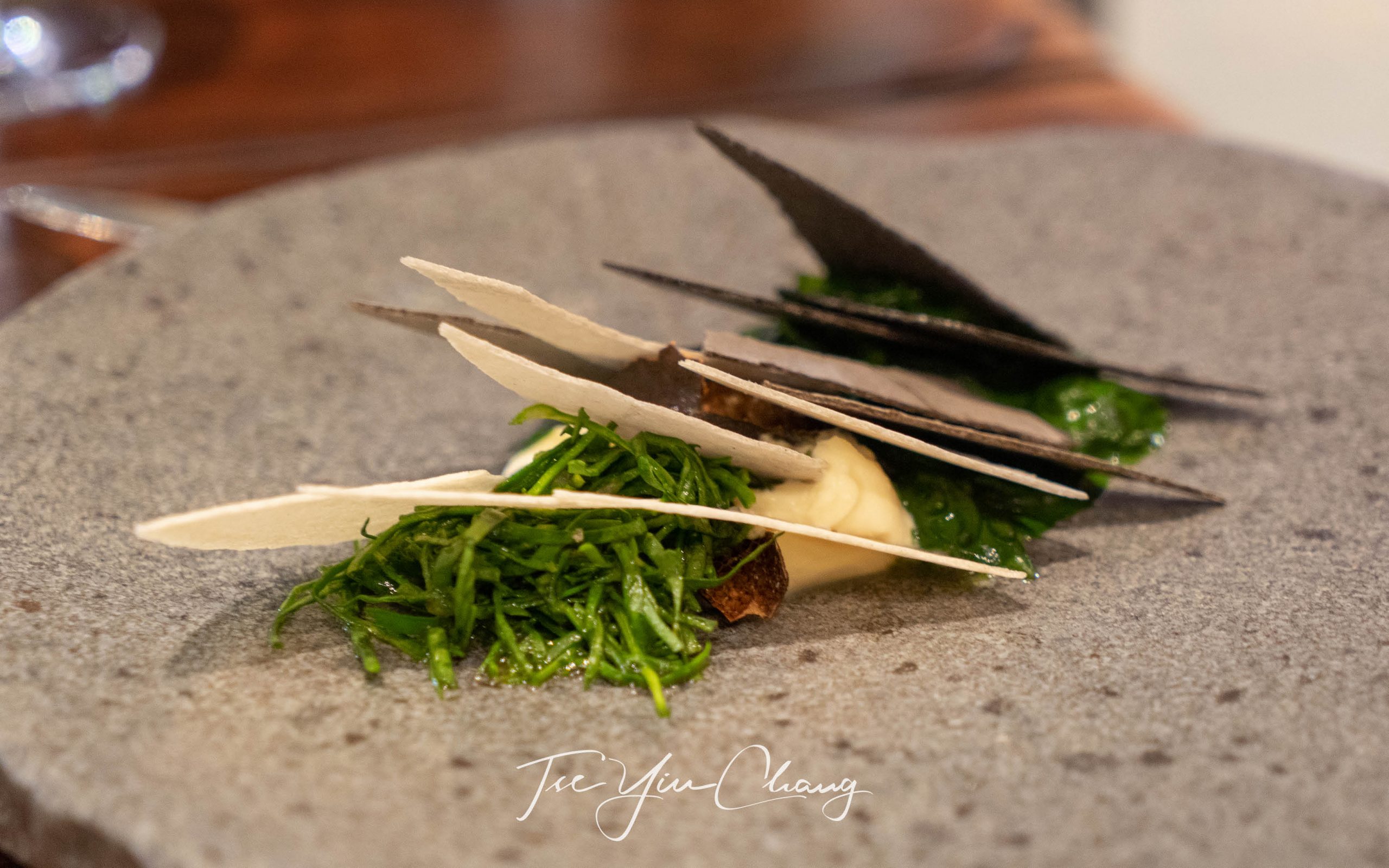
Boragó, a restaurant which came in at twenty-sixth in 2019 World 50 Best Restaurants list

Being big foodies, we were keen to sample some of the delicious culinary delights Santiago is well known for. And there was an abundance of restaurants in Lastarria that looked likely to have served us great food. But we had already made plans to dine in one of the city’s most popular eateries. On the edge of the city is Boragó, a restaurant which came in at twenty-sixth in 2019 World 50 Best Restaurants list. It has become famous in Chile (and beyond) for combining native ingredients with international fine dining trends. The end result is something pretty special, and this was the culinary highlight of our whole trip.

Luciano K is littered with fun decorative features

If Lastarria showcases the bohemian streak which runs through Santiago, Boragó illustrates that the city has a refined side to its character as well. Our hotel, to which we returned after dinner, managed to combine elements of both to create something memorable. Luciano K was built in the 1920s at the height of the art deco era, and when it was turned into a hotel the owners went to great lengths to retain the original features while also updating it to make it comfortable and luxurious. The hotel is littered with fun decorative features, but some of the most noticeable include the antique cage lift and the striking tiling which decorates much of the hotel.

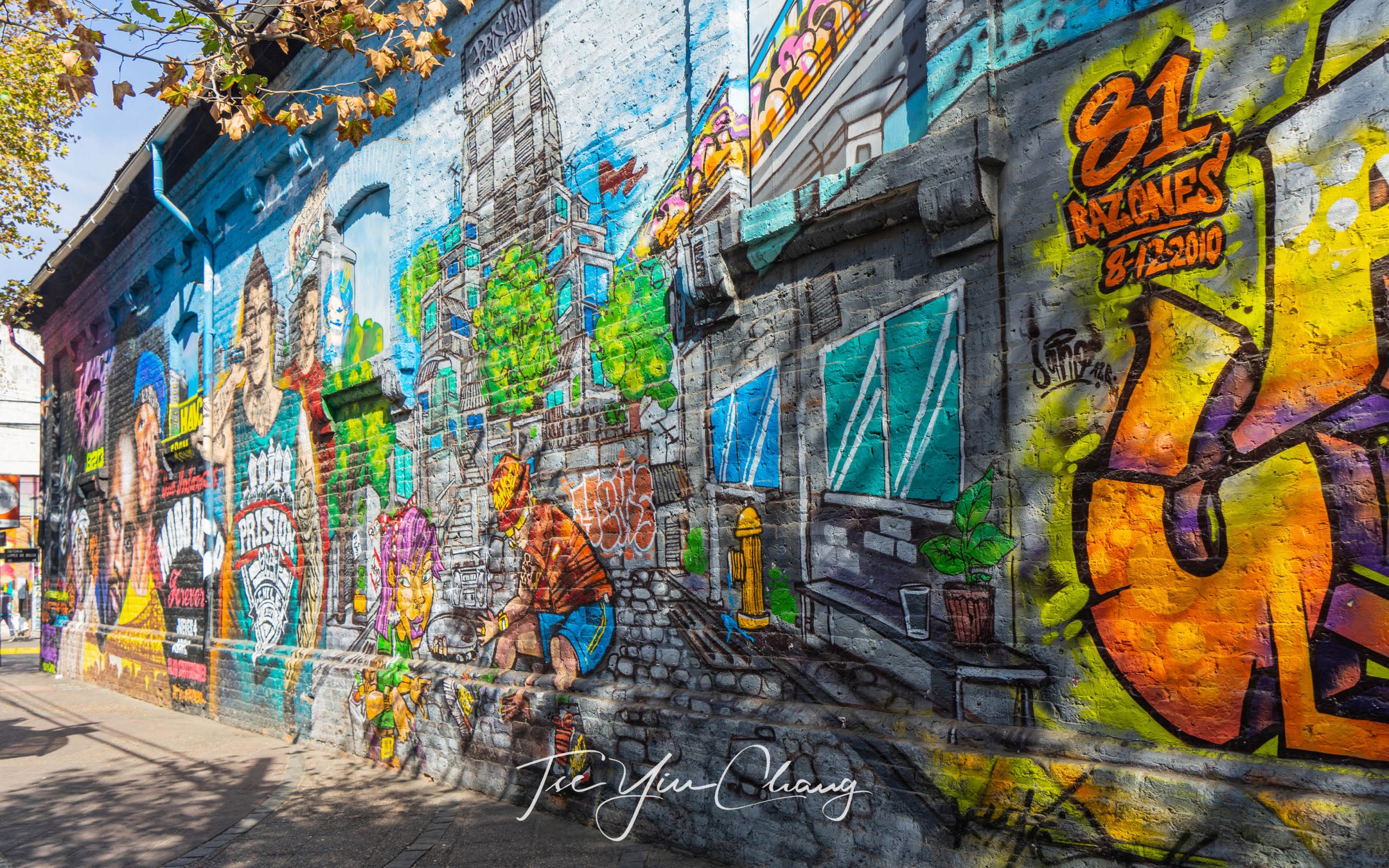
Elaborate street art adorns many of Bellavista’s walls

The next morning was spent taking in the attractions on the northern side of the Mapocho River. As Santiago expanded, the artistic haven that residents created in Lastarria grew too. It spilt over the river into the Bellavista neighbourhood where they created a vibrant café culture and painted their terraced townhouses in equally vibrant colours. This tradition remains in the elaborate street art which adorns many of Bellavista’s walls. It’s a great place to wander around for a few hours, but there is another reason for visiting.

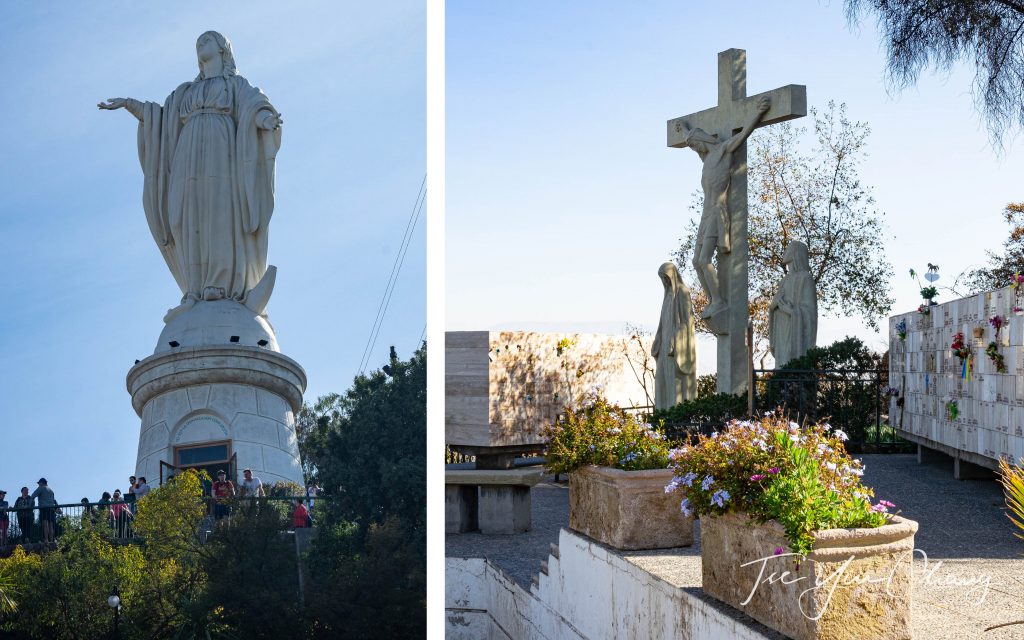
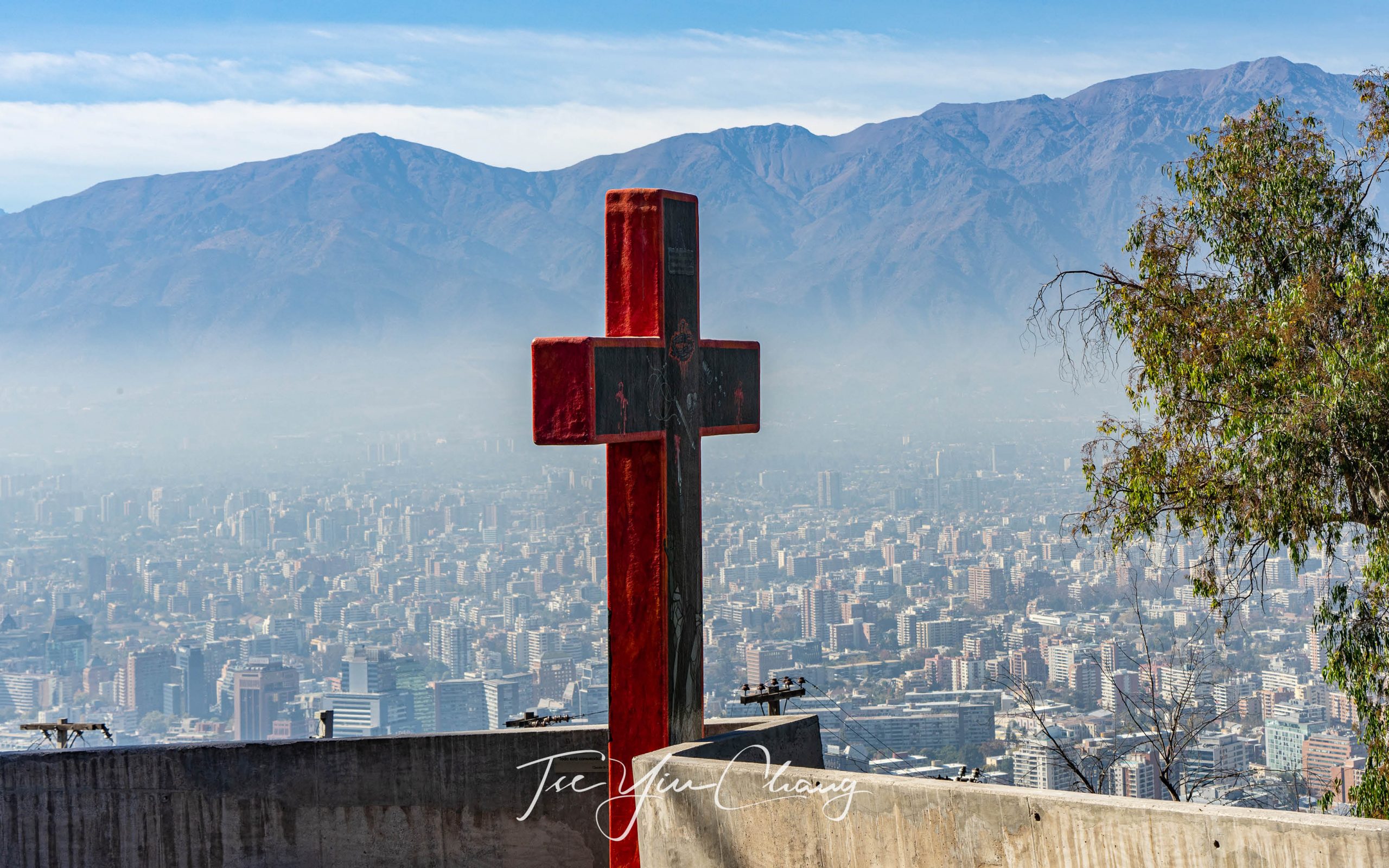
Cerro San Cristobal, Santiago's highest hill is home to a snowy white 14m-high statue of the Virgen de la Inmaculada Concepción
Cerro San Cristobal, Santiago’s highest hill, is home to a snowy white 14m-high statue of the Virgen de la Inmaculada Concepción

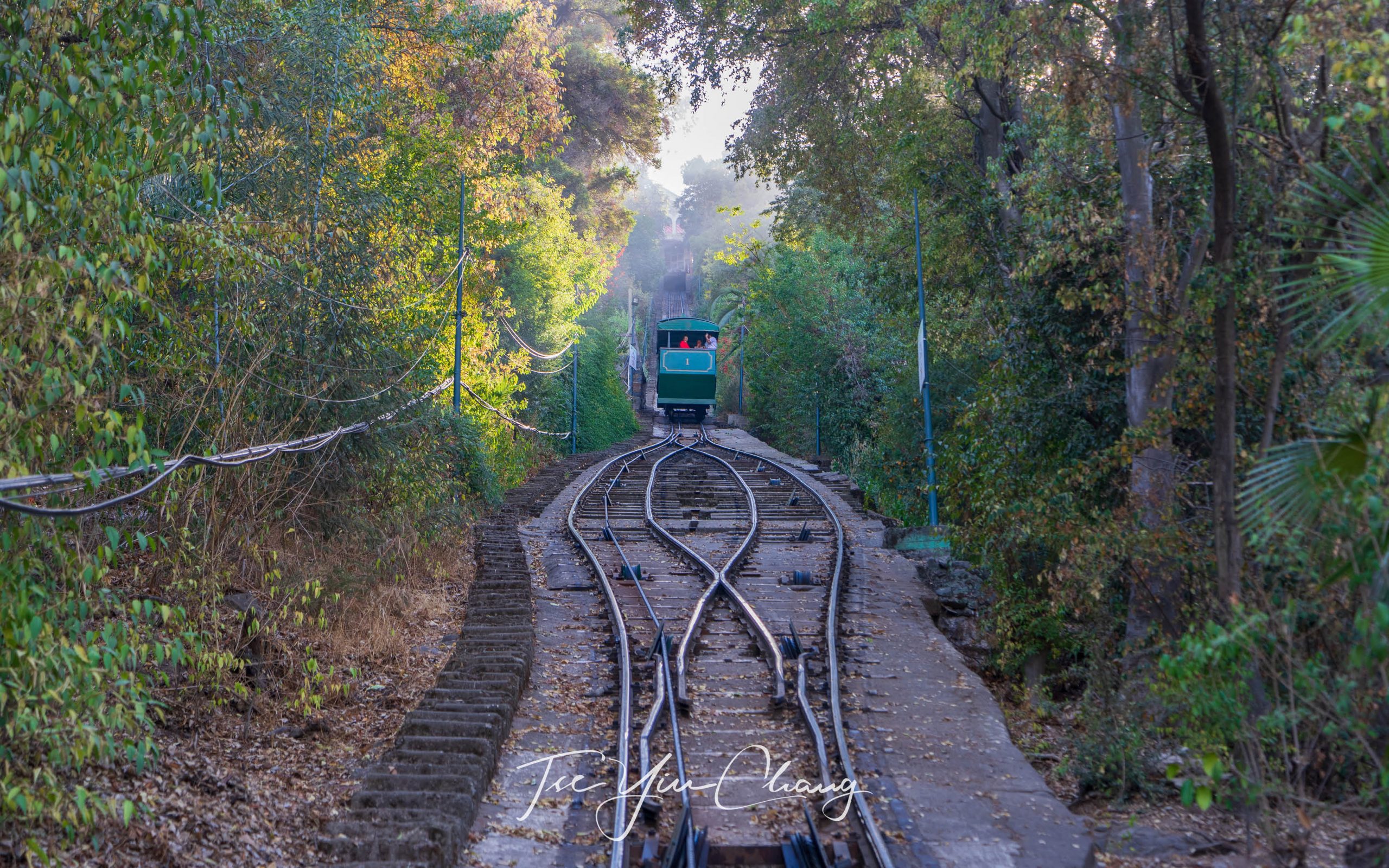
Bellavista sits at the bottom of the Cerro San Cristobal, the highest hill in central Santiago. Despite encroaching into the city, it has remained free of development and is now a park which boasts a zoo, botanical gardens and cable cars. We spent some time wandering around its shaded slopes, and at the top we were treated to more spectacular views of both the city and the snow-capped mountains surrounding it.

Santiago sunset from the rooftop bar in Luciano K

After all that exploring, we headed back to the popular tourist hub of Barrio Lastarria for a much-needed change of pace. Although we had soaked up some of its inviting atmosphere already, the best way to really get to know the area is to do what the locals do, and spend some time in its numerous bars. We enjoyed a relaxing afternoon at our own leisure, soaking up the artistic, bohemian vibe Lastarria is well known for. And then it was back to the hotel to get ready for our onwards journey and another colourful city to explore, Valparaíso aka the Jewel of the Pacific. Just over an hour from Santiago, it’s another must-visit destination when you’re in Chile.

Goodbye Santiago and South America, till we meet again next time

See also:

  • A journey through the picturesque Andes by rail
  • Exploring the capital of the Inca Empire – Cusco
  • Machu Picchu – a 15th century Inca citadel
  • Sacred Valley – the gateway to Machu Picchu
Colourful Bandera Street
Bandera Street a colorful urban art project titled Paseo Bandera
A colourful representation of the Andes, Bandera Street
The Changing of Guards Ceremony is a must see attraction
The Changing of Guards Ceremony was livelier that most in Europe thanks to the brass band which provided an energetic soundtrack to the fascinating ritual
La Moneda Palace
La Moneda Palace
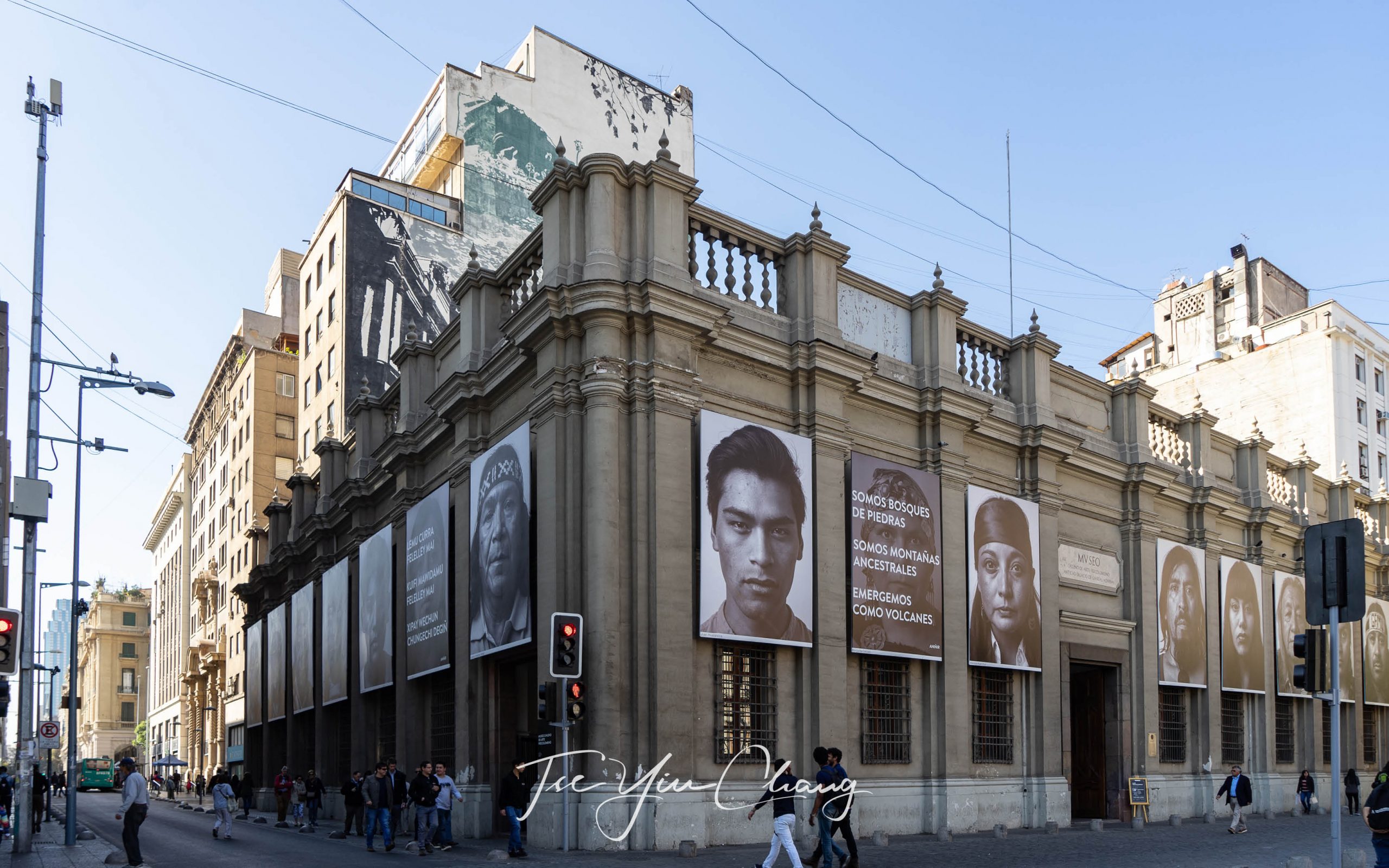
The Museo Chileno de Arte Precolombino is an art museum dedicated to the study and display of pre-Columbian artworks and artifacts from Central and South America
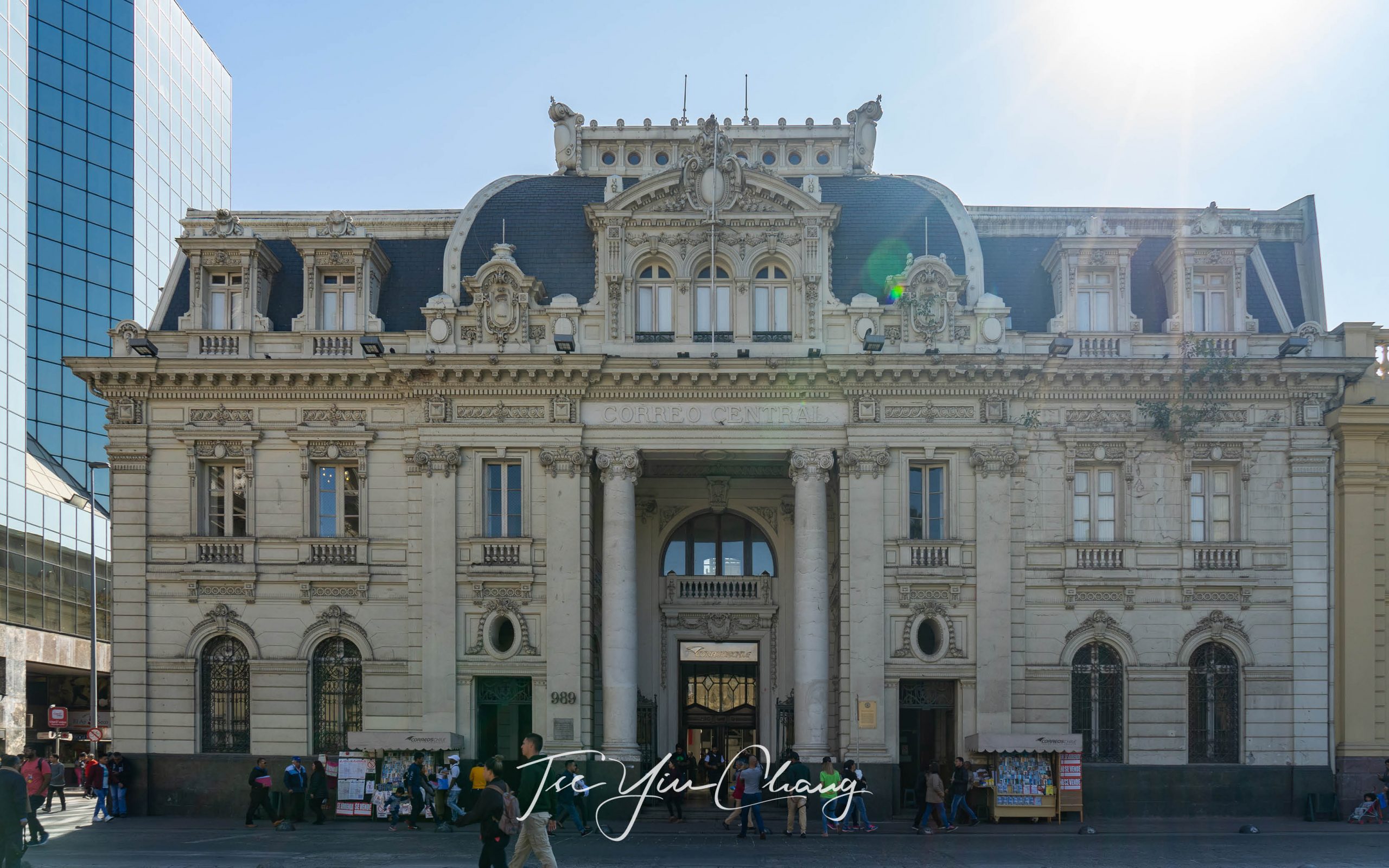
Correos de Chile, the main post office building is located in Plaza de Armas
View of  Santiago from Cerro Santa Lucia
View of Santiago from Cerro Santa Lucia
Combining native ingredients with international fine dining trends, dining in Boragó was the culinary highlight of our whole trip
To get to the top of Cerro San Cristobal, visitors can take the funicular from Plaza Caupolicá
The best views over Santiago are from the peaks and viewpoints of Cerro San Cristobal
Cerro San Cristobal is Santiago's largest park
Cerro San Cristobal is Santiago’s largest park
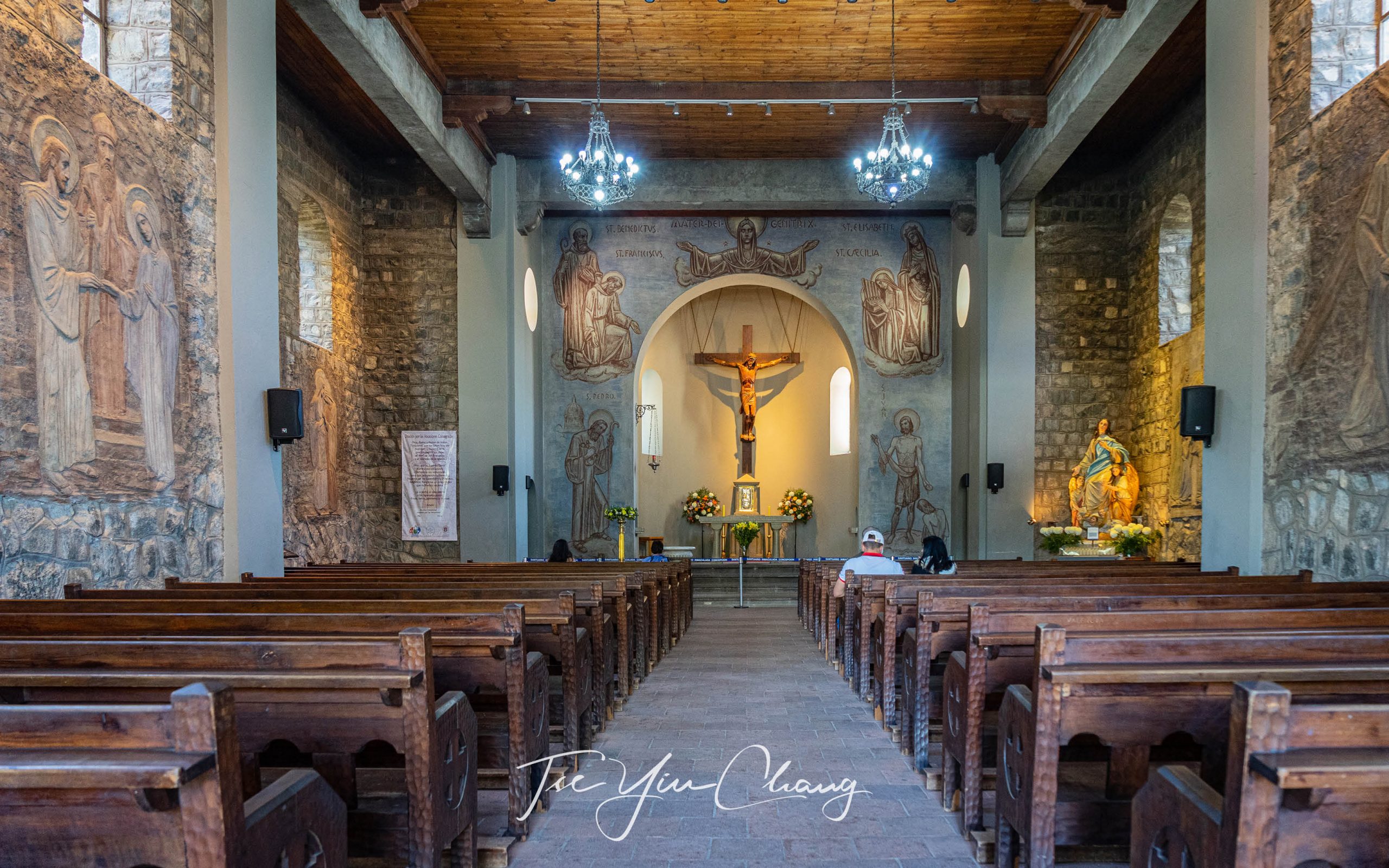
The Sanctuary of the Immaculate Conception on Cerro San Cristobal is one of the principal places of worship for the Catholic Church of Chile
View of Gran Torre from Cerro San Cristobal

Filed Under: Blog, Photography, Portfolio, Travel Tagged With: andes, chile, landscape, latin america, photography, santiago, south america, travel

Exploring delightful Helsinki: the Christmas City

16 November 2019 by tadgraphics

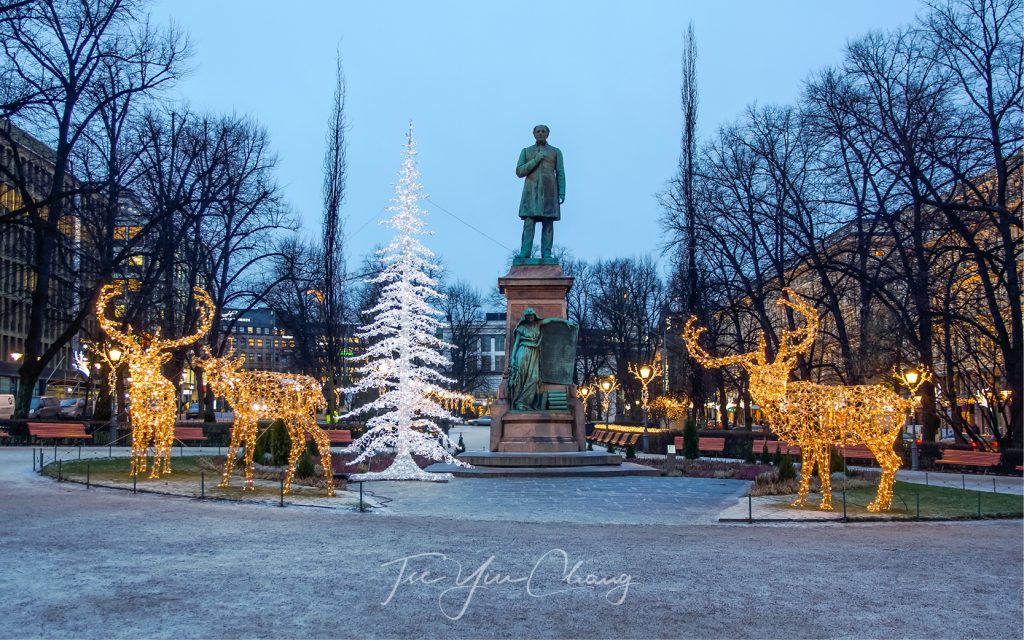
Situated in the heart of Helsinki, the Esplanade Park (Esplanadi) serves as a promenade for visitors and a place to relax for the locals

Christmas in Helsinki, the capital city of Finland, truly feels like stepping into Santa Claus’ world. The snow drapes everything in white softness and Christmas illuminations light up the streets. Known as the “Daughter of the Baltic”, Helsinki was founded in 1550, but was redesigned in 1812 by the Russian tsars as a mini St Petersburg. The stunning Finnish capital is an international metropolis, but it still has a small town feel. Helsinki is a wonderful city to explore all year round, but it is especially magical in the winter.

Helsinki is a wonderful city to explore all year round, but it is especially magical in the winter

Helsinki in winter

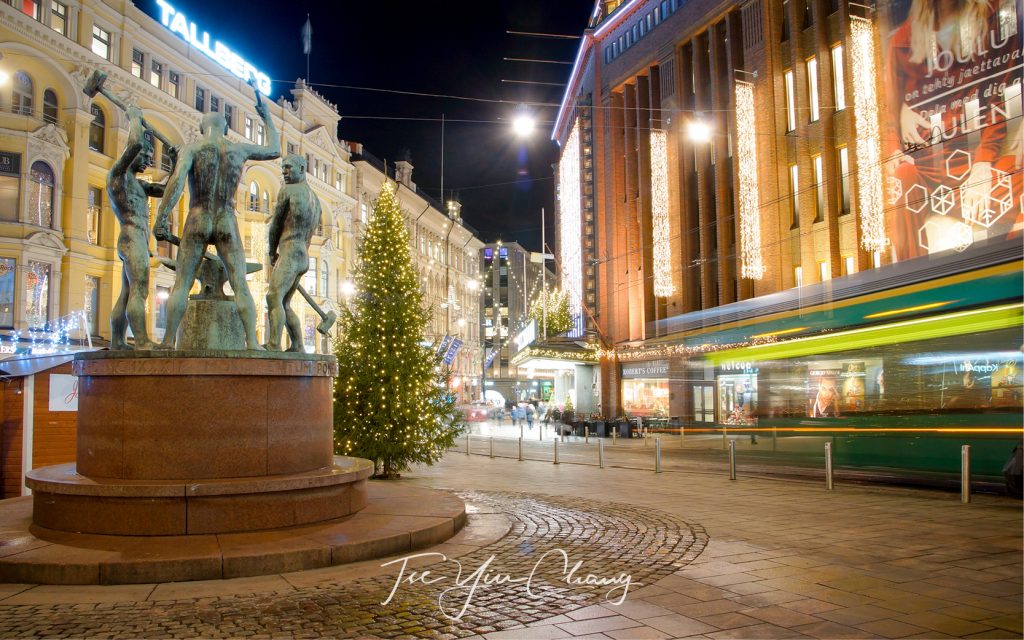
The city is draped in Christmas lights and the main street, Aleksanterinkatu, comes alive with shoppers. Although the sun barely rises above the horizon, the long nights and dark days are lit up with decoration and cheer. Shop windows are illuminated, each one trying to be more radiant than the next.

The glittering lights of Helsinki by night

Even when the temperatures are low, people gather in cosy pubs and restaurants to eat and drink with friends and loved ones. Try some Glögi, which is a warm traditional drink made from spiced wine with a dash of vodka and a sprinkling of almonds and raisins. It will warm you up from the inside out.

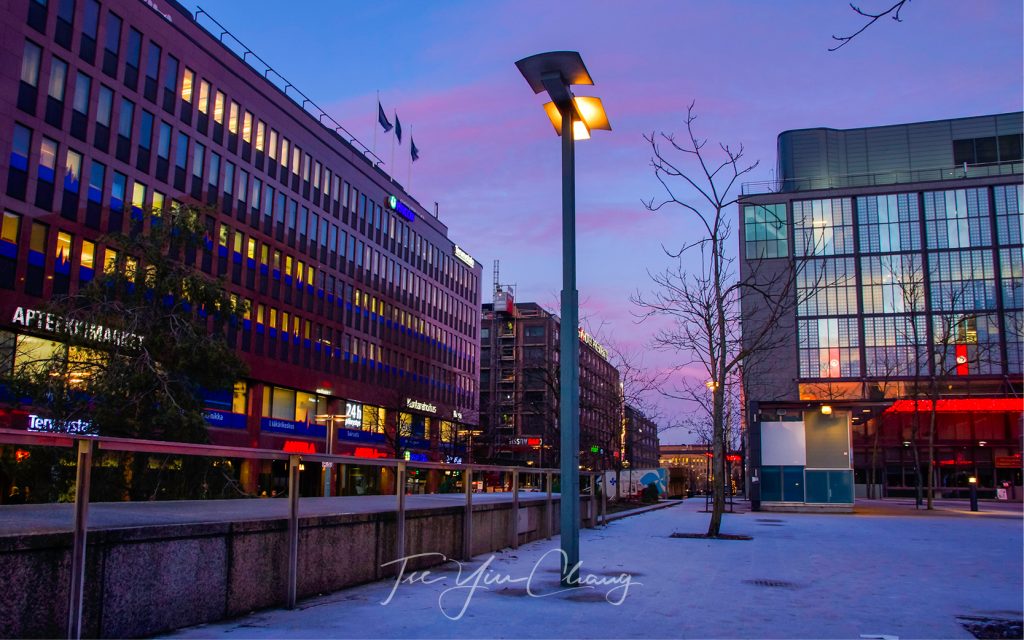
Winter in Helsinki means long nights and short days

The city is also a great base for the many winter outdoor activities that can be enjoyed in Finland, including skiing, snowboarding, snowmobiling, dog sledding and more. After a big day of exploring the icy wilderness, you can warm up with an authentic Finnish sauna experience.

Christmas decorations at one of the shop windows

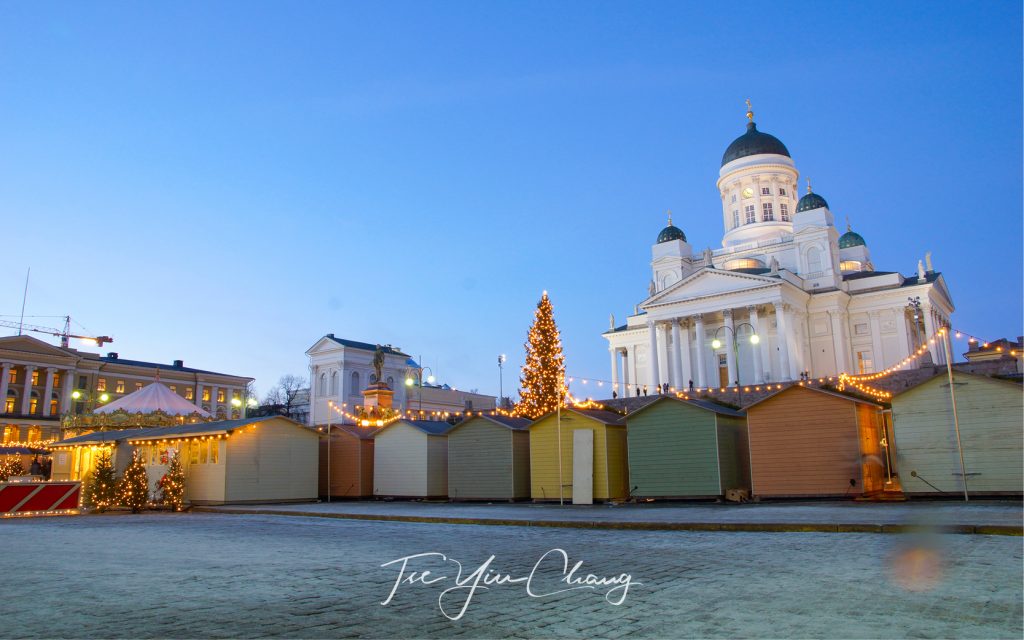
Christmas market at the Senate Square

Senate Square is where you can soak up the Christmas cheer and search for that perfect gift at the Christmas market. It is the largest and most famous Christmas market in Helsinki, made up of nearly 120 stalls, each filled with decorations, handmade crafts, drinks and desserts made by local artisans and vendors.

There are over one hundred booths to explore, so give yourself plenty of time to wander and browse. You can also treat yourself to a warm meal or a hot drink while you listen to the live music.

While you are there, walk over to Aleksanterinkatu Street (also known as the Christmas Street) next to the Senate Square to check out the Christmas illuminations and decorations put up by shop owners. If you plan on spending Christmas in Helsinki, that’s definitely the heart of the event.

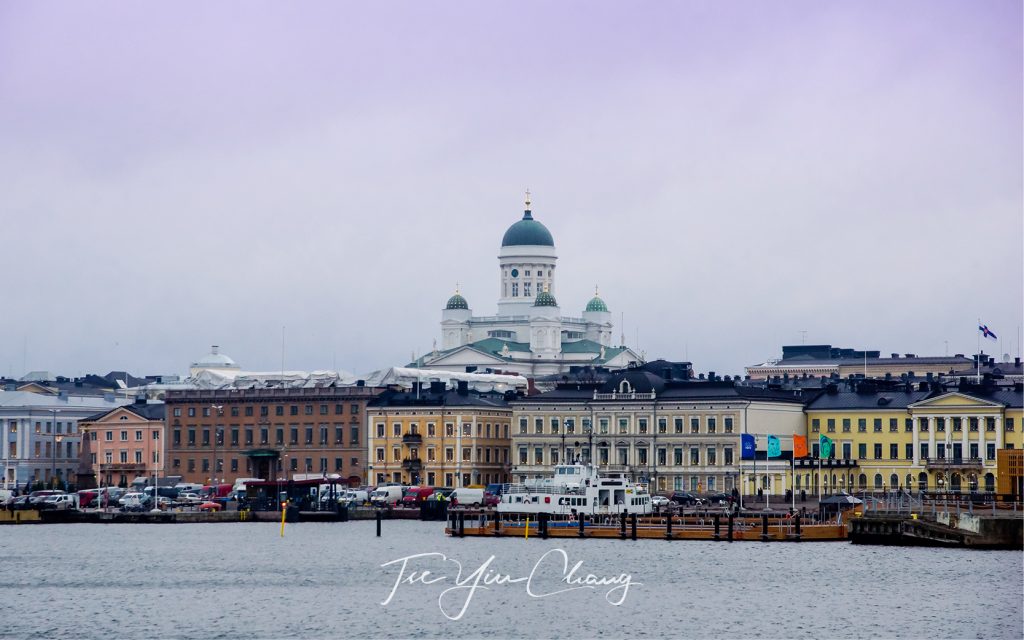
Senate Square taken during the day, the white building is the Helsinki Cathedral

Buildings and museums in Helsinki

Located in Senate Square, the impressive Helsinki Cathedral is the most iconic place in the city. All covered up in snow, it truly looked like some Russian palace out of a fairy tale. And indeed, the cathedral was originally built as a tribute to the Grand Duke of Finland, which was Tsar Nicholas I at the time.

Helsinki Cathedral visible from a distance

Close to the Cathedral is the City Museum that documents the history of Helsinki and its inhabitants. It’s a great place to get started on a tour of Helsinki as it helps you understand the local culture and traditions.

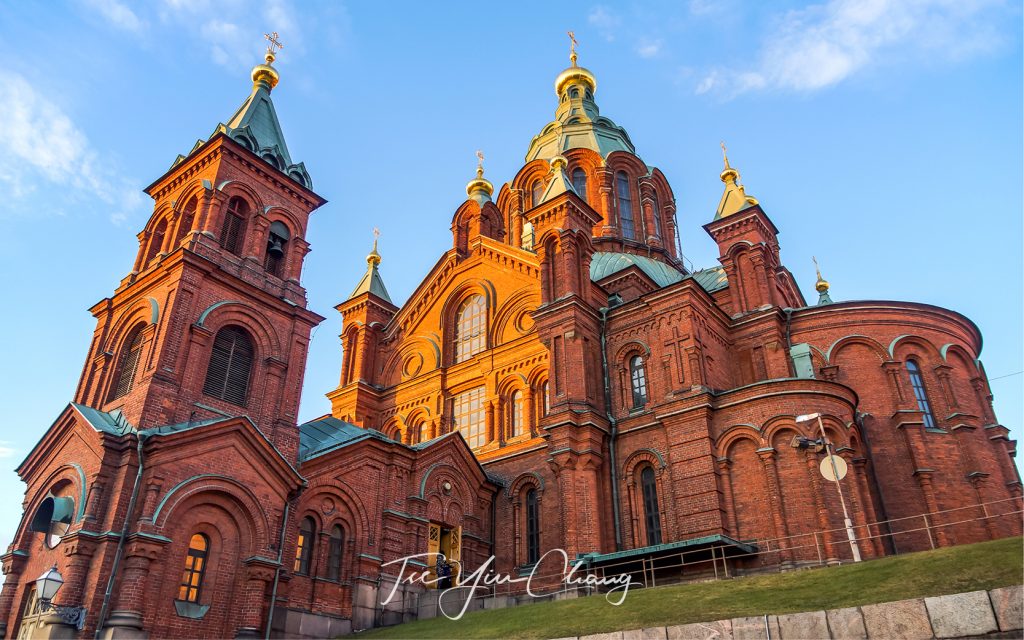
The beautiful Uspenski Cathedral is an Eastern Orthodox cathedral

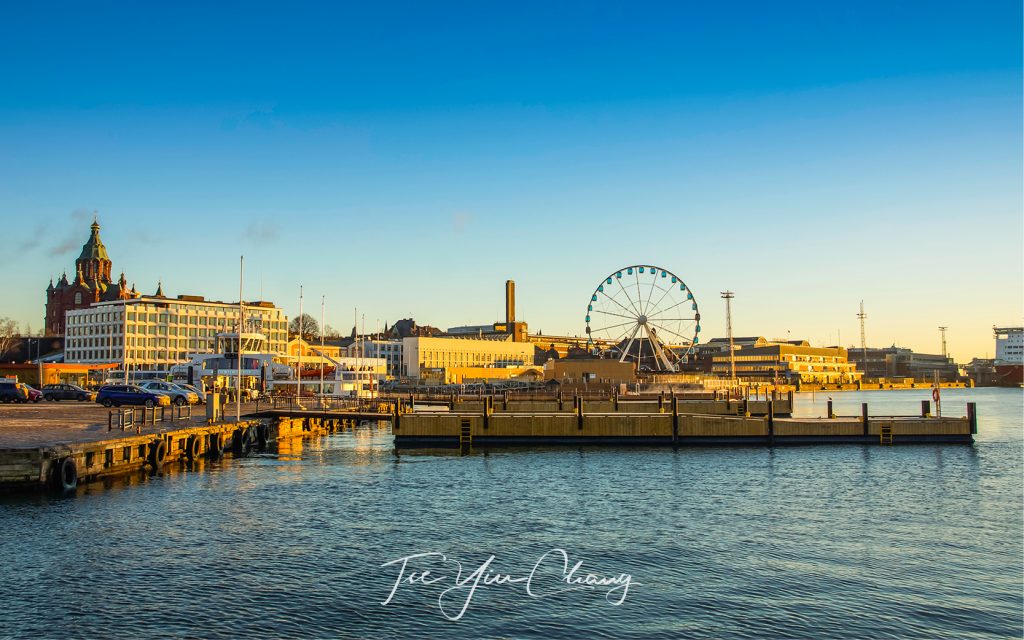
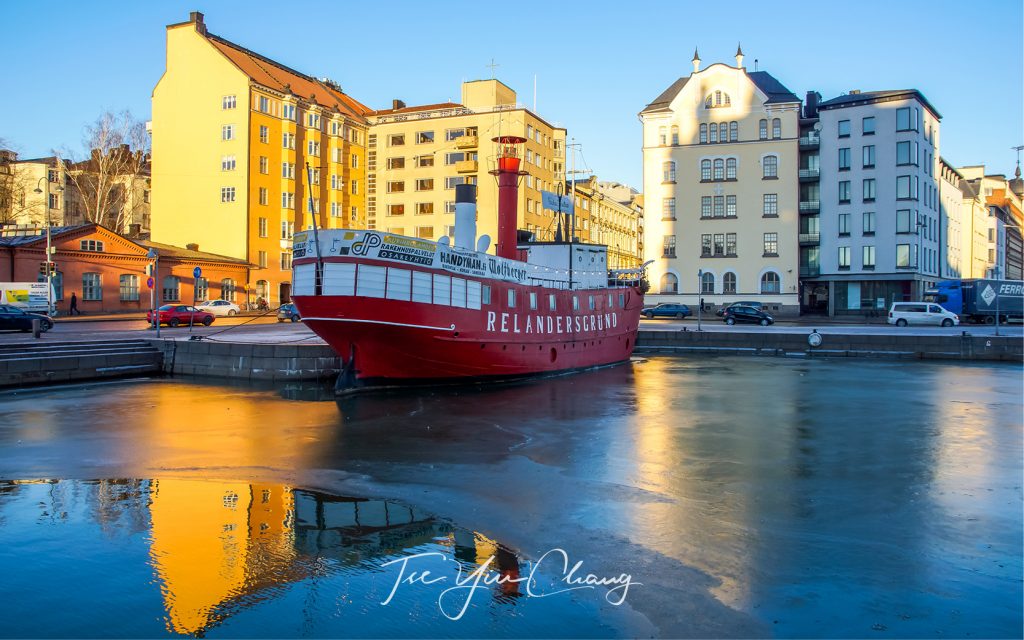
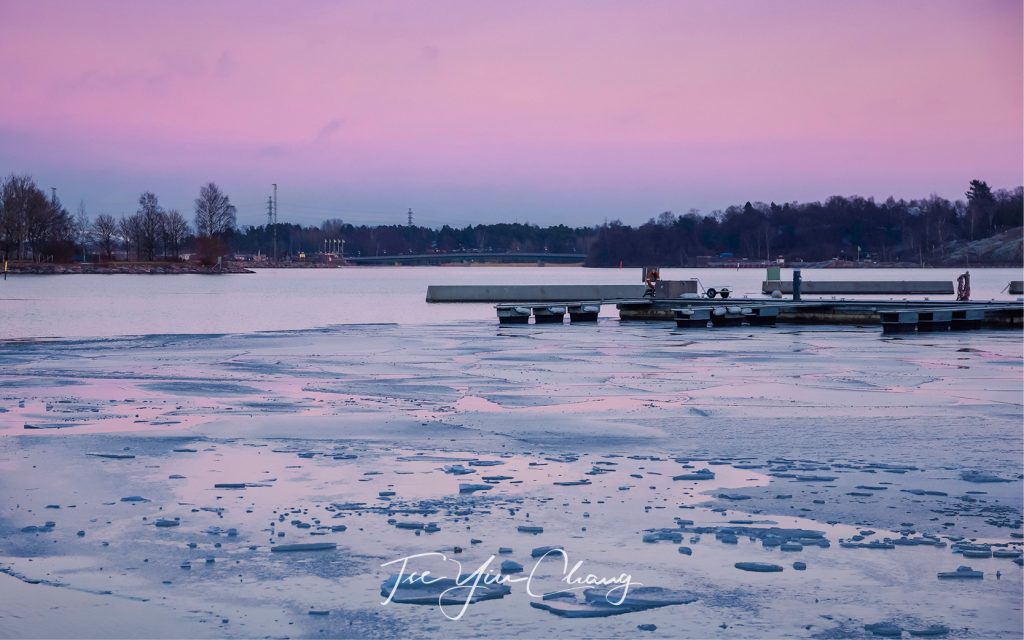
Walking away from the city center and towards the sea, the Katajanokka neighbourhood is where the old prison “Nokka” and the beautiful Uspenski Cathedral are. This quiet little neighbourhood is surrounded by the sea, and a stroll on the old pier will reveal incredible views on the completely frozen waters of the Gulf of Finland. It felt like winter had frozen some waves in their tracks.

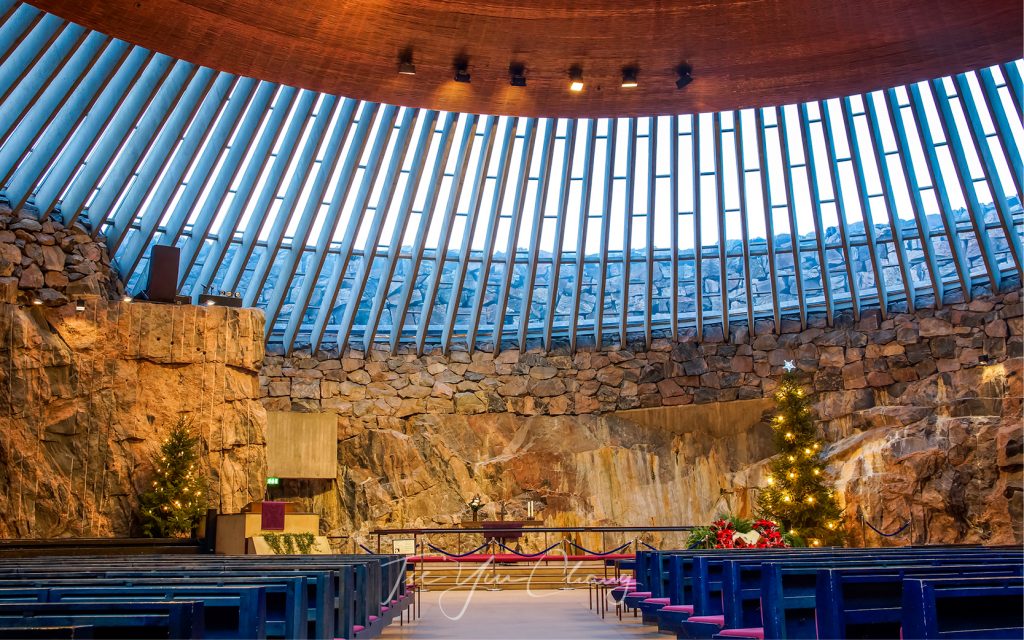
The inside of Temppeliaukio Church, also known as the "Rock Church"
The inside of Temppeliaukio Church, also known as the “Rock Church”

A little further away from the city centre, the Temppeliaukio Church, also known as the “Rock Church”, is a modern and unique building, directly excavated into solid rock. The big dome looks incongruous in the middle of these old buildings. In this city of design, nothing feels wrong as everything is made with beauty in mind.

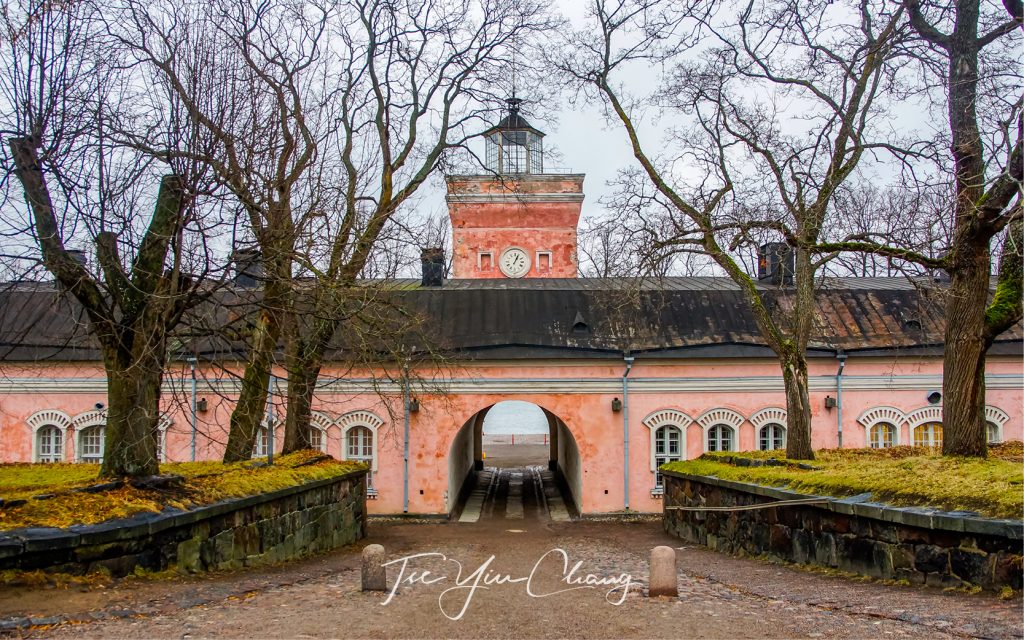
Fortress at Suomenlinna

If you have an extra day in Helsinki why not check out Suomenlinna? Located on a group of islands off Helsinki, this amazing fortress was built in 1748 by the Swedish. Named as the “Gibraltar of the North,” it is one of the greatest sea fortresses in the Baltic, a UNESCO listed heritage site and an important monument to European military history.

Named as "Gibraltar of the North", the UNESCO listed heritage site Suomenlinna is one of the greatest sea fortresses in the Baltic
Named as “Gibraltar of the North”, the UNESCO listed heritage site Suomenlinna is one of the greatest sea fortresses in the Baltic

However, when the Russians attacked in 1808 the Swedish army was unprepared and withdrew, allowing Helsinki to be conquered by the Russians and the fortress to be besieged. When you visit this historic site, you will feel like you have stepped back in time to an era of cast iron cannons and stone fortifications – long before cars and modern technology. 

The fortress can be reached via a ferry from the Market Square, which is included in your Helsinki public transit day ticket. The journey only takes 15 minutes. Entry to the island is free and you can also visit the museums for a small fee.
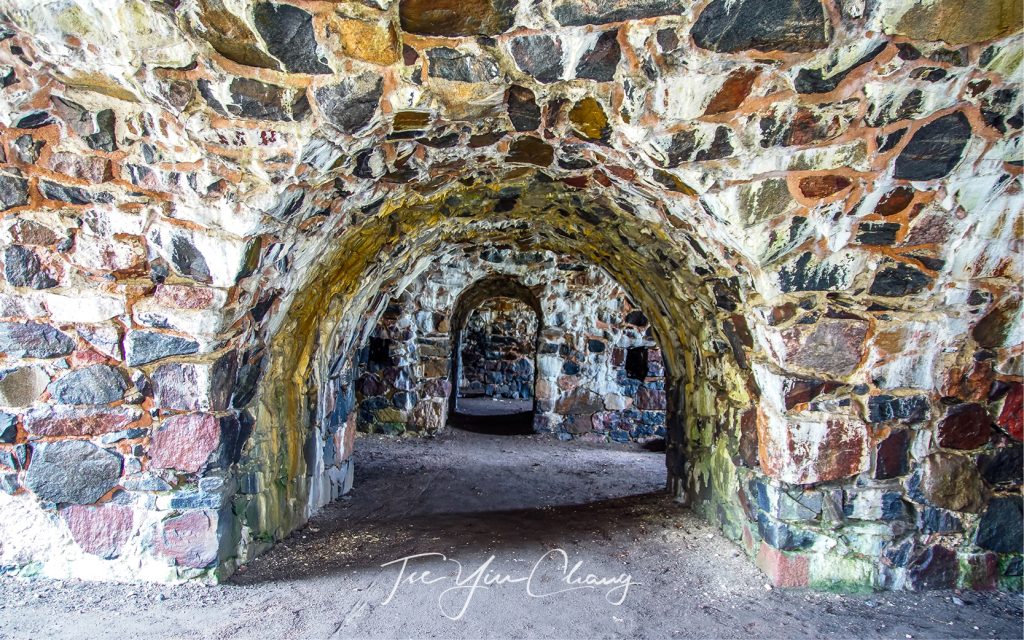
The tunnels of Suomenlinna were used as storages, secret passages and as bomb proof protection during wartime

Surrounded by the frozen sea and dusted with snow, Helsinki in the winter is truly stunning. The peace and the stillness of the icy streets, contrasted with the warm glow and friendly hospitality within the buildings, will draw you in and enchant you.

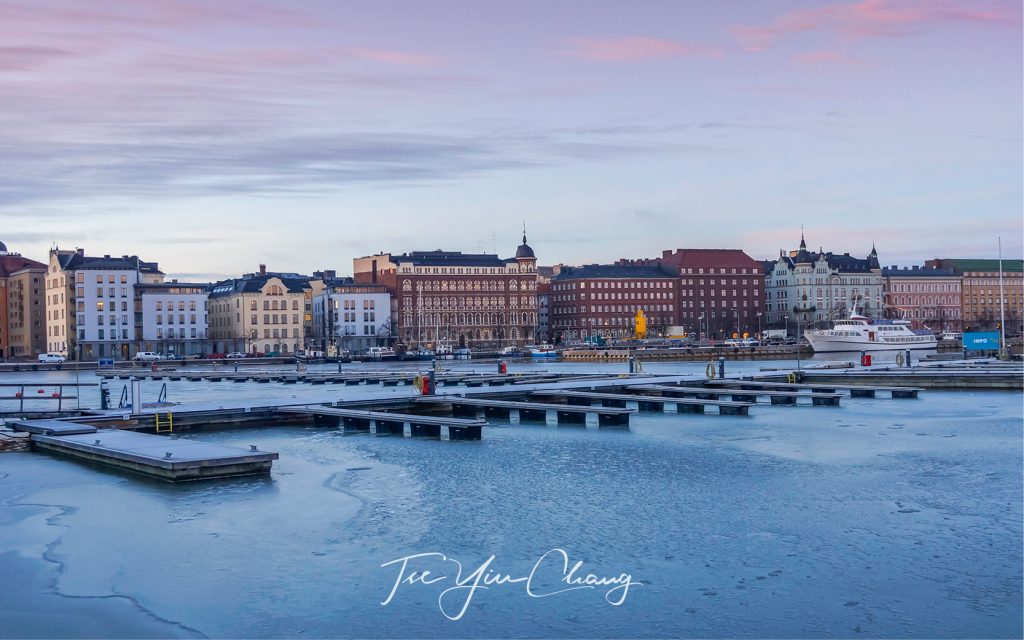
Helsinki is freezing in the winter due to the cold sea wind

Tips on walking safely in snow and ice

We had a few slips and fall on the first two days after arriving in Helsinki. I have compiled some tips that can help you get around in snow and ice safely. After all, you do not want to get injured while on holidays.

  • Wear appropriate footwear. Make sure your footwear has visible treads, if possible, opt for a heavy treaded shoe with a flat bottom.
  • When walking, bend slightly forward and walk flat-footed with your centre of gravity directly over your feet as much as possible.
  • Keep your hands out of your pockets.
  • Anticipate ice. Be wary of thin sheets of ice (black ice) that may be on wet pavement.
  • When walking up or down stairs, make sure you use the handrails for support.
  • Make sure you look at the floor as you enter a building as the floor may be wet with melted snow and ice.
  • Don’t take shortcuts over snow piles or icy areas where snow and ice removal is not feasible.
  • Look out for falling snow and ice when you walk under awnings and buildings.
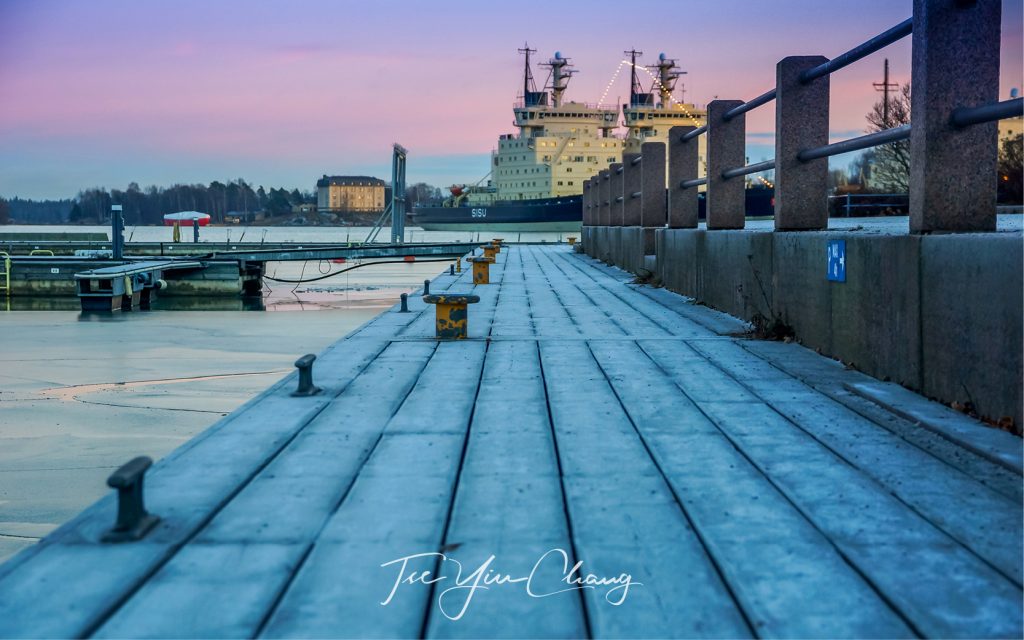
The old pier freezes during winter

See also:

  • Adventures in snowy Lapland – a photographer’s dream
  • Exploring Sweden’s beautiful capital
  • Snowy Reykjavik – a magical Christmas in Iceland
  • Norway in a Nutshell – Part 1: Oslo
  • Norway in a Nutshell – Part 2: Myrdal, Flam and Fjord Cruise
  • Norway in a Nutshell – Part 3: Bergen
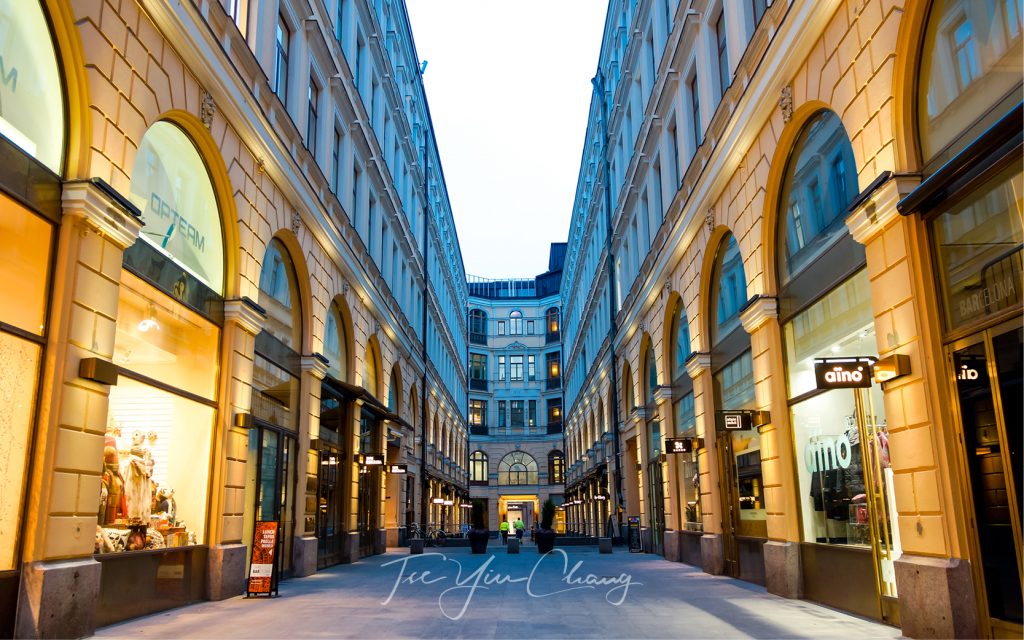
Some of the old buildings in Helsinki
Cold winter mornings in Helsinki
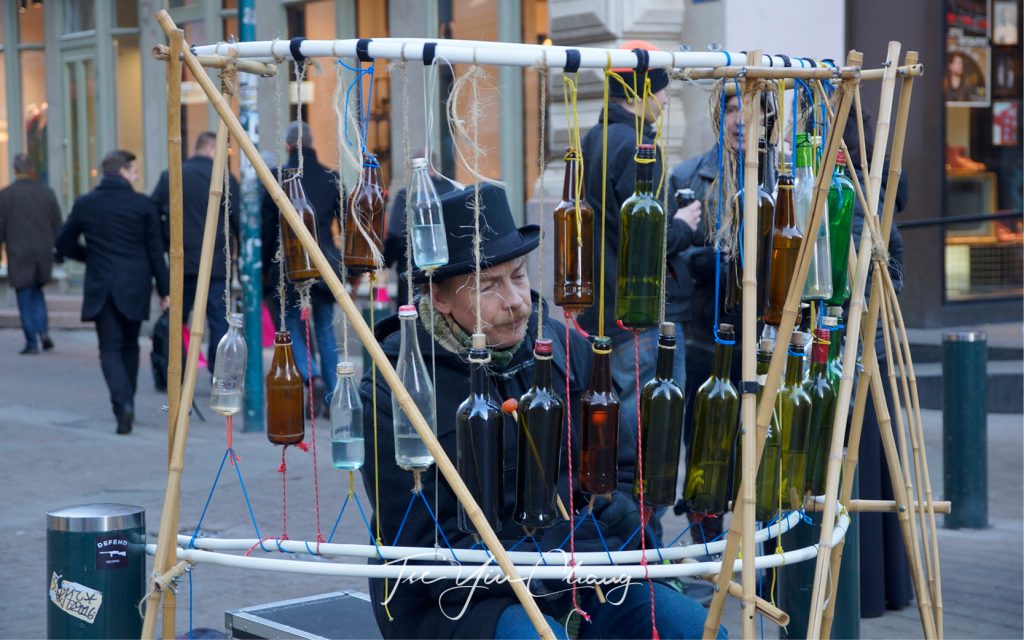
One of the many street performers in Helsinki
A stroll on the old pier will reveal incredible views on the completely frozen waters of the Gulf of Finland

Filed Under: Blog, Photography, Portfolio, Travel Tagged With: arctic, christmas, finland, helsinki, nordic, scandinavia, travel, winter

Exploring the capital of the Inca Empire – Cusco

8 November 2019 by tadgraphics

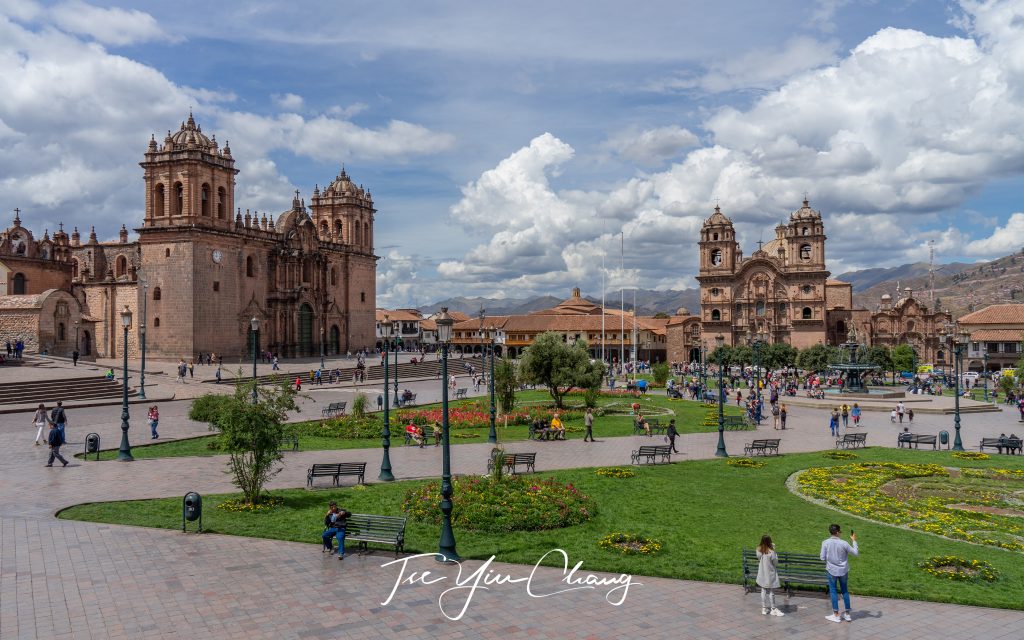
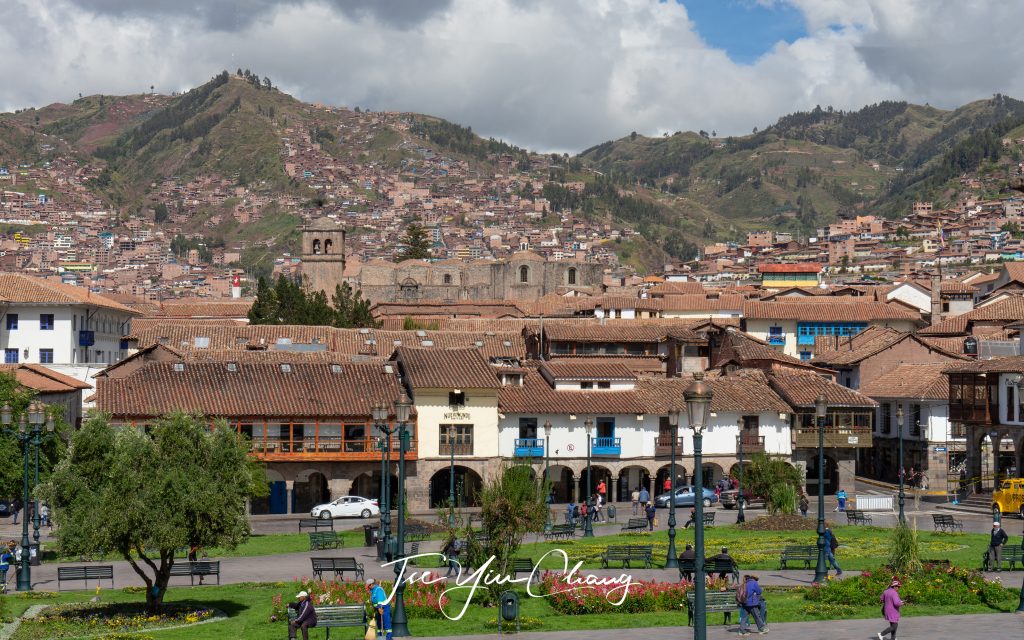
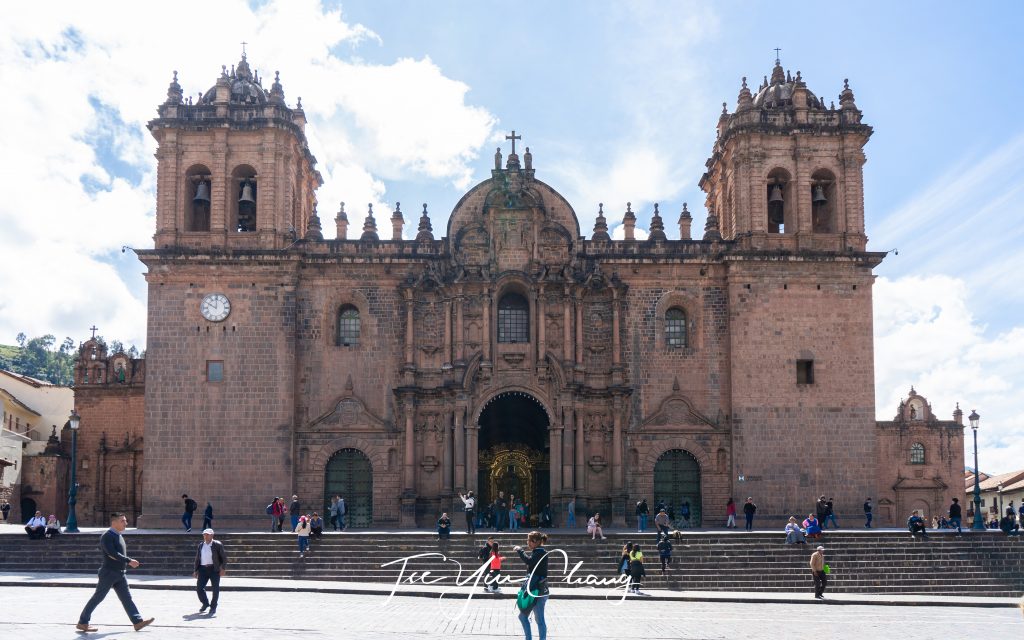
Cusco's old city, the grand square of Plaza de Armas has been landscaped with grass, flowerbeds and fountains making it a pleasant place to sit and watch the locals pass. On the left is Cusco Cathedral and on the right is the Church of the Society of Jesus
Cusco’s old city, the grand square of Plaza de Armas has been landscaped with grass, flowerbeds and fountains making it a pleasant place to sit and watch the locals pass. On the left is Cusco Cathedral and on the right is the Church of the Society of Jesus

South America is a continent full of astonishing historic sites. It has countless ruined cities, built by a myriad of indigenous cultures in strikingly different architectural styles. As well as this, it possesses numerous perfectly preserved colonial cities built by the Spanish and Portuguese. Ask ten history lovers which places are must-sees, and you will probably get ten different answers. Most, however, will say that Cusco is absolutely unmissable.

Cusco was the capital of the once sprawling Inca Empire, it continued to be an important city during the colonial era, making it one of the best examples of Spanish influence in Latin America

It was the capital of the once sprawling Inca Empire, and their legacy is still very much on display there. It continued to be an important city during the colonial era, making it one of the best examples of the Spanish influence in Latin America. Bustling with activity and life, Cusco is also very much a living city, not just an open air museum. The descendants of the Inca still make up a large part of Cusco’s population, speaking Quechua, the language of their ancestors and brightening up its streets with their colourful traditional dresses.

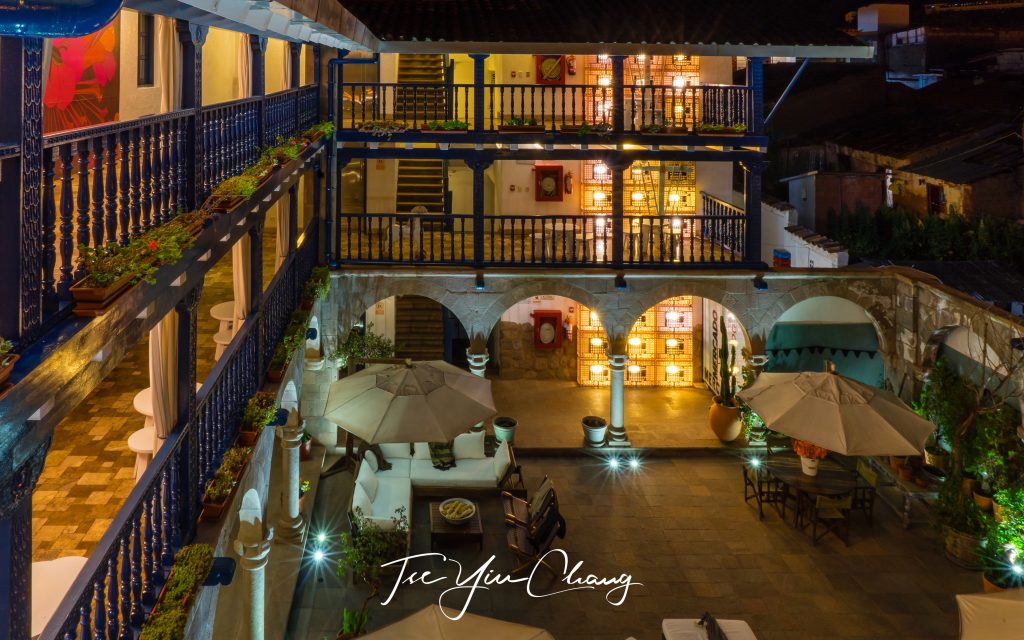
The El Mercado Hotel is a fantastic example of the whitewashed Spanish grandeur that can be found all over the old city of Cusco

Arriving by train from Lake Titicaca, we were picked up from Wanchaq station and taken to our accommodation. We stayed at El Mercado, right in the centre of historic Cusco. Originally built to serve as a market, the building is a fantastic example of the whitewashed Spanish grandeur that can be found all over the old city. Built around a central flag-stoned courtyard overlooked by three floors of arches and balconies, it is a peaceful retreat from the busy streets outside. Buildings like these are one of Cusco’s main attractions, so being able to stay in one really helped me immerse myself in the city’s charms during our visit. If you have limited time (as we did), its location is also a major plus. The elegant hotel is right in the heart of things, and close to many of the city’s most popular sights. It is a few blocks from the focal point of Cusco’s old city – the Plaza de Armas.

Cusco is considered the most beautiful city in Peru, it is also very much a living city, not just an open air museum

This grand square has been landscaped with grass, flowerbeds and fountains making it a pleasant place to sit and watch the locals pass by as they go about their day-to-day business. The square pre-dates the colonial period, and used to be much larger than it is now. It is thought that it was a religious centre where the population could gather to observe and take part in the ceremonies at the Temple of Viracocha.

Charming Cusco is a popular stop for tourists on their way to Machu Picchu

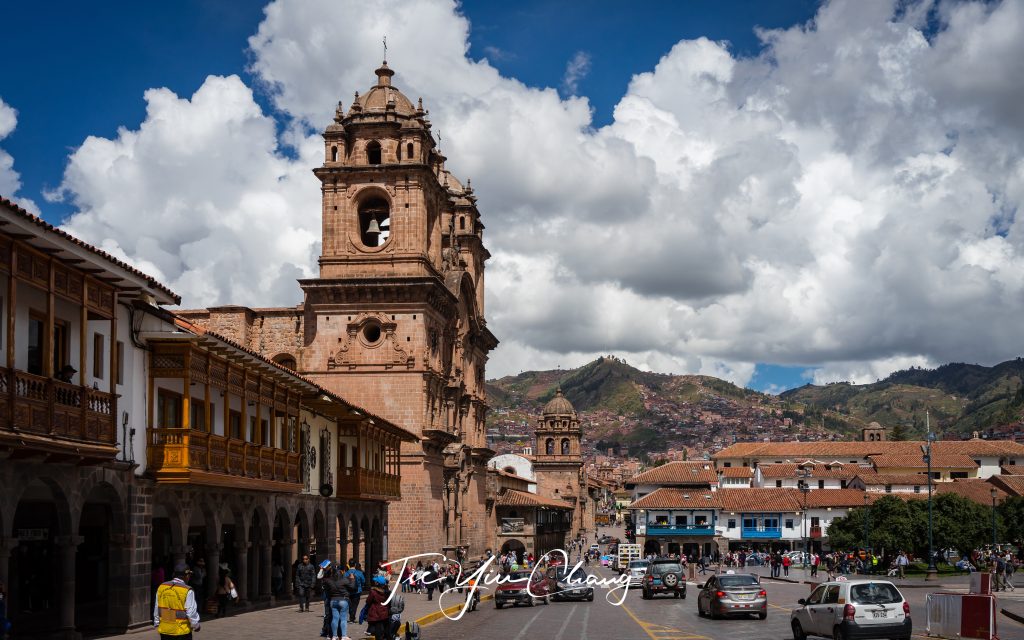
The Spanish enclosed the square and built the charismatic covered arcades which ring its edges. On one side they built a church and on another, after tearing down the temple, they built their cathedral. It took almost 100 years to finish, but it was worth the wait. The result is one of the grandest religious buildings in the Americas. The cathedral itself is a work of art, but visitors can also admire its collection of paintings and its two ornate altars.

The Cusco Cathedral is of the grandest religious building in the Americas

Remains of the Inca city can be found all over the place – largely in the foundations of later Spanish buildings. Many of the most substantial Inca structures, however, can be found outside of central Cusco. Given this fact and our limited time, we opted for a tour to fit as many of them in as possible. Before setting off for these more distant sites however, we were taken to another of Cusco’s unmissable attractions – Qorikancha.

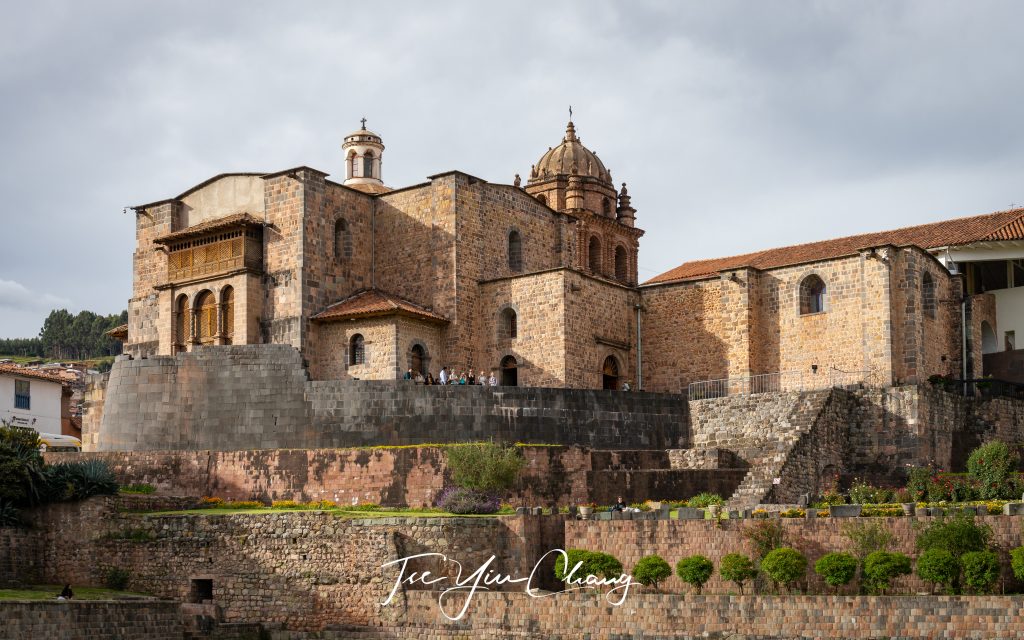
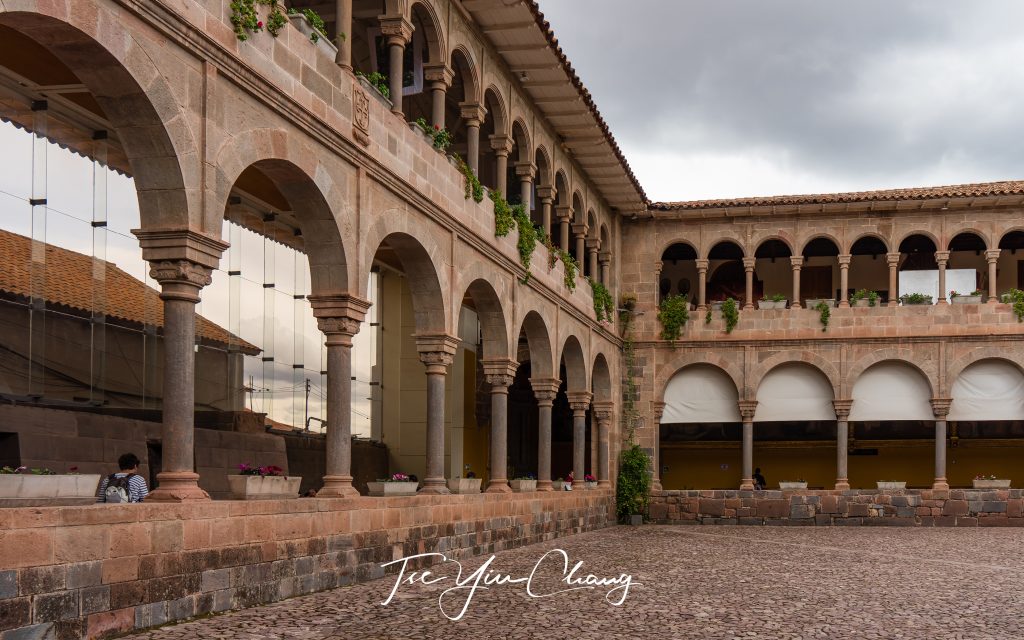
Qorikancha, the Temple of the Sun was once the richest in the Inca Empire, it was also the most sacred

If the Cathedral was (and still is) the focus of Cusco’s Spanish religious life, Qorikancha served that purpose for the Inca. The Inca had many deities, but their favourite was Inti. He was the god of the sun and the emperors were said to be his descendants. Not only the temple was once the richest in the Inca Empire, it was also the most sacred. It is said that its interior walls were clad with gold, while the outer ones were studded with emeralds.

Qorikancha contained a courtyard around which small temples were arranged

Of course the gold and emeralds are long gone, plundered by the Spanish soon after they conquered Peru. Being fiercely Catholic, they weren’t satisfied with just stripping the gold and, as they had done with the Temple of Viracocha, they partially dismantled Qorikancha and built a convent on top. Despite this, much of the Inca building did survive, most notably a series of walls which rise up in steps to the convent. The site also contained a courtyard (the name means ‘golden courtyard’) around which small temples were arranged. This still exists, now enclosed by the convent, as does the open space below the complex where the Inca population would have gathered.

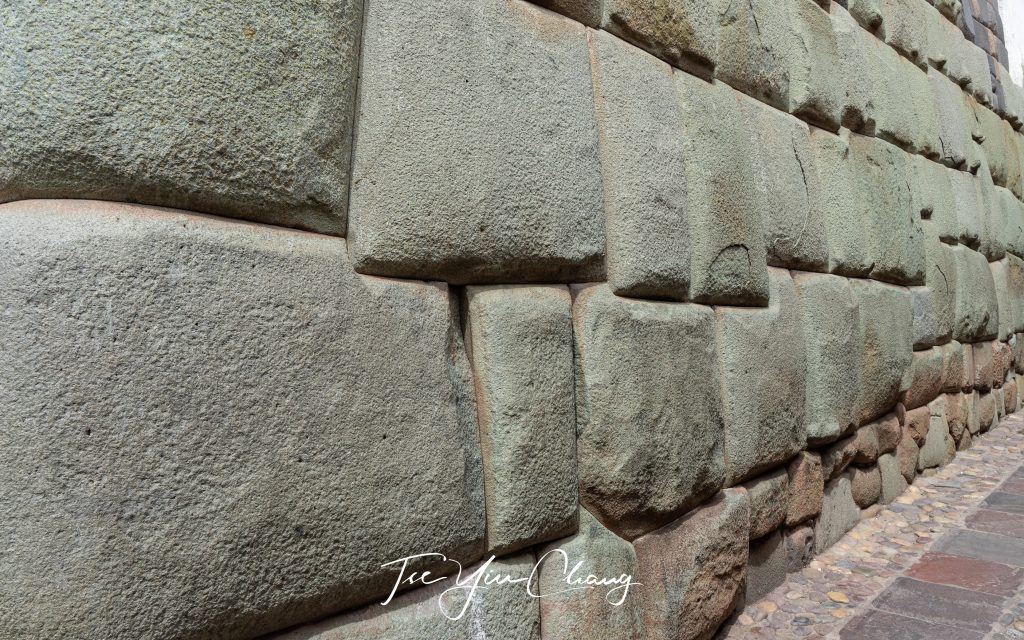
The few remaining Inca walls in Cusco. The walls were meticulously carved so that it would fit perfectly in place without using mortar or cement

Part of what makes the remaining Inca walls – and those of the city as whole – so impressive, is the way in which they are constructed. They used no mortar or cement, and instead they meticulously carved each stone block so that it would fit perfectly in place. They did this with such precision that you cannot slide a piece of paper between them, and they have survived numerous earthquakes, unlike many of the Spanish buildings built around them.

Qorikancha, a combination of Inca and colonial architecture, was used as an observatory where high priests monitored celestial activities

This method of building means that the blocks that make up Inca walls are far from uniform. Like a giant jigsaw puzzle, they were filed down to whatever shape was needed. The most extreme example of this can be found nearby – the twelve angled rock. The wall in which it sits today is part of the museum of religious art, and like many others in Cusco, it morphs from Inca stonework to Spanish whitewash around halfway up. Originally, however, it was part of a grand palace built by the emperor Inca Roca.

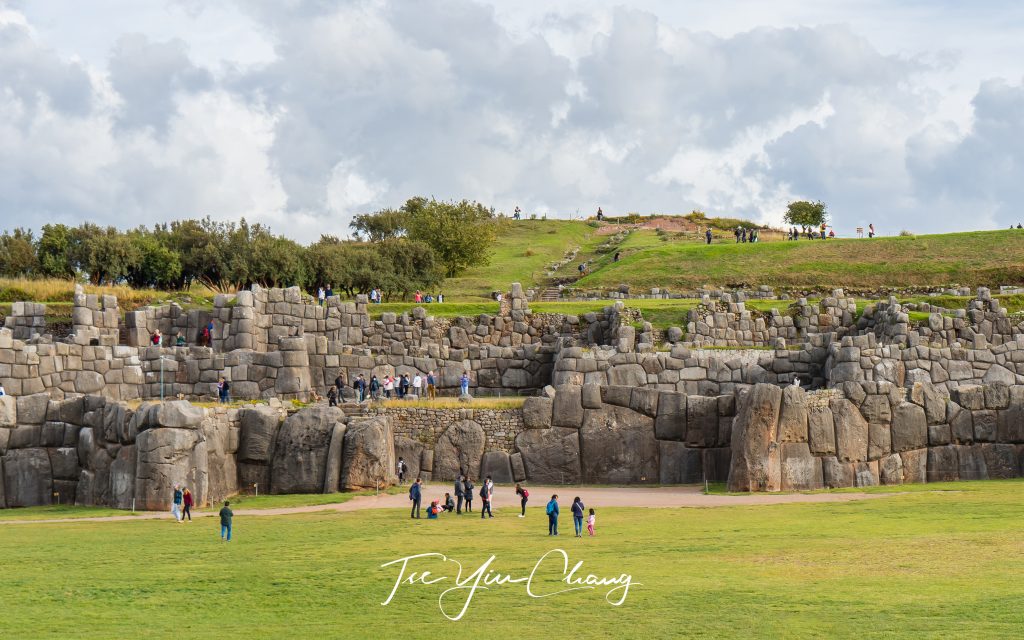
Perched on a ridge overlooking colonial part of Cusco, Sacsayhuaman is considered the most famous Inca ruins outside of the city centre

The most famous of the Inca ruins outside of the city centre itself is probably Sacsayhuaman. Perched on a ridge overlooking colonial part of Cusco, it is not actually very far at all – only a short drive from the Plaza de Armas. If you don’t mind climbing the steep hill, the site is only a short walk from the Plaza. This great fortress was an integral part of the city’s defences, and even today in their ruined state, its enormous stone walls look impenetrable. When it was built this must have been the equal of any European castle, and during the Spanish conquest, the Inca used it as a base for their resistance.

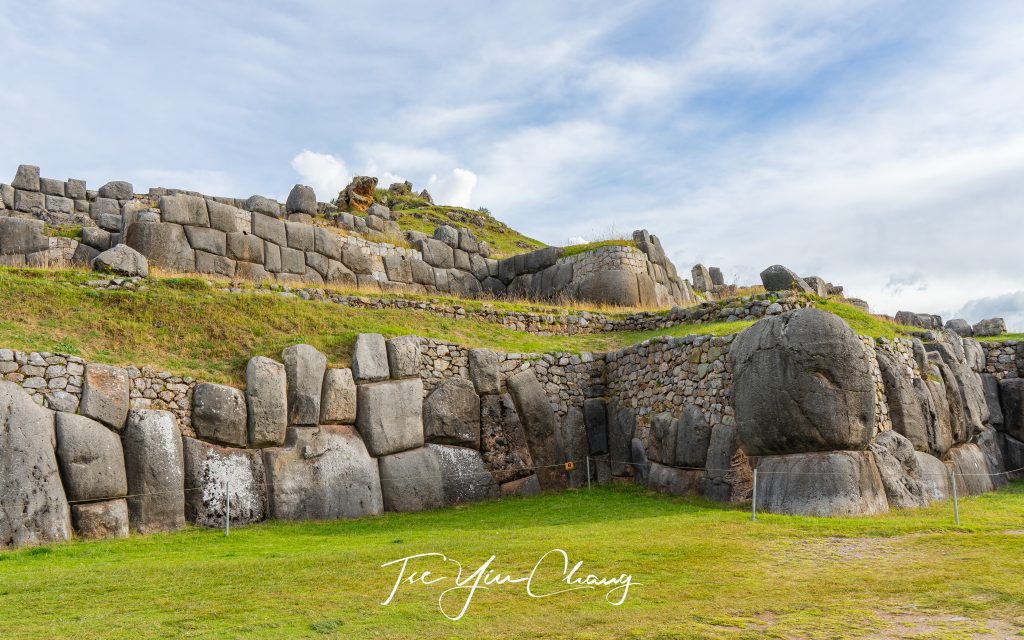
The great fortress of Sacsayhuaman was an integral part of the city’s defences, and even today in their ruined state, its enormous stone walls look impenetrable

The bulk of the site is Inca, however, parts of the complex were actually first constructed by the Killke people who occupied the region before them. The great walls enclose a plaza capable of holding thousands of people. It’s thought that huge religious ceremonies took place there during times of peace. While much of the site does remain, the Spanish used some of the stones they found here to build colonial Cusco; the Cathedral for example, is largely built from material pillaged from Sacsayhuaman.

The Spanish used some of the stone they found in Sacsayhuaman to build colonial Cusco; the Cathedral for example, is largely built from material pillaged from this site.
The Spanish used some of the stones they found in Sacsayhuaman to build colonial Cusco; the Cathedral for example, is largely built from material pillaged from this site.

If you continue up into the hills you soon reach two more of Cusco’s most significant pre-Columbian sites. The first is Puca Pucara. The name means ‘the red fort’ in Quechua, and it is so called because the rock used to build it appears red in certain lights. Situated on a rise overlooking what was the main road linking Cusco to the eastern part of the empire, it was most likely used to protect the city from any threats that might emerge from that direction.

While much of Puca Pucara’s buildings are lost to time, the walls still loom imposingly over the valley. Relatively little is known about the site, but interestingly it appears to have been constructed in a hurry. The stonework is not as neat as most other examples, but that doesn’t make it any less impressive. It is not hard to imagine how difficult it would have been to attack this place when standing beneath the walls, and looking down the slope that would have had to have been climbed to reach them.

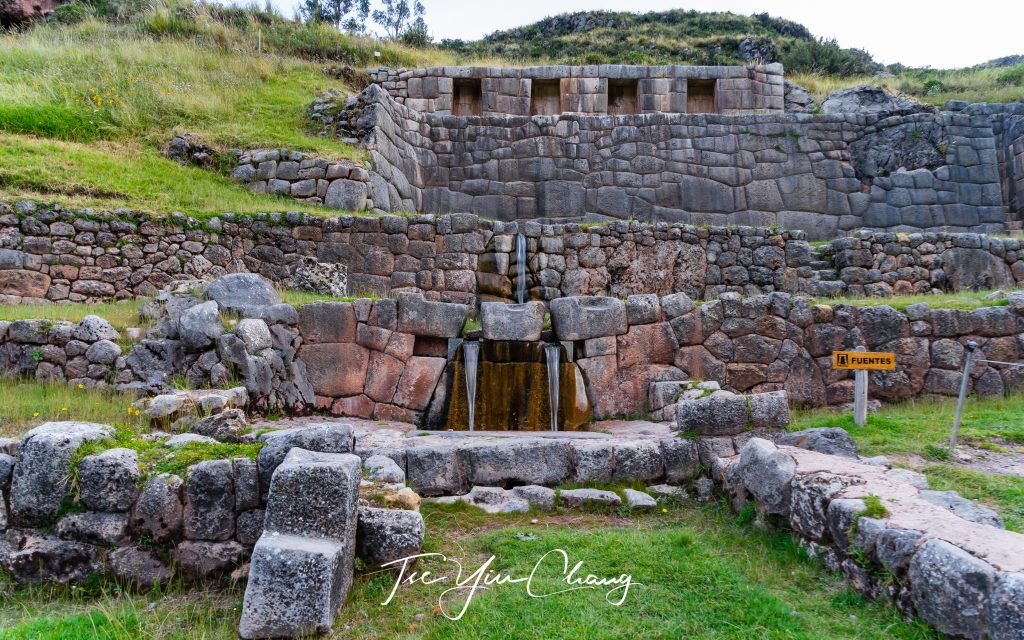
Tambomachay consists of a series of descending terraces and small buildings. It has a network of man-made waterfalls and channels which bring water down the terraces

Less than a kilometre away is the final place we visited – Tambomachay. It is not completely clear what the purpose of Tambomachay was, with possible suggestions including a military post, a stopping place for travellers, and a spa resort for the Inca elite. Carved out of the hillside, it consists of a series of descending terraces and small buildings. Flowing through the site are a network of man-made waterfalls and channels which bring water down the terraces. The water appears to flow from a natural spring, but archaeologists have been unable to locate the exact source without damaging the ruins in the process. You could easily spend a long time in Cusco. There is lots to see, and the city itself feels exciting and vibrant. The next morning we began the short hop across the mountains to our next destination. Cusco may have been the capital of the Inca Empire, but its heartland extended much further. We were on our way to the Sacred Valley, the home of countless ruins and dramatic landscapes.

See also:

  • A journey through the picturesque Andes by rail
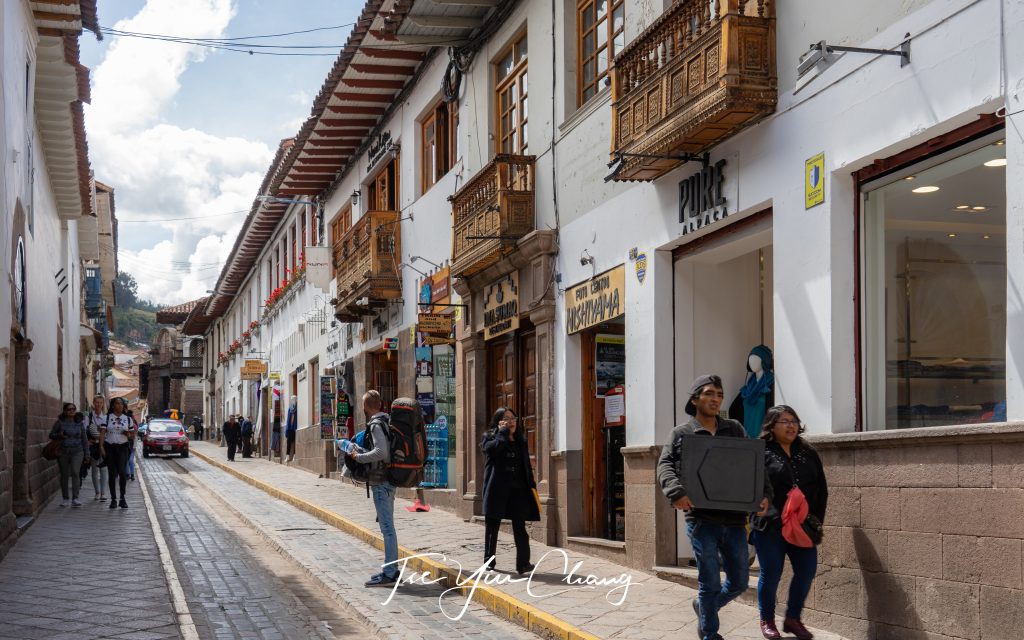
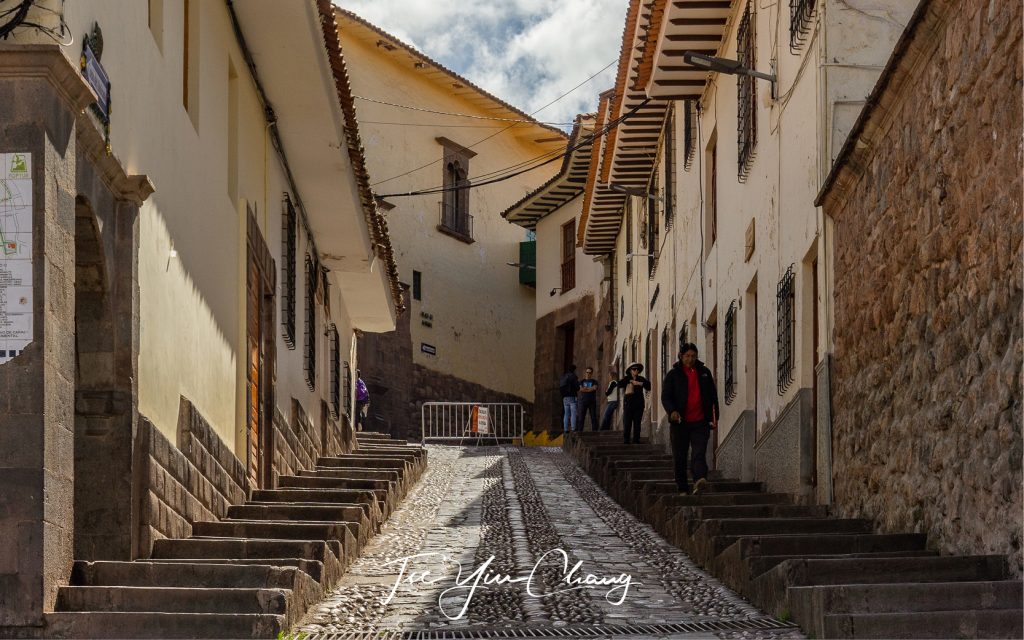
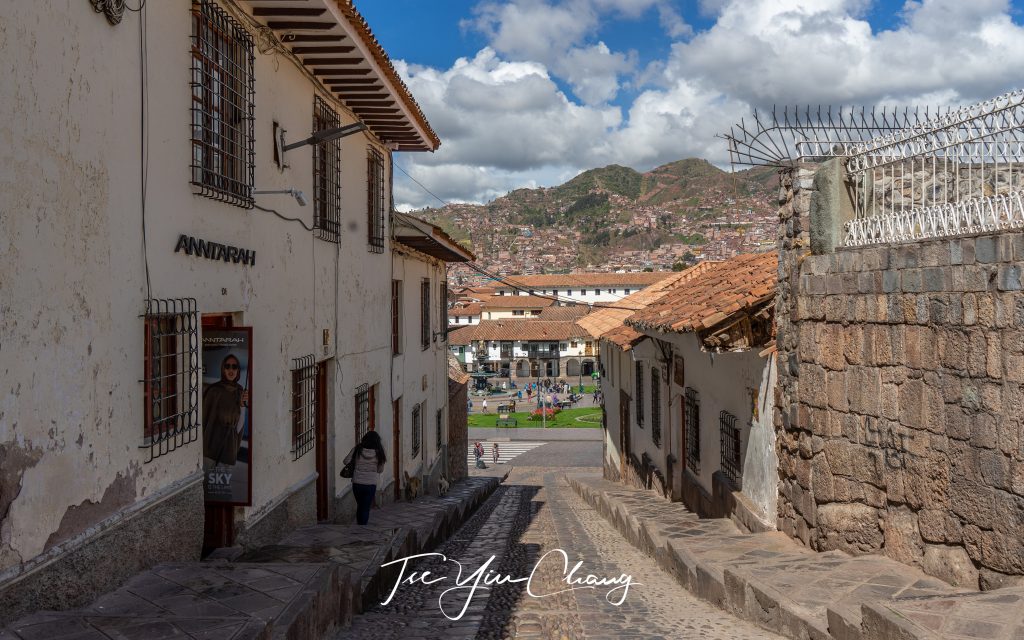
Cobble stoned alleys and plazas in Cusco
Cusco has lots of steep alleys and plazas made from cobble stones

Filed Under: Blog, Photography, Portfolio, Travel Tagged With: cusco, inca, peru, south america, travel

A journey through the picturesque Andes by rail

24 October 2019 by tadgraphics

Picturesque Andes is the world’s longest and second highest mountain range

The Andes are, without question, among the most dramatic places on earth. Stretching like a spine from the southern tip of the South American continent all the way to Colombia in its very north, they are the world’s longest and its second highest mountain range. Sitting right in the centre of the range – and encompassing some of its finest scenery – is Peru. There are many ways to travel around the country and take some of its marvellous landscapes in, but one of the best is the PeruRail train between two of the country’s most famous sites – Lake Titicaca and Cusco.
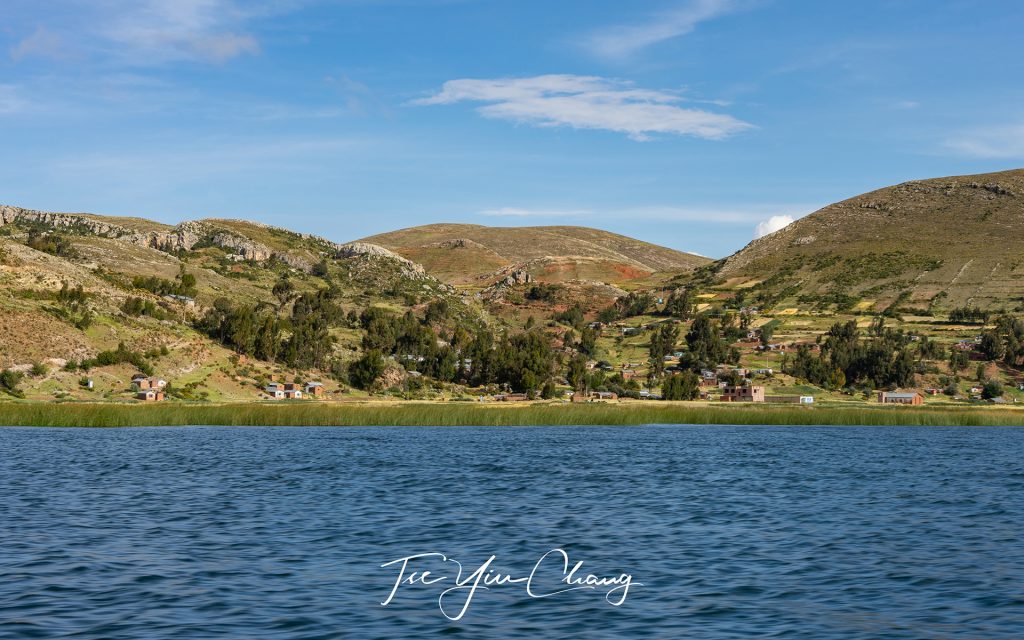
The pristine Lake Titicaca is the world’s highest navigable body of water, sitting at 3,800 metres above sea level

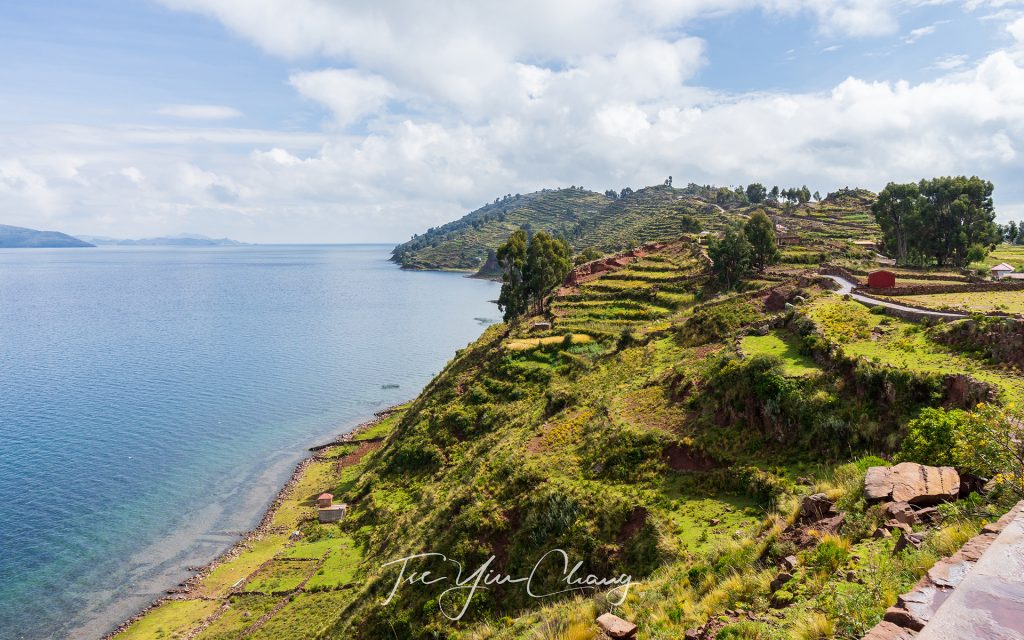
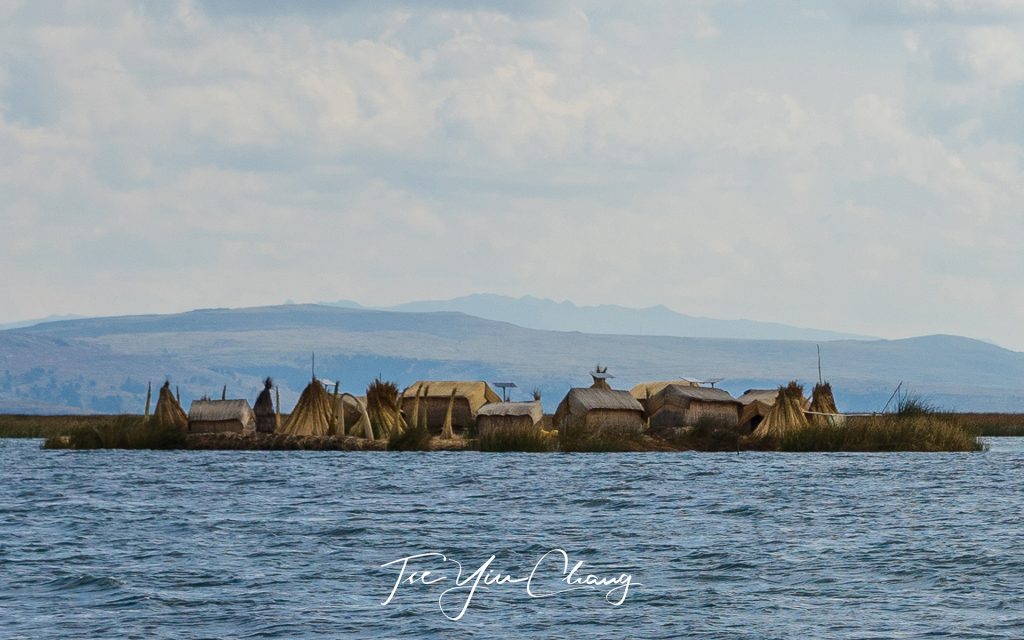
Lake Titicaca is the world’s highest navigable body of water, sitting at 3,800 metres above sea level. It is a place of desolate windswept beauty; a place where rocky slopes cloaked in yellow grass give way to pristine blue water and swaying reeds. In the distance are snow-capped mountains, and on the lake itself the indigenous people, also known as Uros build floating islands on which they live.

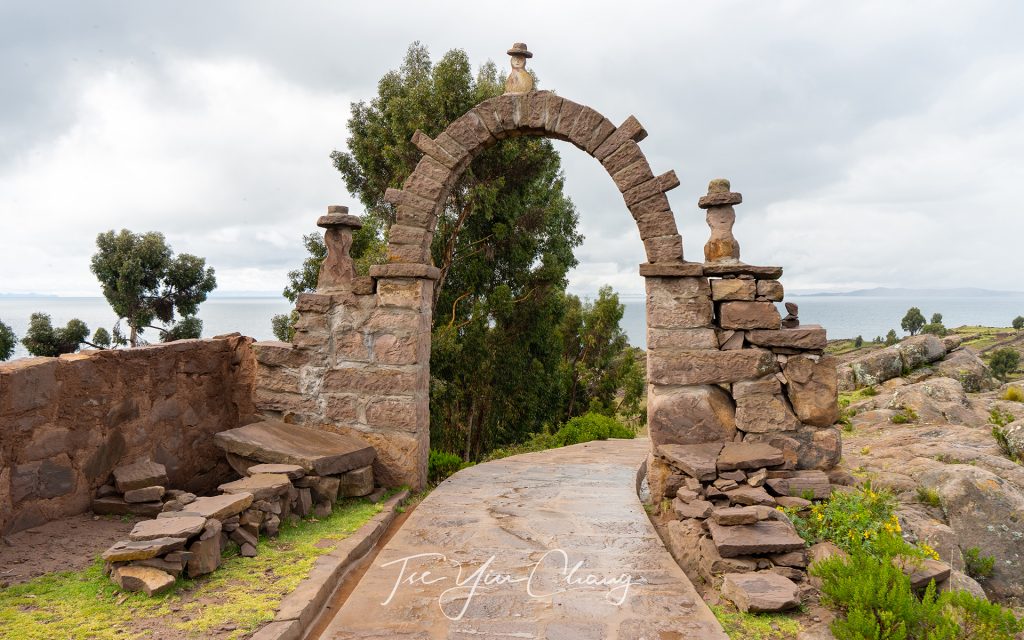
Visitors must hike along the pre-Inca Taquile Island trail and pass through the gate before arriving at the village

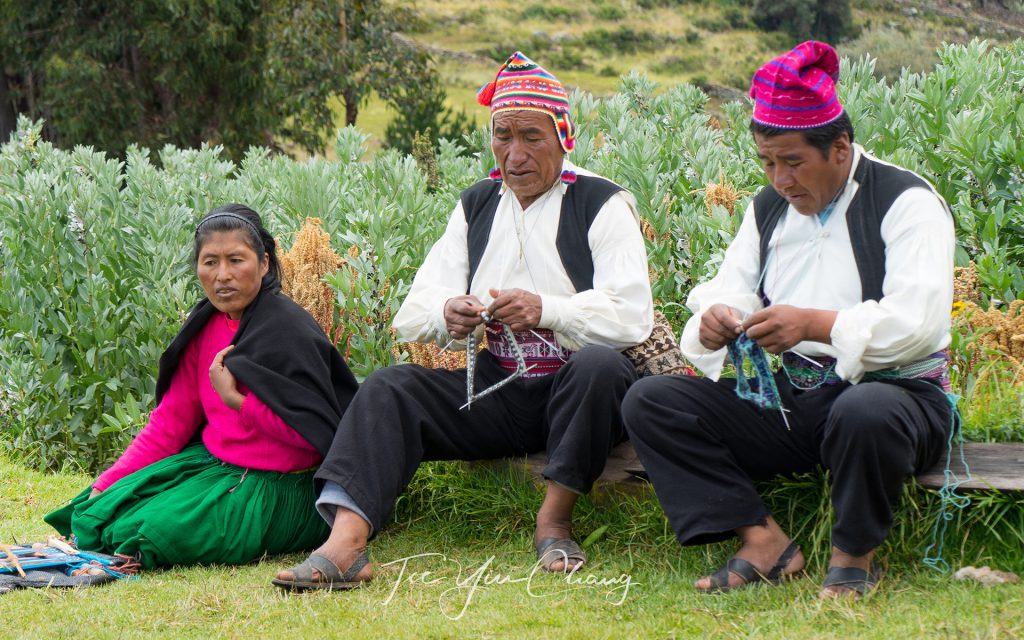
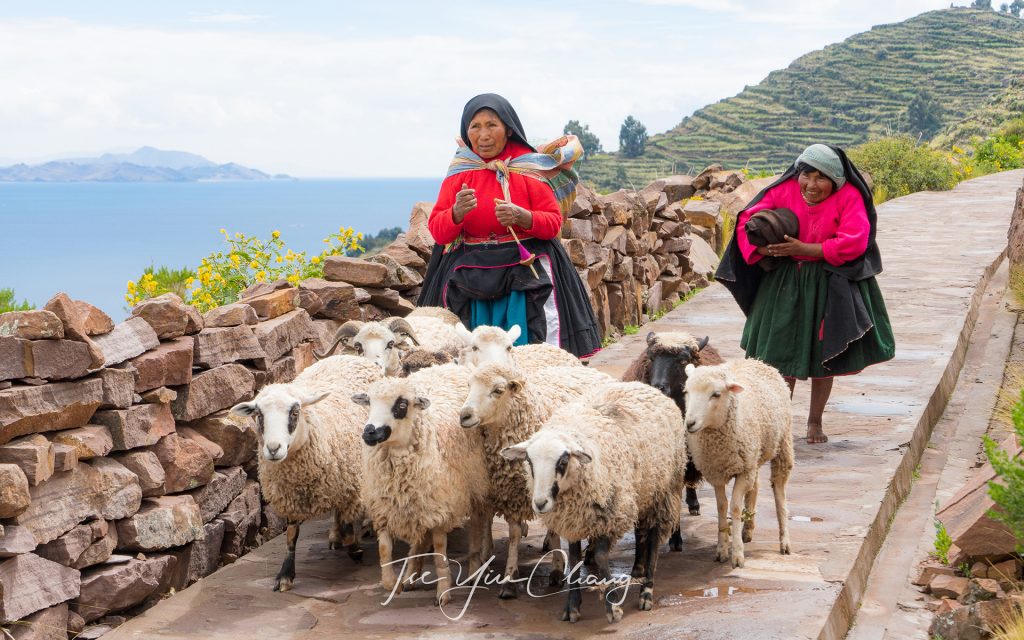
The pristine blue waters of Lake Titicaca hide a tourist gem, the scenic, tranquil and culturally rich Taquile Island. The island’s people, the self-sustaining Taquileños still speak Quechua, the ancient language of the Inca. The island is only accessible by boat. Once the boat docks on the cove, there is a short hike along a pre-Inca trail overlooking spectacular landscapes of the island. Taquile is known for producing some of Peru’s finest quality textiles and clothing. These delicately hand-knitted crafts is an activity exclusively reserved for men, a tradition practiced since the time of the Incas. Taquile’s hand-knitted textiles are considered so unique that they were named Masterpieces of the Oral and Intangible Heritage of Humanity by UNESCO in 2005.

Taquileño knitting men, a tradition practiced since the time of the Incas

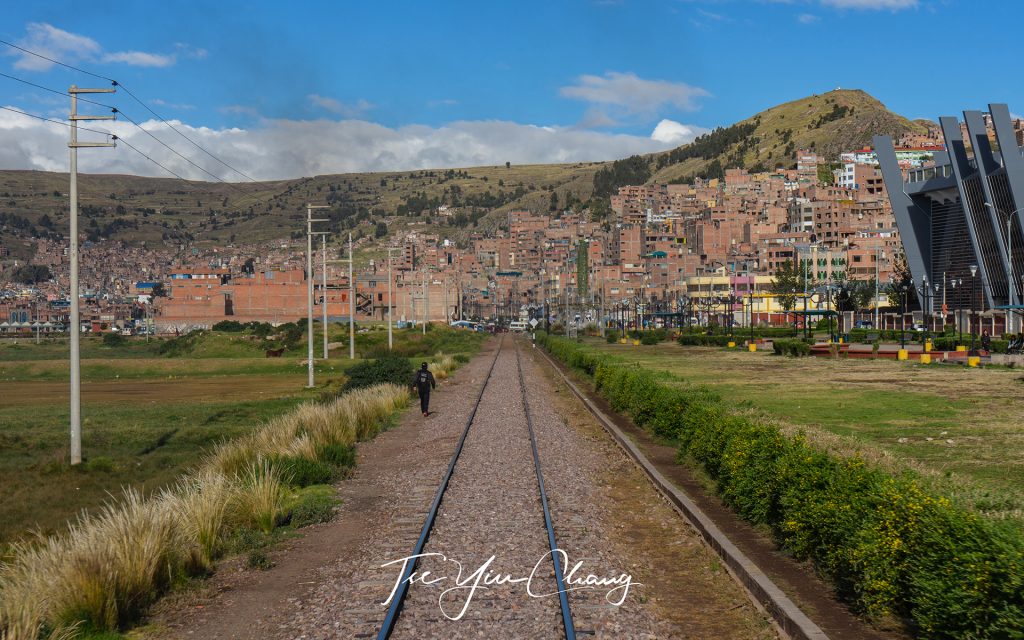
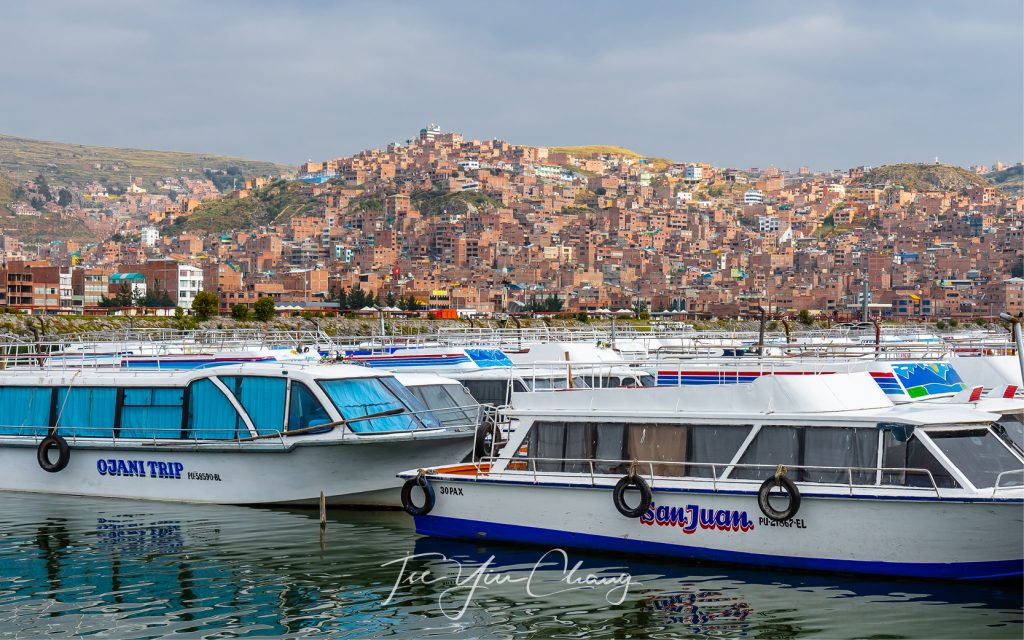
The lake straddles the border between Peru and Bolivia, and the town of Puno is the most popular base for travellers on the Peruvian side. From here, visitors can take trips out onto the lake, or visit some of the nearby pre-Hispanic ruins. The town itself possesses a few attractive colonial buildings and all this makes it a good place to spend a few days. It is from here that the PeruRail train leaves.

Town of Puno possesses a few attractive colonial buildings

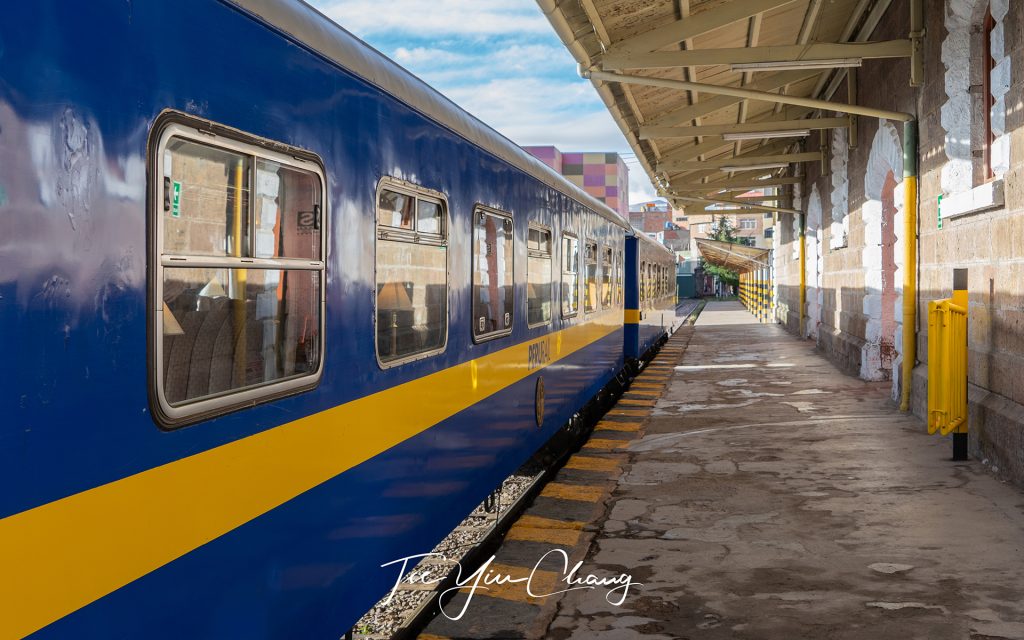
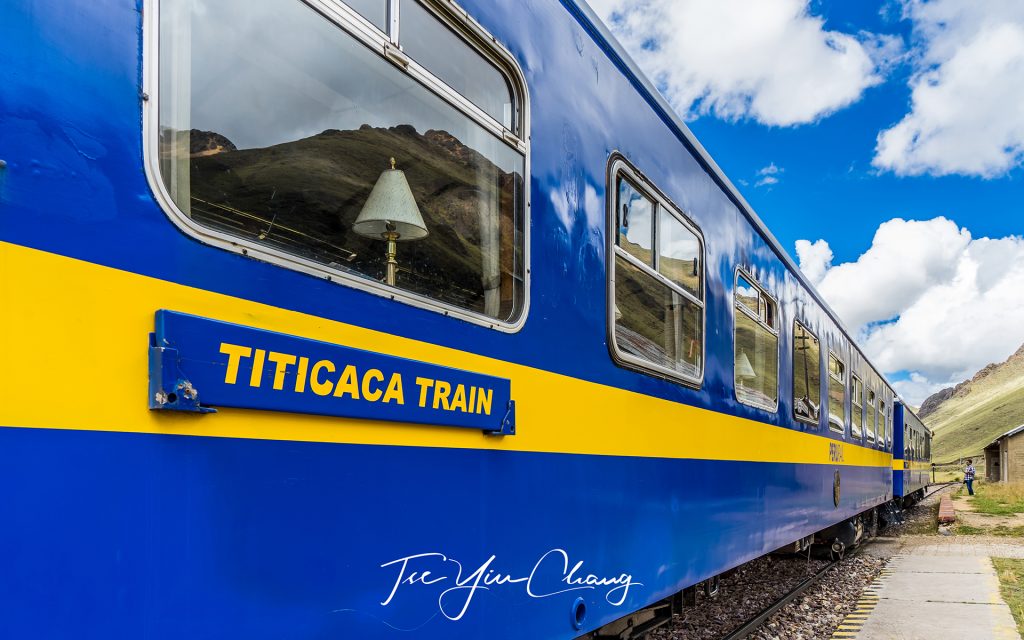
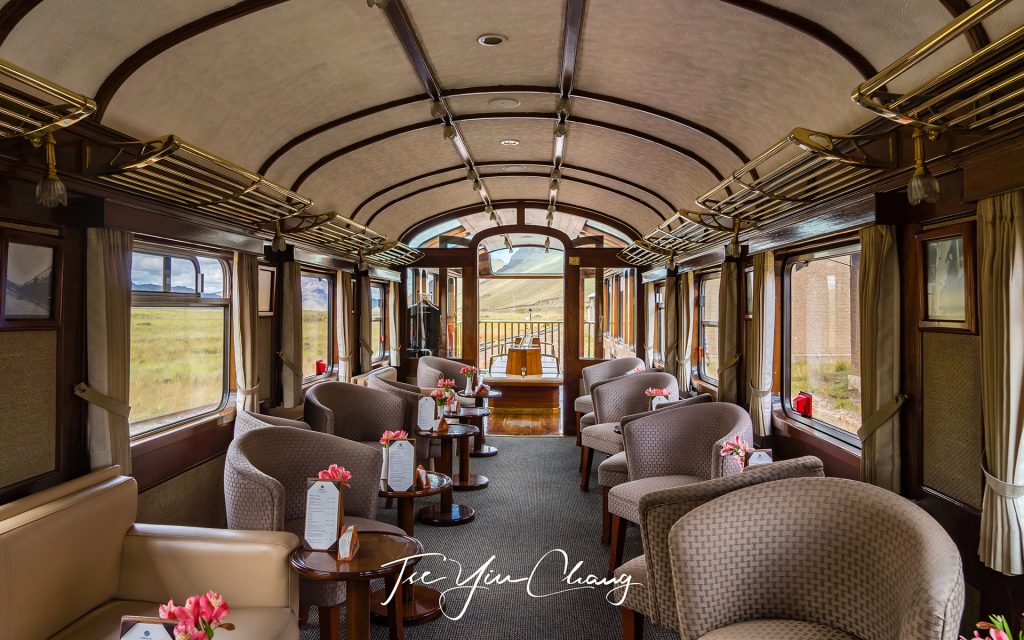
There are still working trains in Peru which are used for day-to-day transport and for moving goods around the country. This train, however, is not one of them. It exists solely to provide travellers with a memorable experience, and for this reason, is a lot more comfortable and grander than your average commuter train. The interiors of the carriages are all wooden panelling, dimmed yellow lighting and white tablecloths. It feels like something from the golden age of rail travel, not something that you immediately associate with Peru, but a welcome feature nonetheless.

PeruRail Titicaca train departing Puno

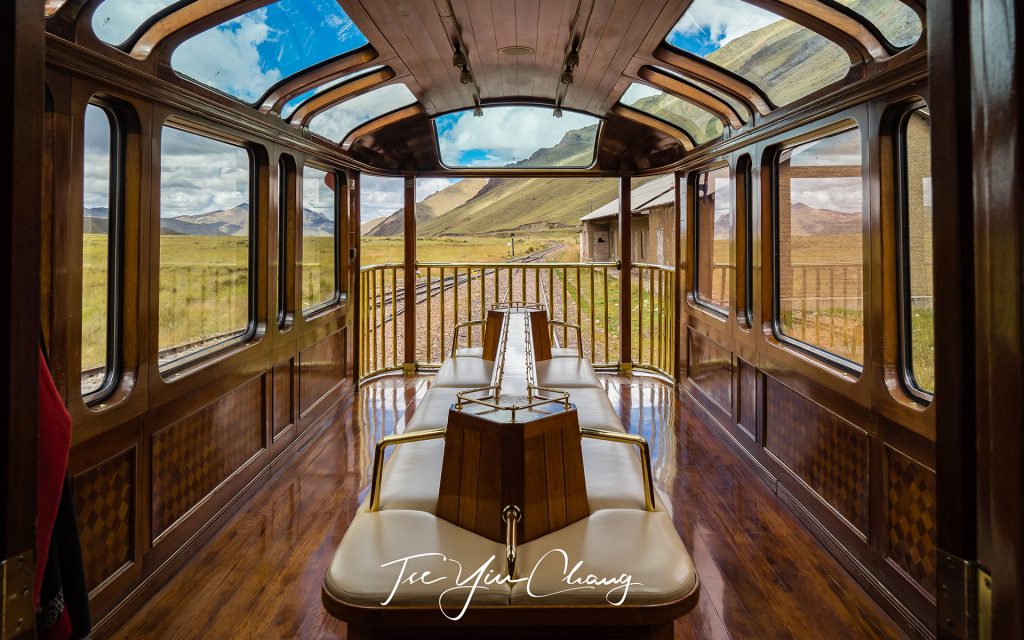
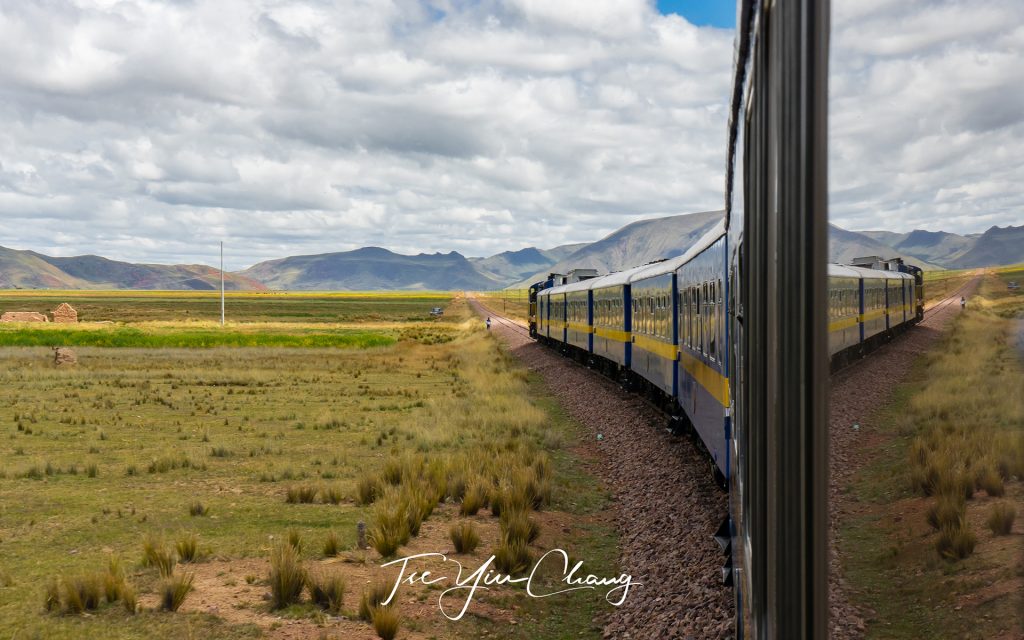
Everything else about the journey, however, is designed to highlight what a spectacular and culturally rich country Peru is. You can walk freely between the dining carriages and the observation car, which has been fitted out with glass. Its windows extend across the roof to show off the big blue skies, and the rear of the car opens up into a balcony. 

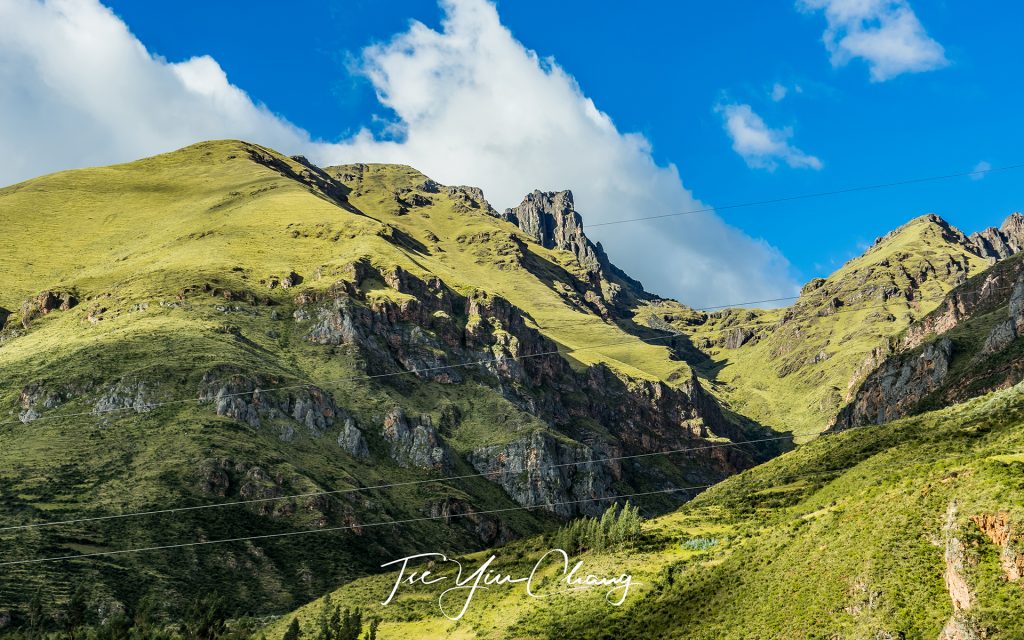
Peru is blessed with a huge variety of dramatic scenery

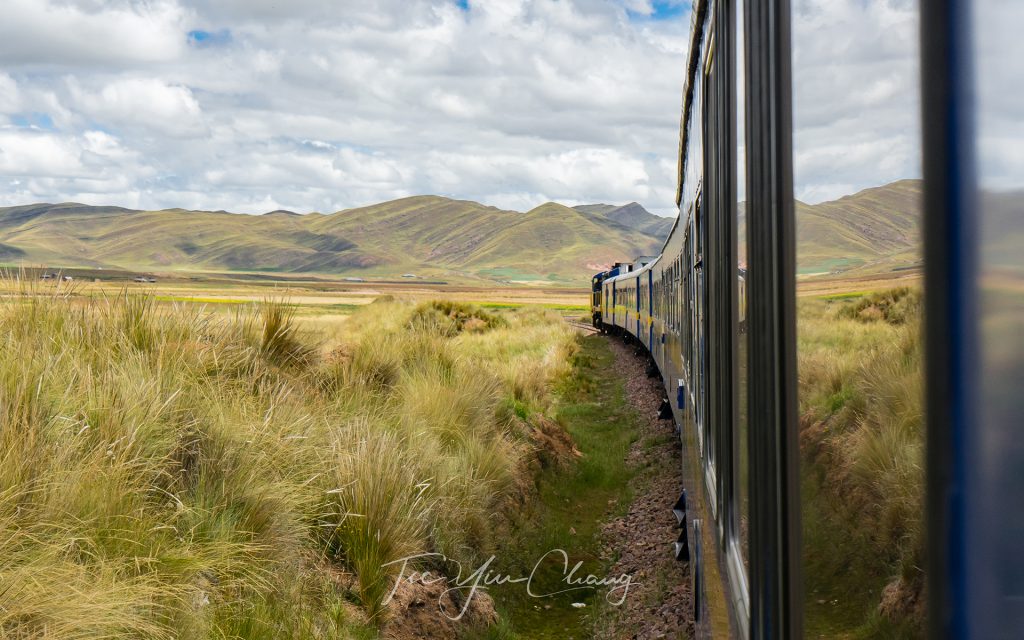
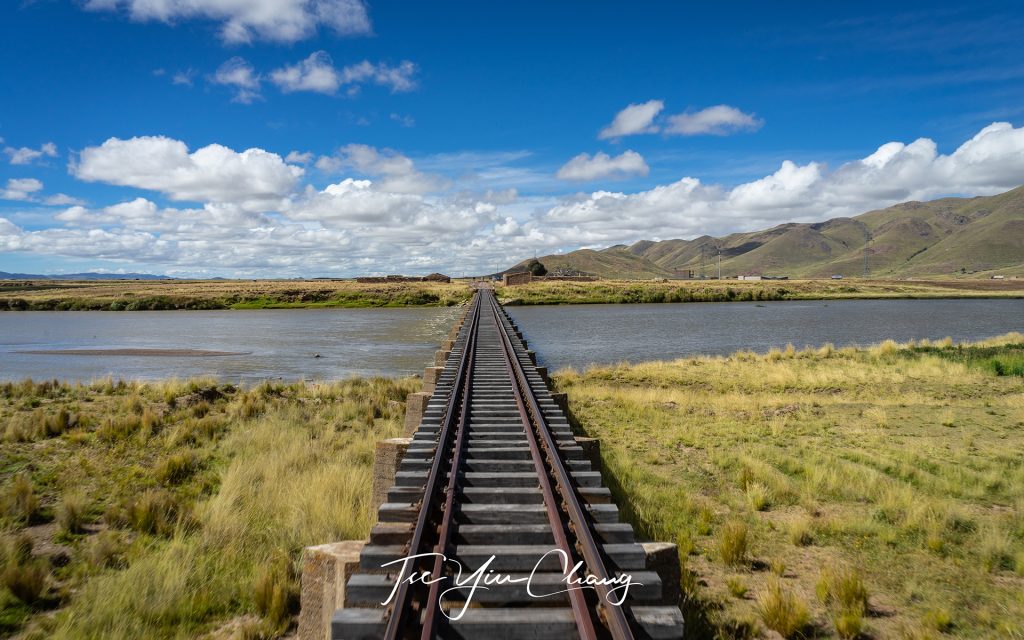
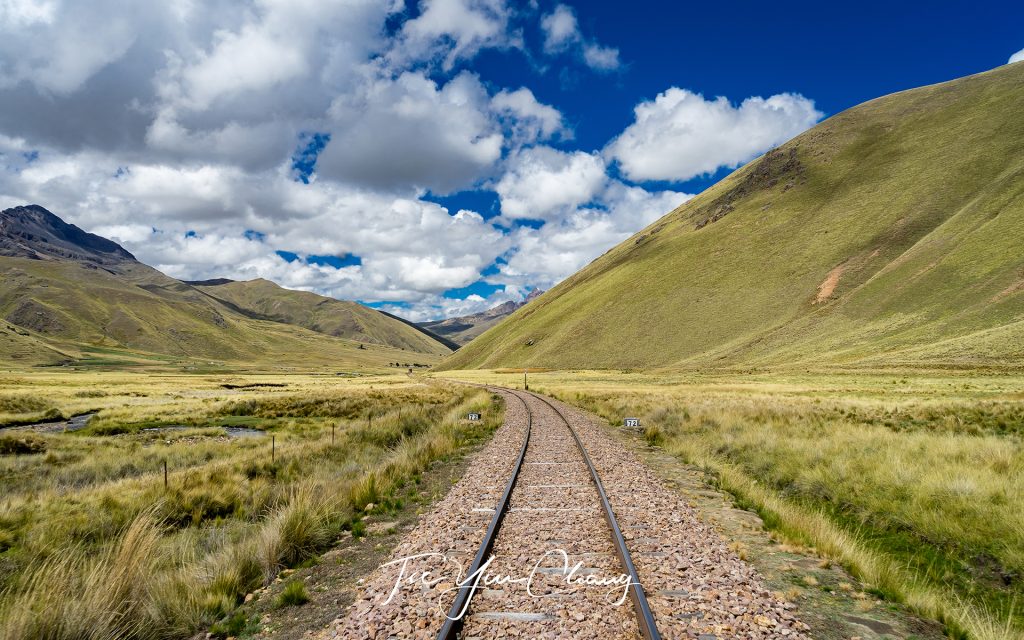
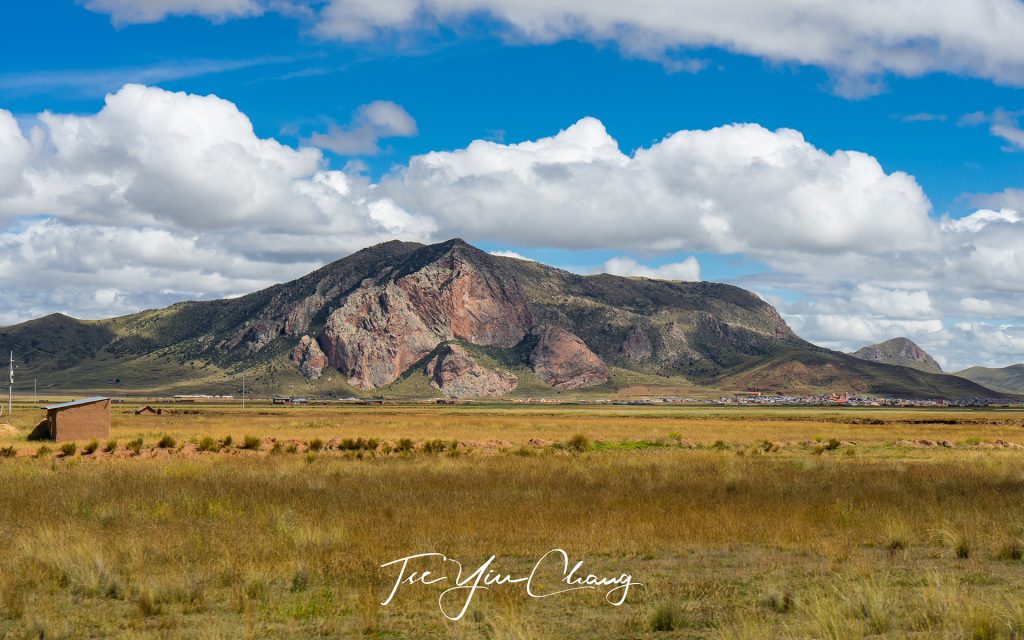
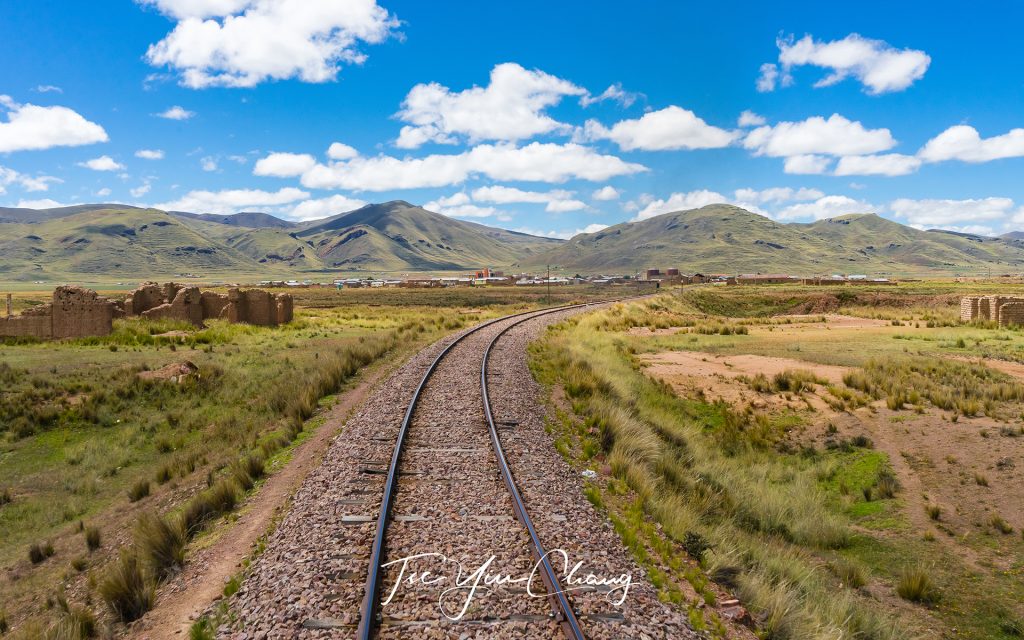
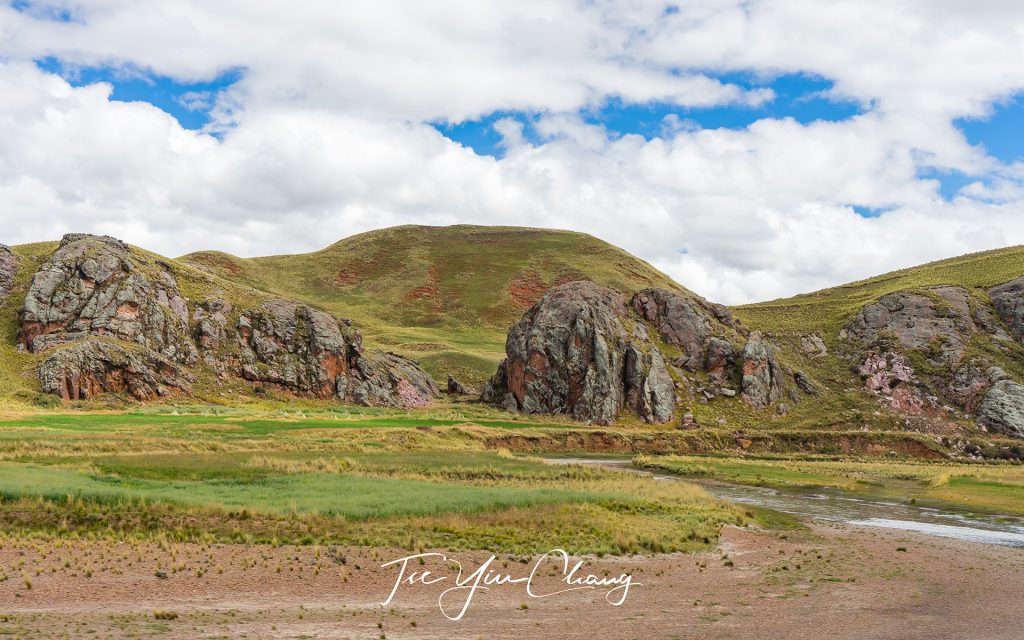
Peru is blessed with a huge variety of dramatic scenery, with everything from Amazon rainforests to one of the driest dessert on earth. The part of the country which the train travels through is known as the altiplano, and it alternates between sweeping open high altitude plains and jagged mountain peaks. Through the windows on one side, you might see empty grassland populated with only the occasional llama herd, while on the other, dramatic white peaks loom, casting their shadow over the train.
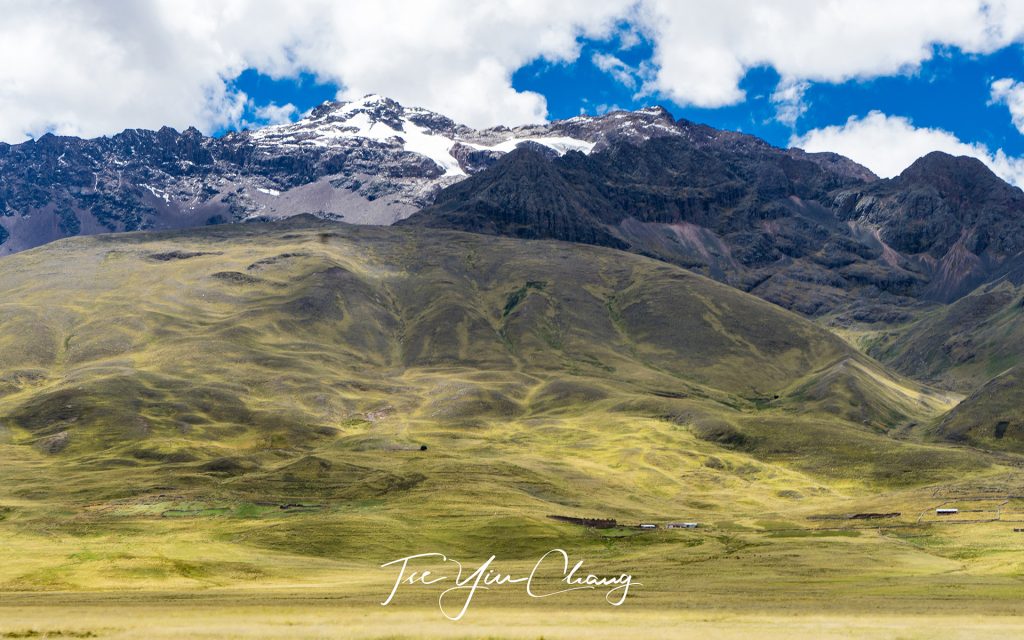
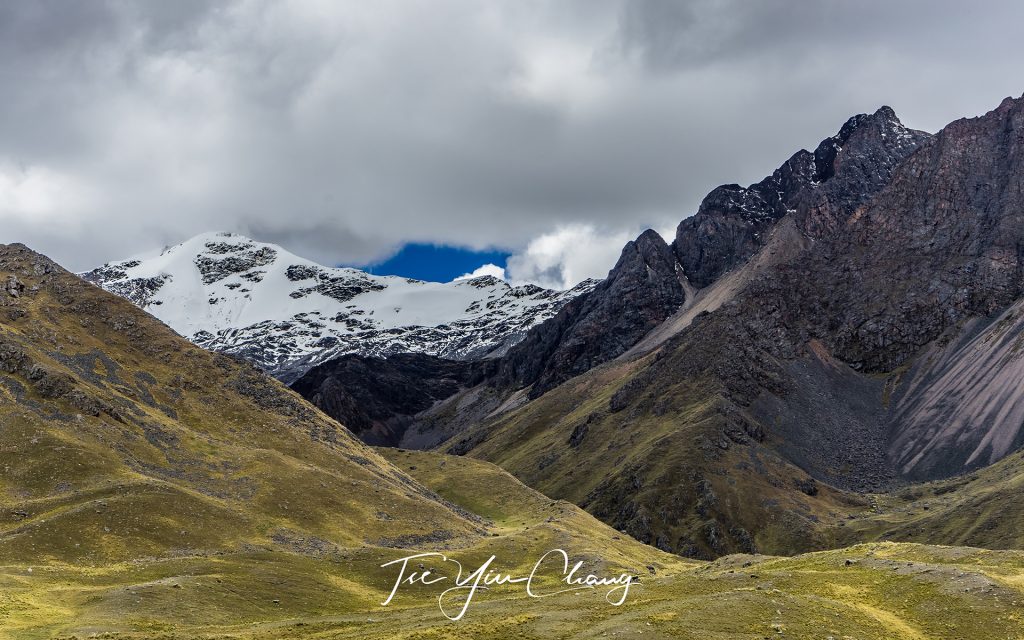
Dramatic white peaks of the Andes

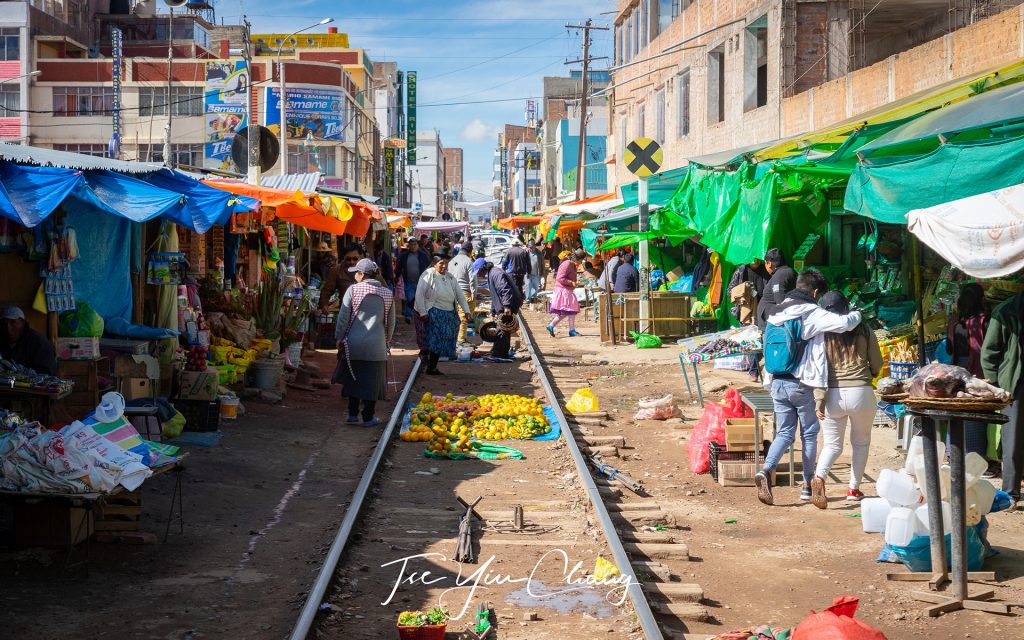
It feels impossibly lonely up here, but every now and again you are surprised by the sight of a tiny village rolling into view or someone walking alone across the empty landscape. The train passes through a few larger towns, and one of the most interesting comes soon after departing Puno. Juliaca is not the sort of place visitors would usually stop, however, passing through by train gives a fascinating glimpse of everyday life in the Peruvian Andes. The tracks cut right through the middle of the town market, with the stalls passing within touching distance. Locals go about their business, haggling for everything from food to building supplies, and children wave at you as they wait for the train to pass so they can cross the tracks. This is a slice of Peru at its most authentic.

A fascinating glimpse of everyday life of the Peruvian Andes as the train tracks cut right through the middle of the Juliaca town market, with the stalls passing within touching distance

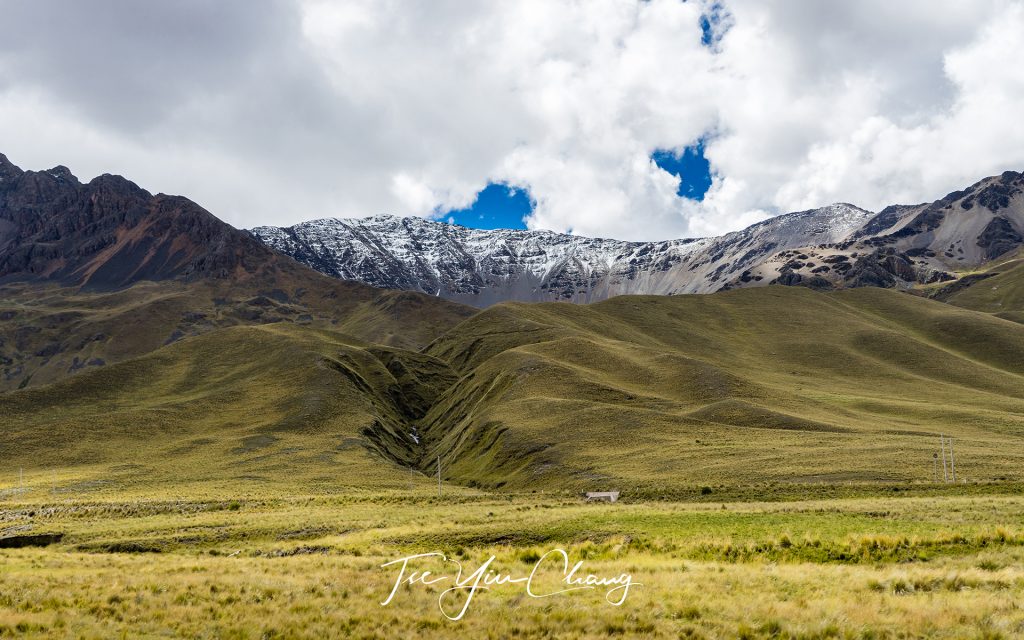
Around halfway along, the train reaches its highest point, the pass at La Raya – a rare opening in the surrounding mountains which allows the track to cut through. At 4,319 metres above sea level and hemmed in by peaks, it’s hard to believe that this place would be inhabited if it wasn’t for the passing trains. Inhabited it is however (just about), and it is here that the train makes its only stop. It is worth using some of the time to peruse the small handicraft market, and some more to step inside the small chapel. Once you have done that, you have seen everything manmade that La Raya has to offer. The best thing about the stop, however, is the chance to step out into the spectacular scenery you have been passing, and spend some time taking it all in.

Spectacular snow-capped mountains at La Raya. This cold and remote village is the highest point of the Lake Titicaca-Cusco route which is located at 4,319 metres above sea level

Peruvian culture is not just on display outside the train, you can experience it up close thanks to the entertainment included as part of the ticket. Passengers are serenaded by a band made up of guitars, tiple, flute, percussion and of course pan pipes. The haunting Andean melodies make a perfect addition to the landscapes rolling past outside. The indigenous culture of the altiplano is particularly colourful, and it is on full display in the dress and movement of the dancers who accompany the music.

The beautiful train is furnished with 1920s-style Pullman carriages. The open-air observation carriage is a dream for photographers keen to capture the dramatic scenery of the Peruvian Andes

After ten hours the train reaches Cusco, its final destination. If you visit Peru, the chances are you will end up in Cusco at some point. It is the starting point for visits to the famous Machu Picchu and the Sacred Valley, two of the country’s world famous attractions. The city itself was once the capital of the Inca Empire and later became an important colonial town for the Spanish. They built their opulent mansions, cathedrals and plazas right on top of the existing city, resulting in a unique hybrid architecture. Inca walls made from enormous stone blocks – somehow fitting together perfectly without the need for cement – sit next to whitewashed Iberian villas. Sometimes the two can be found within the same building. While most come here by road, the PeruRail train from Puno has to be the best way of arriving. You won’t get the luxurious comfort, the sweeping views and the exposure to Peruvian culture on a bus.

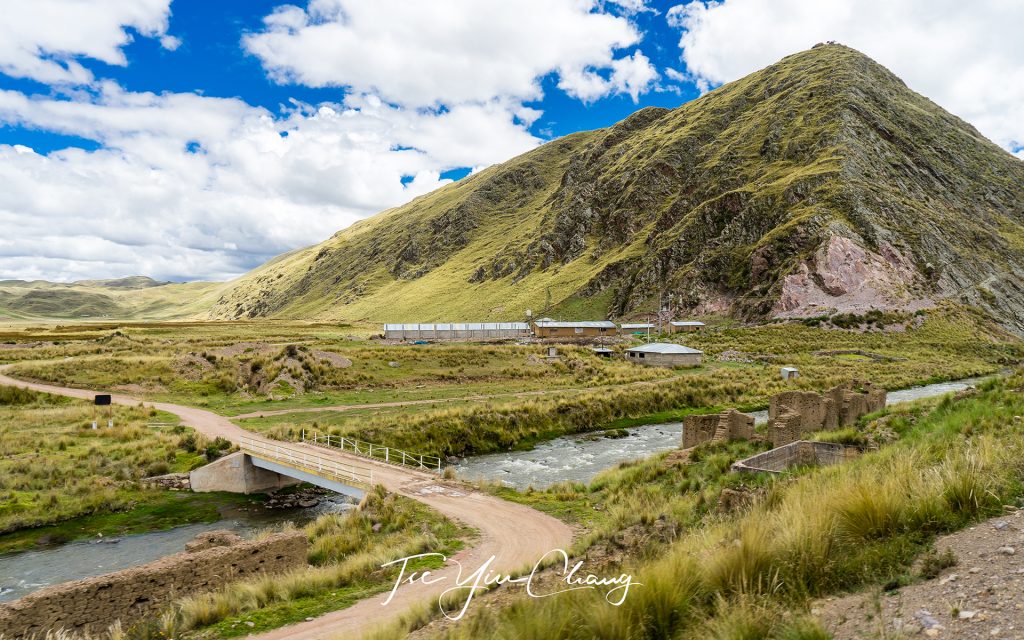
Every now and again you are surprised by the sight of a tiny village rolling into view

Prints from my trip on the Puno-Cusco train, as well as the rest of my South American adventure are available to purchase. Get in touch if you want to own a piece of the Peruvian landscape.

The route covered by the PeruRail Titicaca train is considered as one of the most beautiful rail journeys in the world

Coping with altitude sickness

Altitude sickness is a very real problem up in the high Andes, and most visitors will experience some effects. For many this will mean nothing more than a shortness of breath, but for an unlucky few, the headaches, nausea and dizziness can be enough to require hospital treatment. Fortunately, there are simple precautions which can reduce the effects of altitude.

Ascending slowly is one of the most effective ways of preventing altitude sickness. While many of the most breath-taking sights in the Andes are above 3,000 metres, there are plenty of things to see at lower elevations. Stopping for a few days at medium altitudes can help your body adjust gradually, and reduce the strain it feels when you get really high up.

Taking extra care to look after yourself is also important. While dehydration, drinking too much alcohol and pushing yourself too hard are always things to avoid, up in the mountains they can aggravate altitude sickness. Your body is having to work extra hard to glean as much oxygen from the thin air as it can, and it needs your help to do so. Staying hydrated and saving some energy helps keep the worst effects at bay.

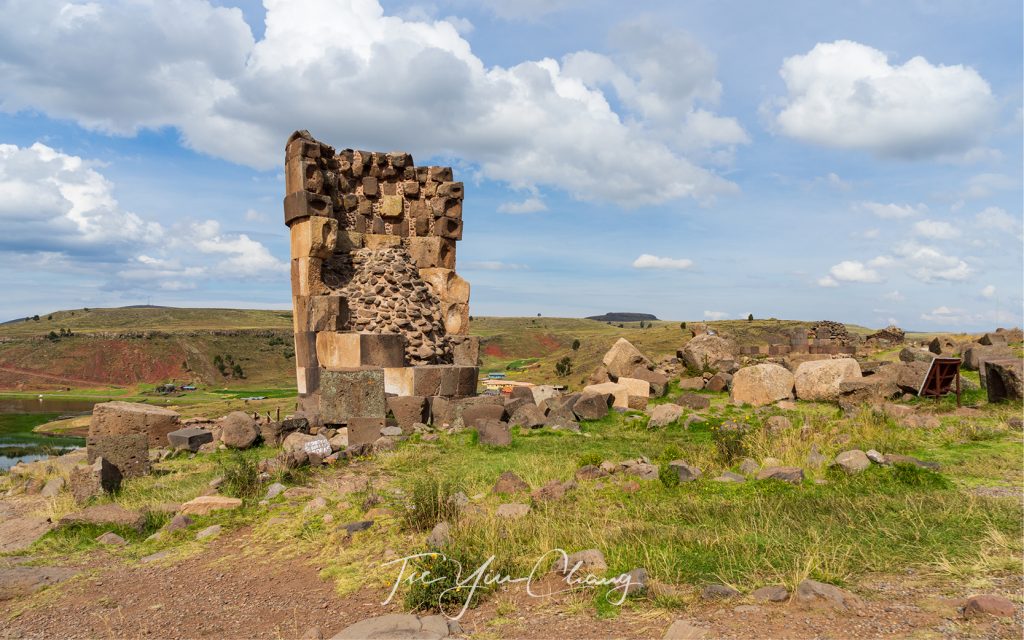
Sillustani, located on the shores of Lake Umayo near Puno is one of the main archaeological attractions in the Lake Titicaca area. It is a pre-Incan site that consists of a group of huge cylindrical tombs constructed by the Qulla people to bury their nobility
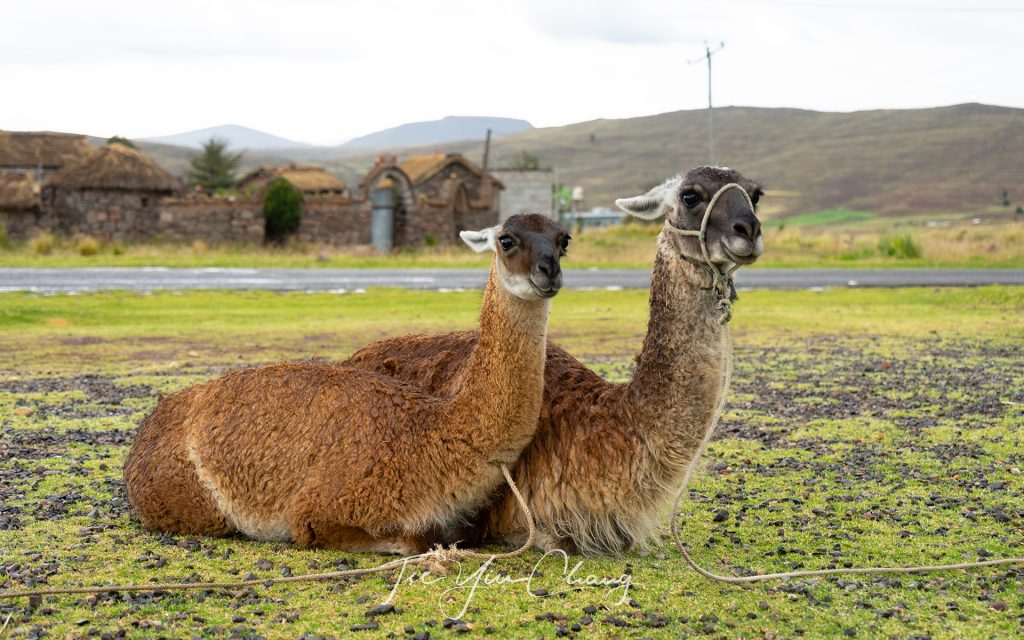
Getting up close and personal with the locals – llamas on a traditional Peruvian farm
The town of Puno is located at the edge of Lake Titicaca
Home to many unique indigenous plants, Taquile Island offers scenic hike on the rugged landscape and views of Lake Titicaca
Local sheep farmer, Taquile Island, Lake Titicaca
One of the many Uros floating islands on Lake Titicaca
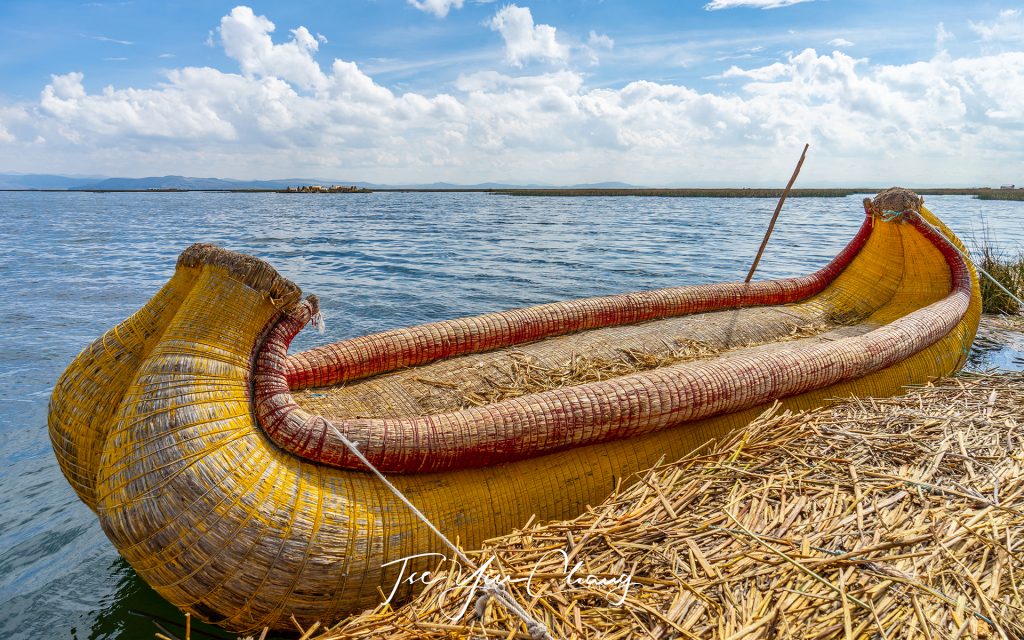
Totora reed boats built by the Uros people are among the oldest known types of boats
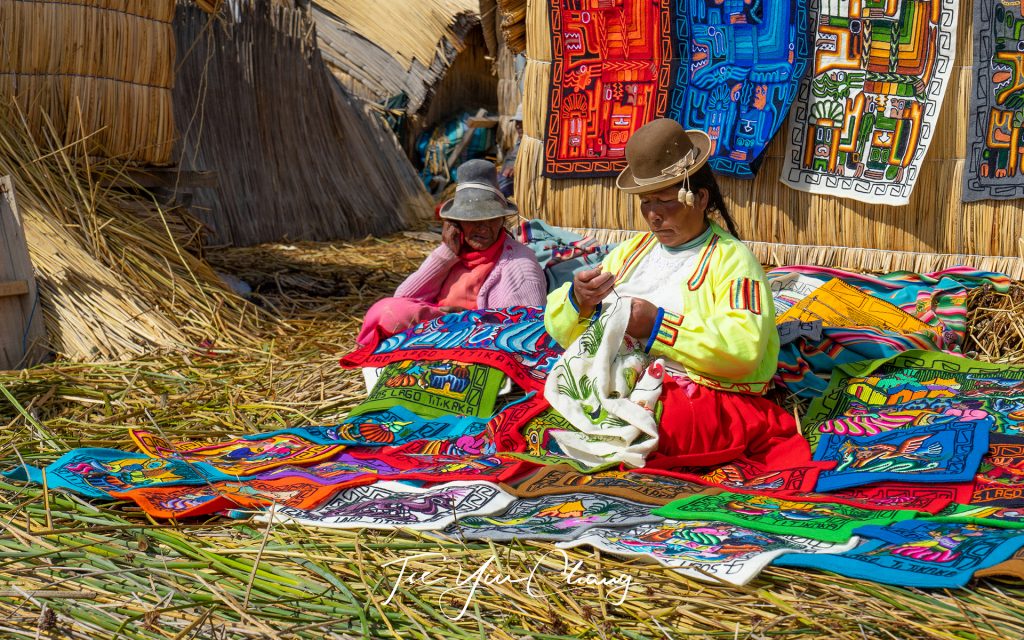
Self-sufficient Uros people weave and sell their handicrafts
The part of the country which the train travels through is known as the altiplano
The memorable once-in-a-lifetime adventure travels between Puno and Cusco lasts approximately 10 hours
Dramatic white peaks
The wooden paneling in the interior of the train makes it feel like something from the golden age of rail

Filed Under: Blog, Photography, Portfolio, Travel Tagged With: altitude, cusco, inca, lake titicaca, peru, puno, rail, south america, travel

  • Page 1
  • Page 2
  • Page 3
  • Page 4
  • Go to Next Page »

© Copyright 2005-26. All rights reserved. t ad studio | tad graphics. Web and graphic design Perth. Admin