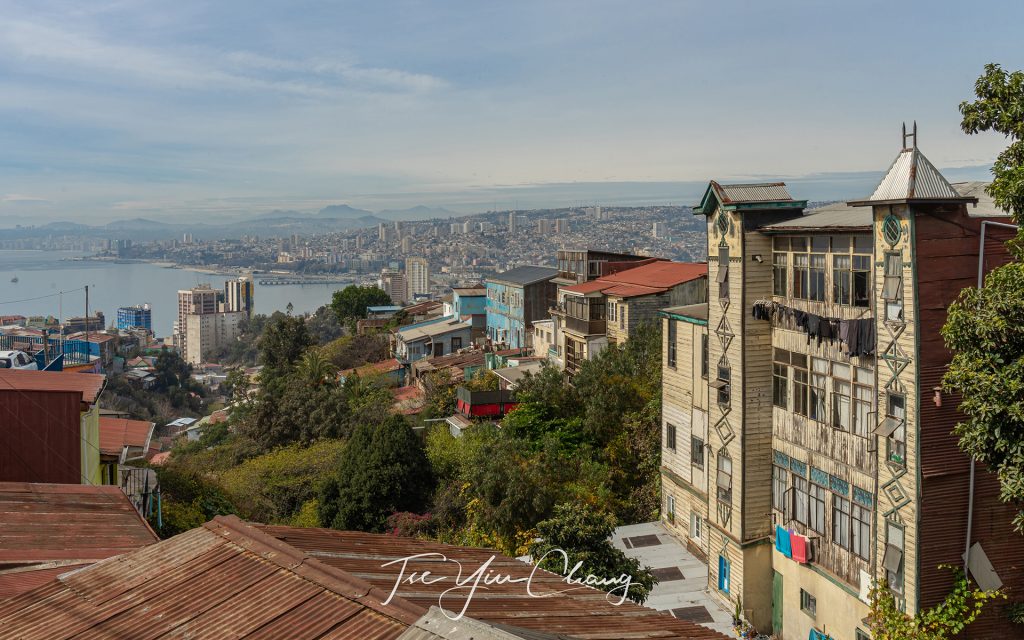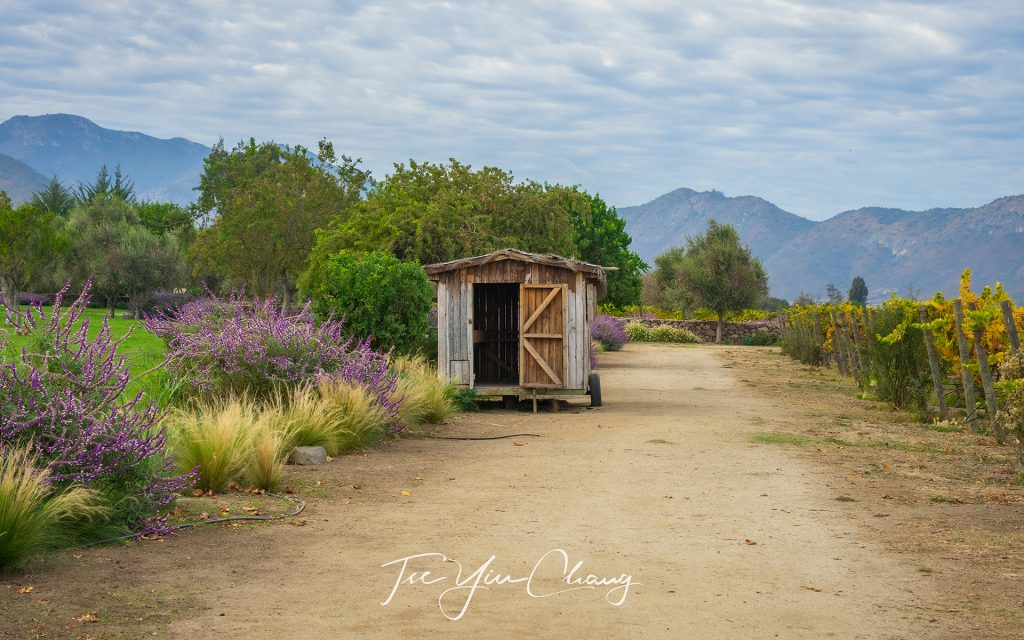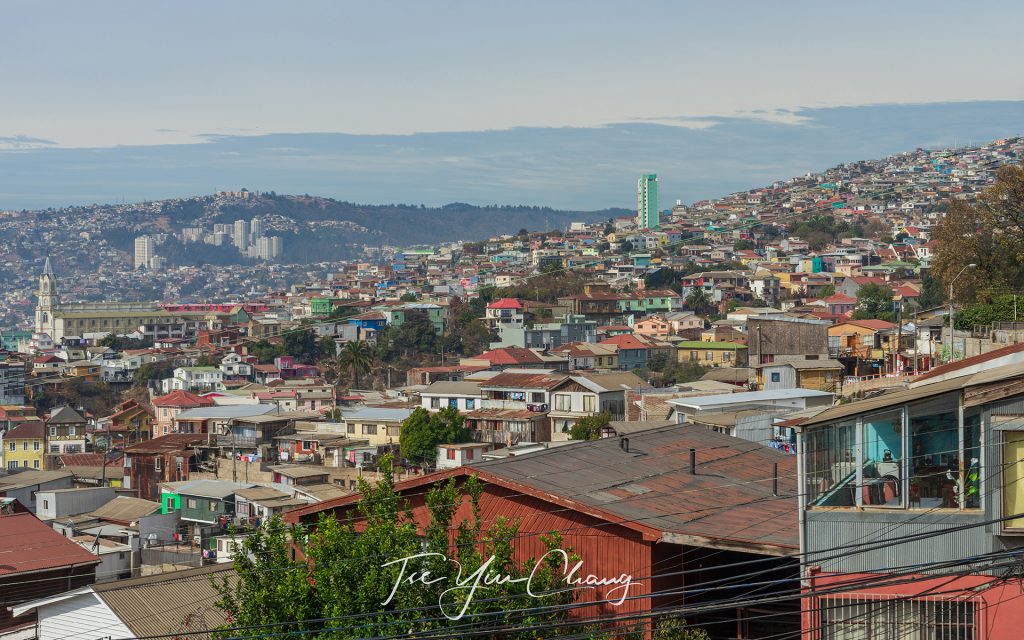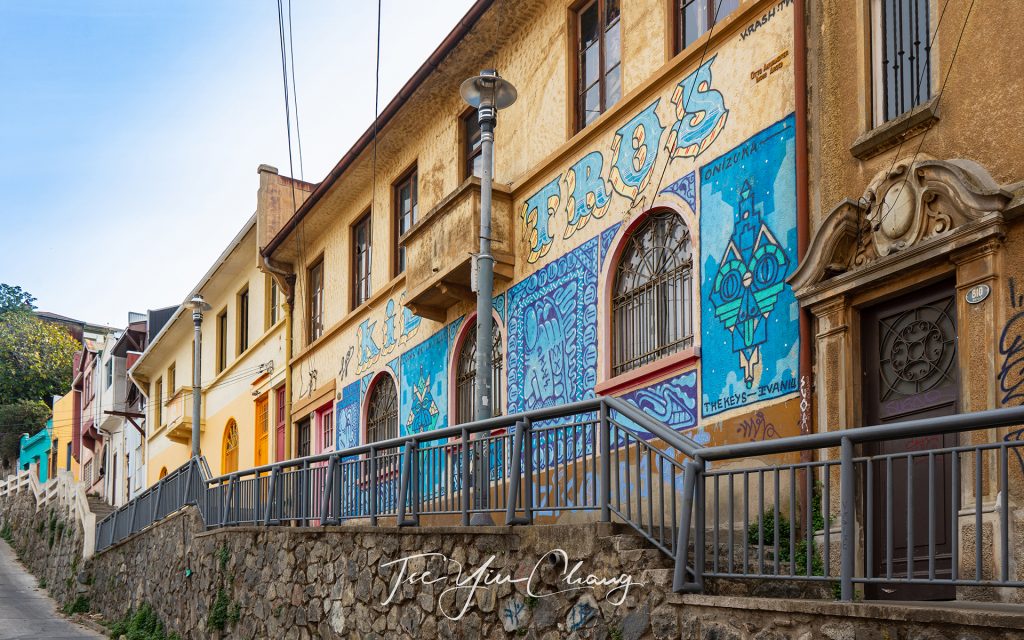
• Skip to primary navigation
  • Skip to main content
TAD Graphics logo

t ad studio | tad graphics

A vibrant, multi-disciplinary advertising, communications, creative and digital agency

  • About us
  • What we do
    • Creative and graphic design
    • Copywriting
    • Marketing and advertising
    • Promotional photography
    • Web design and digital media
  • Portfolio
  • Blog
  • Contact us
  • Shop prints

landscape

Waterfall images and Feng Shui: Unleashing prosperity and serenity

2 July 2023 by tadgraphics

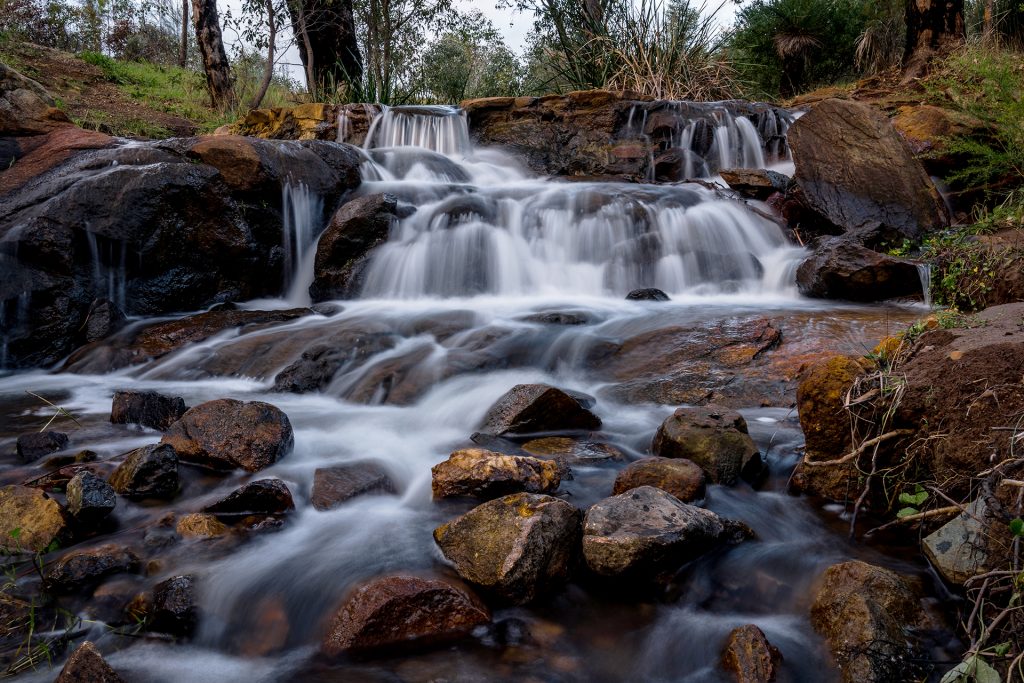
Lesmurdie Cascades in full flow, winter 2023

In the modern world, we are constantly seeking ways to invite positive energy and tranquillity into our lives. One such way is through the ancient art of Feng Shui. In this post, we will explore the powerful role of waterfalls in Feng Shui, and how they can transform your home into a haven of prosperity and serenity.

Waterfalls in Feng Shui: More than just an element

In Feng Shui, water is not just a simple element. It symbolises wealth and the continuous flow of opportunities. Waterfalls, with their unending, powerful flow, serve as the perfect metaphor for the never-ending flow of universal abundance. By strategically placing images of waterfalls in your home, you can tap into this natural energy and invite more prosperity into your life.

Placement matters: Inviting wealth into your home

The positioning of these waterfall images is as crucial as the images themselves. Feng Shui principles suggest that waterfalls should be placed on the same wall as the front entrance. This placement ensures that it appears as if the water – and thus, the wealth – is flowing into the home, rather than out of it, fostering a feeling of abundance and attracting positive energy into your household.

The tranquillity brought by waterfalls in Feng Shui

In Feng Shui, waterfalls not only hold a financial significance but also bring a sense of tranquillity and peace. The calming image of a waterfall, with its soothing sounds and majestic appearance, can create a serene atmosphere in your home. This tranquillity can help reduce stress, boost mood, and even foster creativity.

Serene Hopetoun Falls
Serene Hopetoun Falls. In Feng Shui, waterfalls not only hold a financial significance but also bring a sense of tranquillity and peace.

Waterfalls in Feng Shui: How to optimise your home

Waterfall images serve as a bridge between the outdoor natural world and our indoor living spaces. This connection can help us feel more grounded and at peace, promoting overall well-being. Here are some quick tips to incorporate waterfalls into your home decor according to Feng Shui:

  • The waterfall image should evoke feelings of serenity and abundance. Look for images with vibrant colours and dynamic movement that capture the power and grace of waterfalls
  • The size of the image should be proportionate to the space it is going into. A large wall would benefit from a larger image, while a smaller space might require a more compact image
  • Choose a frame that complements the image and your home decor. A well-chosen frame not only protects the image but also enhances its visual appeal
  • Good lighting can make a significant difference in how your waterfall image is perceived. Make sure the image is well-lit so that all its beautiful details can be appreciated
  • Dust and dirt can disrupt the flow of positive energy. Ensure your waterfall image is kept clean and dust-free.

Embrace waterfalls in your home

I hope you’ve enjoyed this exploration of waterfalls in Feng Sui. Now, it’s time to transform your home into a sanctuary of prosperity and tranquillity. At Tse Yin Chang Photography, I offer an exquisite collection of waterfall photographs that are not just visually stunning but also carry the essence of Feng Shui principles.

All of my artwork is available in a range of sizes and materials to ensure you can customise it to your preferences. If you have any questions, feel free to contact me.
Filed Under: Blog, Photography, Portfolio Tagged With: feng shui, landscape, prosperity, serenity

Wander out yonder: Exploring ancient Karijini National Park

22 November 2020 by tadgraphics

Karijini National Park is Western Australia's second largest national park, crisscrossed by a network of river systems, many of which carved out spectacular gorges through the ochre rock over two billion years ago
Karijini National Park is Western Australia’s second largest national park, crisscrossed by a network of river systems, many of which carved out spectacular gorges through the ochre rock over two billion years ago

It would be an enormous understatement to say that the coronavirus pandemic has disrupted the global travel industry. All over the world people have been prevented from travelling, and those that do attempt to take a holiday abroad risk cancellations, expensive flights and quarantines on their return. Over here in Western Australia we have successfully managed to keep the state free of COVID-19. But in order to do so, we have had to cut ourselves off – not just from the world, but from the rest of the country too.

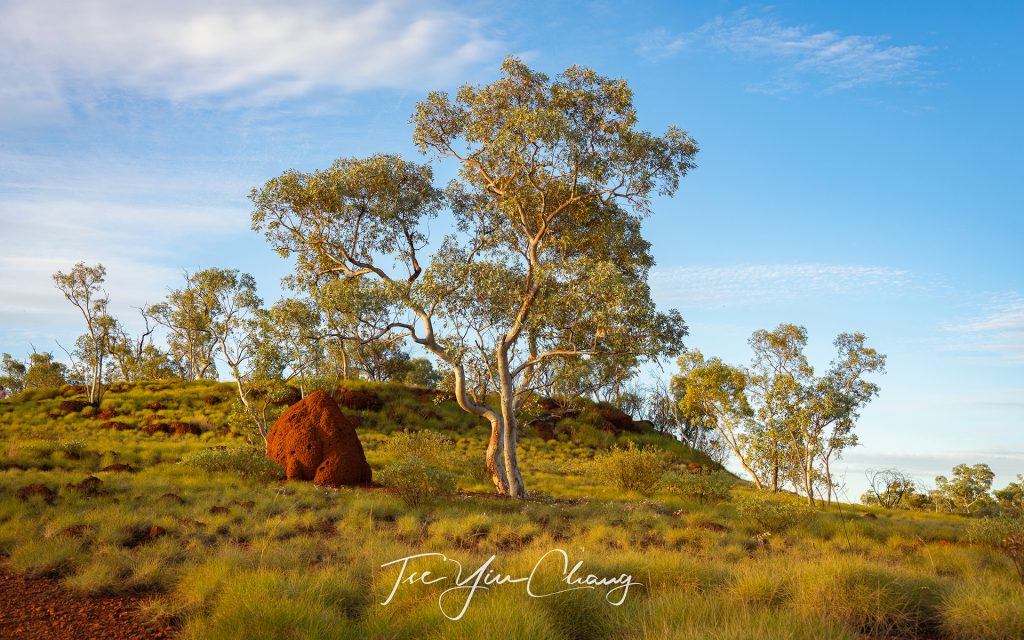
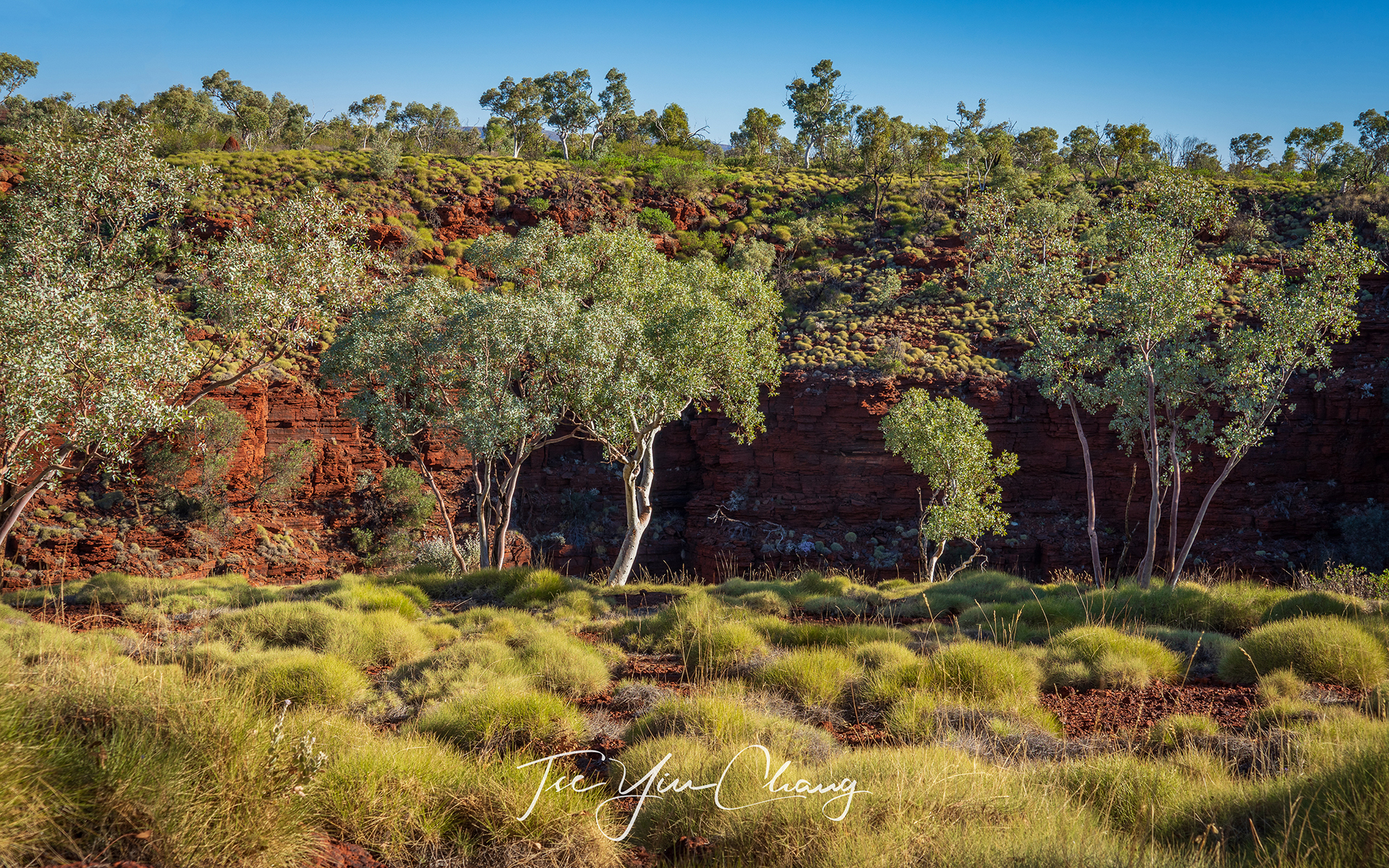
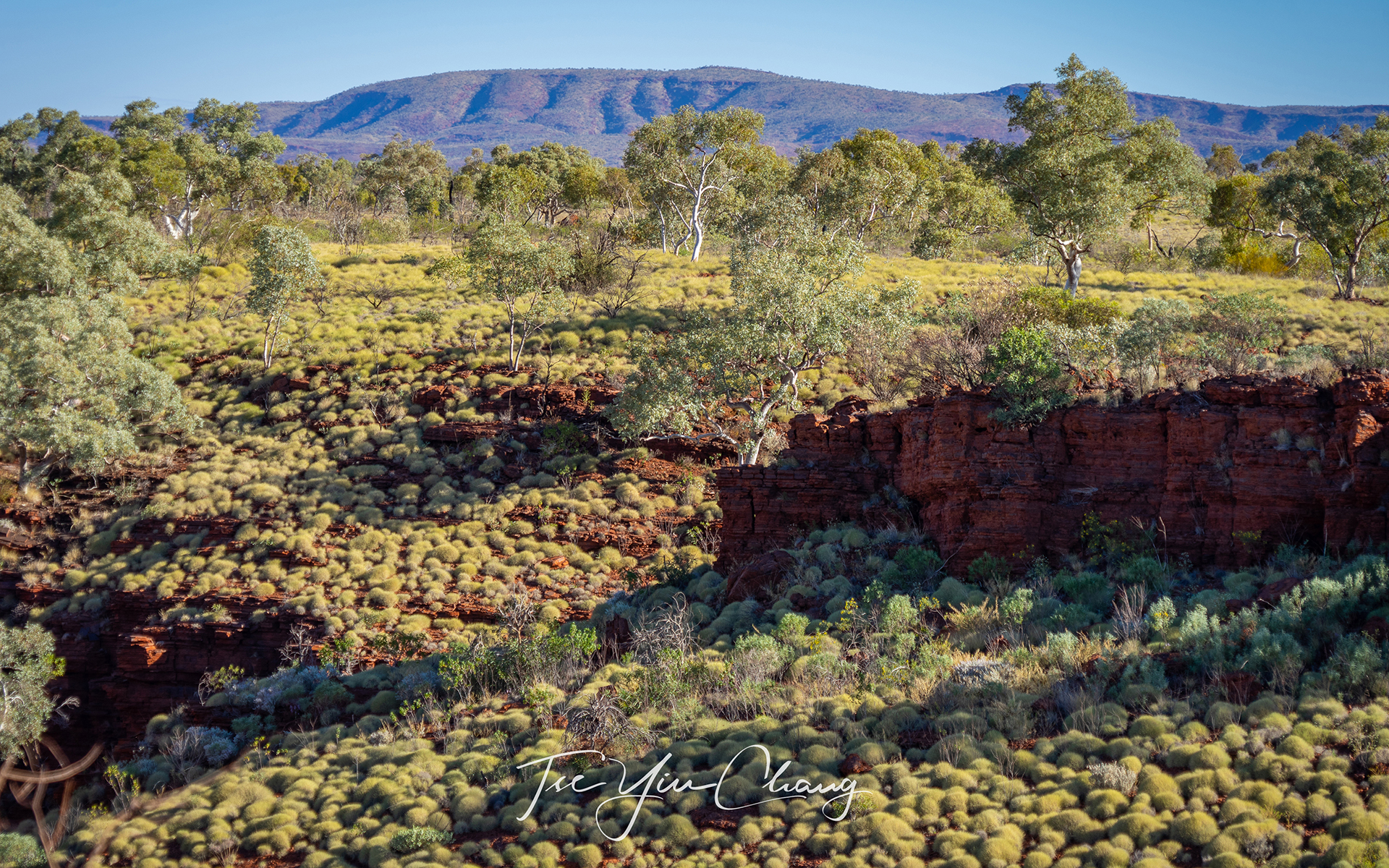
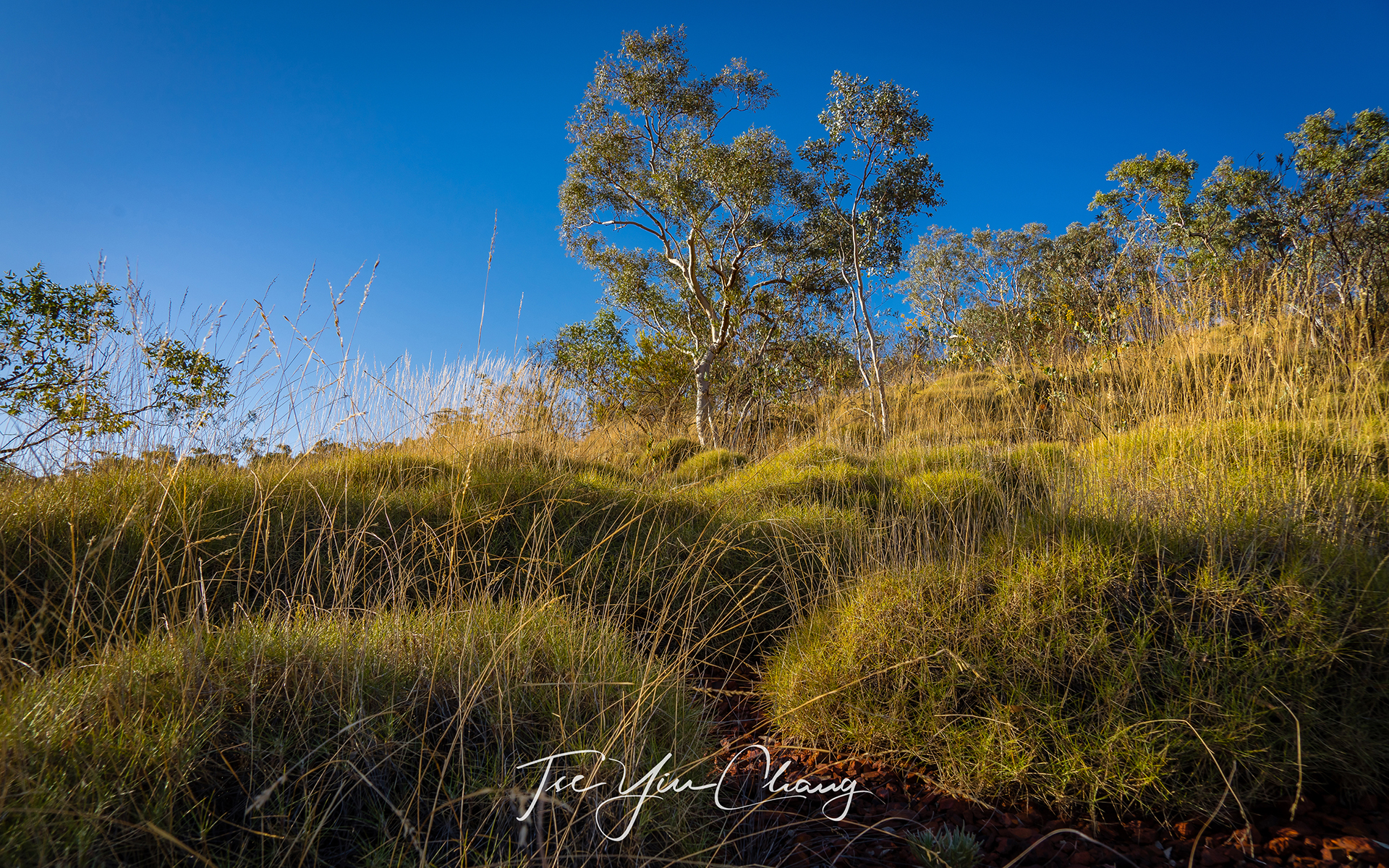
Spinifex plants are common in the Pilbara. They grow in large clumps with many needle-like leaves giving the plant a hemispherical appearance
Spinifex plants are common in the Pilbara, they grow in large clumps with many needle-like leaves giving the plant a hemispherical appearance

Luckily for Western Australians, this beautiful State we call home is full of amazing things to see and do. With overseas and interstate options (at the time of writing) off the table, I, like many others, decided to take a look at travel opportunities closer to home and explore some of the natural wonders the west has to offer. We’re really spoilt for choice here in the vast region of Western Australia, but on this occasion I decided to venture to the far north, to the ancient Pilbara region.

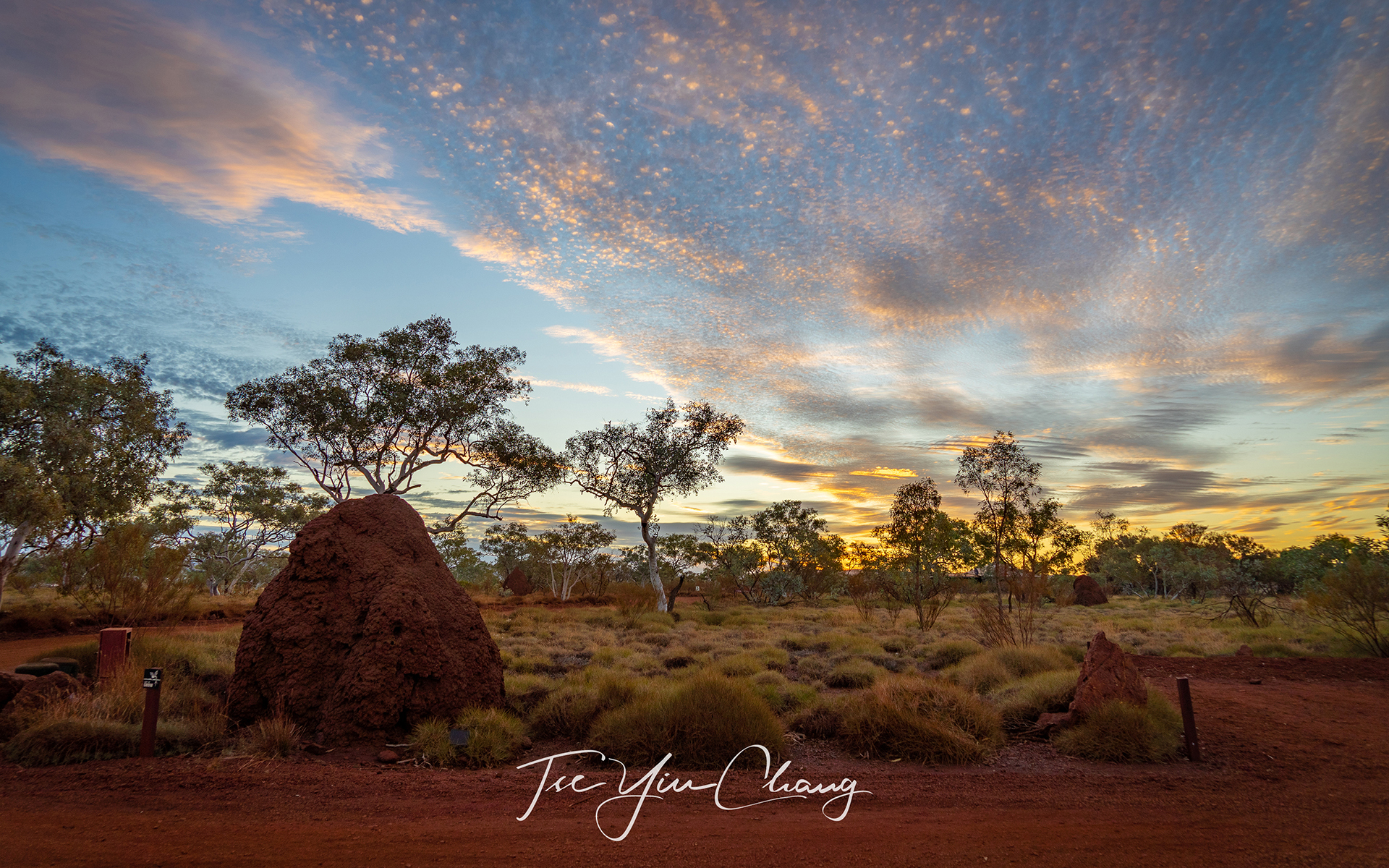
Huge termite mounds and spinifex country are features of the Pilbara landscape

Due to the distance (almost 1,300 km from Perth) and relative cost compared to many neighbouring countries, it usually takes a determined traveller to make a trip that far north. For those that do make the effort though, there is one standout destination to reward their dedication, and that’s Karijini National Park. The park is home to 6,000 kilometres of bushland (making it the second largest national park in Western Australia), which is crisscrossed by a network of river systems, many of which carved out spectacular gorges through the ochre rock over two billion years ago. At the bottom of these gorges, the crystal-clear water has created a number of pools and waterfalls which, sheltered from the ferocious sun, make for an oasis of tranquillity.

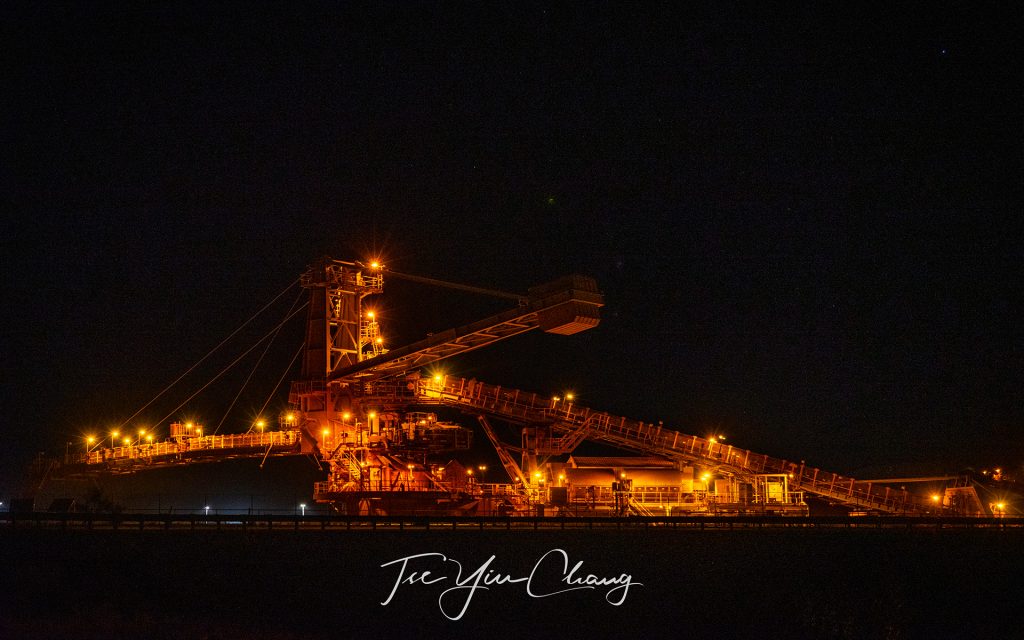
The Pilbara region is best known for its mine sites

For many Western Australians the Pilbara region is best known as a place of work. At twice the size of the United Kingdom, it is where many of the mines which power Australia’s economy can be found. Despite having visited the Pilbara several times over the last few years, it has only ever been for work. So I never had any time to explore what the region had to offer, which was always disappointing.

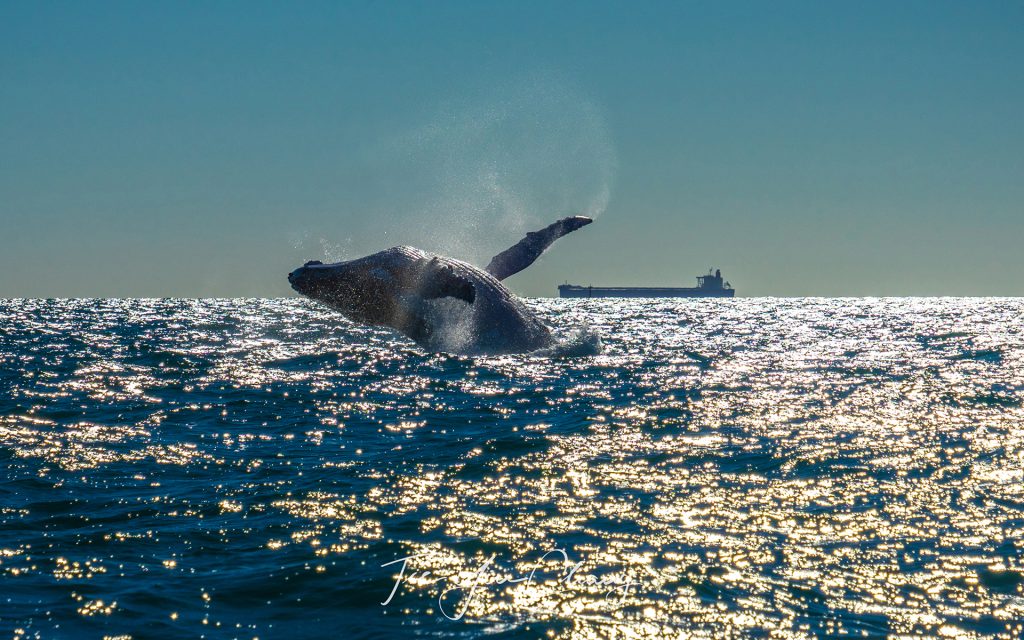
I was lucky to witness the annual northern humpback whale migration that took place between May and September during my stay in Karratha

After taking a flight from Perth to Karratha, I spent a few days in the Pilbara’s largest town visiting my sister, before leaving early one morning for what I anticipated to be an exciting adventure. After an early start, we reached the Auski Tourist Village in Karijini by midday. Surrounded by spectacular landscape, the village is a gateway to some of Western Australia’s most magnificent natural wonders.

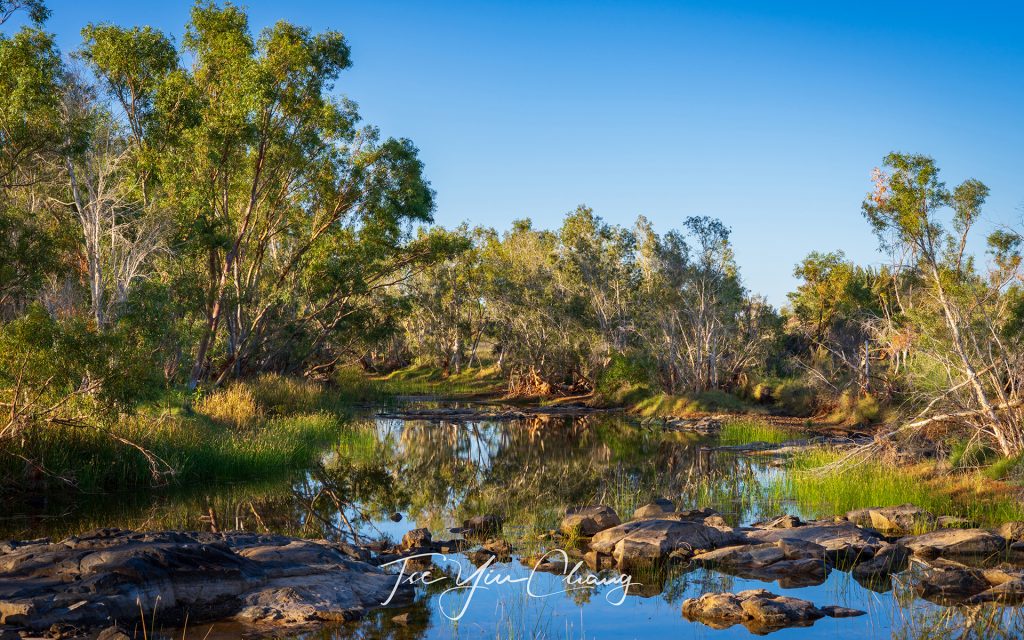
The Ngurin (Harding River) and the surrounding vegetation in Roehourne hold great significance to the Ngarluma people, the traditional owners of this land

After a short stop off for lunch, we continued on to the mining town of Tom Price and checked into our accommodation at the Tourist Park. We still had a few hours of daylight left, so we decided to have a look at nearby Mount Nameless. Getting there took us past Kings Lake, a beautiful parkland in a natural bush setting just outside of town. There is a walking trail which takes you up to the mountain, but unfortunately we didn’t have the time to climb all the way up and back in the light that remained. We were also conscious that it was snake season, and with Western Australia being home to a number of the world’s most dangerous serpents, it seemed like a good idea not to push ourselves to complete the three-hour plus hiking trail. 

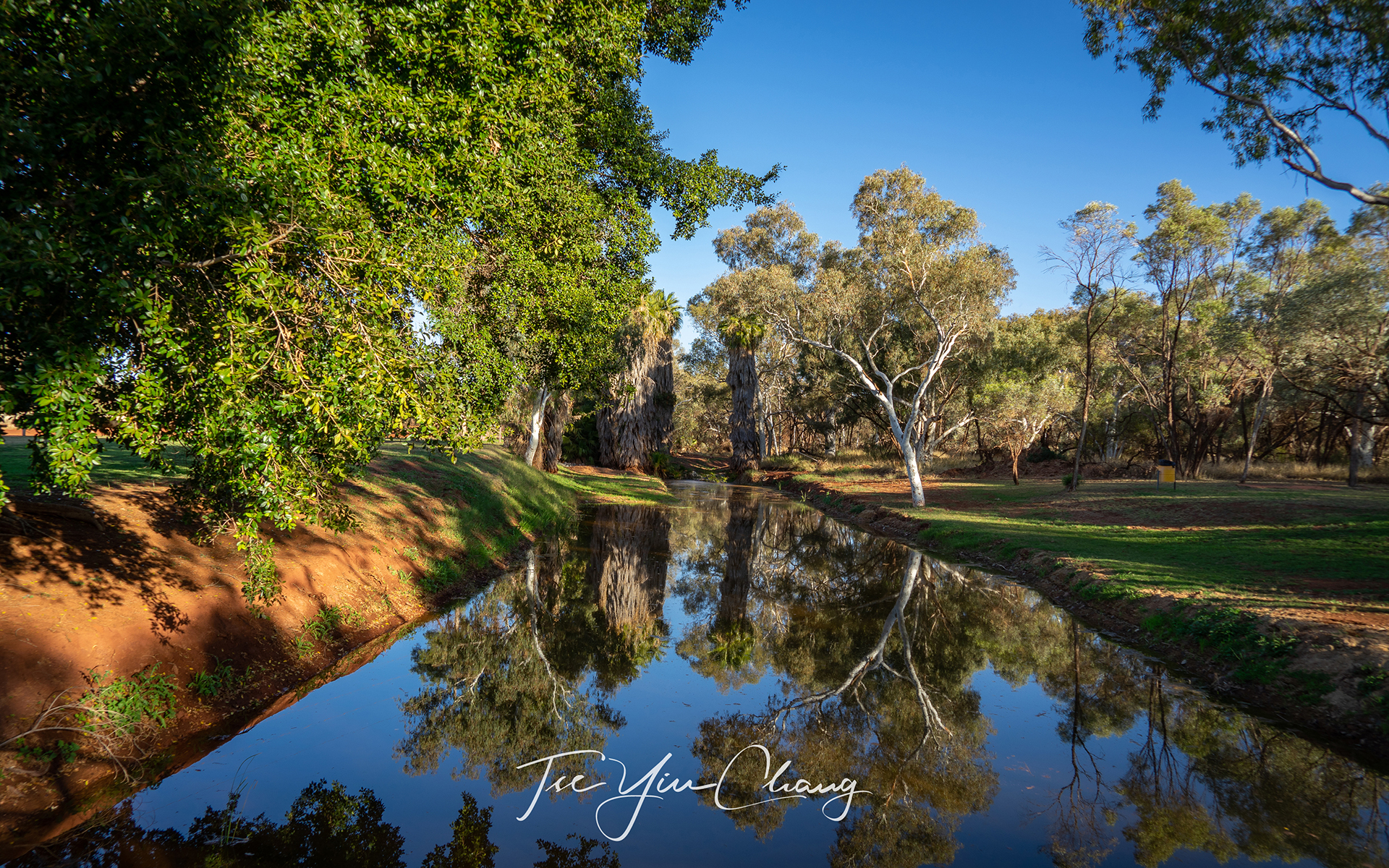
Kings Lake is a beautiful parkland in a natural bush setting located just outside of Tom Price

You’ll find a range of accommodation options in and around Karijini National Park. We opted to stay inside the park itself, at the Karijini Eco Retreat, mainly because the distances between the gorges are fairly large. So for us it was a better option to stay in the heart of the national park. Alternatively, the other option is to stay in nearby Tom Price, and make day trips to the park.

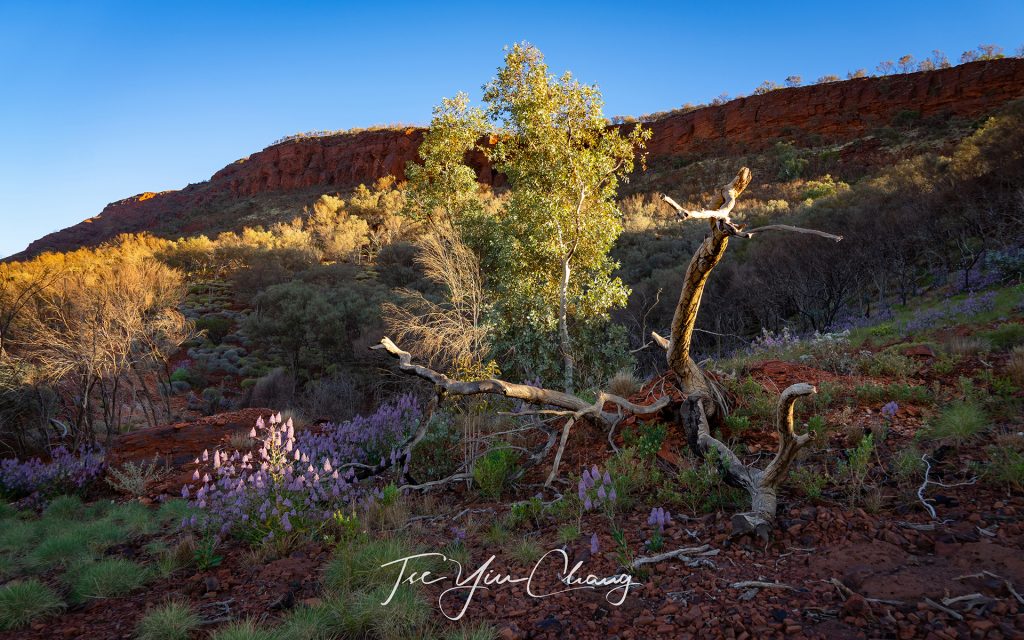
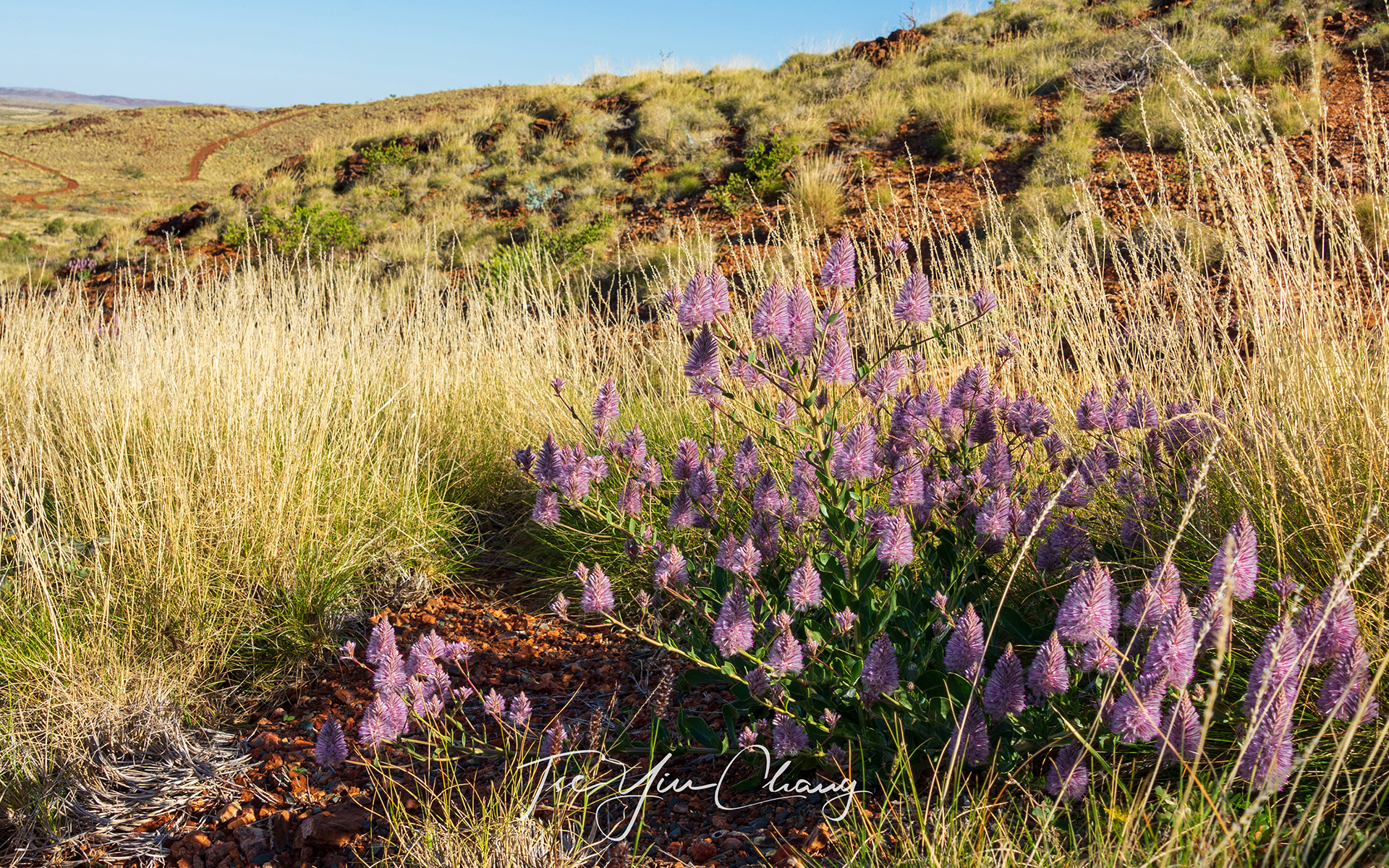
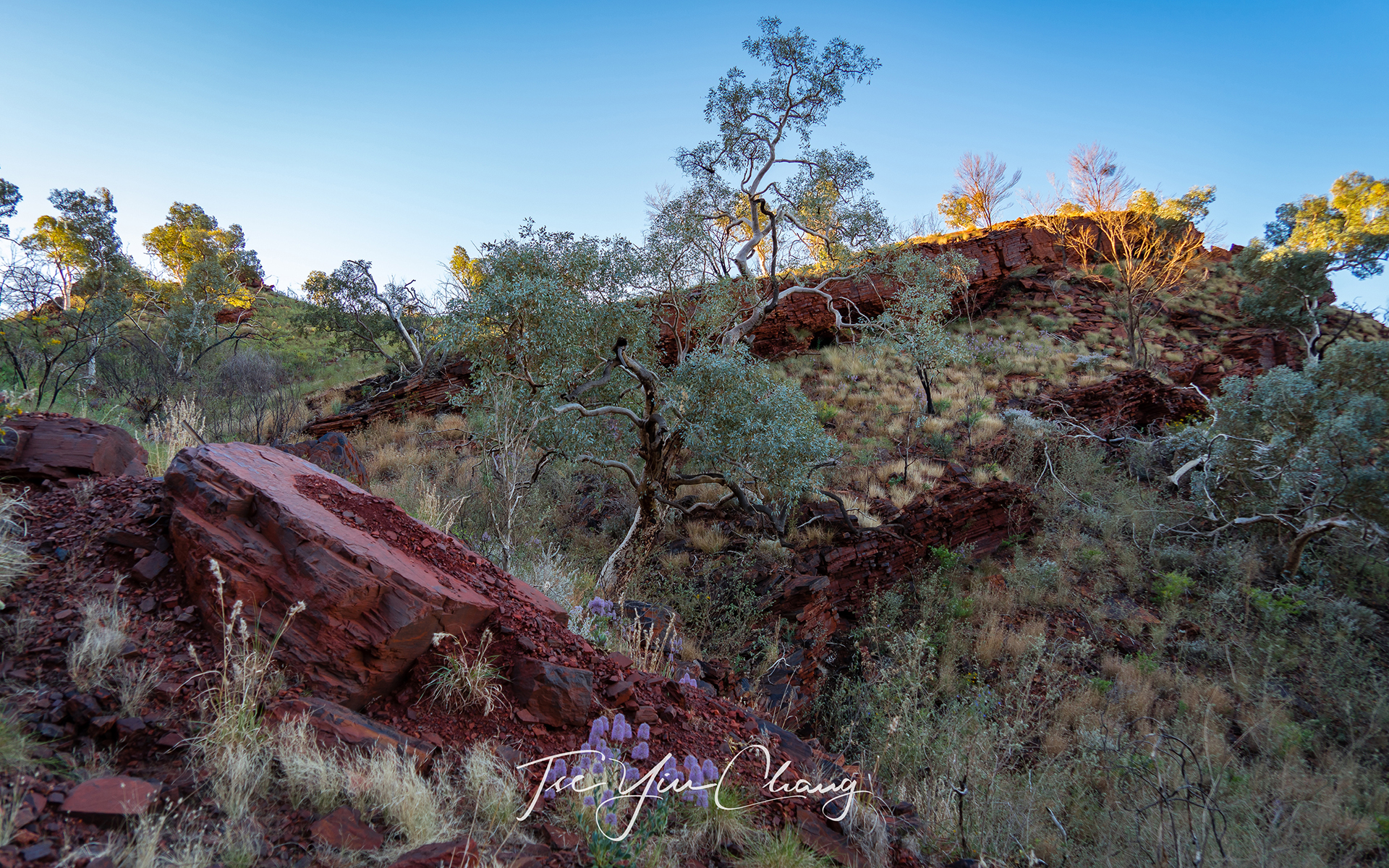
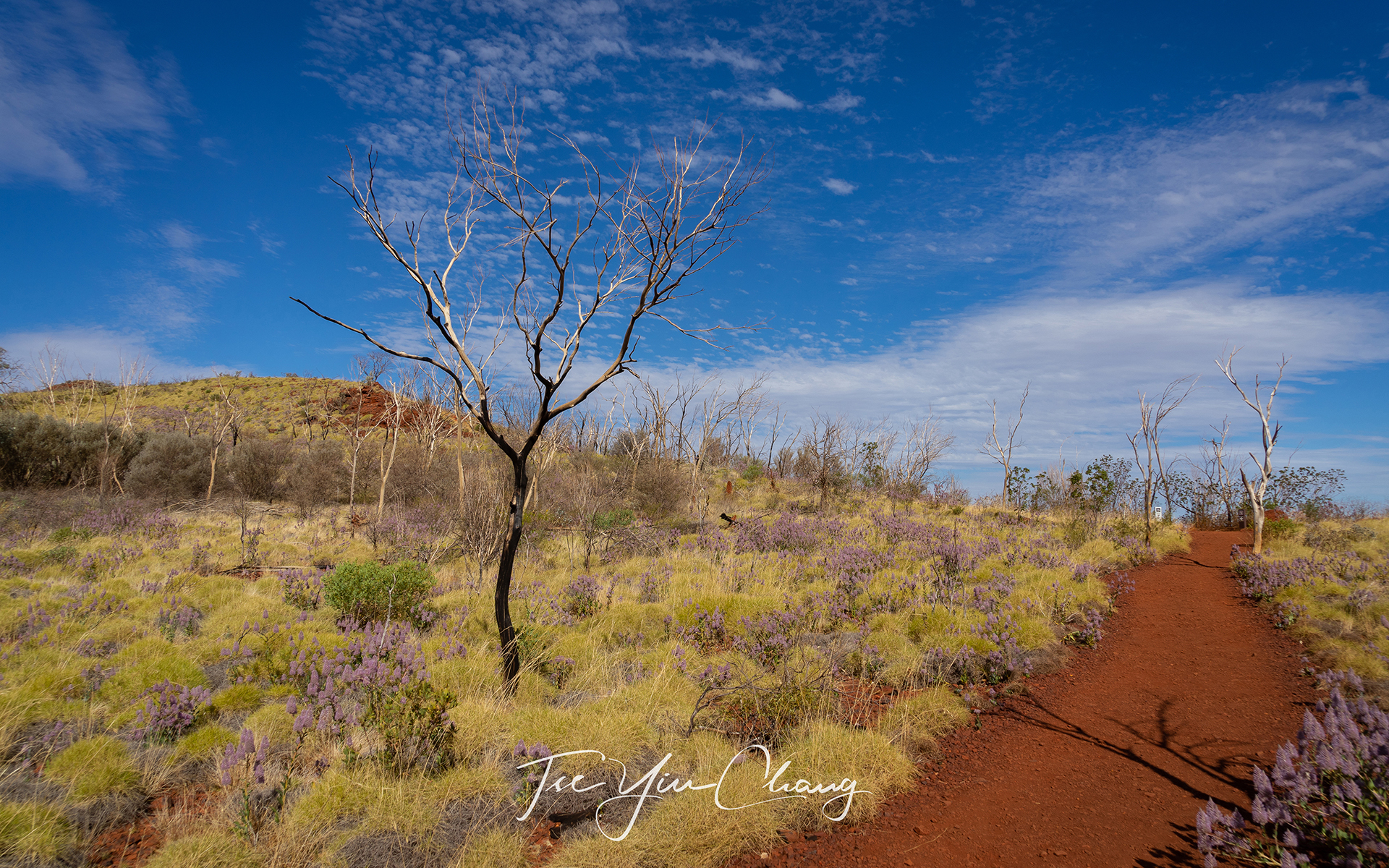
Mulla mulla wildflowers are in full bloom during spring, Mount Nameless, Tom Price

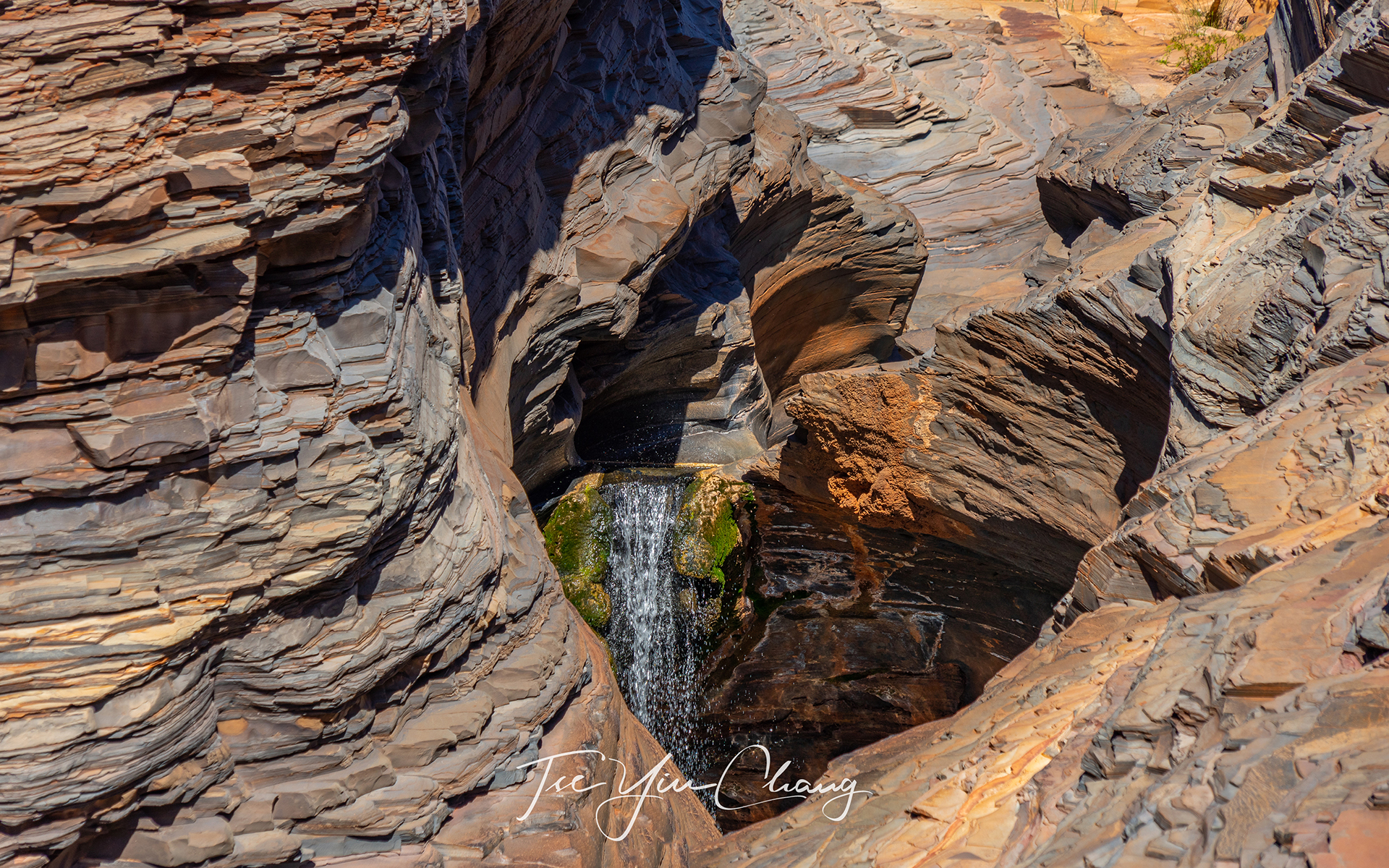
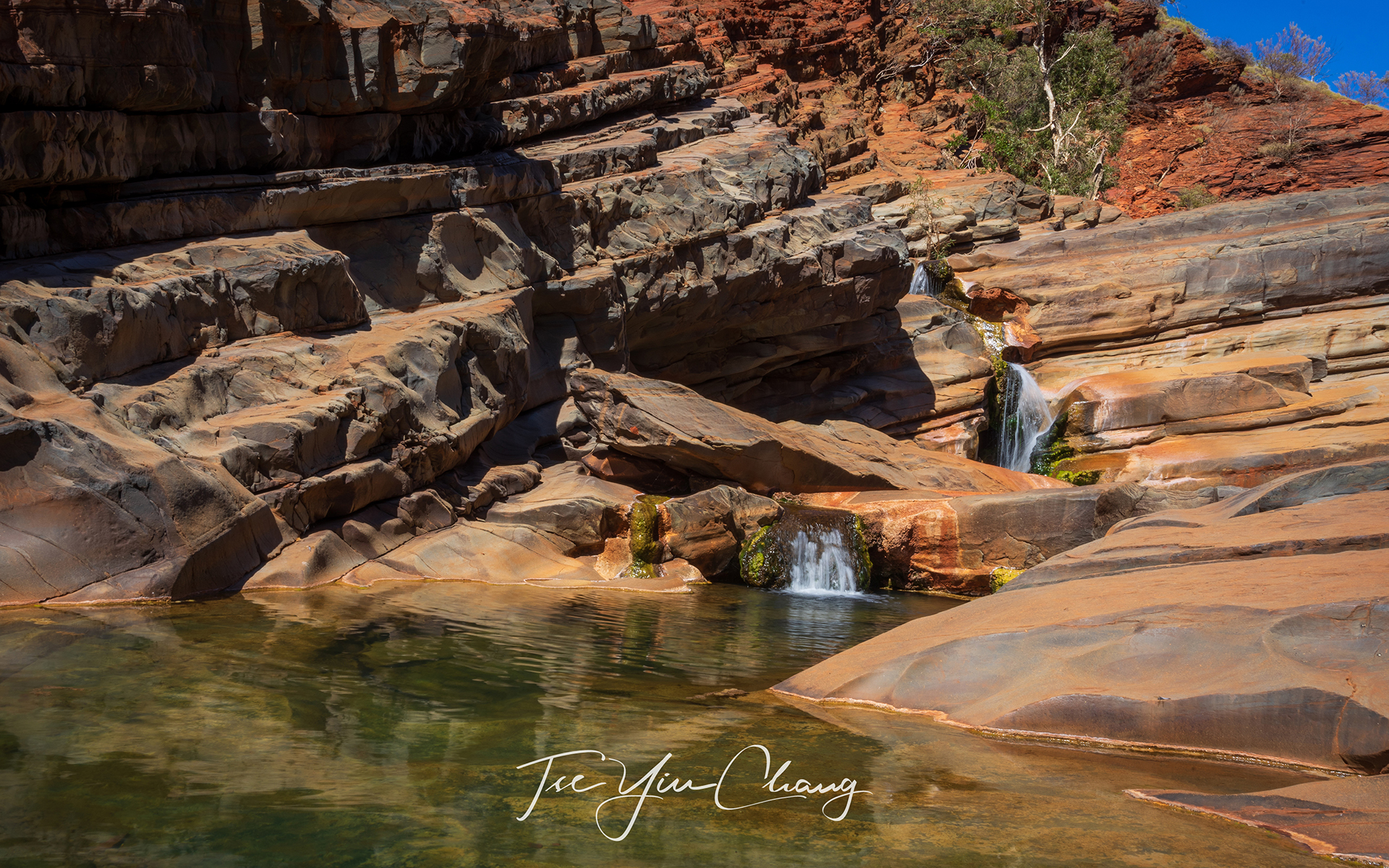
On the way to the Eco Retreat we took a detour so that we could visit Hamersley Gorge. It’s an idyllic swimming hole, and one of the most remote of all the gorges. Here, you can descend into the canyon and clamber along the rocks past a succession of pools. Before long, you reach Spa Pool. Although a little tricky to get to, it’s a truly gorgeous spot, fed by a small waterfall. The rock around the pool is smooth and curving, and it closes in to form a bowl. Instagram is plastered with shots of people swimming in the pool, but as we didn’t have our bathers with us, we satisfied ourselves with admiring it from afar.

The rock around the Spa Pool at Hamersley Gorge is smooth and curving, and it closes in to form a bowl

As we entered the main part of the park, it became apparent just how big an area it covered, and just how much there is to see. We were heading for a section called the Weano Recreation Area, where several of the best gorges are located. We realised that if we were going to hike down into the gorges, time constraints would mean that we would have to focus on just one. We decided that it would be better to take them all on from their lookouts.

You need to be physically fit to hike down to the base of Weano Gorge

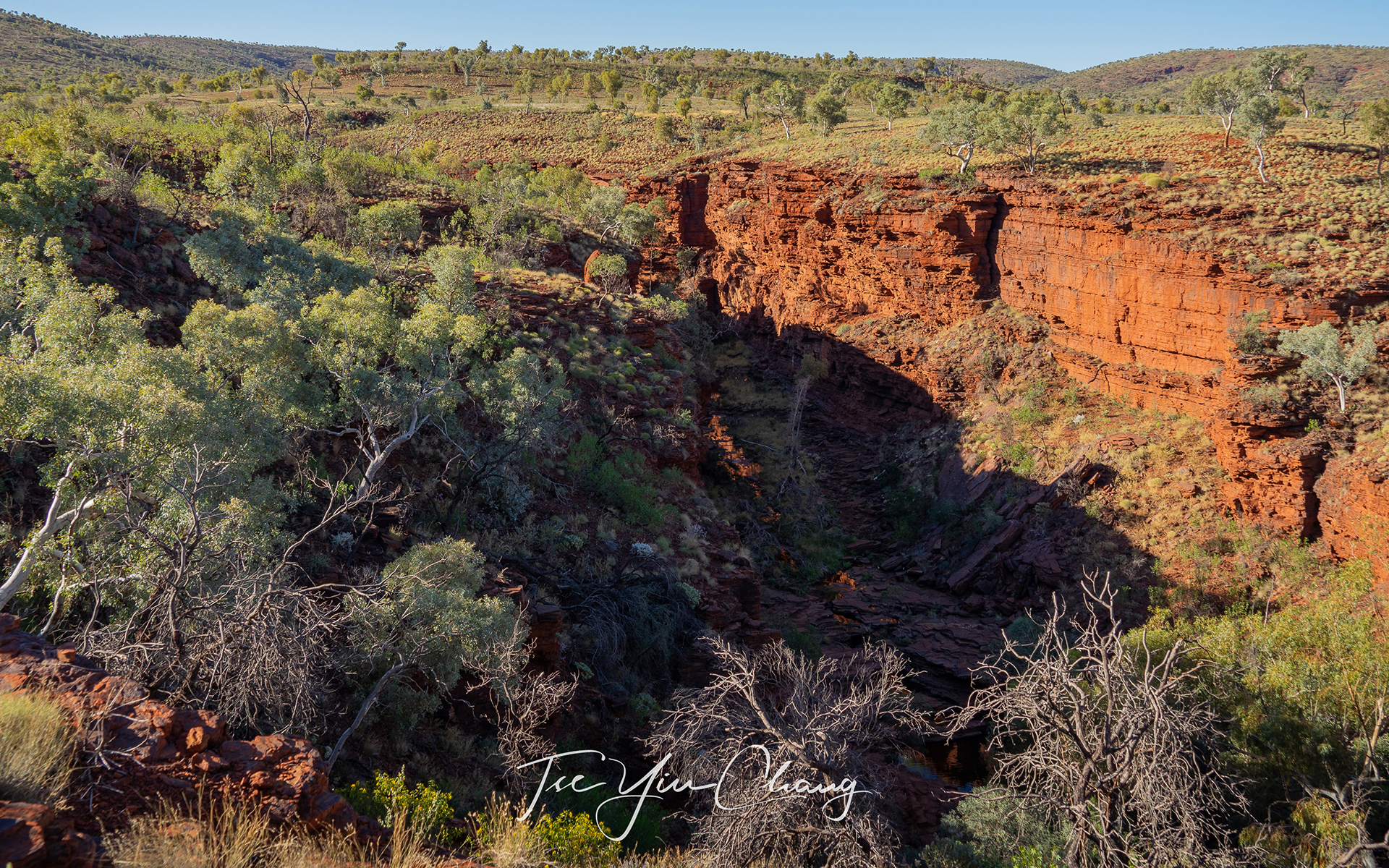
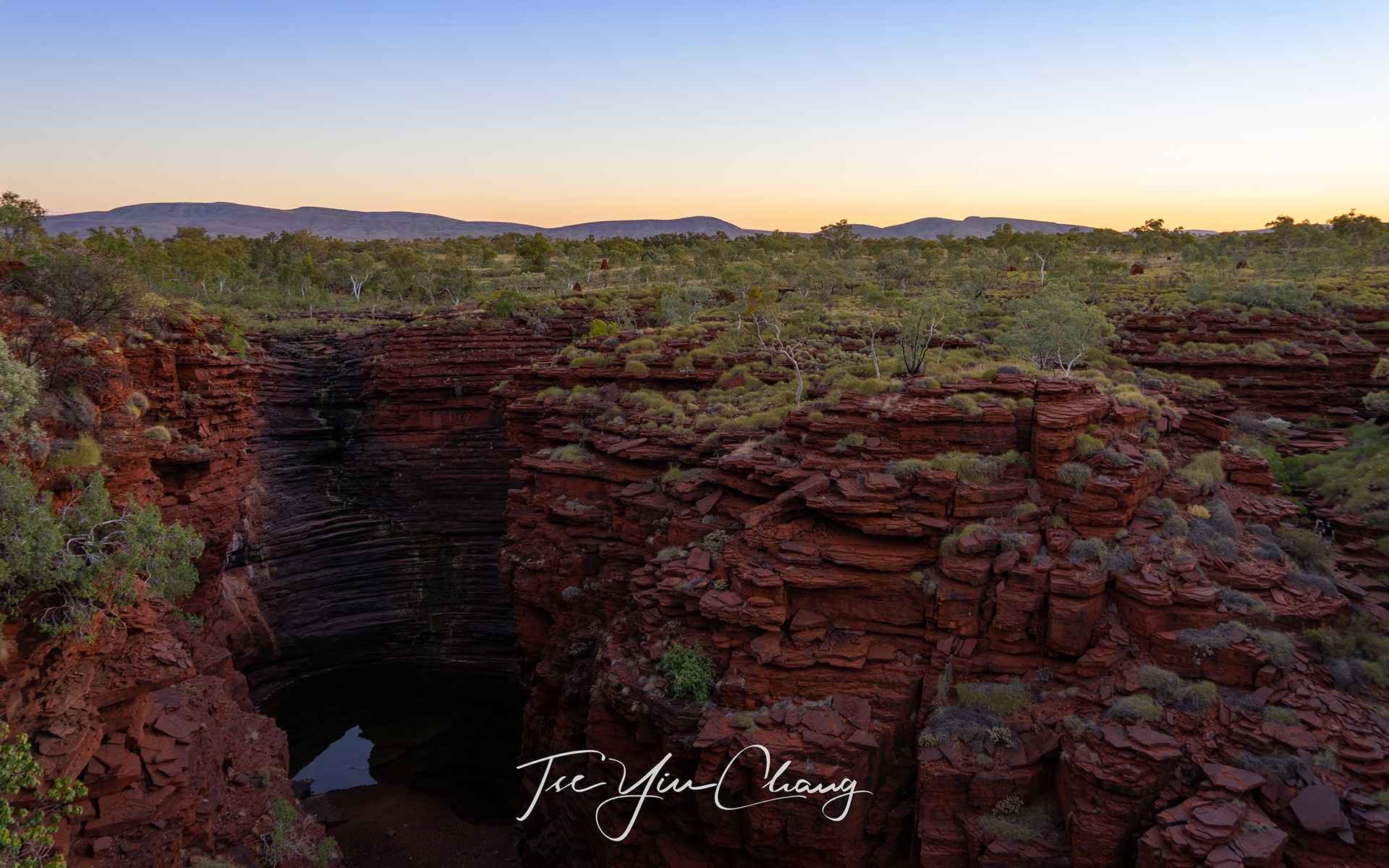
We spent the whole afternoon in Weano taking in the Knox and Joffre gorges, both of which were spectacular. It was early evening and the sun was enveloping the landscape in a warm amber light. Photographers refer to this part of the day as the golden hour, and besides helping to create beautiful pictures, the light at this time made the ochre rocks even more pronounced. Perhaps though, the highlight of the day was Oxer Lookout which we stopped at first. Here four of the gorges converge, and if seeing them individually is an experience, four at once is breathtaking.

Joffre Gorge is a spectacular curved waterfall forming a natural amphitheatre

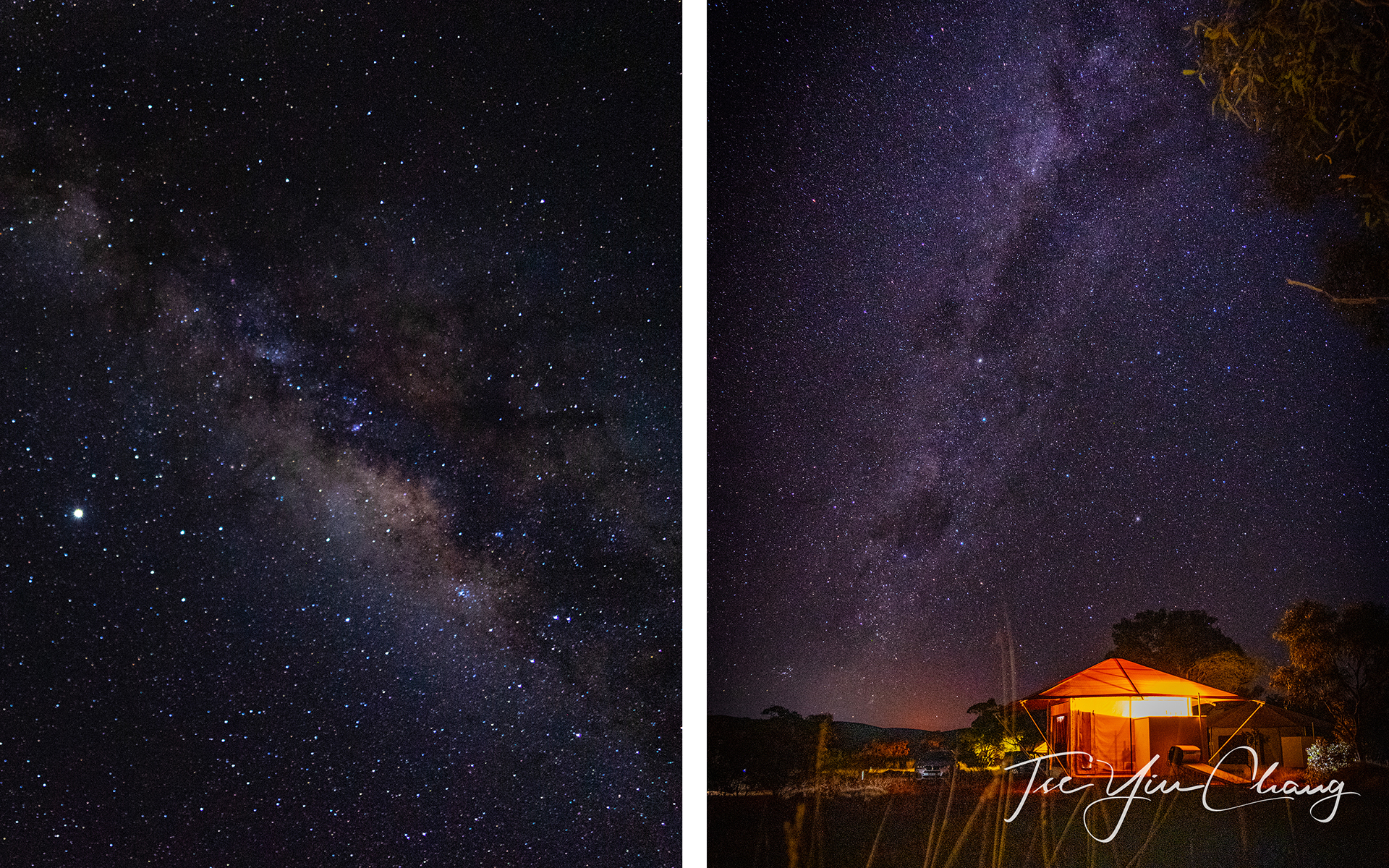
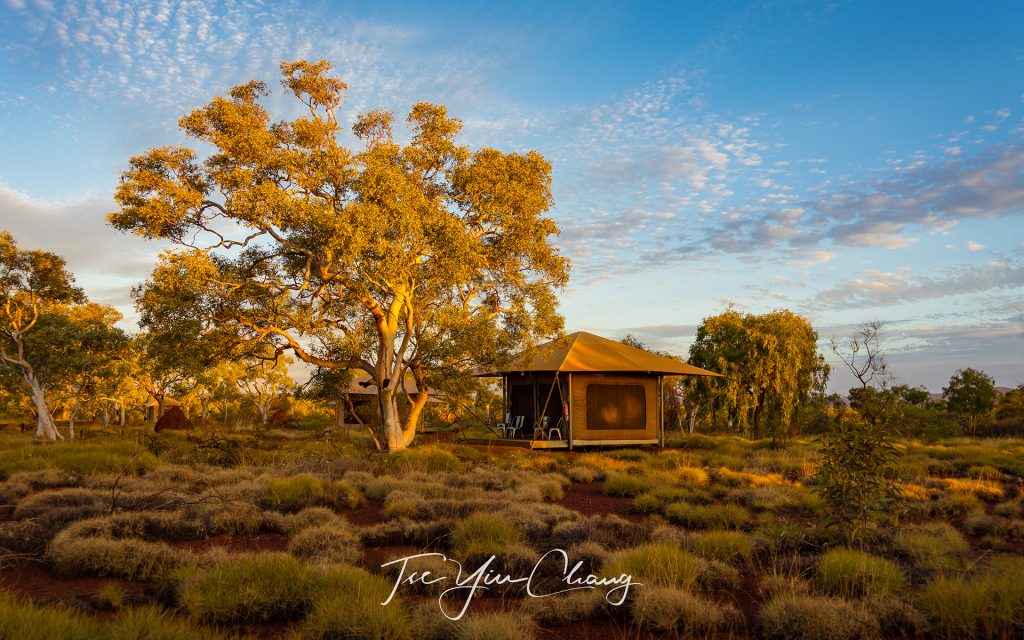
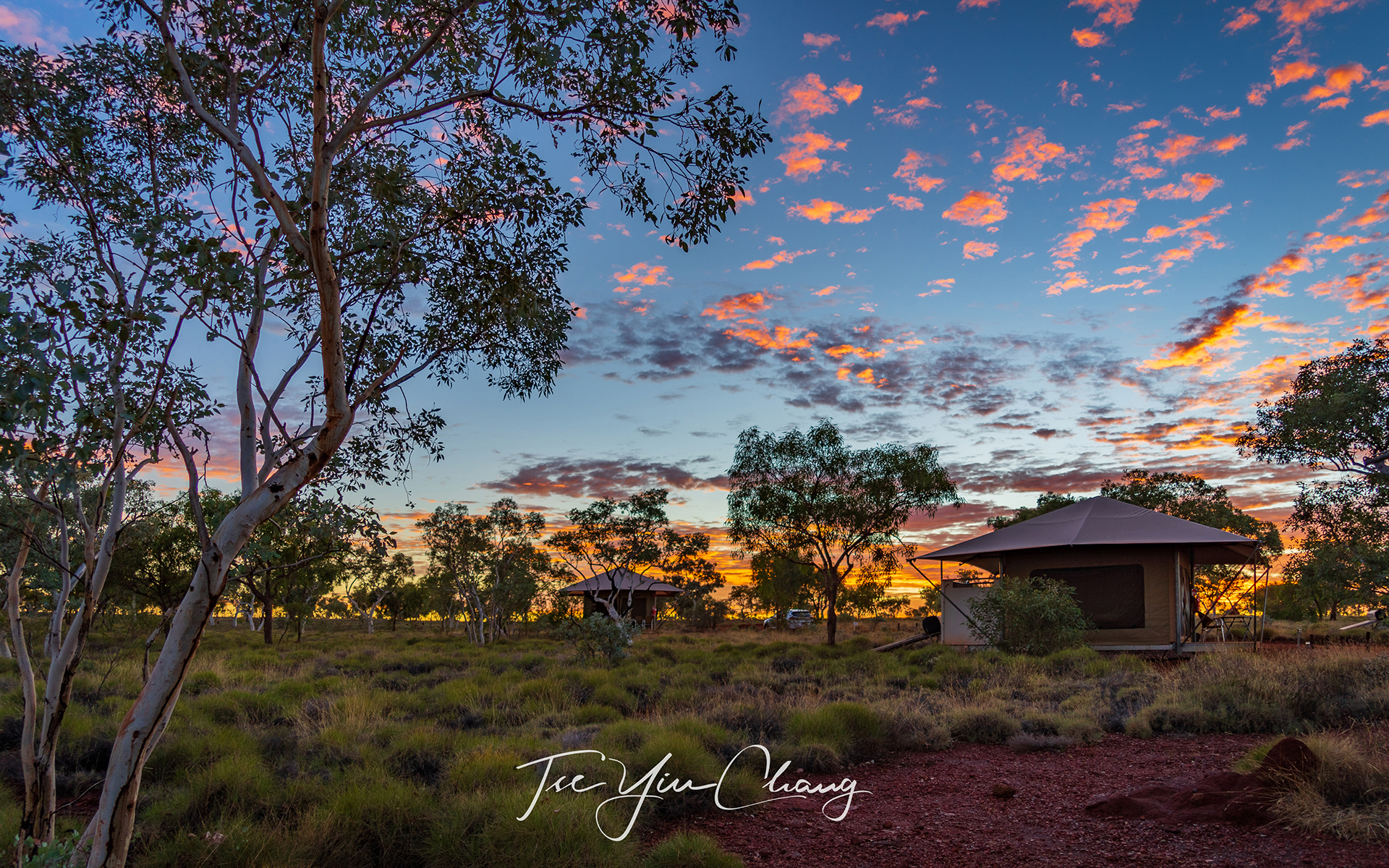
The Eco Retreat is close to Weano, so we were able to enjoy the golden hour without having to worry about driving back in the dark. Rather than simply monopolising its position as the only accommodation within the park, the resort goes out of its way to provide a memorable stay. Most of the rooms are actually tents – albeit very luxurious ones – giving you the feeling of being immersed in the remote bush landscape. The emptiness of that landscape is humbling, and being so remote at night it is the perfect place for stargazing. After an enjoyable dinner, we took the opportunity to try our hand at astrophotography. You don’t get the chance to photograph this many stars in Perth, so it was an opportunity we didn’t want to miss.

The Karijini Eco Retreat is a perfect place to try my hand at astrophotography as I don't get the change to photograph this many stars in Perth
The Karijini Eco Retreat is a perfect place to try my hand at astrophotography as I don’t get the change to photograph this many stars in Perth

Many of the rest of Karijini’s spectacular sights are to be found in and around Dales Recreational Park. There is a direct road there from the resort, but not wanting to take any risk (it was badly corrugated), we decided to take the main road instead. We stopped at the visitor centre first to get some advice on what to prioritise, before continuing to our next destination.

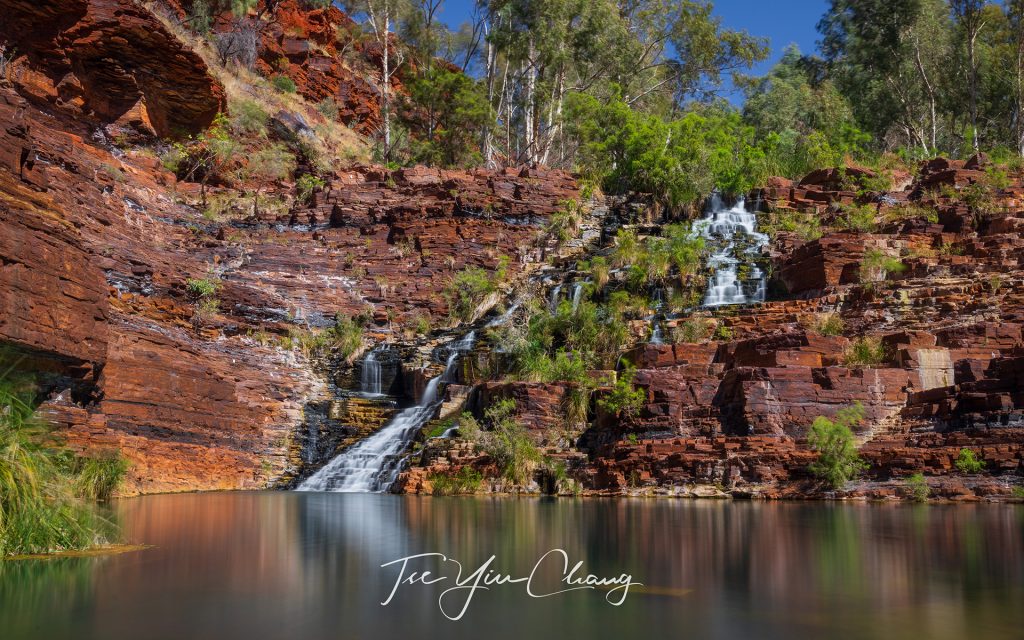
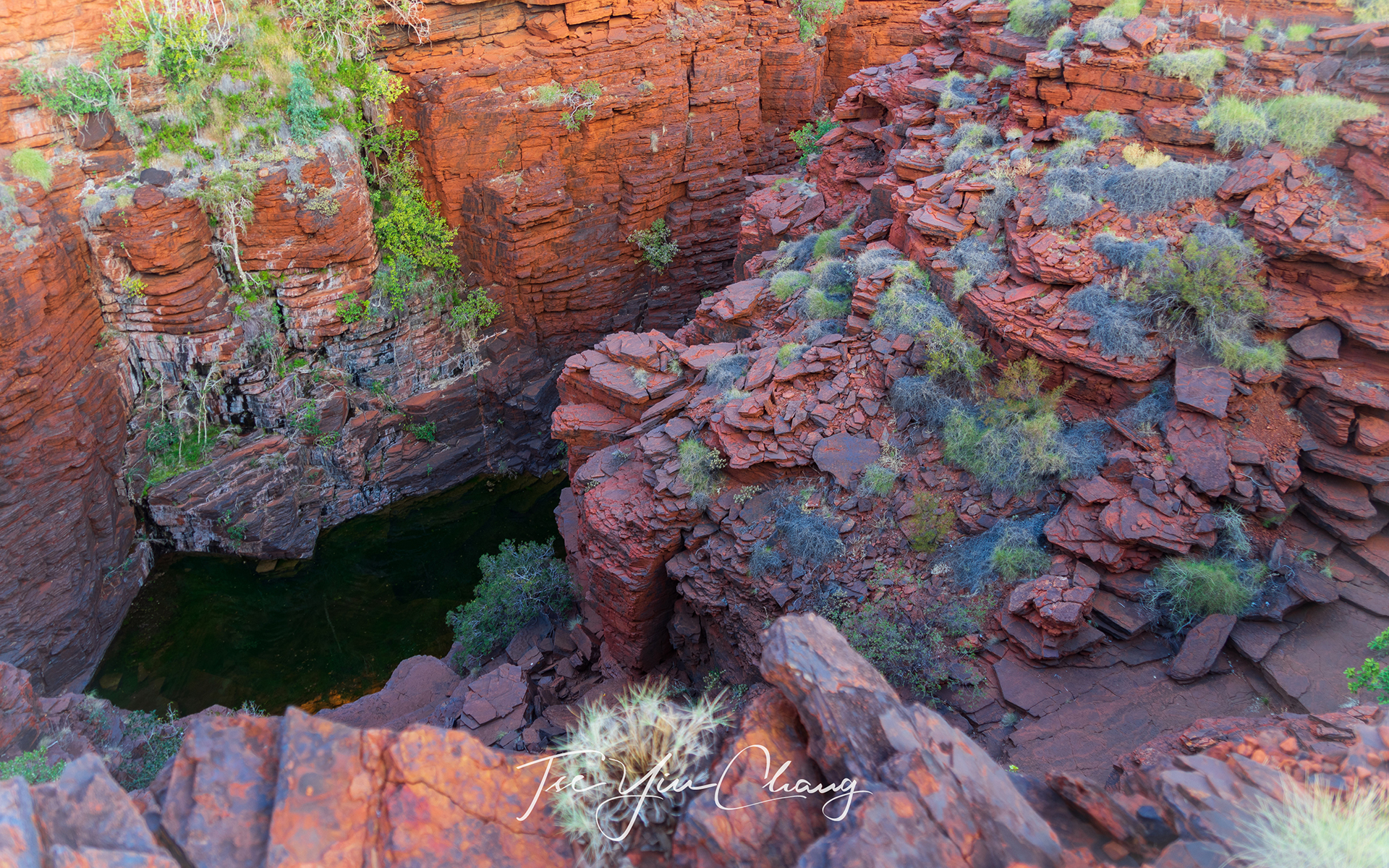
Fortescue Falls is the park's only permanent waterfall located within the iron-rick Dales Gorge Fortescue Falls. The waterfall tumble 20 metres in cumulative height over a series of red stepped cascade adding a touch of drama
Fortescue Falls is the park’s only permanent waterfall located within the iron-rick Dales Gorge Fortescue Falls. The waterfall tumble 20 metres in cumulative height over a series of red stepped cascade adding a touch of drama

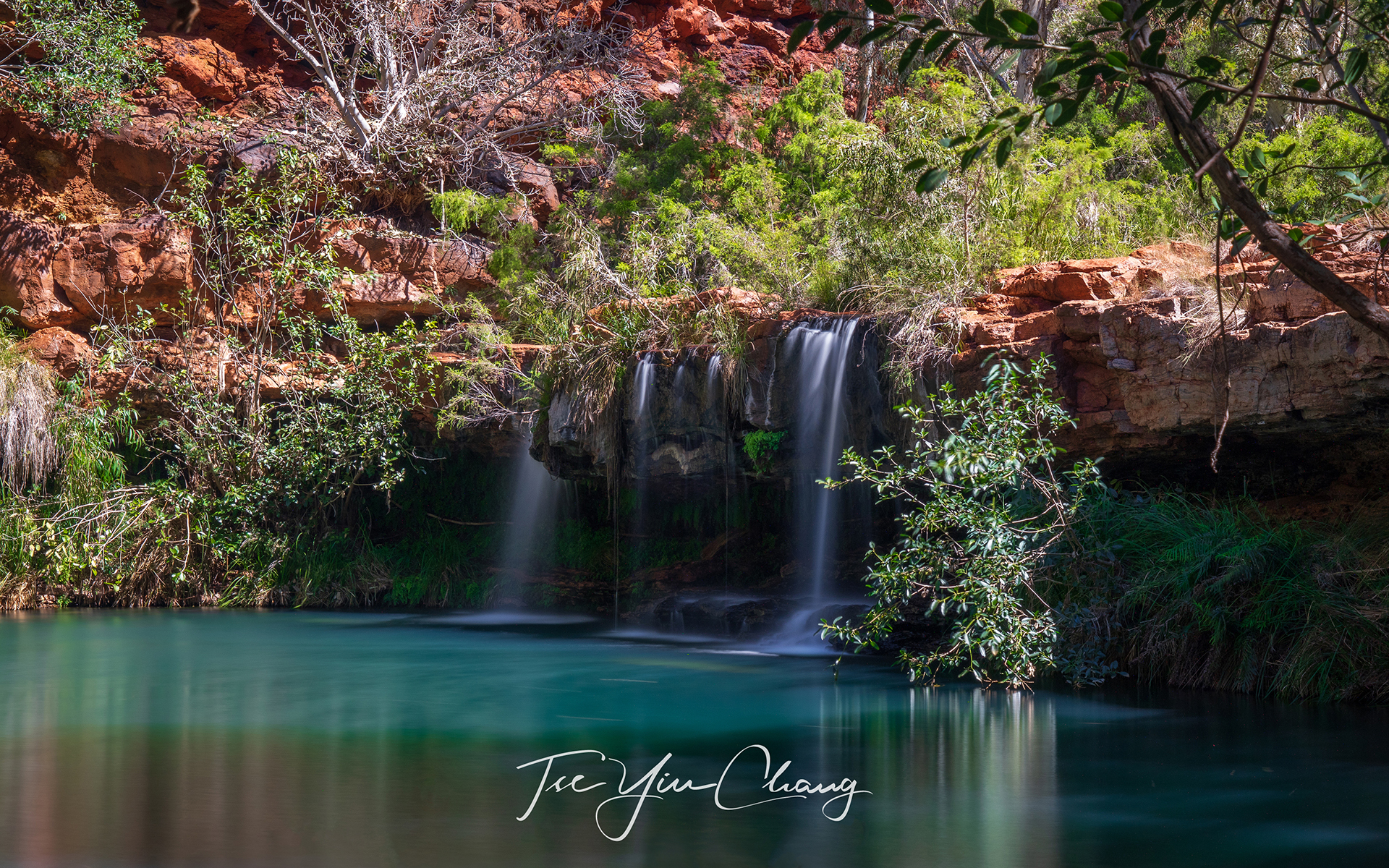
At the bottom of Dales Gorge are two of Karijini’s most popular attractions, Fortescue Falls and Fern Pool. Sheltered from the worst of the sun and irrigated by the emerald river water, Fern Pool is a refuge of life which contrasts with the arid country at the top of the cliffs. Here there are trees and grasses, and the dominant colour is green – a rare and welcoming sight when all around is red, orange and yellow. The Fortescue Falls flow into a similarly inviting pool, with the stepped cascade of the falls themselves adding a touch of drama.

Sheltered from the worst of the sun and irrigated by the emerald river water, Fern Pool is a refuge of life which contrasts with the arid country at the top of the cliffs

Circular Pool is the other big attraction in this part of the park, however at the tourist centre they had advised us that you can no longer walk down to the pool itself. This is because one of the many minerals which occur naturally in the rocks there is blue asbestos. Veins of the fibres can be seen in the walls of the cliffs, and it can be inhaled when blown into the air by the wind. We didn’t mind viewing it from the lookout however, as from the top it is quite a sight. The pool is an almost perfect circle, and the cliffs enclosing it are as steep as walls. As there is nowhere else to buy food, the resort provides pack lunches, and we enjoyed ours at the picnic area above the pool while contemplating the wonders that nature can create.

Karijini National Park is home to 6,000 kilometres of bushland, many of which carved out spectacular gorges through the ochre rock over two billion years ago

We spent most of the afternoon relaxing at the Eco Retreat after a quick stop en route at Western Australia’s second highest mountain, Mount Bruce. We also returned to Joffre Gorge for sunset to admire the waterfall there as we watched the light fade. The next morning it was time to leave, so we made our way back to Karratha for our flight back to Perth.

Walking trail to Mount Bruce lookout

I have seen many memorable places in different parts of the world, but I was glad that I had finally taken the time to see some of the incredible nature wonders of my home state. A trip to the remote and ancient Karijini National Park has been on my travel bucket list for a long time. There are few places outside of Australia that compare. Little did I know that it would take a worldwide pandemic to inspire me to finally tick this world class attraction off my ever growing list of must-see places.
Getting to Karijini National Park

It takes approximately seventeen hours to drive the 1,300 kilometres from Perth. If you enjoy epic road trips, take the Great Northern Highway out of the city and keep going until you get there. You won’t find much in the way of towns on the way, however you will get to experience the vastness of Australia first hand.

Although you won’t find much in the way of towns on the way, you get to experience the vastness of Australia first hand

Alternatively, you can either fly to one of two nearby mining towns, Paraburdoo and Newman, or, as I did, to Karratha. Following my route will mean a longer drive, but you could squeeze in a trip to the UNESCO World Heritage nominated Burrup Peninsula too, while you are there. If you choose to fly you will need to hire a car, and preferably a 4WD. When hiring a car, make sure that the conditions of hire allow you to drive off-road, as many of them do not allow off-road driving.

Mount Nameless at Tom Price during golden hour

Survival tips

The Australian outback is famous worldwide for being the sort of place you don’t want to get lost in. While it is completely safe to travel to Karijini, you do have to take some precautions. It gets extremely hot in Australia’s North West, so make sure you have plenty of water with you. This is especially important if you plan to spend any time hiking around the gorges. The only place you can purchase food within the park is the Eco Retreat, so ensure that you are well stocked with snacks and/or meals as well before you enter. You will also need to fill up with petrol before you set off, and you should carry some spare as well. The nearest petrol stations can be found at Tom Price and the Auski Tourist Village.

The Oxer Lookout at Weano Recreation Area offers breathtaking panoramic views of four amazing gorges, namely Weano, Red, Hancock and Joffre Gorges

Being a popular attraction (and surrounded by important mining centres), the roads taking you to the national park have been sealed. But once you access the park you’ll realise the importance of having a car that’s capable of handling corrugated dirt roads. Although you won’t need four-wheel driving training to get around, you should slow down when necessary and take extra care when driving inside the park. This is especially true if you don’t have much experience driving off the bitumen.

The sun was enveloping the landscape in a warm amber light, helping to create beautiful pictures
The warm amber light during golden hour helps to create beautiful pictures

Prints from my Karijini National Park photo collection are available to purchase in various sizes and framing options. Feel free to get in touch to find out more. And don’t forget to follow my travel adventures on Instagram.

Mount Nameless, also known as Jarndunmunha, is the second highest accessible mountain by four wheel drive in Western Australia

More wander out yonder travel inspiration

  • Through the lens: exploring the Margaret River region
  • Chasing waterfalls in Tasmania
  • New Zealand’s Glacier Country
Mulla mulla in Tank Hill, Wickham. These lovely purple wildflowers are abundant in the Pilbara during spring
Mount Nameless, Tom Price
Hamersley Gorge is an idyllic swimming hole. You can descend into the canyon and clamber along the rocks past a succession of pools
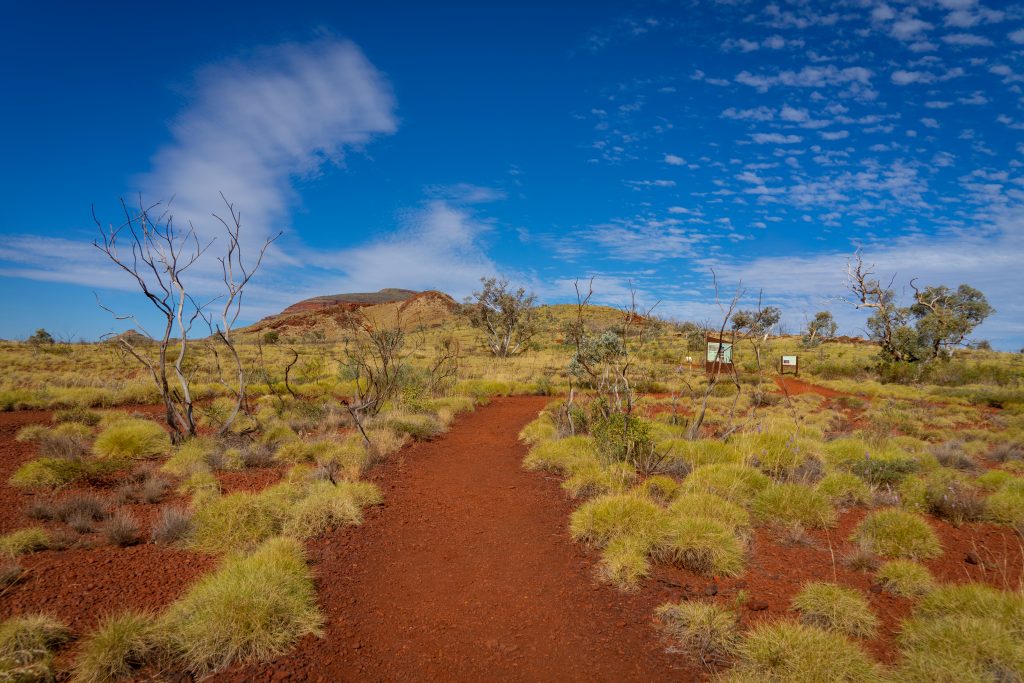
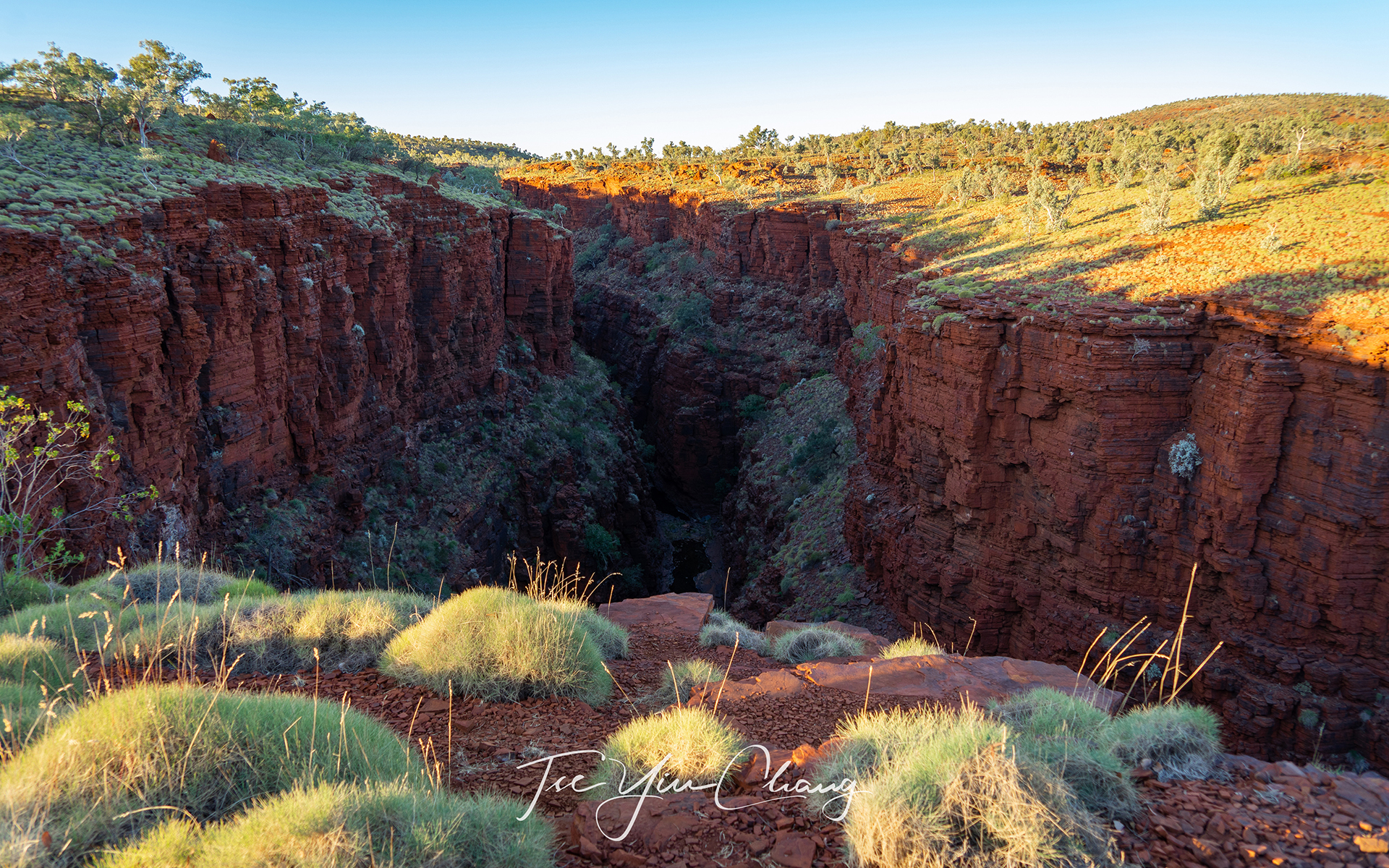
The hemispherical appearance of Spinifex covering the hills gave the Pilbara landscape the iconic hummocky look, Weano Gorge
Several of the best gorges are located in the Weano Recreation Area
Early evening at Knox Gorge and the sun was enveloping the landscape in a warm amber light
Most of the rooms in Karijini Eco Retreat are actually tents – albeit very luxurious ones – giving you the feeling of being immersed in the remote bush landscape, taken during sunrise
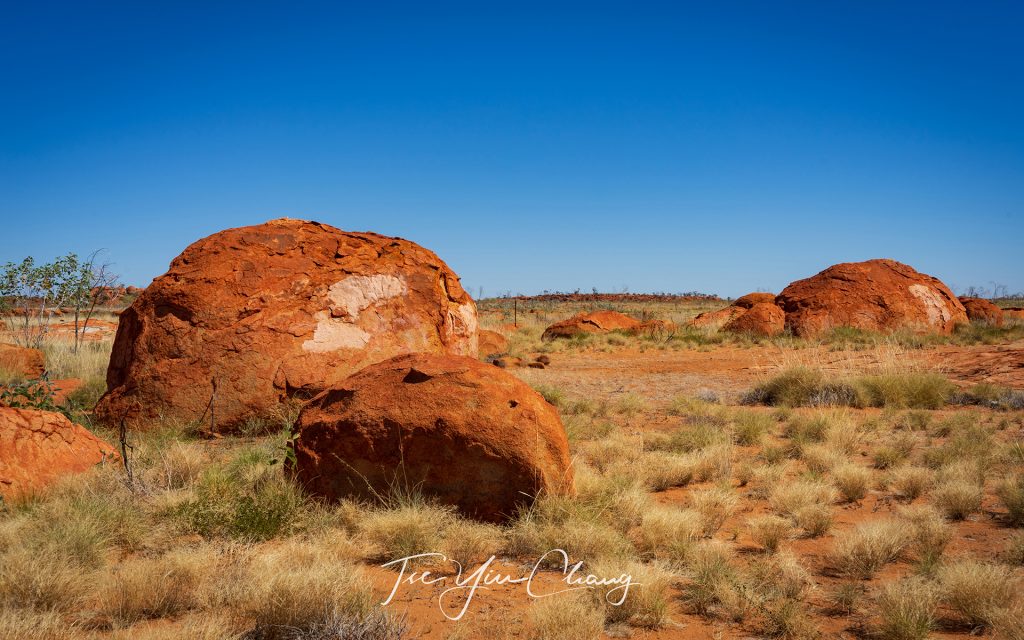
Termite mounds is a unique feature of the Pilbara, taken during sunset at Karijini Eco Retreat
Many minerals which occur naturally in the rocks there is blue asbestos
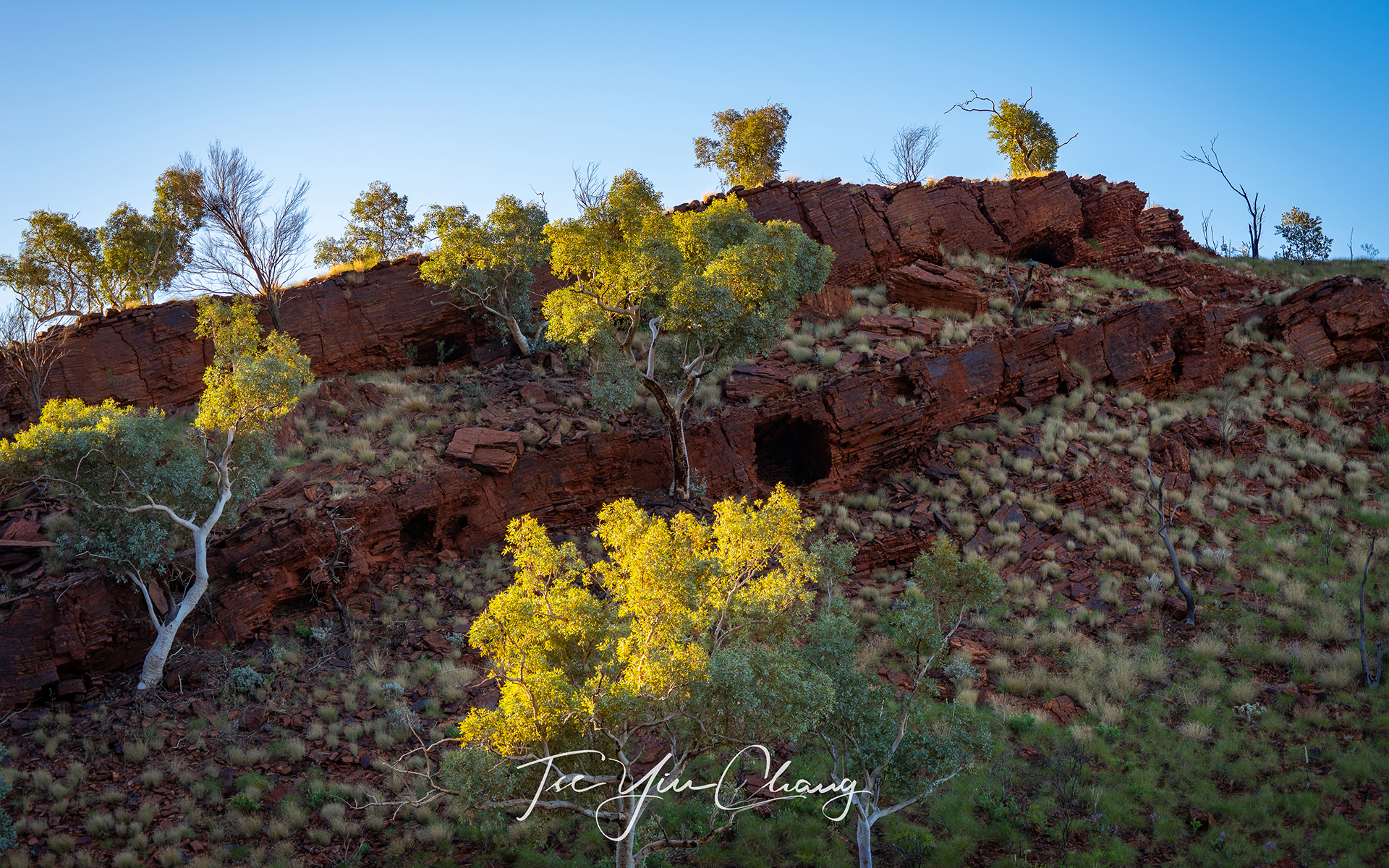
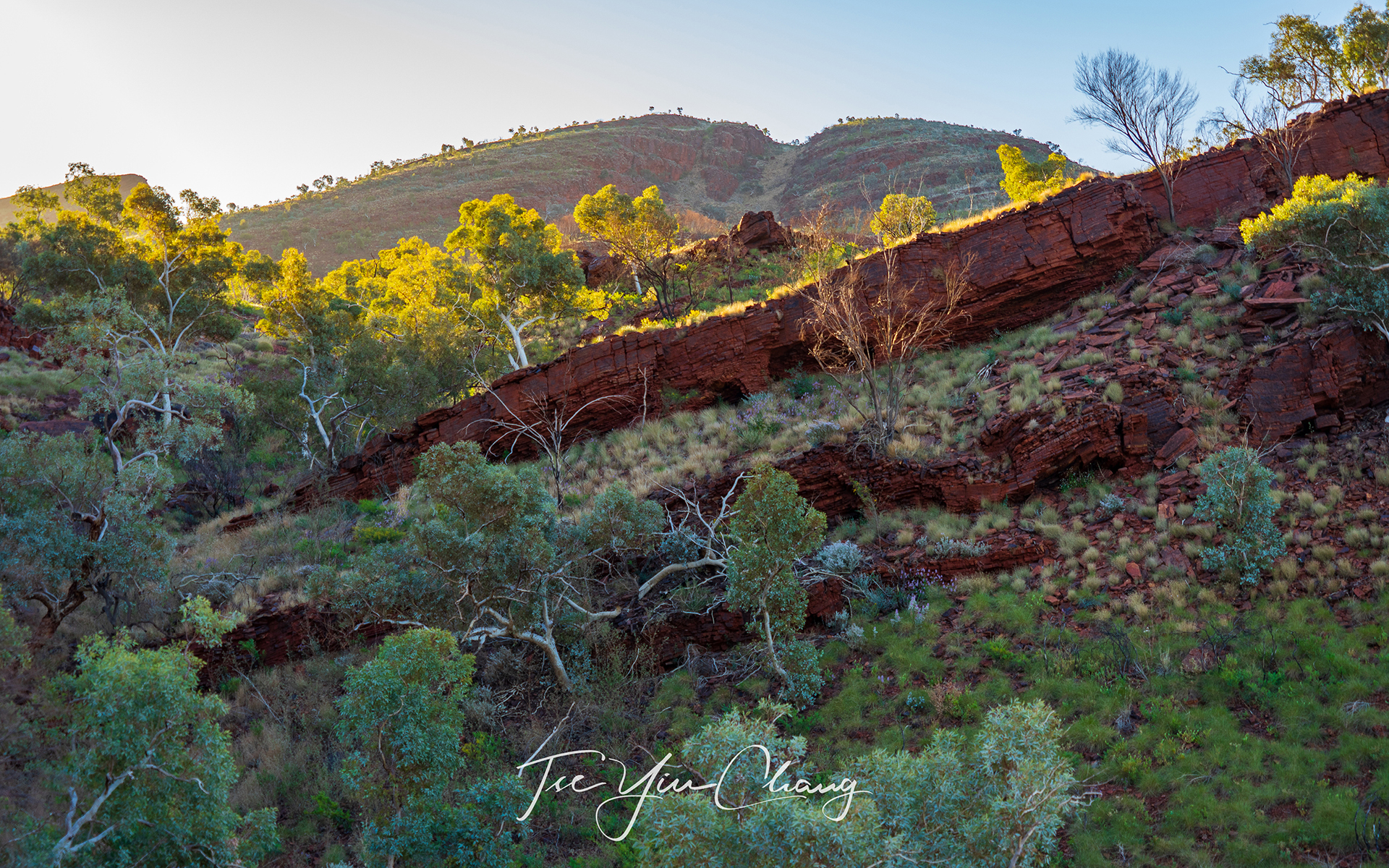
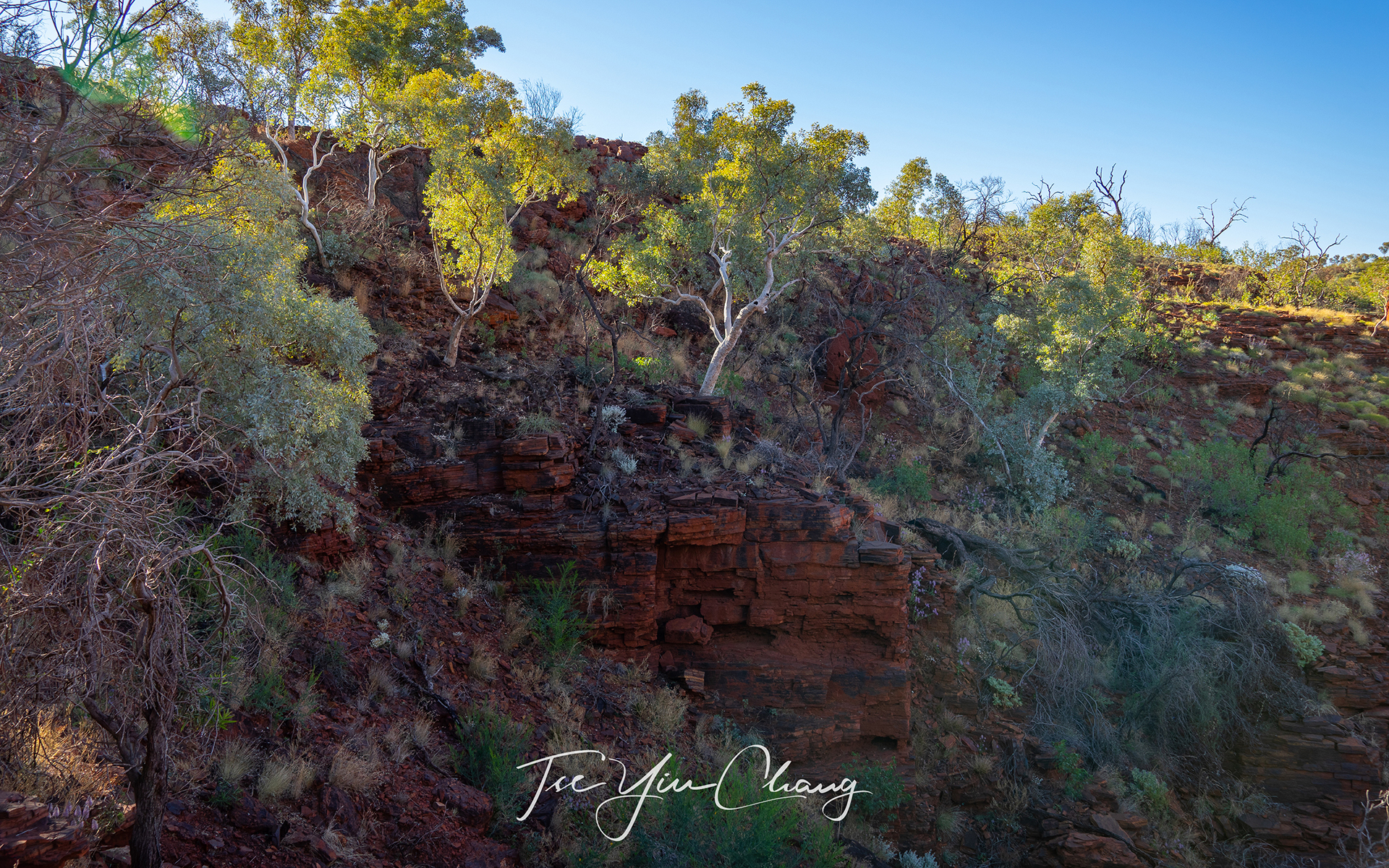
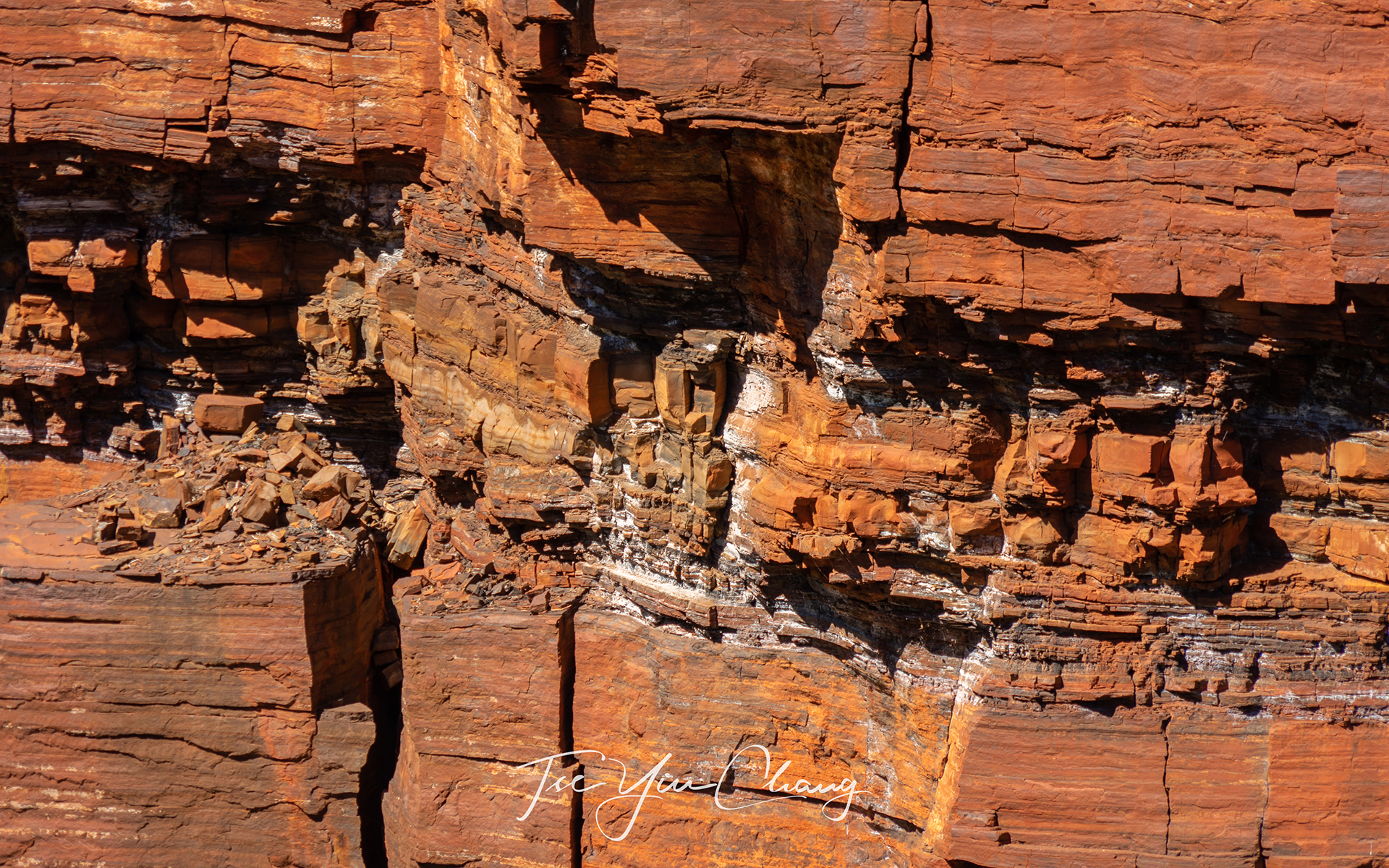
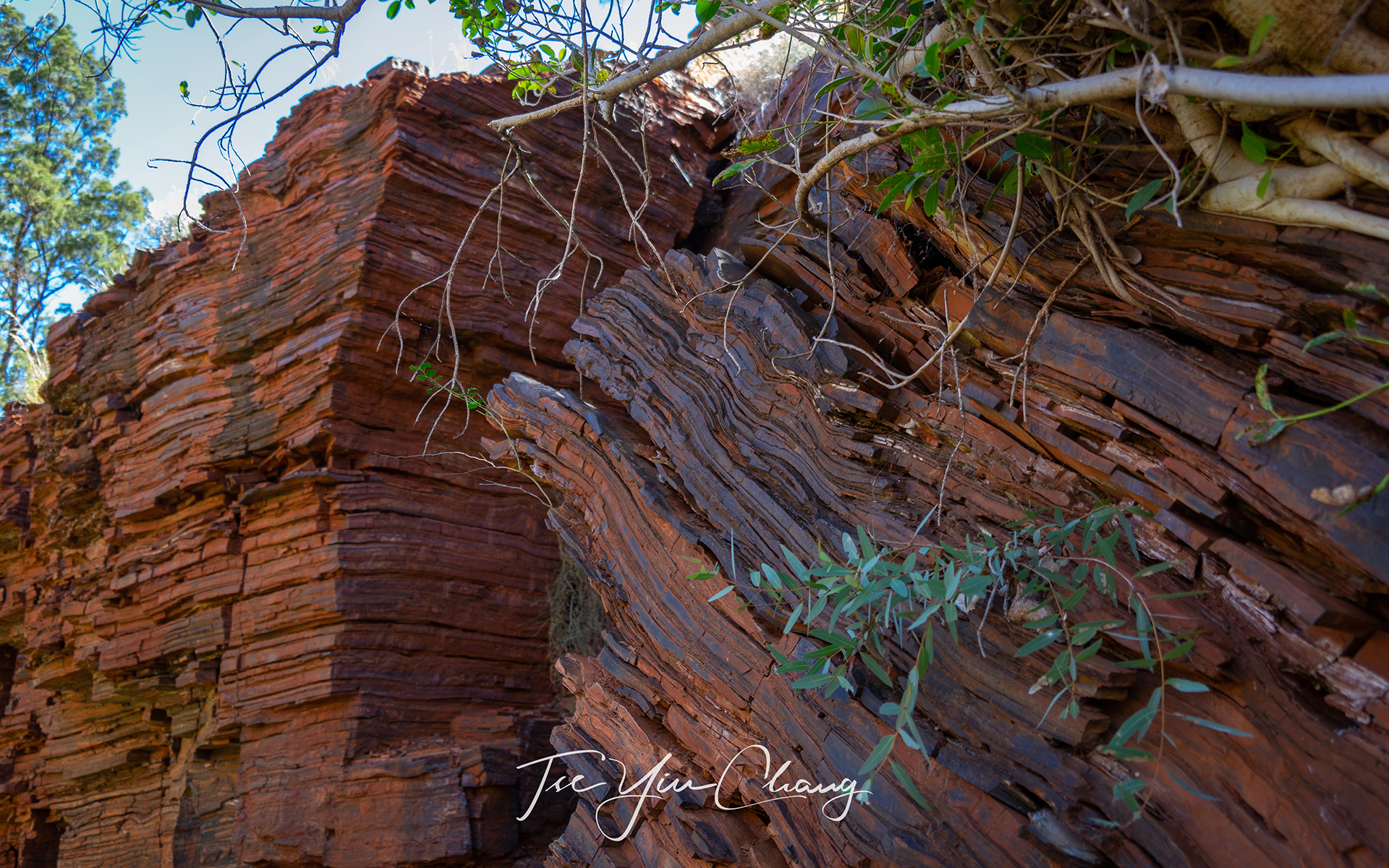
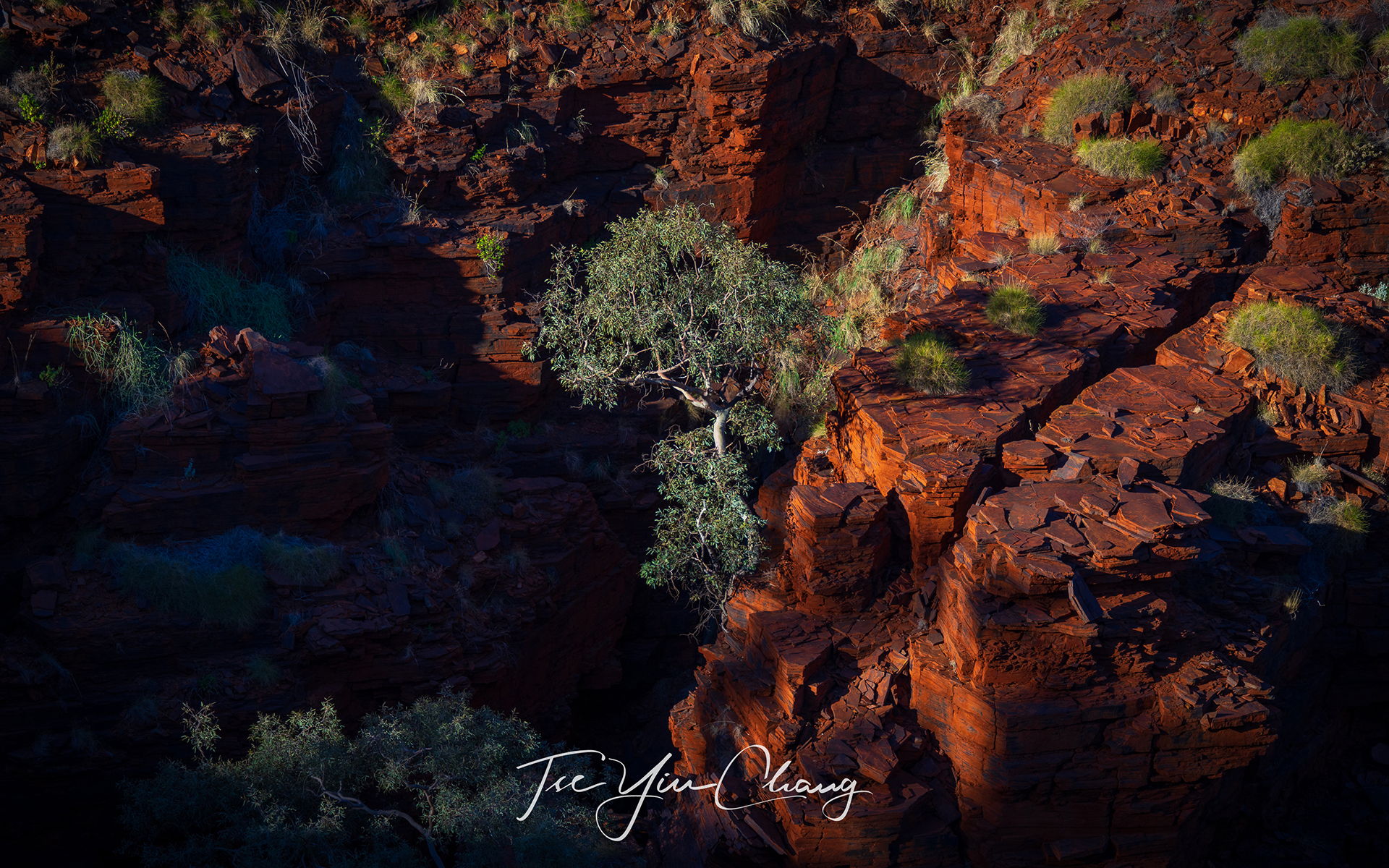
Unique iron-rich rock formation at Fortescue Falls
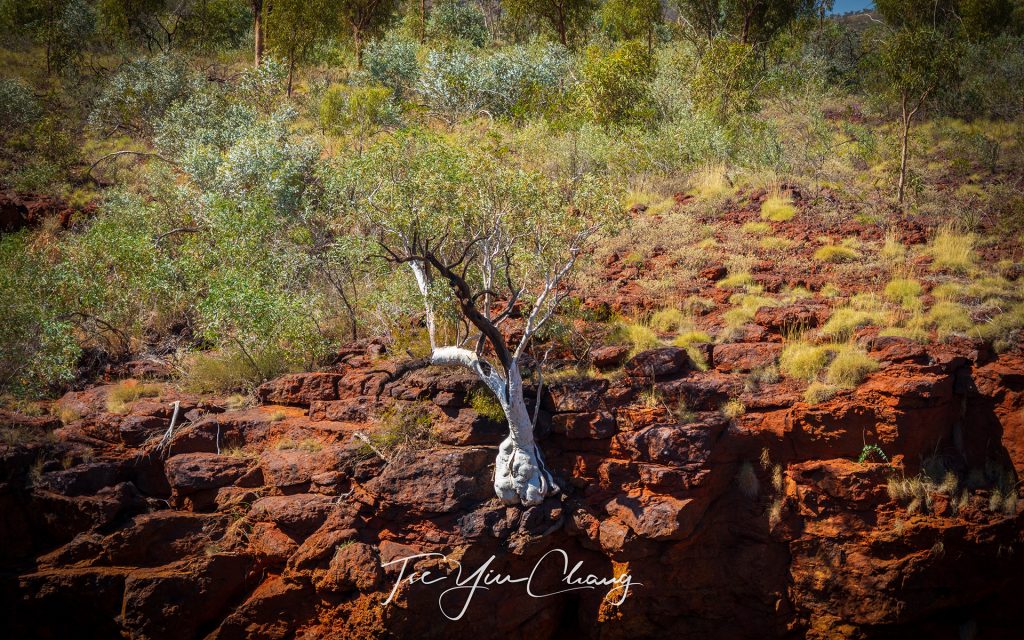
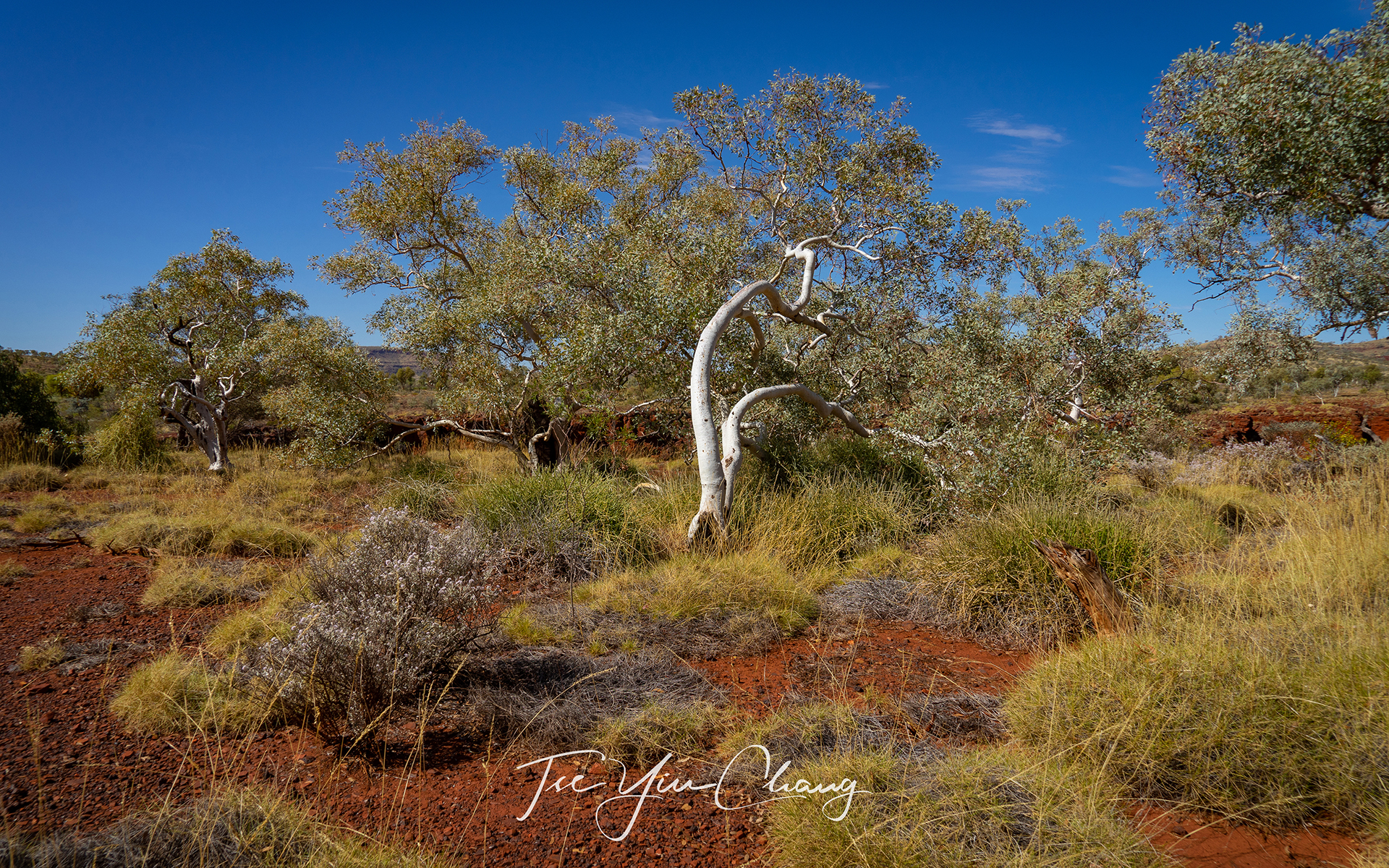
I am fascinated by the tree formations in Karijini
We said hi to a local resident at Circular Pool
Mulla mulla wildflowers are everywhere during spring
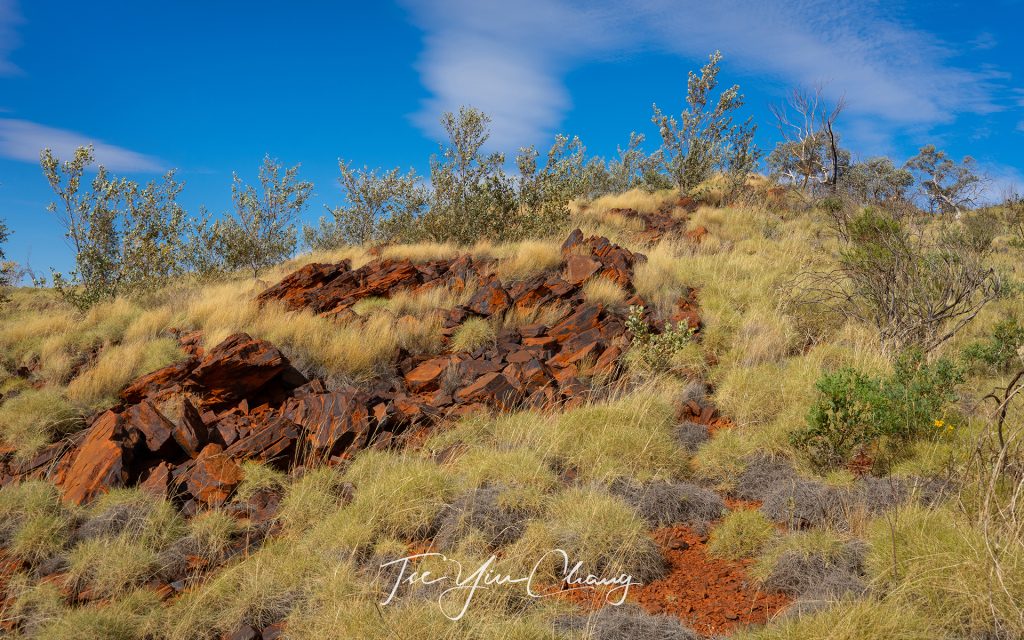
The Pilbara is known for its Aboriginal peoples, ancient landscapes, red earth and iron ore
Joffre Gorge is especially impressive after rain as water cascades down the step-like cliff face to a dark pool. Unfortunately when we visited during spring there wasn't any rain
Joffre Gorge is especially impressive after rain as water cascades down the step-like cliff face to a dark pool. Unfortunately when we visited during spring there wasn’t any rain
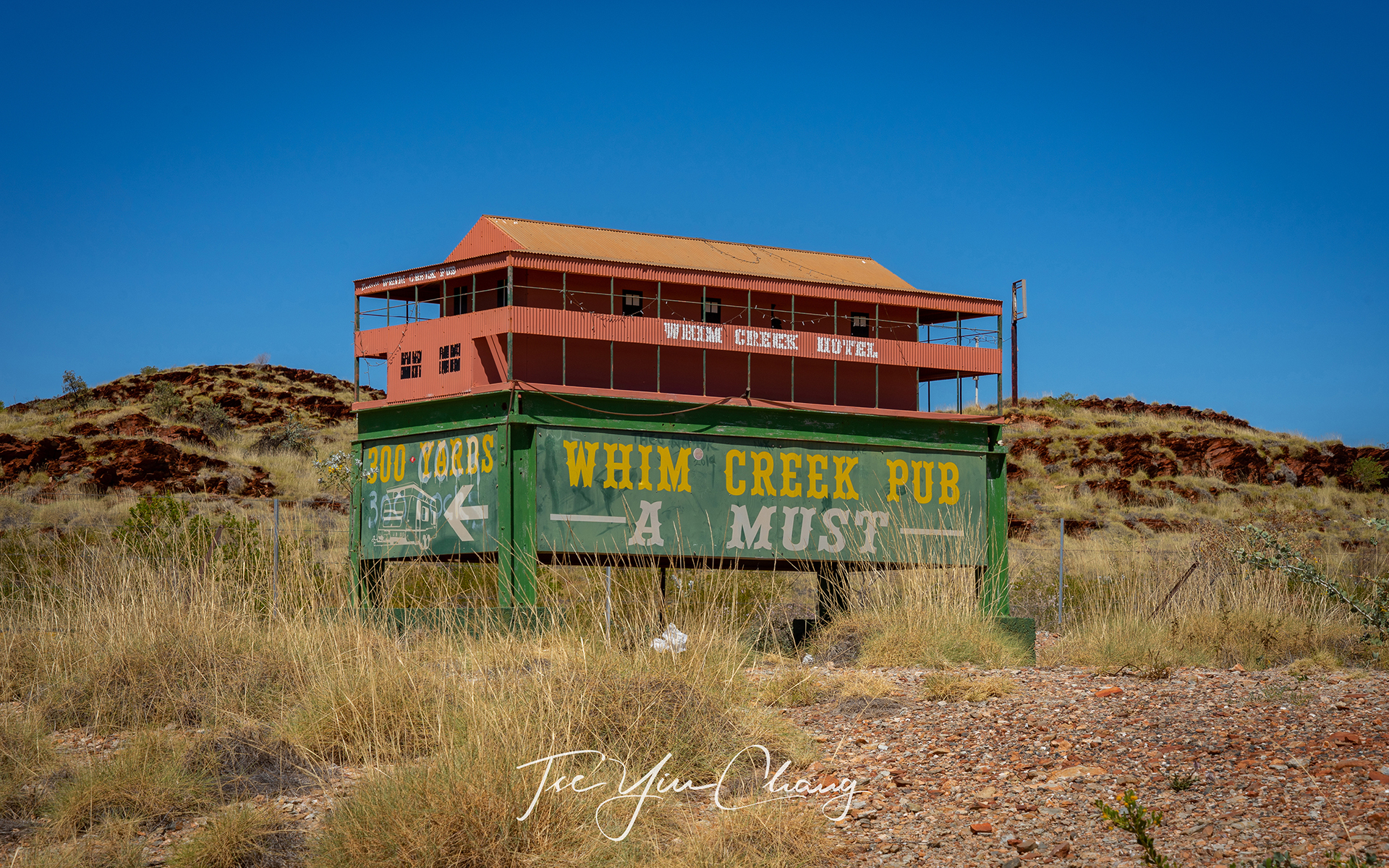
Whim Creek was once a thriving town established to service copper and gold mines in the region located on the North West Coastal Highway midway between Karratha and Port Hedland

Filed Under: Blog, Photography, Portfolio, Travel Tagged With: australia, blog, karijini, landscape, national park, photography, pilbara, travel, wander out yonder, waterfalls, western australia

Valparaiso: a UNESCO listed city by the sea

11 October 2020 by tadgraphics

Described by Lonely Planet as “a wonderful mess”, Valparaiso is certainly one of Chile’s most unusual cities.
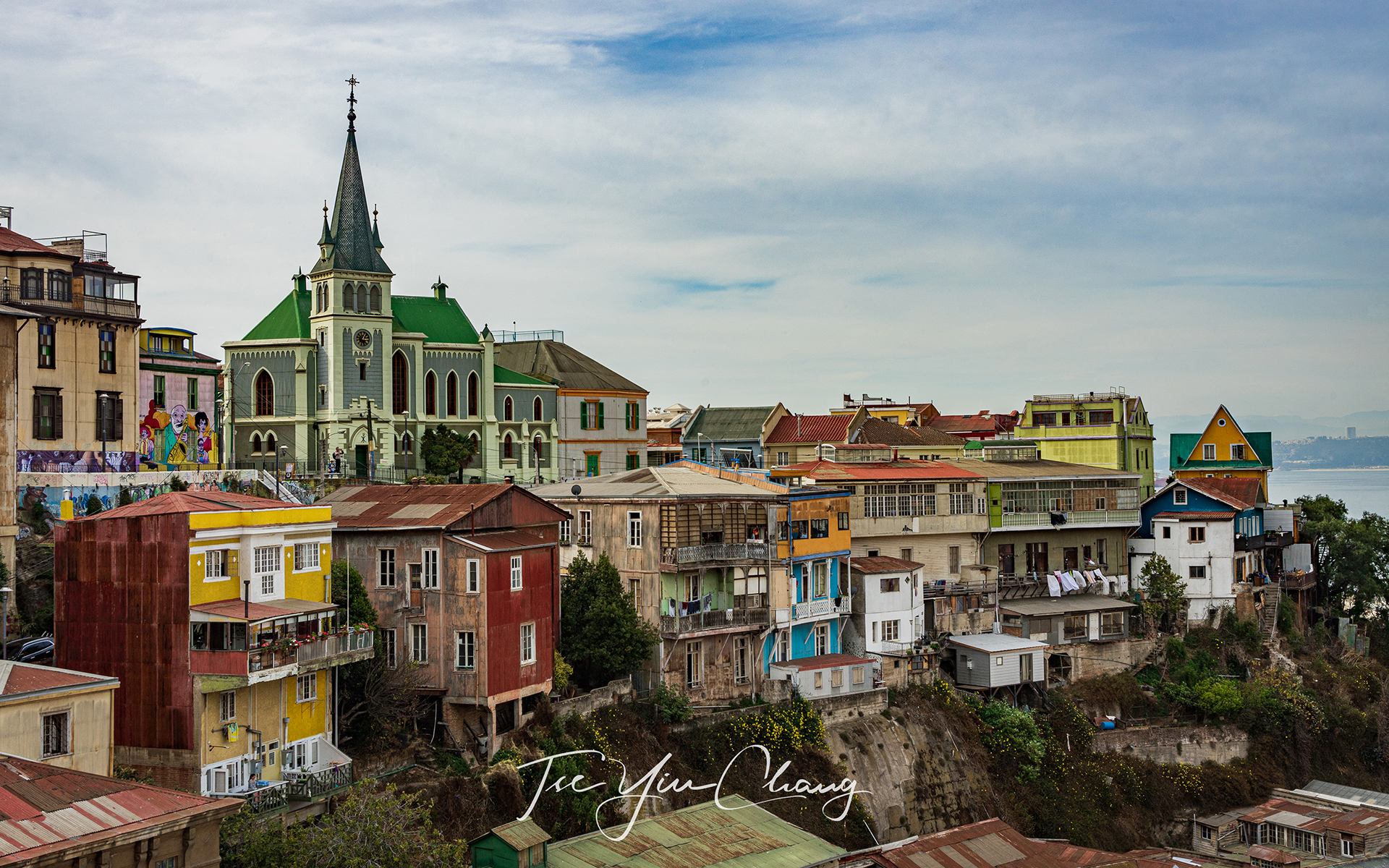
Described by Lonely Planet as “a wonderful mess”, Valparaiso is certainly one of Chile’s most unusual cities

Chile’s capital Santiago is home to a wealth of attractions. But besides its own charms, another of its advantages is that there is an abundance of things to see nearby too. Perhaps most well known among these is Valparaiso – the quirky World Heritage port city famous for its colourful houses, artistic atmosphere and edgy ‘anything goes’ vibe.

The Euporean heritage in Valparaiso is obvious

Described by Lonely Planet as “a wonderful mess”, Valparaiso is certainly one of Chile’s most unusual cities. But that’s a big part of its charm. Just a 90-minute drive from Santiago, it’s an ideal destination for a day trip. And so, with our time in South America coming to an end, we took the opportunity to visit Valparaiso and see if we would also fall for its unexpected charms.

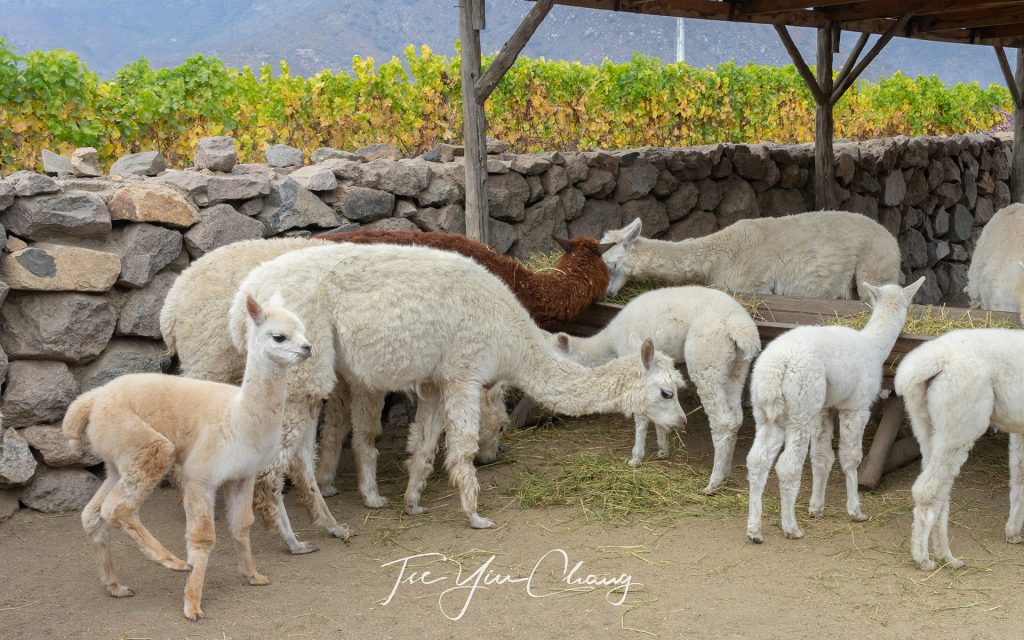
We were greeted by friendly locals at Emiliana Winery

We set off for a full day’s adventure with our knowledgeable and friendly local guide, Hugo. Who incidentally had also been our guide when we visited Santiago. So we already knew that we were in good hands to see the best that Valparaiso had to offer.

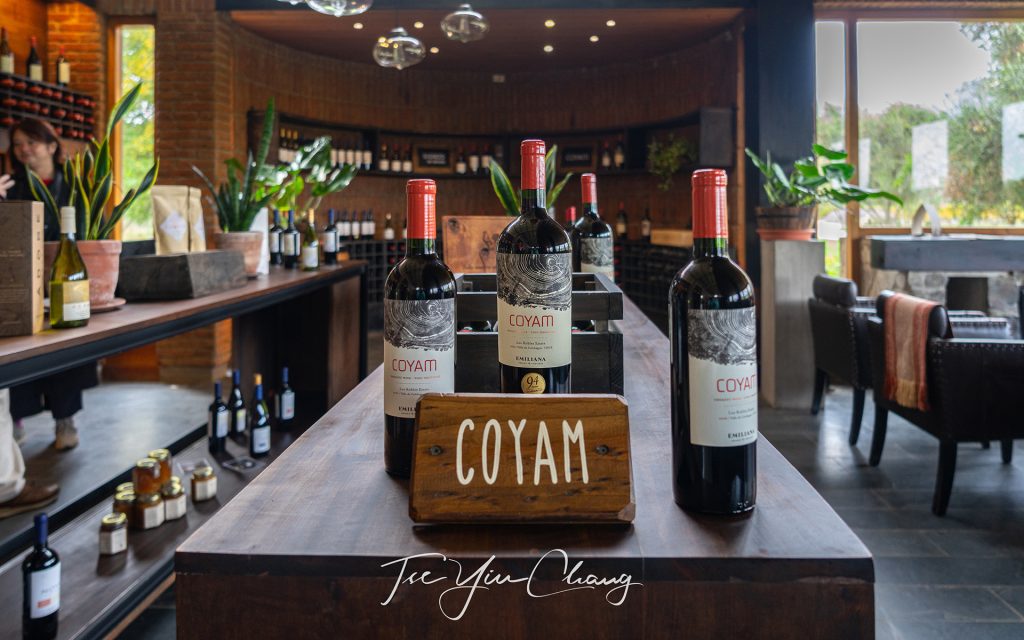
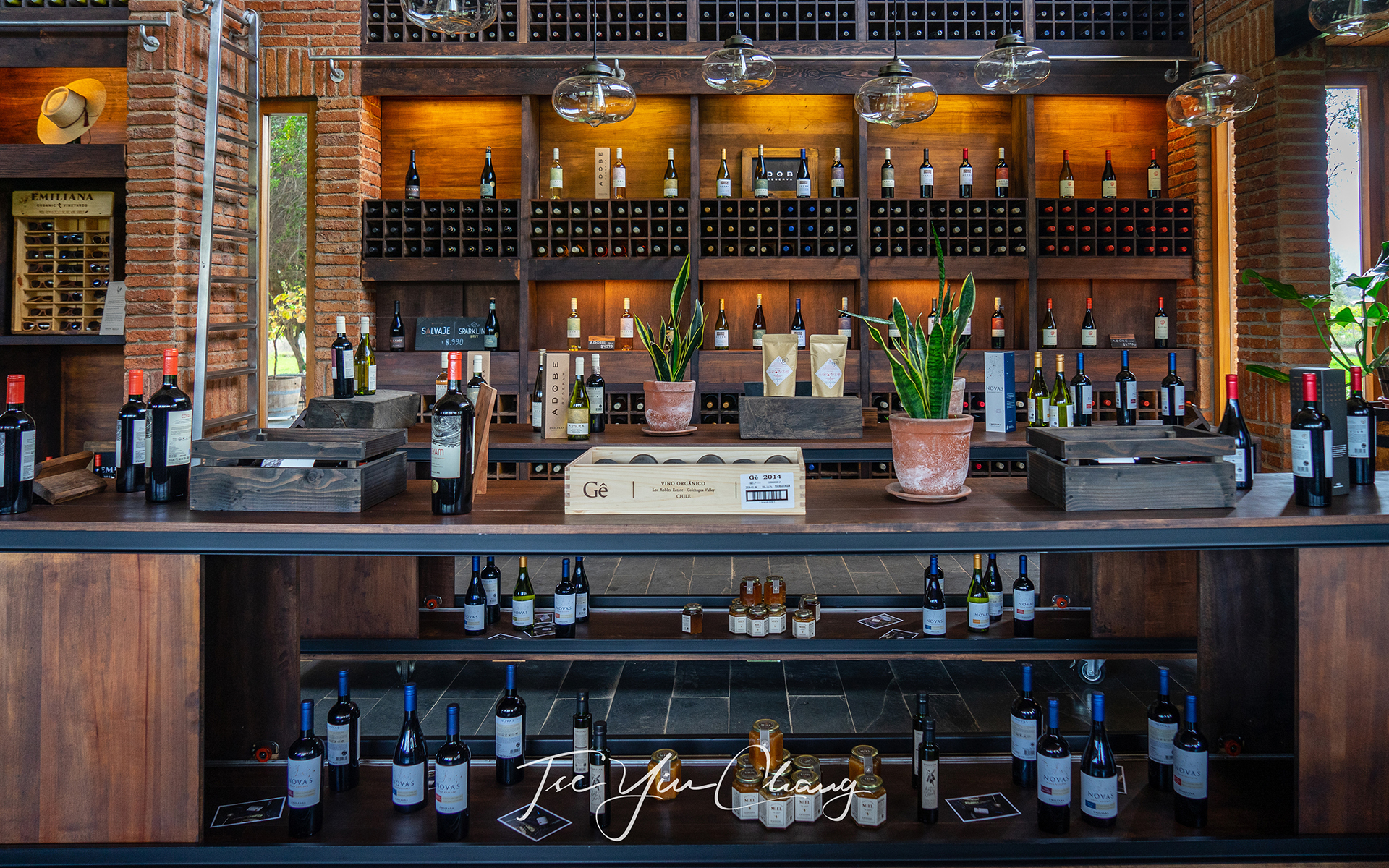
The selection of wines available from Emiliana Winery

While the snow-capped peaks of the Andes are inland of Santiago, there are mountains and hills extending all the way to the coast. The road to Valparaiso took us first through a tunnel underneath the mountains, and then threaded its way along the strips of flat land between the slopes. About two thirds of the way along we reached our first stop – the Casablanca Valley.

Emiliana Winery where we sampled some Chilean wines

Wine lovers might recognise the name, because the region is well known for producing excellent grapes. There are plenty of vineyards to choose from, but one of the most renowned – and the one which Hugo took us to – is the Emiliana Winery. The winery was a tranquil and picturesque place to spend the morning, thanks in part to the neat green rows of vines that contrasted strikingly with the muted colours of the hills rising up behind them.

The cafe we stopped for lunch

After sampling the wine (it was superb, by the way), we continued on to our main destination just in time for lunch. Valparaiso was a bit different to the cities we had experienced so far on our trip. In fact, it has a very different feel to much of the rest of the continent. Its European heritage is clear, but you won’t find the whitewashed Spanish villas with terracotta tiles arranged in a grid, like in most historic Latin American towns. Some of the buildings look Alpine or Germanic in design, and the way the city is strewn over the hills and draped down into the sea is reminiscent of Lisbon or even Istanbul.

Bohemian and colorful, Valparaiso’s maze of hills has long inspired poets and writers

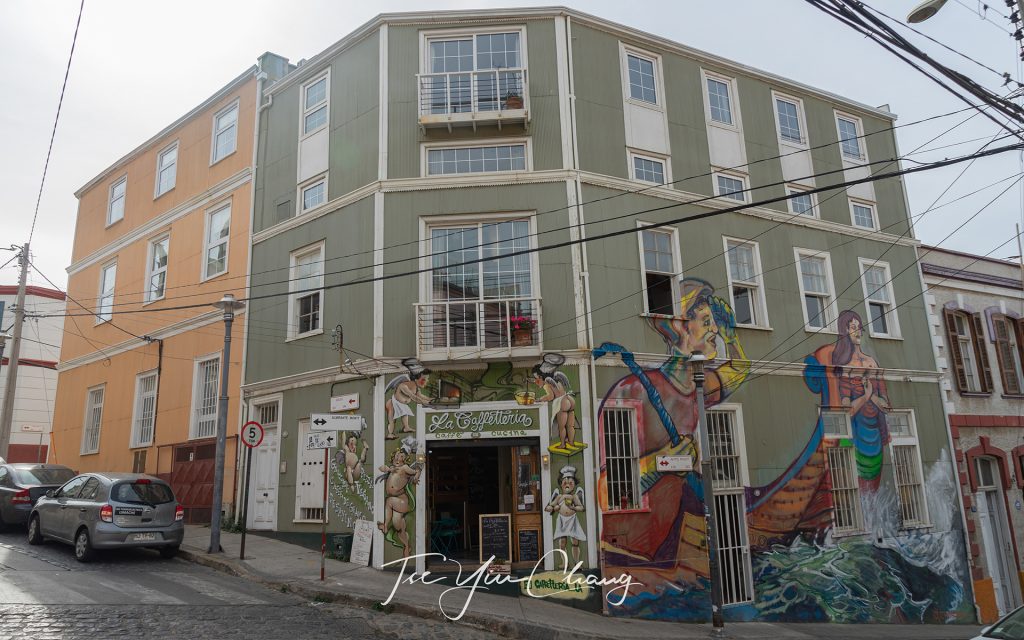
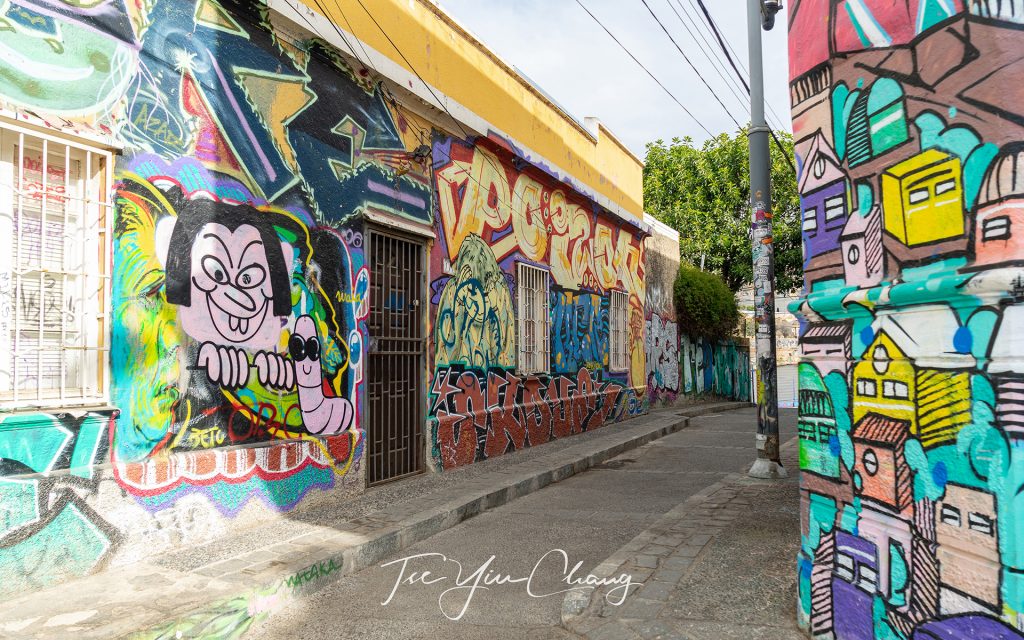
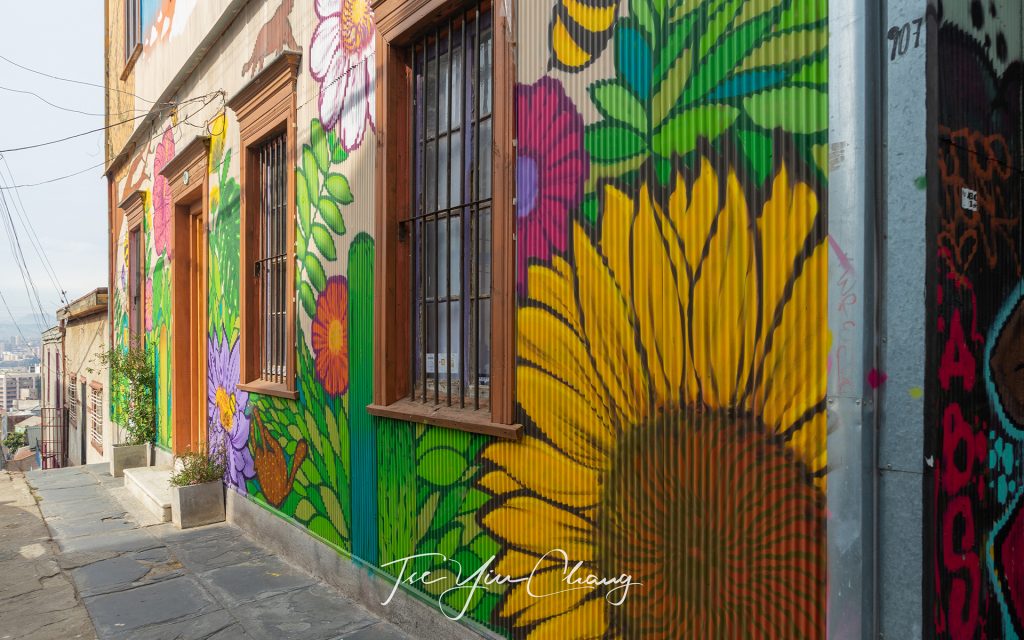
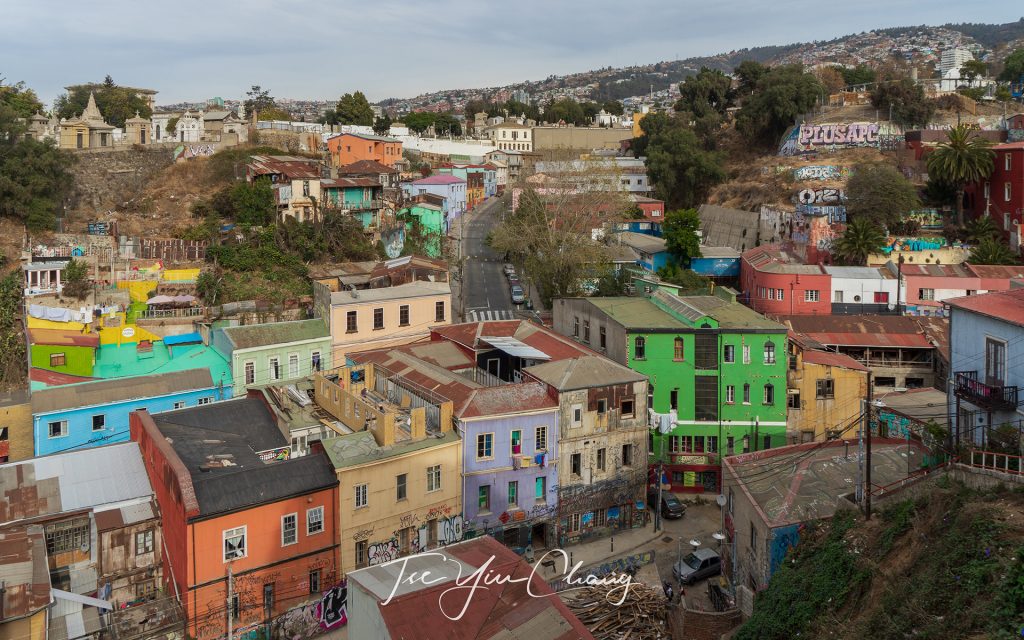
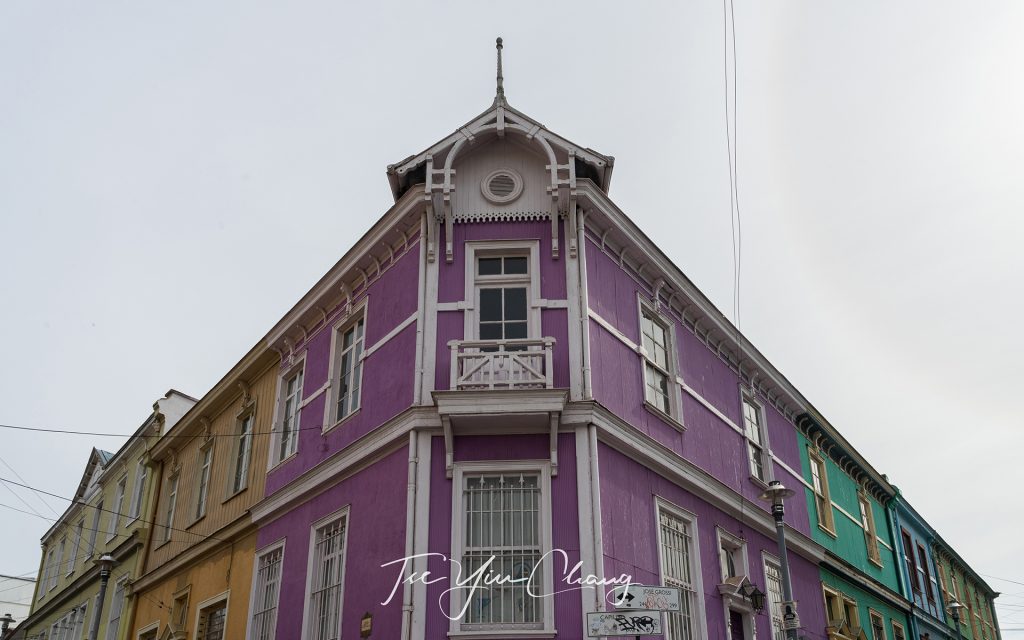
Valparaiso was and still is Santiago’s port. Much of the goods that have entered and exited Chile since its settlement have come through the port city, and so you might expect the city to have a gritty, functional feel to it. However, the truth could not be more different. Valparaiso is one of South America’s artistic capitals, and colour is everywhere. From the elaborate street art which adorns many of its walls, to the simple fact that a large proportion of its buildings are painted bright green, blue and red, a similar Bohemian character to that found in Lastarria back in Santiago permeates the city. Its crazy colourful architecture is quite a sight to behold.

Elaborate street art adorns many of its walls

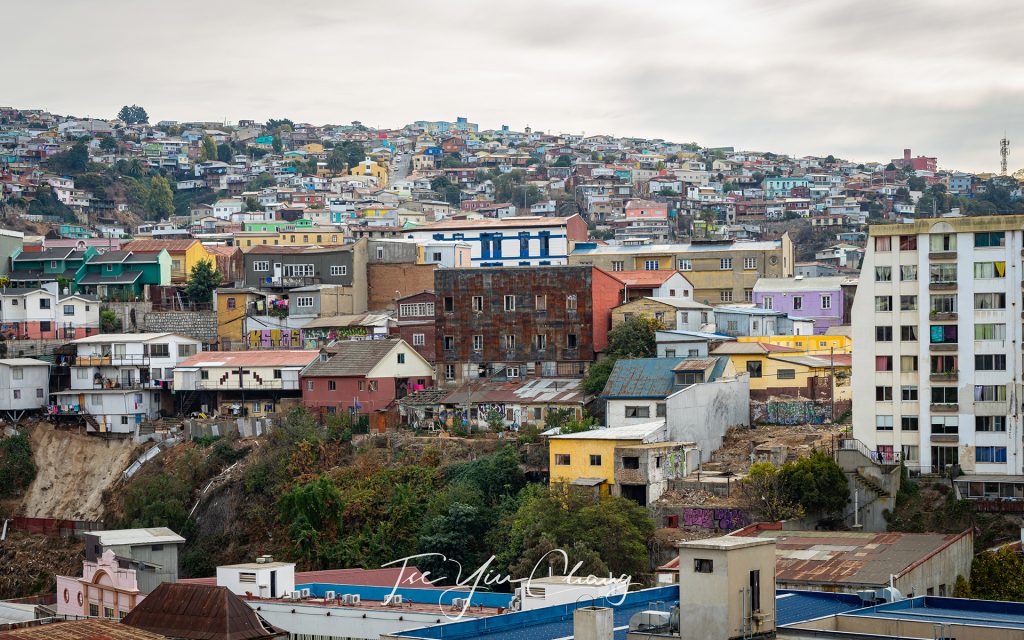
The city’s geography means that many of these colourful houses are perched on steep hillsides, making them extra visible and hard to miss. Its streets meander and wind up and around the slopes wherever the incline permits, adding to Valparaiso’s character. Many of these are impassable to public transport, so an inventive solution had to be found. Dating back to the 1880s, funiculars (a type of cable car) are used to ferry people up and down the hills, and today they are one of the city’s main attractions. There are sixteen in total, but not all are currently in use. Most of the funiculars (locals call them ascensors) were completed before the 1920s, but the last one opened in 1983. Despite advances in technology this antiquated form of transport is still one of the most useful in a place like this.

Valparaiso is one of South America's artistic capitals
Valparaiso is one of South America’s artistic capitals

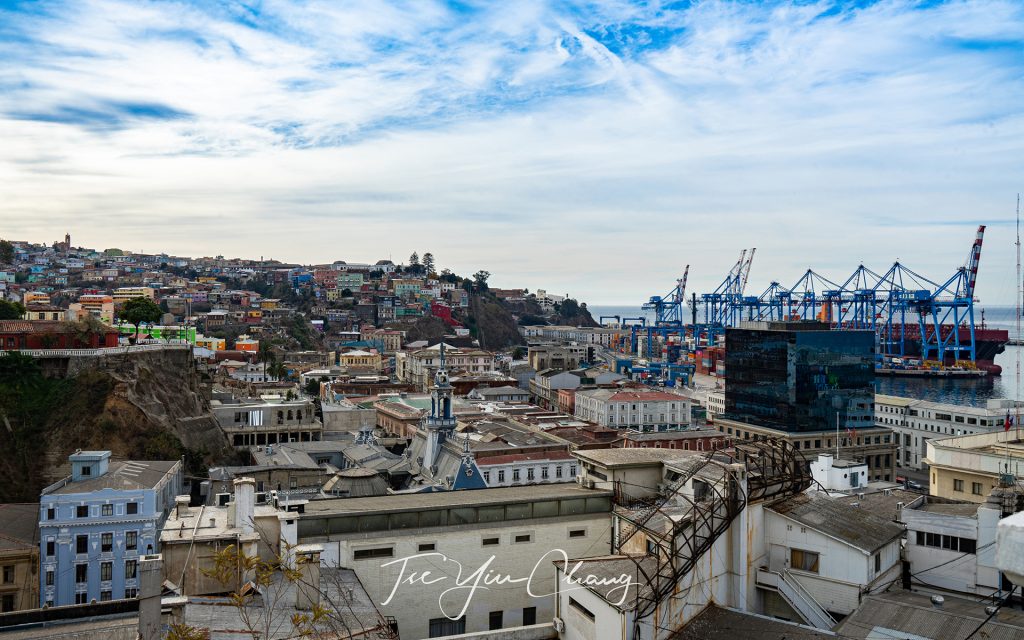
We concluded our Valparaiso tour with a trip to the port. In a city with little flat building space, things have to be put wherever there is space. Given the importance the docks have had in the city’s history it is fitting that the port is still right in the heart of things. People driving into the city to shop or to take their children to school share Valparaiso’s main thoroughfares with trucks carrying wine, fish and metals to be shipped across the world.

Its streets meander and wind up and around the slopes wherever the incline permits

It’s down in the docks where Valparaiso starts to make sense. Many of the world’s port cities are functional places, and when you think of dockworkers you probably don’t imagine a group of people with an appreciation for art and avant-garde culture. Valparaiso’s culture however, as creative as it is, is a working class one. It is authentic, energetic and not at all pretentious. Which is probably why the city is so likeable.

Valparaiso was and still is Santiago's port
Valparaiso was and still is Santiago’s port

While the port is still busy, it lost some of its importance after the opening of the Panama Canal in 1914. Before this ships had been forced to make their way round the bottom of South America and would stop here en route. The resulting downturn in fortunes caused some decline. But when the artists moved in to revitalise the city they didn’t replace the culture, they enhanced it.

Large proportions of its buildings are painted in bright colours, a similar Bohemian character to that found in Lastarria in Santiago

Time always flies when you are having fun, and even though we made the most of our short day trip, more time in Valparaiso would not have been wasted. There is enough to see to keep you occupied for several days. So for anyone travelling for an extended time, it would be a good place to stop for a while to explore more thoroughly.

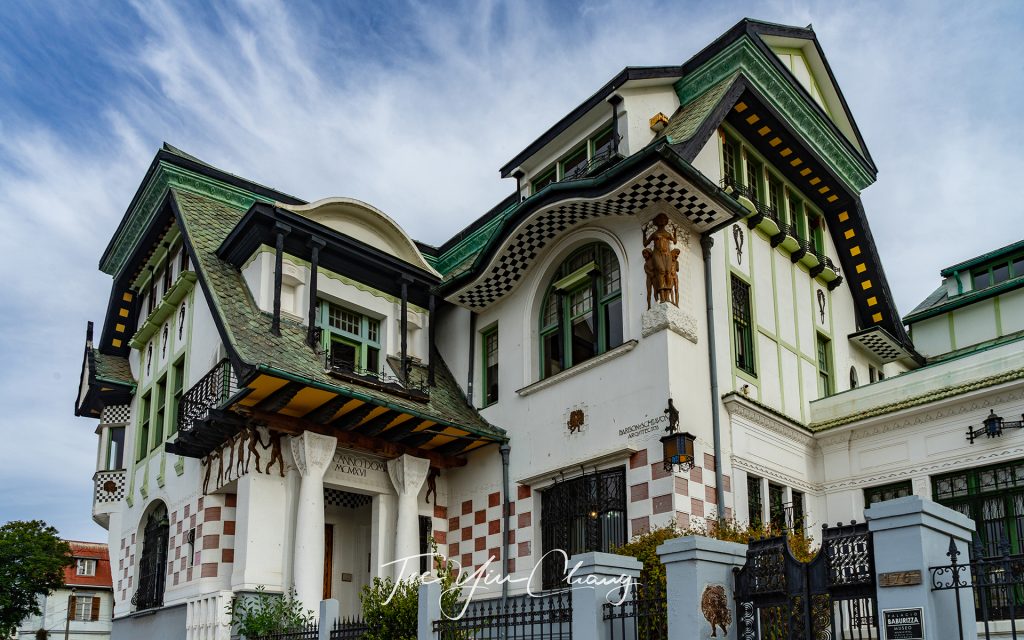
Palacio Baburizza museum's art gallery has a large collection of European and Chilean works - dated between 1800 and 1990
Palacio Baburizza museum’s art gallery has a large collection of European and Chilean works – dated between 1800 and 1990

As the evening approached we left Valparaiso and made our way back through the valleys to Santiago. We were slightly disappointed that we didn’t have enough time to explore its upmarket sister city Viña del Mar, just fifteen minutes up the coast. None the less we left with wonderful memories of this unique and colourful World Heritage city.

Valparaiso is built on steep hillsides

See also:

  • Santiago: a cosmopolitan city surrounded by the snow-capped Andes
  • A journey through the picturesque Andes by rail
  • Exploring the capital of the Inca Empire – Cusco
  • Machu Picchu – a 15th century Inca citadel
  • Sacred Valley – the gateway to Machu Picchu
The winery was a transquil and picturesque place to spend the morning
Valparaiso at a glance
The city's crazy colourful architecture is quite a sight to behold
The city’s crazy colourful architecture is quite a sight to behold
Valpariaso is a very colourful city
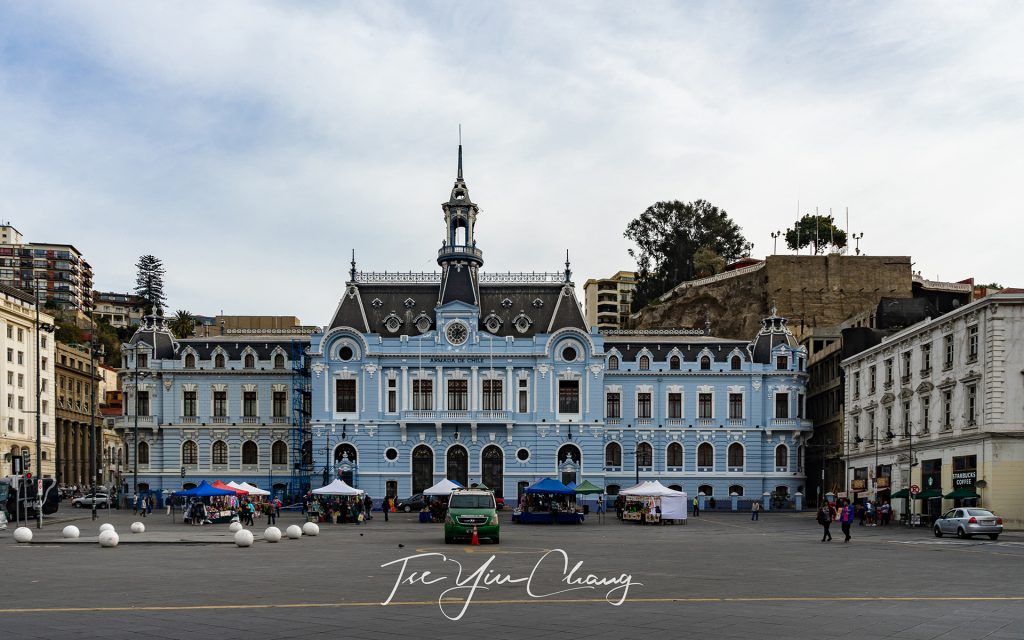
The Chilean Navy headquarter

Filed Under: Blog, Photography, Portfolio, Travel Tagged With: andes, chile, landscape, latin america, photography, south america, travel, valparaiso

Santiago: a cosmopolitan city surrounded by the snow-capped Andes

26 May 2020 by tadgraphics

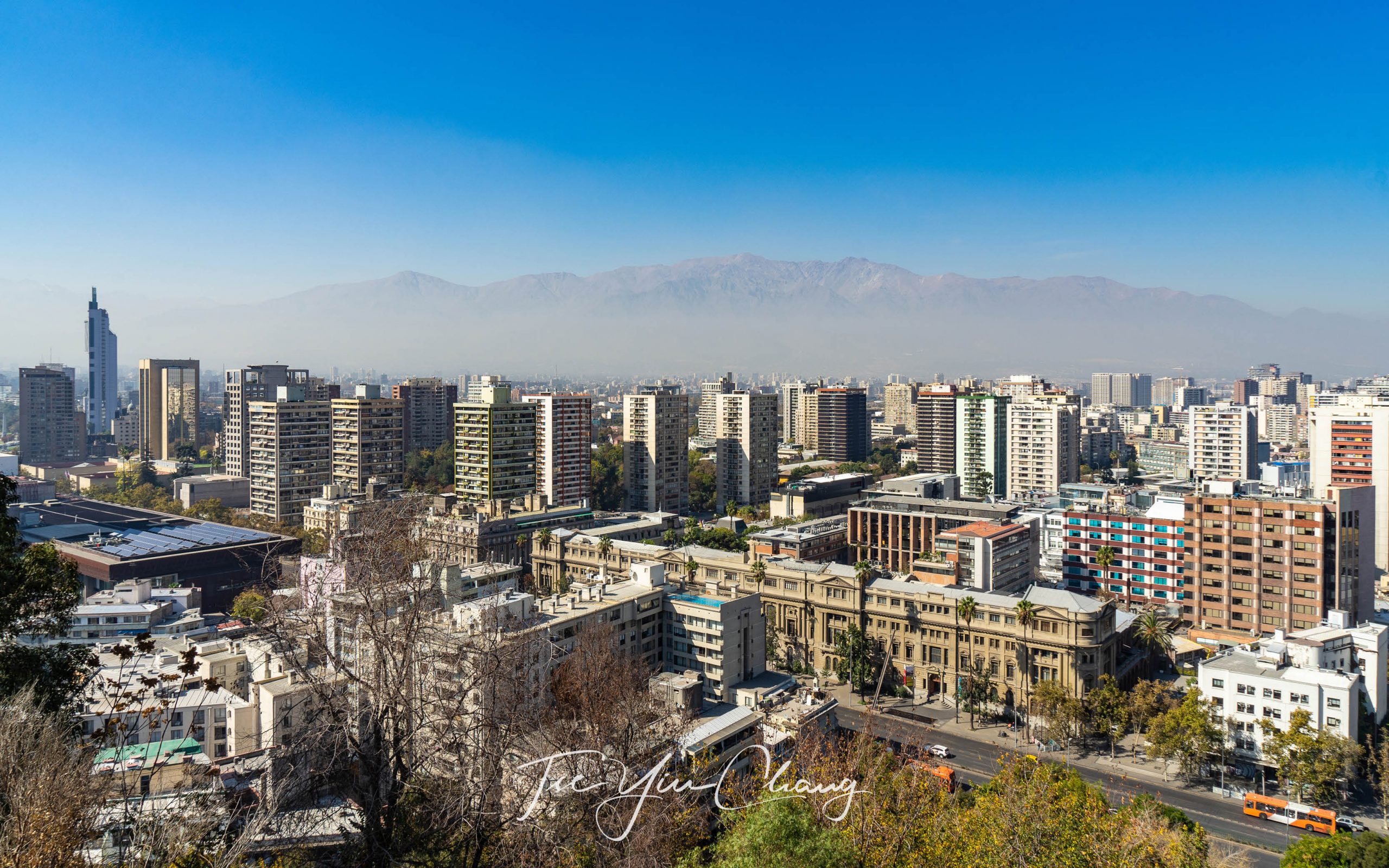
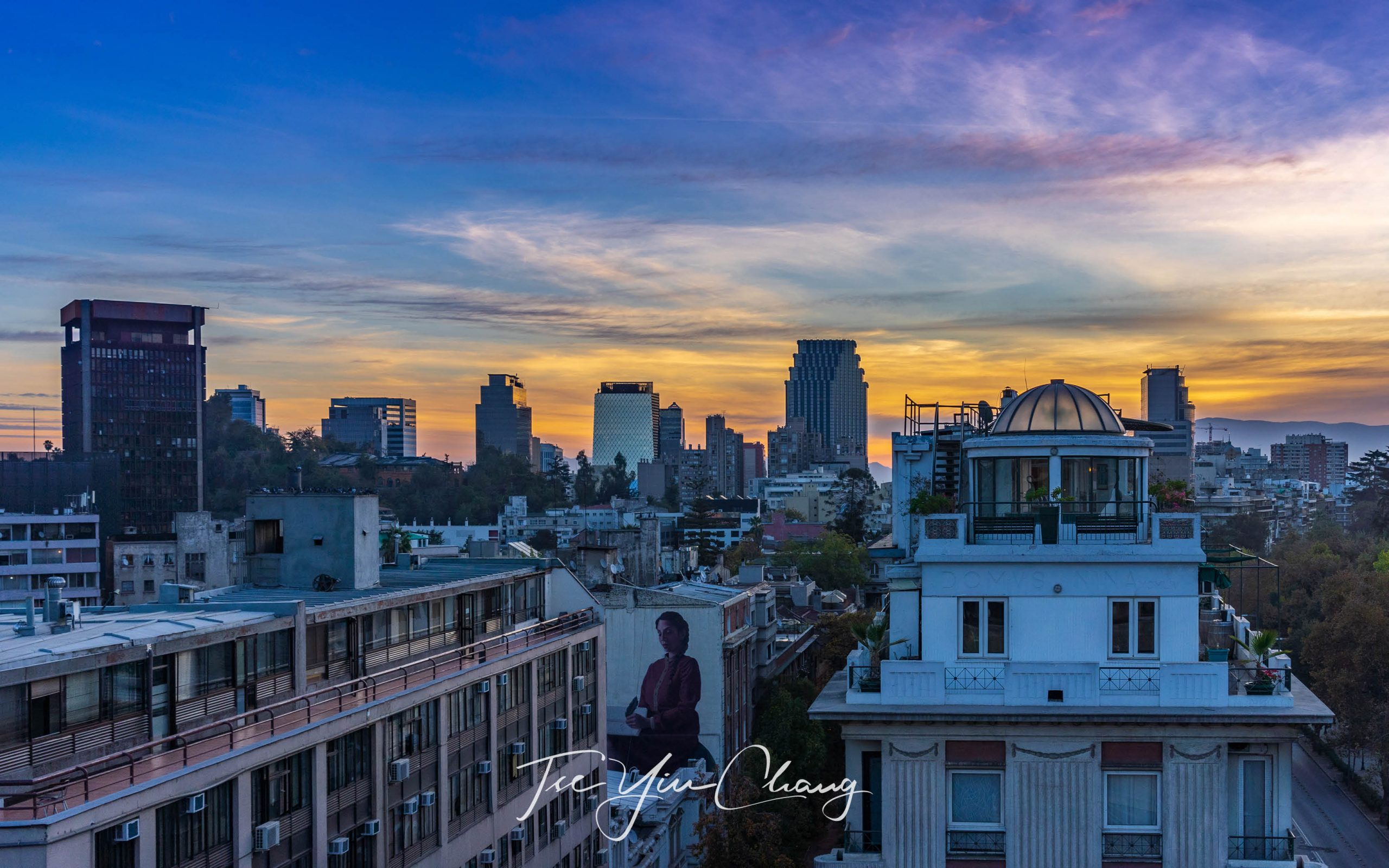
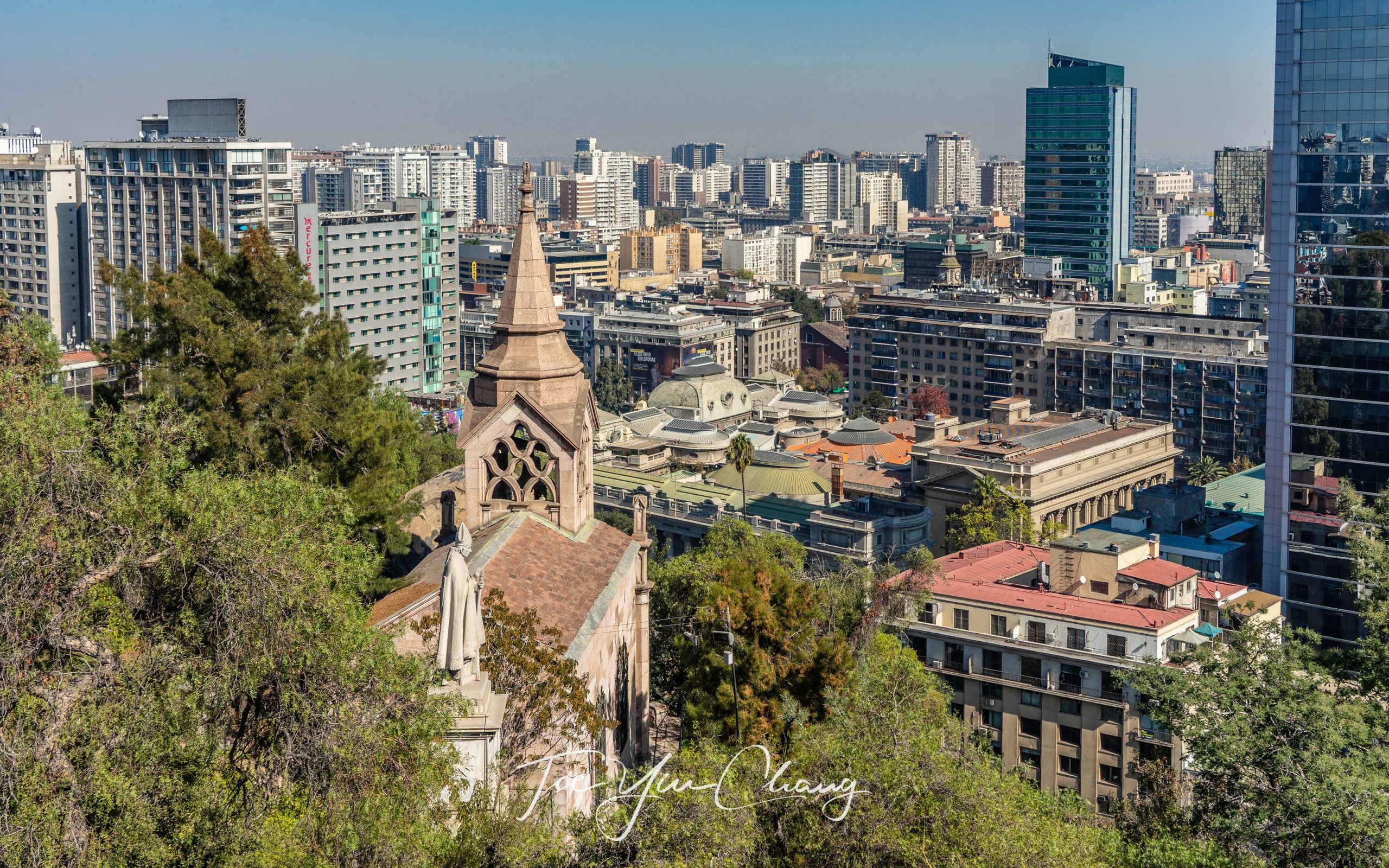
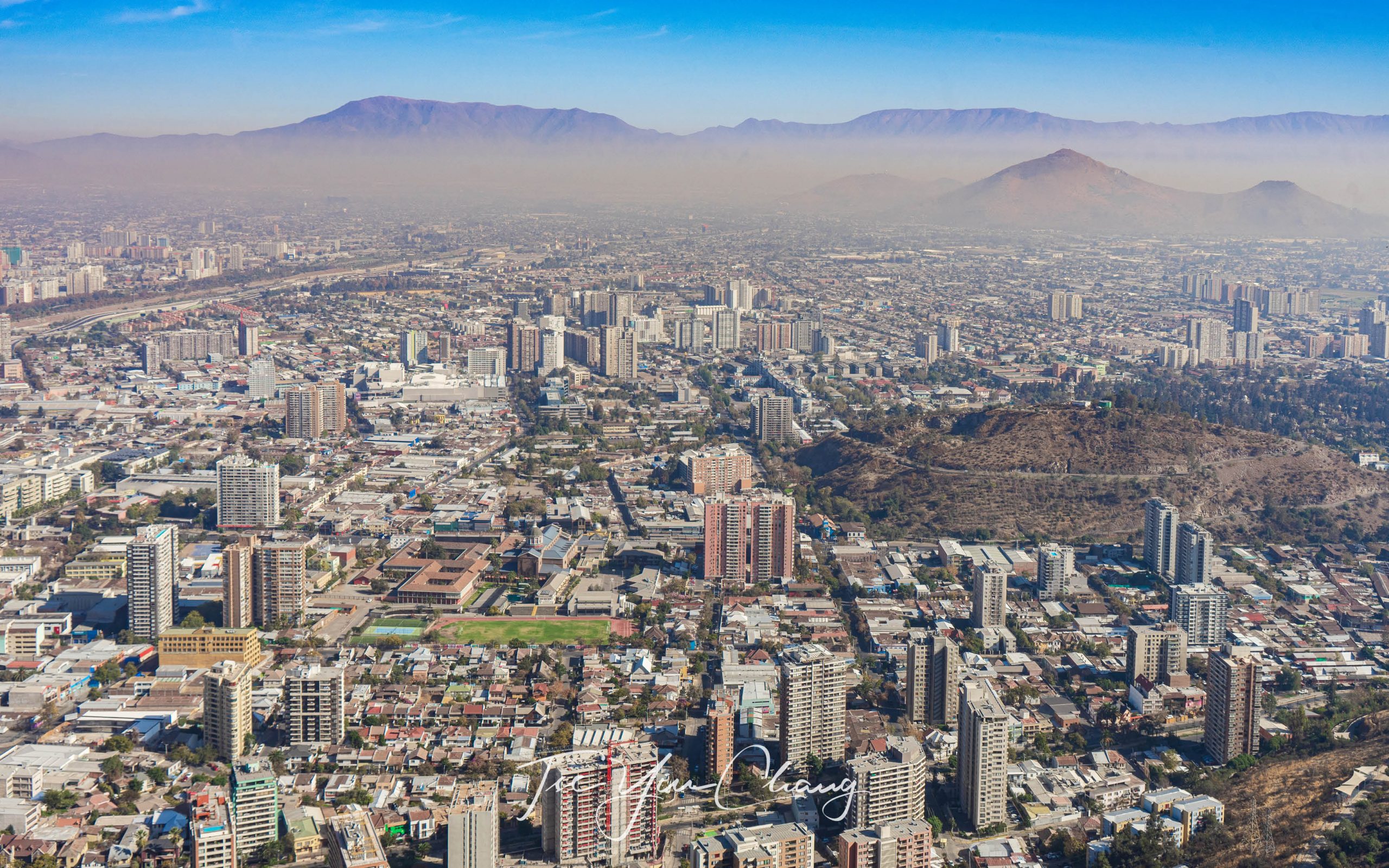
View of the vibrant, busy and modern Santiago from Cerro Santa Lucia

For travellers looking for an exciting South American adventure, Chile’s capital city has become a very popular destination in recent years. While Santiago has long since served as the gateway to the country for most visitors, its appealing cosmopolitan culture does a wonderful job of enticing tourists to stick around to see what this incredible city has to offer.

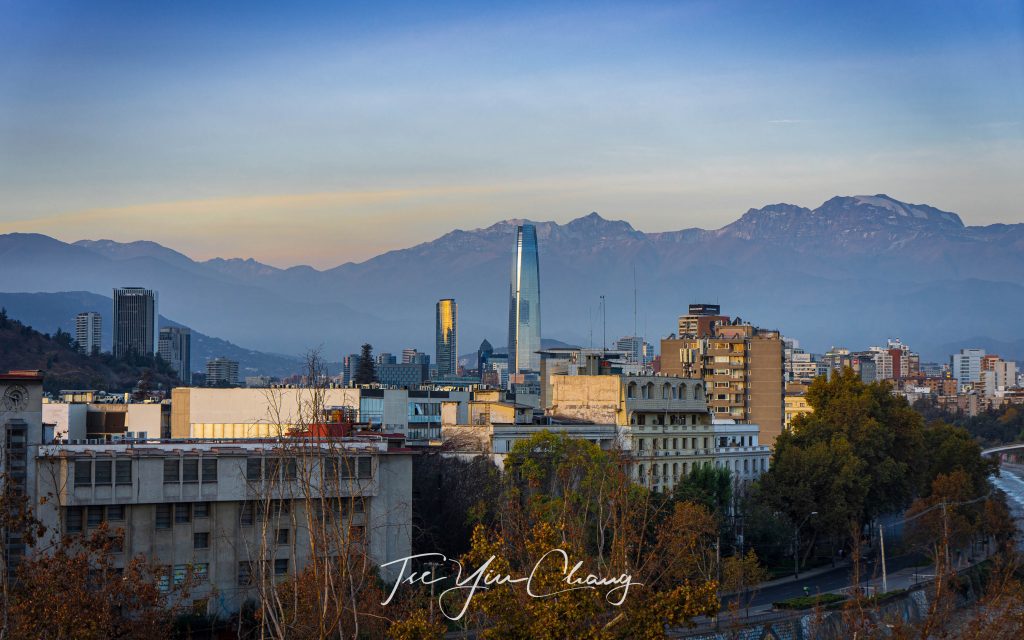
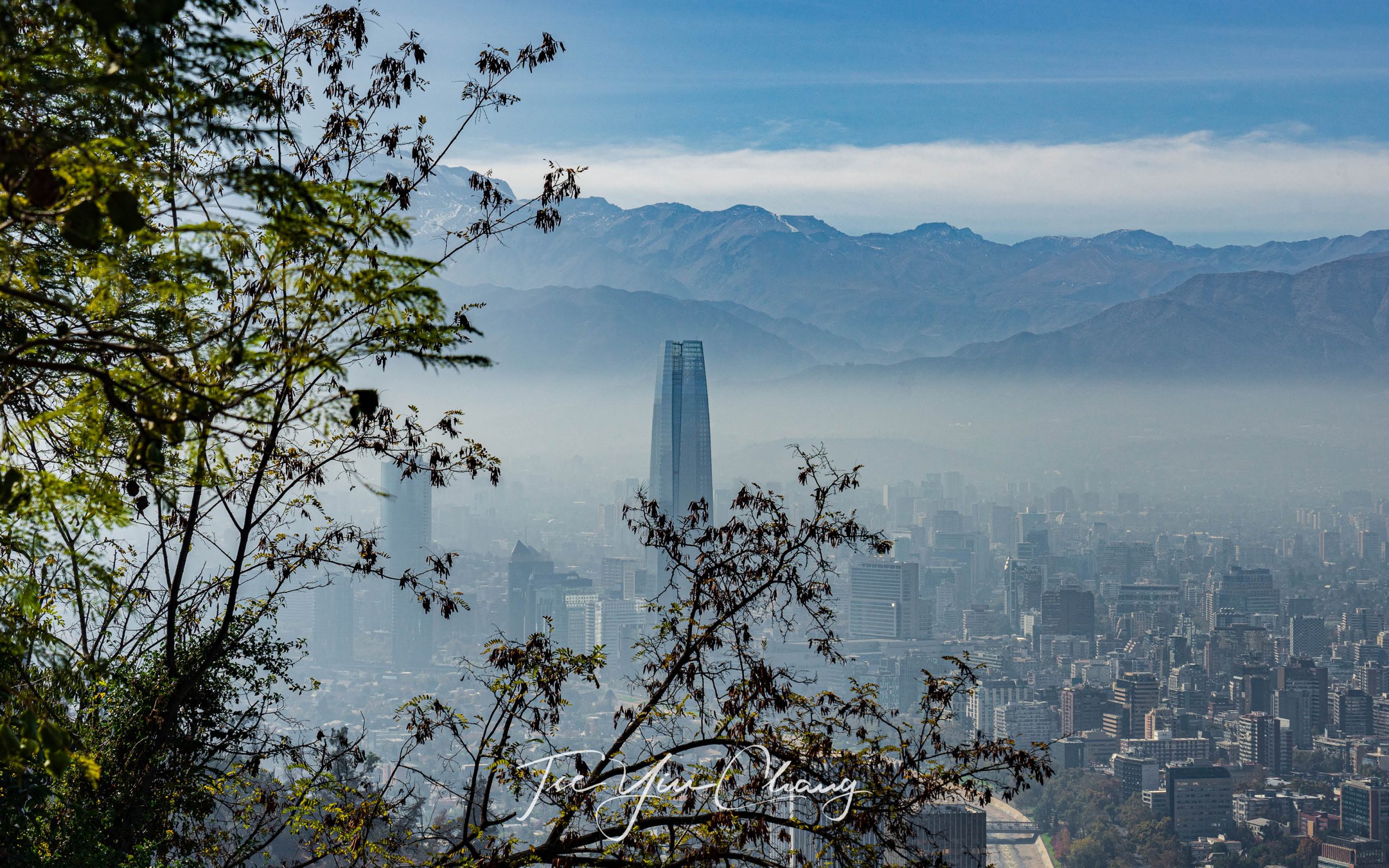
Santiago's newest attraction, the Gran Torre, a 62-story tall skyscrapper is Latin America's tallest building
Santiago’s newest attraction, the Gran Torre, a 62-story tall skyscrapper is Latin America’s tallest building

As one of South America’s top tourist spots, Santiago is well deserving of its time under the spotlight. After all, what South America has to offer goes way beyond the hype of iconic cities like Argentina’s Buenos Aires or Brazil’s Rio de Janeiro. If you’re visiting South America for the very first time, Chile is the perfect stop off if you’re looking for an introduction to the culture and chaos the country is beloved for.

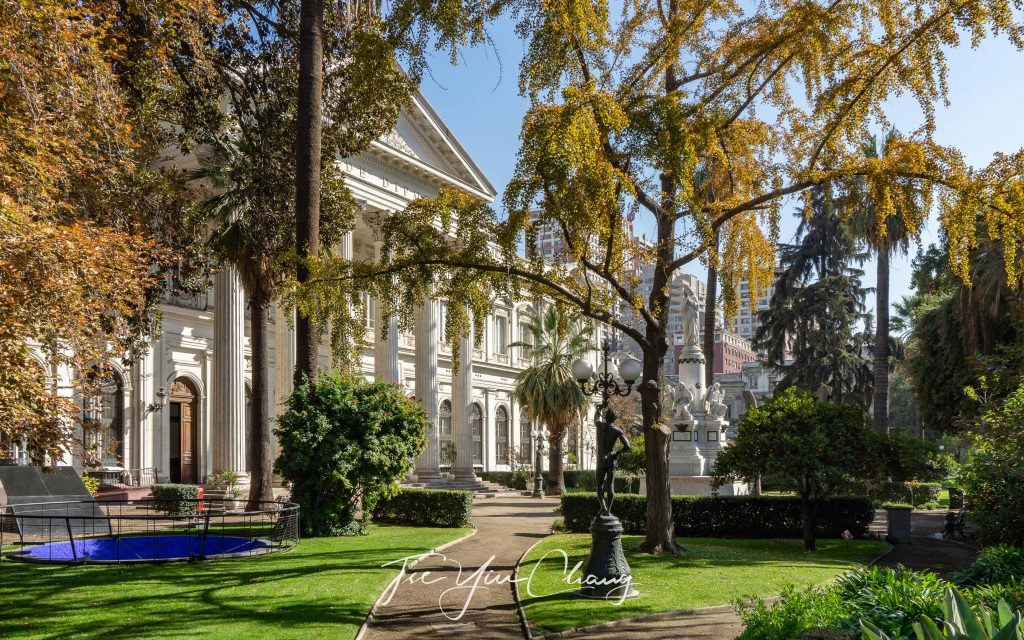
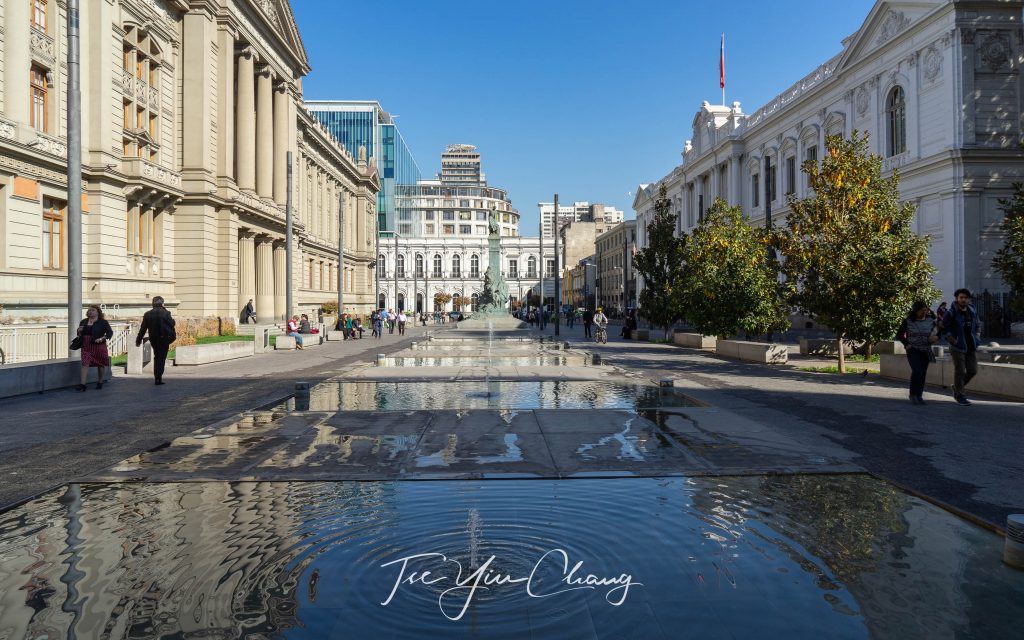
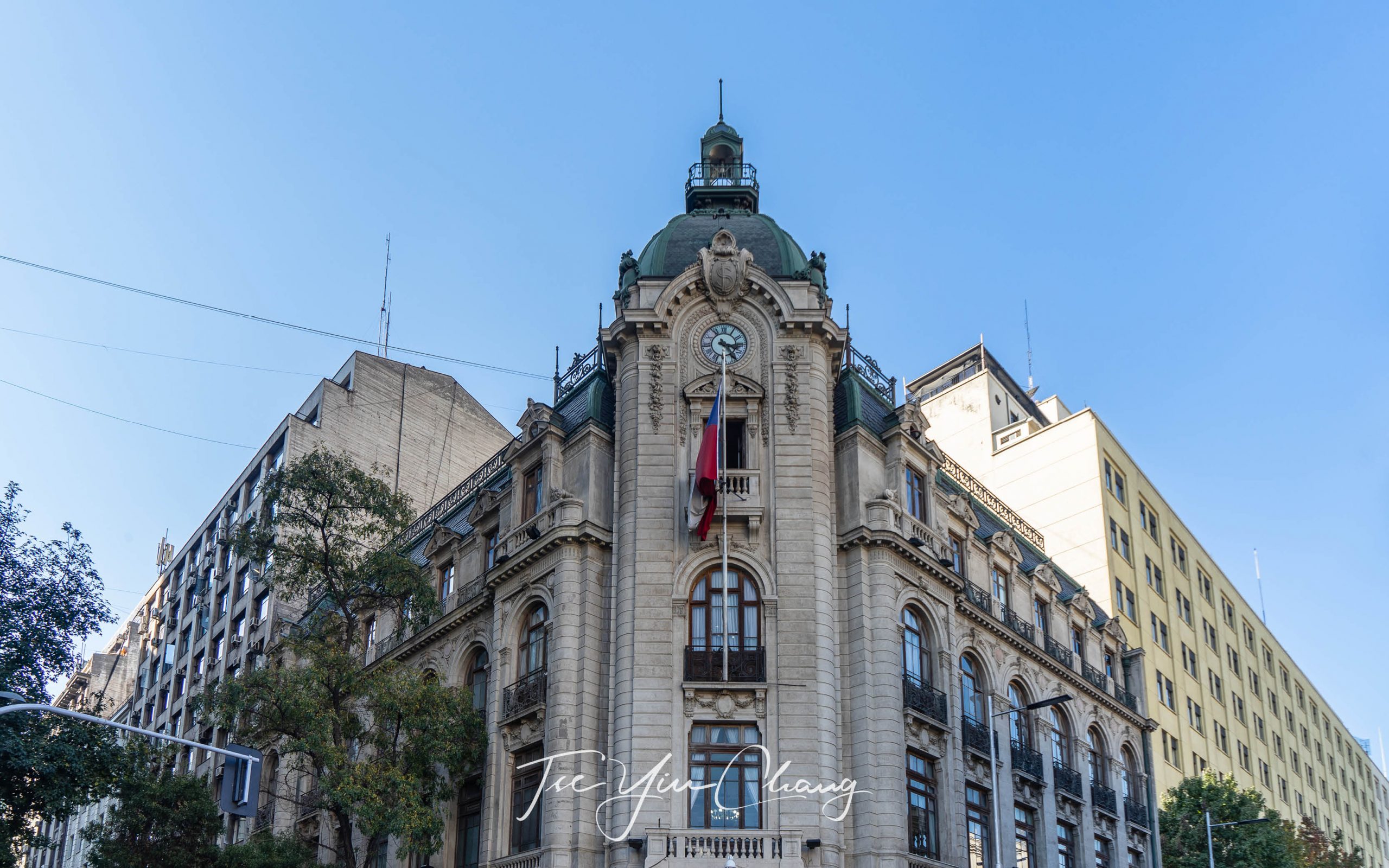
The Former National Congress Building are fine examples of the neo-classical architecture

When researching things to see and do in Chile prior to our trip, we were immediately struck by the natural geography of the country. As the fourth largest continent, South America is one of the world’s most unique shaped countries. The bottom half of South America is shaped like a cone, with the mighty Andes mountain range running down one side of the continent. Cut off from the rest of the continent by these mountains and the deserts to the north, is Chile. Over four thousand kilometres long but less than two hundred across at its widest point, the country makes the most of the limited area between the Andean slopes and the Pacific Ocean.

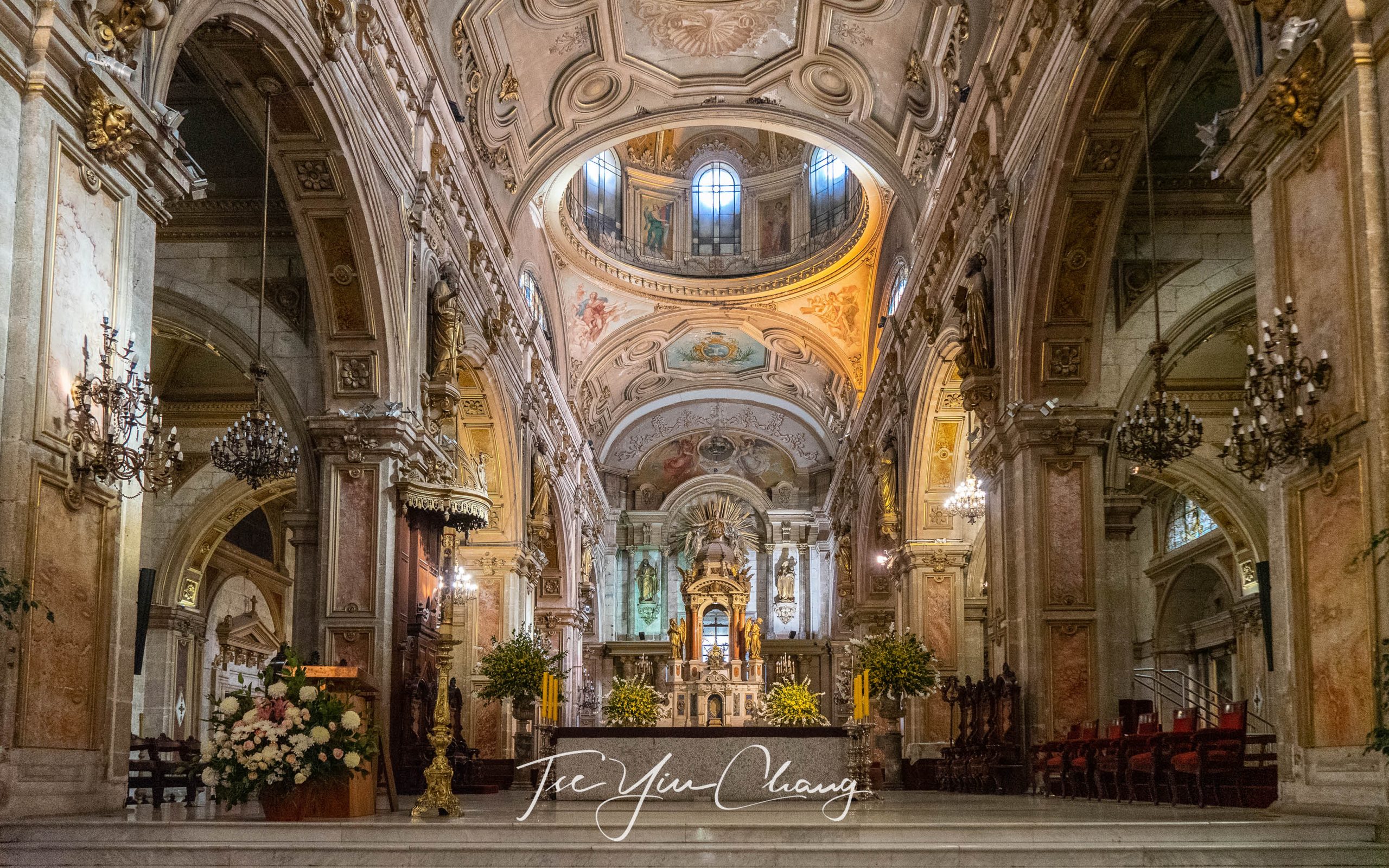
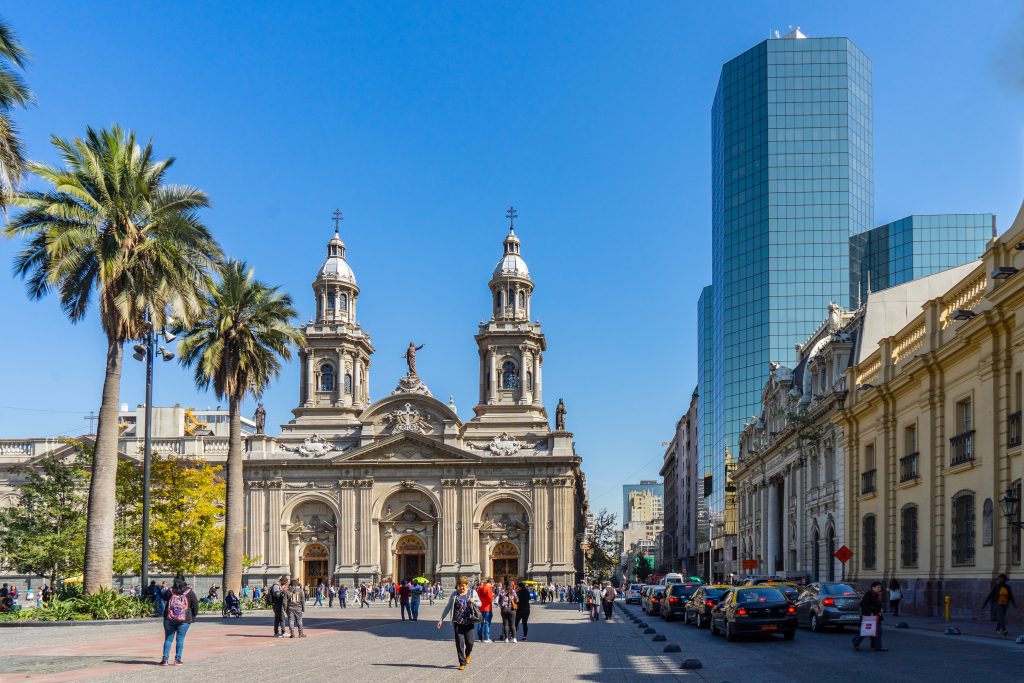
The neo-classical Santiago Metropolitan Cathedral was built in the 1700s

You might expect this hidden corner of an already remote continent to be a forgotten and parochial place. Yet this far-away land is home to a surprisingly cosmopolitan city. A vibrant, busy and modern metropolis, Santiago has established itself as somewhere worth going out of your way to see. From spectacular scenery and colonial old town charm, to world class restaurants and bohemian nightlife, Santiago has something for everyone.

Santiago Metropolitan Cathedral, Plaza de Armas

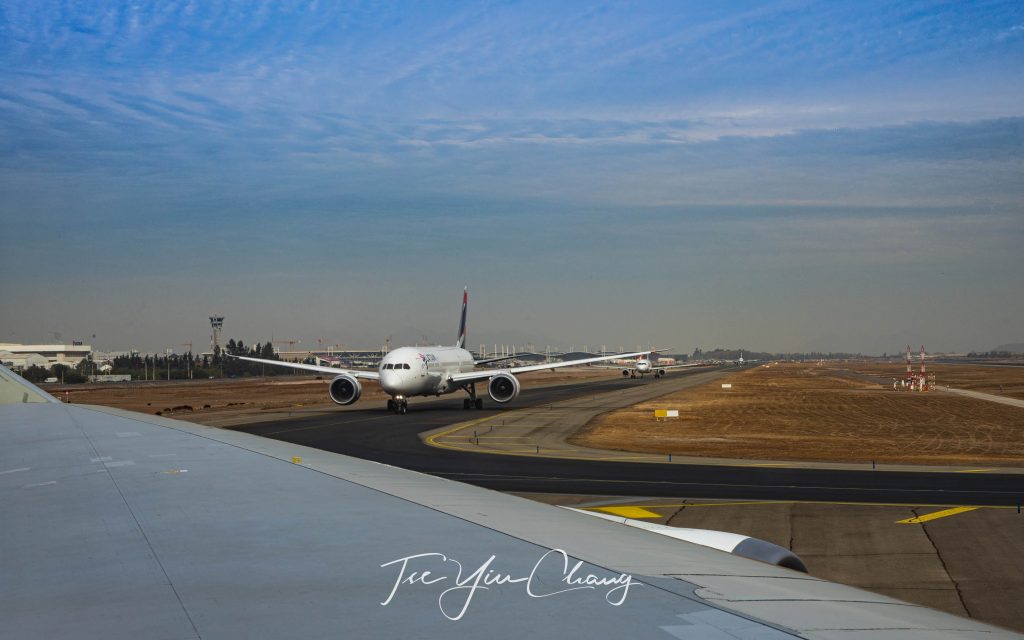
Santiago was just one stop on our South American tour. But it was one of the highlights of the entire trip. We had been in Cusco absorbing Peru’s Inca legacy, before we flew in to the city after making our way from Lima. With an all too short stop off in Santiago, we had a lot to fit in. Often the best way to experience what a city has to offer is by hiring a local tour guide. Our guide, Hugo, picked us up from the airport and took us straight to the hotel which was to be our Santiago base. We met Hugo the next morning, excited and eager to explore the city and get a taste of some of Santiago’s highlights.

Neo-classical architecture was popular in Chile in the 1800s

Things to see and do in Santiago

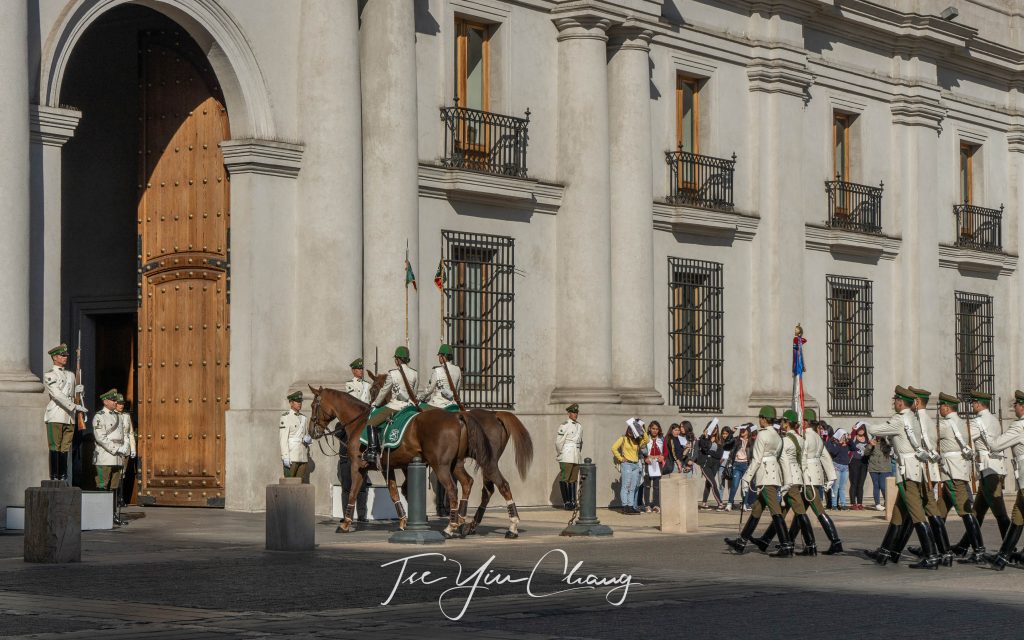
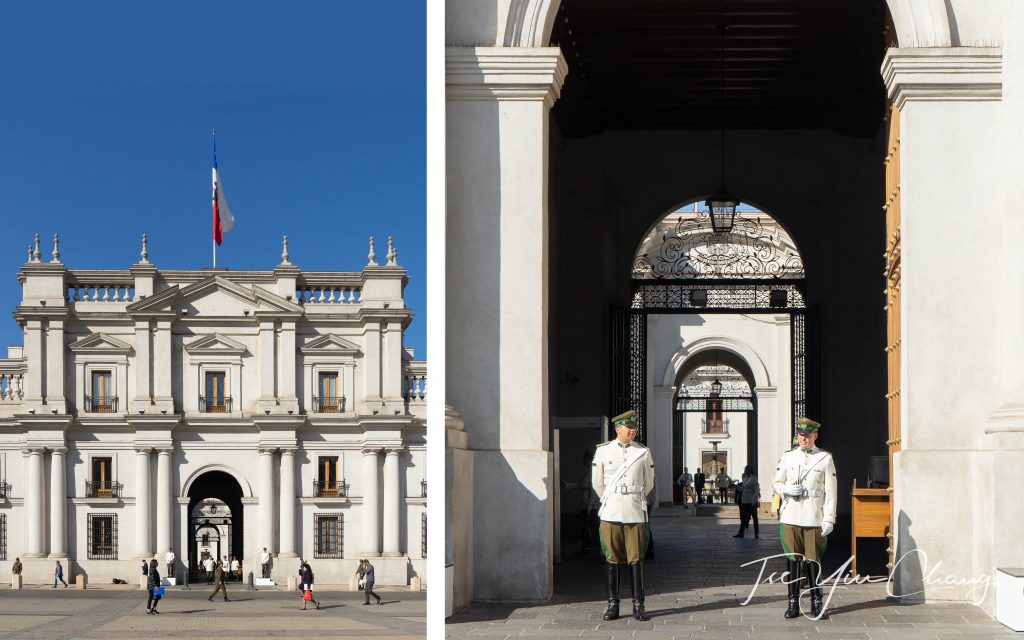
The first stop of our tour was the Plaza de Armas. All of Latin America’s colonial cities were built around a grand central square and Santiago is no different. It has the stately colonial buildings, the statues and fountains, but the trees that dominate the square give it a more tranquil feel than many other South American cities. A few blocks away is the La Moneda Presidential Palace and getting there involved walking through the old streets of the city centre, past the former national congress building. Both the congress and the palace are fine examples of the neo-classical architecture that was popular in Chile in the 1800s, and Hugo regaled us with their history as we walked.

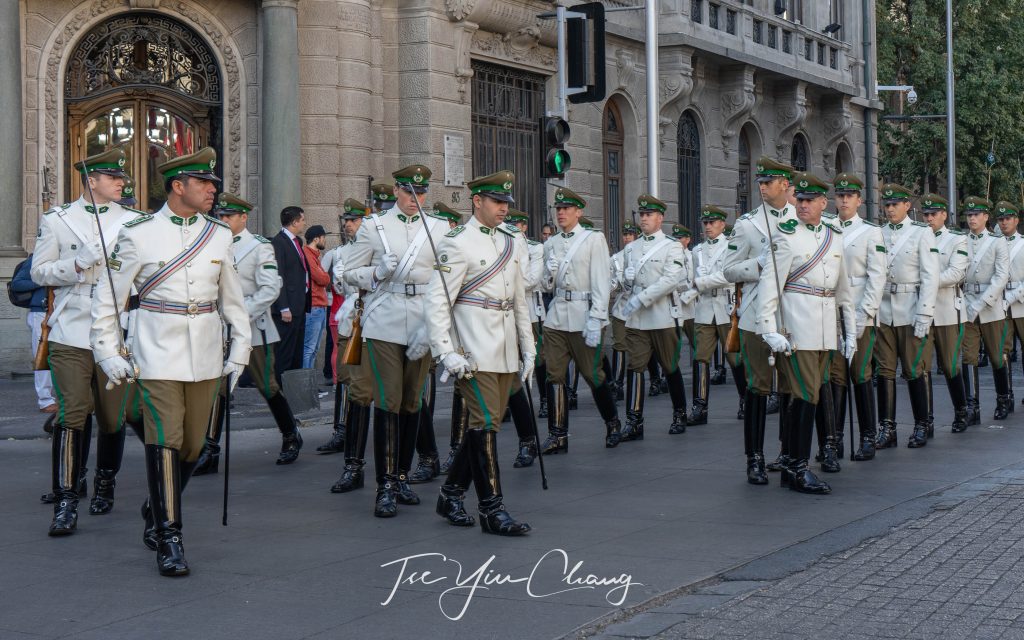
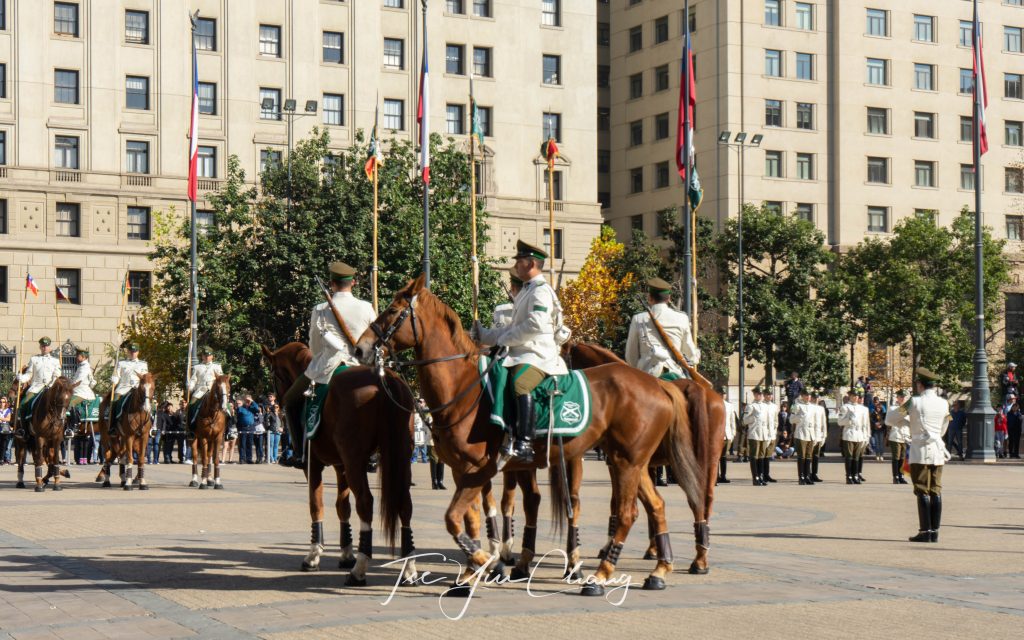
La Moneda Changing of the Guard Ceremony
La Moneda Changing of the Guard Ceremony occurs every 48 hours

In front of the La Moneda Palace is another beautiful plaza, complete with fountains and fourteen large Chilean flags. It was busy when we arrived as the changing of the guard ceremony was about to take place. We watched as the new guards came in to replace the old, marvelling as they marched in unison. Similar events take place outside most palaces in Europe, and have become must see tourist attractions for visitors lucky enough to witness such a spectacle. But this one was livelier than most thanks to the brass band which provided an energetic soundtrack to the fascinating ritual.

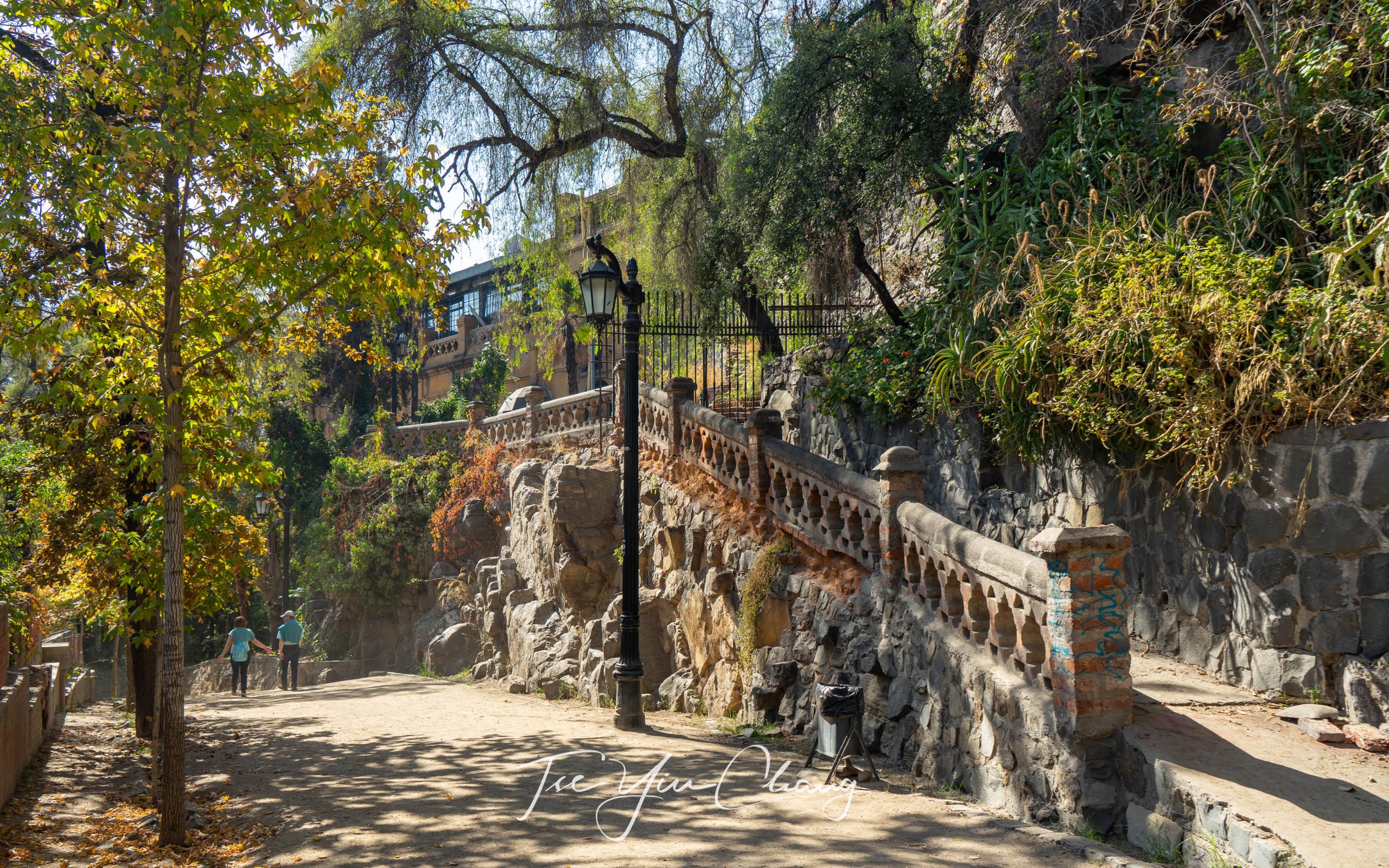
Cerro Santa Lucia is converted to a park and home to several ornate monuments

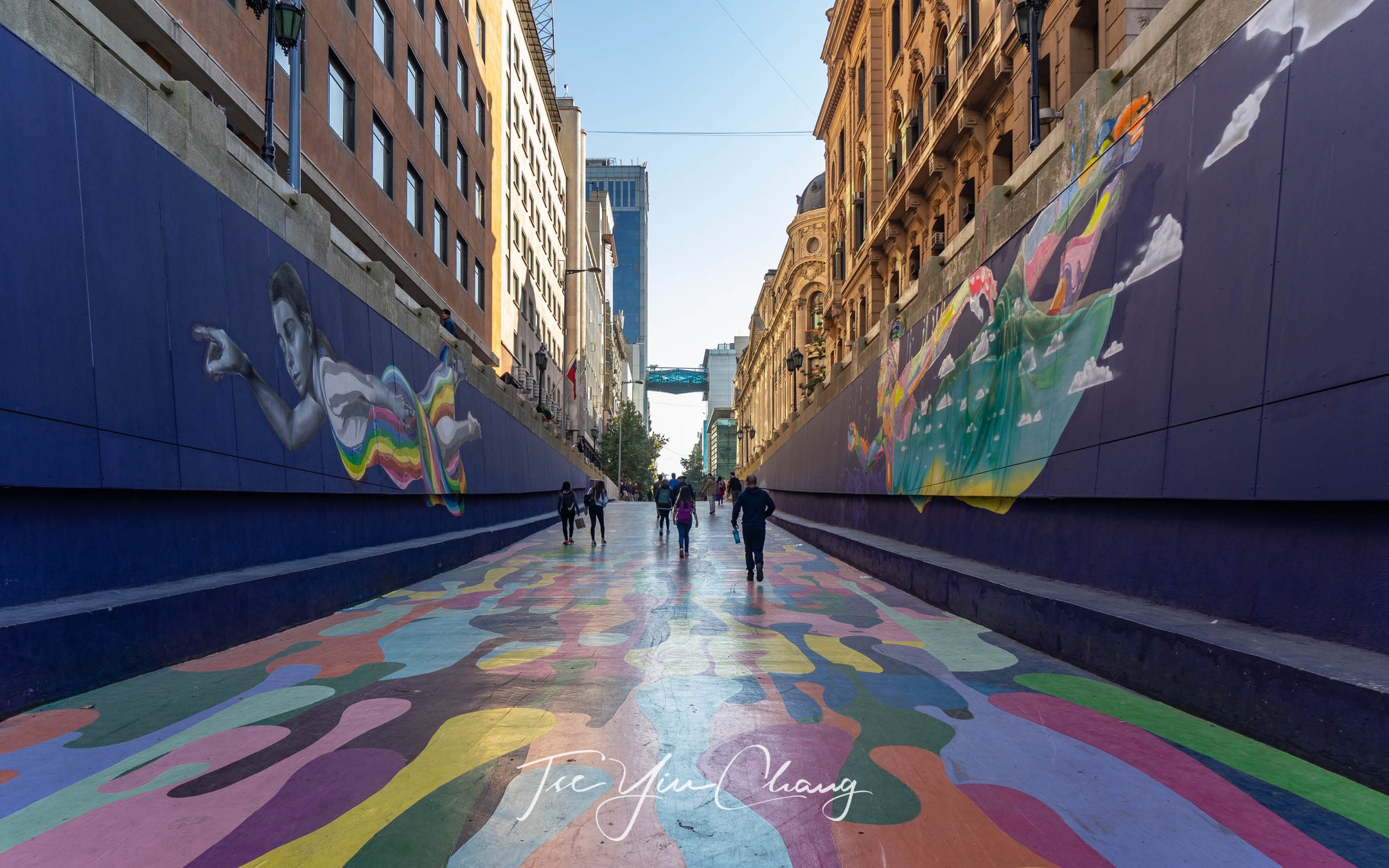
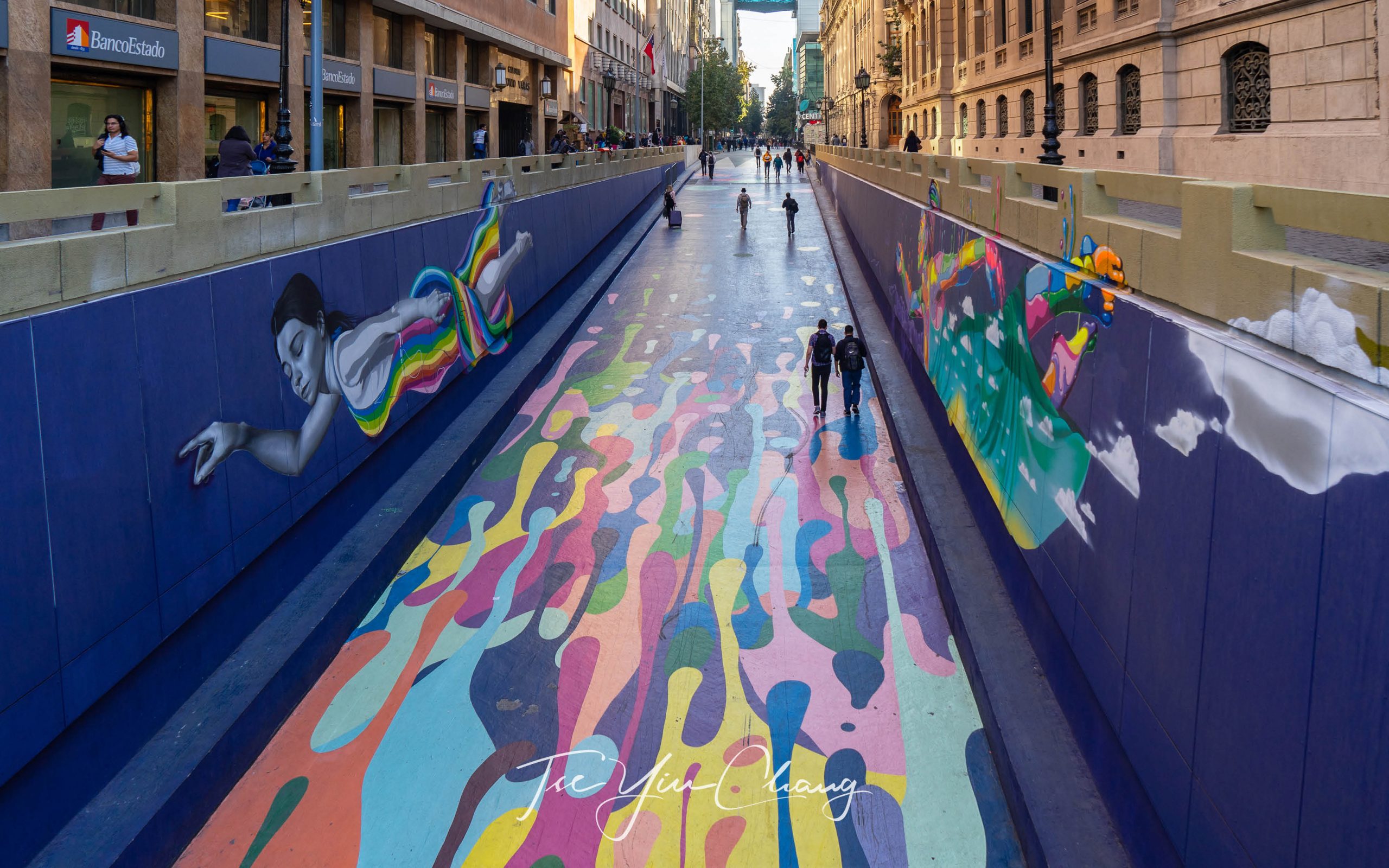
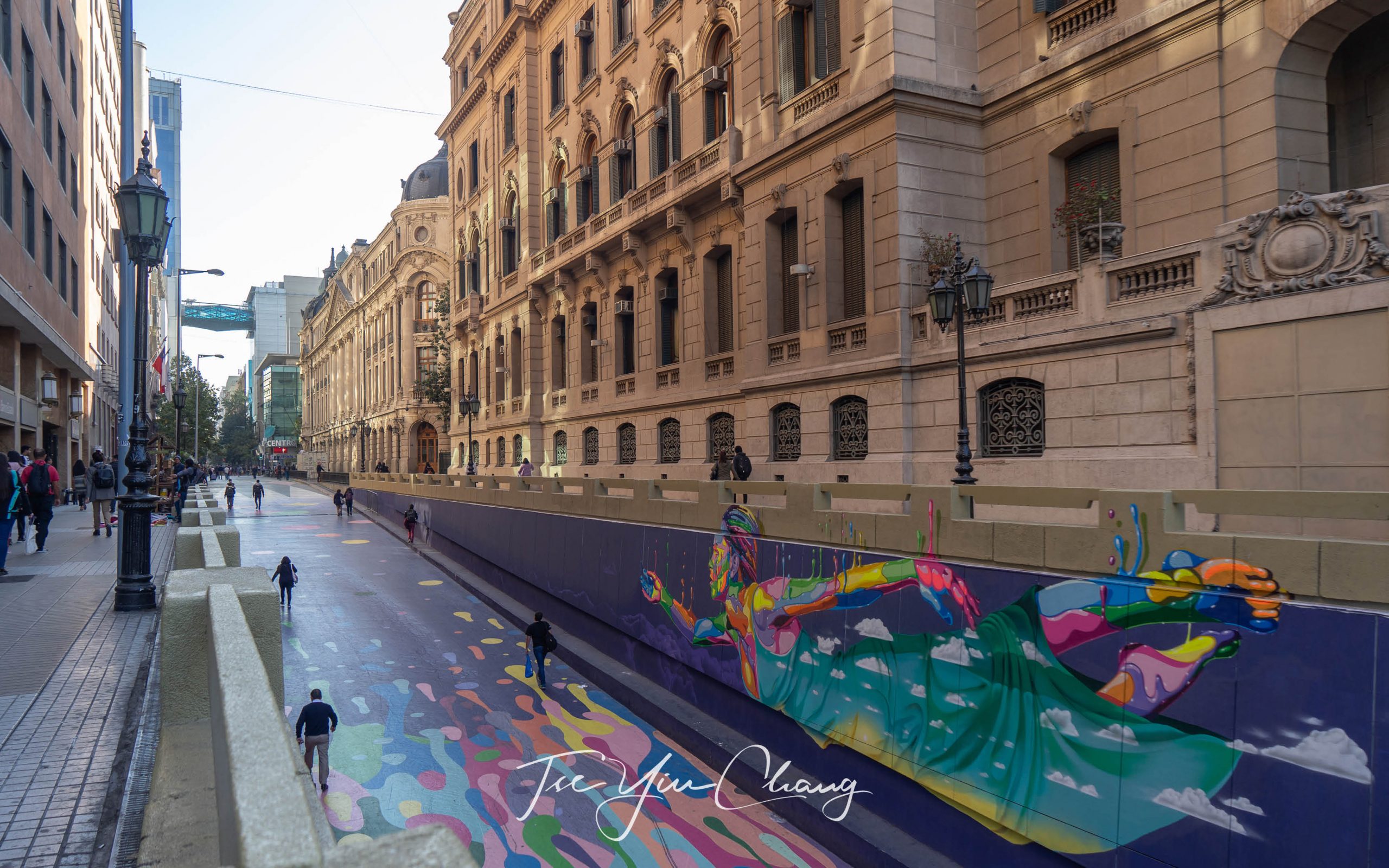
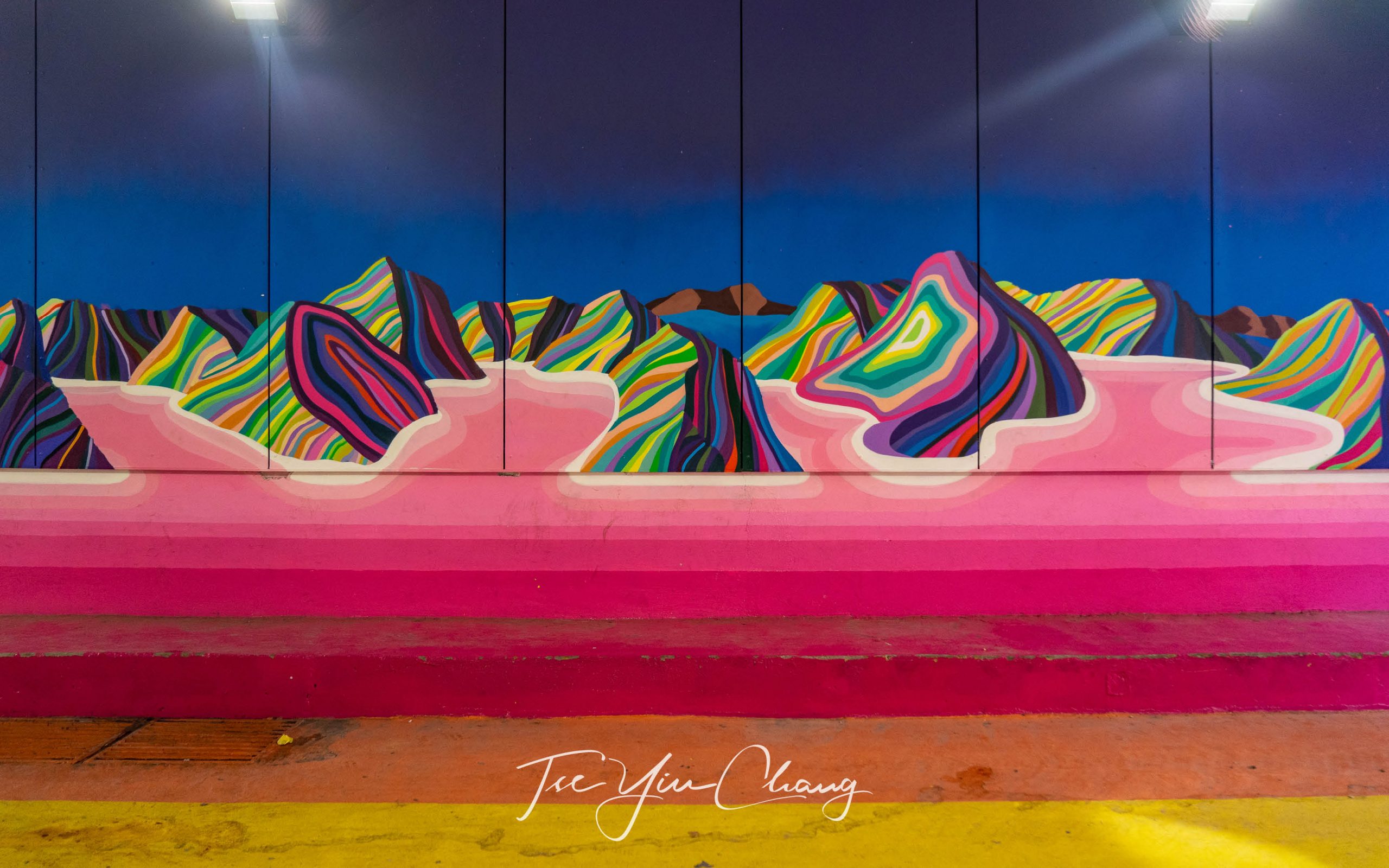
Next it was on to Cerro Santa Lucia, a small hill which interrupts the glass towers and historic buildings of the city centre. Converted into a park, it is home to several ornate monuments including a castle, the dramatic fountain of Neptune, and various statues commemorating aspects of Chile’s past. From here we moved on to Bandera Street to see one of Santiago’s most colourful attractions. What had previously been a busy thoroughfare has been pedestrianised, and a 10,000-square meter piece of artwork had been installed along the ground. Bright colourful patterns swirl beneath your feet as you walk, making this a perfect example of the city’s quirky character.

Bandera Street is one of Santiago’s most colourful attractions

Finally, Hugo took us to see one of Santiago’s newest attractions, the Gran Torre, a 62-story tall skyscraper. At 300 meters, it is currently Latin America’s tallest building. Completed in 2012 it is part of a huge development which includes offices and a shopping centre. Gran Torre demonstrates the city’s impressive modern ambitions. The top two floors of the tower are open to the public, and they provide the best vista in the city for tourists looking for an impressive 360° view. Perhaps the most impressive thing about the view is the mountains which rise above even the tower and enclose Santiago on three sides.

The Bohemian neighbourhood, Barrio Lastarria, is a center for cultural activity

We still had half the day left, so after we said our goodbyes to Hugo, we took a walk around Barrio Lastarria. Our tour had provided us with an opportunity to experience the highlights of the city centre, but each of inner Santiago’s neighbourhoods has an interesting character of its own. Lastarria was originally an area where the city’s richer inhabitants made their homes. Among those residents were artists and musicians, who quickly filled its streets with art and culture. And they continue to do so today. A stroll through its streets will take you past countless galleries, markets and street performers.

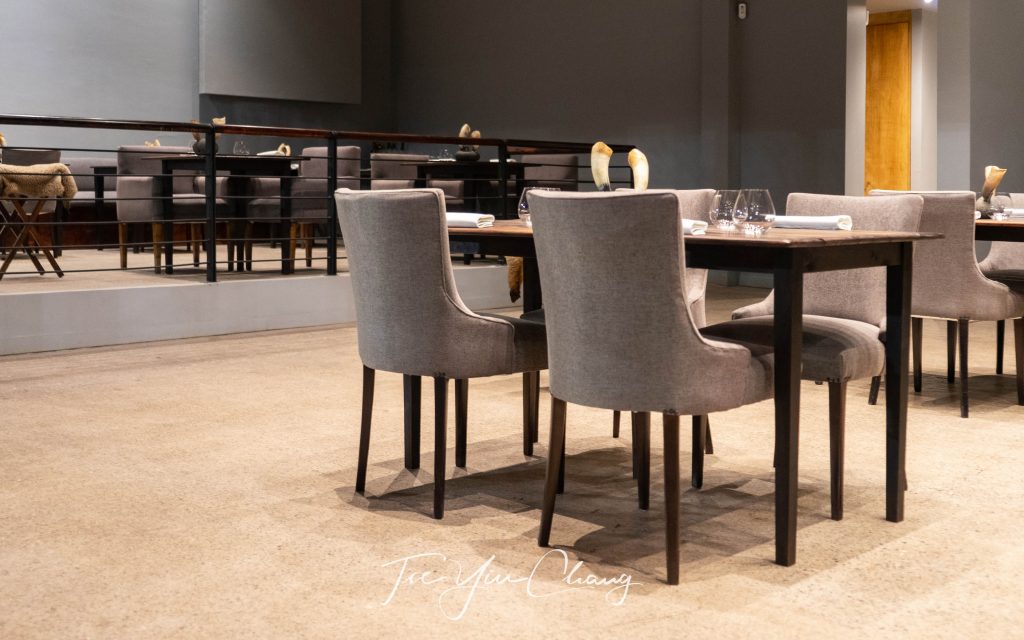
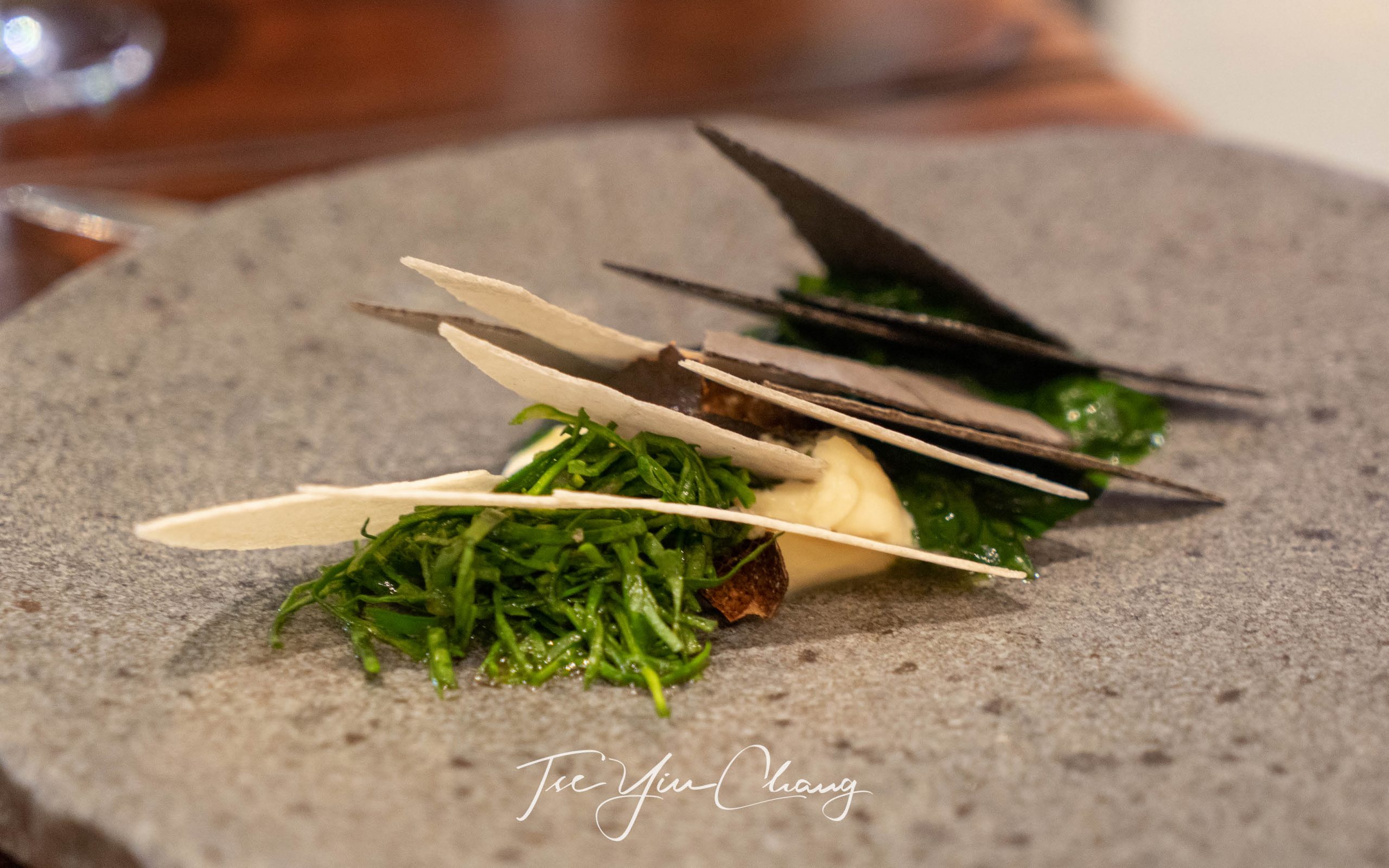
Boragó, a restaurant which came in at twenty-sixth in 2019 World 50 Best Restaurants list

Being big foodies, we were keen to sample some of the delicious culinary delights Santiago is well known for. And there was an abundance of restaurants in Lastarria that looked likely to have served us great food. But we had already made plans to dine in one of the city’s most popular eateries. On the edge of the city is Boragó, a restaurant which came in at twenty-sixth in 2019 World 50 Best Restaurants list. It has become famous in Chile (and beyond) for combining native ingredients with international fine dining trends. The end result is something pretty special, and this was the culinary highlight of our whole trip.

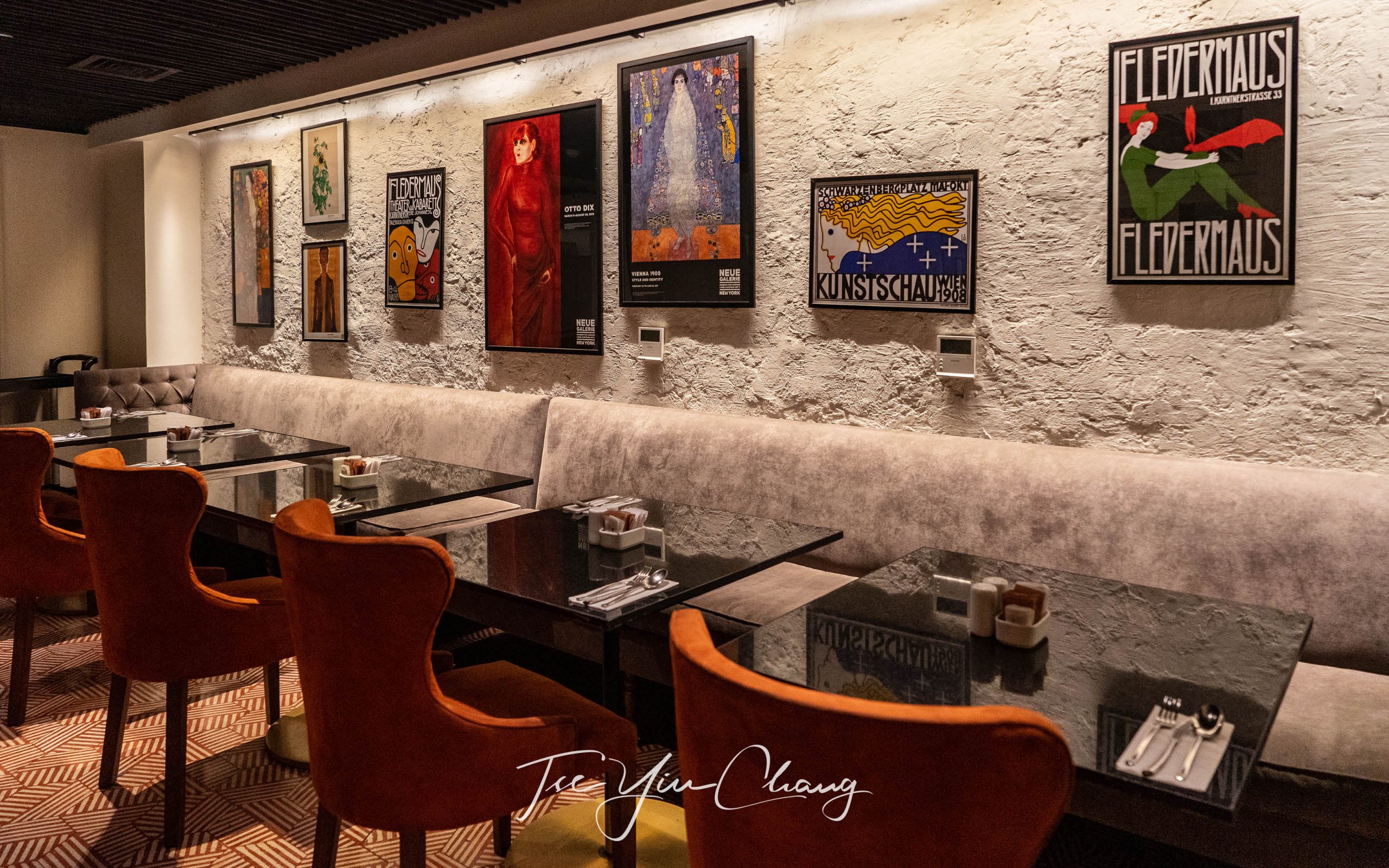
Luciano K is littered with fun decorative features

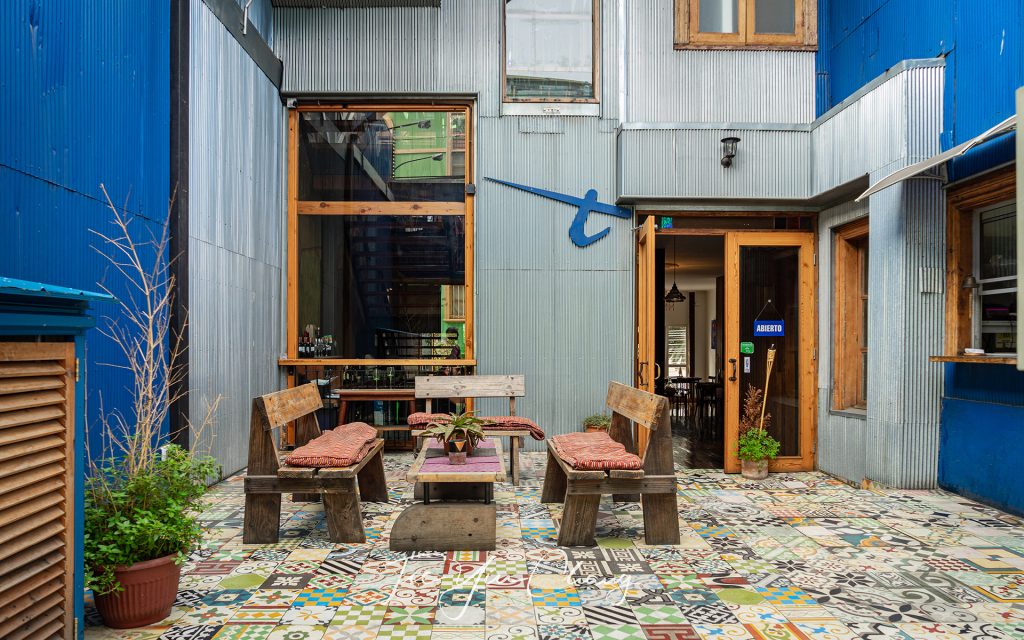
If Lastarria showcases the bohemian streak which runs through Santiago, Boragó illustrates that the city has a refined side to its character as well. Our hotel, to which we returned after dinner, managed to combine elements of both to create something memorable. Luciano K was built in the 1920s at the height of the art deco era, and when it was turned into a hotel the owners went to great lengths to retain the original features while also updating it to make it comfortable and luxurious. The hotel is littered with fun decorative features, but some of the most noticeable include the antique cage lift and the striking tiling which decorates much of the hotel.

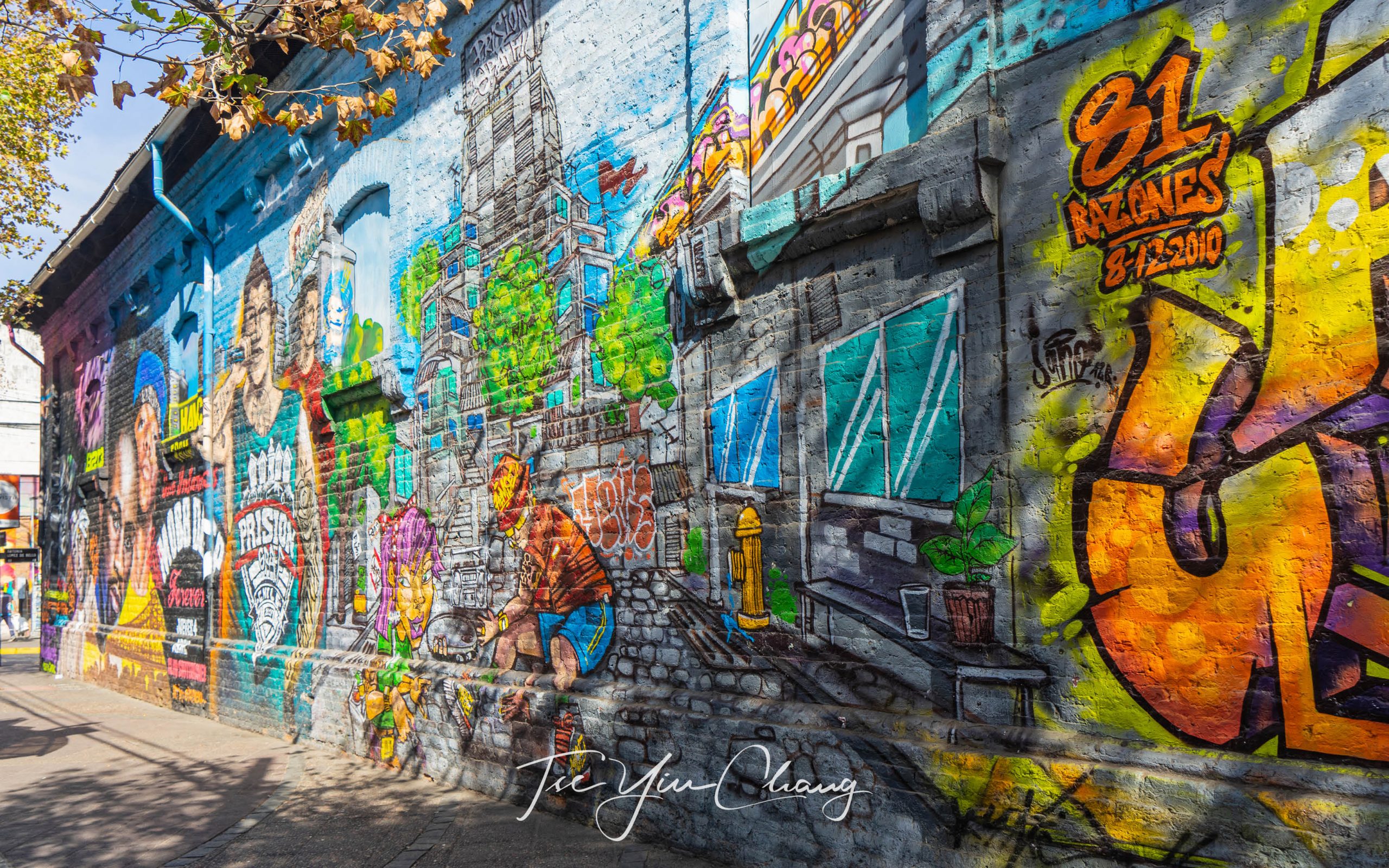
Elaborate street art adorns many of Bellavista’s walls

The next morning was spent taking in the attractions on the northern side of the Mapocho River. As Santiago expanded, the artistic haven that residents created in Lastarria grew too. It spilt over the river into the Bellavista neighbourhood where they created a vibrant café culture and painted their terraced townhouses in equally vibrant colours. This tradition remains in the elaborate street art which adorns many of Bellavista’s walls. It’s a great place to wander around for a few hours, but there is another reason for visiting.

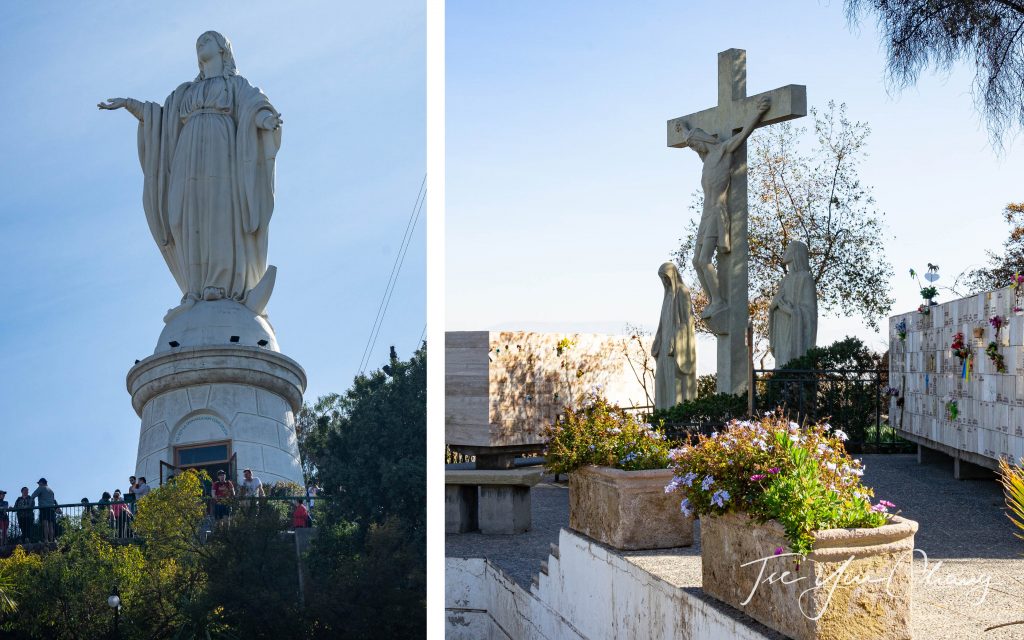
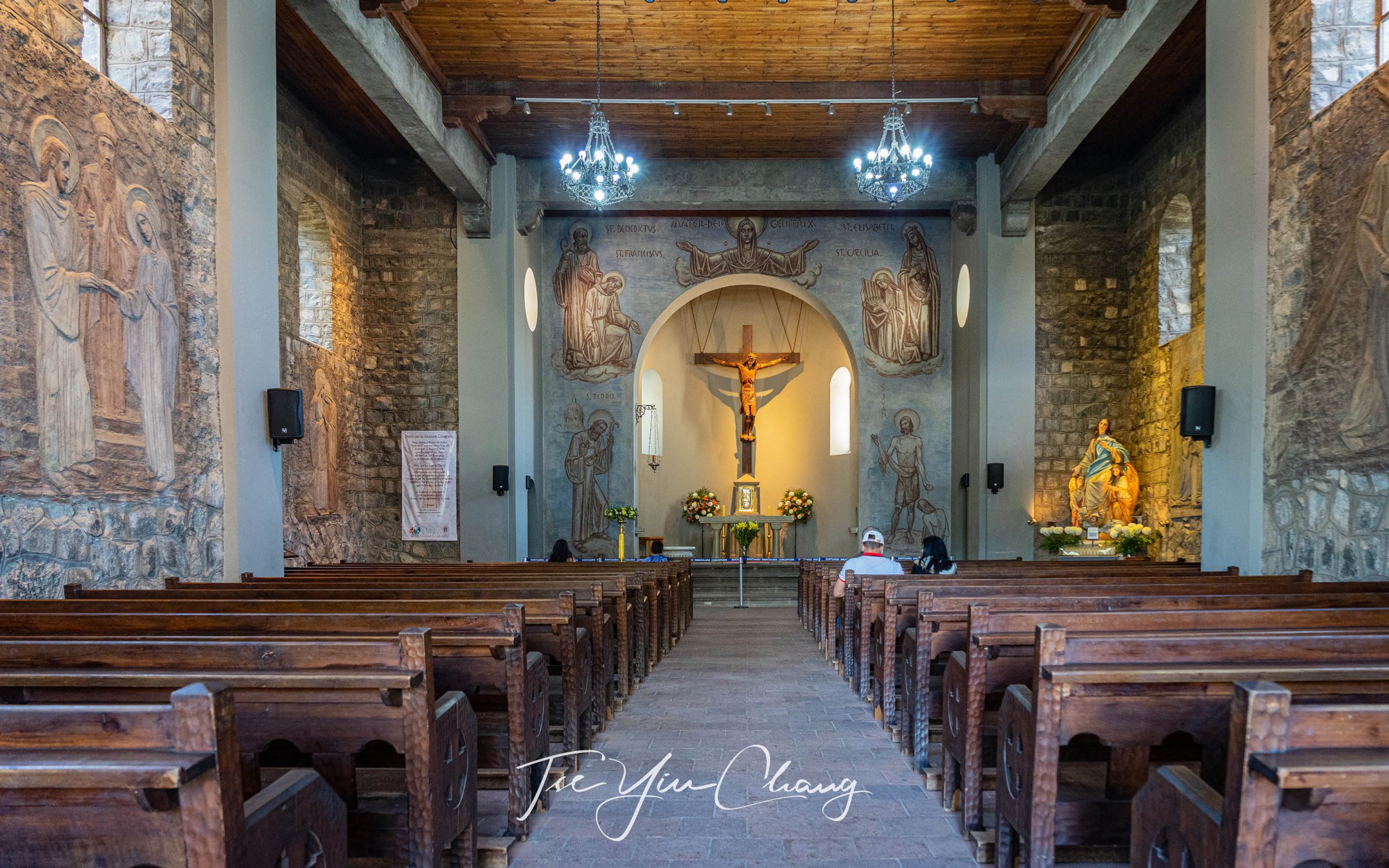
Cerro San Cristobal, Santiago's highest hill is home to a snowy white 14m-high statue of the Virgen de la Inmaculada Concepción
Cerro San Cristobal, Santiago’s highest hill, is home to a snowy white 14m-high statue of the Virgen de la Inmaculada Concepción

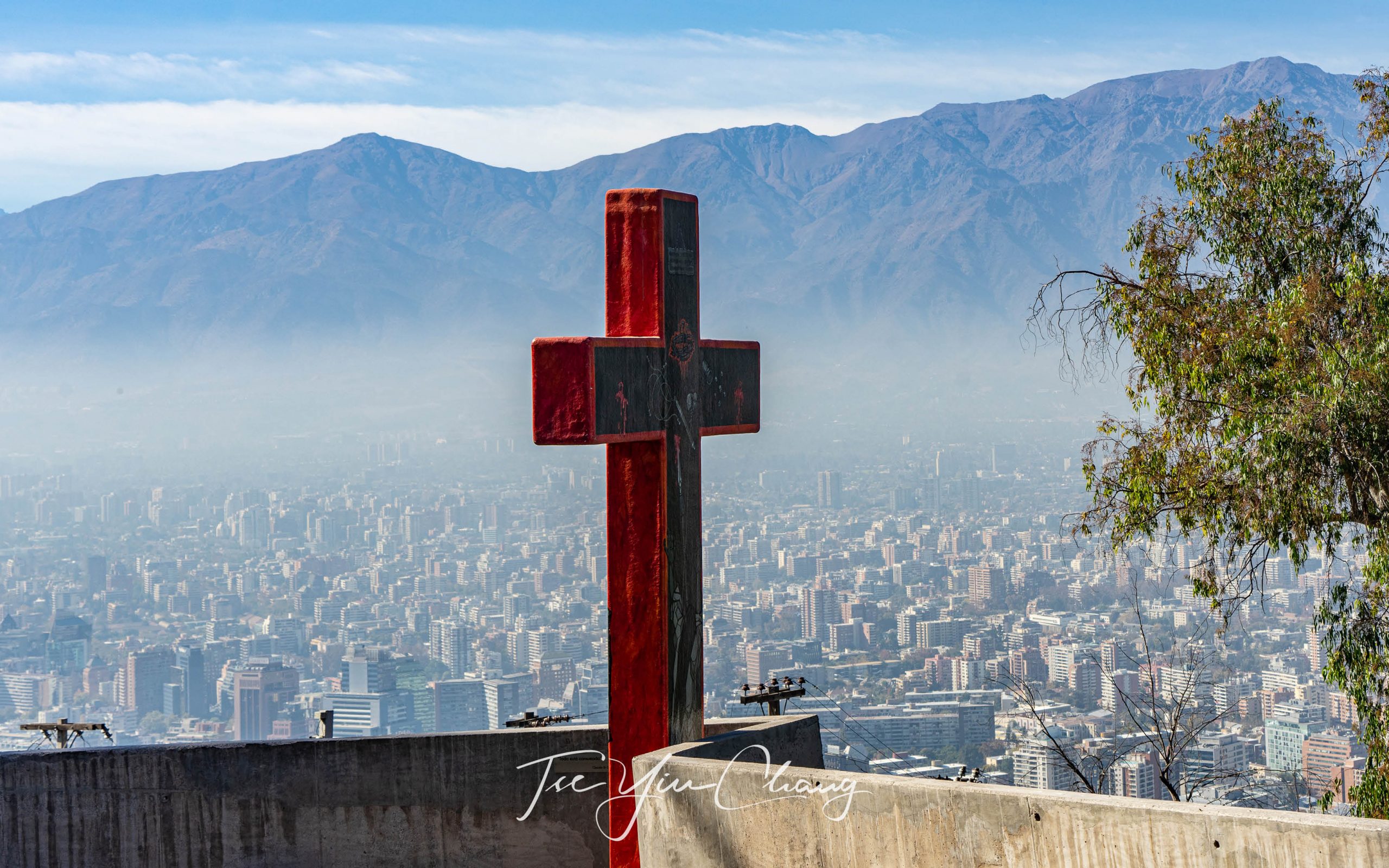
Bellavista sits at the bottom of the Cerro San Cristobal, the highest hill in central Santiago. Despite encroaching into the city, it has remained free of development and is now a park which boasts a zoo, botanical gardens and cable cars. We spent some time wandering around its shaded slopes, and at the top we were treated to more spectacular views of both the city and the snow-capped mountains surrounding it.

Santiago sunset from the rooftop bar in Luciano K

After all that exploring, we headed back to the popular tourist hub of Barrio Lastarria for a much-needed change of pace. Although we had soaked up some of its inviting atmosphere already, the best way to really get to know the area is to do what the locals do, and spend some time in its numerous bars. We enjoyed a relaxing afternoon at our own leisure, soaking up the artistic, bohemian vibe Lastarria is well known for. And then it was back to the hotel to get ready for our onwards journey and another colourful city to explore, Valparaíso aka the Jewel of the Pacific. Just over an hour from Santiago, it’s another must-visit destination when you’re in Chile.

Goodbye Santiago and South America, till we meet again next time

See also:

  • A journey through the picturesque Andes by rail
  • Exploring the capital of the Inca Empire – Cusco
  • Machu Picchu – a 15th century Inca citadel
  • Sacred Valley – the gateway to Machu Picchu
Colourful Bandera Street
Bandera Street a colorful urban art project titled Paseo Bandera
A colourful representation of the Andes, Bandera Street
The Changing of Guards Ceremony is a must see attraction
The Changing of Guards Ceremony was livelier that most in Europe thanks to the brass band which provided an energetic soundtrack to the fascinating ritual
La Moneda Palace
La Moneda Palace
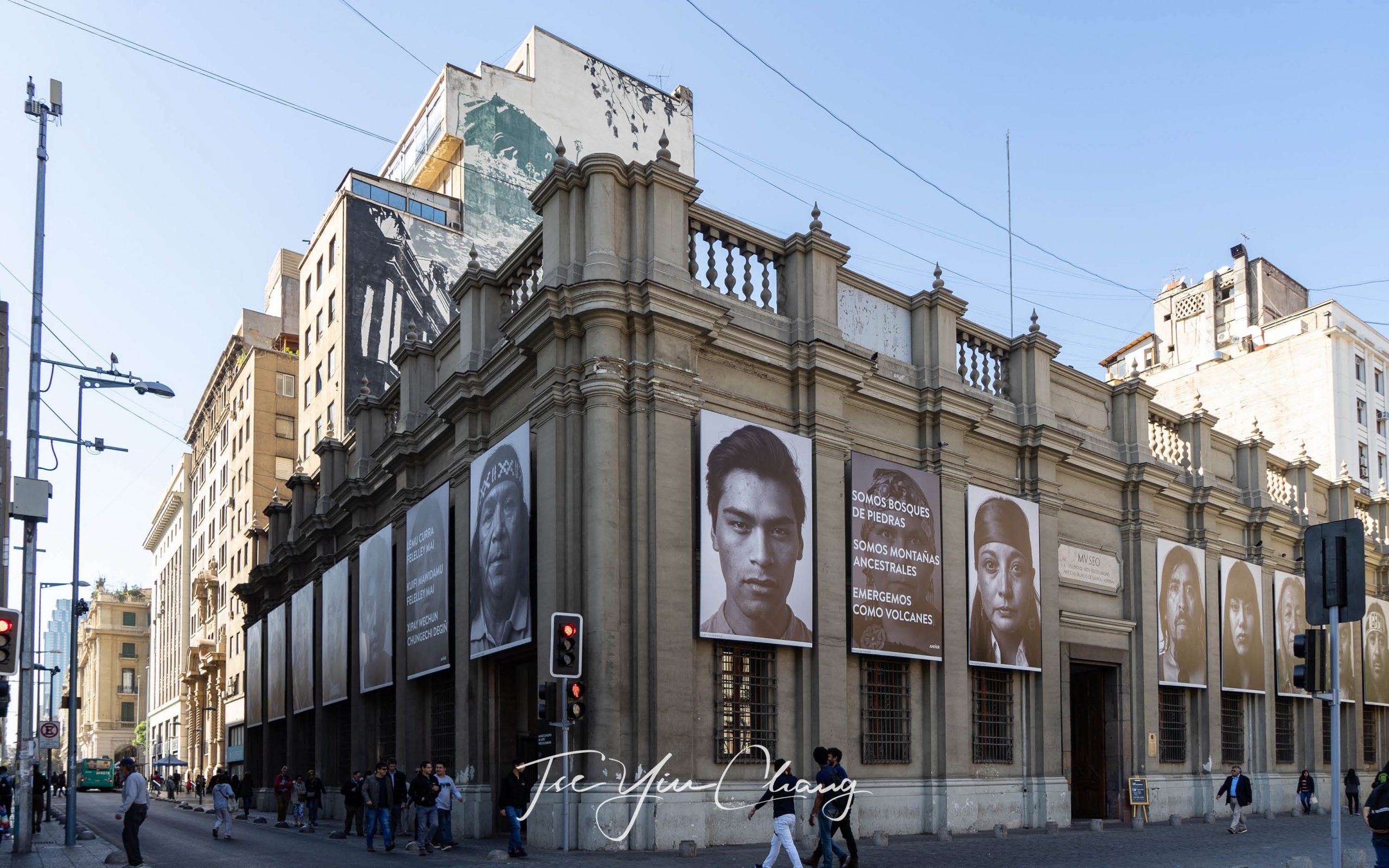
The Museo Chileno de Arte Precolombino is an art museum dedicated to the study and display of pre-Columbian artworks and artifacts from Central and South America
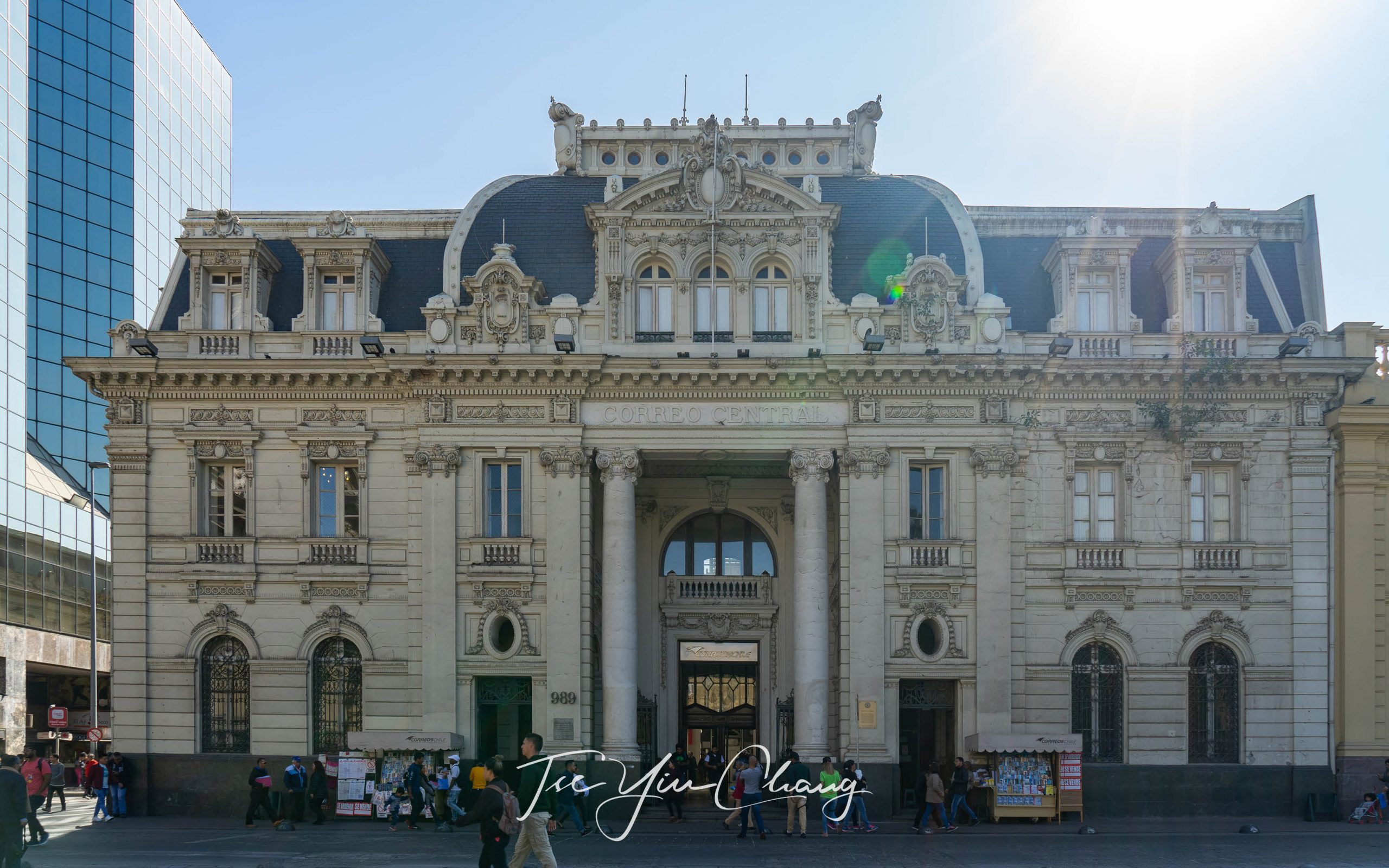
Correos de Chile, the main post office building is located in Plaza de Armas
View of  Santiago from Cerro Santa Lucia
View of Santiago from Cerro Santa Lucia
Combining native ingredients with international fine dining trends, dining in Boragó was the culinary highlight of our whole trip
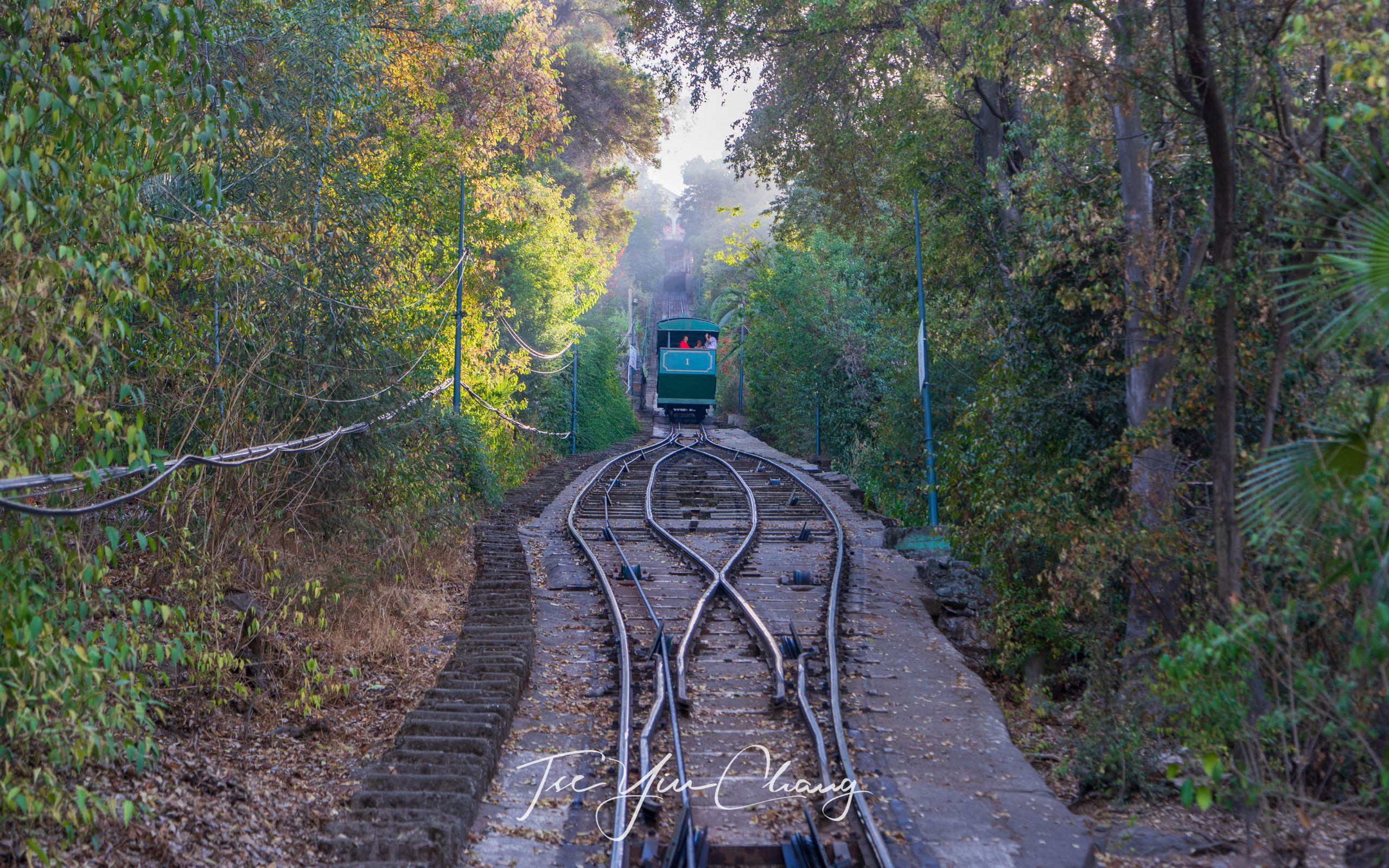
To get to the top of Cerro San Cristobal, visitors can take the funicular from Plaza Caupolicá
The best views over Santiago are from the peaks and viewpoints of Cerro San Cristobal
Cerro San Cristobal is Santiago's largest park
Cerro San Cristobal is Santiago’s largest park
The Sanctuary of the Immaculate Conception on Cerro San Cristobal is one of the principal places of worship for the Catholic Church of Chile
View of Gran Torre from Cerro San Cristobal

Filed Under: Blog, Photography, Portfolio, Travel Tagged With: andes, chile, landscape, latin america, photography, santiago, south america, travel

Through the lens: exploring the Margaret River region

6 March 2020 by tadgraphics

Canal Rocks sunset
Canal Rocks is a popular spot to watch the sunset, photographed in autumn 2018

The Margaret River region is Western Australia’s finest stretch of coastline, renowned for excellent wines, big waves that classify it among the best surf locations on the planet, and its spectacular coastal landscapes. As an outdoor enthusiast, and a landscape photographer, I am fortunate to be surrounded by such an abundance of unspoiled natural beauty just a few hours drive from Perth. For me, the best way to experience “Margs” is on foot. Whenever I get a chance, I take my hiking boots, my camera and tripod, and head down one of its scenic trails.

Dunsborough

Sugarloaf Rock in Dunsborough is one of the most photographed seascapes in Western Australia, photographed in summer 2020

Among my favourite spots along Margaret River’s coast is Sugarloaf Rock, a gigantic towering granite island weathered by the crashing waves of the Indian Ocean, located in the Leeuwin-Naturaliste National Park off Cape Naturaliste. It’s no wonder this place of surreal beauty is considered one of the prime nature photography locations in Western Australia.

Castle Rock, Dunsborough
A climb to the top of Castle Rock in Dunsborough offers breathtaking ocean views, photographed in summer 2020

A climb to the top of Castle Rock in Dunsborough on the east side of Cape Naturaliste, promises further breathtaking ocean views. There is a short trail up the hill leading to the lookout where you can observe migrating humpback whales between September and November. But even when the whales aren’t around, this place is definitely worth a visit for its calm and turquoise bay protected from the westerly winds and ocean swell.  

Eagle Bay, Dunsborough
Eagle Bay in Dunsborough is famous for its pristine beach and impossibly blue waters, photographed in summer 2020

Another awe-inspiring site in the national park is Eagle Bay, with its pristine beaches and impossibly blue waters. This tranquil spot has somehow managed to remain hidden from the tourist crowds. It’s the perfect place to contemplate and refresh mind and spirit.

Yallingup

Canal Rocks, Yallingup
You can watch the treacherous waves break over the rocky islands in Canal Rocks, photographed in autumn 2017

Nestled on the hillside above surf beaches and limestone caves, the quaint town of Yallingup is worth a detour. A narrow timber walkway leads to the striking Canal Rocks. Watching the treacherous waves break over the rocky islands and surge under your feet as you stand on the wooden bridge is exhilarating and an experience out of the ordinary. Further south, Wyadup Bay with its stunning coastal views, is arguably one of the best places to appreciate the power and splendour of the ocean.

Injidup Natural Spa, Yallingup
The Injidup Natural Spa in Yallingup is a popular swimming spot in summer, photographed in winter 2018

Just a few minutes drive down the scenic Caves Road lies the popular Injidup Natural Spa. This magnificent rock pool was formed where pounding ocean waves have gradually eroded the granite headland. As the water cascades over the rocks, it foams and bubbles creating the spa effect. Although the pool can get crowded, there’s no better place to spend a relaxing day away from the city hustle.

Smiths Beach, Yallingup
Smiths Beach in Yallingup is famous for its powdered white sand, photographed in autumn 2018

Augusta-Margaret River

Boranup Karri Forest, Caves Road, Margaret River
A drive along scenic Caves Road will take you to the famous Boranup Karri Forest, photographed in summer 2019

Boranup Karri Forest is another natural wonder unique to Western Australia. The forest is home to giant karri trees, the third tallest tree species in the world. This forest is the furthest west that the tall pale-barked karri trees grow. Take the stunning scenic drive through the forest will take you to the Boranup Lookout. Situated above the forest canopy, this lookout rewards with sweeping views of white sand and crystal clear turquoise waters of Hamelin Bay. The calm, sheltered bay is also known for its abundance of stingrays that swim right up to the shore. Along the Hamelin Bay Beach’s southern end, unusual formations of sandstone and coral rock layers positioned at strange angles create an impressive landscape that has long been one of my favourites.

Hamelin Bay, Augusta
The calm, sheltered Hamelin Bay is known for its abundance of stingrays that swim right up to the shore, photographed in summer 2020

Cape Leeuwin Lighthouse, the tallest one on mainland Australia, and the most south-westerly point on the mainland of the Australian Continent, is situated a stone’s throw from the small fishing town of Augusta. I never tire of taking in the astounding view at this dramatic location where the Indian and Southern Oceans meet at the most south-westerly point of Australia.

Cape Leeuwin Lighthouse, Augusta
Cape Leeuwin Lighthouse in Augusta is the most south-westerly point on the mainland of the Australian Continent, photographed in autumn 2017

Stay

Some of my favourite accommodation in the Margaret River region are:

  • Hidden Valley Forest Retreat, Carbunup River
  • Empire Spa Retreat, Yallingup
  • Pullman Bunker Bay Resort, Naturaliste
Wyadup Bay, Yallingup
Wyadup Bay with its stunning coastal views, is arguably one of the best places to appreciate the power and splendour of the ocean, photographed in autumn 2017

The diverse landscape of the Margaret River region offers endless possibilities for great nature photography. Prints from my Margaret River photo collection were exhibited around the world and are available in various sizes and framing options. Feel free to get in touch to find out more or follow me on Instagram.

Wyadup Bay, Yallingup
Wyadup Bay, Yallingup, photographed in autumn 2017
Wyadup Rocks, Yallingup
The hike between Wyadup Bay and Canal Rocks is approximately 1 km, photographed in autumn 2018
Injidup Natural Spa, Yallingup
The Injidup Natural Spa in Yallingup is also a great spot to watch the sun setting on the Indian Ocean, photographed in summer 2019
Autumn in Margaret River
The Margaret River region is a photographer’s heaven in autumn

Filed Under: Blog, Photography, Portfolio, Travel Tagged With: augusta, borranup, karri forest, landscape, margaret river, photography, south west, yallingup

From Perth to globetrotting – a decade of a photographer’s journey

16 March 2019 by tadgraphics

Sugarloaf Rock, Cape Naturaliste, Western Australia
Sugarloaf Rock at sunset, Cape Naturaliste, Western Australia, photographed in February 2019
Shot details: Sony A7II, 62 sec, f/22, ISO 100, NiSi Filter CPL and 10 stop ND

I had always loved beautiful images and found natural landscapes inspiring, but in my home country of Malaysia I had never really thought about making them myself. When I arrived into Perth, Western Australia more than a decade ago I found myself in a very different landscape – one that I couldn’t resist photographing.

Perth City at sunrise
Perth City at sunrise, Western Australia, photographed in May 2018
Shot details: Sony A7II, 16 x 5 sec, f/20, ISO 50

Perth itself sits on a sun-drenched piece of coastline with picture perfect white sand beaches, and a river whose bends and cliffs must make it one of the world’s most beautiful bodies of water flowing through the middle of a major city. Once you leave the city, you find yourself in a vast and often empty expanse which can take your breath away with its sheer scale alone. The landscapes vary from dramatic coastal rock formations to towering forests and deep red desert. All along the coastline the sea is an arresting turquoise – unlike anywhere else – which contrasts with (but compliments perfectly) the almost blinding whiteness of the sand. There are places in this State where it would be hard to come away without a beautiful photo, no matter what your level of experience.

Crawley Boatshed at sunrise
Crawley Boatshed at sunrise, Western Australia, photographed in winter 2018
Exhibited at Milan, Las Vegas, Barcelona, Amsterdam and Melbourne
Shot details: Sony A7II, 13 sec, f/22, ISO 100, NiSi Filter 10 stop

It was the beauty of these landscapes which inspired me to take up the camera and pursue the passion seriously. Every time I visited somewhere new, I had the urge to capture that landscape. It is about as different as it is possible to get from the tropical jungles of Malaysia, and I would send photos of the exotic places I visited home to friends and family. I soon found that I had the same desire when I travelled further afield, both within the rest of Australia and everywhere else. I had been focussed on building a business in web and graphic design, but I realised that photography added a new and exciting skill to my creative belt.

Cottesloe at sunset, Perth, Western Australia, photographed in autumn 2018
Cottesloe Beach at sunset, Perth, Western Australia, photographed in July 2018
Exhibited at Belgrade and Berlin
Shot details: Sony A7II, 30 sec, f/20, ISO 100, NiSi Filter 6 stop

Nine years ago a friend, seeing that I had discovered my passion, bought me a tripod for my 30th birthday and it opened up a whole range of new possibilities. Although it took me a year to really discover how useful it could be, I learned that this simple piece of equipment is an essential tool to make your landscape shots superb – rather than just great.

Church of Saint Nicholas, Amsterdam
Church of Saint Nicholas, Amsterdam, the Netherlands, photographed in April 2018
Shot details: Sony A7II, 4 sec, f/20, ISO 50, NiSi Filter 6 stop ND

Shooting at night or at sunrise and sunset for example often requires a slow shutter speed, and the slightest shake of the hand can turn your postcard image into a blurry mess. Deciding where to set up the tripod also forces you to stop and think about the composition of the shot, and your photos usually end up better for it. I have been through four tripods now, and they have become an essential companion whenever I am out with my camera.

Cherry blossoms blooming in Himeji Castle, Himeji, Japan
Cherry blossoms blooming in Himeji Castle, Himeji, Japan, photographed in April 2017
Shot with: Sony A77, 1/400 sec, f/8, ISO 100

Shooting sunrises and sunsets has been one of the most enjoyable aspect of my work, and doing it has consistently provided me with spectacular photographs. There is a reason that they are featured in so many prints, brochures and websites. The sky is at its most vibrant and dynamic, and luckily for me Western Australia produces particularly impressive examples. No two sunrises or sunsets are ever the same, so each time you go to photograph one you never know exactly what you will come away with. The oranges, reds, yellows and pinks are dramatic, and when they combine with the natural blue of the sky the result is always spectacular.

Boranup Karri Forest, Margaret River
Picturesque Boranup Karri Forest, Margaret River, Western Australia, photographed in February 2019
Shot details: Sony A7II, 1/100 sec, f/7, ISO 100

Besides the fun of photographing them, I also find just experiencing them immensely satisfying. They bookend the day, and inspire reflections on what you have done or will do. Gautama Buddha said that “every day we are born again, it is what we do today that matters most”. Watching a beautiful sunrise is a perfect way to remind yourself of this, and to inspire you to leave yesterday’s troubles behind. Fortunately I have always been a morning person, and so have never had a problem getting up and into position before the sun comes up. Another wise person (although I am not sure who) said that “sunsets are proof that no matter what happens, every day can end beautifully”. Photographing this beauty only makes the experience even better.

Fading sun, England
Fading sun, somewhere in England, photographed in April 2014
Shot details: Sony A55, 1/80 sec, f/6.3, ISO 400

In many ways I have found that photography suits my personality. It’s not just the early starts. To be a really good landscape photographer, the work and research you do before you get the camera out is as important as knowing how to use the equipment itself once you are ready to take your picture. This means doing more than just stopping like everyone else at the signposted beauty stop and taking the same photo as a hundred other people. It means going out and finding the best views, and these often aren’t the publicised ones. More often than not it means walking.

Helsinki Christmas Market, Senate Square, Helsinki
Helsinki Christmas Market, Senate Square, Helsinki, Finland, photographed in December 2017
Shot details: Sony A77, 1/10 sec, f/11, ISO 200

This has never been a problem for me, as I love being outside and surrounded by nature. Whether I am hiking through Tasmanian forests to find waterfalls, up a mountain in Austria or wandering around the historic streets of a quaint European city I am happy, and I have also stumbled unexpectedly onto some of my best photographs this way. The exercise I get while taking photographs helps keep my mind, body and soul in good shape and, although I would still try to get out and hike otherwise, I am glad that photography gives me a reason to do it more.

Sydney Opera House, New South Wales, Australia
Sydney Opera House, New South Wales, Australia, photographed in August 2018
Shot details: Sony A7II, 25 sec, f/16, ISO 100

Of course you don’t always have people willing to come out on long walks with you, or to stand around in one spot while you wait with your camera and tripod for the exact moment that the colours of the sunset line up perfectly. Most photographers will agree that it can be a very solitary pastime, and it is also a tough career to get into – something that can be dispiriting at times. One of the things I have realised on my journey is that the support of family and friends is invaluable. Luckily mine are incredibly supportive, and they provide me with encouragement and constructive criticism whenever I need it.

Eiffle Tower, Paris, France
Eiffle Tower, Paris, France, photographed in April 2018
Shot with: Sony A7II, 1/60 sec, f/4, ISO 100

So what have I learnt on my photographic journey? And what would I tell people hoping to get into the field themselves?

First of all, there is no substitute for learning the basics. You have to take the time to learn how to use your equipment, and to understand concepts like aperture, white balance and shutter speed. You have to learn to use Adobe Lightroom and Photoshop, and what the various types of filters and lens are used for. If you really want to take the craft seriously, you will never get the results you want with your camera on automatic mode. It can take time and some trial and error, but it is essential.

Lake Tekapo at sunset, South Island, New Zealand,
Lake Tekapo at sunset, South Island, New Zealand, photographed in July 2017
Shot details: Sony A7II, 30 sec, f/14, ISO 100, NiSi Filter 10 stop ND

Once you have a handle on that, it is important to honestly assess the quality of the photos you are taking. Understanding the concepts of photography will make them better, but there are other types of quality to consider. What do you want to capture? What do you want your photos to say? Anyone with enough patience can eventually learn how a camera works, but not everyone can delight and inspire with their choices of subject and the way they compose their shots.

Inside the UNESCO World Heritage Listed Palau de la Música Catalana Concert Hall
Inside the UNESCO World Heritage Listed Palau de la Música Catalana Concert Hall, Barcelona, Spain, photographed in June 2014
Shot with: Sony A55, 1/40 sec, f/4.5, ISO 1600

That said, don’t be discouraged early on because these things take time. If you love photography, have belief in yourself and your ability to get better. If you enjoy it enough to want to master it, and you believe that you have ability to do so, you will find yourself putting in the time required without even meaning to.

Perfect reflection of the canal in Ghent, Belgium
Perfect reflection of the canal in Ghent, Belgium, photographed in April 2018
Shot details: Sony A7II, 13 sec, f/18, ISO 200

Having the right attitude is key. While photography itself is fun and engaging, making a career of it takes persistence and dedication. There are a lot of great photographers out there, and unfortunately not enough opportunities for everyone. Go the extra mile to get your work out there. Take the time to learn not just the basics of photography, but the quirks of your specific camera and equipment. If you can’t find the time or the money to get to the things and places you want to shoot, try to find a new perspective to photograph your local area with.

Historic windmills in Zaanse Schans, Zaandam, the Netherlands
Historic windmills in Zaanse Schans, Zaandam, the Netherlands, photographed in April 2018
Shot details: Sony A7II, 1/125 sec, f/8, ISO 100

I plan to use all of these things, as well as everything else I have learnt for my next set of projects. This year I am excited to be travelling to the Western Hemisphere for the first time. Alongside a visit to the Andes of Peru and Chile, I will be spending time in USA and South Pacific. As well as the joy of experiencing a new part of the world, I can’t wait to photograph one of the most dramatic mountain ranges in the world and the vibrant culture of the people who live there.

Perth City at night
Perth City at night, Western Australia, photographed in June 2018
Exhibited at Barcelona
Shot details: Sony A7II, 70 sec, f/16, ISO 100

Some of my work will be exhibited in places as far afield as Amsterdam, Milan, Barcelona and Las Vegas. Having already had a few artworks featured in exhibitions in recent months, I am excited that more people will be able to see my photography. Showing off my work to the public is an extremely rewarding experience, and hopefully I will get many more chances in the near future.

Finally I am in the early stages of a photography book which will document my adventures around the world so far. More details to come about that in the near future!

Perth City at sunrise, South Perth, Western Australia
Perth City at sunrise, South Perth, Western Australia, photographed in December 2018
Shot details: Sony A7II, 30 sec, f/20, ISO 100, NiSi Filter CPL and 6 stop ND

Exhibitions

2022

  • Dramatic Lighting, Espaço Espelho D’Água, Lisbon Portugal, 15 to 17 July 2022 [Print]
  • Nature Photography, Modeka, Manila, the Philippines, 16 to 19 April 2022 [Digital]
  • My Perfect Shot, Agora Gallery, New York City, USA, 25 to 27 February 2022 [Digital]
  • Your Favorite Exhibition Shot, Bridgeport Art Center, Chicago, USA, 21 January to 18 February 2022 [Digital]

2021

  • Landscape Photography, Atelier Now, Dublin, Ireland, 14 to 17 October 2021 [Digital]
  • Landcape Photograhy, 6×6 Centre for Photography, Limassol, Cyprus, 2 to 4 July 2021 [Digital]
  • Travel photographer of the year, In the Gallery, Copenhagen, Denmark, 24 to 26 June 2021 [Digital]
  • Dramatic Lighting, ALMANAQUE fotográfica, Mexico City, Mexico, 10 to 13 June 2021 [Print]
  • The Beauty of Earth, Milan Image Art Fair, Milan, Italy, 28 April to 2 May 2021 [Digital]
  • Creative Composition, Laurent Gallery, Melbourne, Australia, 16 to 18 April 2021 [Print]
  • Powerful Lighting, Valid World Hall, Barcelona, Spain, 9-11 April 2021 [Print]
  • Powerful Composition, Blank Wall Gallery, Athens, Greece, 19 to 21 March 2021 [Digital]
  • Your Favorite Shot – Premium Exhibition, Agora Gallery, New York City, USA, 11 to 13 February 2021 [Digital]

2020

  • Best of Black and White, Laurent Gallery, Melbourne, Australia, 11 to 13 December 2020 [Digital]
  • Travel Photography, Galleri Kontrast, Stockholm, Sweden, 23 to 26 July 2020 [Digital]
  • The Beauty of Earth, Blank Wall Gallery, Athens, Greece, 28 February to 1 March 2020 [Digital]
  • Your Exhibition Shot, Valid World Hall, Barcelona, Spain, 14 to 16 February 2020 [Digital]
  • Powerful Composition, Laurent Gallery, Melbourne, Australia, 17 to 19 January 2020 [Digital]

2019

  • Less is More, Laurent Gallery, Melbourne, Australia, 20 to 22 September 2019 [Digital]
  • Your Exhibition Shot, Valid World Hall, Barcelona, Spain, 7 to 9 June 2019 [Digital]
  • Powerful Composition, Xpozer’s Gallery, Amsterdam, Netherlands, 12 to 14 April 2019 [Digital]
  • Minimalism, Piazza Lina Bo Bardi, Milan, Italy, 21 to 25 March 2019 [Digital]
  • Urban Scenery, Valid World Hall, Barcelona, Spain, 8 to 9 March 2019 [Digital]
  • Exhibition Shot, Mandalay Bay Hotel, Las Vegas, USA, 27 February to 3 March 2019 [Digital]
  • Your Exhibition Shot, New Moment Gallery, Belgrade, Serbia, 7 to 9 February 2019 [Digital]
  • Solo – Single Subjects, Valid World Hall, Barcelona, Spain, 25 to 27 January 2019 [Print]

2018

  • Power Composition, Qlick Gallery, Amsterdam, Netherlands, 14 to 16 December 2018 [Digital]
  • Your Exhibition Shot, Berlin Blue Art Gallery, Berlin, Germany, 16 to 18 November 2018 [Digital]
Nugget Point Lighthouse, Otago, South Island, New Zealand
Nugget Point Lighthouse, Otago, South Island, New Zealand, photographed in July 2017
Shot details: Sony A7II, 1/200 sec, f/11, ISO 100

My gear

  • Camera: Sony A7II
  • Lens: Zeiss Vario-Tessar FE 24-70 mm F4 and Sony FE 70-200 mm F4
  • Filters: Nisi Filters – circular polariser (CPL), 10-stop ND and 6-stop ND
  • Tripod: Manfrotto Be Free
  • Backpack: Peak Design 20L Everyday Backpack
Hokitika at sunrise, South Island, New Zealand
Hokitika at sunrise, South Island, New Zealand, photographed August 2017
Shot details: Sony A7II, 1/50 sec, f/4, ISO 100

Where I have been

  • 2019 – Adelaide, Peru, Santiago, USA, New Caledonia
  • 2018 – Denmark, the Netherlands, Belgium, France, Sydney, Melbourne, Tasmania
  • 2017 – Norway, New Zealand, Melbourne
  • 2016 – Japan, Finland, Iceland, Sweden, Melbourne
  • 2015 – Indonesia, Sydney, Melbourne
  • 2014 – England, Spain, Melbourne
  • 2013 – Germany, Austria, Czech Republic, Slovakia, Hungary, Melbourne 
  • 2012 – Japan, Melbourne, Sydney
  • 2011 – Tasmania
  • 2010 – Sydney, Melbourne, China
  • 2009 – Darwin, Melbourne
  • 2008 and prior – Cambodia, China, Hong Kong, New Zealand, South Africa, Thailand and Vietnam
Como Jetty at sunset, Como, Western Australia
Como Jetty at sunset, Como, Western Australia, photographed in March 2019
Shot details: Sony A7II, 127 sec, f/16, ISO 100, NiSi Filter CPL and 10 stop ND
Rijksmuseum, Amsterdam, the Netherlands
Rijksmuseum, Amsterdam, the Netherlands, photographed in April 2018
Shot details: Sony A7II, 1/125 sec, f/10, ISO 100
Louvre Museum at night, Paris, France
Louvre Museum at night, Paris, France, photographed in April 2018
Shot details: Sony A7II, 15 sec, f/14, ISO 200
Frozen river in Helsinki, Finland
Frozen river in Helsinki, Finland, photographed December 2016
Shot details: Sony A77, 1/125 sec, f/5.6, ISO 100
Glenorchy, South Island, New Zealand
Glenorchy, South Island, New Zealand, photographed in July 2017
Shot with: Sony A7II, 1/125 sec, f/11, ISO 100
Copenhagen Opera House, Copenhagen, Denmark
Copenhagen Opera House, Copenhagen, Denmark, photographed in March 2018
Shot details: Sony A7II, 30 sec, f/14, ISO 100
Ghent, Belgium
Ghent, Belgium, photographed in April 2018
Shot details: Sony A7II, 1/100 sec, f/7, ISO 100
Brugge, Belgium
One of the canals in Brugge, Belgium, photographed in April 2018
Shot details: Sony A7II, 6 sec, f/22, ISO 100, NiSi Filter 6 stop ND
View of London from the Shard, England
View of London from the Shard, England, photographed in April 2014
Shot details: Sony A77, 1/125 sec, f/7.1, ISO 200
Prague, Czech Republic
Prague, Czech Republic, photographed in July 2013
Shot with: Sony A55, 1/125 sec, f/5.6, ISO 200
Fisherman's Bastion, Buda Castle District, Budapest, Hungary
Fisherman’s Bastion, Buda Castle District, Budapest, Hungary, photographed in July 2013
Shot with: Sony A55, 1/320 sec, f/10, ISO 100
Hofburg Palace Vienna
Hofburg Palace, Vienna, Austria, photographed in July 2013
Shot with: Sony A55, 1/125 sec, f/10, ISO 400

Filed Under: Blog, Photography, Portfolio, Travel Tagged With: exhibition, landscape, photographer, photography, tips, travel

  • Page 1
  • Page 2
  • Go to Next Page »

© Copyright 2005-26. All rights reserved. t ad studio | tad graphics. Web and graphic design Perth. Admin