• Skip to primary navigation
  • Skip to main content
TAD Graphics logo

t ad studio | tad graphics

A vibrant, multi-disciplinary advertising, communications, creative and digital agency

  • About us
  • What we do
    • Creative and graphic design
    • Copywriting
    • Marketing and advertising
    • Promotional photography
    • Web design and digital media
  • Portfolio
  • Blog
  • Contact us
  • Shop prints

winter

Exploring delightful Helsinki: the Christmas City

16 November 2019 by tadgraphics

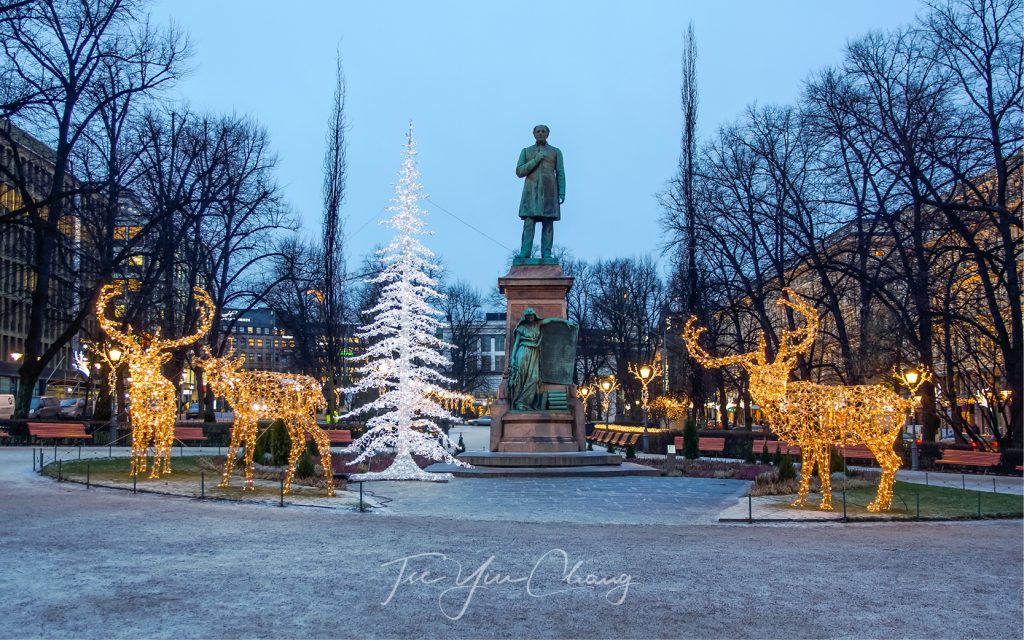
Situated in the heart of Helsinki, the Esplanade Park (Esplanadi) serves as a promenade for visitors and a place to relax for the locals

Christmas in Helsinki, the capital city of Finland, truly feels like stepping into Santa Claus’ world. The snow drapes everything in white softness and Christmas illuminations light up the streets. Known as the “Daughter of the Baltic”, Helsinki was founded in 1550, but was redesigned in 1812 by the Russian tsars as a mini St Petersburg. The stunning Finnish capital is an international metropolis, but it still has a small town feel. Helsinki is a wonderful city to explore all year round, but it is especially magical in the winter.
Helsinki is a wonderful city to explore all year round, but it is especially magical in the winter

Helsinki in winter

The city is draped in Christmas lights and the main street, Aleksanterinkatu, comes alive with shoppers. Although the sun barely rises above the horizon, the long nights and dark days are lit up with decoration and cheer. Shop windows are illuminated, each one trying to be more radiant than the next.
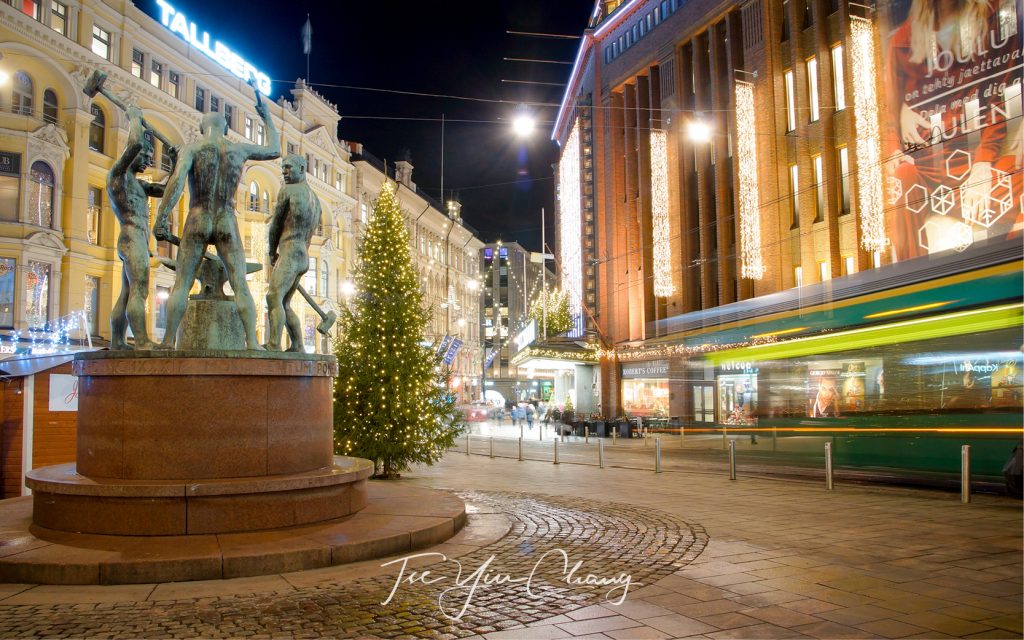
The glittering lights of Helsinki by night

Even when the temperatures are low, people gather in cosy pubs and restaurants to eat and drink with friends and loved ones. Try some Glögi, which is a warm traditional drink made from spiced wine with a dash of vodka and a sprinkling of almonds and raisins. It will warm you up from the inside out.
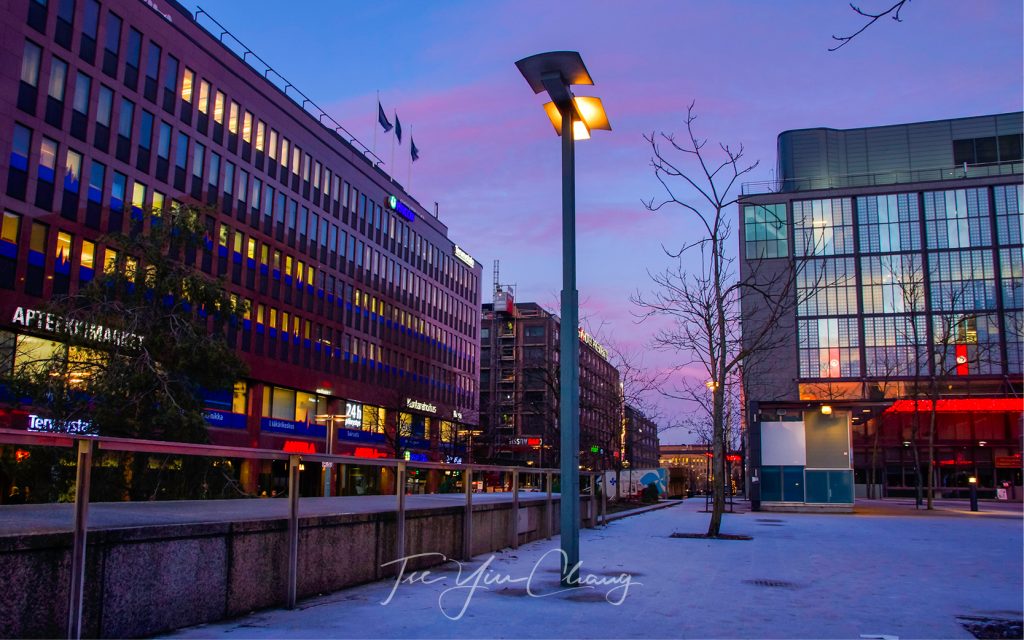
Winter in Helsinki means long nights and short days

The city is also a great base for the many winter outdoor activities that can be enjoyed in Finland, including skiing, snowboarding, snowmobiling, dog sledding and more. After a big day of exploring the icy wilderness, you can warm up with an authentic Finnish sauna experience.
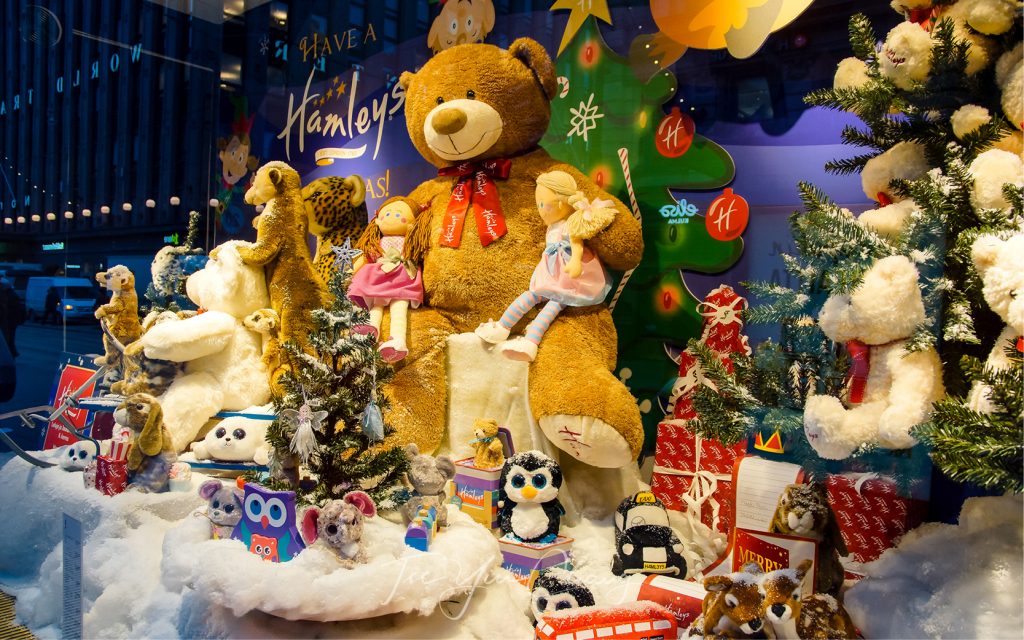
Christmas decorations at one of the shop windows

Christmas market at the Senate Square

Senate Square is where you can soak up the Christmas cheer and search for that perfect gift at the Christmas market. It is the largest and most famous Christmas market in Helsinki, made up of nearly 120 stalls, each filled with decorations, handmade crafts, drinks and desserts made by local artisans and vendors.

There are over one hundred booths to explore, so give yourself plenty of time to wander and browse. You can also treat yourself to a warm meal or a hot drink while you listen to the live music.

While you are there, walk over to Aleksanterinkatu Street (also known as the Christmas Street) next to the Senate Square to check out the Christmas illuminations and decorations put up by shop owners. If you plan on spending Christmas in Helsinki, that’s definitely the heart of the event.
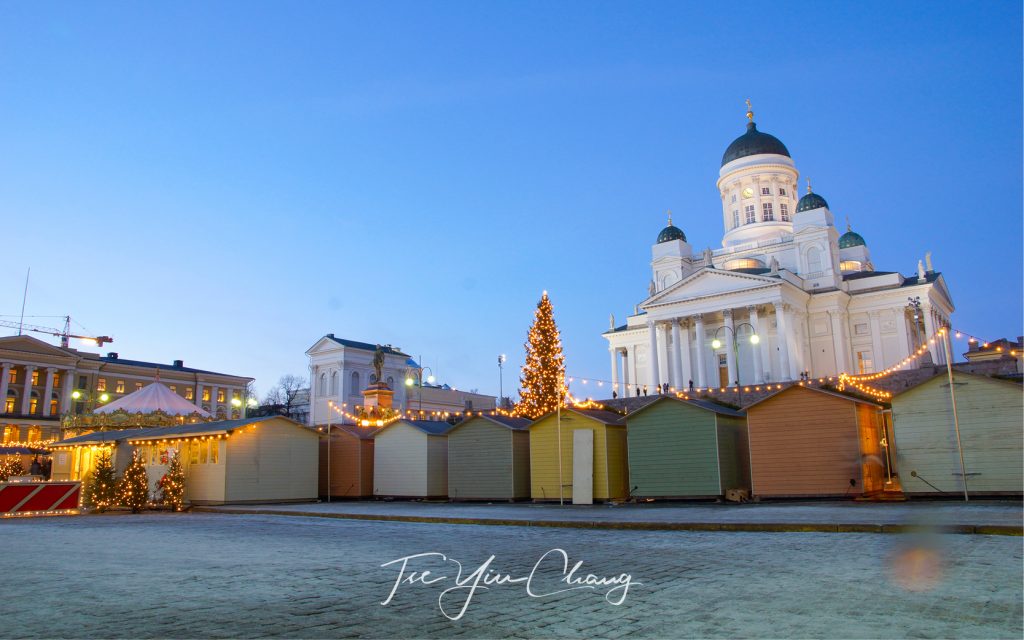
Senate Square taken during the day, the white building is the Helsinki Cathedral

Buildings and museums in Helsinki

Located in Senate Square, the impressive Helsinki Cathedral is the most iconic place in the city. All covered up in snow, it truly looked like some Russian palace out of a fairy tale. And indeed, the cathedral was originally built as a tribute to the Grand Duke of Finland, which was Tsar Nicholas I at the time.
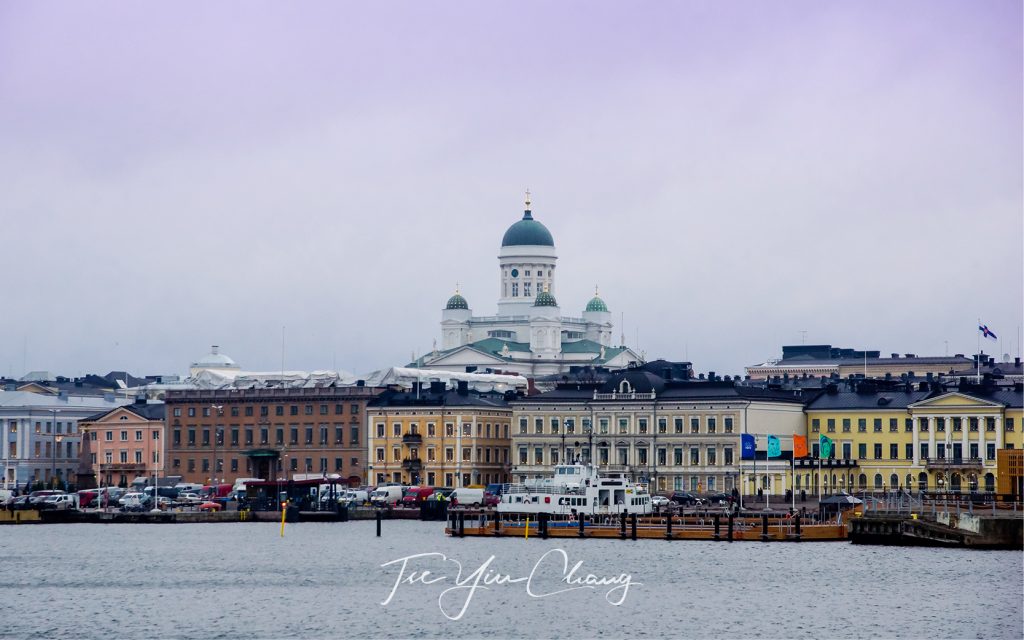
Helsinki Cathedral visible from a distance

Close to the Cathedral is the City Museum that documents the history of Helsinki and its inhabitants. It’s a great place to get started on a tour of Helsinki as it helps you understand the local culture and traditions.
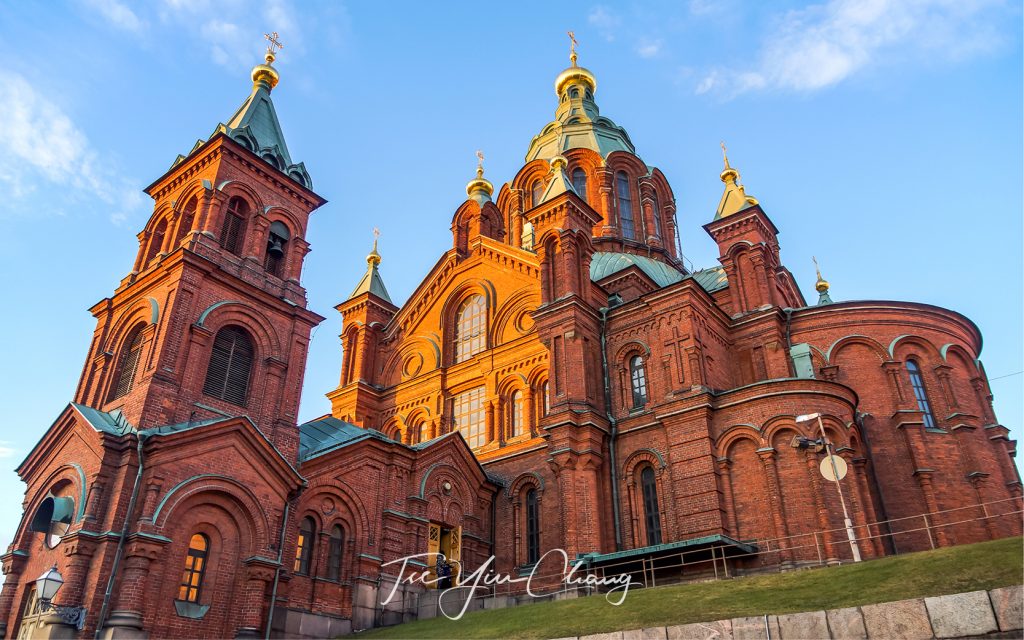
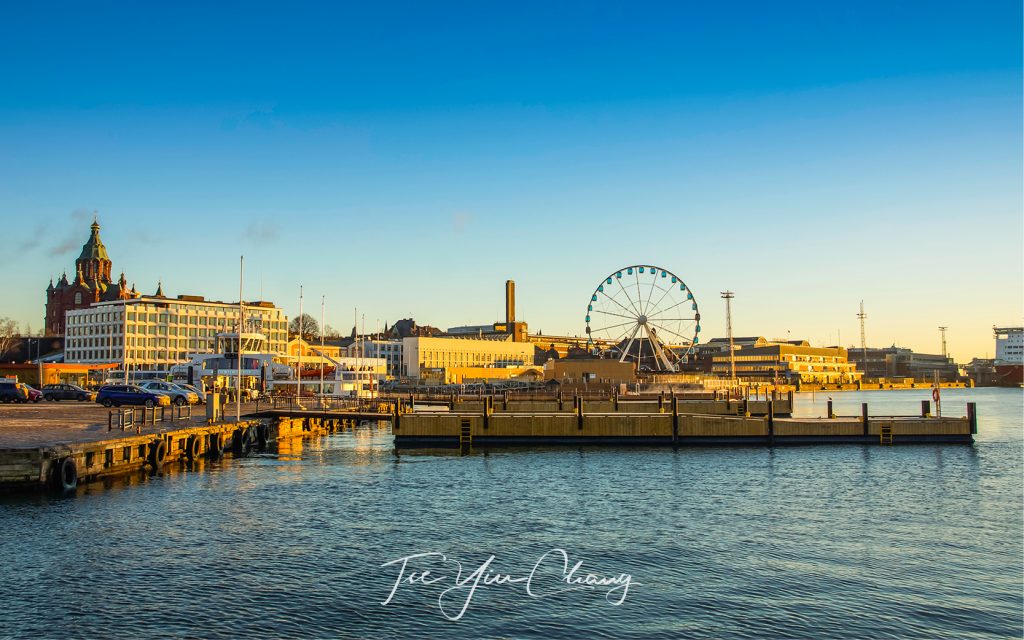
The beautiful Uspenski Cathedral is an Eastern Orthodox cathedral

Walking away from the city center and towards the sea, the Katajanokka neighbourhood is where the old prison “Nokka” and the beautiful Uspenski Cathedral are. This quiet little neighbourhood is surrounded by the sea, and a stroll on the old pier will reveal incredible views on the completely frozen waters of the Gulf of Finland. It felt like winter had frozen some waves in their tracks.
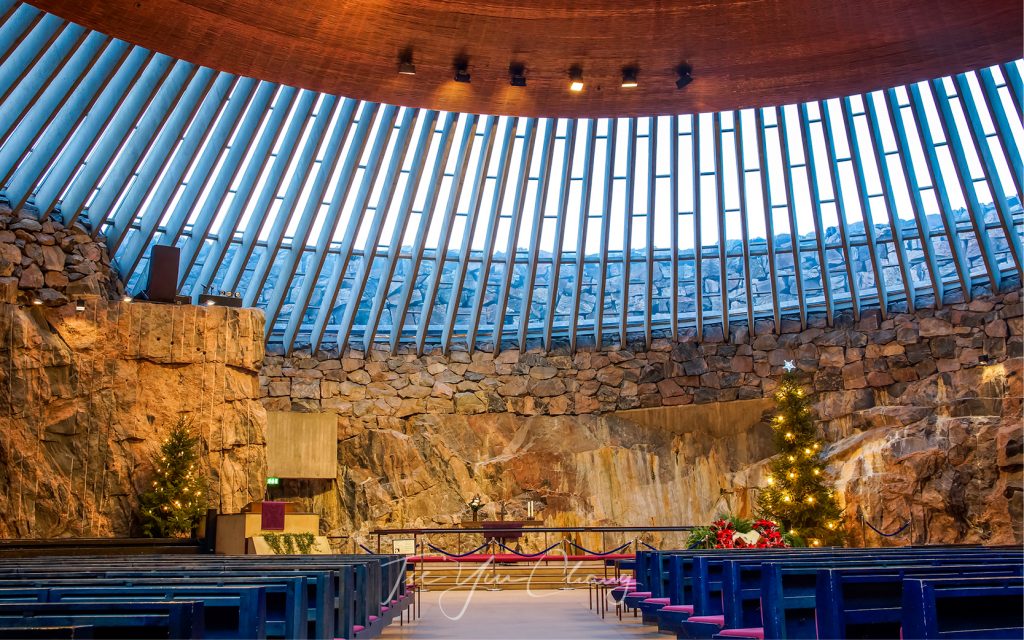
The inside of Temppeliaukio Church, also known as the "Rock Church"
The inside of Temppeliaukio Church, also known as the “Rock Church”

A little further away from the city centre, the Temppeliaukio Church, also known as the “Rock Church”, is a modern and unique building, directly excavated into solid rock. The big dome looks incongruous in the middle of these old buildings. In this city of design, nothing feels wrong as everything is made with beauty in mind.

Fortress at Suomenlinna

If you have an extra day in Helsinki why not check out Suomenlinna? Located on a group of islands off Helsinki, this amazing fortress was built in 1748 by the Swedish. Named as the “Gibraltar of the North,” it is one of the greatest sea fortresses in the Baltic, a UNESCO listed heritage site and an important monument to European military history.
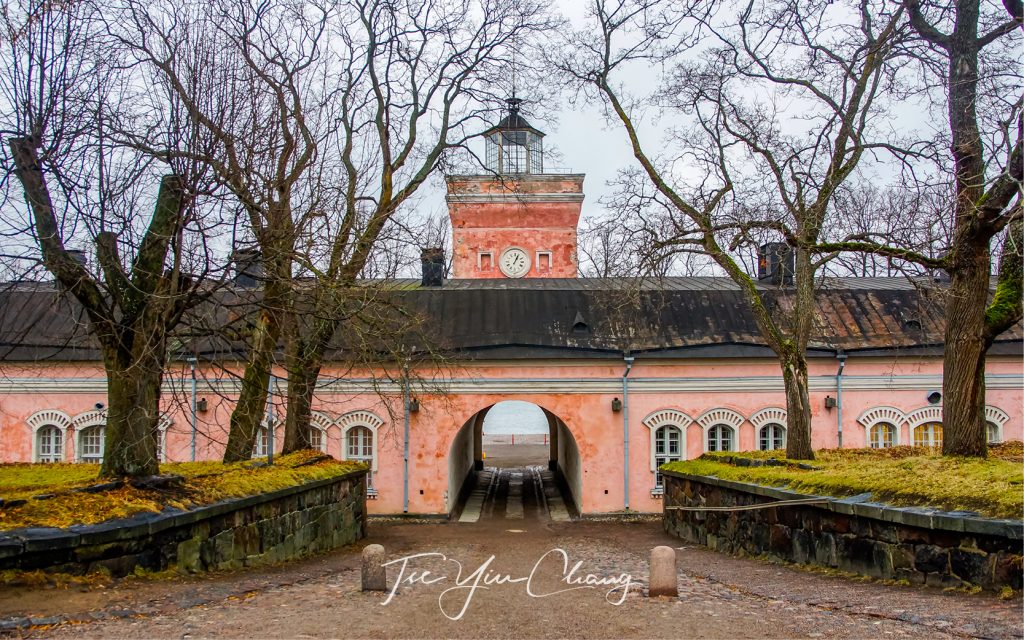
Named as "Gibraltar of the North", the UNESCO listed heritage site Suomenlinna is one of the greatest sea fortresses in the Baltic
Named as “Gibraltar of the North”, the UNESCO listed heritage site Suomenlinna is one of the greatest sea fortresses in the Baltic

However, when the Russians attacked in 1808 the Swedish army was unprepared and withdrew, allowing Helsinki to be conquered by the Russians and the fortress to be besieged. When you visit this historic site, you will feel like you have stepped back in time to an era of cast iron cannons and stone fortifications – long before cars and modern technology. 

The fortress can be reached via a ferry from the Market Square, which is included in your Helsinki public transit day ticket. The journey only takes 15 minutes. Entry to the island is free and you can also visit the museums for a small fee.
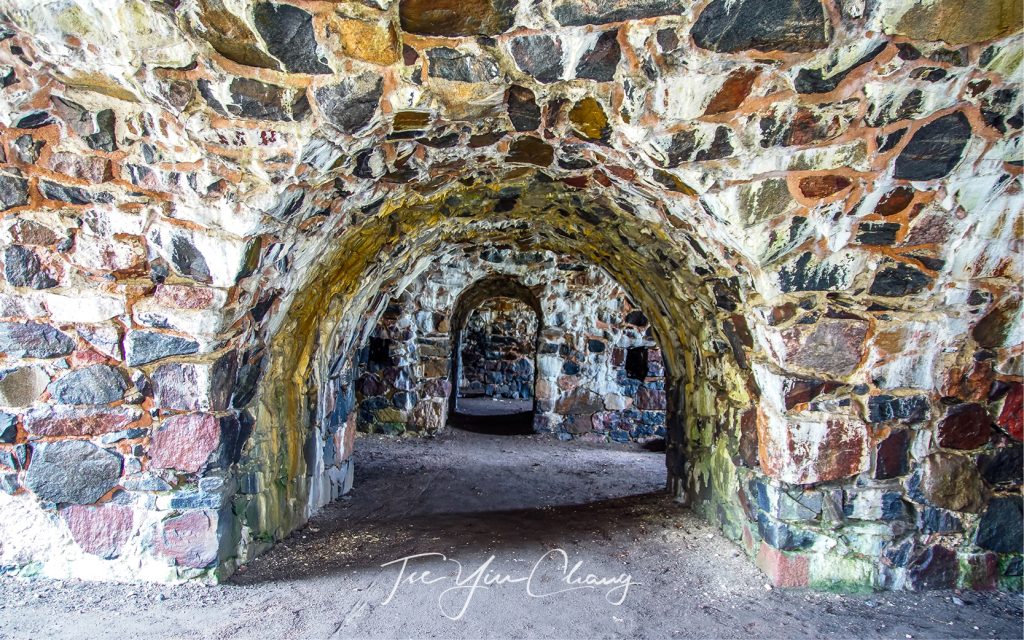
The tunnels of Suomenlinna were used as storages, secret passages and as bomb proof protection during wartime

Surrounded by the frozen sea and dusted with snow, Helsinki in the winter is truly stunning. The peace and the stillness of the icy streets, contrasted with the warm glow and friendly hospitality within the buildings, will draw you in and enchant you.
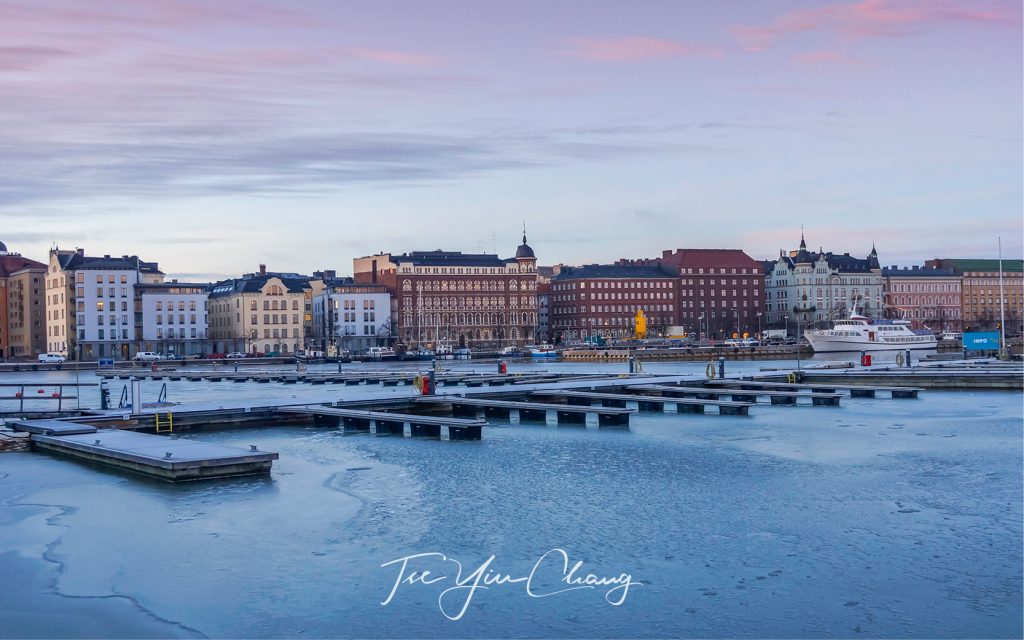
Helsinki is freezing in the winter due to the cold sea wind

Tips on walking safely in snow and ice

We had a few slips and fall on the first two days after arriving in Helsinki. I have compiled some tips that can help you get around in snow and ice safely. After all, you do not want to get injured while on holidays.

  • Wear appropriate footwear. Make sure your footwear has visible treads, if possible, opt for a heavy treaded shoe with a flat bottom.
  • When walking, bend slightly forward and walk flat-footed with your centre of gravity directly over your feet as much as possible.
  • Keep your hands out of your pockets.
  • Anticipate ice. Be wary of thin sheets of ice (black ice) that may be on wet pavement.
  • When walking up or down stairs, make sure you use the handrails for support.
  • Make sure you look at the floor as you enter a building as the floor may be wet with melted snow and ice.
  • Don’t take shortcuts over snow piles or icy areas where snow and ice removal is not feasible.
  • Look out for falling snow and ice when you walk under awnings and buildings.
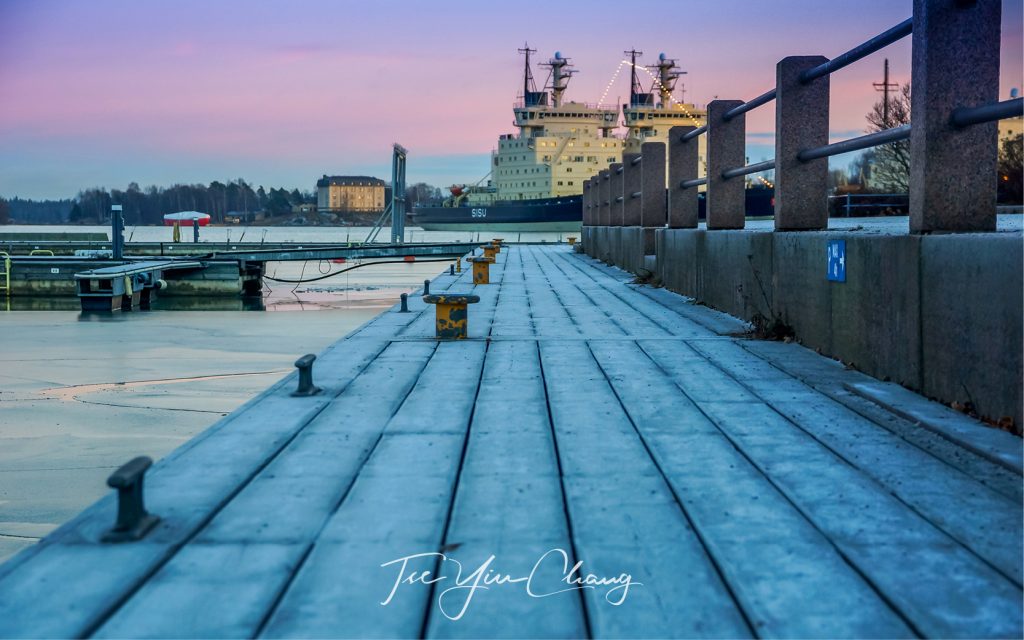
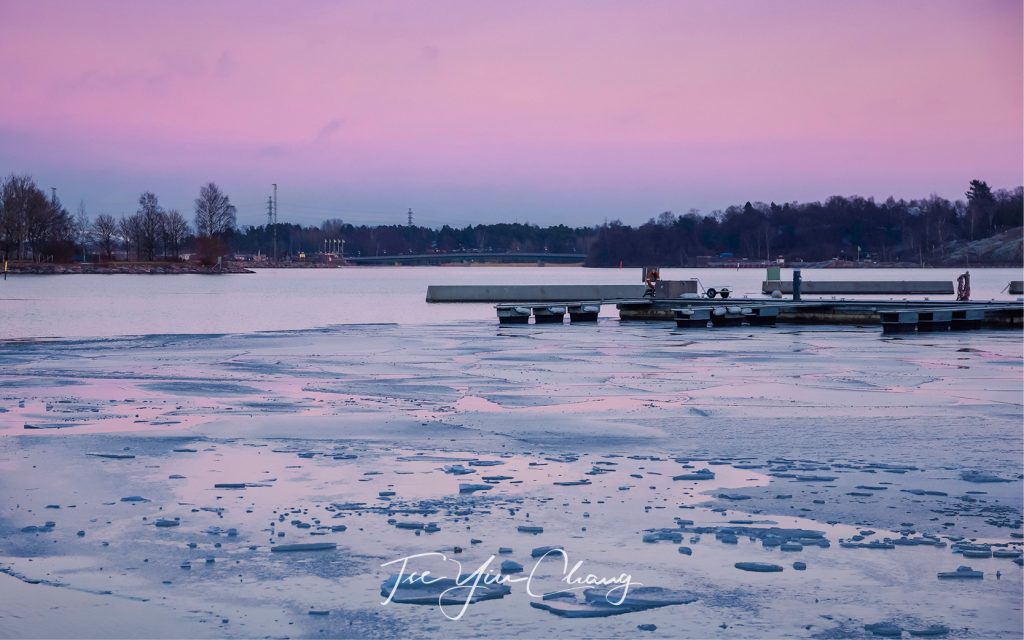
The old pier freezes during winter

See also:

  • Adventures in snowy Lapland – a photographer’s dream
  • Exploring Sweden’s beautiful capital
  • Snowy Reykjavik – a magical Christmas in Iceland
  • Norway in a Nutshell – Part 1: Oslo
  • Norway in a Nutshell – Part 2: Myrdal, Flam and Fjord Cruise
  • Norway in a Nutshell – Part 3: Bergen
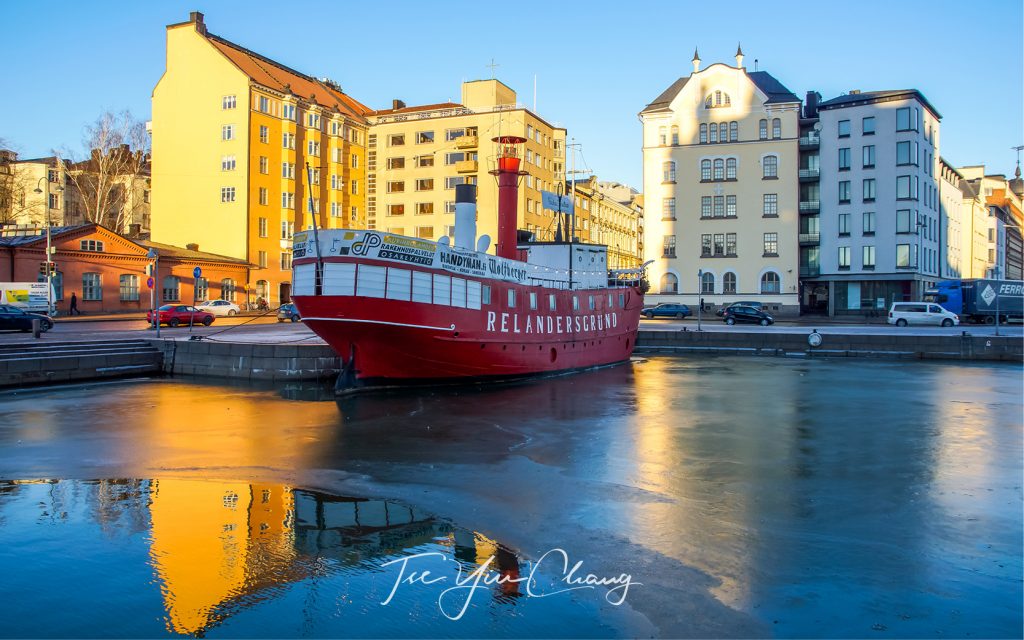
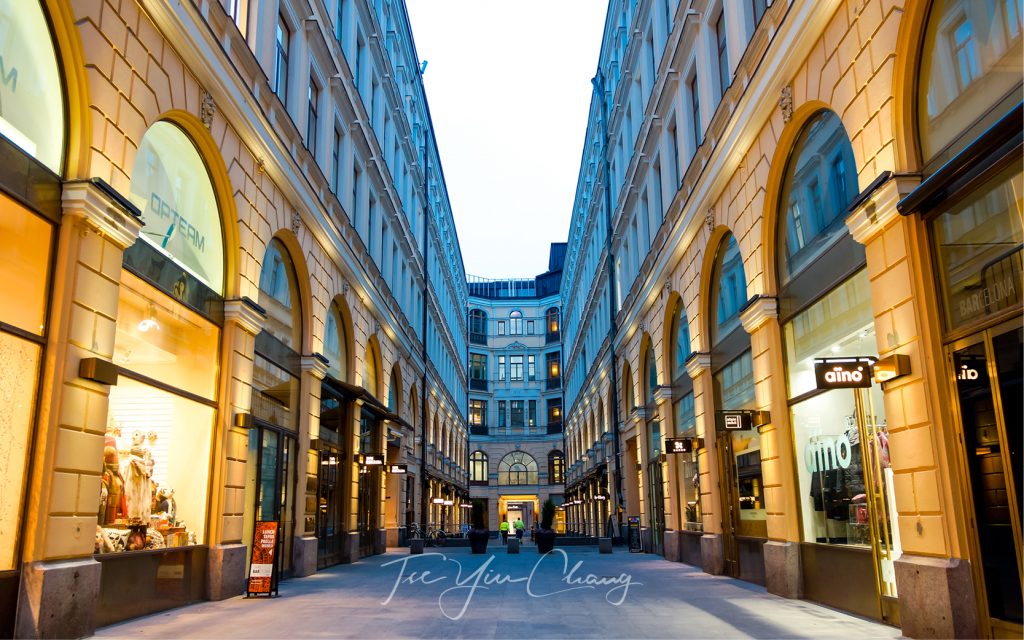
Some of the old buildings in Helsinki
Cold winter mornings in Helsinki
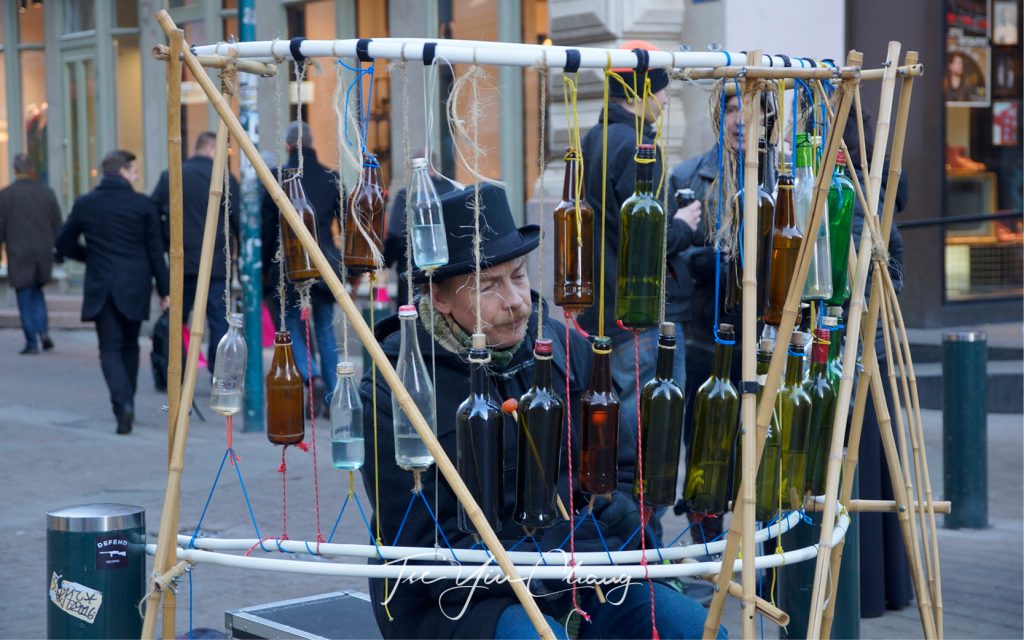
One of the many street performers in Helsinki
A stroll on the old pier will reveal incredible views on the completely frozen waters of the Gulf of Finland

Filed Under: Blog, Photography, Portfolio, Travel Tagged With: arctic, christmas, finland, helsinki, nordic, scandinavia, travel, winter

New Zealand’s Glacier Country

13 June 2018 by tadgraphics

The majestic Franz Josef Glacier

After spending a fun few days exploring Queenstown, the Remarkables and some of the surrounding area, we had got a taste for New Zealand’s striking mountains. We had already seen some otherworldly scenery (many of which we recognised from the big screen), and ventured to some of the area’s lesser known spots. This was just one small part of South Island’s Alpine range however, and we had allowed ourselves time to see what else this magical island had to offer. We had already seen snow on the Duffers Saddle, but the glaciers of the West Coast region promised to provide an even more exciting winter experience.

The Crown Range Road is New Zealand's highest major highway reaching 1,076 meters at its uppermost point.
The Crown Range Road is New Zealand’s highest major highway reaching 1,076 meters at its uppermost point.

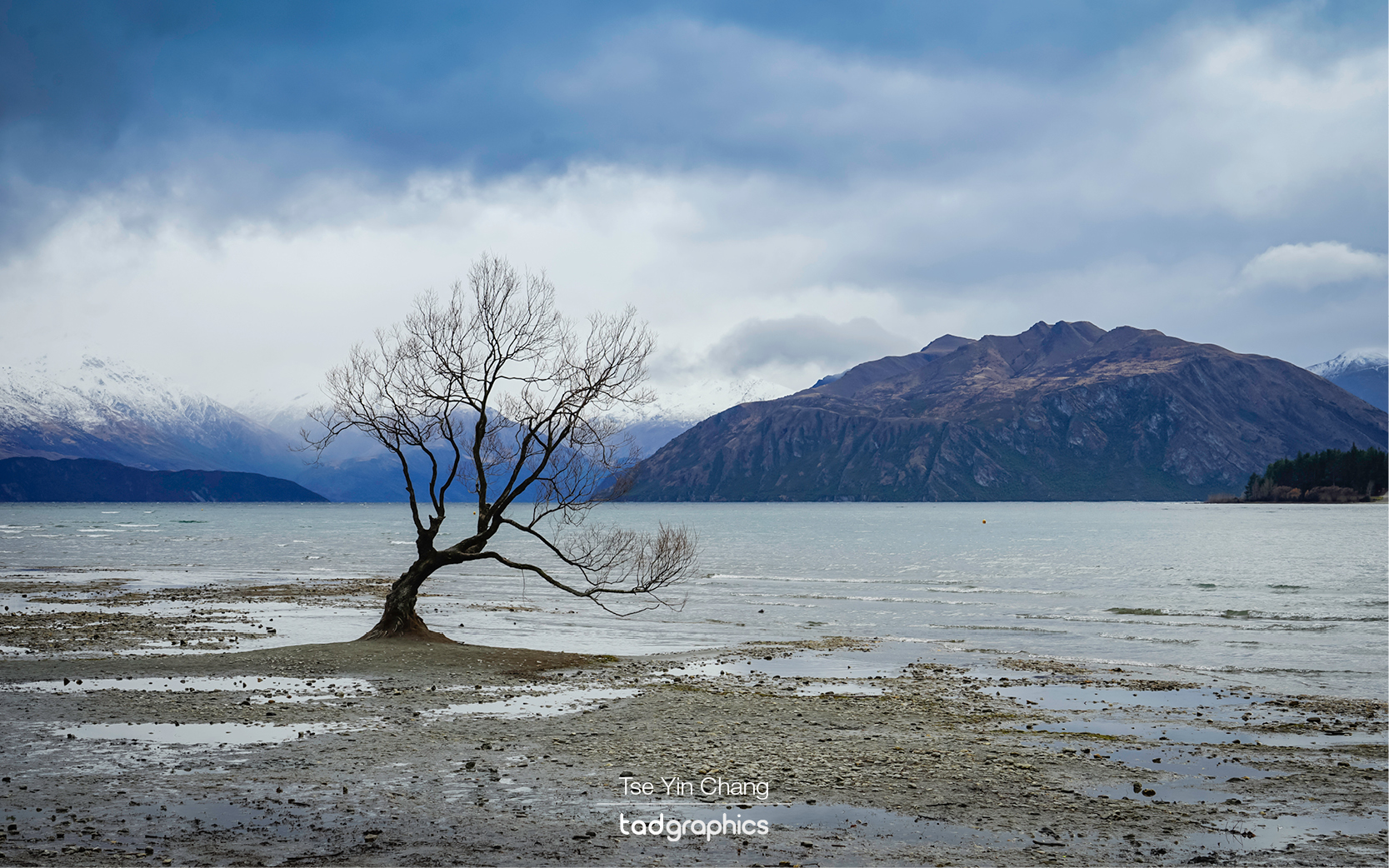
Our route from Queenstown took us along the Crown Range Road – an attraction in its own right. Winding its way through the mountains of the Mount Aspiring National Park before flirting with the coastline, it is truly spectacular. While the Duffers Saddle is the highest drivable road in the country, this is New Zealand’s highest major highway reaching 1,076 meters at its uppermost point. Along the way we passed Lake Wanaka and had the chance to stop for photos at the famous Wanaka tree. It’s a popular location for tourists and photographers, and while it can get a little crowded at times, it’s well worth the stop off if you’re in the area.

The famous Wanaka Tree is the most photographed tree in New Zealand

We were accompanied by rain clouds on our drive down to Fox Glacier, the village where we would be staying. Our chosen accommodation for our short stay was Distinction Fox Glacier Te Weheka Hotel. It’s a bit of a mouthful, and not the easiest of names to remember, but the hotel was great. It’s in the perfect location, close to the centre of town, and the building itself was charming. Named after the nearest glacier, the village largely exists for tourism. It is very small, and so its visitor-centric nature doesn’t make it feel tacky. The actual nature surrounding it is picturesque to say the least, with tree-covered hills providing a pleasing backdrop and the larger snow-capped mountains behind peaking out every now and then to remind you why you are there.

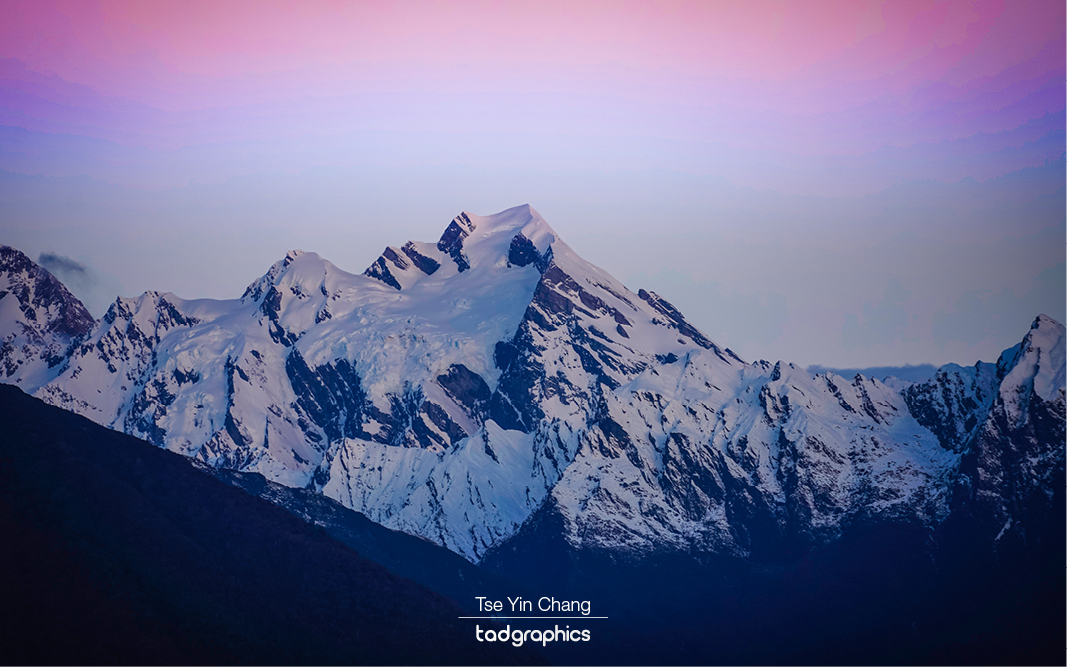
Magnificent Mount Cook sunset, taken from Fox Glacier

Despite the beauty of our surroundings, that rain was playing on our minds. The highlight of our time in the area was set to be a heli hike up on the Franz Josef Glacier, and helicopters can be sensitive when it comes to bad weather. So we were a bit apprehensive, especially as we had been told that 80% of the tours end up being cancelled for this reason. The weather is extremely volatile in this region and conditions can change hour to hour. Things were not looking promising.

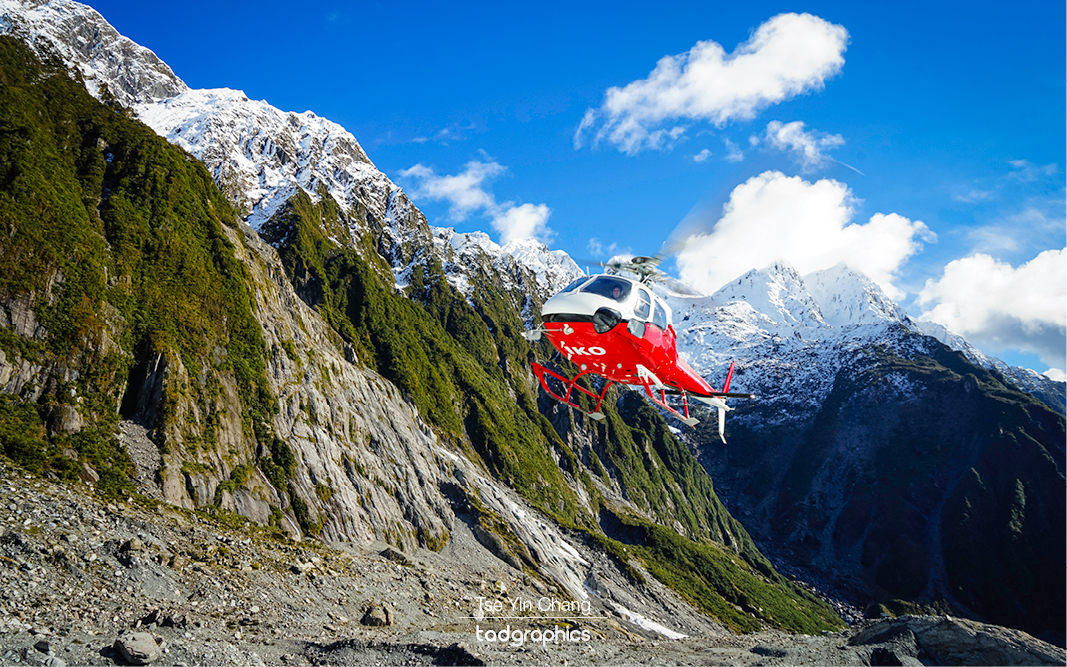
The heli hike started with a short helicopter ride before landing directly on the ice of Franz Josef Glacier

Fortunately for us luck was on our side. The next morning conditions were clear (if a little cold), and after a quick briefing we walked through the forest to the waiting helicopter. As we gained altitude the majesty of the geography revealed itself to us, and Franz Josef Glacier quickly came into view. Then we descended and landed directly on the ice of the glacier. The next couple of hours were spent hiking across the frozen water led by our guide Jara. As the shape of the ice changes regularly, we had to make sure that we followed him closely as he cut a path for us. While I have seen snowy places before, walking through this unique and inaccessible place is a completely different experience.

Walking through the unique Franz Josef Glacier is a completely different experience

Afterwards it was back to the helicopter for another round of views before touching down in Franz Josef. The experience of flying in a helicopter is always something to remember. Combined with the chance to walk on a glacier, well it’s an experience that should be on everyone’s bucket list. It is a fairly expensive day due to the nature of it, however you get what you pay for and the trip is worth every cent.

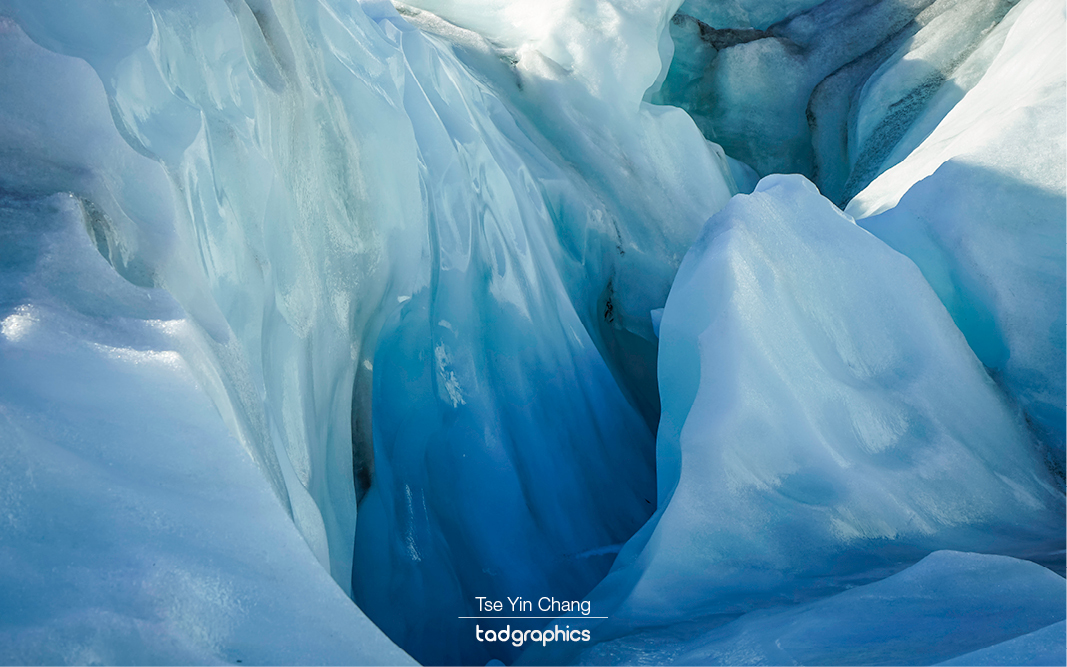
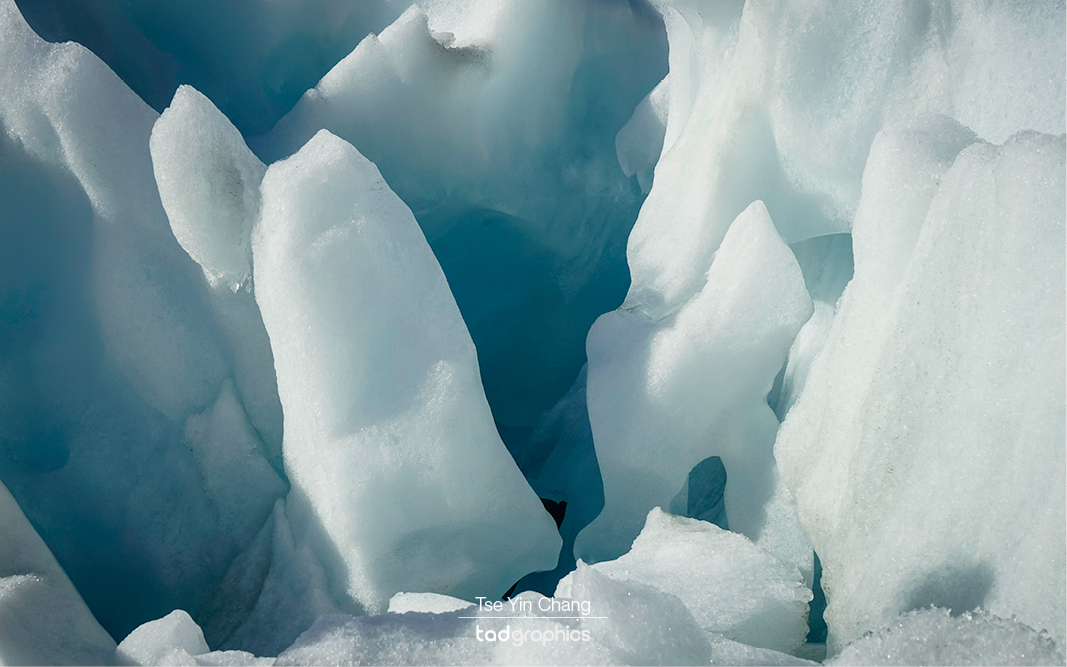
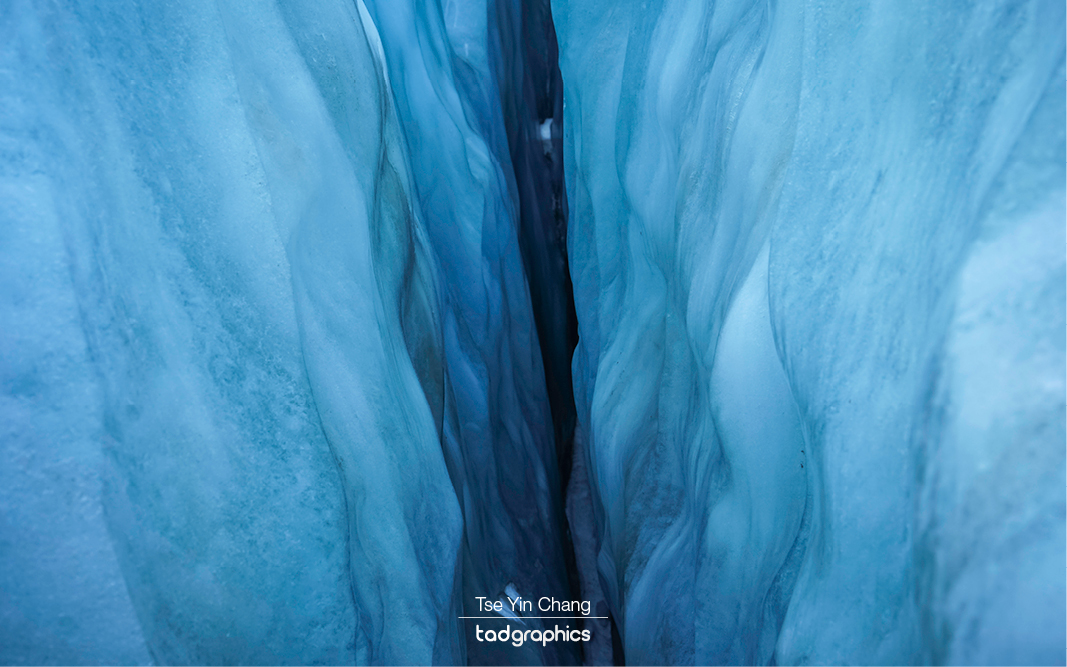
Unique ice formation on Franz Josef Glacier

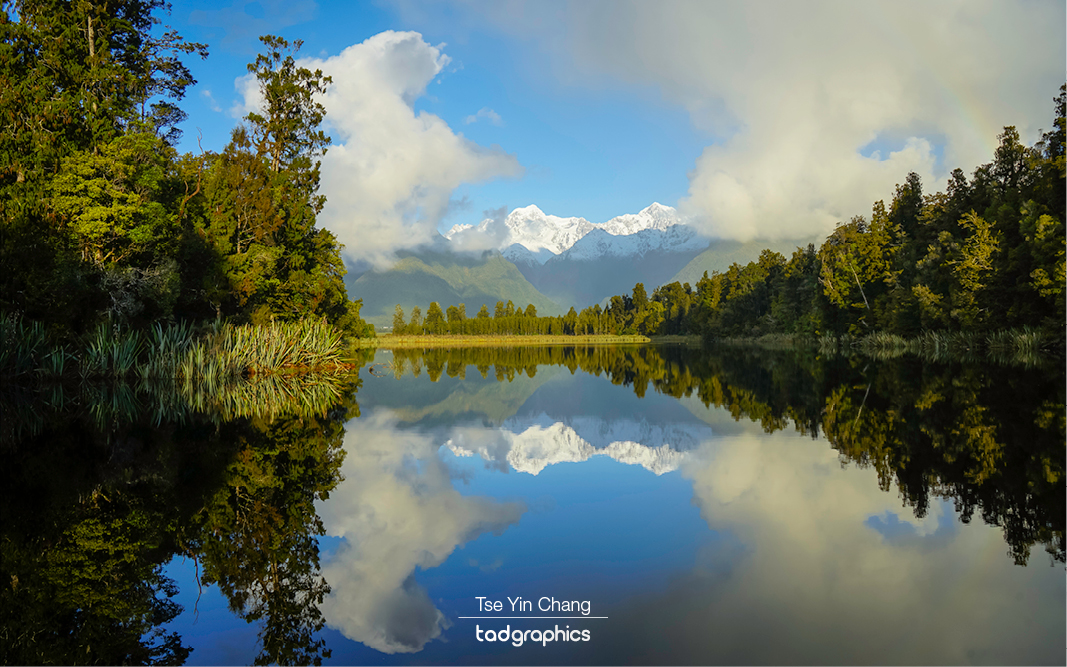
Once back in town we still had the whole afternoon and the next morning to see what else Fox Glacier had to offer. After lunch we set off to the nearby Lake Matheson. There are many lakes in this part of New Zealand, but Lake Matheson is one of the most photogenic. Its waters reflect the peaks of both Mount Cook and Mount Tasman, while pine trees reached all the way to its shores. Both are impressive, but Aoraki (to give Mount Cook its indigenous name) has the distinction of being the highest in the country. It’s pretty breathtaking to the eye.

The chance to walk on a glacier should be on everyone’s bucket list

Thanks to its impressive reflections, Lake Matheson is sometimes called the Mirror Lake. Unfortunately its original Māori name is lost to time, but that doesn’t mean that it wasn’t important. In fact it was a Mahinga Kai – a place where food was traditionally obtained.The weather had well and truly turned around, and we were blessed with sunshine for the duration of our hike around the lake. We had enough time to walk the trail which winds around the lake, and for me to shoot it from a variety of angles.

Waters in Lake Matheson reflect the peaks of both Mount Cook and Mount Tasman, while pine trees reached all the way to its shores

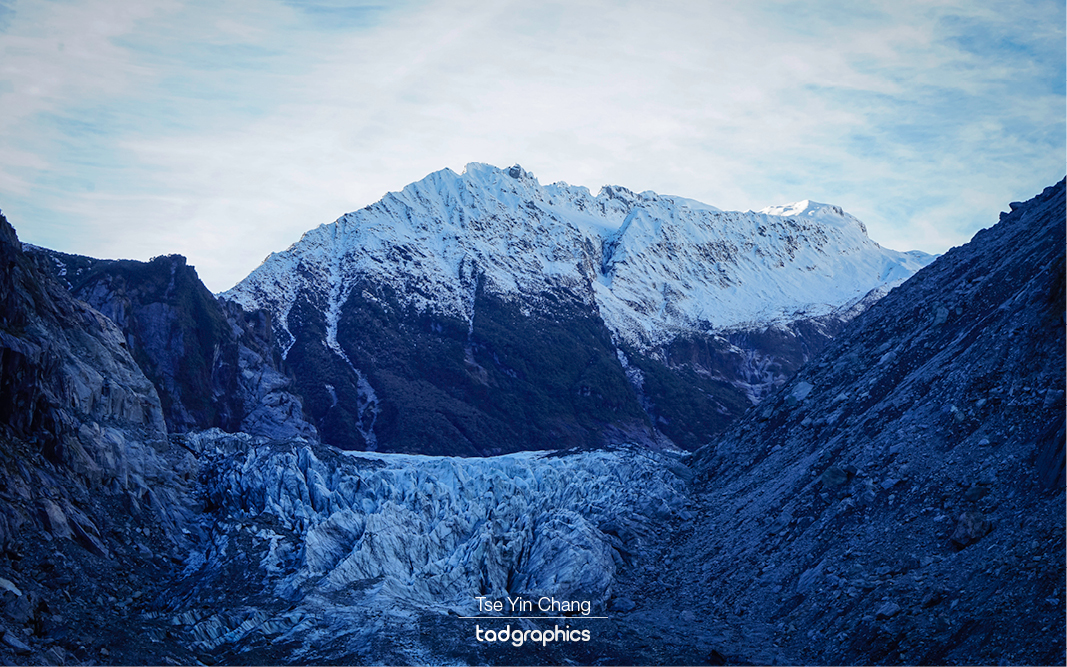
While Franz Josef Glacier is perhaps more spectacular, Fox Glacier itself is pretty impressive, and you do not need a helicopter to get there. It’s a one hour hike to reach the viewing platform, and so this is how we filled the next morning. The walk took us along the floor of the valley before we were suddenly confronted with the face of the glacier towering over us. The day before we had been right on top of Franz Josef Glacier, so to look up at one of these natural wonders from below helped us put their size into perspective.

Once we got back into town it was straight onto our next destination – a two hour drive to the beachside town of Hokitika.

Prints from my New Zealand photo collection are available in a variety of different sizes and framing options. Please get in touch to find out more.

See also:

  • Off the beaten track – exploring the Remarkables and Nevis Road Duffers Saddle
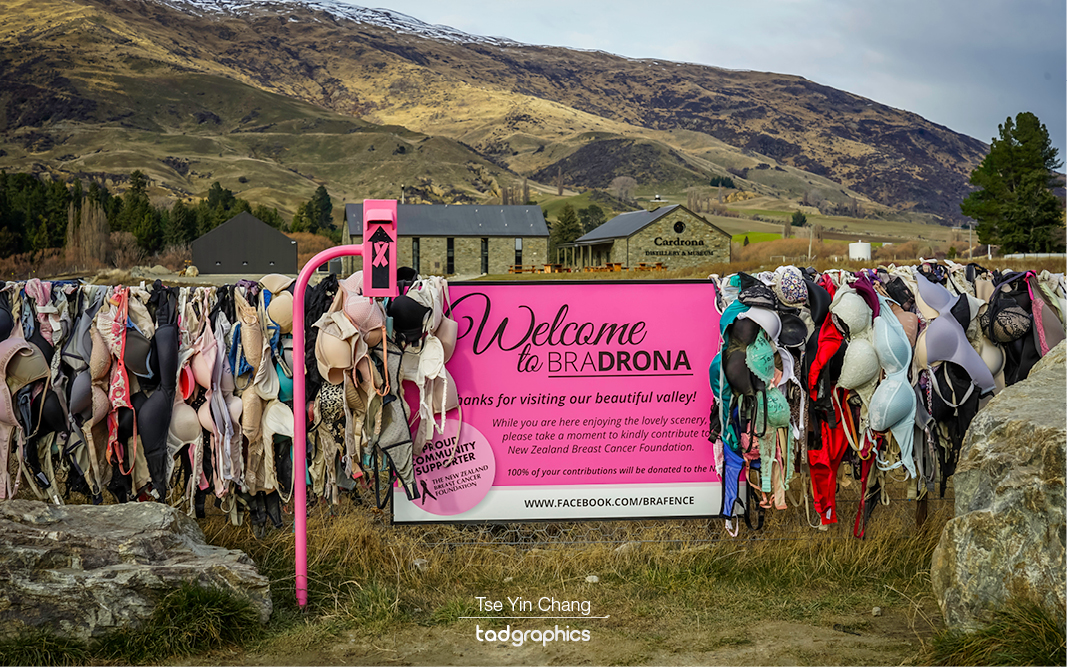
When driving from Queenstown to Wanaka, one should stop by the famous Cardrona bra fence for a photo opportunity
Ice formation in Franz Josef Glacier
The Fox Glacier Valley walk took us along the floor of the valley before we were suddenly confronted with the face of the glacier towering over us

Filed Under: Blog, Photography, Portfolio, Travel Tagged With: crown range, fox glacier, franz josef, glacier, helihike, ice, lake matheson, new zealand, south island, winter

Off the beaten track – exploring the Remarkables and Nevis Road Duffers Saddle

7 May 2018 by tadgraphics

The dramatic mountain range towers over Queenstown, taken from the Remarkables at sunrise

The mountains of New Zealand’s South Island have caught the eye of travellers from across the world in recent decades. Running down the island like a spine, they are one of the world’s best examples of pristine mountain scenery, rivalling the Alps and the Rockies. The peaks are interspersed with fjords, lakes and pine forests while quaint little towns nestle in whatever flat space they can find.

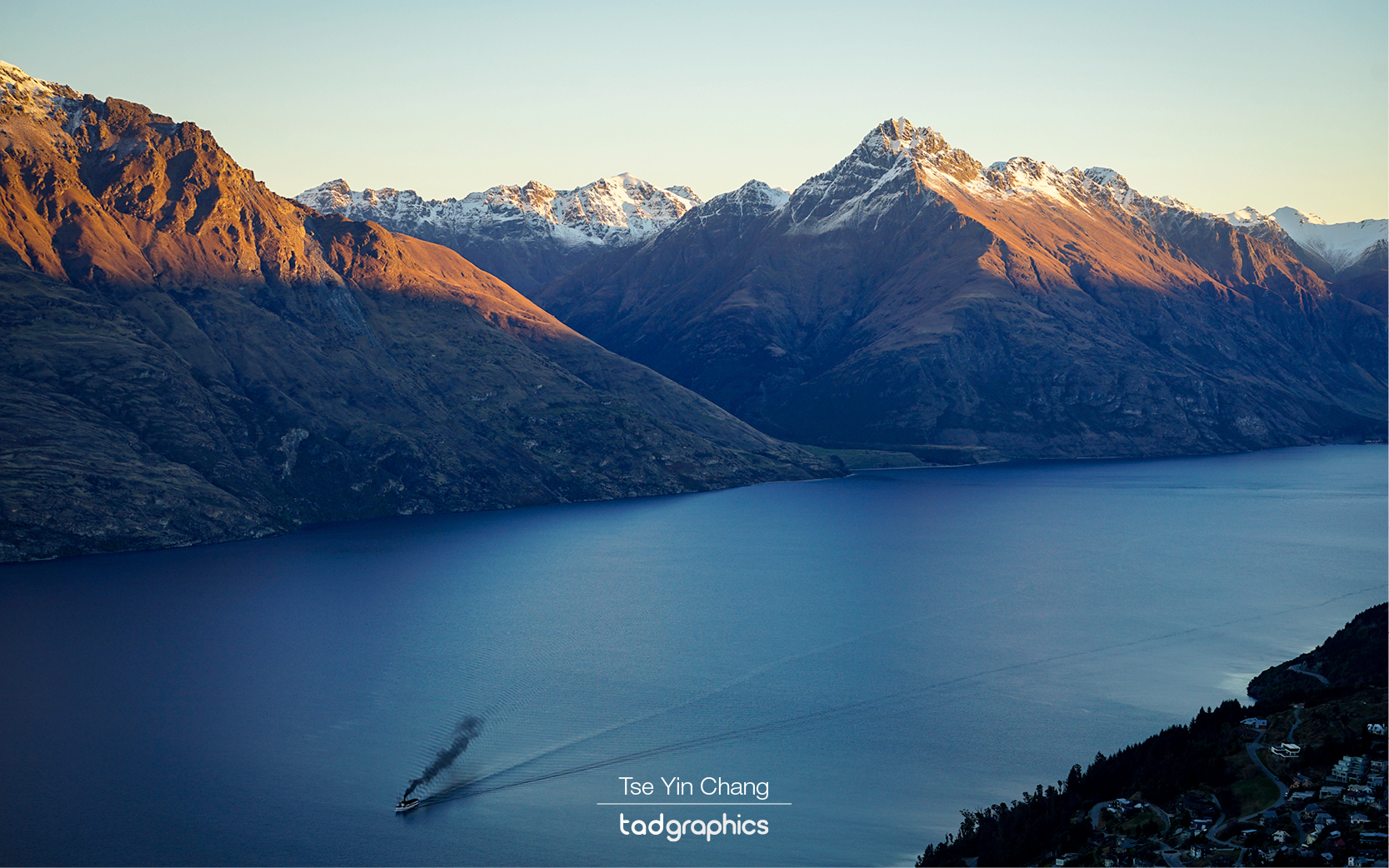
Golden sunset on the dramatic mountain ranges rising out of Lake Wakatipu

There can be no better endorsement of this than the long list of films which have used the region as a backdrop. South Island was famously used to film The Lord of the Rings, as well as The Chronicles of Narnia, one of the X-Men movies and most recently Mission: Impossible – Fallout. The area around Queenstown is especially popular among directors with many of the aforementioned movies using this part of the country as a backdrop, as well as a host of others. Everything from Bollywood hits to local productions have taken advantage of the scenery there.

The Remarkables on a clear winter day

Anything which looks this good in moving pictures will also lend itself to landscape photography. There is an abundance of photogenic attractions in the Queenstown area, including The Remarkables and Duffers Saddle. Looking to add another spectacular set of shots to my portfolio, I set off on a photography tour organised by a local specialist – Martin Kohn.

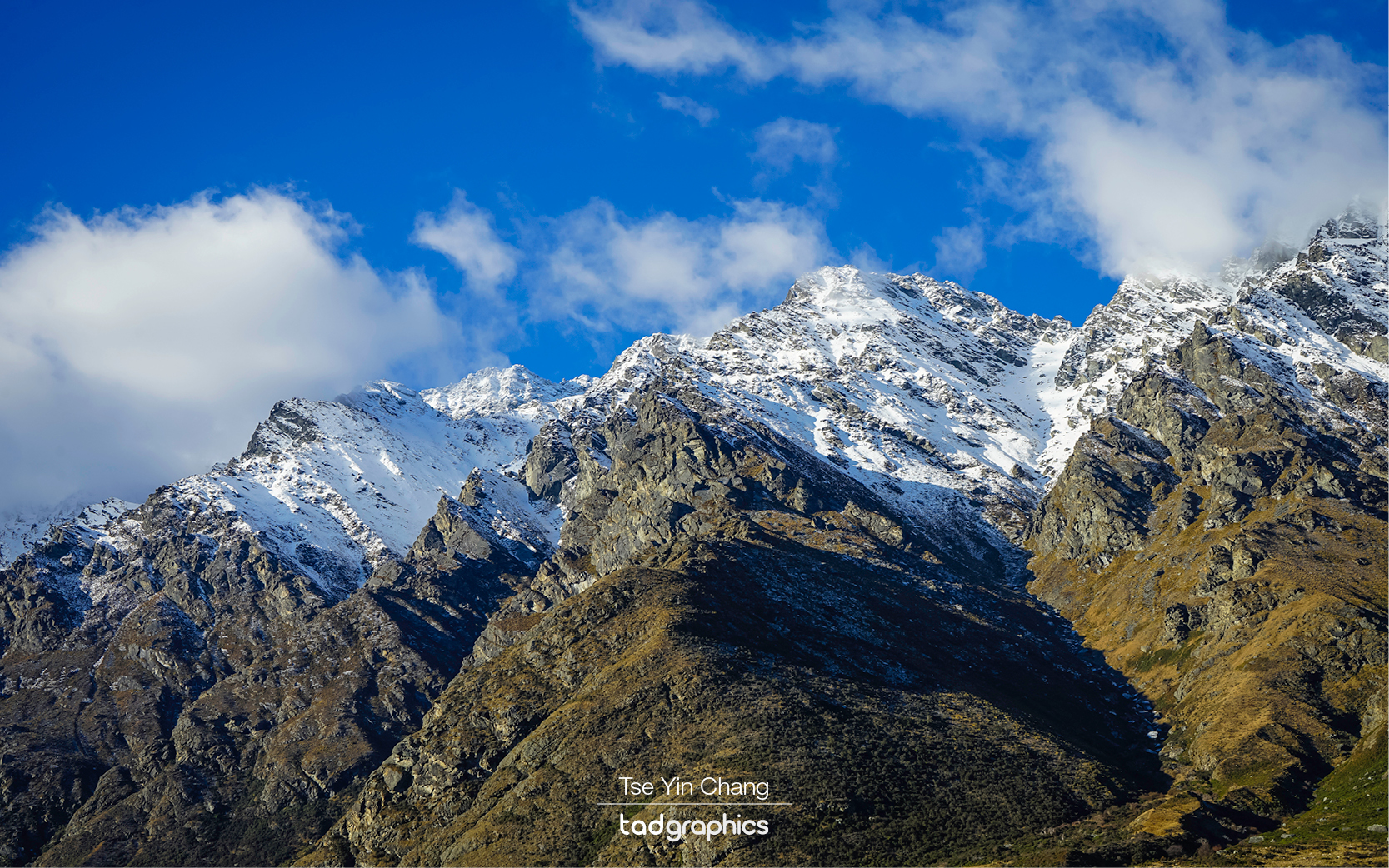
Pretty quickly, I realised how apt a name The Remarkables is. The dramatic mountain range towers over Queenstown, rising up out of Lake Wakatipu until its jagged peaks pierce the crisp blue sky. This makes for a breathtaking sight when viewed from Queenstown itself, but our trip gave us the chance to see them up close and get shots from different angles. Having lived in the area and being a photographer himself, Martin knew all the best places to take us which most visitors might easily miss.

The Remarkables is home to one of New Zealand’s top ski centres

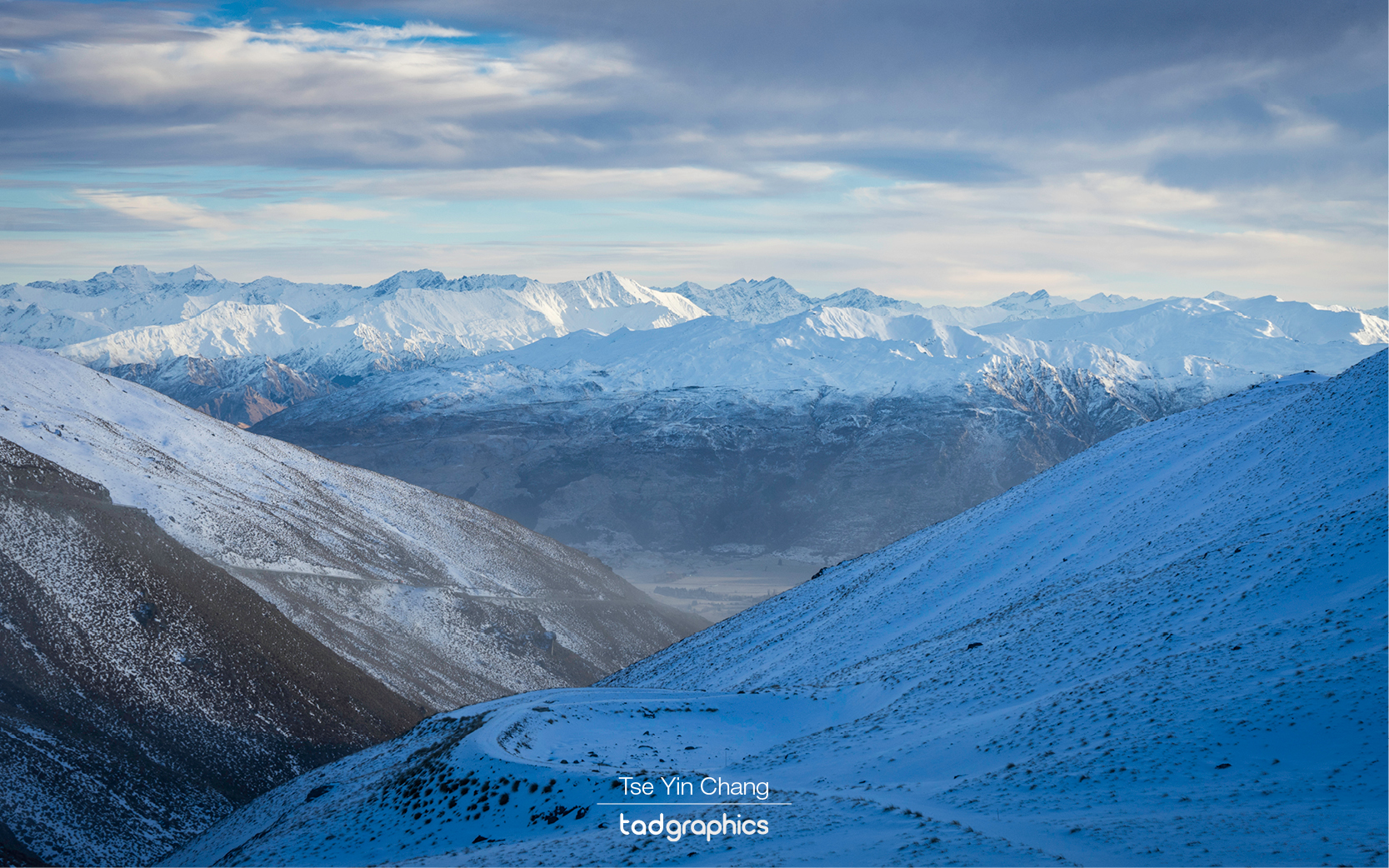
This was one of those times where the journey was as exciting as the destination. We skirted the edge of the lake before crossing the river Kawarau and turning off the main road. From here we ascended the wiggly road which leads to the top. Every corner brought a new view, and each was more awe-inspiring than the last. It was fairly busy as the Remarkables is home to one of New Zealand’s top ski centres. People come from all over the world to use these slopes, and although we do not ski ourselves the conditions looked perfect for it.

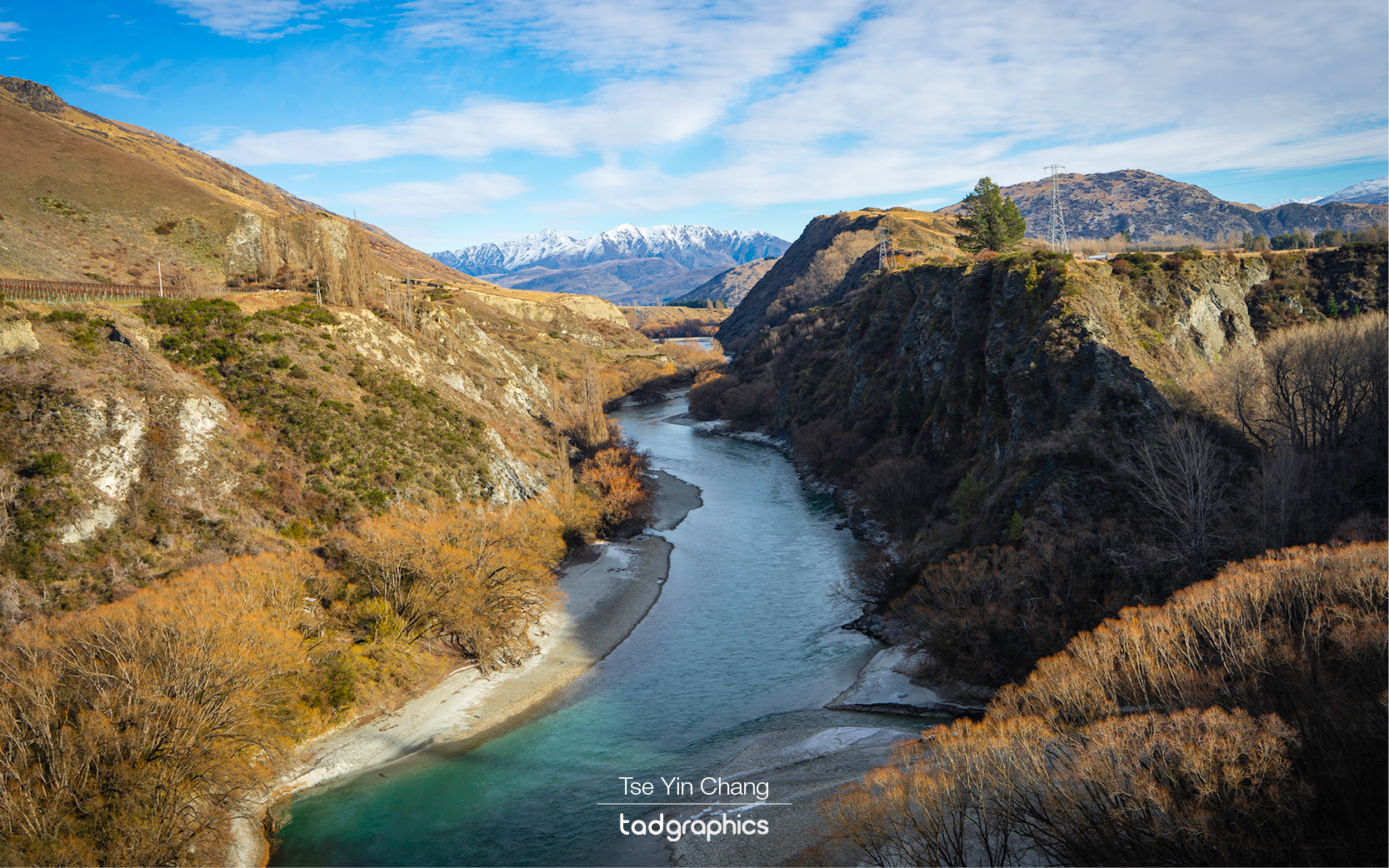
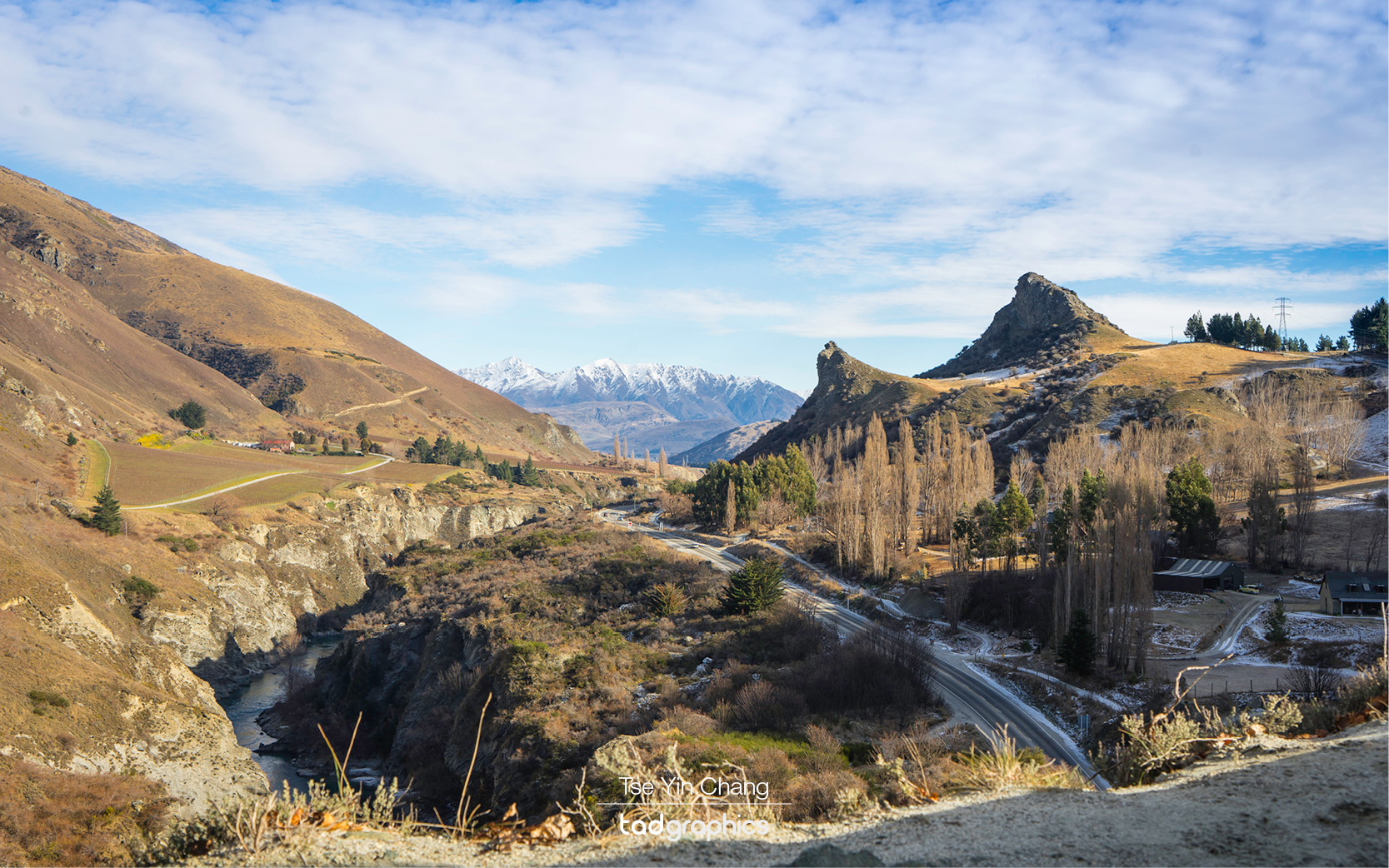
Spectacular Kawarau Gorge, known as the Anduin River, that the Fellowship of the Ring paddled down to be greeted by the two giant statues on either side on the river. The two giant statues were added in post production.

While the Remarkables rightly attract the most attention thanks to their distinctive silhouette, they are just one range of many. The mountains continue onwards to the east before eventually dropping off towards the coast. This part receives less visitors than the area directly around Queenstown but that does not make it any less spectacular. Making use of his local knowledge, Martin took us out to see one of the best parts of the backcountry there. The Nevis Valley winds its way between steep, rocky slopes, slowly descending to meet the larger Kawarau River (which eventually drains into Lake Wakatipu near Queenstown). While this part of the country did see a gold rush in the late 1800s, the land is not flat enough to farm for the most part and so the area is wild, remote and unpopulated.

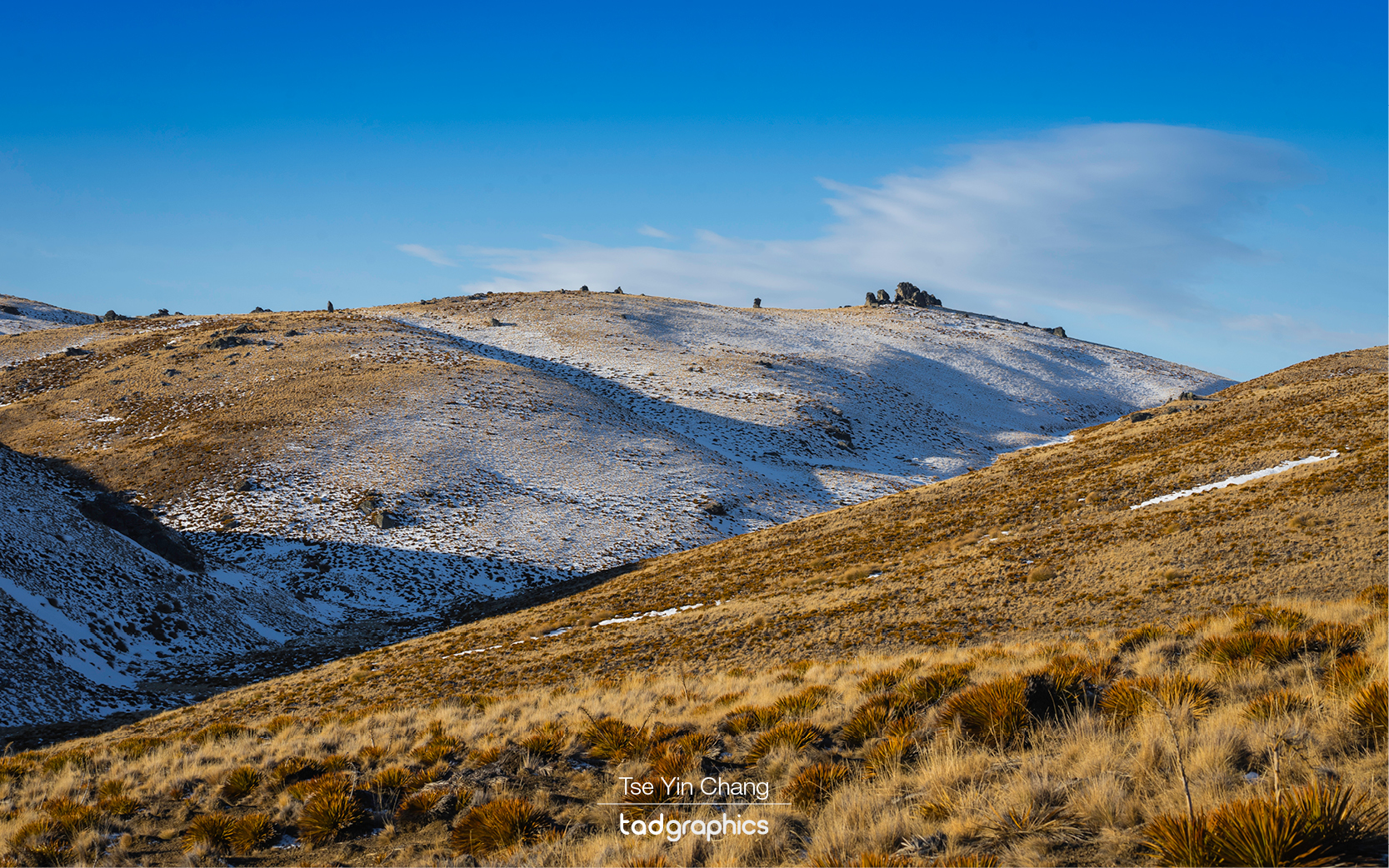
Parts of Nevis Valley is covered with snow in winter

There is one small section of the river bank which is farmed by the owners of Ben Nevis Station. Our reason for passing was not to see this however, it was to take the Duffers Saddle – the only road which takes you up and over the mountains on the eastern side of the valley. This little used thoroughfare is New Zealand’s highest public road, reaching a height of 1,300 meters above sea level. Being so isolated, it is nothing more than an unsealed dirt track and weather conditions can make it impassable during the winter months.

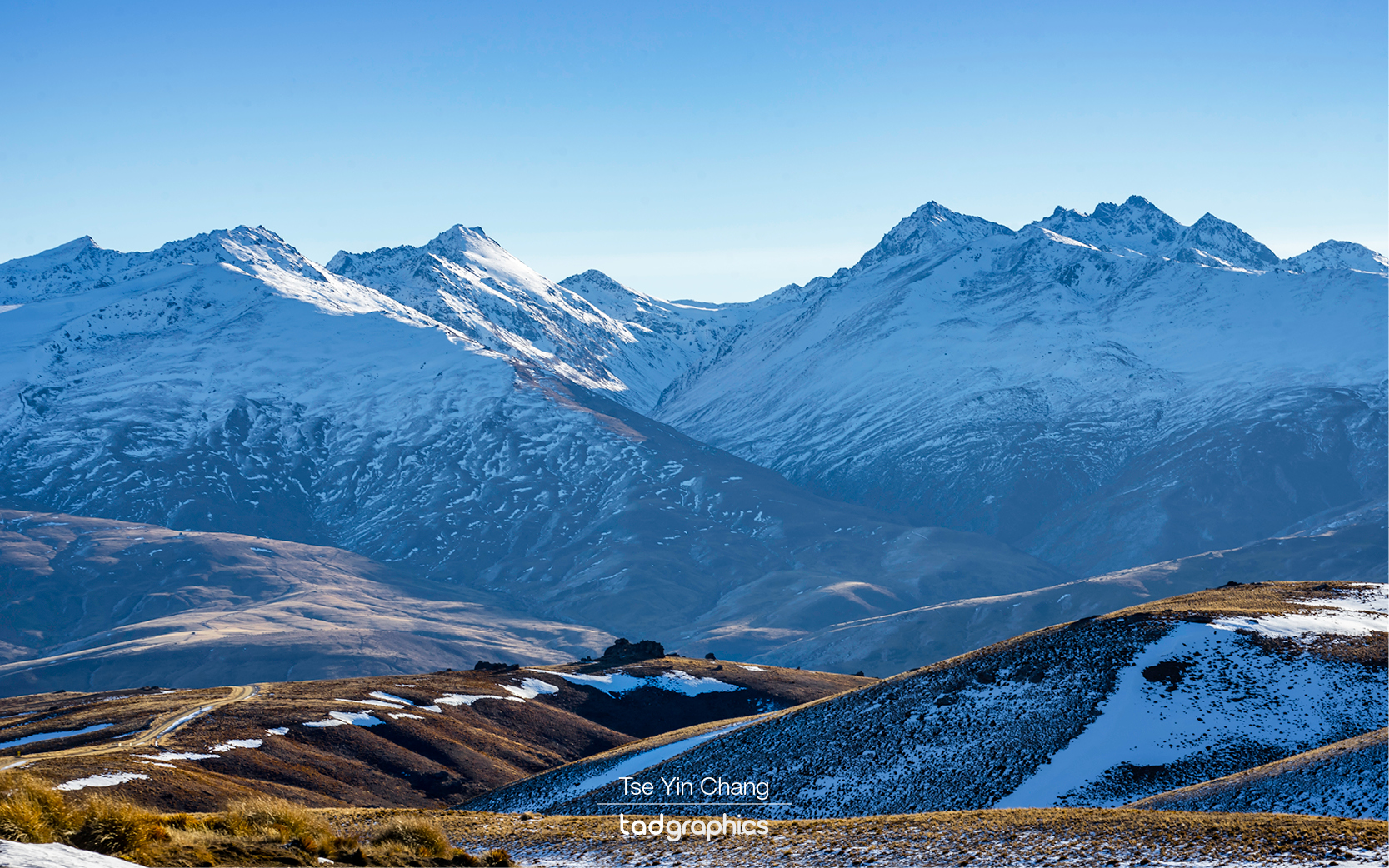
There are abundance of photogenic attractions in the Queenstown area, including Nevis Valley

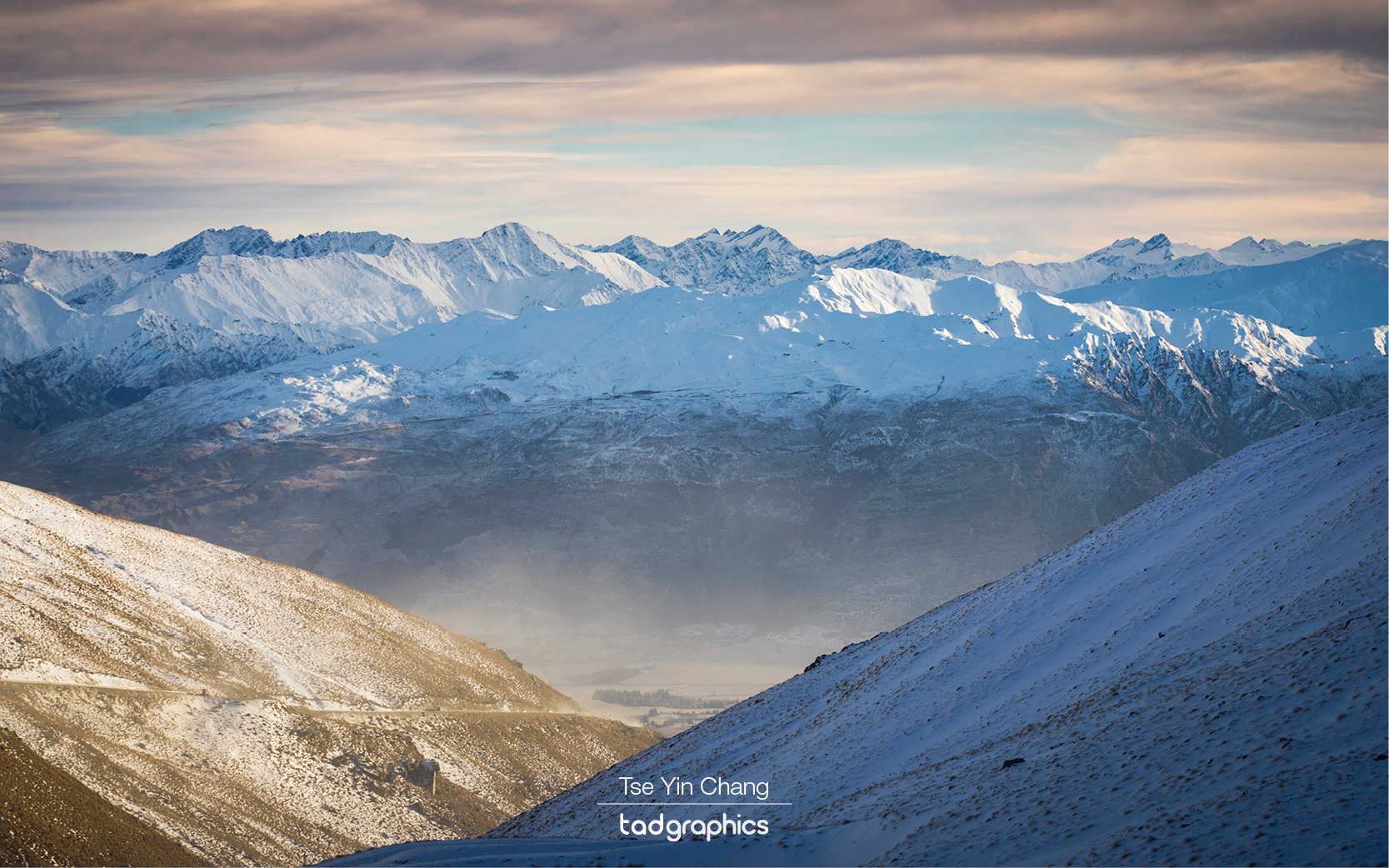
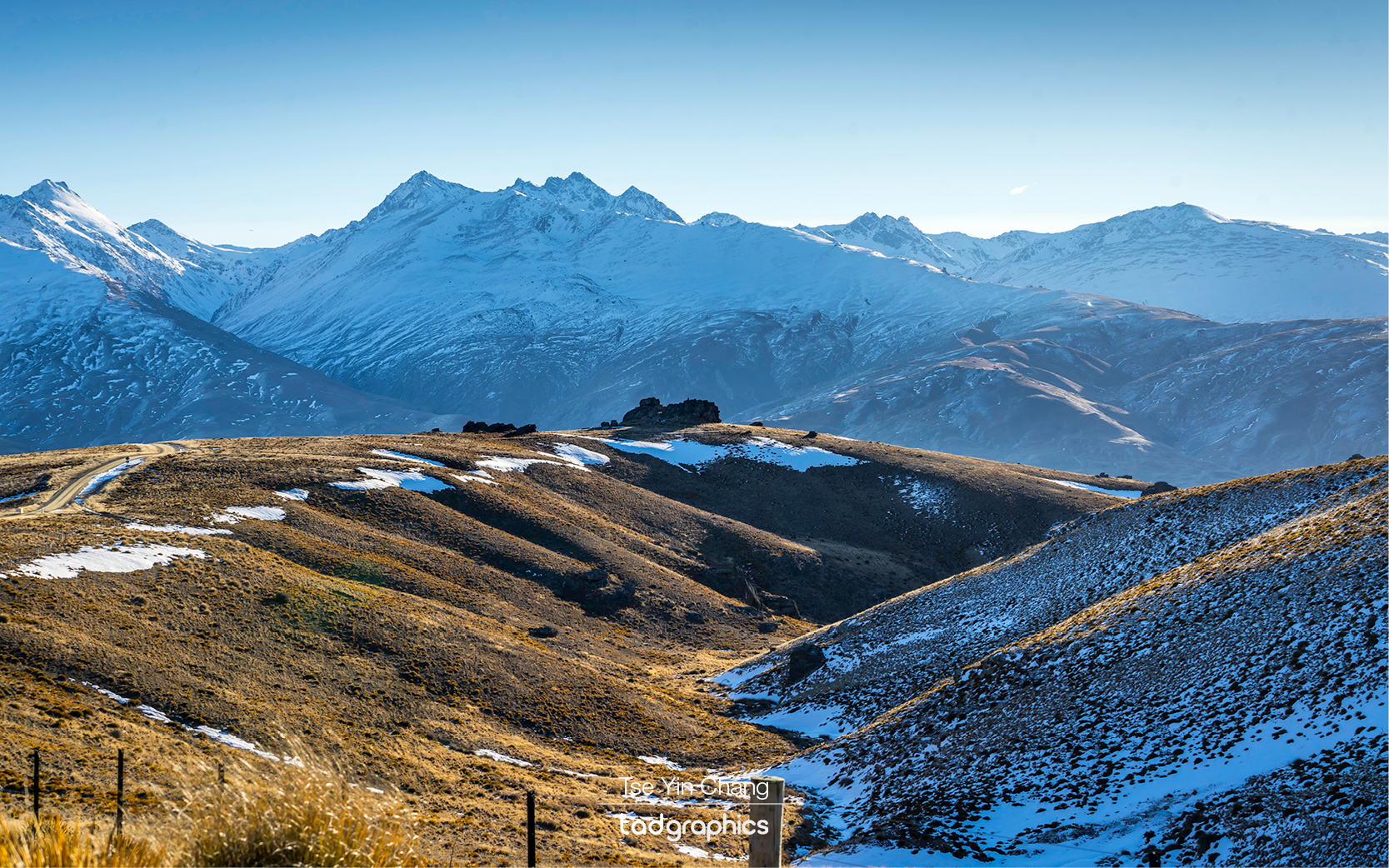
When you get this high up, even the pines which carpet the slopes disappear. The only thing which grows up here are hardy grasses, and so the empty landscapes take on a hauntingly lonely appearance. Interesting rock formations are scattered around seemingly at random, and more often than not the horizon is crowned with lines of distant snow-capped peaks. We were there in late July which made the experience even better. The high plain the road traverses was blanketed in snow, making it look even more spectacular. Luckily the conditions were not bad enough to prevent us from travelling.

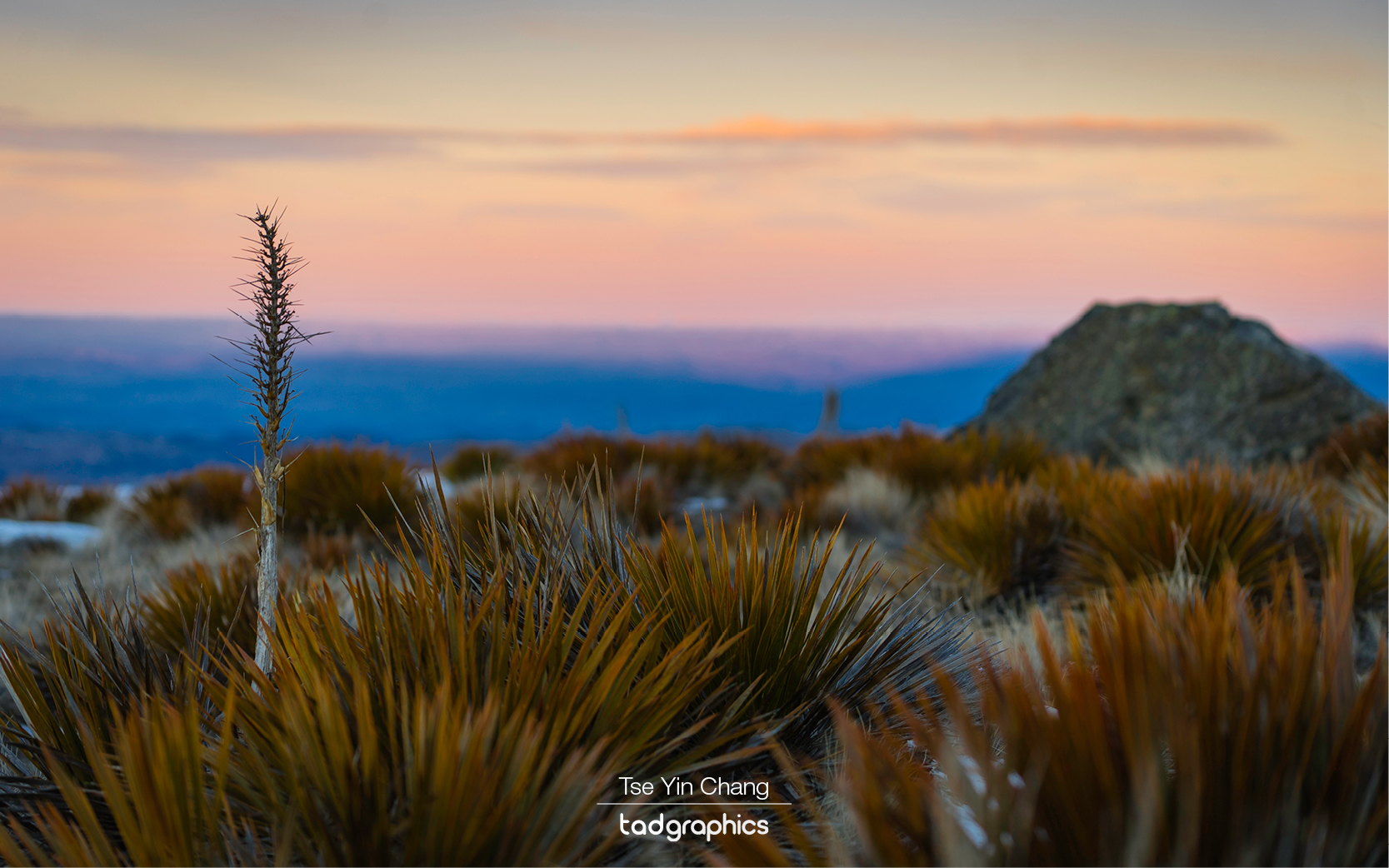
The only thing which grows up here in Duffers Saddle are hardy grasses

Even the drive back to Queenstown was a treat as the geography means that there is no boring route. Martin had been a great guide and the whole day was one to remember. There are so many things to see in New Zealand, but we were satisfied that we had chosen one of the best.

My Remarkables and Nevis Road Duffers Saddle photo collection is available as prints and comes in a variety of framing options. Please get in touch to find out more.

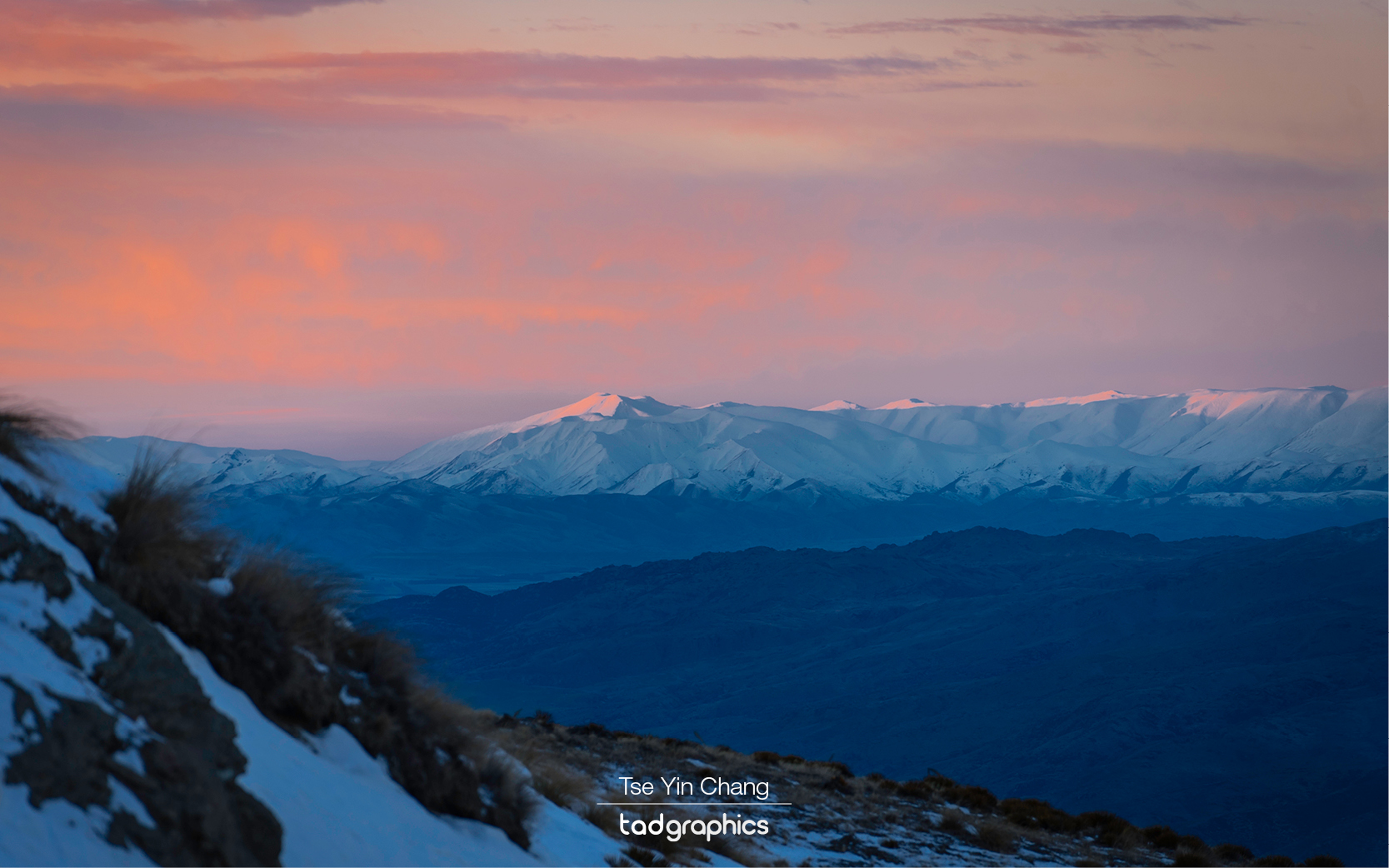
Vivid winter sunset taken from Duffers Saddle, New Zealand’s highest public road, reaching a height of 1,300 meters above sea level
Judge and Jury, Kawarau Gorge, Central Otago
Nevis Valley
Nevis Valley

Filed Under: Blog, Photography, Portfolio, Travel Tagged With: Duffers Saddle, kawarau river, nevis valley, new zealand, queenstown, remarkables, snow, south island, travel, winter

Norway in a Nutshell – Part 1: Oslo

22 November 2017 by tadgraphics

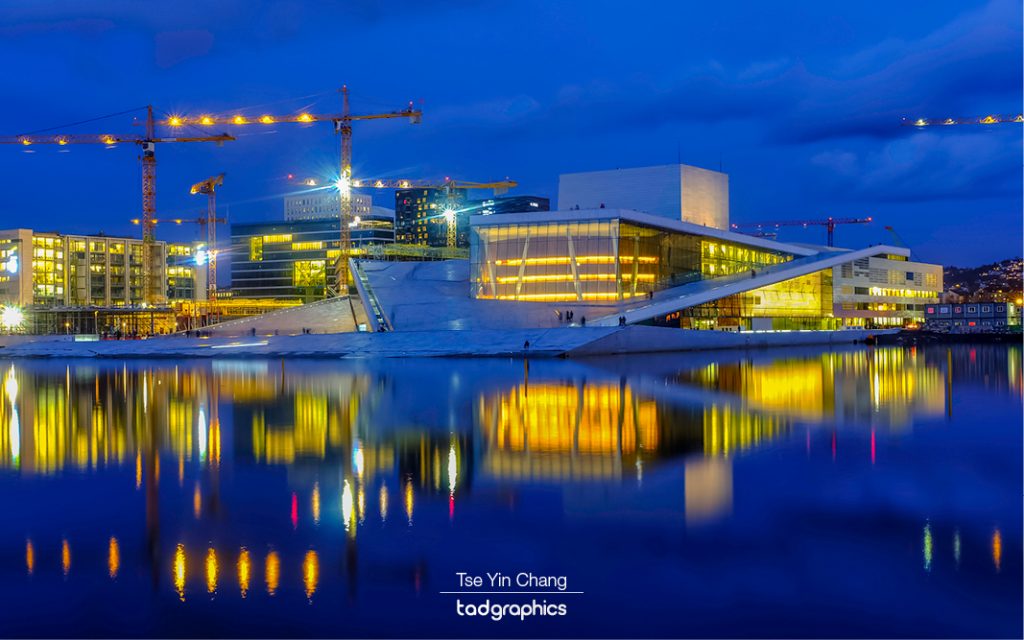
Oslo Opera House
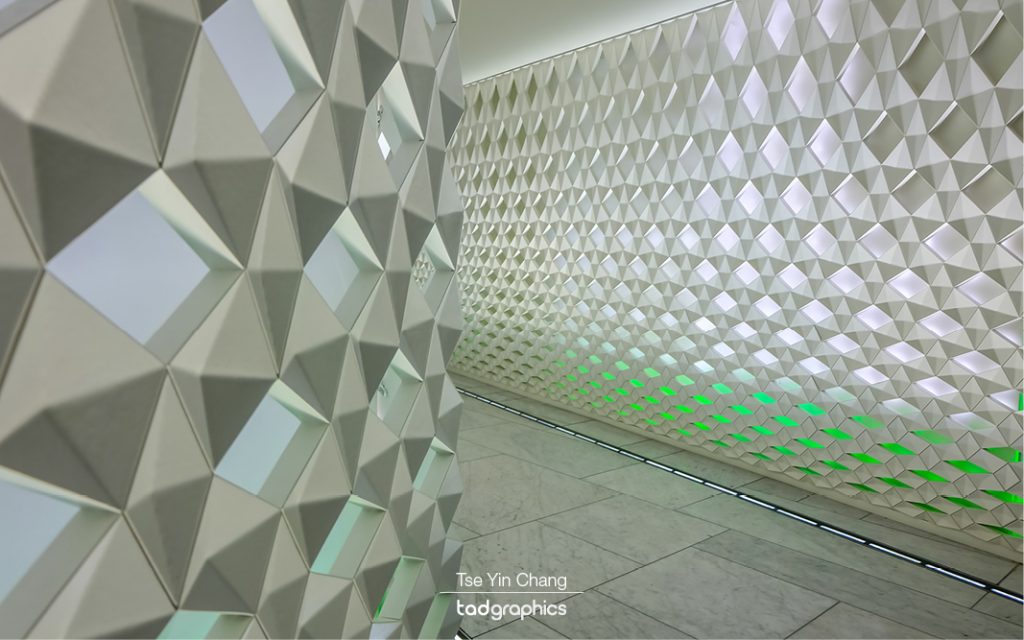
The Oslo Opera House is an extremely interesting building to look at; its angled white exterior and sloped marble-covered roof appears to emerge right out of the water. You can even walk up to the marble-embellished roof for a bird’s eye view of Oslo.

Scandinavia is a part of the world which captivates me. It is a land of dramatic scenery, rich history and mysterious folklore. Its rugged, windswept landscapes couldn’t be much less like the arid expanses of Western Australian that I call home, and they also make it a photographer’s dream.

Having already been enchanted by Finland, Iceland and Sweden, I was excited to see what Norway had to offer. We traveled by rail from Stockholm into Oslo on 31 December to be there to witness the city’s New Year celebrations.

Oslo is Europe's fastest growing city
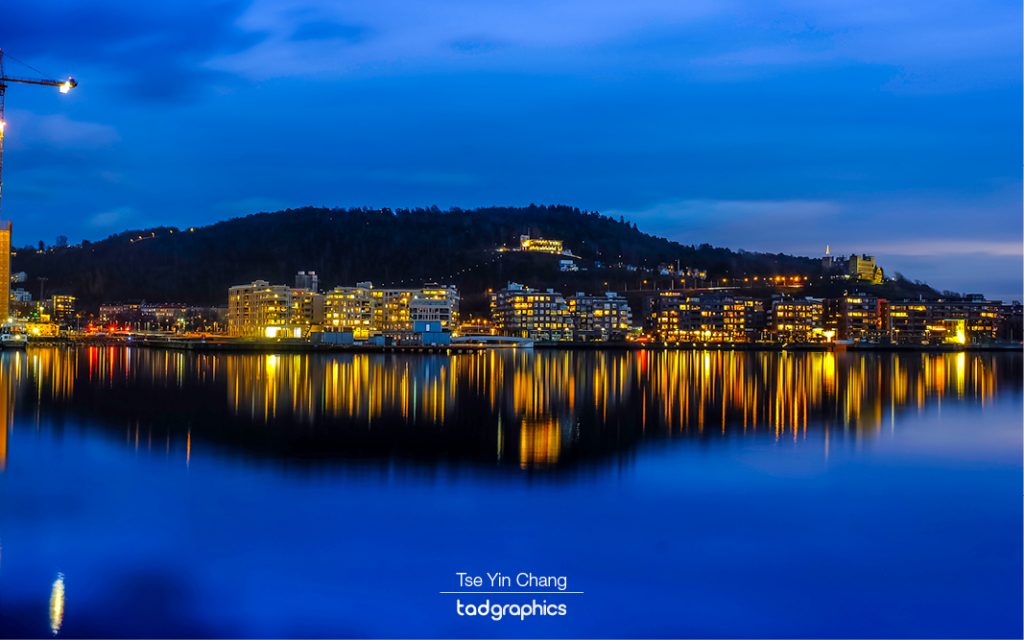
Oslo is Europe’s fastest growing city

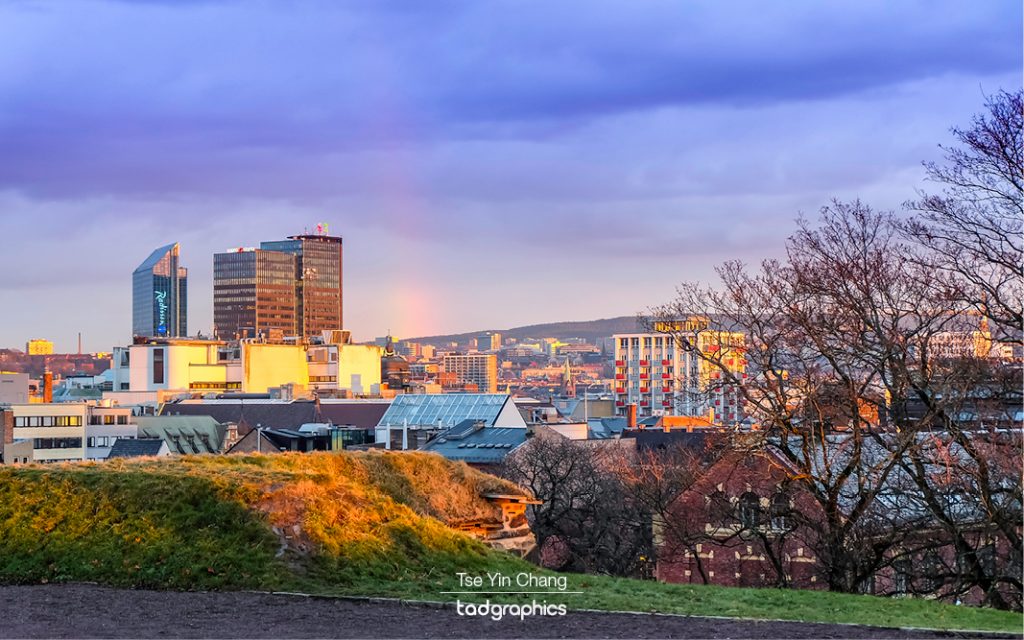
Oslo is the busy capital of Norway, and sits at the top of one of the country’s famous fjords. While it is as ancient as the other capitals in the region, a fire in 1624 destroyed the oldest parts of the city so you won’t find the medieval buildings of Stockholm’s Gamla Stan. This doesn’t make it any less attractive however, and there are plenty of grand edifices built in the centuries after the fire. By clearing out the old, the fire has also given Oslo a distinctly modern appearance in places, the glass skyscrapers that frame its skyline gave it a forward looking and pleasant feel. We had been treated to the sight of pine forests and peaceful lakes on our train journey into the city, and so the bustle of the city and the excitement and anticipation for the New Year made quite a contrast.

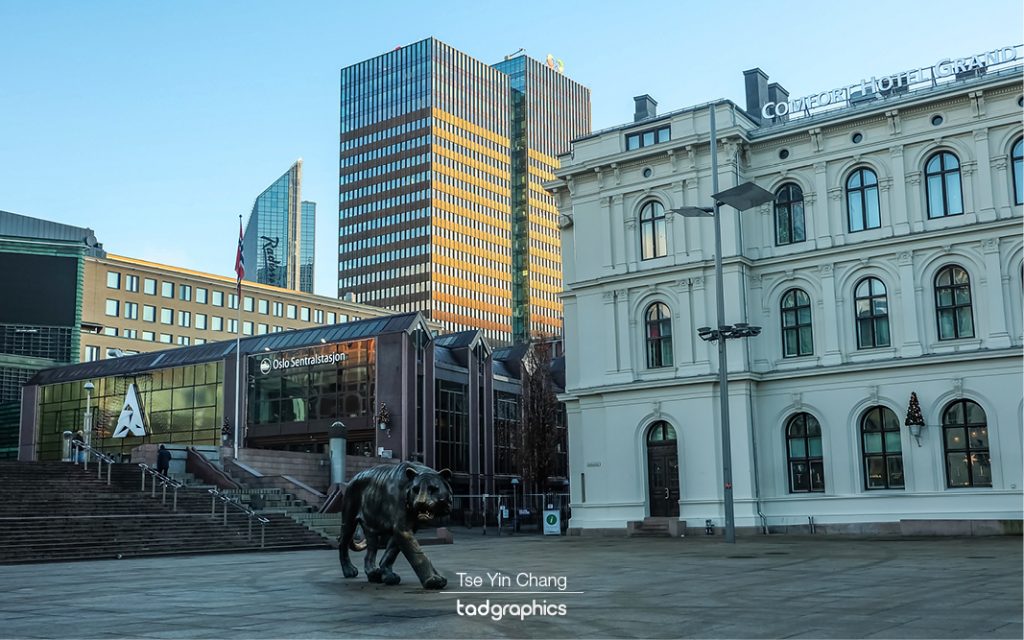
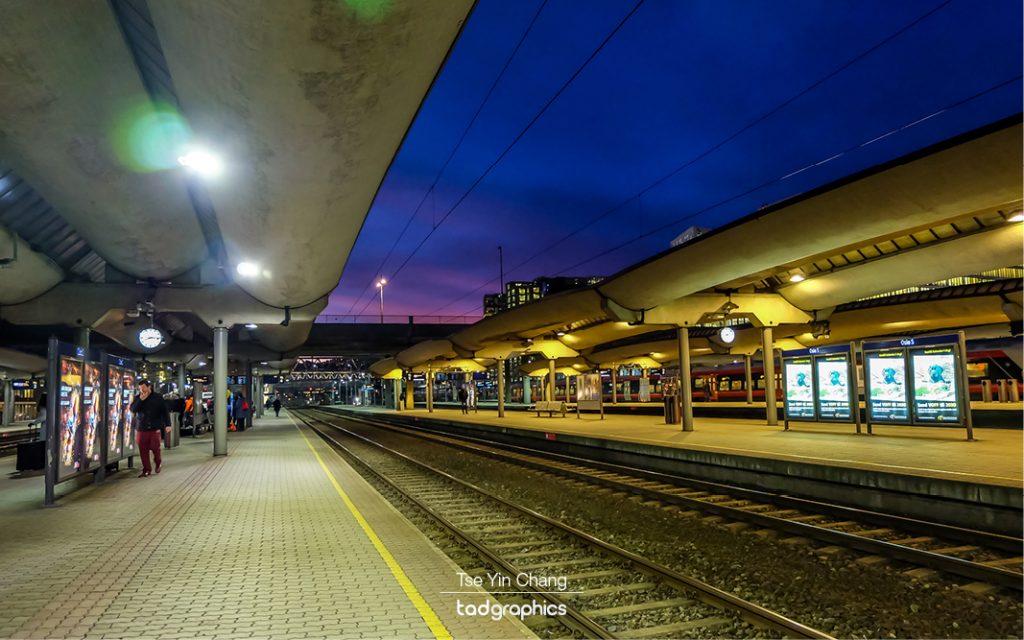
Oslo Central Station

Having arrived by day, we checked into our hotel and visited some of the attractions before the evening’s festivities began. We passed through Oslo Central Station on our way to the Comfort Hotel Karl Johan, just a few minutes walk away. The hotel is a funky place to stay, and it is playfully decorated. We were greeted with a wall of neon pop-art lights at the reception desk as soon as we walked in. It was centrally located and was as comfortable as the name suggested. All in all, it was the perfect place to stop for two nights.

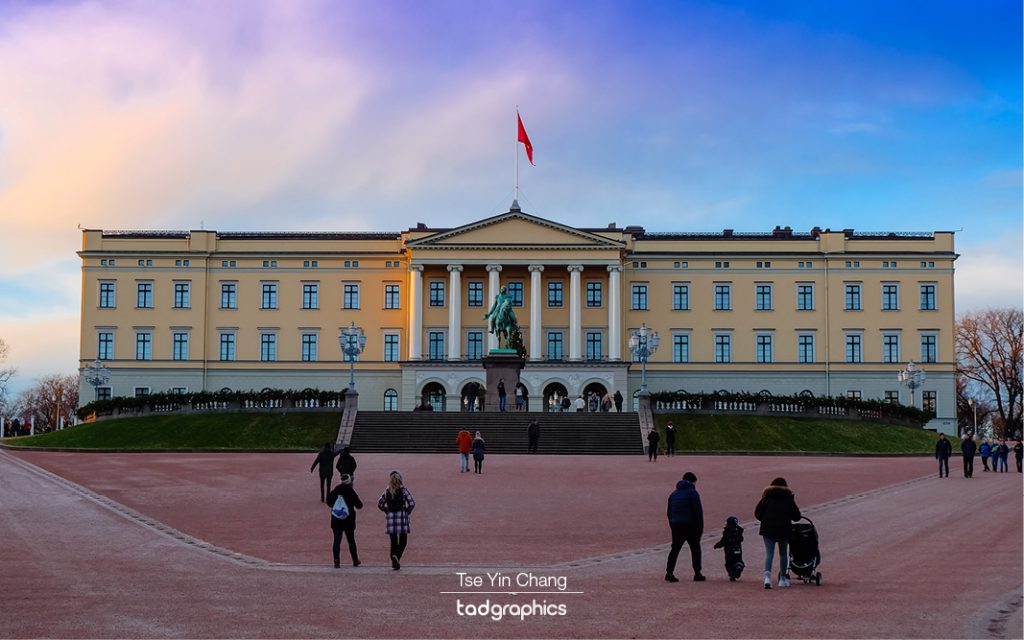
Oslo Royal Palace
The Royal Palace which has 173 rooms, is home to the royal family, and set in the centre of some peaceful landscaped gardens

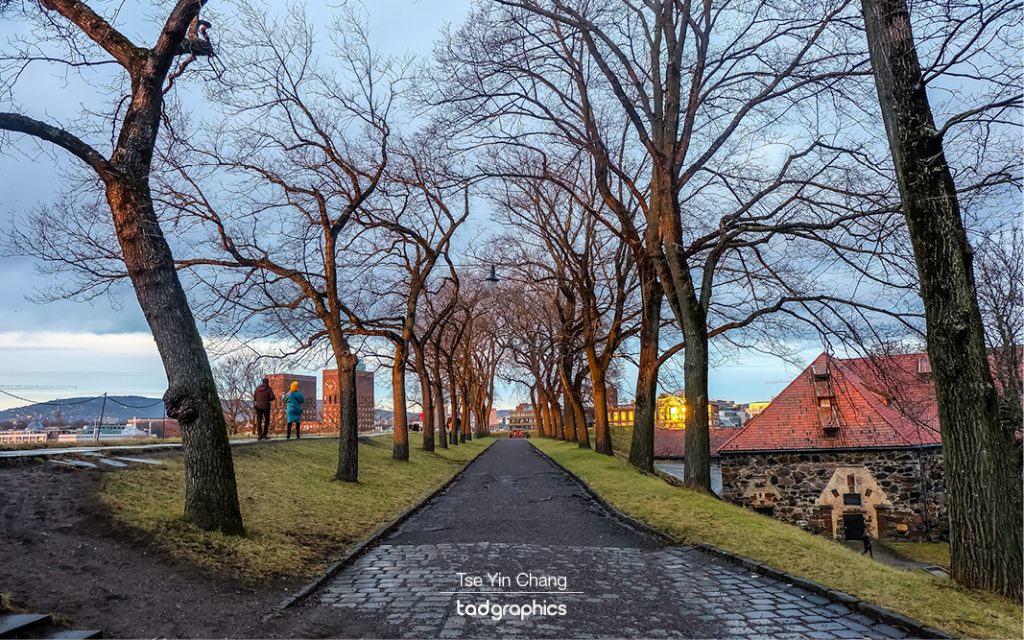
We set off to enjoy our afternoon of sightseeing, with the first stop being the Akershus Fortress where we witnessed the last sunset of the year. The fortress is one of the few buildings that survived the 1624 fire. This grand old castle sits on the waterfront, and comes complete with towers, walls and spires. While the king lives in the palace these days, many of his ancestors are buried here and the royal guard still patrol its gates. The castle is on the east side of the Oslofjord meaning that we were treated to the sight of the sun setting over the water.

Akershus Fortress
Akershus Fortress

From Akershus Fortress we moved on to the Oslo Opera House, a little further along the waterfront (also known as the Harbour Promenade). The opera house is an extremely interesting building to look at; its angled white exterior and sloped marble-covered roof appears to emerge right out of the water. You can even walk up to the marble-embellished roof for a bird’s eye view of Oslo. The fjord archipelago with vibrant and small traditional wooden summer houses can be seen on the right, Oslo city on the left and hills and mountains further behind. Inspired by the Norwegian nature the interior of the opera house is equally breathtaking and impressive with cavernous space fronted by a huge glass wall.

Oslo put up a great sunset on the last day of the year

Much of Oslo’s main sights are within walking distance of each other which is handy if, like us, you are trying to fit a lot into a short amount of time. Just before midnight we followed the crowds around the corner to the Oslo City Hall where we welcomed the New Year with fireworks.

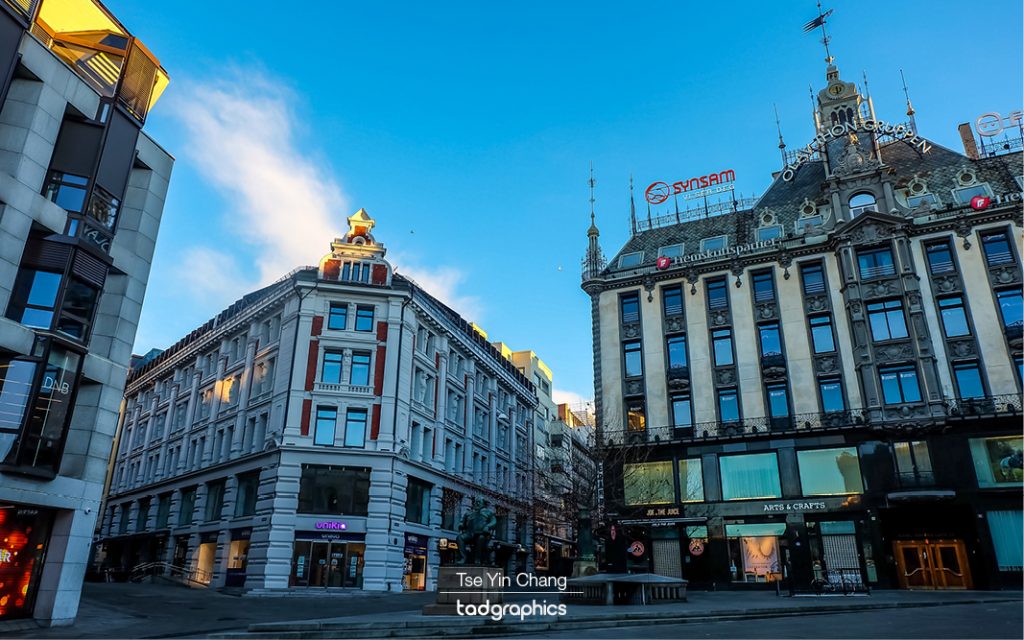
The first day of the year was our only full day in the city, so it consisted of a whirlwind of sightseeing. Luckily most of the things we wanted to see were on the same street, making it easy to get between them. Karl Johans Gate is the main artery of the city centre connecting the central station to the palace. It is also the street our hotel was located on making things even easier.

Shopping along Karl Johans Gate
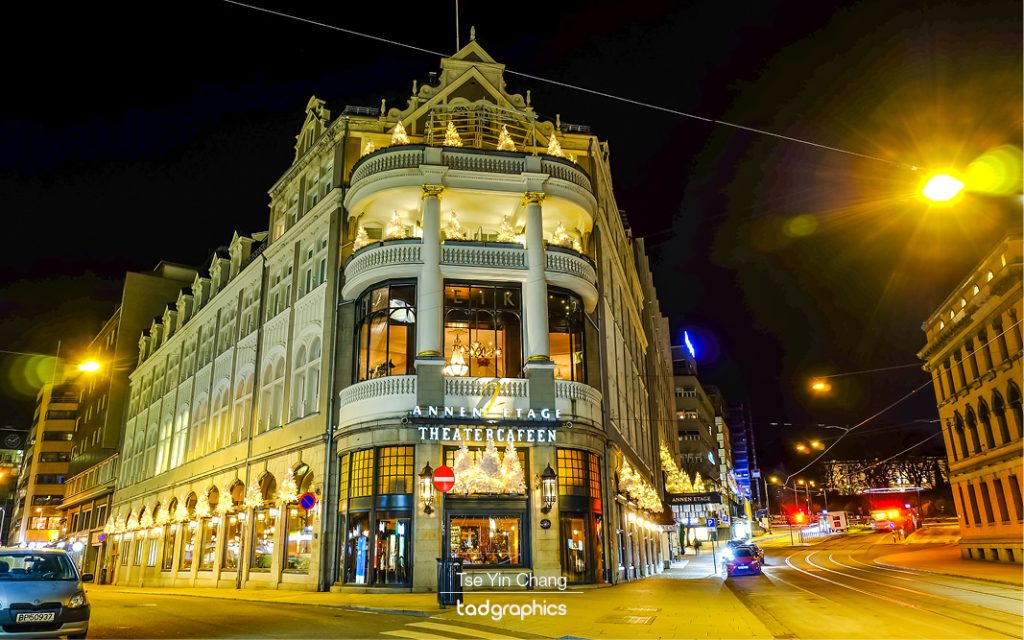
Impressive buildings along Karl Johans Gate

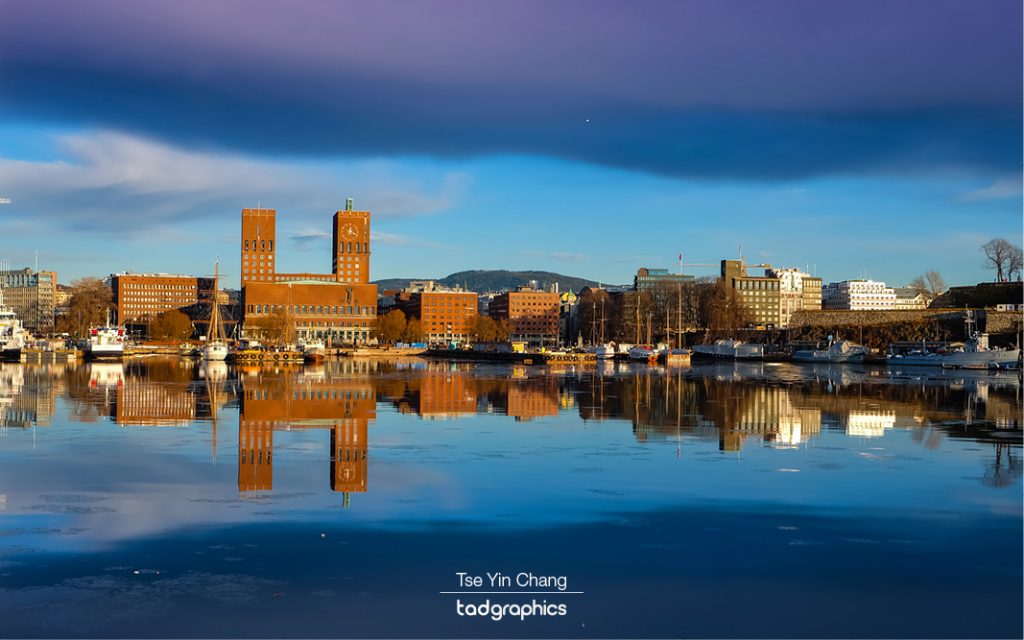
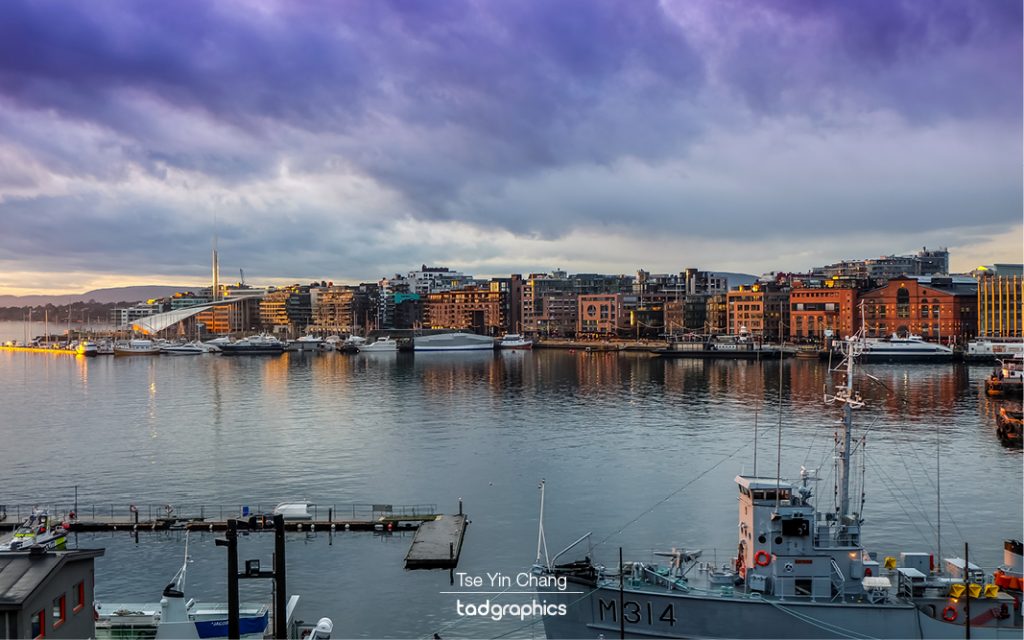
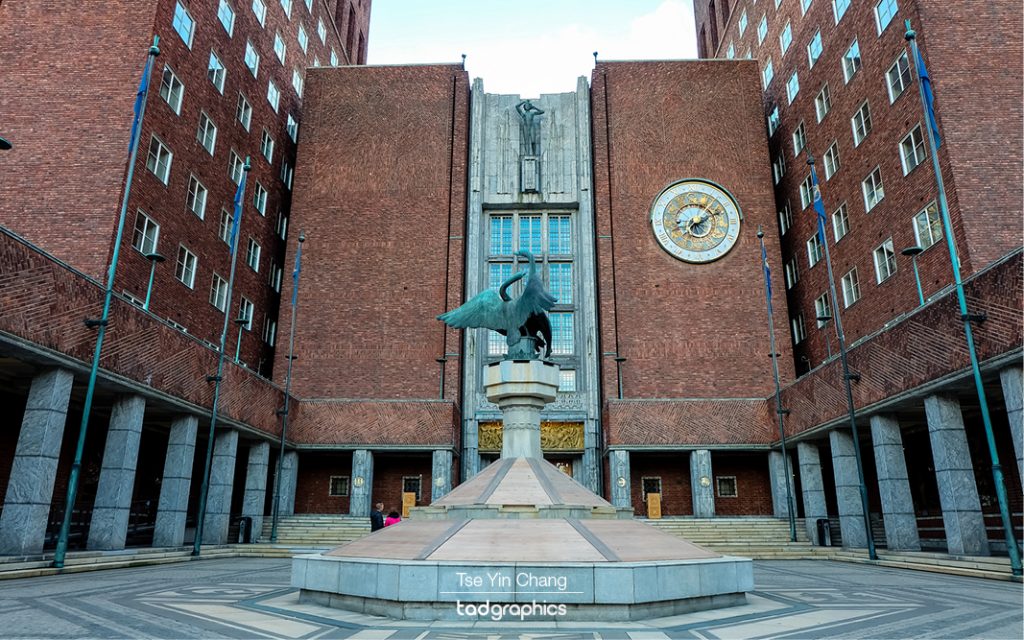
We spent the morning exploring Fjord City on the waterfront. A lot of money has been put into the area surrounding the fjord, and today it is a modern, perhaps even futuristic looking area which couldn’t be more different to the old world charm of Karl Johans Gate despite being only a couple of blocks away. The project started in the 1980’s with the Aker Brygge area where there were once shipyards and warehouses and now restaurants and shopping centres. At one edge of the district overlooking the water, is the city hall where we had watched the fireworks the night before. We walked passed it again and admired its brutalist architectural style. The city hall houses some of the great Norwegian art dated between early 1900s to 1950s, with motifs ranging from Norwegian history, culture and working life. The bells in the city hall clock tower plays a different music chime every hour.

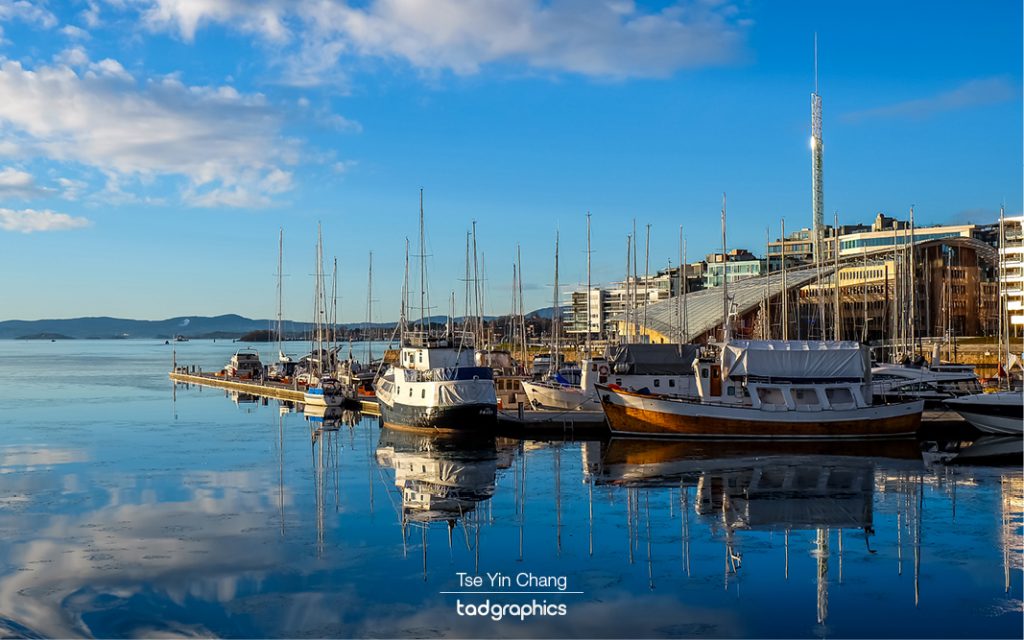
Perfect reflection of Oslo waterfront

The Royal Palace is our next attraction. This enormous 173 rooms building is home to the royal family, and set in the centre of some peaceful landscaped gardens. The palace is a relatively recent construction having been finished in 1849. That doesn’t make it any less impressive however, and it was a great introduction to the neoclassical style of architecture commonly found in Oslo.

View of Aker Brygge from Akershus Fortress

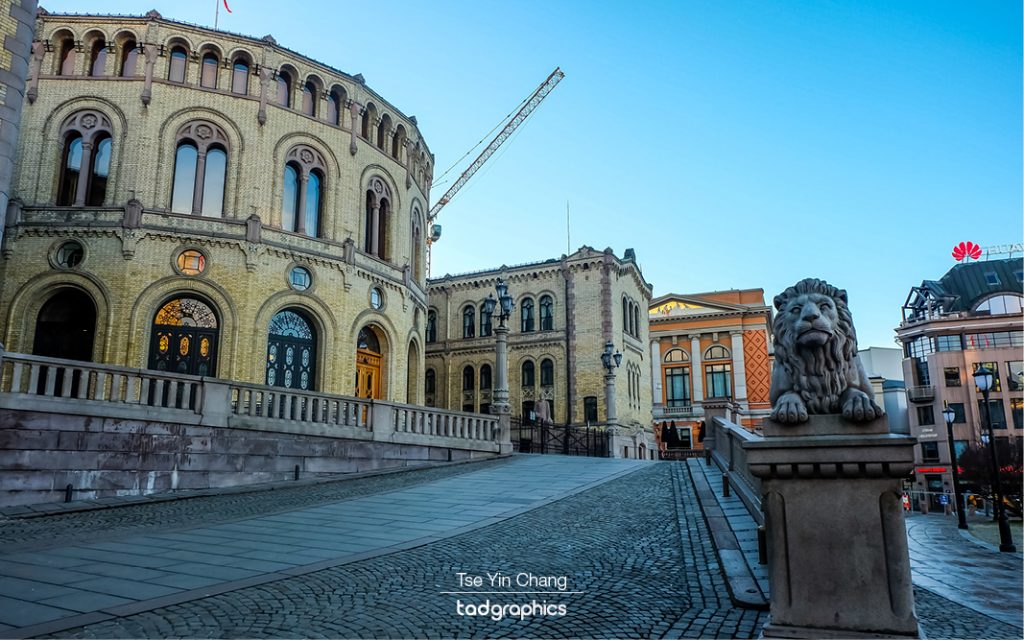
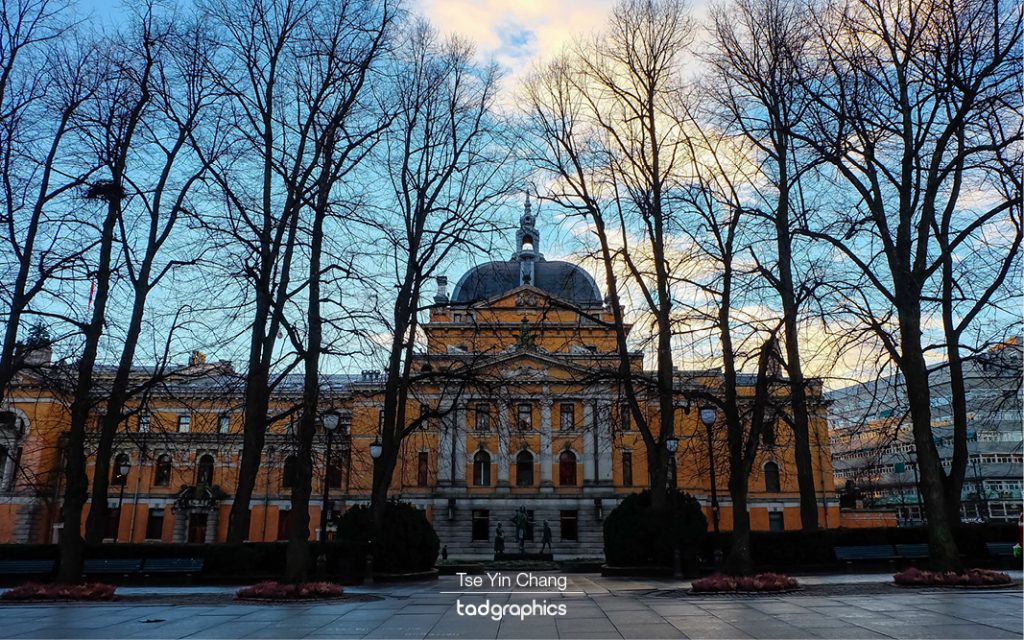
Towards the palace end is the Stortinget, the parliament building; a beautiful winged building with a round central chamber. Just beyond it is the National Theatre which was extremely photogenic thanks to its domed roof and column flanked entrance. This is also the oldest and grandest part of town.

The next morning we embarked on the first leg in our tour of Norway, so we settled in for another good night’s rest. Next stop… Flam and Bergen by rail.
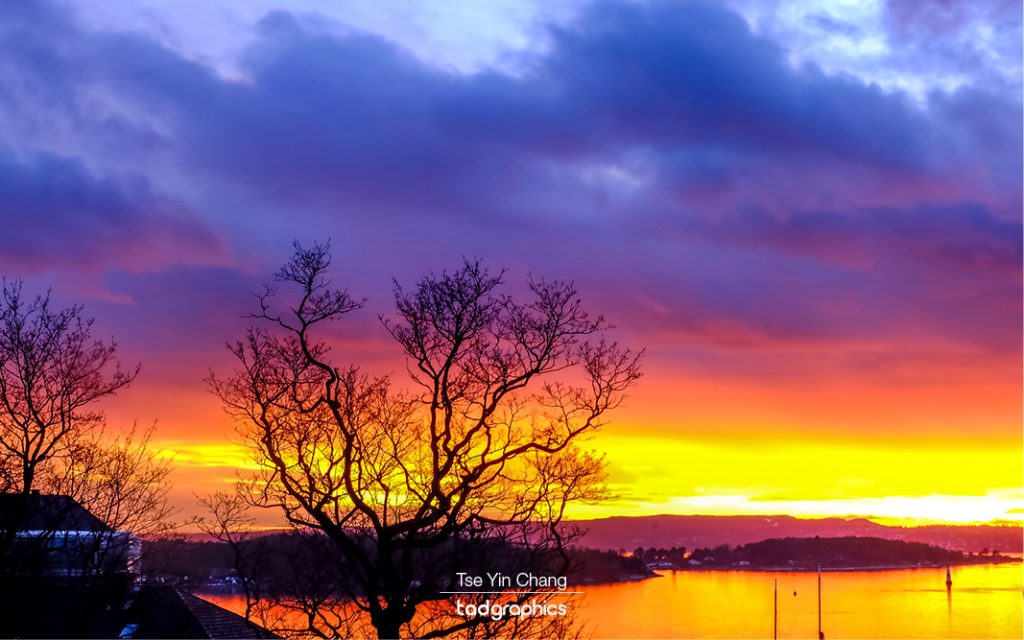
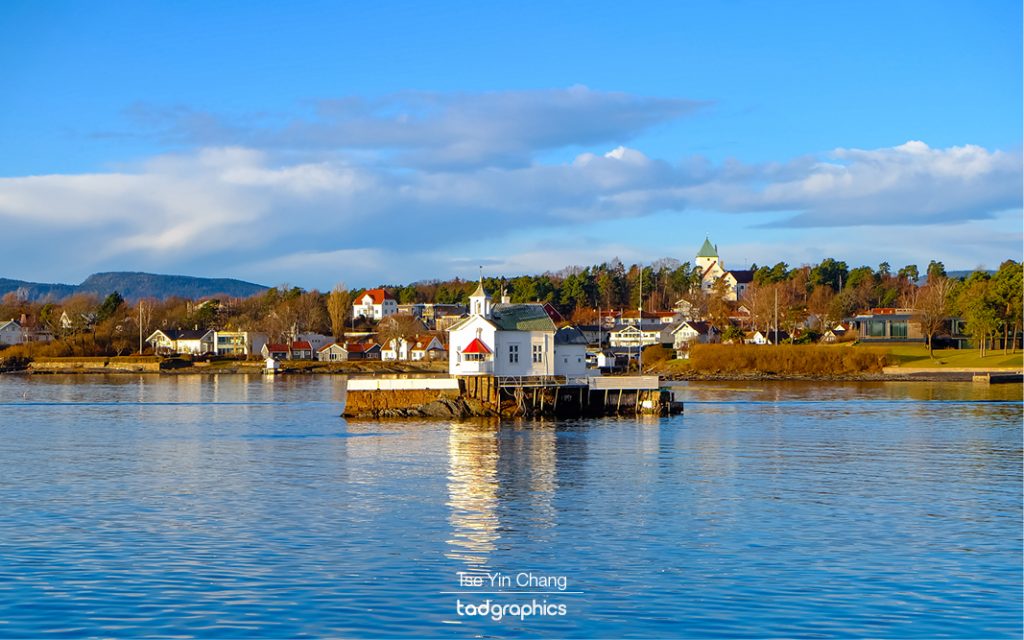
A beautiful and calm morning to explore the islands of the Oslofjord

During our time in Oslo there was one place which looked too luxurious to miss – the Hotel Continental. Housed in one of Oslo’s grandest buildings it is the definition of refined European Opulence. We spent a night feeling almost as special as the king down the road in his palace, and woke up refreshed.

The National Theatre was extremely photogenic thanks to its domed roof and column flanked entrance

Winter survival tips

If you are like us who are not used to walking in ice and snow,

  • Exercise with caution and assume all wet, dark areas on pavements are slippery and icy. Dew or water vapour can freeze on cold surfaces, forming an extra-thin, invisible layer of ice that can look like a wet spot on the pavement.
  • Walk in designated walkways if you can. Taking shortcuts over snow piles and other frozen areas can be hazardous. Look ahead when you walk; a snow- or ice-covered sidewalk, especially if on a hill, may require travel along its grassy edge for traction.
  • Bend your knees slightly and walk flat-footed and lower your centre of gravity directly over the feet.
  • Leave your hands and arms free and out of your pockets to balance yourself. You can help break your fall with your hands free if you do start to slip.
  • Try not to carry a heavy backpack or load, you will lose your sense of balance.
  • Watch where you are stepping and go slow. This will help your reaction time to changes in traction.
  • When walking on steps always use the hand rails and plant your feet firmly on each step.
  • Take short steps or shuffle for stability. Stop occasionally to break momentum.
Oslo City Hall
Oslo City Hall

Interested to own a piece of Oslo and Norway?

My Oslo photo collection is available as prints and comes in a variety of framing options. Please get in touch to find out more. You can also browse our selection of landscape photographs from our portfolio.

View of hills and mountains from Oslo Opera House
Inspired by Norwegian nature the inside of the opera house is equally breathtaking and impressive
Stortinget, Parliament of Norway
Aker Brygge, Fjord City
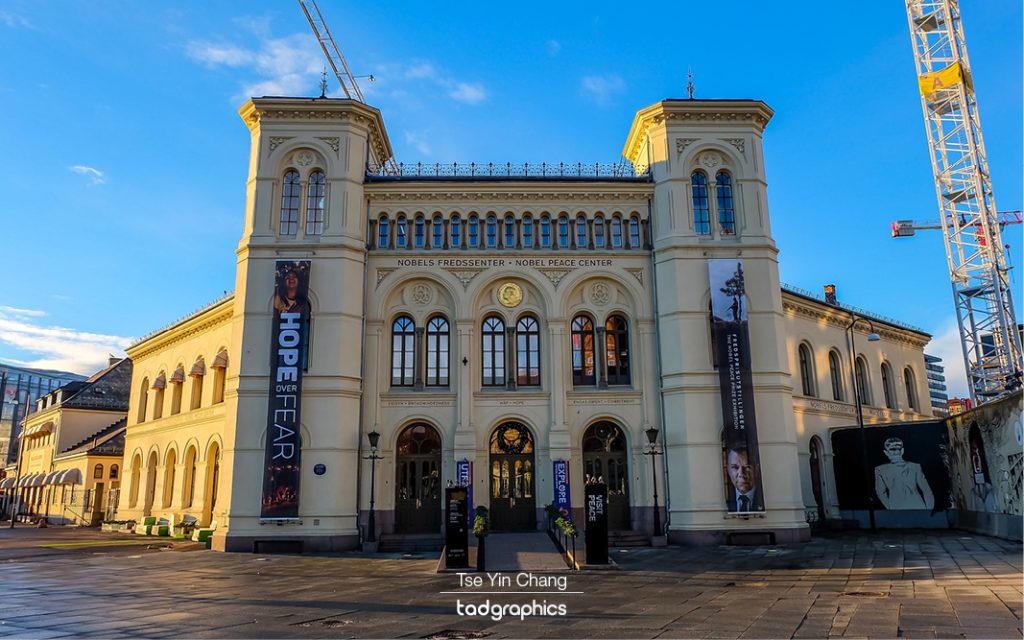
Nobel Peace Center is located on the Oslo waterfront
National Theatre at night
The luxurious Hotel Continental, housed in one of Oslo’s grandest buildings, is the definition of refined European Opulence
Akershus Fortress
Akershus Fortress
Oslo Central Station at dawn

Filed Under: Blog, Photography, Portfolio, Travel Tagged With: europe, fjord, landscape, nordic, norway, oslo, photography, scandinavia, travel, winter

Snowy Reykjavik – a magical Christmas in Iceland

26 September 2017 by tadgraphics

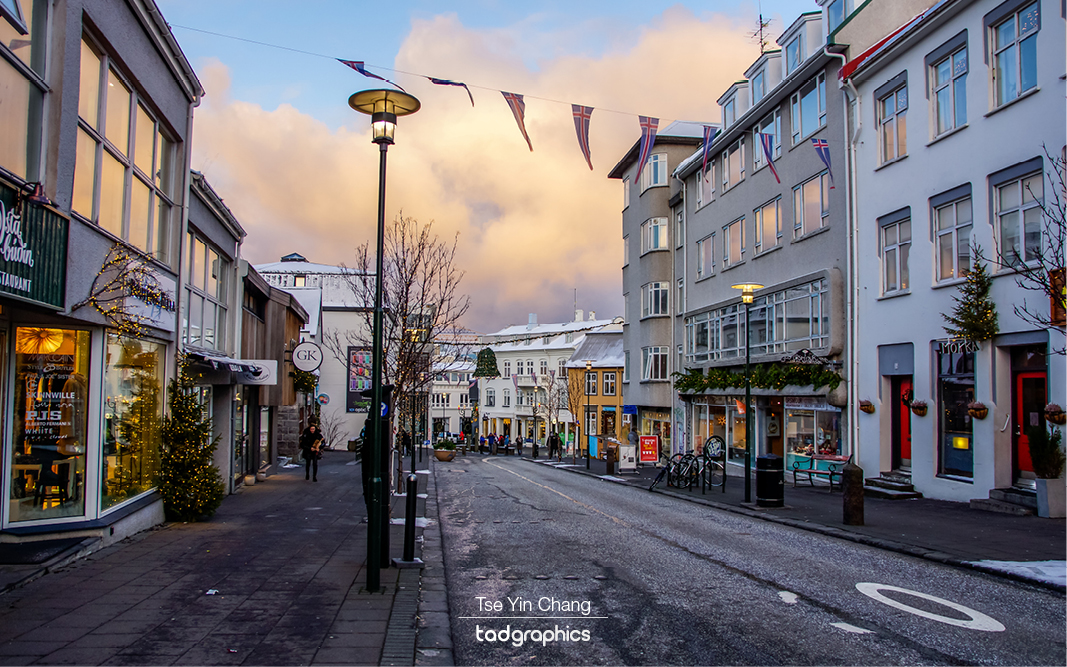
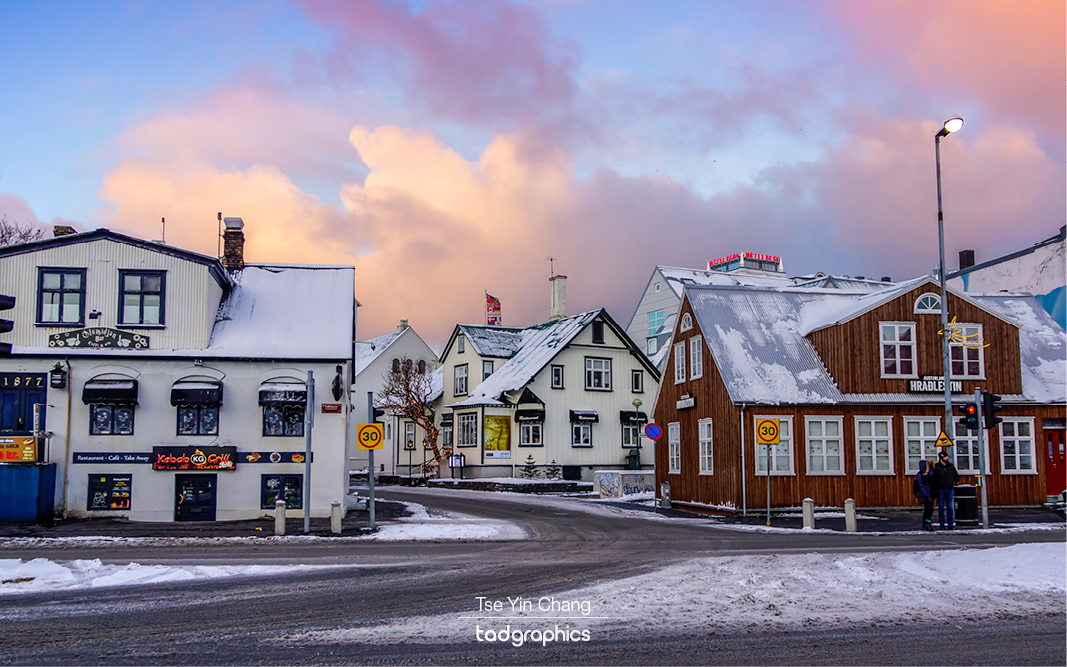
Downtown Reykjavik on Christmas Day

For someone who lives in sunny Perth, Australia, it’s been a long held dream of mine to spend a white Christmas somewhere in the northern hemisphere. Well, my dream finally came true last year, when I had the opportunity to spend Christmas and the New Year in the Nordic countries – including Iceland.

Prior to my visit, I pictured Iceland to be a very cold country with frozen landscapes, snow-covered peaks, black sand beaches and sky scraping geysers. But this magical island country in the North Atlantic Ocean has a lot more to offer than what I initially imagined.

With a population of 320,000 people, Iceland is one of the least-populated countries in the world. No big surprise really, given its harsh cold climate. The capital city, Reykjavik (also known as Bay of Smokes and the most northerly capital city in the world) has a population of 122,000. To give you an idea of just how least-populated the country is, over 50 cities in the United States enjoy a greater population compared to Iceland, including New Orleans and Tulsa.

Lake Reykjavíkurtjörn
Frozen Lake Reykjavíkurtjörnin is located in downtown Reykjavík, next to Reykjavík City Hall and the National Gallery of Iceland

A little bit of Iceland history

The settlement of Iceland can be traced back to AD 874. According to Landnámabók, also known as The Book of Settlements, the chieftain Ingólfr Arnarson became the first permanent Norse settler on the island. Up until then, other people had been known to visit and remain over winter, but their stays were not permanent. As centuries followed, Norsemen settled Iceland, bringing with them thralls of Gaelic origin.

From 1262 to 1918, Iceland was part of the Norwegian and later the Danish monarchies. Then, in 1944, Iceland broke its ties with Denmark to officially become independent. It’s now 73 years since Iceland became a free and independent republic, with National Day celebrated every year on June 17.

The Icelandic population relied largely on fishing and agriculture, and it remained that way until the 20th century. Up until that point in its history, Iceland was one of the poorest and least developed countries in the world. Progression through industrialisation of the fisheries, together with aid from the Marshall Plan, was a major turning point for Iceland. It brought prosperity in the years following World War II and by the 1990s, Iceland had transitioned into one of the world’s wealthiest and most developed nations.

Reykjavik is covered in snow during winter

The Land of Fire and Ice

Iceland is often referred to as the Land of Fire and Ice because it is a nation of contrasting landscapes. With many interesting places to explore, especially in the western parts of the country, the country is home to a large number of volcanoes, both active and extinct, as well as lava fields, hot springs and geysers. Iceland actually has more hot springs than any other country on earth.

Strokkur Geysir
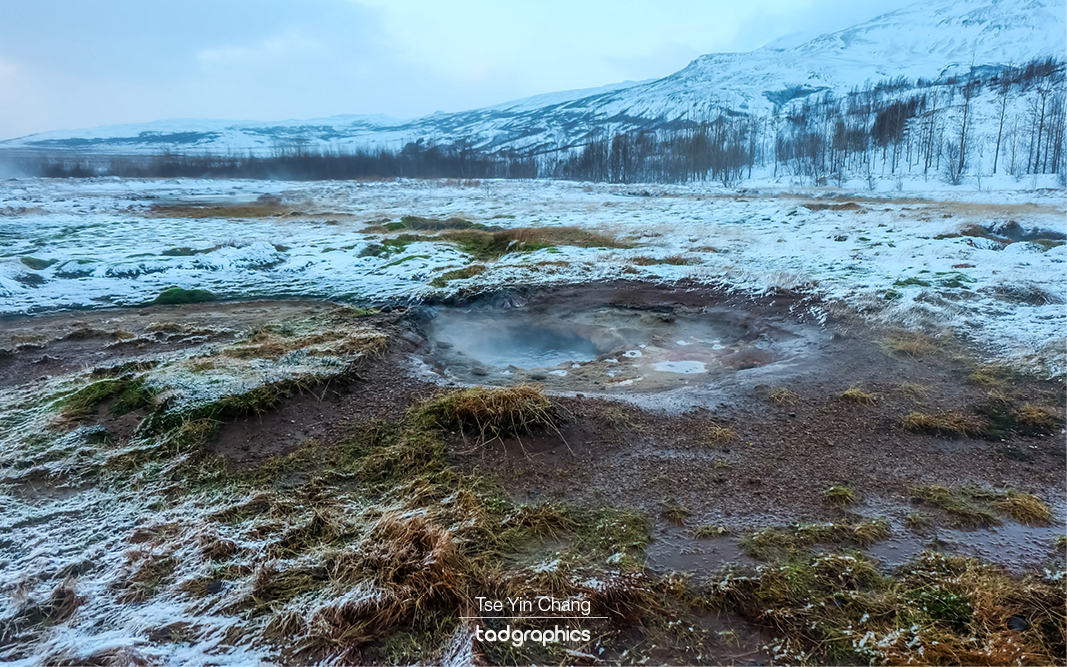
The highly active Strokkur Geysir geothermal area with boiling mud pits, exploding geysers which spouts water 30 metres into the air every 6 to 10 minutes, is a favourite stop along the Golden Circle route

Iceland is one of the smaller nations in Europe, but for overseas visitors it is becoming an increasingly popular destination. With 2.3 million visitors expected in 2017, tourism is a fast growing industry, thanks in part to the country’s incredibly beautiful landscape. Iceland just so happens to be home to many of the continent’s most impressive waterfalls.

Iceland’s must see waterfalls

Gullfoss
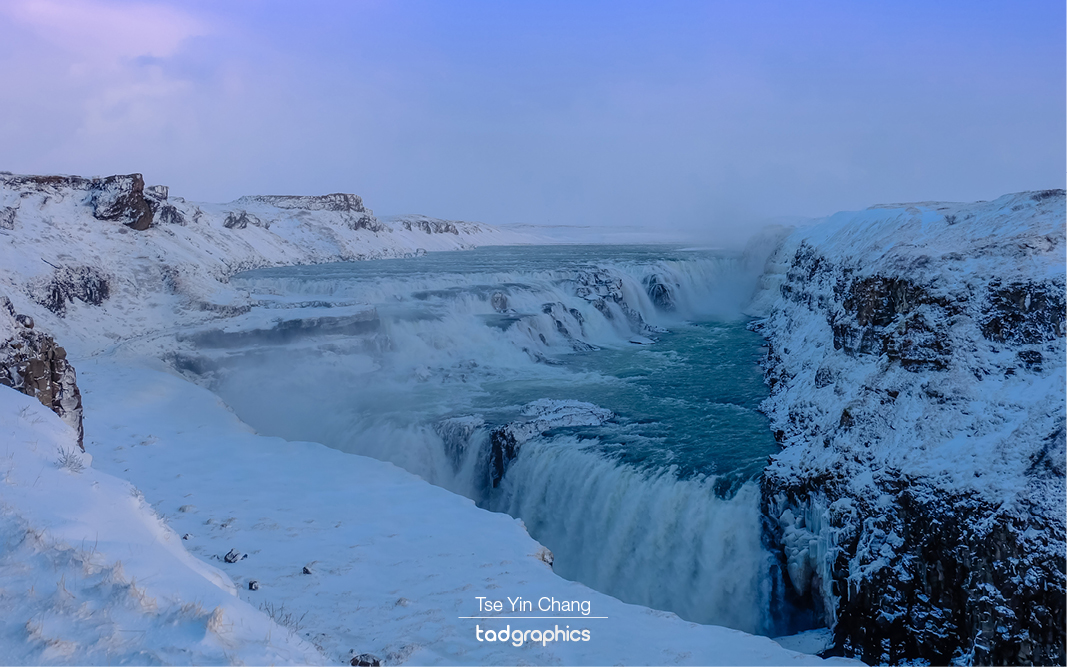
Spectacular Gullfoss, also known as Golder Waterfall, is the largest in Europe

Gullfoss

A spectacular sight, this multi-tiered waterfall is one of the popular attractions on the Golden Circle route. Also known as Golder Waterfall, it is located in the canyon of the Hvita River in the southwest of Iceland. This waterfall is the largest in Europe and is part of an eponymous nature reserve to ensure it is protected for all to enjoy its natural beauty.

Skogafoss

This waterfall was once located on the southern Icelandic coast, but this former sea cliff is now five kilometres from the shore, serving as a dramatic boundary between Iceland’s highlands and its coastal lowlands. One of the biggest waterfalls in the country, with a height of 25 metres, Skogafoss is most famous for its rainbow, visible on sunny days – a phenomenon attributed to the amount of spray the fall produces, and nothing short of a photographer’s dream.

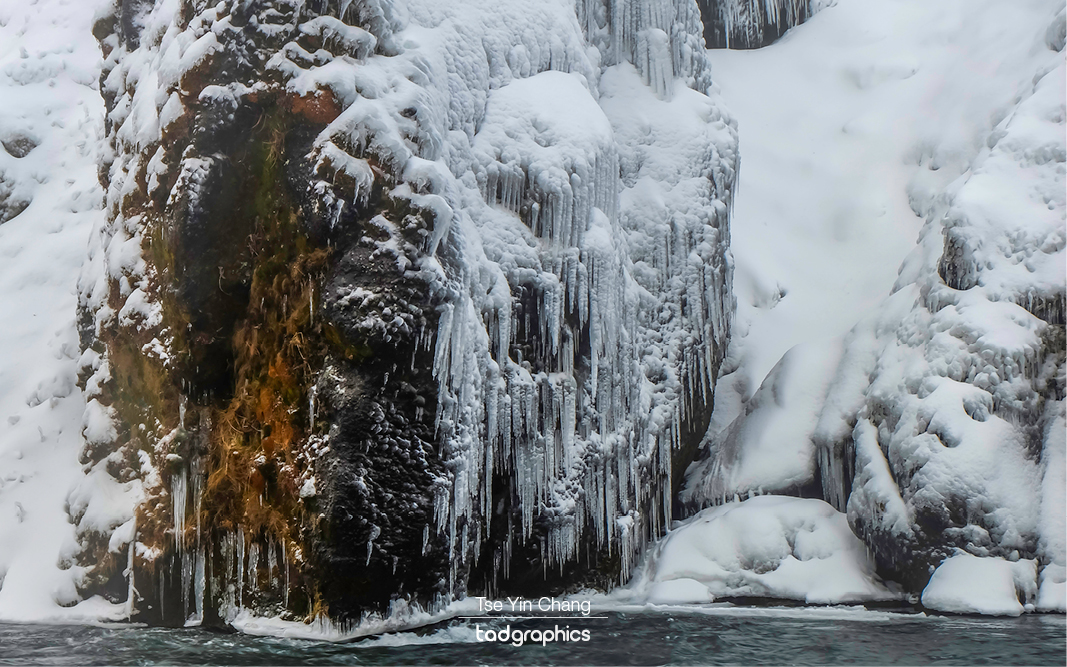
Parts of Skogafoss is frozen during winter

Dettifoss

Although not as popular with visitors as Gullfoss or Skogafoss, Dettifoss is the most powerful waterfall in Europe. Discharging 193 cubic metres per second, this waterfall is also Europe’s biggest waterfall in terms of the amount of water discharged. After it made an appearance in the 2012 science fiction movie Prometheus, many people refer to Dettifoss as the Prometheus waterfall.

Seljalandsfoss

Located between Selfoss and Skogafoss, close to the main ring road, this impressive 65 metre waterfall is well worth a visit. Not least because weather permitting, visitors have the opportunity to walk behind the cascading falls. Due to ice and slip hazard in winter, it is advisable not to walk behind the cascading falls.

Godafoss

Also known as the Waterfall of the Gods, Godafoss is located in the Myvatn district of northern-central Iceland. You’ll find this waterfall at the start of Sprengisandur Highland road – it is here that the water of the River Skjalfandafljot falls 12 metres from a width of 30 metres.

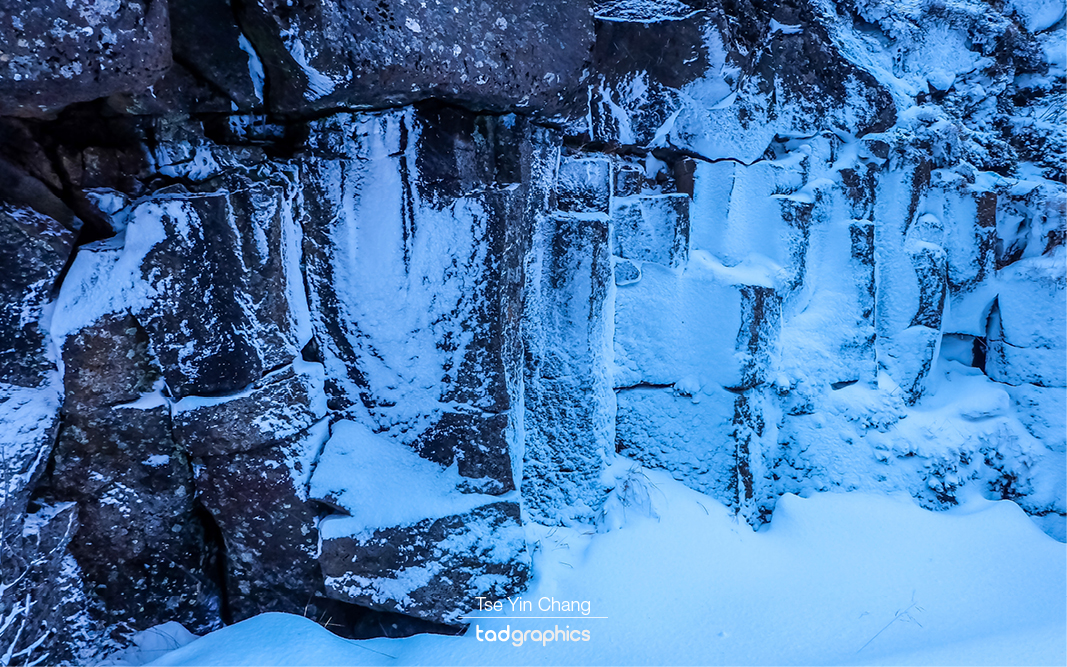
Midatlantic Ridge Almannagja Fissure, Thingvellir National Park
Midatlantic Ridge Almannagja Fissure in Thingvellir National Park – a UNESCO World Heritage Centre and home to the world’s first parliament


To experience the best of Iceland’s natural attractions, be sure to visit the Golden Circle route, venture into the Highlands, or drop by the country’s national parks – Snaefellsjokul, Vatnajokull and Thingvellir – UNESCO World Heritage Centre and home to the world’s first parliament. A boat trip to Videy Island – where unspoiled nature and culture combine – is also highly recommended.

Let’s talk about the Icelandic Folklore

Iceland is not only rich when it comes to natural wonders, it also has an overwhelming wealth of cultural heritage, which is mainly evident in its family sagas and folktales relating to sorcerers, ghosts and mythical creatures like dragons, elves and trolls. If you want to be enlightened more about these creatures and tales, you should visit Lambi and Hafnarfjorour, where elves are said to dwell. A visit to the Icelandic Wonders Museum is also worthwhile – here you can take a class at the Icelandic Elf School! Fun fact: according to a survey back in 1998, most Icelanders believe in the existence of elves.

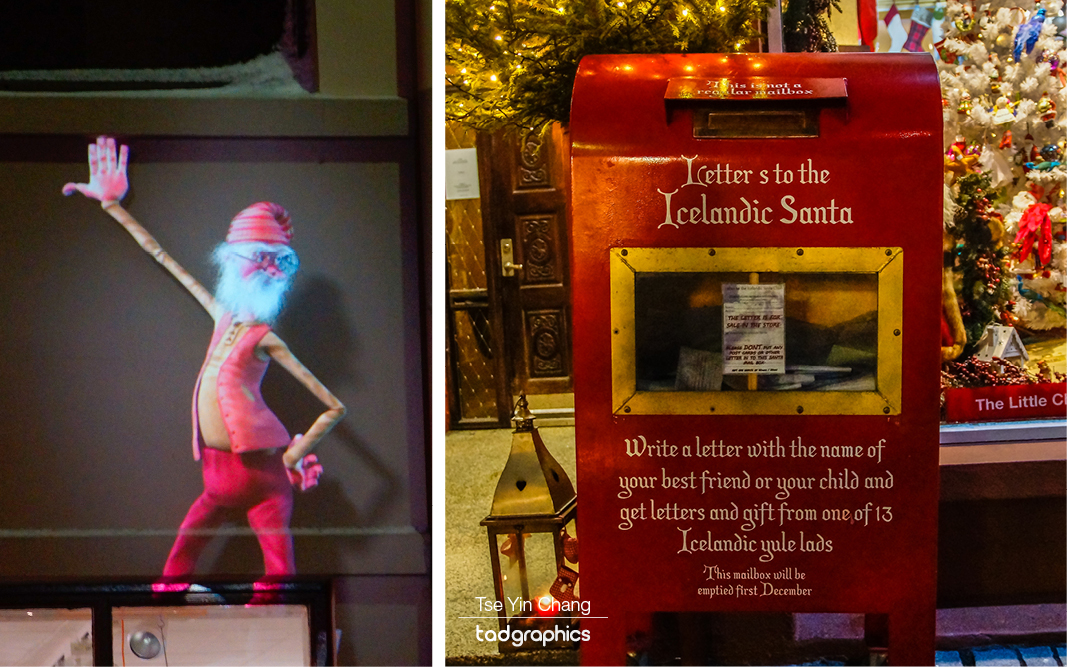
Yule Lads
One of the Yule Lads (Iceland’s version of Santa Claus) spotted around Reykjavik in December

The Yule lads and snowy Reykjavik wonders during Christmas

Winter is said to be a magical season in Iceland, when the mountains and plains are covered in fresh snow, the lakes and waterfalls freeze over and the Aurora Borealis or Northern Lights puts on a heavenly show, lighting up the skies in Reykjavik and various parts of the country.

During the Christmas season, entire cities, towns and villages are illuminated with twinkling nights and the thirteen Yule Lads (also known as Jólasveinar) – Iceland’s version of Santa Claus – wander around to spread mischief and Christmas cheer. For well-behaved children they will leave a gift, but naughty children receive a potato! In return, children leave treats for the Yule Lads such as crispy flatbread or other snacks. You can even visit the Yule Lads in their caves near Akureyri.

Although many roads are closed during the Christmas season, there are still plenty of activities available, particularly winter sports like skiing, ice skating and bobsledding. The largest ski resort in Iceland is Blafjoll, which is just several minutes away from the capital city, Reykjavik.

If you’re planning to enjoy an Icelandic Christmas (by the way ‘Gleileg jol gott og fars!’ is ‘Merry Christmas’ in the local tongue!) don’t be surprised, either, if Christmas seems unusually long. It is one of the Iceland customs to have 26 days of Christmas and not just one, but 13 Santa Clauses!

Horse tours and other exciting outdoor adventures during Christmas

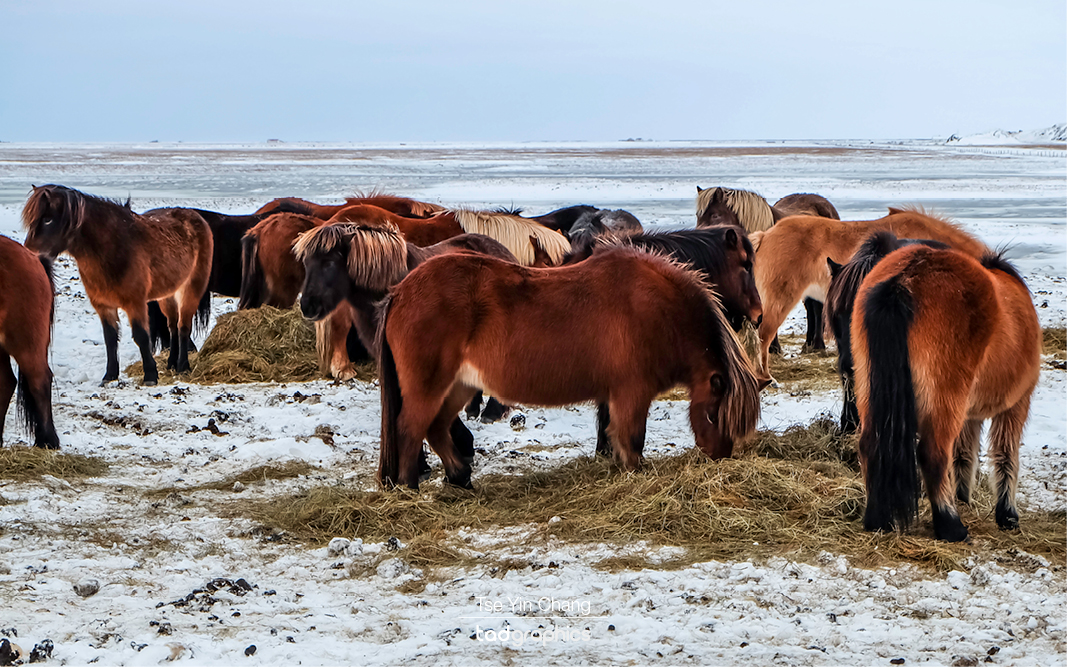
Riding an Icelandic horse is a rare and amazing experience, and horseback riding provides a unique opportunity to explore Iceland’s beautiful natural landscapes. Icelandic horses, although small, are known for being hardy and easy to ride. There are many horse tours available in Reykjavik and other places in Iceland.

Apart from horseback riding, there are many other exciting outdoor activities for you to try when you visit Iceland during Christmas. You could play a round of golf under the midnight sun, cycle around Reykjavik or hike in the mountains and fjords. For water sport enthusiasts there’s rafting, swimming, sea kayaking and sport fishing. Wildlife encounters should definitely be one of your ‘must do’ activities though. Go bird-watching in Latrabjarg and catch a glimpse of the minke, blue, humpback and killer whales off the coast of Husavik.

Icelandic horses
Icelandic horses are spotted grazing in southern Iceland

Music and entertainment

Icelanders love their music and Iceland is home to an interesting music scene. Music is everywhere, from folk songs streaming from small villages and local pubs, to classical music resounding from concert halls and theaters, and rock music pulsating in the various night clubs. You should know that, Iceland even has its own metal scene, while jazz fans will love hanging around during the Reykjavik Jazz Festival.

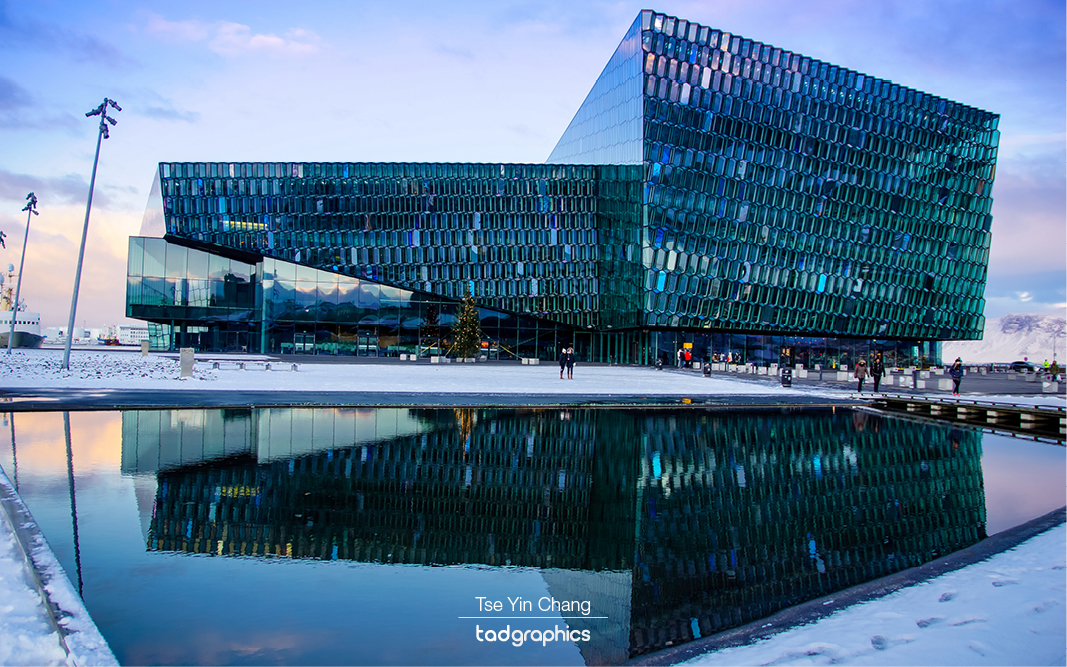
Don’t forget to visit the Harpa Concert Hall, easily one of the most beautiful concert halls in the world. Home to the Iceland Symphony Orchestra, even if you don’t get to take in a performance, the Harpa Concert Hall should be high up on your itinerary of places to visit in Reykjavik.

Winter is a magical time of year to visit Iceland. The winter months aren’t as cold and harsh as you might probably imagine them to be, it’s generally less crowded and the winter weather delivers some stunningly beautiful landscapes that will take your breath away. Speaking of breath-taking, it’s also one of the best times to experience the incredible Northern Lights.

Harpa Concert Hall
Harpa Concert Hall is one of the most beautiful concert halls in the world

Interested in owning a piece of Reykjavik and Iceland?

Photos of Reykjavik and Iceland are available as prints and come in a wide range of framing options. Please get in touch to find out more.

Reykjavik Waterfront
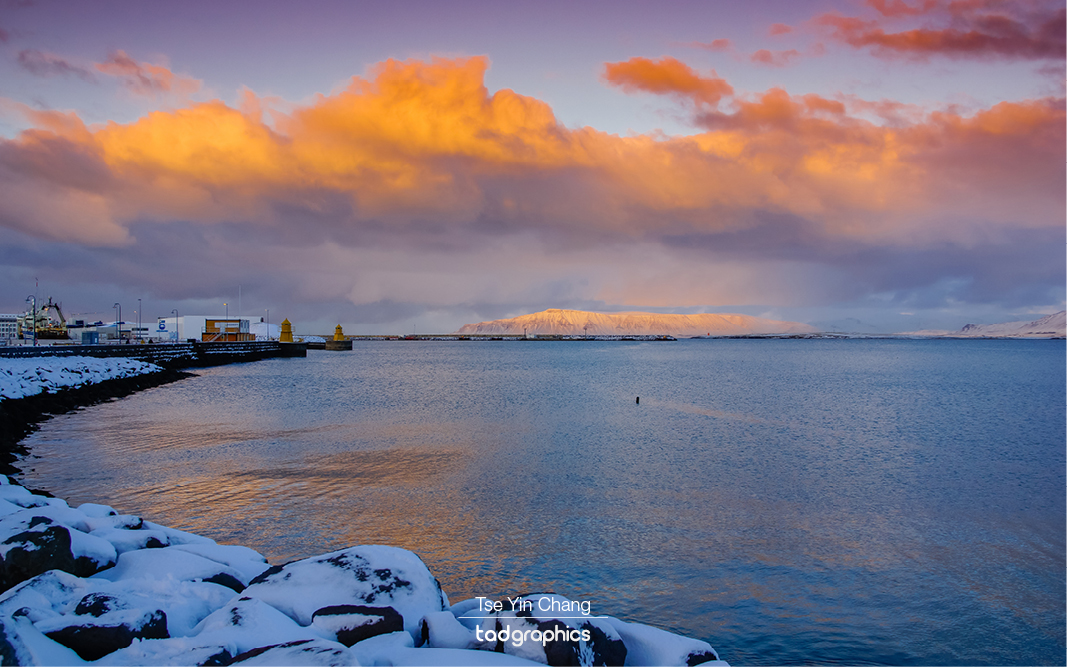
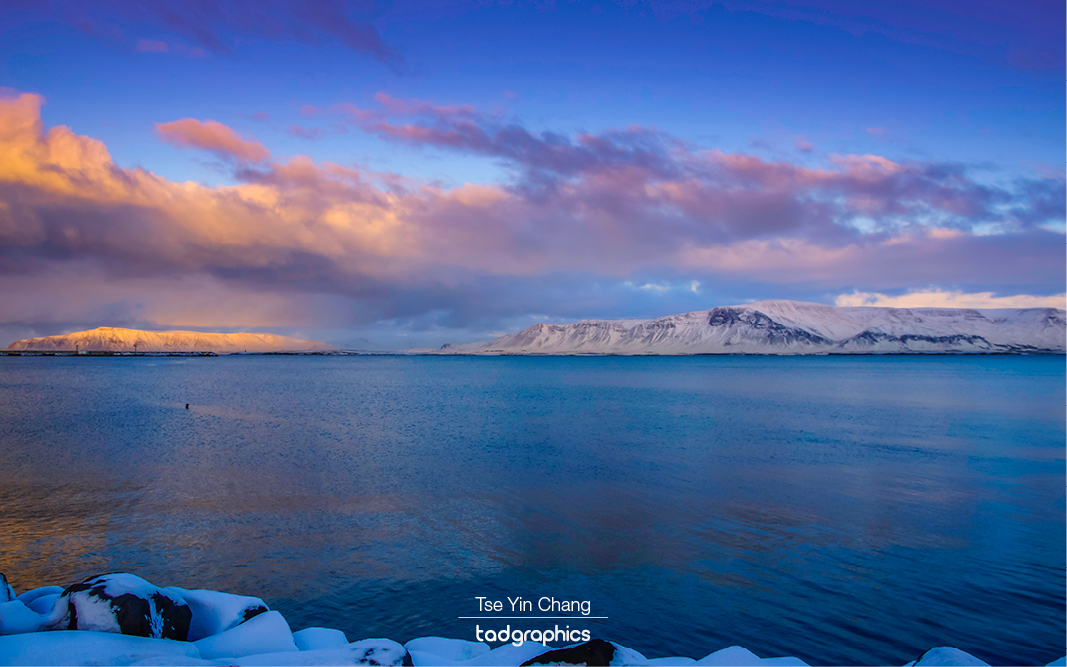
Impressive sunset of Engey Island from Reykjavik Waterfront
Engey Island, Reykjavik Waterfront
The winter weather delivers some stunningly beautiful landscapes that will take your breath away
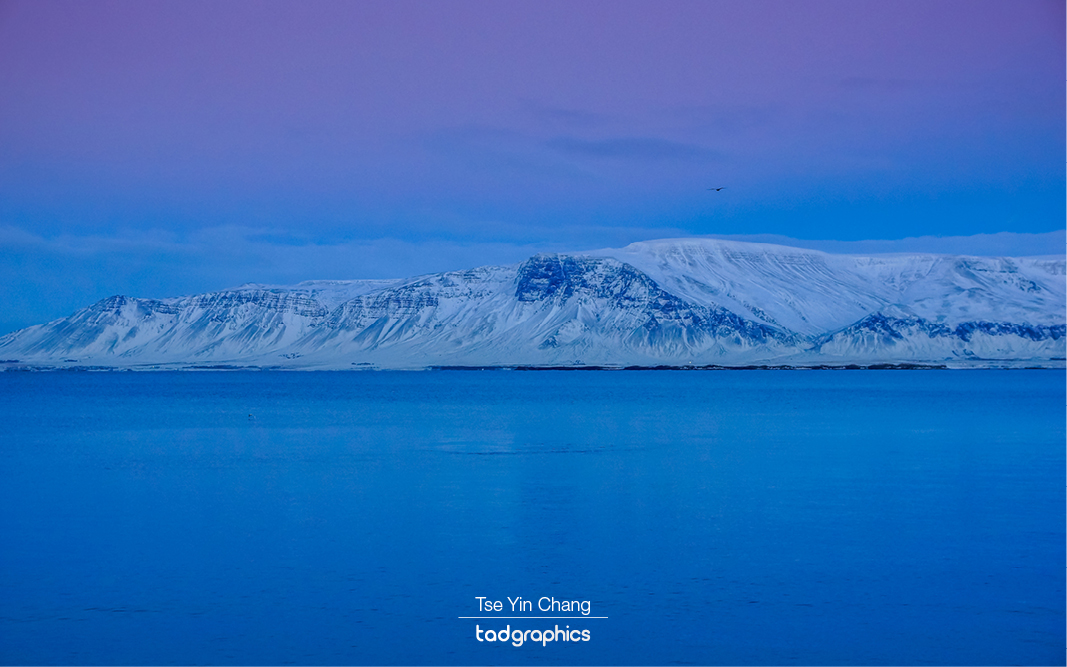
Snowy Engey Island from Reykjavik Waterfront
Frozen Lake Reykjavíkurtjörn

Filed Under: Blog, Photography, Portfolio, Travel Tagged With: europe, gullfoss, iceland, nordic, photography, reykjavik, scandinavia, skogafoss, snow, travel, waterfalls, winter

Adventures in snowy Lapland – a photographer’s dream

19 February 2017 by tadgraphics

Winter wonderland in Lapland

Recently I had the pleasure of visiting one of the cleanest and most unspoiled destinations in the world – Kakslauttanen Arctic Resort in Lapland, Finland.

I began my stay at a husky farm located just across from the resort, home to approximately 250 big, energetic huskies. These beautiful and loyal creatures took us on an unforgettable ride through the tranquil frozen forest. The husky safari is a must-do experience for anyone visiting Lapland.

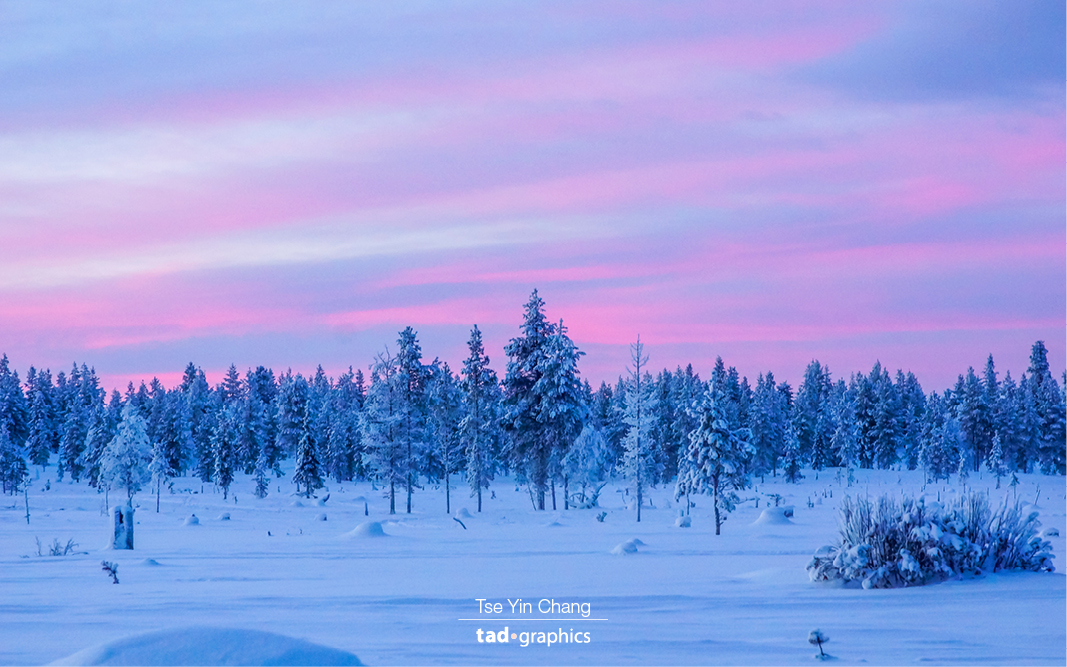
In this beautiful icy wonderland the air was so crisp and cold I could feel it deep down in my lungs. And the water is so pure you could drink it straight from the streams. When the sun rose, the blanket of white snow reflected the pinkish glow of the horizon.

Magical sunrise in Lapland. Taken during a husky ride. I definitely miss the breathtaking landscape of Lapland

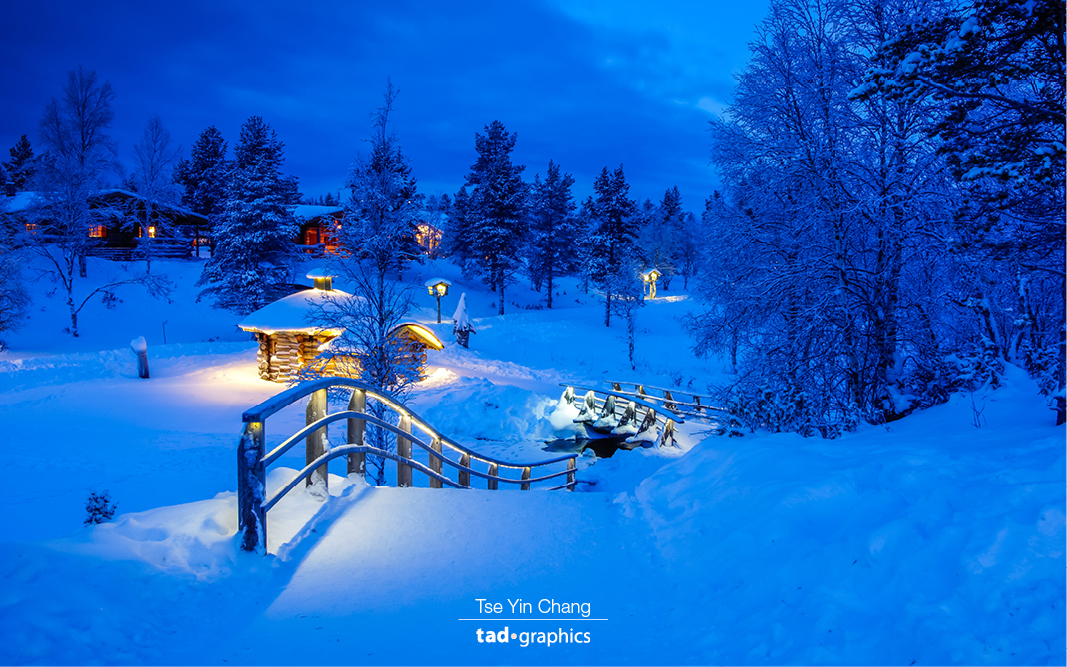
It’s hard to say whether Kakslauttanen Arctic Resort was more magical in the daytime with the sunlight glinting off the diamond-dust ice crystals, or at night when it was lit up with warm glowing lights.

This enchanting resort is prized as one of the most magical luxury resorts in the world and it does an amazing job of integrating itself into its wild natural surroundings. It is located on the edge of the wilderness in Finnish Lapland, 250km north of the Arctic Circle.

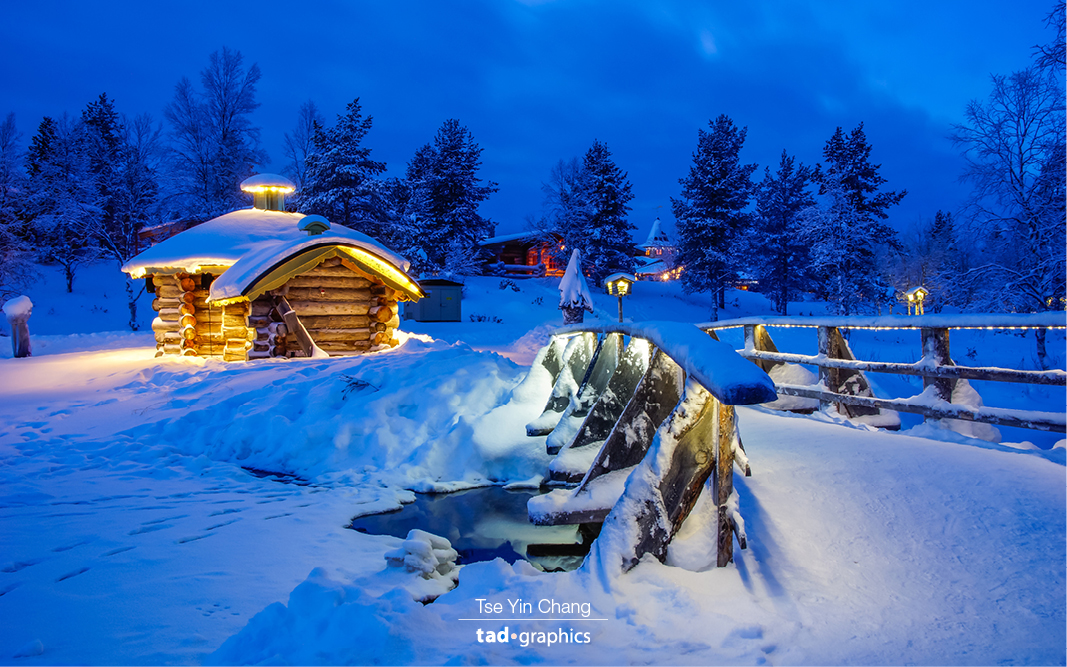
Doesn't this photo look like winter wonderland? There is something about snow combined with the lights that made it so magical!
Doesn’t this photo look like winter wonderland? There is something about snow combined with the lights that made it so magical!

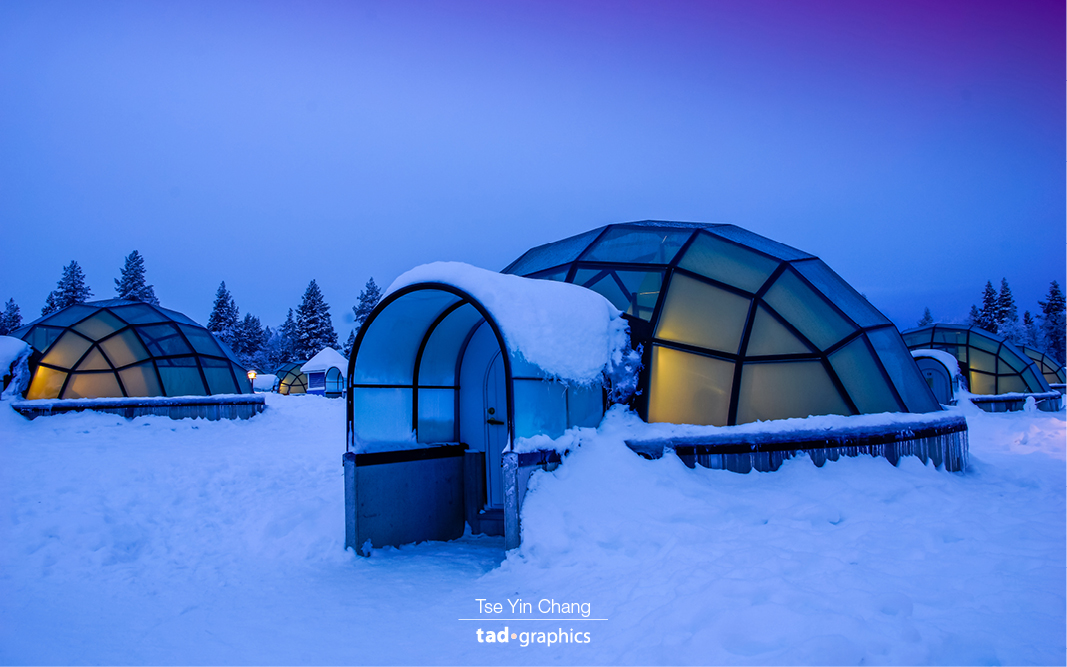
One of the most unique features of the Kakslauttanen Arctic Resort was the glass igloos. Sleeping under these clear domes, gazing up at the dazzling blanket of stars, is an experience not to be missed.

These igloos are an engineering marvel. Made with special thermal glass, they stay cosy and warm even when the outdoor temperature is minus thirty degrees Celsius. These igloos are actually very comfortable, with their own sauna, fireplace, bathroom and kitchenette.

Glass igloos are an engineering marvel, they are made with special thermal glass so that they can stay cosy even when the outdoor temperature is minus thirty degrees Celsius

After a very pleasant night’s sleep, we were picked up early the next morning for our snowmobile safari, leaving behind the crackle of a roaring fire to explore the frost-covered wilderness. To protect ourselves from the chill, we bundled up in socks, boots, gloves and a thermal suit – squeezing our helmets down over our hats.

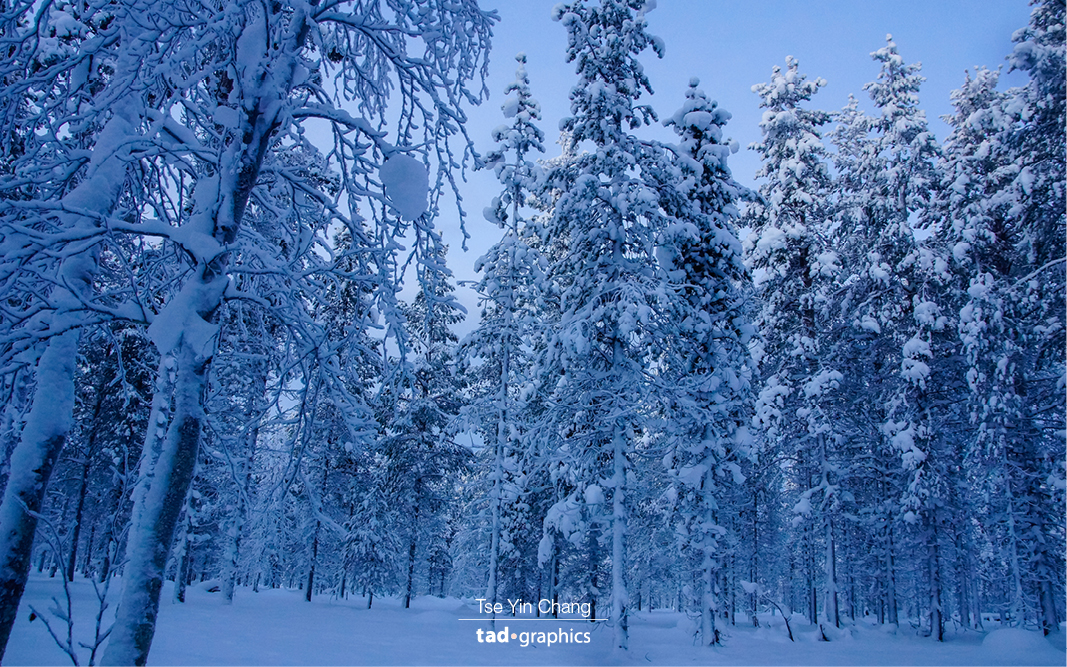
After a quick lesson covering the basics of driving a snowmobile, it wasn’t long before we were zooming through the forest on these powerful machines. Aside from the roar of our snowmobiles, the forest was silent and still, the trees heavy with snow.

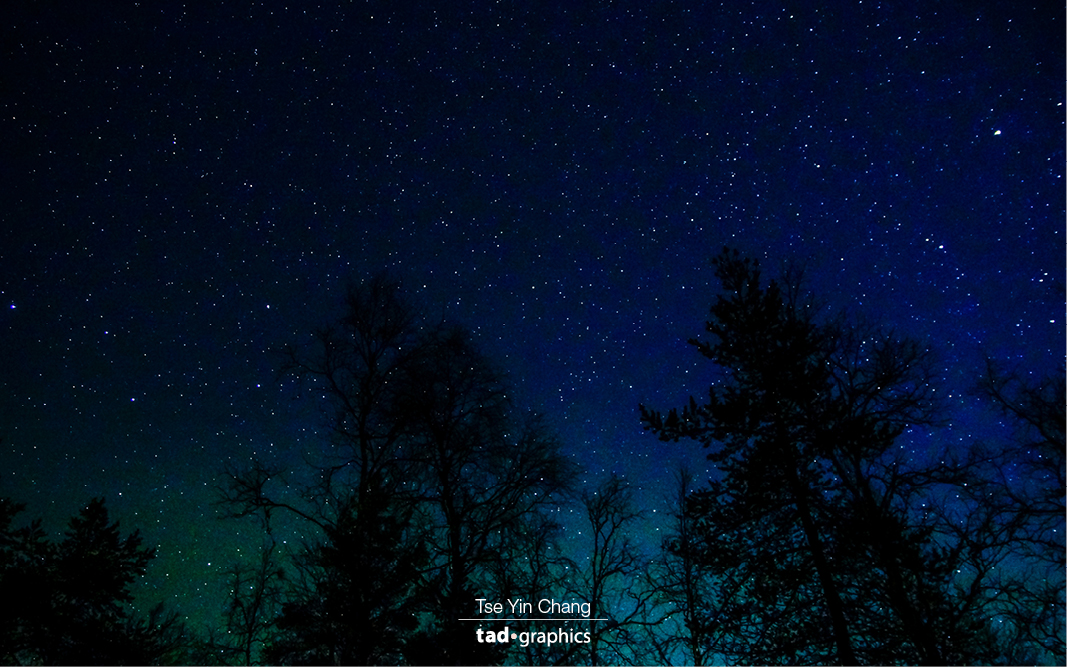
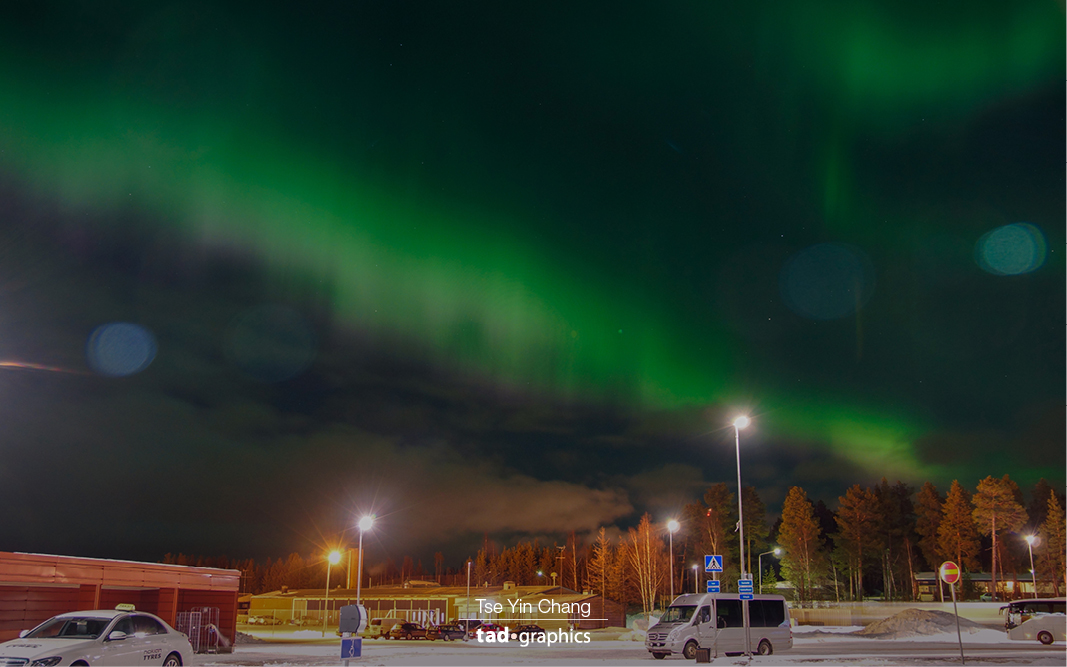
A lot of people travel to Finnish Lapland to see the Northern Lights. I was lucky enough to witness this amazing natural phenomenon for myself first hand.

Known as nature’s fireworks, the Northern Lights are the result of electrons colliding in the high upper reaches of the Earth’s atmosphere. They become energised and fall towards earth, where they transfer their energy as they collide with nitrogen and oxygen in the atmosphere.
This energy is released in the form of light, similar to how neon signs work. This causes a magic glowing light diffused across the sky, often in shades of green but sometimes in blues, purples and other hues.

The most common auroral colour is a pale green. But we were also treated to rare blue and orange aurora colours during our stay in Kakslauttanen. No matter how many times you hear the scientific explanation, there is still something magical and otherworldly about this unbelievable light show in the clear, cold Arctic sky.

We were lucky enough to see rare blue aurora colour during our stay in Kakslauttanen Arctic ResortWe were lucky enough to see rare blue aurora colour during our stay in Kakslauttanen Arctic Resort
We were lucky enough to see rare blue aurora colour during our stay in Kakslauttanen Arctic Resort

Visiting a place like Lapland is a once in a lifetime experience. And from a photographer’s perspective, it’s a dream to photograph. I treasure the memories I brought back with me on my return to Australia, together with the many, many photos I took, which capture the minimalist beauty of this winter wonderland.

My Lapland photo collection is available as prints and comes in a variety of framing options. Please get in touch to find out more.

Mother nature put on quite a show in Ivalo to farewell us

Filed Under: Blog, Photography, Portfolio, Travel Tagged With: adventure, arctic circle, aurora, europe, finland, glass igloo, husky, Kakslauttanen, lapland, nordic, northern lights, snow, winter

© Copyright 2005-26. All rights reserved. t ad studio | tad graphics. Web and graphic design Perth. Admin